Best Dog Ear Cleaner for Yeast and Ear Infections
Compare routine cleansers, an antifungal flush, and an Otic treatment by their actual roles. Learn which ear symptoms need a veterinary diagnosis and how cleaning fits into a treatment plan.

BVMS, MRCVS
Petful is reader supported. As an affiliate of platforms like Amazon and Chewy, we may earn a commission when you buy through links on this page. There is no extra cost to you.
The best dog ear cleaner for yeast depends on what your veterinarian finds inside the ear. A routine cleanser can remove wax, an antifungal flush can support a treatment plan, and an ear medication can treat a diagnosed infection. Those are different jobs. Choosing the wrong category can delay relief, especially when an ear is already painful.
This guide compares four products by their labeled role and explains when each belongs in the conversation with your vet. It draws on veterinary guidance and manufacturer information, without claiming hands-on product testing. If your dog has new pain, discharge, persistent scratching, or head shaking, arrange an examination before putting anything into the canal.

Sign up for expert-backed reviews and safety alerts all in one place.
Ear cleaner versus infection medication
A routine cleanser is a hygiene product. Diagnosis-directed treatment is selected for the disease actually present. An ear cleaner for dog ear infection may be one part of that treatment, but the phrase on a shopping page does not establish that it will kill the organisms affecting your dog. Start by identifying the product category, then check whether its directions fit the plan you were given.
- 1A routine cleanser removes debris from an ear that is suitable for cleaning; it does not establish a diagnosis.
- 2Diagnosis-directed treatment addresses the yeast, bacteria, inflammation, or other problem identified by a veterinarian.
- 3An antifungal flush, a routine cleanser, and an Otic treatment have different instructions and are not interchangeable.
- Routine cleansing: Virbac Epi-Otic Advanced and Zymox Enzymatic Ear Cleanser are options to discuss for an appropriate cleaning routine. The Zymox cleanser is specifically intended for noninfected ears.
- Antifungal flushing: TrizULTRA + Keto contains ketoconazole and tris-EDTA. Its role is different from that of a plain hygiene cleanser; selection belongs within a veterinary plan.
- Otic treatment: Zymox Plus Advanced Formula with 1% hydrocortisone is a separate product from the Zymox cleanser. Follow its own instructions, including the manufacturer's no-precleaning protocol.

For someone comparing a dog ear cleaner for infection, the most useful first question is: “Am I buying the cleanser my vet asked for, or am I substituting a different type of product?” Similar brand names and similar bottle shapes can hide that distinction. Read the full product name, active ingredients, and directions before opening it. A hydrocortisone-containing Otic solution should never be mistaken for the brand's everyday ear cleanser.
 Sponsored
Need a prescription or refill for your dog?
A licensed vet at Dutch can assess your dog over video and prescribe treatment when it's appropriate, delivered to your door.
Use code Pets30
Plans start at $11/month · covers up to 5 pets
- Licensed vets in most states
- Rx for 150+ conditions
- 4.7 on Trustpilot
Zymox Plus Otic: a treatment with its own protocol
Zymox Plus Advanced Formula Otic with 1% hydrocortisone belongs in the treatment discussion, rather than being treated as a generic rinse. The manufacturer gives different instructions for Otic products and its cleanser, as explained in the Zymox product FAQ. Check the exact label and ask your veterinarian whether this formulation is suitable for your dog's findings and ear drum (eardrum) status.
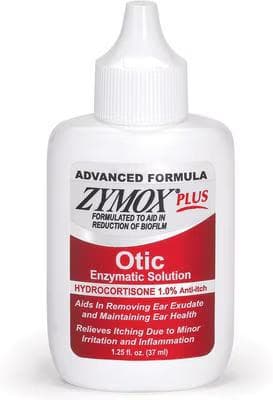
Petful may earn a commission when you click through to Chewy, at no extra cost to you.
- Why consider it: Your veterinarian has chosen this specific Otic formulation and explained how to use it.
- What changes the decision: Another ear medication is already being used, the ear is painful, or the eardrum has not been assessed.
- What to avoid: Adding a precleaning step simply because you normally clean before drops. Zymox's Otic protocol is an exception to that familiar sequence.
Medication sequencing includes a Zymox no-precleaning exception: do not add a cleaning step before an Otic application unless your veterinarian specifically directs it. This differs from other regimens in which a prescribed cleaner prepares the canal for medication. A product marketed as a dog ear cleaner for infections may sound more convenient than a veterinary appointment. Convenience does not tell you whether the problem is yeast, bacteria, mites, a foreign body, or inflammation without infection. It also does not tell you whether the canal is too swollen to treat comfortably at home. Those missing facts matter more than the label's promise of cleaner-looking ears.
There is no universal best dog ear cleaner for infection across all of those situations. If your veterinarian recommends a cleanser alongside a medication, write down both full names and their order of use. If the plan contains only a medication, do not assume a cleanser was accidentally omitted. A smaller, correctly selected regimen is easier to follow than several products with conflicting instructions.
Choosing a dog ear cleaner for yeast
The best dog ear cleaner for yeast is the one that fits a confirmed diagnosis and the rest of the treatment plan. Your veterinarian may choose an antifungal flush, a medication, or a combination with specific timing. A dog ear cleaner for yeast infection should therefore be evaluated by its role in that plan, rather than by how strongly it smells or how quickly it makes the visible ear look clean.
Yeast can be part of the normal ear environment. The clinical question is whether overgrowth and inflammation are causing disease, and whether bacteria or another problem are present too. VCA's guide to otitis externa explains why an ear examination and microscopic assessment of discharge help direct care. “Yeasty” odor is a useful observation to report, but it cannot replace those checks.
TrizULTRA + Keto: an antifungal flush to discuss with your vet
TrizULTRA + Keto Flush is the antifungal-flush option in this comparison. Dechra's product information lists 0.15% ketoconazole and tris-EDTA. That ingredient profile gives it a different purpose from a simple wax-removing cleanser. It does not make it the automatic choice for every itchy ear.
Ask whether the flush is intended as preparation for another topical product, part of the active infection plan, or something to stop after reassessment. If your dog receives a separate medicine, the required sequence may differ from another dog's regimen. Use the instructions for the exact combination prescribed. Do not improvise a waiting interval from a different product page or an old prescription.
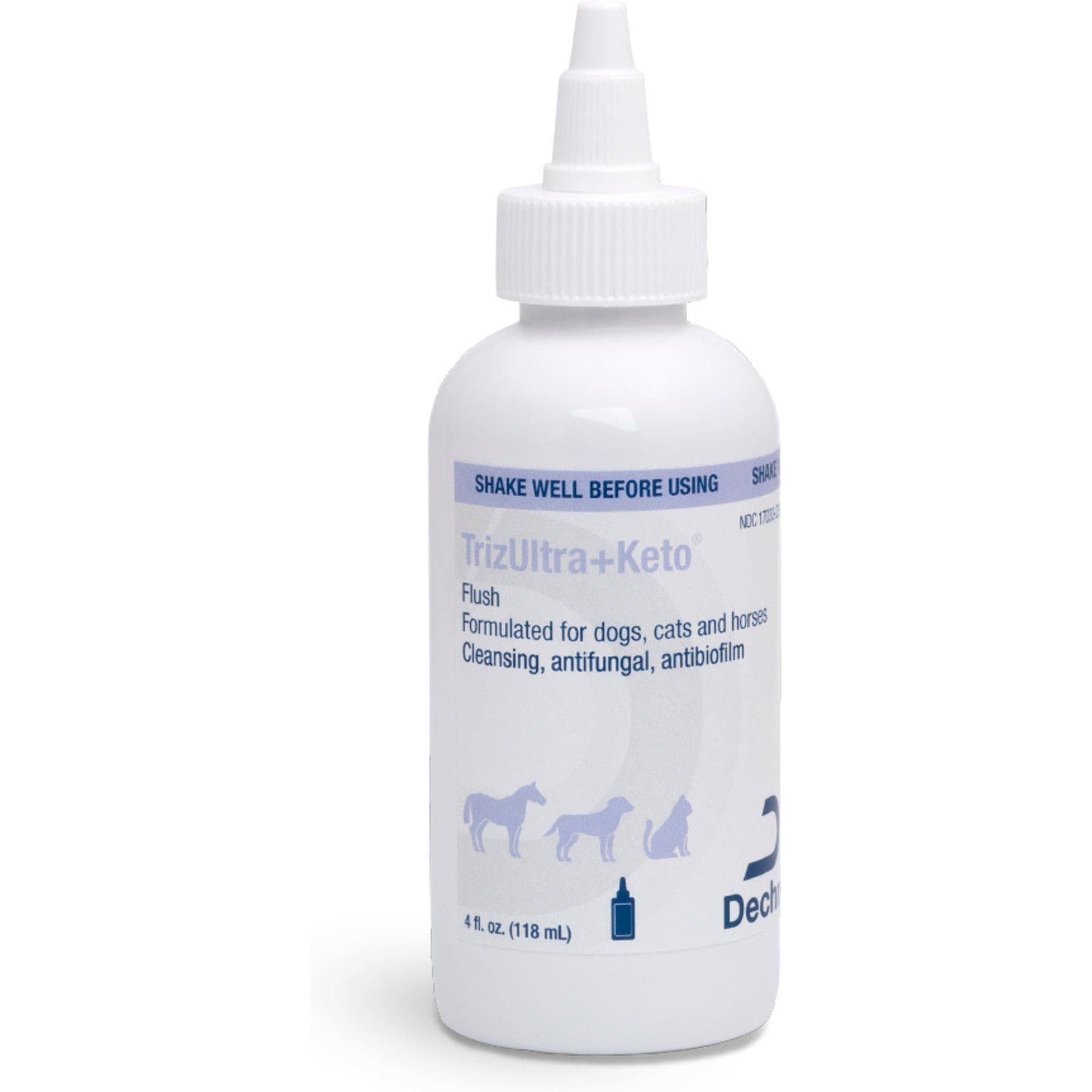
A ketoconazole-containing ear flush to discuss with your veterinarian when routine cleaning is not enough. Use only as directed for your dog.
Petful may earn a commission when you click through to Chewy, at no extra cost to you.
- Useful distinction: This is an antifungal flush, not the same product category as Zymox Enzymatic Ear Cleanser or Epi-Otic Advanced.
- Reason to ask first: Your dog is receiving another ear preparation, has marked irritation, or has a history of eardrum problems.
- Question for the appointment: “What should this flush accomplish, and how will we know when that part of the treatment is finished?”
The best dog ear cleaner for yeast infection also needs to be practical for the person giving it. Tell the vet if your dog will not tolerate the bottle approaching an ear, if two people are needed, or if doses are regularly missed. Those details are treatment information, not a failure on your part. A written plan that can be followed consistently is more useful than a theoretically suitable product that cannot be administered safely.
Bring a complete product history
Bring the bottles or clear photographs of their labels to the appointment. “The Zymox one” or “the blue ear wash” is too vague when different formulations exist. Include the product you stopped using last week, any leftover prescription drops, and any wipes used between doses. A veterinarian needs that history to interpret the current appearance of the ear and to avoid incompatible instructions.
- Record when symptoms started and whether one or both ears are affected.
- Note the last time each cleaner or medication was applied.
- Describe any immediate discomfort after an application, without deliberately repeating it to test the reaction.
- Mention previous ear diagnoses and whether a recheck confirmed that the earlier episode resolved.
This preparation helps answer “What is the best dog ear cleaner for yeast infection?” for the dog in front of you. It also prevents a common purchasing mistake: replacing a product that is doing one job with another product that appears similar but is intended to do something else. Ask the clinic to confirm the exact formulation before buying a refill if the name, concentration, or package has changed.
What kills yeast in an infected ear?
An antifungal treatment selected for the diagnosed ear problem can address yeast overgrowth. Cleaning may help remove material when the veterinary plan calls for it, but removing visible discharge is not the same as resolving infection. The clinician also needs to consider inflammation, the condition of the canal and eardrum, and any concurrent bacterial disease. A product's ability to rinse debris does not establish that it treats those problems.
- Pain, marked redness, swelling, bleeding, or a sudden change in balance needs veterinary attention. Do not force a cleaning session or put a new product into the canal while waiting for advice. Contact your veterinarian promptly and describe any head tilt, falling, or difficulty walking.

Why an examination comes before a product experiment
An otoscope allows a veterinarian to inspect areas you cannot see by lifting the ear flap. Sampling discharge provides different information: microscopic examination can help identify the organisms and inflammatory material present. These checks answer separate questions. A photograph of the ear opening, however clear, cannot provide all the same information, and an online product quiz cannot establish eardrum integrity.
Do not clean immediately before an appointment unless the clinic asks you to do so. Call for preparation instructions, especially if the vet plans to sample discharge or your dog has already received treatment. Share what you have used rather than trying to make the ear look better before the visit. The current pattern of discharge and the treatment history can both be useful to the person examining your dog.
- Before treatment: Confirm which ear or ears to treat and which product belongs in each step.
- During treatment: Report increasing pain, a reaction to application, or difficulty administering the plan.
- After treatment: Attend the advised recheck instead of deciding that less odor proves the problem is gone.
Choosing routine care after an infection clears
A routine ear cleaner for a dog has a different job once the active problem has resolved. It may help manage wax or debris in a dog whose veterinarian recommends ongoing hygiene. That does not mean every dog needs scheduled flushing. VCA's ear-cleaning guidance notes that healthy, clean ears may not need cleaning and that excessive cleaning can irritate them.
Zymox Enzymatic Ear Cleanser: for noninfected ears
Zymox Enzymatic Ear Cleanser is the cleanser in the Zymox range, not the hydrocortisone-containing Otic treatment discussed earlier. The manufacturer's cleanser page identifies its use for noninfected ears. That makes the distinction especially relevant after treatment: ask whether your dog's ear is ready for routine care before changing products.
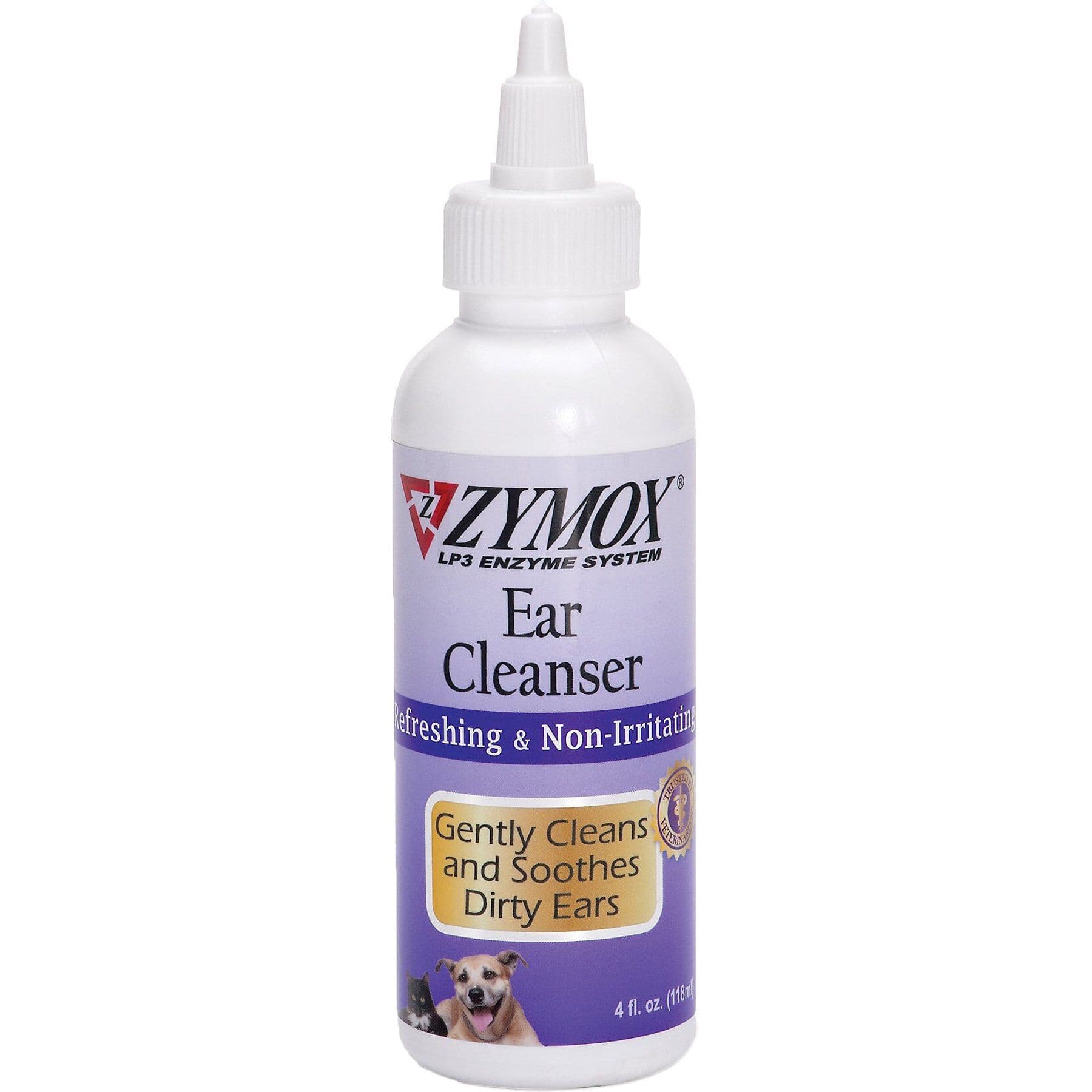
An ear cleanser for routine maintenance of non-infected ears. This is the cleanser, not the Zymox hydrocortisone treatment.
Petful may earn a commission when you click through to Chewy, at no extra cost to you.
Keep the cleanser and medication instructions separate. Buying both does not mean they should be used together. If you are finishing an Otic course, confirm when that course ends, whether a recheck is needed, and whether a maintenance cleanser is appropriate afterward. Do not turn a plan for sequential care into simultaneous applications because both products share a brand name.
Match maintenance to the individual ear
The best ear cleaner for a dog with recurrent wax may differ from the choice for a dog that rarely needs cleaning. A dog ear cleaner for sensitive ears should be judged against the dog's previous reactions and the current condition of the skin, not a reassuring adjective alone. A product that suits one dog can be uncomfortable for another, particularly if inflammation has returned.
For a wider comparison of formats and routine-use options, see our guide to the best dog ear cleaners. That guide owns the general product choice. Here, the important transition is from treating a diagnosed problem to deciding whether any ongoing cleaning is needed. Your vet should make that boundary clear so maintenance does not quietly become repeated self-treatment.
- Ask what amount of visible wax is normal for your dog.
- Agree on the signs that mean skipping the next cleaning and contacting the clinic.
- Keep the recommended frequency with the product instructions so other caregivers follow the same plan.
- Check the expiration and storage instructions before reusing a bottle left from a previous episode.
Virbac Epi-Otic Advanced: a routine cleansing option
Virbac Epi-Otic Advanced is another labeled routine cleanser to discuss. Virbac's product information includes dogs, puppies, cats, and kittens. Its role in this comparison is cleansing, not a promise to cure an undiagnosed infection. If your vet recommends it during treatment, follow the timing for the medication being used alongside it.
Epi-Otic may be relevant when the question is what to use for routine dog-ear cleaning after the medical problem is controlled. It is less useful to frame the purchase as finding the strongest possible dog ear cleaner for ear infection. Strength is not the central decision. The condition of the ear, compatibility with prescribed treatment, and whether cleaning is needed at all come first.
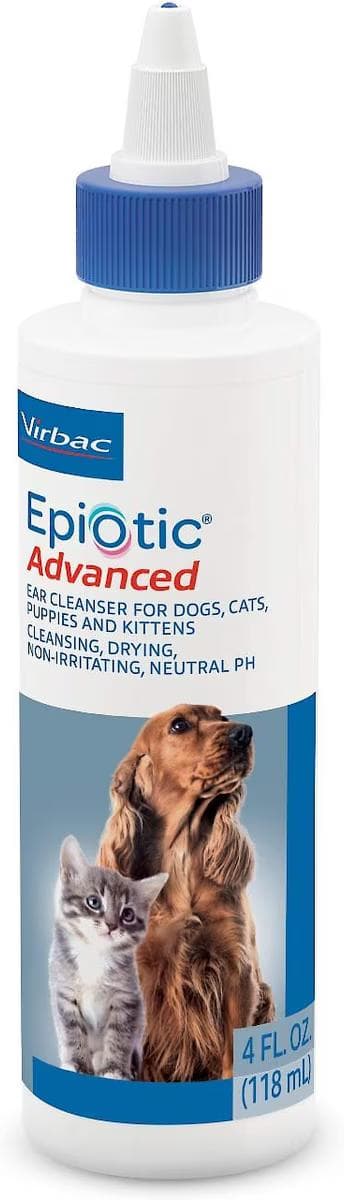
Petful may earn a commission when you click through to Chewy, at no extra cost to you.
Neither a familiar brand nor a product labeled for multiple life stages removes the need to stop when an ear becomes sore. If a previously comfortable routine suddenly causes your dog to pull away, do not respond by holding harder or using more solution. Pause and describe the change to your veterinarian. New discomfort is a reason to reassess the ear, even when the cleanser itself has not changed.
 Sponsored
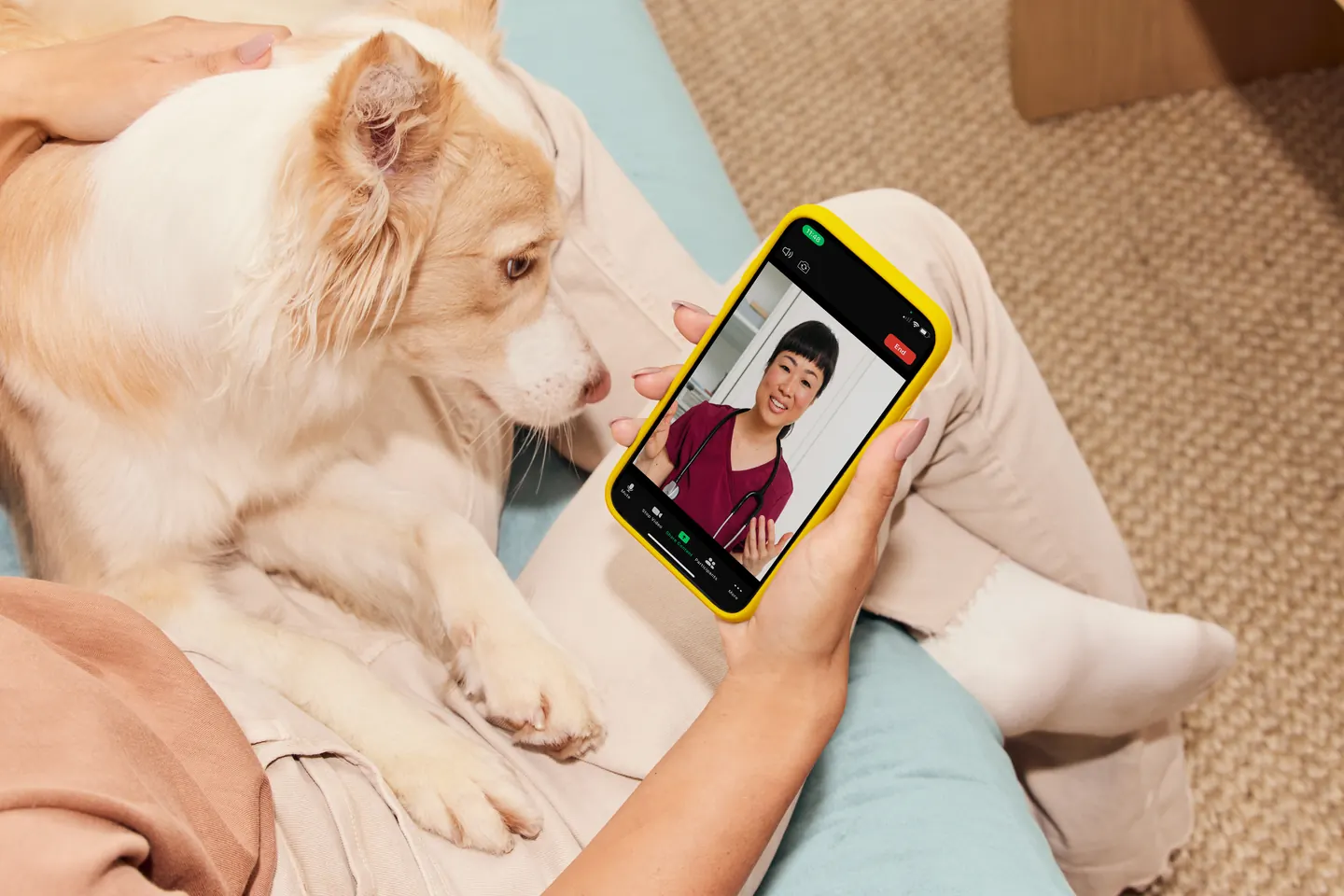
Vet care that's always there
Unlimited video calls and messaging with licensed vets for less than a typical vet visit. One membership covers up to five pets.
Use code Pets30
Plans start at $11/month · covers up to 5 pets
- Licensed vets in most states
- Rx for 150+ conditions
- 4.7 on Trustpilot
Itchy ears, allergies, and mites change the plan
The best dog ear cleaner for itchy ears depends on why the dog is itchy. Wax and debris can accompany disease, but removing them does not identify its cause. An ear with a recurring problem needs more than a series of cleanser substitutions. The pattern matters: how quickly signs return, whether both ears are affected, and whether the dog also licks paws or develops other skin changes.
The questions about a dog ear cleaner for allergies and a dog ear cleaner for mites have different answers because the causes differ. An allergy plan addresses the dog's inflammation and triggers; a confirmed mite problem calls for appropriate parasite treatment. Either situation may also involve debris that needs attention. Keep the cause, the current symptoms, and the cleaning task separate when asking your veterinarian what each product is expected to accomplish.
When allergies are part of the history
- A dog ear cleaner for allergies cannot remove the underlying allergy. It may support hygiene when your veterinarian recommends that role, but recurring inflammation needs its own management. If you are looking for the best dog ear cleaner for allergies after several infections, ask how the cleaning routine fits into the broader plan. Buying a new rinse each time can obscure the fact that the same trigger remains unresolved.
Track flare-ups in a simple calendar. Note ear symptoms, other itching, treatments started or stopped, and changes your veterinarian has asked you to monitor. Avoid declaring a food or season responsible from a single episode. The purpose of the record is to give the clinician useful patterns, not to establish a diagnosis at home or justify an unplanned restrictive diet.
- Report how long your dog remained comfortable after the last course.
- Mention skin signs outside the ears, even if they seem unrelated.
- Ask which part of the plan treats the current episode and which part addresses recurrence.
- Confirm who to contact if symptoms return before the scheduled recheck.
When mites or an outer-ear condition is possible
A dog ear cleaner for mites is not automatically a mite treatment. Dark debris alone does not establish that mites are present, and buying a cleanser based on its appearance can delay the appropriate care. Ask your veterinarian how the diagnosis was made and whether other pets need assessment. Do not use another animal's medication or a product intended for a different species.
Also distinguish discharge in the canal from crusting on the ear flap. The visible edge of the ear is skin, and a crust there can require a different investigation from an infection deeper inside. Our guide to crusty ear edges and ischemic dermatopathy explains one such distinction. Do not use a canal cleanser as a general treatment for every scab or sore on the ear.
If your dog scratches hard enough to damage the skin, tell the clinic rather than repeatedly wiping the sore area. A dog ear cleaner for itchy ears cannot resolve all the reasons a dog may scratch. Preventing further discomfort and identifying the cause take priority over achieving a perfectly clean appearance at home.
Why homemade mixtures are a poor infection shortcut
A homemade dog ear cleaner for yeast infection cannot tell you whether yeast is actually the problem or whether the eardrum is intact. A recipe described as a natural dog ear cleaner for yeast still has to be evaluated for the exact ear condition, concentration, and intended use. Familiar household ingredients do not answer those questions. There is no peroxide, vinegar, or essential-oil recipe recommended here for infected ears. These mixtures cannot establish which disease is present, and an inflamed canal may be irritated by a household preparation. Do not put improvised mixtures into the canal while waiting for a diagnosis.
The appeal of a home remedy is understandable when a dog seems uncomfortable and a bottle is not immediately available. The useful next step is to call the clinic, describe the symptoms, and ask what to do until the examination. In the meantime, avoid a cycle of trying one mixture, wiping it away, and adding another. That makes the history harder to interpret and may add irritation without treating the disease.
- For ingredient-specific risks and what to do when you have no cleanser, read what vets say about homemade dog ear cleaner.
- For the limits of home management, see whether a dog's ear infection can be treated without a vet.
Neither guide replaces an examination of a painful ear. They help separate a reasonable at-home care task from a situation where putting something into the canal is the wrong next move. Delaying a routine cleaning is usually a different decision from delaying assessment of new pain, persistent discharge, or a change in balance.
Make the prescribed plan easy to follow

Before leaving the appointment, ask for a demonstration if you are unsure how to give the prescribed product. Handling and application are separate skills from choosing a cleanser. Our guide to giving ear drops to dogs covers the practical discussion. Your dog's own prescription and the clinic's instructions remain the authority for dose, timing, and which ear to treat.
Write the plan where every caregiver can see it. Include the full product name, the affected ear, when it is due, and whether another step must be avoided. A check mark after each application is more reliable than assuming someone else has done it. Keep medications in their original containers so the label stays with the product and a clinic can identify it if you call with a question.
- If a dose is missed, ask the prescribing clinic what to do rather than doubling the next application.
- If your dog will not tolerate handling, contact the clinic for an alternative approach.
- If the nozzle touches discharge, follow the product's handling advice and ask about cleaning or replacement as needed.
- If symptoms worsen, report the change with the product name and timing of the last dose.
A recheck answers a different question from a cleaner-looking ear
Less odor and less visible material are encouraging observations, but they do not prove the canal has recovered. The recheck asks whether treatment has achieved its intended result and whether another step is needed. Keep that appointment even if the outer ear looks normal, unless the clinic specifically changes the plan. It is also the best time to clarify whether future cleaning is appropriate.
Recurrent ear disease needs assessment of its cause; a cleaner cannot be promised to cure an underlying allergy or other continuing problem. Repeated episodes deserve a discussion about why they recur. That conversation may cover the ear's condition, underlying skin disease, previous treatment response, and whether the home routine is workable. It should not automatically become a search for a harsher cleanser. Bring a concise record of previous episodes and products so your veterinarian can distinguish a new event from a problem that never fully resolved.
- Ask what a successful recovery should look like for your dog.
- Confirm whether maintenance starts immediately, later, or only if debris returns.
- Agree on which symptoms require another appointment instead of restarting leftover drops.
- Keep the final plan with the correct product labels for the next caregiver.
The best ear cleaner for dog ear infection is therefore a role-specific choice, not a universal winner. Choose an antifungal flush or Otic treatment only within the appropriate medical plan, and reserve routine cleansers for the circumstances in which they are useful. That distinction protects the ear and makes your next purchase much easier to evaluate.
Compare the complete regimen before comparing prices
Two bottles at similar prices may cover entirely different jobs. One may be a routine cleaner, another an antifungal flush, and another a treatment with a defined course. Comparing price per ounce before resolving those roles can produce a false saving: the cheaper product may not be the one your dog needs. First match the exact product to the veterinary instructions, then compare the same formulation and package size across sellers.
The size of the bottle is also separate from the amount required for your dog's plan. A larger container is useful only if it is the right product, can be stored as directed, and will be used within its labeled limits. Ask the clinic what quantity is reasonable if the instructions leave you unsure. Do not buy several months of a new product merely because your dog has had repeat infections; the plan may change after reassessment.
- Check the formulation: Include words such as cleanser, Plus, Otic, and the hydrocortisone concentration when confirming the item.
- Check the quantity: Compare the actual volume, rather than relying on a product photo that may show a different bottle size.
- Check the need for a second product: Purchase a separate cleaner only if the plan calls for it.
- Check the follow-up: Keep the recommended recheck in the plan, even when the ear looks better before the bottle is empty.
Avoid building an emergency collection of leftover ear products for the next episode. A future flare-up may have a different cause or require different handling, even in the same dog. Keeping a record of what worked and what caused difficulty is useful; restarting it without guidance is a different decision. If symptoms recur, give the clinic that record and ask for the appropriate next step.
What this comparison can and cannot tell you
The four products here illustrate meaningful category differences that are easy to miss while shopping. Their inclusion does not establish that they are interchangeable, that a more expensive one works better, or that every dog with yeast needs all four. Manufacturer labels tell us intended uses and instructions. They do not provide the missing examination of your dog's ear.
Use the comparison to ask clearer questions and identify the exact item your veterinarian recommends. If the vet selects a different formulation, ask how its role differs rather than assuming it must be inferior because it is absent here. A useful choice is the one supported by your dog's findings and a workable treatment plan, with follow-up when needed.
Frequently asked questions
Do not use peroxide to try to help a suspected yeast infection in dogs' ears. Hydrogen peroxide can irritate an inflamed canal, and bubbling does not show that the cause has been treated. A veterinarian needs to identify the disease and select appropriate care. If peroxide has already been applied and your dog seems uncomfortable, tell the clinic what was used and when.
A dog that smells like yeast could have an ear infection, but odor alone cannot establish that diagnosis or distinguish yeast from bacteria. Report the smell alongside scratching, discharge, head shaking, and discomfort. An ear examination and microscopic examination of material can help guide treatment. Avoid selecting an antifungal only because the smell reminds you of a previous episode.
Black gunk in a dog's ear means there is dark discharge or debris to assess; it does not identify one specific disease. Mites, yeast, and other ear problems cannot be reliably distinguished by appearance at home. An ear examination is the useful next step, especially with itching or pain. Do not dig into the canal. Report when the material appeared and which products have been used.
Do not stop ear medication just because your dog seems better. Follow the prescribed course and contact the clinic before changing it, because reduced scratching or discharge does not necessarily establish recovery. Keep the recheck appointment if recommended, and ask when cleaning can resume. If an application causes pain or a concerning reaction, pause and obtain advice rather than continuing without reporting it.
BVMS, MRCVS
Dr. Pippa Elliott, BVMS, MRCVS, is a veterinarian with nearly 30 years of experience in companion animal practice. Dr. Elliott earned her Bachelor of Veterinary Medicine and Surgery from the University of Glasgow. She was also designated a Member of the Royal College of Veterinary Surgeons. Married with 2 grown-up kids, Dr. Elliott has a naughty Puggle named Poggle, 3 cats and a bearded dragon.
Sign up for expert-backed reviews and safety alerts all in one place.