The Best Cat Nail Clippers of 2026, Tested and Ranked by Type
We ranked the best cat nail clippers of 2026 by type and by cat: best overall, a value starter kit, plier-style, senior, and beginner picks, plus a scissor vs plier vs guillotine buying guide and why groomers avoid one style.
Petful is reader supported. As an affiliate of platforms like Amazon and Chewy, we may earn a commission when you buy through links on this page. There is no extra cost to you.
The best cat nail clippers are the ones you can hold steadily, close cleanly through a claw in a single squeeze, and reach for often enough that trims become routine instead of a wrestling match. A good pair is small, sharp, and honest about where the quick sits, so you take a little off without ever cutting into the pink. That is the whole job, and most owners overspend chasing features a cat will never notice.
We ranked five clippers by the way real cat owners actually use them: overall value, a complete starter kit, plier leverage for tough nails, senior cats, and nervous first-timers. Along the way we explain the three clipper styles, why groomers steer people away from one of them, and how to fold trims into your routine so nails stay short without a fight. If you also need the hands-on technique, our step-by-step how to trim cat nails guide pairs with this one.
- 1For most cats, a small scissor-style clipper like the Pet Republique wins on control, price, and everyday ease
- 2Skip guillotine-style clippers for cats: groomers warn they can crush or crack the thin, layered feline nail
- 3Plier-style trimmers such as the Resco Original give the leverage senior cats and thick, brittle claws need
- 4The single most important feature is not the brand, it is sharpness and your ability to see the quick before you cut

Sign up for expert-backed reviews and safety alerts all in one place.
The best cat nail clippers at a glance
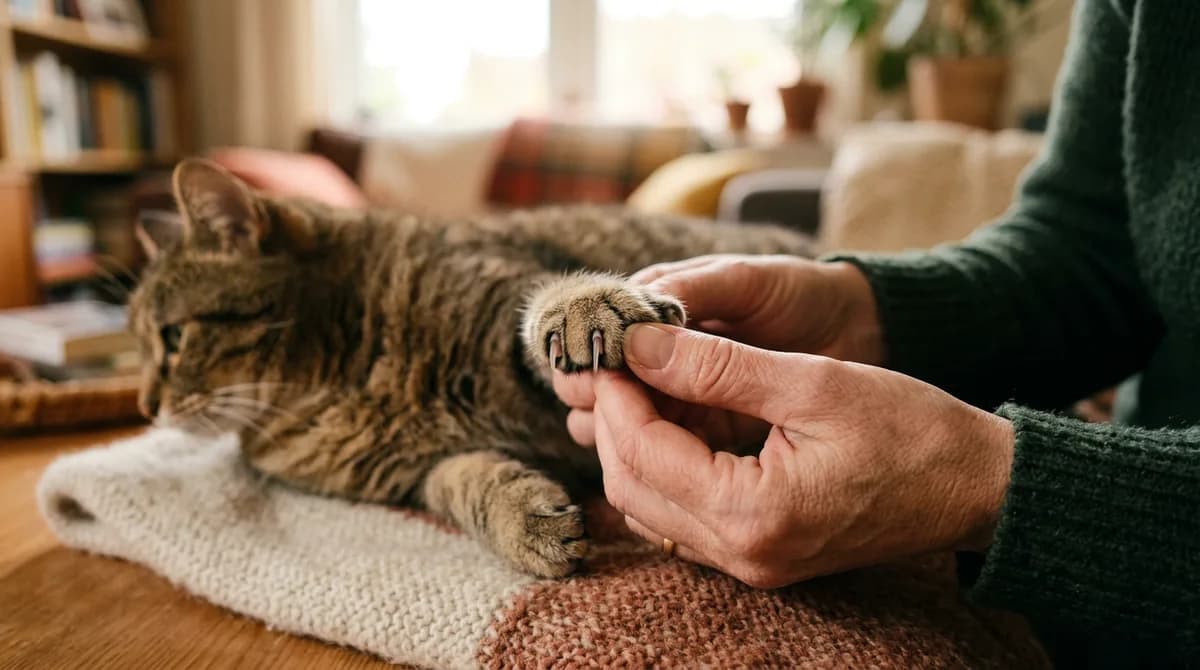
Before the deep dives, here is the short version. Every pick below is a spring-loaded, cat-scaled tool, not a repurposed human or dog clipper. Match the pick to your cat, not to the marketing.
- Best overall: Pet Republique Cat Nail Clippers, around $7. Small, sharp scissor-style blades and a grip that works for most hands and most cats.
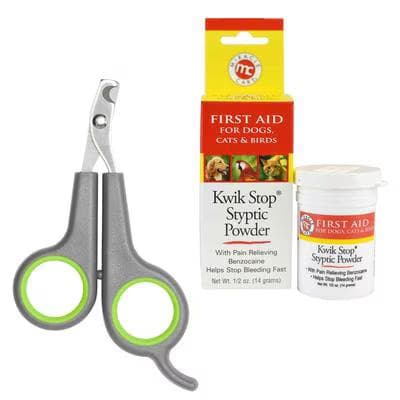
- Best value starter kit: Frisco Nail Clippers with Kwik-Stop Styptic Powder. The clipper plus the styptic powder you actually need, bundled for one price.
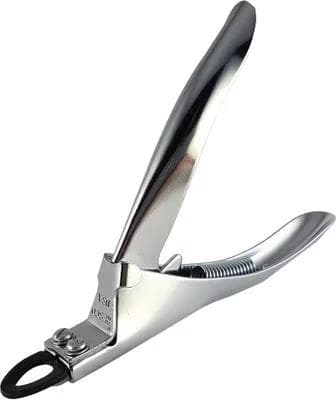
- Best plier-style: Resco Original. Professional leverage and durable steel for people who trim a lot of nails.
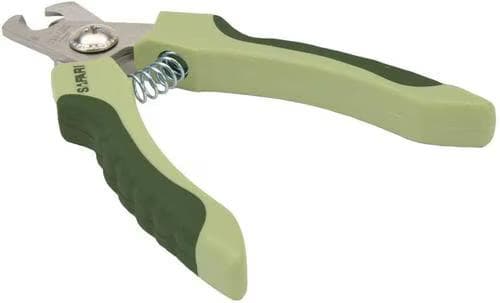
- Best for senior or thick nails: Safari Professional Nail Trimmer. Heavier build and a wider jaw for claws that have thickened with age.
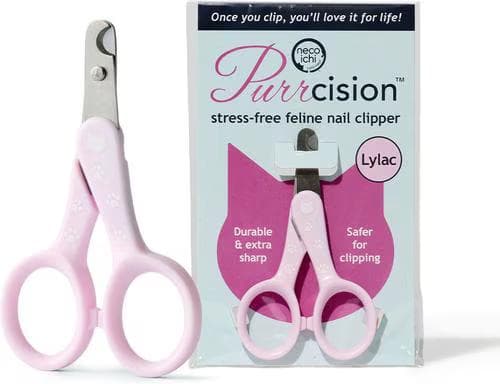
- Best for beginners: Necoichi Purrcision. Angled, low-force blades built to make a nervous first trim feel manageable.
| Clipper | Best for | Style | Price |
|---|---|---|---|
| Pet Republique Cat Nail Clippers | Best overall, most cats | Scissor | About $7 |
| Frisco Clippers + Kwik-Stop bundle | Best value starter kit | Scissor + styptic | About $14 |
| Resco Original | Thick or heavy trimming | Plier | About $26 |
| Safari Professional Nail Trimmer | Senior cats, thick nails | Plier | About $14 |
| Necoichi Purrcision | Beginners, nervous cats | Scissor | About $15 |
Best overall: Pet Republique Cat Nail Clippers
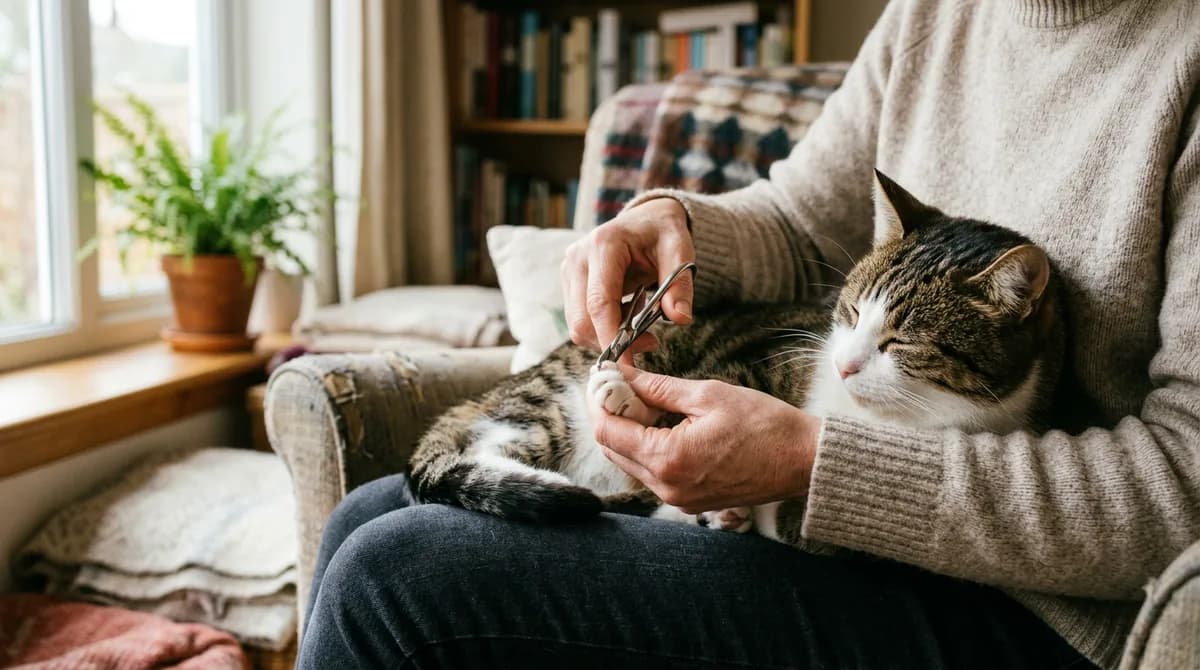
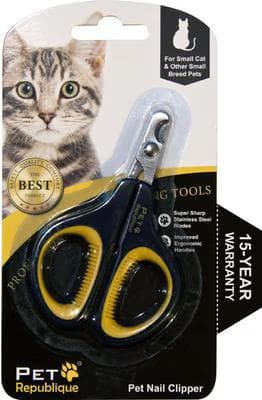
If you want one pair that simply works, this is it. The Pet Republique is a compact scissor-style clipper with short, curved stainless blades sized for a cat's claw rather than scaled down from a dog tool. The curve cradles the nail so the claw seats itself in the same spot every time, which is exactly what you want when you are trying to stop short of the quick. At roughly $8 it is cheap enough to keep a pair in two rooms.
What sets it apart is balance. The handles are long enough for leverage but light enough that your hand does not fatigue on a multi-claw session, and the spring returns the blades briskly so you can move claw to claw without resetting your grip. It is not fancy. It does not need to be. For a healthy adult cat with normal nails, this is the clipper we reach for first.
The one honest limitation: the blades are on the smaller side, so very thick senior claws or the dense dewclaws on some big cats can feel like a stretch. If that is your cat, look at the plier picks below. For everyone else, this is the default.
A small detail that earns this the top spot: the curve of the blade matches the natural curve of a retracted cat claw, so when you press the pad to extend the nail, the claw drops into the blade at the right angle without you fighting it. That alignment is the difference between a clean single-squeeze cut and a nervous sawing motion that unsettles the cat. Owners who have trimmed with a flat human clipper before almost always notice the improvement on the first claw.
- Sharp curved blades seat the claw consistently
- Light, balanced handles reduce hand fatigue
- Cheap enough to buy two
- Blades small for very thick senior nails
- No safety guard for first-timers
Best value starter kit: Frisco Nail Clippers with Kwik-Stop Styptic Powder
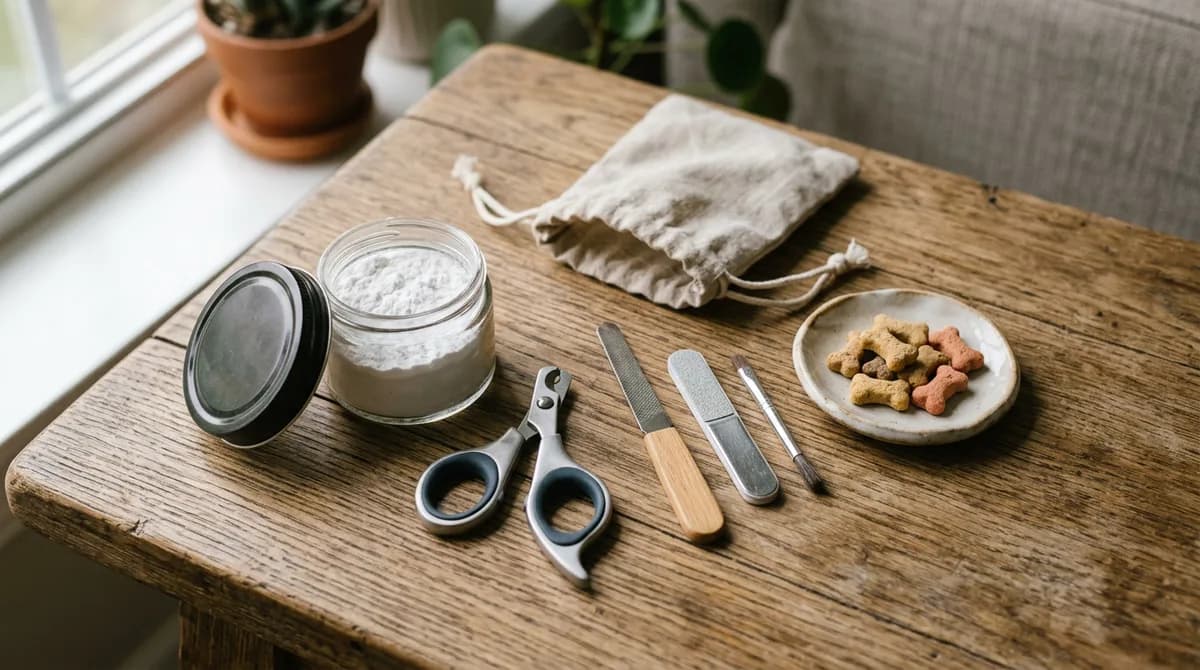
The smartest first purchase is not just a clipper, it is a clipper plus the one thing every new trimmer forgets until they need it: styptic powder to stop a bleed. This Frisco bundle pairs Chewy's spring-loaded scissor-style cat and small-dog clipper with a jar of Miracle Care Kwik-Stop, so you start with everything a first trim requires and nothing missing at the worst moment. For a new cat owner, that completeness is worth more than shaving a few dollars off a bare clipper.
The Frisco clipper itself is honest, capable value: stainless blades and a rubberized grip that close cleanly on a normal adult claw. It is not the sharpest tool on this list and the finish is plain, but the geometry is right, and paired with the styptic powder it becomes a genuine grab-and-go kit rather than a half-solution. Plenty of owners run the Frisco as their only clipper for years.
Expect the blades to dull sooner than a premium pair if you trim several cats or trim often, in which case replacing rather than sharpening is the reasonable move. But as the one box that gets a nervous first-timer fully equipped, clipper and safety net together, this is the easiest starting point on the list.
- Clipper plus styptic powder in one purchase
- Nothing missing when you nick the quick
- Cleanly closes on normal adult claws
- Grippy handle for a secure hold
- Blades dull faster with heavy use
- Plainer finish than premium clippers
Best plier-style: Resco Original
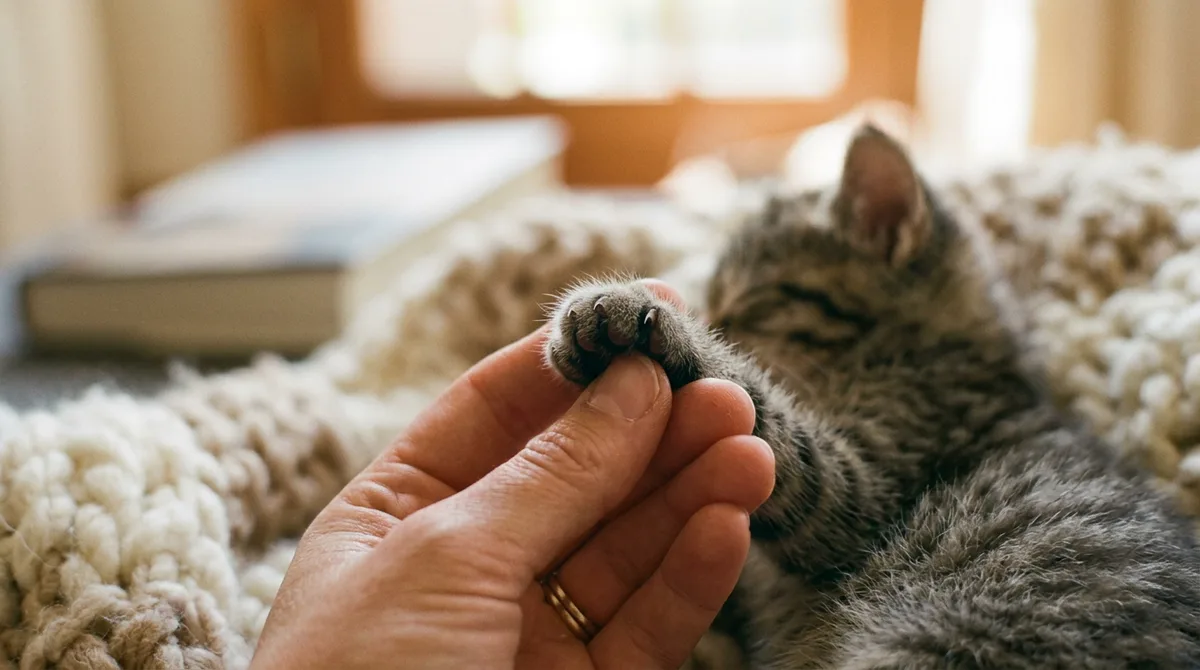
Resco is the name groomers say when you ask about plier-style trimmers, and the Resco Original is why. Instead of two scissor blades crossing, a plier trimmer drives a single sharp blade down onto a small anvil, so the cutting force comes from squeezing the handles like pliers. That mechanical advantage means thick or hard claws give way with far less hand strength, and the cut is square and clean rather than pinched.
For a household that trims a lot of nails, or a cat whose claws have thickened, the leverage is a genuine upgrade. The build quality is a step above the scissor picks: solid steel, a firm spring, and handles that stay comfortable across a long session. It costs more, in the low-$20s, and it earns that if you use it regularly.
The trade-off is size and finesse. A plier trimmer is a bigger tool, and on a tiny kitten claw the jaw can feel like overkill. This is a pick for adult and senior cats, and for owners who value power and durability over the pocket-sized convenience of a scissor pair.
There is also a comfort argument for the cat, not just for you. Because the plier mechanism does the work, you are not clamping down with your whole hand, which means less of that abrupt jolt of force that can make a cat flinch mid-cut. On a claw that a scissor clipper would have to be muscled through, the Resco glides, and a calmer cut means a calmer cat next time. If you have ever had a trim go sideways because the cat felt the strain in your grip, that alone can be worth the upgrade.
- Plier leverage powers through thick, hard claws
- Square, clean cut with less hand strength
- Durable steel built for frequent use
- Pricier than scissor clippers
- Bigger jaw is overkill on tiny kitten nails
Best for senior or thick nails: Safari Professional Nail Trimmer
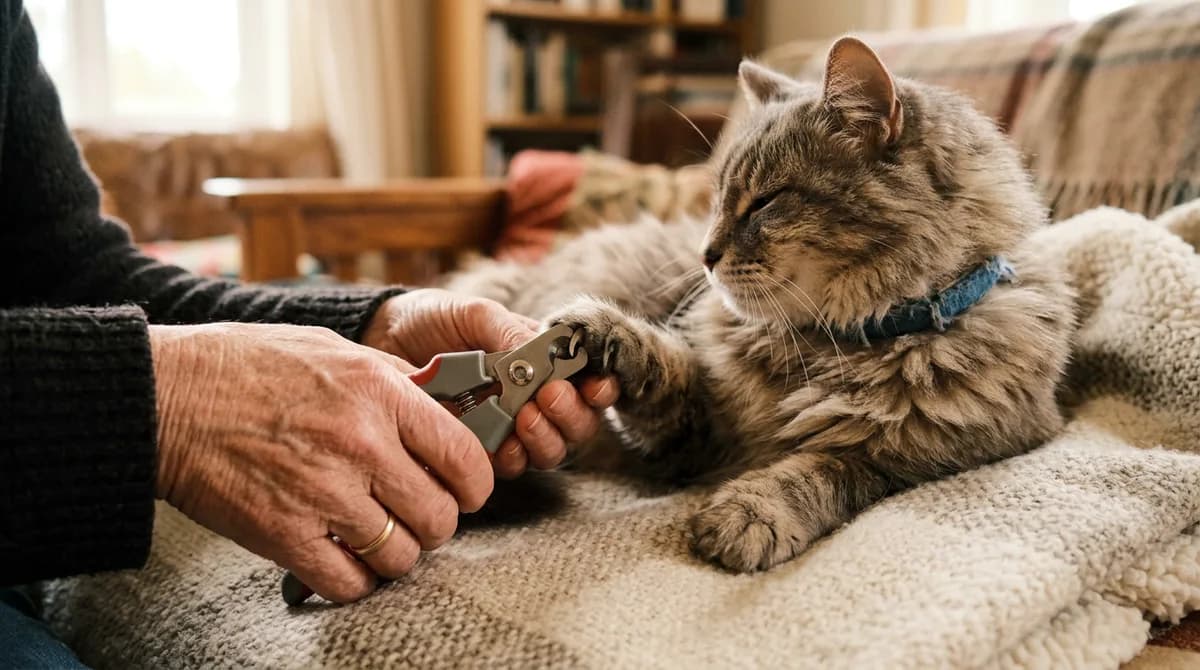
Older cats bring two problems at once: claws that thicken and grow more brittle, and nails that are harder to retract, so the quick can sit further down than it used to. The Safari Professional is built for exactly that. It is a plier-style trimmer with a heavier frame and a wider jaw than the scissor picks, and it powers through a dense senior claw without you having to force it. At roughly $10 to $14 it sits between the budget scissors and the premium Resco.
The wider opening matters more than it sounds. Senior claws are often not just thick but curved and overgrown, sometimes close to growing into the pad, and a small scissor blade can struggle to get around them cleanly. The Safari's jaw clears that curve and closes in one confident squeeze, which means less crushing and a lower chance of splitting a brittle nail.
Because senior nails hide the quick, go slow and take thin slices. A little off often beats a lot at once. If your older cat's claws have thickened noticeably or you have noticed one starting to curl toward the pad, this is the tool, and a good moment to loop in your vet or groomer.
- Wide jaw clears thick, curved senior claws
- Heavier frame cuts brittle nails without crushing
- Priced below premium plier trimmers
- Larger tool than most cats need
- Plier size can feel bulky on small paws
Best for beginners: Necoichi Purrcision
The hardest part of a first trim is not the tool, it is the nerves, yours and the cat's. The Necoichi Purrcision is designed to lower the temperature. Its blades are angled and set for low cutting force, so the claw closes with a light squeeze rather than a hard crunch that startles a cat, and the compact body is easy to control when your hands are unsure. It runs around $12 to $16.
The angled blade is the quiet genius here. It lets you approach the claw from a natural wrist position and see the nail clearly as you line up the cut, which is exactly what a beginner needs to build confidence. The first few trims are about doing one or two claws, giving a treat, and stopping before anyone is stressed. This clipper makes that low-pressure approach easy.
It is not the cheapest first clipper, and a seasoned trimmer might prefer the plain speed of the Pet Republique. But for someone who is genuinely anxious about that first cut, spending a few extra dollars on a tool built to feel gentle is money well spent.
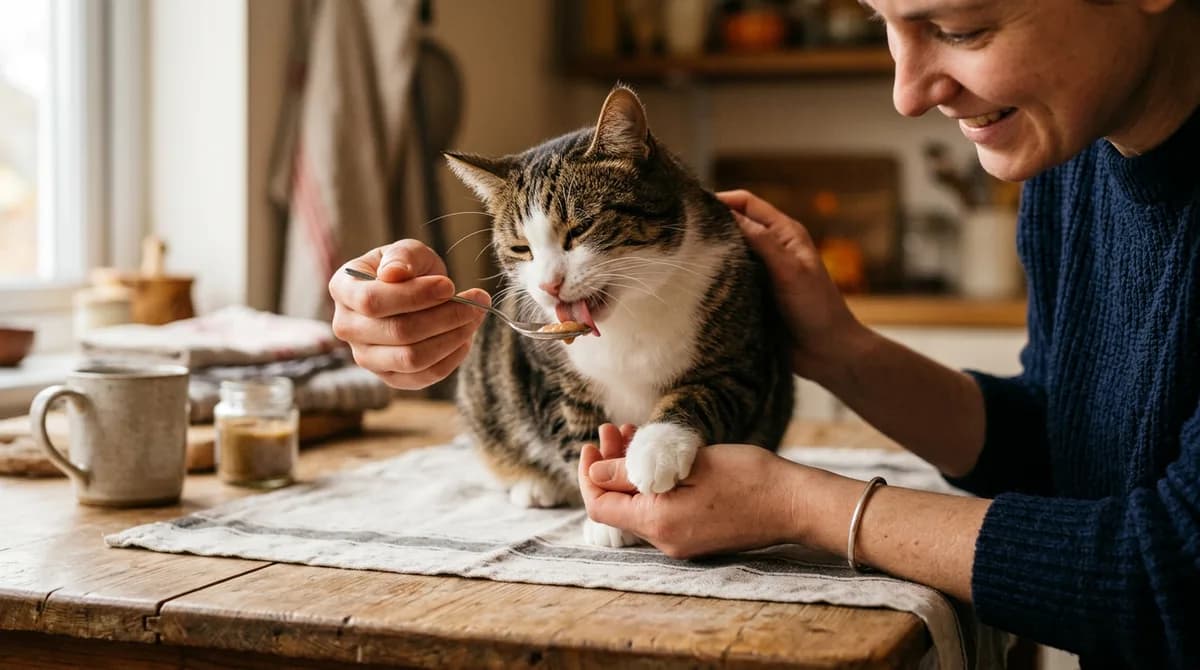
- A cat is calmest when it is a little tired and content, so line up your first trims for right after an active play session or dinner rather than when your cat is alert and looking for action.
- Low-force blades close with a gentle squeeze
- Angled design gives a clear view of the claw
- Compact body is easy for unsure hands
- Costs more than basic first clippers
- Overkill for experienced trimmers
How to choose: scissor vs plier vs guillotine
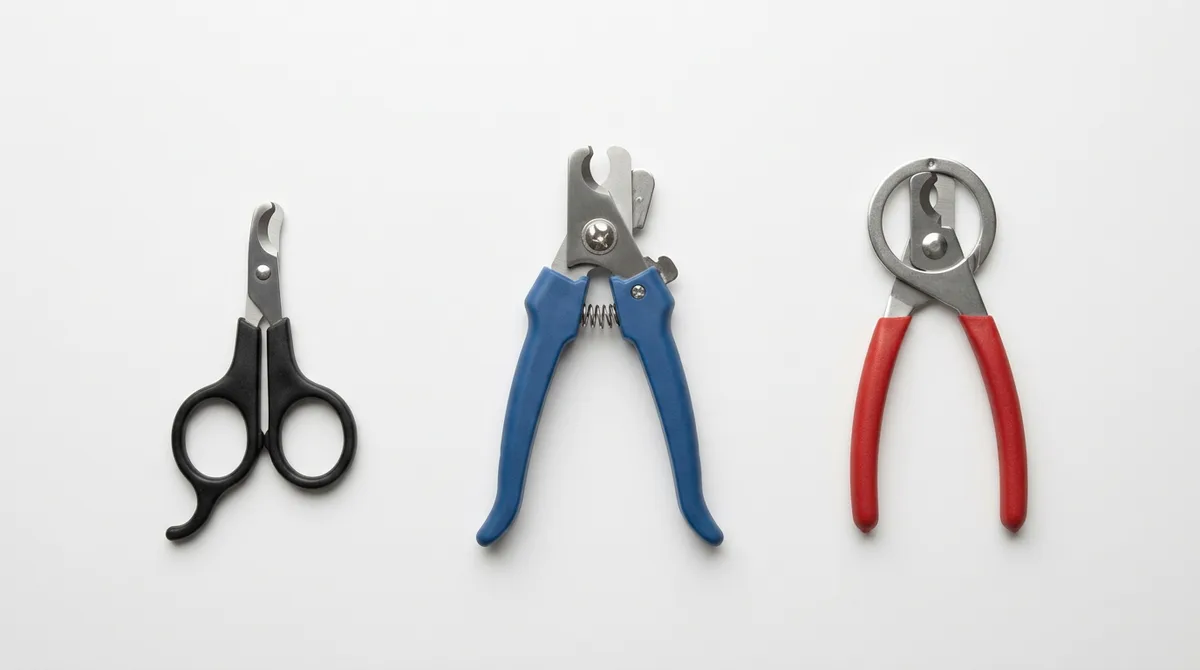
Every cat nail clipper falls into one of three mechanical styles, and picking the right style matters more than picking the right brand. Here is how they differ and which one to avoid.
Scissor-style clippers
Scissor-style clippers, sometimes sold as "cat scissors" or angled trimmers, use two curved blades that cross like scissors to slice through the claw. They are the default for cats, and for good reason: they are small, precise, let you see the claw clearly, and close with a controlled motion that is easy to stop short of the quick. Three of our five picks are scissor-style. For a normal adult cat with normal nails, this is almost certainly the style you want.
The limit is leverage. Because the force comes from your hand closing two blades, a very thick or hard claw can resist, and you can end up pinching rather than cutting cleanly. That is where pliers earn their place.
Plier-style clippers
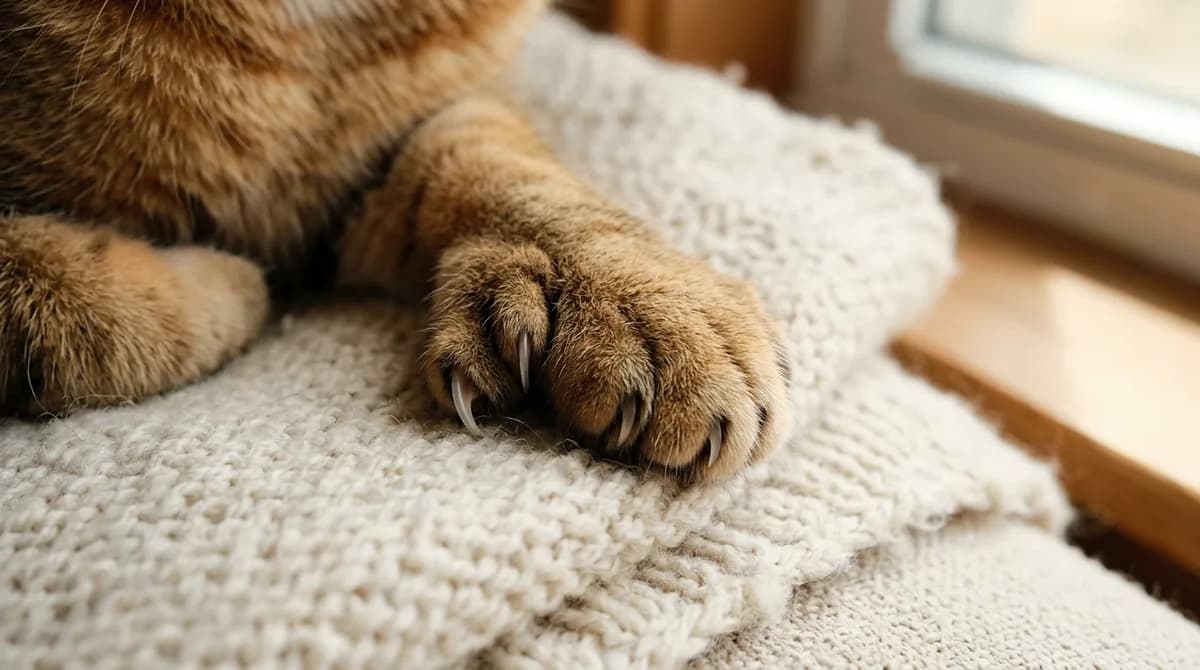
Plier-style trimmers drive one blade down onto a small anvil, and you generate the force by squeezing the handles like a pair of pliers. That leverage is the whole point: thick, brittle, or senior claws that make a scissor clipper struggle give way cleanly with a plier trimmer, and the square cut is less likely to split a fragile nail. The Resco and Safari picks above are both plier-style. The trade-off is that these tools are bigger and a little less nimble on tiny claws, so they shine on adult and senior cats rather than kittens.
Guillotine-style clippers: the anti-pick for cats
- Guillotine-style clippers push the claw through a hole where a blade slides across like a tiny paper cutter. Groomers widely warn against them for cats because the thin, layered feline nail can crush, crack, or splinter as the blade forces through, and the design hides the quick behind the hole so you cannot see where you are cutting.
Guillotine clippers were designed for the thick, round claws of dogs, and they simply do not suit the flat, delicate, layered structure of a cat's nail. The consensus among professional groomers is to leave them for dogs. If a clipper makes you feed the claw through a ring before a sliding blade crosses it, it is a guillotine, and it is not the tool for your cat. Stick to scissor or plier styles.
Should you clip or grind cat nails?
There is a fourth tool worth addressing directly, because owners ask about it constantly: the rotary grinder, a small motorized file that sands the nail down rather than cutting it. For dogs, grinders have a real following. For cats, clipping wins for most households. A sharp clipper is faster, silent, and over in a single squeeze per claw, while a grinder brings a motor whir and a vibration that startles the majority of cats and drags the session out long enough for a squirmy cat to lose patience. The practical verdict: make a good clipper your primary tool, and reach for a grinder only to smooth a rough edge afterward, and only if your particular cat genuinely tolerates the noise. Most do not, and that is fine.
It is also worth knowing what the professionals reach for, because it demystifies the whole task. In the clinic, vets and vet techs use the same categories of tool on this list, small stainless scissor-style or plier-style cat clippers, kept sharp, with a pot of styptic powder within arm's reach in case they nick a quick. They are not using a secret instrument; they are using a good clipper with practiced, unhurried technique, working claw by claw. That is genuinely reassuring, because it means the right clipper at home plus a calm routine gets you the same clean result.
What to look for in any cat clipper
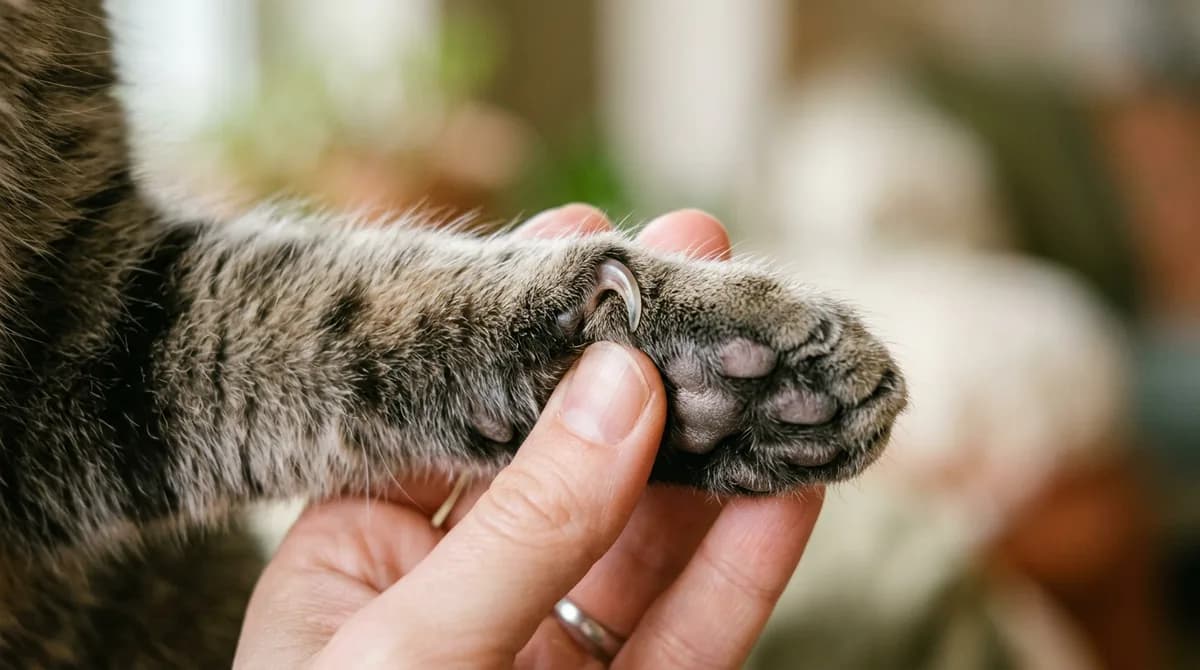
Style aside, a few features separate a clipper you will keep from one you will abandon in a drawer:
- Sharp, quality blades. Dull blades crush instead of cut, which hurts and splits the nail. Stainless steel that holds an edge is worth a couple of extra dollars.
- A clear view of the quick. You should be able to see the claw and the pink quick inside it as you line up the cut. Designs that hide the nail work against you.
- A comfortable, secure grip. You will hold a squirming animal with one hand and cut with the other. A handle that is grippy and the right size for your hand prevents slips.
- Cat-appropriate size. A clipper scaled for a cat, not a dog, gives you the precision to take a little off safely. Oversized tools invite mistakes.
- A spring return. Spring-loaded handles reopen the blades for you, so you can move claw to claw without resetting your grip.
- 1Scissor-style suits most cats and gives the best view of the quick
- 2Plier-style adds leverage for thick, brittle, or senior claws
- 3Guillotine-style is the anti-pick: groomers warn it can crack the layered feline nail
- 4Sharpness and visibility of the quick beat brand name every time
How often should you trim, and when to see a groomer
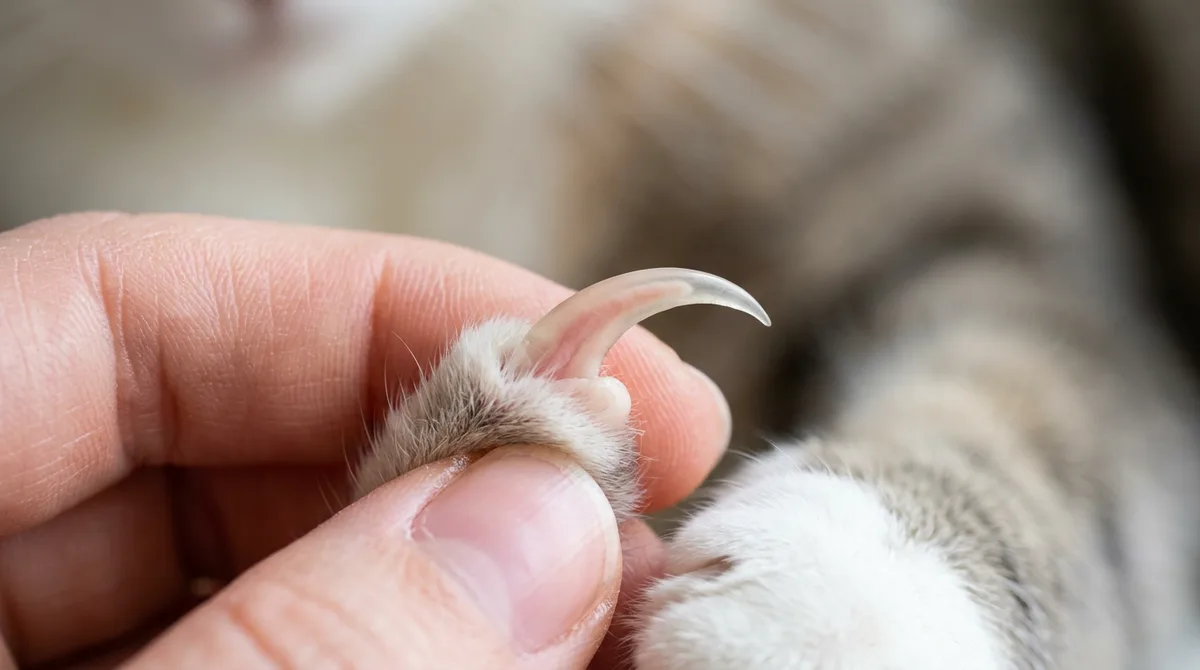
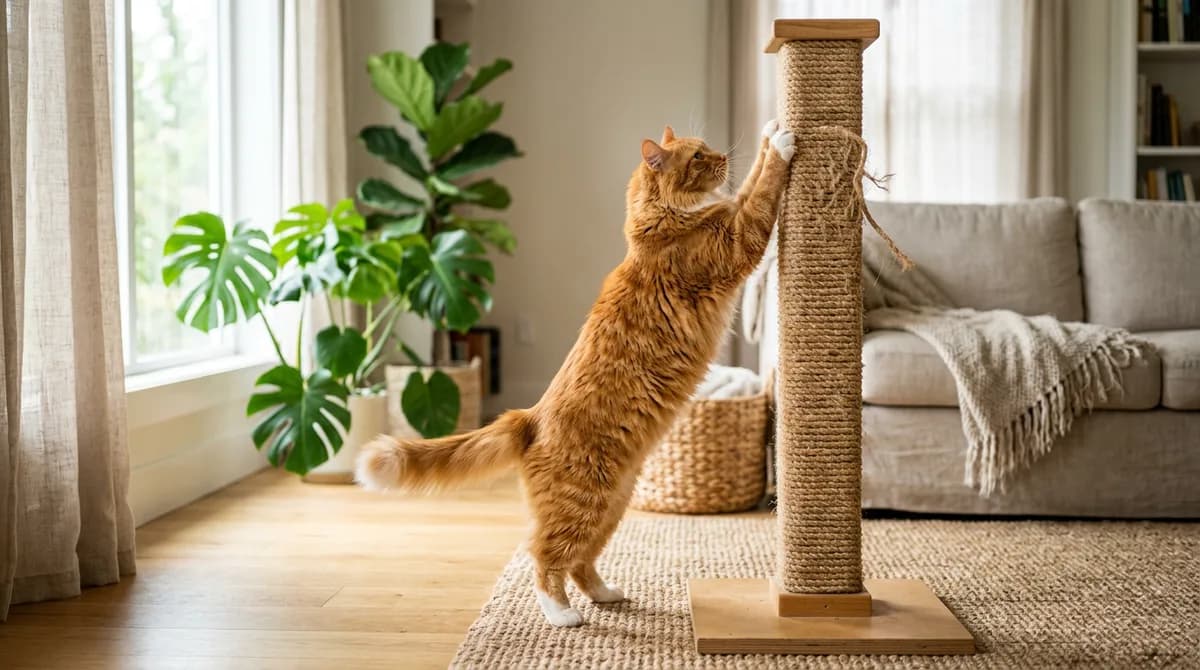
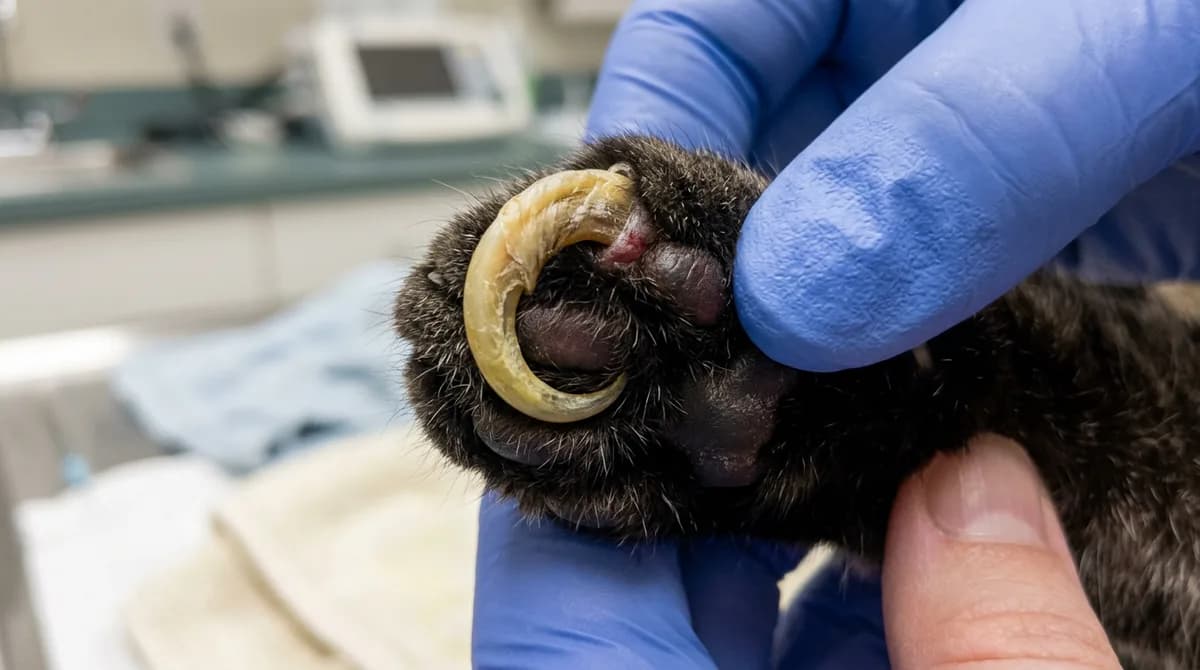
Most indoor cats need a trim every two to three weeks, though it varies with age, activity, and how much scratching-post time your cat logs. The simplest rule is to look and listen: if the claws are catching on carpet and upholstery, clicking on hard floors, or curving toward the pad, it is time. Kittens and very active cats who use their scratchers hard may go longer; seniors who move less and whose nails thicken often need more frequent, gentler trims.
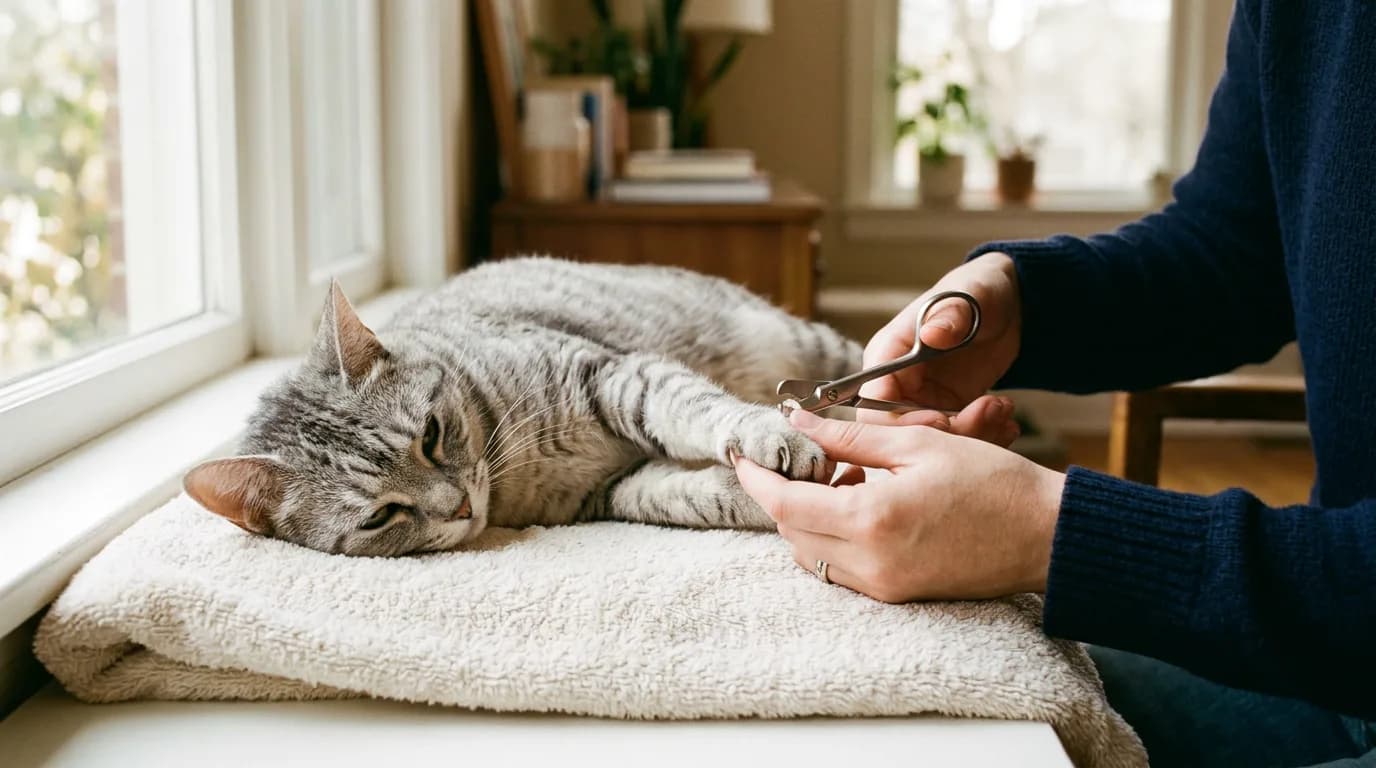
You do not have to do all claws at once. Many cats do far better with two or three claws per sitting, spread across the week, than one tense full-session marathon. Front paws usually need attention more often than back, and do not forget the dewclaw, the little thumb claw higher up the inside of the front leg, which never touches the ground to wear down and can curl into the skin if it is ignored. If your cat has extra toes, a polydactyl, check every claw, because the crowded ones are the ones that overgrow.
- The quick is the pink, living core inside the claw that carries blood and nerves. On pale claws you can see it as a pink line; on dark claws you cannot, so take thin slices and stop at the first sign of a darker oval in the cut surface. Keep styptic powder on hand to stop bleeding if you nick it, and if you are unsure where the quick is, take less.
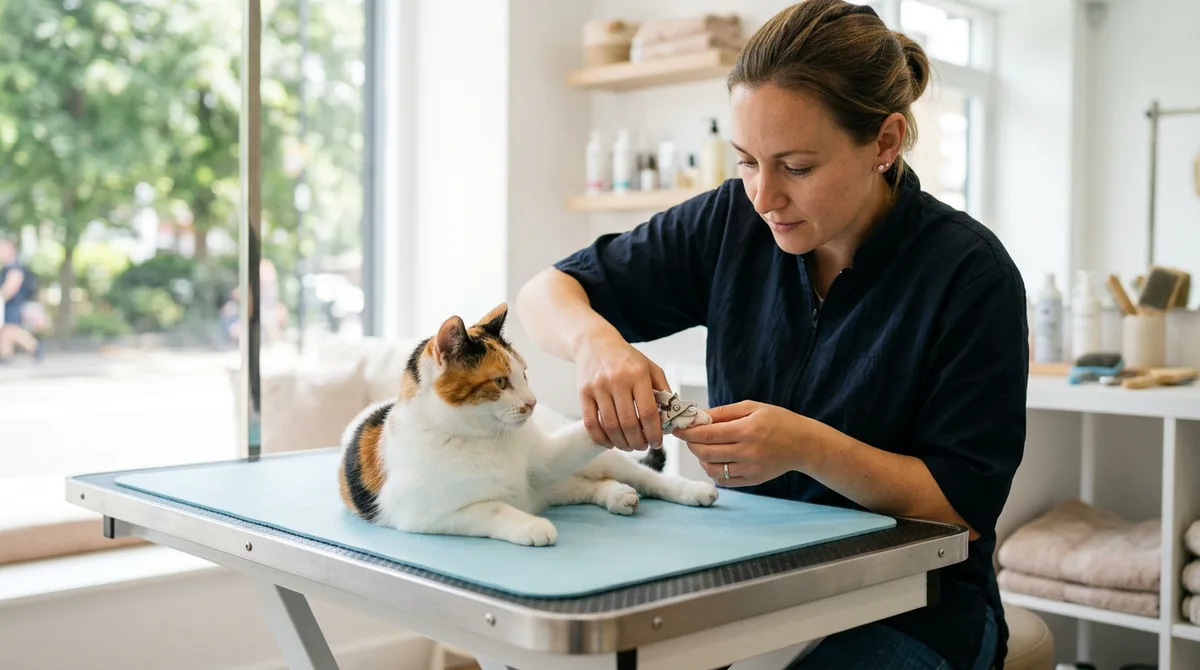
Some cats and some situations call for a professional. Book a groomer or ask your vet if your cat's claws have grown into or near the pad, if your cat becomes genuinely panicked or aggressive at every attempt, if age or arthritis makes handling painful, or if you simply do not feel safe doing it. There is no shame in outsourcing this: a groomer or vet tech can do a full trim in a couple of minutes and can show you the technique in person. For the full at-home method, see our how to trim cat nails walkthrough, and for the bigger picture of coat, ears, and claws together, our how to groom a cat guide ties it all together.
Whichever clipper you choose, the tool is only half the job. Short, calm, frequent sessions with treats build a cat who tolerates trims for life, and that habit matters more than any feature on the box.
Are expensive cat nail clippers worth it?
Short answer: usually not. The gap between a $5 Frisco and a $20 plier trimmer is durability and leverage, not safety, and a sharp budget clipper trims a healthy adult claw exactly as cleanly as a premium one. Spending more pays off in three specific cases: you trim several cats and want blades that stay sharp for years, your cat has thick or brittle senior nails that need plier leverage, or you want a gentle, low-force design like the Necoichi to steady your nerves while you are still learning. For a single indoor cat with normal claws, an inexpensive scissor pair is genuinely all you need, and replacing it every year or two still costs less than one premium tool.
What actually determines a good trim is not the price tag but three habits. Keep the blades sharp, and replace any clipper the moment it starts to crush the nail flat instead of slicing it. Trim in good light so you can read the quick before you cut. And trim often enough that you only ever take off a tiny tip, which keeps the quick receding and the whole job low-stress. A cheap clipper used well beats an expensive one that dulls in a drawer between rare, rushed sessions.
How to make cat nail trims stress-free
The best clipper in the world will not help if your cat treats it like a threat, so the tool is only half the job. The other half is teaching your cat that paw handling and the clipper predict good things, not a wrestling match. A few habits make the difference between a lifelong fight and a two-minute routine.
Start long before you ever cut a nail. For a week, simply touch and gently press your cat's paws while they are relaxed and reward each touch with a treat or a lick of something delicious. Let your cat sniff the clipper, then progress to holding a paw near it, then to pressing the clipper against a claw without cutting, treating the whole time. You are building a positive association one small step at a time, and rushing it is the single most common reason trims go badly.
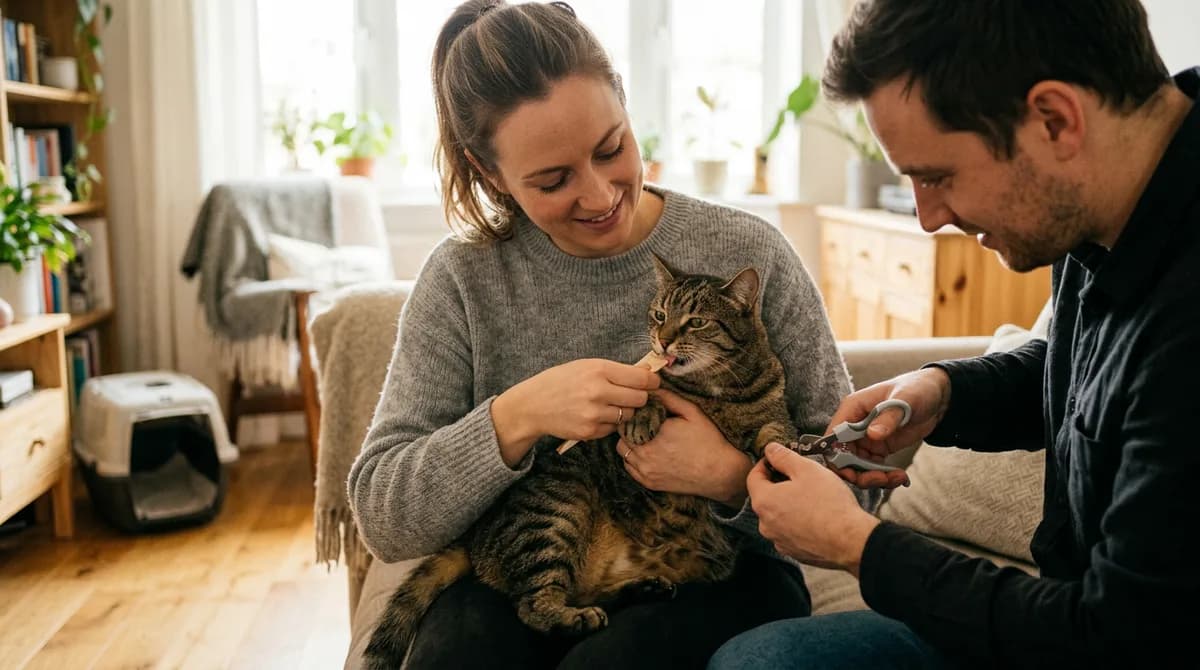
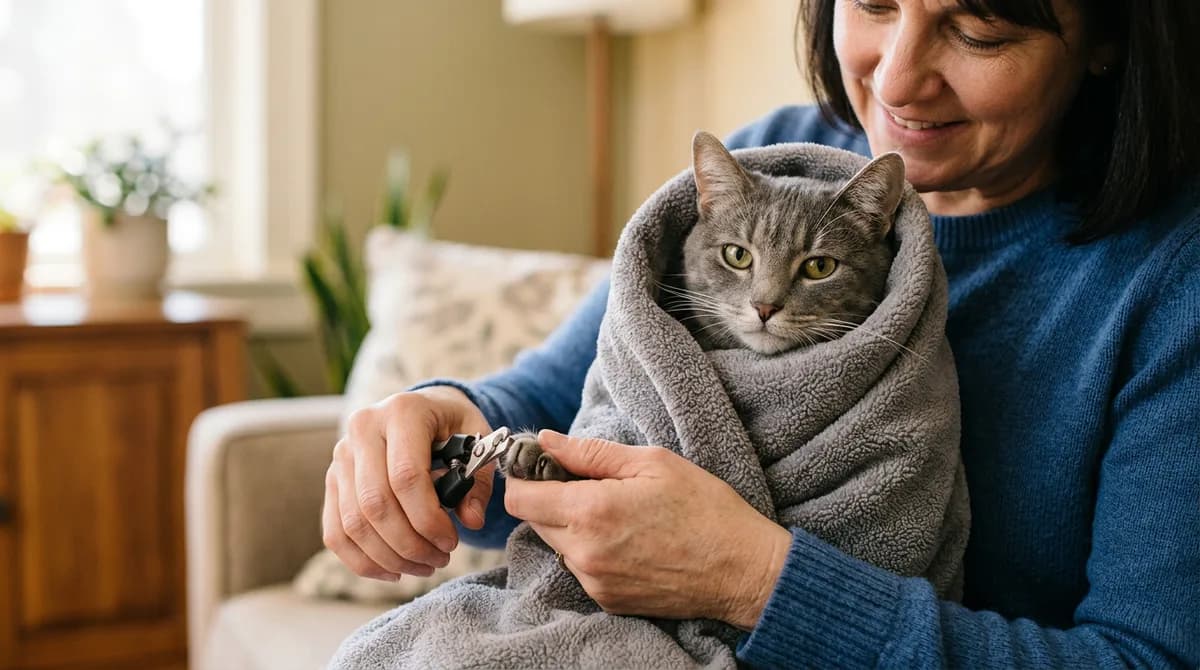
When you do start cutting, keep sessions short and end on a win. You do not have to do all eighteen claws in one sitting: two or three claws followed by a treat and a release is a complete, successful session, and it teaches your cat that the clipper appears briefly and then the good stuff happens. Pick your cat's sleepiest, most content moment, often right after a meal or a play session, rather than when they are alert and looking for action. For a squirmy cat, the towel-wrap burrito method (with only the paw you are working on poking out) plus a second person offering a lickable treat turns the whole event into a snack break. Consistency beats intensity every time: short, calm, frequent trims build a cat who tolerates the routine for life.
For most cats, a small scissor-style clipper like the Pet Republique is the best all-around choice: it is sharp, lets you see the quick clearly, and closes with control at around $8. Choose a plier-style trimmer such as the Resco Original or Safari Professional for thick or senior claws, or start with a gentle, low-force clipper like the Necoichi Purrcision if you are nervous about cutting too much.
Vets generally recommend small, sharp, spring-loaded scissor-style or plier-style clippers sized for a cat rather than a dog, because they let you see the claw and take a controlled amount off. They specifically steer owners away from guillotine-style clippers for cats. Names that come up often in clinics include Resco plier trimmers and cat-scaled scissor clippers like the Pet Republique.
Professional groomers most often use plier-style trimmers such as the Resco Original for their leverage and durability across many cats, and compact scissor-style clippers for finesse work. Groomers broadly avoid guillotine clippers on cats because the layered feline nail can crack or crush when forced through them.
For most cats, clipping is faster, quieter, and less stressful than grinding, and a sharp clipper is the standard tool. Grinders (rotary files) can smooth a rough edge and suit some dogs, but the noise and vibration frighten many cats, and grinding is slower. Clip as your primary method; reach for a grinder only to smooth an edge if your cat tolerates the sound.
In the clinic, vets and vet techs typically use small stainless scissor-style or plier-style cat clippers, keep styptic powder on hand in case they nick the quick, and work quickly claw by claw. They use the same categories of tool available to owners, just with practiced technique, which is why a good scissor or plier clipper at home does the same job.
Scissor-style clippers are best for most cats because they are precise, let you see the quick, and suit normal adult claws. Plier-style clippers are best for thick, brittle, or senior nails thanks to their leverage. Guillotine-style clippers are the one type to avoid for cats, since groomers warn they can crack or crush the thin, layered feline nail.

Coreen Saito is a pet writer and longtime shelter volunteer with more than a decade in animal rescue. She covers cat behavior, breed care, and the small, ordinary science of sharing a life with companion animals, with a particular focus on honest takes about the products and decisions that actually matter. At home in Arizona, she's outranked by Mac (a dog with the loudest opinion in the house), Rebel (a cat who governs by quiet authority), and Meri (an orange tabby who runs the late shift and the laundry basket). She writes about all three, plus the rescues that keep coming through her life, at LifeWithMinty.com.
Sign up for expert-backed reviews and safety alerts all in one place.