Can Dogs Eat Quinoa? A Comprehensive Guide
Can dogs eat quinoa? Yes, plain cooked quinoa is safe in moderation. Here is how much quinoa dogs can eat by size, how to prepare it safely, and the saponin and allergy risks to watch for before you share it.

Veterinarian · BVMS, MRCVS

Petful is reader supported. As an affiliate of platforms like Amazon and Chewy, we may earn a commission when you buy through links on this page. There is no extra cost to you.
- 1Yes, dogs can eat plain, cooked quinoa in moderation, but it should be introduced gradually.
- 2Rich in protein, fiber, and essential vitamins, quinoa can support digestion, muscle growth, and overall health.
- 3Always rinse before cooking to remove saponin, and avoid adding salt, spices, or oils, which can be harmful to dogs.

Sign up for expert-backed reviews and safety alerts all in one place.
Can Dogs Eat Quinoa?
Can dogs eat quinoa? Yes, in moderation. Plain, rinsed, fully cooked quinoa is a non-toxic, gluten-free seed that delivers complete protein, fiber, and minerals. The American Kennel Club confirms quinoa is used in some quality dog foods. Keep it to about 10% of daily calories, with no salt, oil, onion, or garlic.
Quinoa, a popular health food known for its nutritional benefits in human diets, has also been receiving attention in the pet world. This article explores the question of “can dogs eat quinoa?” as well as its nutritional benefits, how to prepare it for canine consumption, and precautions to consider.
Is Quinoa Safe for Dogs?
While quinoa is one of the foods dogs can generally eat, there are some considerations to keep in mind:
- Allergic Reactions: Although rare, some dogs may be allergic to quinoa. Introduce it slowly and watch for signs of an allergic reaction.
- Digestive Issues: Since it is high in fiber, feeding dogs too much quinoa can lead to digestive discomfort, including bloating, gas, or diarrhea.
- Caloric Content: Being calorie-dense, quinoa should only be given in moderation to prevent weight gain.
- Saponin Risk: Quinoa is said to contain the chemical saponin, which can cause irritation for people and pets. That is why it's important to rinse quinoa before cooking and to serve it in small amounts infrequently.
- Oxalates: Quinoa does contain oxalates which could irritate a dog’s stomach or cause other issues such as intestinal irritation or inflammation.
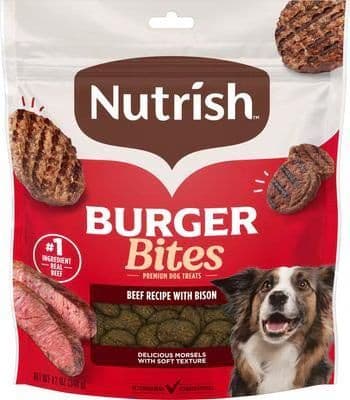
Soft, real-beef burger bites with bison, grain-free and sized for occasional training-treat sharing.
Petful may earn a commission when you click through to Chewy, at no extra cost to you.
How Much Quinoa Can Dogs Eat?
When feeding quinoa to dogs, it's important to consider their size and weight to determine the appropriate portion. Here's a guideline on how much quinoa dogs can eat based on size categories:
- Extra Small (<10 lbs): For extra small dogs, a teaspoon or less of cooked quinoa mixed into their regular food is sufficient.
- Small (10-25 lbs): Small dogs can have about 1 to 2 teaspoons of cooked quinoa.
- Medium (25-60 lbs): Medium-sized dogs can likely consume about 2 to 3 teaspoons of cooked quinoa. This portion should constitute no more than 10% of their daily food intake.
- Large (60-100 lbs): Large dogs may have 1 tablespoon of cooked quinoa in moderation.
- Giant (100+ lbs): Giant breed dogs can eat about 1 to 2 tablespoons of cooked quinoa infrequently.
These amounts are general guidelines and should be adjusted based on the dog's overall health, activity level, and dietary needs. Always introduce quinoa slowly into your dog’s diet to monitor for any adverse reactions and consult with a veterinarian first for dietary advice for your dog’s specific health and nutritional needs.

Is Quinoa Good for Dogs?
Quinoa is a gluten-free option that is often treated as a grain. It is full of protein and contains essential amino acids. It's also rich in fiber, vitamins (like B vitamins and vitamin E), and minerals (such as magnesium, phosphorus, potassium, manganese, zinc, and iron). Given its nutrient-dense profile, quinoa can have potential health benefits to a dog's diet when used appropriately.
- Protein-Rich: Essential for bones and muscle growth and repair, protein in quinoa can be particularly beneficial for active dogs.
- Fiber Content: Helps in regulating a dog’s digestive system and can aid in preventing constipation and maintaining bowel health.
- Vitamins and Minerals: Support overall health, including the immune system and nerve function.
How Do You Prepare Quinoa for Dogs?
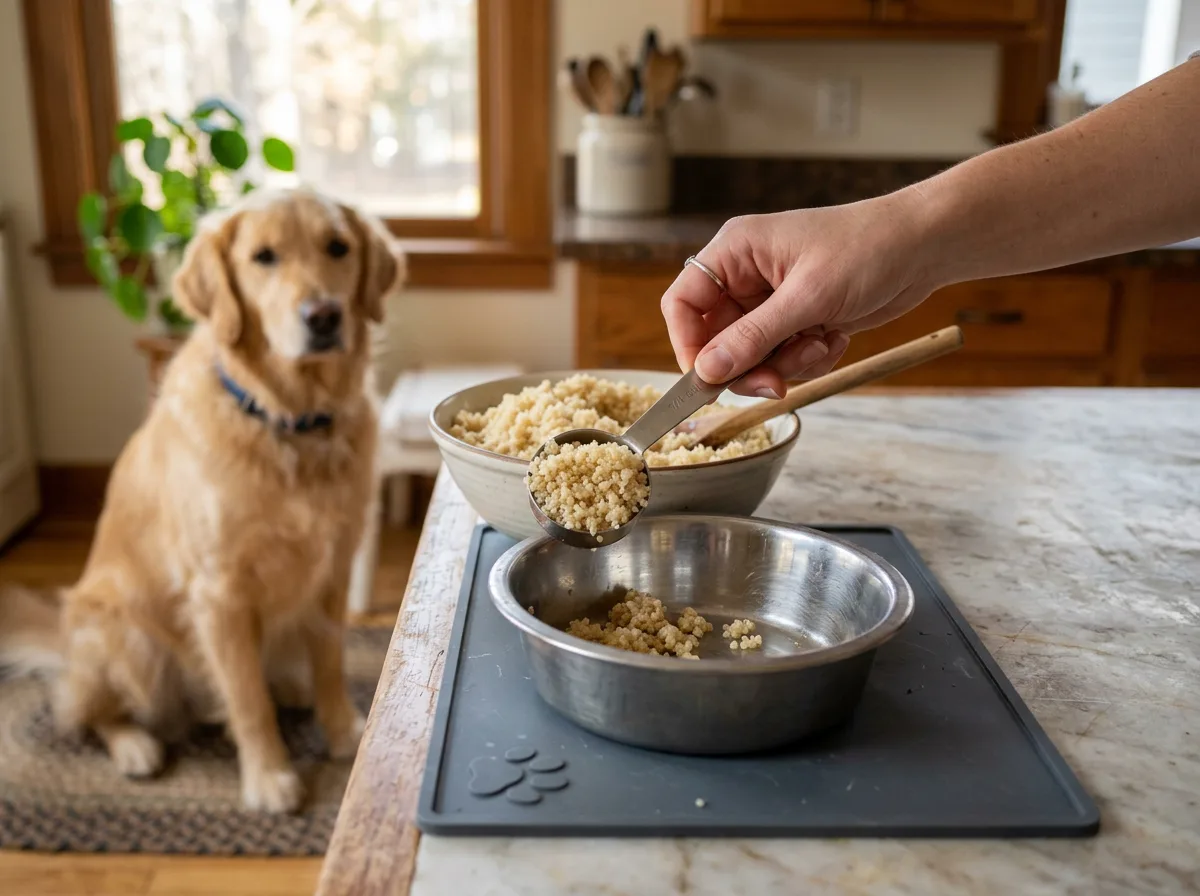
To safely introduce quinoa into your dog's diet, it should be cooked plain without any added spices, salt, or garlic, which can be harmful to dogs. Here’s how to prepare quinoa for dogs:
- Wash: Rinse quinoa thoroughly under cold water to remove its natural coating, saponin, which can be bitter and potentially irritating to a dog’s stomach.
- Plain: Only serve plain quinoa to dogs. Make sure to never feed them quinoa that has any seasonings, spices, or oils and butters added to it. Some of these additives, like garlic and onion, can be toxic to dogs or otherwise cause health issues for them.
- Cook: Cook it in water until it becomes fluffy and translucent, typically following a 2:1 ratio of water to quinoa.
- Cool: Let it cool down before mixing a little with your dog’s regular food.
Can Dogs Be Allergic to Quinoa?
While quinoa is generally considered safe for dogs it could still cause allergies in some. Here are potential allergic reactions dogs might have to quinoa:
- Skin Irritations: Dogs with a quinoa allergy might develop itchy skin, rashes, or hives. You may notice your dog scratching and licking in one spot frequently.
- Digestive Issues: An allergic reaction can manifest in the form of vomiting or diarrhea. Some dogs might also show signs of general abdominal pain or an upset stomach.
- Ear Infections: Food allergies in dogs can sometimes lead to chronic ear infections.
- Respiratory Symptoms: Although less common, some dogs might experience respiratory symptoms like coughing, sneezing, or wheezing if they are allergic to quinoa.
- Anaphylaxis: In rare cases, a severe allergic reaction called anaphylaxis could happen, and it is a medical emergency. Symptoms include sudden onset of severe itching, swelling, difficulty breathing, collapse, or even shock. Immediate medical attention is needed.
It is crucial to introduce quinoa (or any new food) into a dog's diet gradually and monitor for any signs of a negative reaction. If you think your dog has an allergy to quinoa or shows any unusual symptoms after consuming it, it’s important to consult with a veterinarian quickly.
In sum, quinoa can be a nutritious addition with potential benefits to your dog’s diet if prepared simply and served in moderation. It is essential to consider your individual dog’s dietary needs and consult with a veterinarian before offering quinoa to your pup for guidance and to ensure that it is a suitable food choice for them.
Frequently Asked Questions (FAQ)
| Dog Size | Body Weight | Cooked Quinoa (Occasional) | Notes |
|---|---|---|---|
| Extra small | Under 10 lbs | 1 teaspoon or less | Mix into regular food; start with a pinch |
| Small | 10-25 lbs | 1-2 teaspoons | Watch for gas the first few feedings |
| Medium | 25-60 lbs | 2-3 teaspoons | Keep to 10% or less of daily calories |
| Large | 60-100 lbs | 1 tablespoon | Serve a few times a week, not every meal |
| Giant | 100+ lbs | 1-2 tablespoons | Offer infrequently; rinse and cook plain |

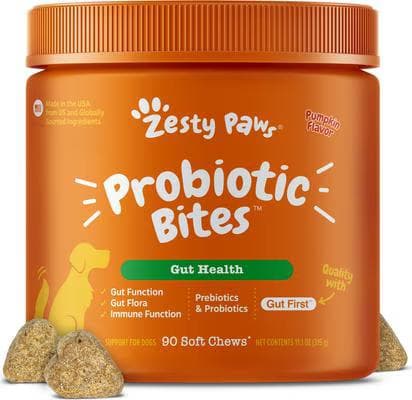
Pumpkin-flavored probiotic soft chews that support healthy gut flora and digestion in dogs.
Petful may earn a commission when you click through to Chewy, at no extra cost to you.
Can Dogs Eat Raw vs Cooked Quinoa?
Cooked quinoa, yes; raw quinoa, no. Dogs should only eat quinoa that has been rinsed and fully cooked in plain water until the grains turn soft and translucent with a little curled tail. Raw, uncooked quinoa is hard for a dog to digest and far more likely to cause gas, cramping, or loose stools than the cooked version.
The other reason to rinse and cook it comes down to saponin, a natural bitter compound that coats the outside of every quinoa seed. Saponin is the plant's built-in pest deterrent. The amount on quinoa is usually too small to cause problems, but a dog's digestive system may be more sensitive to it than ours, so it can occasionally irritate the stomach. Rinsing the quinoa under cold running water in a fine-mesh strainer for 30 to 60 seconds washes most of it away, and cooking handles the rest, so the two steps together are what make quinoa easy on the stomach.
Skip any quinoa that was prepared for people. Restaurant and home-cooked quinoa is usually tossed with broth, butter, salt, garlic, or onion, and onion and garlic are toxic to dogs in any form. If you want to share, set aside a small plain portion before you add seasoning, let it cool to room temperature, and serve that. When in doubt, a plainly cooked spoonful is always the safer choice than a flavored one off your plate.
- Always rinse quinoa in a fine-mesh strainer before cooking. The amount of saponin on quinoa is usually too small to cause harm, but rinsing washes most of it off and is an easy way to make this gentle seed even kinder to a sensitive stomach.
Is Quinoa Better for Dogs Than Rice?
Neither grain is strictly better; they simply do different jobs. Cooked quinoa carries more protein, more fiber, and a complete amino acid profile that plain white rice cannot match, plus a lower glycemic load, which makes it a more nutrient-dense everyday topper for a healthy dog. White rice, on the other hand, is bland, low in fiber, and very easy to digest, which is exactly why veterinarians reach for it during a short bout of diarrhea or stomach upset rather than quinoa.
Brown rice sits in between the two. It keeps more of the fiber and minerals that white rice loses in milling, so dogs can eat quinoa and brown rice in the same bowl as a fiber-rich occasional side. Because both are higher in fiber than white rice, keep the combined portion modest to avoid gas or soft stools, and never let either grain crowd out the complete, balanced food that should make up the bulk of your dog's diet.
If you are choosing one for daily nutrition, plain cooked quinoa is the richer option in moderation. If you are managing a sensitive or recovering stomach, plain white rice is the gentler pick. For most dogs the smartest move is to treat quinoa as a healthy garnish on top of a balanced diet rather than a swap for their regular food, and to introduce any new grain slowly over several days while you watch the litter of the stool.
Can Dogs Eat Red, White, or Tri-Color Quinoa?
Yes, dogs can eat white, red, black, and tri-color quinoa, and none of the colors is more or less safe than the others. Color comes from natural plant pigments, not from any added ingredient, so the safety rules are identical across every variety: rinse it well, cook it plain in water, cool it, and serve a small portion. Tri-color blends are simply a mix of white, red, and black seeds in one bag.
There are a couple of practical differences worth knowing. Red and black quinoa hold their shape and stay a little firmer and chewier after cooking, while white quinoa turns the softest and fluffiest, which can make it the easiest texture for small dogs, seniors, or pups who bolt their food. Darker varieties also take a few minutes longer to cook through, so give them the extra time on the stove so the seeds are fully tender before you offer any to your dog.

Multiple ridges and valleys slow eating, reduce gas and bloating, and turn mealtime into a fun puzzle. Non-skid base, dishwasher safe, 4-cup capacity.
Petful may earn a commission when you click through to Chewy, at no extra cost to you.
Can Dogs Eat Quinoa Every Day?
Most healthy dogs can have a small spoonful of plain cooked quinoa daily, as long as it stays inside the 10% treat allowance and their main meals come from a complete, balanced food. Quinoa is calorie-dense and high in fiber, so the everyday portion has to stay genuinely small; a daily helping that is too generous can crowd out balanced nutrition, add unwanted weight, and loosen the stool. A few times a week is plenty for most dogs, with daily feeding kept to a token amount.
Some dogs should skip quinoa entirely or only have it with a vet's blessing. Quinoa naturally contains oxalates, so dogs with a history of kidney disease or calcium oxalate bladder stones are usually steered away from it. Dogs with diabetes, pancreatitis, a sensitive stomach, food allergies, or a weight problem also deserve a conversation with the veterinarian before quinoa becomes a routine part of the menu, since the right amount depends on the individual dog.
Whenever you add quinoa to the rotation, introduce it gradually. Start with a pinch mixed into the regular food, wait a day or two, and watch for gas, vomiting, or diarrhea before working up to the size shown in the serving chart above. Easing it in this way lets the gut adjust to the extra fiber and makes any sensitivity obvious early, while the food is still a tiny fraction of the bowl.
- Skip quinoa, or clear it with your veterinarian first, if your dog has a history of kidney disease or calcium oxalate stones. Quinoa contains oxalates, which can be a problem for these dogs.
Related Petful Guides
- Can Dogs Eat Brown Rice?
- Can Dogs Eat Pasta?
- Can Dogs Eat Bread?
- Can Dogs Eat Popcorn?
- dog food allergies
Neither is strictly better; they serve different needs. Quinoa offers more protein, more fiber, and a complete amino acid profile plus a lower glycemic load than white rice, which makes it a nutrient-richer everyday topper. Plain white rice is gentler and is the usual vet pick for short-term upset stomachs. For a healthy dog, cooked quinoa is the more nutritious grain-style choice in moderation.
Follow the 10% rule: quinoa and other treats should make up no more than 10% of daily calories. As a starting guide, that is under a teaspoon for toy dogs, 1 to 2 teaspoons for small dogs, 2 to 3 teaspoons for medium dogs, and 1 to 2 tablespoons of cooked quinoa for large and giant breeds. Introduce it slowly and watch for digestive upset.
No, dogs should not eat raw or uncooked quinoa. Raw quinoa is hard to digest, and its outer coating carries saponin, a natural compound that is usually present in amounts too small to cause harm but can occasionally upset a sensitive dog's stomach. Always rinse quinoa under cold water, then cook it fully in plain water until fluffy before offering even a small amount to your dog.
Most healthy dogs can have a small amount of plain cooked quinoa daily as long as it stays within the 10% treat allowance and their main diet is complete and balanced. Daily feeding is best cleared with your veterinarian first, especially for dogs with allergies, kidney issues, or weight concerns, since quinoa is calorie-dense and high in fiber.
Yes, plain cooked quinoa and plain cooked brown rice are both safe for dogs and can be mixed in small amounts. Both are fiber-rich, so keep portions modest to avoid gas or loose stools, and skip any butter, salt, or seasoning. This combo works as an occasional bland-leaning topper rather than a meal replacement.
Dogs generally do best avoiding grains served with toxic add-ins like onion, garlic, butter, or heavy salt, and any moldy or spoiled grain. Plain cooked whole grains such as quinoa, brown rice, and oats are fine in moderation for most dogs. Skip seasoned, sugary, or heavily processed grain products, and check with your vet before feeding grains to a dog with diabetes or a diagnosed grain sensitivity.
Recipes
Here are some simple quinoa recipes for dogs that you can try at home, ensuring you provide a nutritious and varied diet for your canine friend:
Basic Cooked Quinoa
Ingredients: 1 cup quinoa 2 cups water Instructions: Rinse quinoa thoroughly under cold water. In a pot, bring water and quinoa to a boil.
- Reduce heat to low, cover, and simmer for 15 minutes or until water is absorbed.
- Remove from heat and let it stand covered for 5 minutes, then fluff with a fork.
- Allow to cool before serving to your dog.
Quinoa & Chicken Dinner
Ingredients: 1 cup cooked quinoa 1 chicken breast (boiled and shredded) 1 carrot (steamed and mashed) Instructions:
- Mix the cooked quinoa, shredded chicken, and mashed carrot in a bowl.
- Ensure the mixture is cool before serving it to your dog.
Quinoa, Beef & Veggie Mix
Ingredients: 1 cup cooked quinoa ½ cup lean ground beef (cooked) ½ cup chopped spinach 1 small sweet potato (cooked and mashed) Instructions:
- Combine the cooked quinoa, ground beef, chopped spinach, and mashed sweet potato.
- Mix well and serve cool to your dog.
Remember to introduce new foods gradually and observe your dog for any adverse reactions. It’s also advisable to consult with a veterinarian before adding new foods to your dog's diet, especially if they have health conditions or specific dietary needs.
Curious about what other foods dogs can eat? Check out these related articles below: Can Dogs Eat Bread? Can Dogs Eat Brown Rice? Can Dogs Eat Pancakes? Can Dogs Eat Pasta? Can Dogs Eat Popcorn?

Carol Bryant is the founder FidoseofReality.com and SmartDogCopy.com. A pet product expert, Carol is the Past President of the Dog Writers Association of America (DWAA) and winner of Best Dog Blog. A dog lover of the highest order is how Gayle King introduced Carol when she appeared with her Cocker Spaniel on Oprah Radio’s Gayle King Show to dish dogs. She helps pet, animal, and lifestyle brands achieve copywriting and content marketing success using well-trained words that work and is well-known in the pet industry.
Veterinarian · BVMS, MRCVS
Dr. Pippa Elliott, BVMS, MRCVS, is a veterinarian with nearly 30 years of experience in companion animal practice. Dr. Elliott earned her Bachelor of Veterinary Medicine and Surgery from the University of Glasgow. She was also designated a Member of the Royal College of Veterinary Surgeons. Married with 2 grown-up kids, Dr. Elliott has a naughty Puggle named Poggle, 3 cats and a bearded dragon.
Sign up for expert-backed reviews and safety alerts all in one place.