Can Dogs Eat Chicken Bones? A Comprehensive Guide
Can dogs eat chicken bones? No. Cooked bones splinter into sharp shards and raw bones are not safe either, risking choking, blockage, and a torn gut. Here is the danger breakdown and what to do if your dog already ate one.

Veterinarian · BVMS, MRCVS
Petful is reader supported. As an affiliate of platforms like Amazon and Chewy, we may earn a commission when you buy through links on this page. There is no extra cost to you.
- 1No, dogs should never eat cooked chicken bones, as they can splinter and cause choking, blockages, or internal injuries.
- 2Even a single bone can be dangerous, so it's best to avoid them entirely and opt for safer chew alternatives.
- 3If your dog eats a chicken bone, monitor for distress and contact a veterinarian immediately for guidance.

Sign up for expert-backed reviews and safety alerts all in one place.
Can Dogs Eat Chicken Bones? The Short Answer
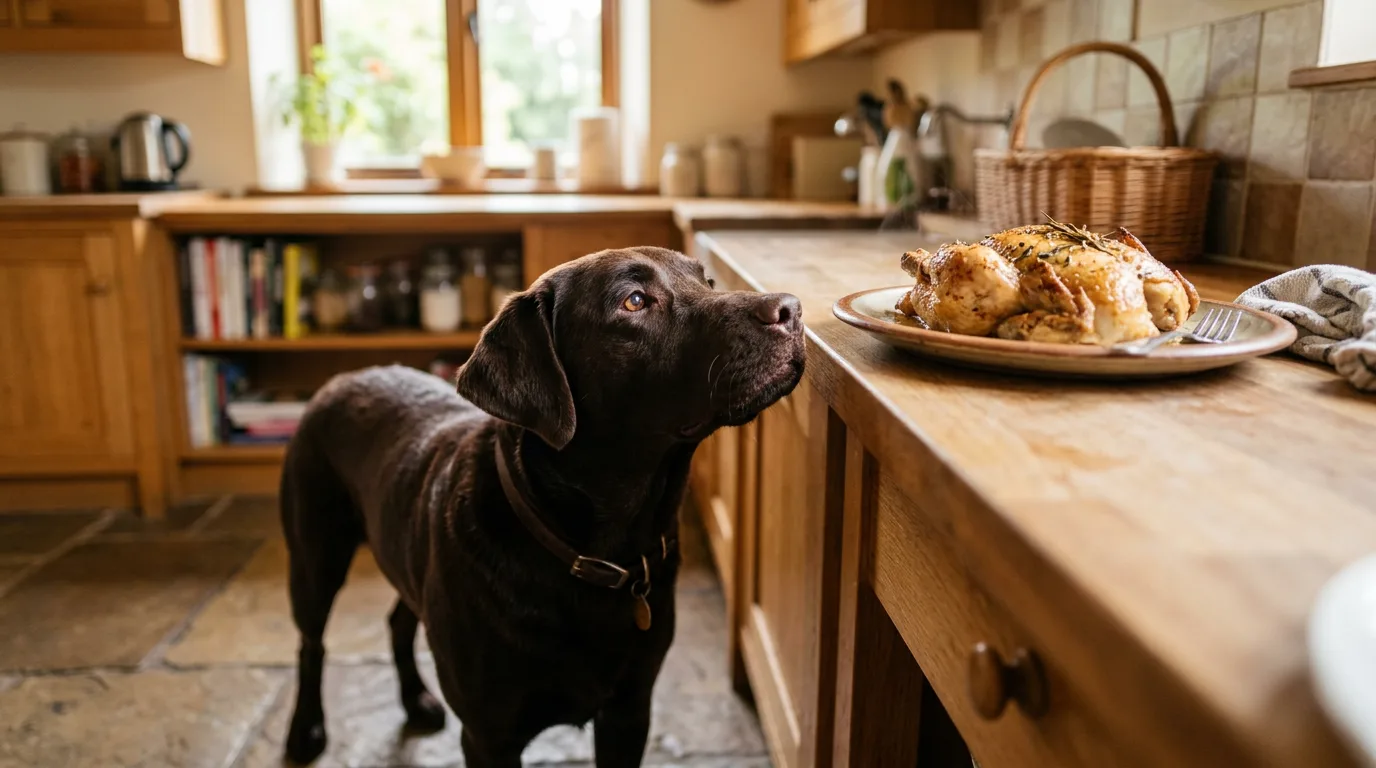
Can dogs eat chicken bones? No. Cooked chicken bones splinter into sharp shards that can cause choking, intestinal blockage, or a perforated gut, and even raw bones carry choking, blockage, and bacteria risks (ASPCA, AKC). The old idea that stomach acid simply dissolves them is unreliable. If your dog ate one, call your vet right away.
The question of “can dogs eat chicken bones?” has been a topic of debate among pet owners for a long time. While some argue that dogs have been consuming bones for centuries, others caution against the risks associated with feeding chicken bones, specifically, to dogs. This article delves into the risks of feeding chicken bones to dogs, the types of chicken bones to avoid, and safer alternatives for dogs who enjoy chewing bones.
Why Are Chicken Bones Dangerous for Dogs?
Cooked chicken bones pose significant risks to dogs due to their tendency to splinter and the possible choking hazard they pose. When chewed, these bones can break into sharp fragments that can cause serious internal injuries, including:
- Choking Hazard: Small bones or bone fragments can get lodged in the throat, leading to choking.
- Gastrointestinal Obstructions: Larger bone fragments can obstruct the gastrointestinal tract, requiring surgical removal.
- Perforations: Sharp bone fragments can puncture the stomach or intestinal lining, leading to peritonitis which is a medical emergency.
Veterinarians often caution against feeding dogs chicken bones, especially those that are cooked, because of these risks.
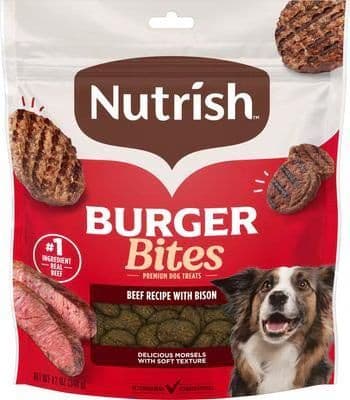
Soft, real-beef burger bites with bison, grain-free and sized for occasional training-treat sharing.
Petful may earn a commission when you click through to Chewy, at no extra cost to you.
How Many Chicken Bones Can a Dog Eat Safely?
Given the potential dangers associated with dogs eating chicken bones, it is hard to define a “safe” amount. Even one bone can pose a choking hazard for dogs, as it could crack apart and the splintered bone could damage their stomach, intestinal tract, or other internal organs. Thus, it is best to avoid giving chicken bones to dogs, even small amounts, because of the possible dangers associated with them. Instead, offering them dog safe alternatives is a better choice.
Safer Alternatives
For pet owners who want to provide their pup with the benefits of chewing bones, there are safer alternatives to chicken bones:
- Specially designed chew toys: These can satisfy a dog’s natural desire to chew without the risks associated with bone fragments.
- Synthetic bones and dental chews: These products are designed to be safe for dogs to chew and can also help maintain a dog’s teeth.
- Natural chews: Options like bully sticks, tendons, or rawhide alternatives (like those made from fish skin) can be safer than bones, provided they are sourced from reputable brands and used under supervision.

What to Do if Your Dog Already Ate Chicken Bones
If a dog has already eaten chicken bones, it's important to take immediate and appropriate action to prevent potential complications. Here are some tips on what to do:
- Don't Panic: Stay calm to think clearly and act swiftly. Being composed will help you handle the situation effectively.
- Monitor Your Dog: Observe your dog closely for any signs of distress, such as choking, gagging, drooling excessively, pawing at the mouth, coughing, difficulty breathing, or attempting to vomit.
- Check for Obstructions: If you can safely look into your dog's mouth and see a bone lodged in the throat, and you can easily remove it without getting bitten or causing harm, carefully do so. If it's not easily reachable or if doing so could harm your dog or you, do not attempt to remove it.
- Contact Your Veterinarian Immediately: Whether your dog is showing symptoms or not, it’s crucial to get in touch with your vet or an emergency veterinary clinic. They can advise you on the immediate steps to take and may recommend bringing your dog in for an examination.
- Observe for Gastrointestinal Issues: Even if your dog seems fine at first, watch for signs of internal blockage or injury over the next few days. Symptoms may include vomiting, diarrhea, lethargy, abdominal pain, or behavior changes.
- Maintain a Bland Diet: Your vet may recommend feeding your dog a bland diet to help ease its digestive system. This could consist of boiled chicken (without bones) and rice or a special diet.
- Avoid Inducing Vomiting: Do not try to make your dog vomit unless specifically instructed by a veterinarian, as this could cause more harm, especially if bone fragments are sharp.
- Follow Up: Ensure follow-up visits to the vet to monitor your dog’s health and to confirm that there are no lingering issues from the ingested bones.
- Prevent Future Incidents: Take preventive measures to ensure your dog does not have access to chicken bones in the future.
Immediate action and close monitoring are key to managing the situation where a dog has ingested chicken bones, minimizing the risk of potential complications.
In sum, while dogs may have a history of chewing bones, the risks associated with feeding chicken bones, particularly cooked ones, are significant. Pet owners should prioritize safety and consider safer alternatives to fulfill their dogs' chewing instincts. Consulting with a veterinarian can provide guidance tailored to an individual dog’s health needs and dietary requirements, ensuring that they receive the benefits of chewing without the associated risks.
Frequently Asked Questions (FAQ)
| Bone Type or Form | Safe to Feed? | Main Risk to Watch |
|---|---|---|
| Cooked chicken bones (any cut) | No | Splinter into sharp shards; choking, blockage, gut perforation |
| Fried, rotisserie, or KFC bones | No | Cooked and brittle, plus heavy salt, fat, and seasonings |
| Boiled or baked chicken bones | No | Still break into sharp pieces; boiling does not make them safe |
| Raw chicken wing or neck bones | Not recommended | Choking, blockage, broken teeth, and salmonella risk |
| Whole chicken carcass or frame | No | Large fragments cause obstruction; small dogs especially at risk |
| Vet-approved dental chew or bully stick | Yes, with supervision | Match to dog size; remove small swallowable pieces |
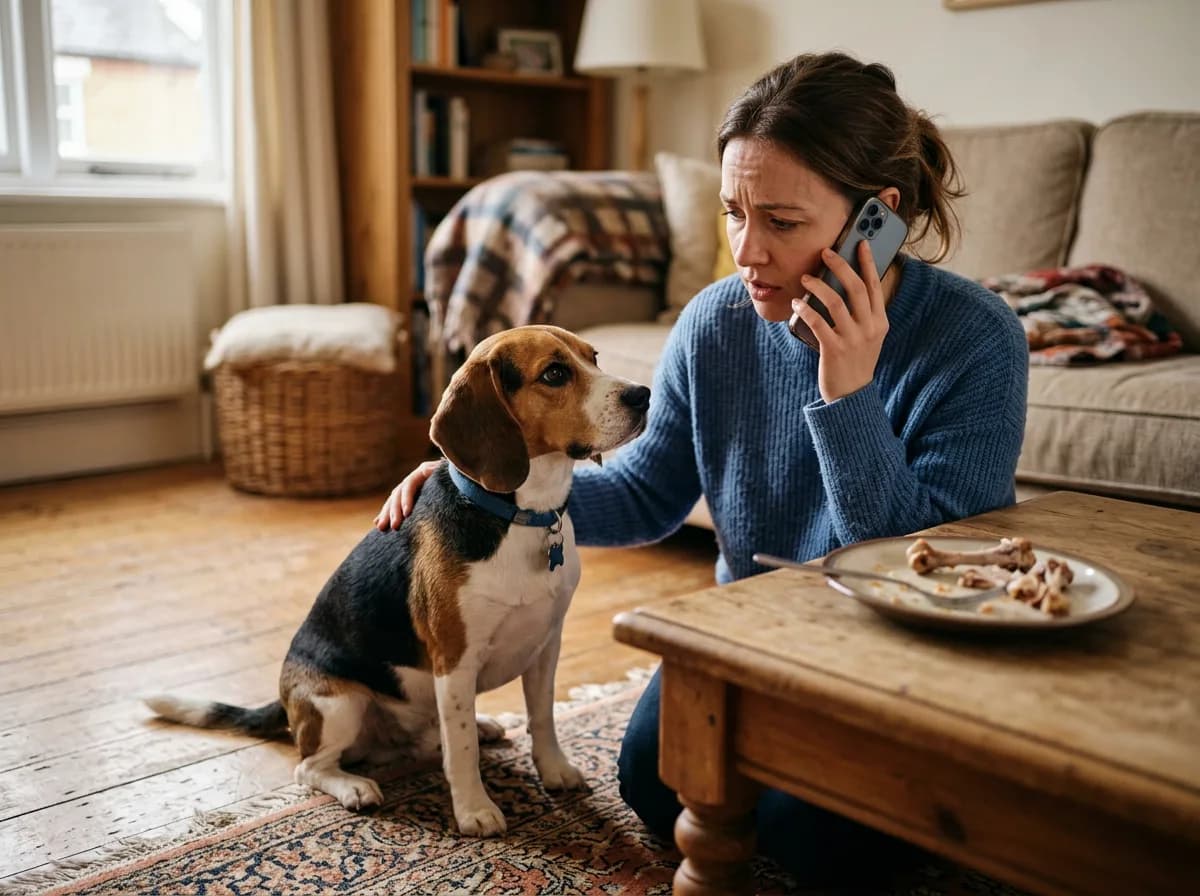
Can Dogs Eat Raw vs. Cooked Chicken Bones?
Cooked chicken bones are the most dangerous of all. Cooking dries the bone out and makes it brittle, so it snaps into sharp, needle-like splinters when a dog crunches it. Those shards are what cause the choking, the gut perforations, and the emergency vet visits.
Raw chicken bones are softer and bend rather than shatter, which is why some raw feeders use them. But raw bones are not risk-free either. They can still cause choking and intestinal blockages, can break teeth, and may carry salmonella or other bacteria that make both dogs and the humans in the home sick.
This is where the popular myth that dogs can handle raw bones but never cooked ones falls apart. Raw is less likely to splinter, but it is not safe by default. Most veterinarians advise skipping loose chicken bones entirely, raw or cooked, and using a vet-approved chew instead.
- Never give your dog cooked chicken bones of any kind, including leftovers, rotisserie carcasses, and bones from soup or stock. Cooking is exactly what turns a bone into a splintering hazard.
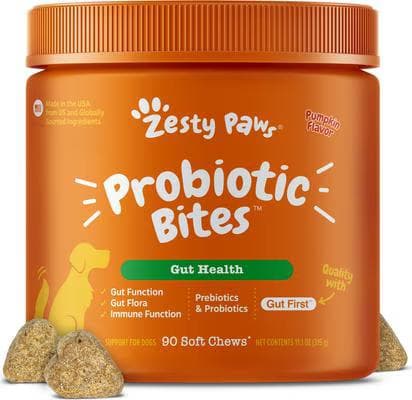
Pumpkin-flavored probiotic soft chews that support healthy gut flora and digestion in dogs.
Petful may earn a commission when you click through to Chewy, at no extra cost to you.
Can Dogs Eat Chicken Wing, Drumstick, Leg, Thigh, or Neck Bones?
The specific bone matters less than people think: cooked chicken wing, drumstick, leg, and thigh bones are all dangerous, because cooking makes every one of them splinter. Wing and rib-end bones are especially worrisome in small dogs because the fragments are tiny and easy to swallow whole.
Chicken necks and feet come up a lot in raw-feeding circles, and some owners give them raw as a soft chew. Even then they are a choking and blockage risk, particularly for small dogs and gulpers, and should only ever be considered raw, never cooked, and always under direct supervision.
The bottom line is simple. There is no cut of cooked chicken bone that is safe to hand your dog, and even raw poultry bones carry real risk. If you want the chewing benefit without the danger, reach for a vet-approved alternative instead.
- A swallowed cooked wing or drumstick bone is the most common chicken-bone emergency. If your dog grabbed one, call your vet or an emergency clinic now, even if your dog seems completely fine.
Can Dogs Eat Fried, Rotisserie, KFC, or Boiled Chicken Bones?
No. Fried chicken bones, rotisserie chicken bones, and KFC-style bones are all cooked, so they splinter like any other cooked bone. They also come coated in salt, fat, oil, garlic, or onion seasoning, which can trigger stomach upset, pancreatitis, or toxicity on top of the bone hazard itself.
Boiled, baked, smoked, slow-cooked, and pressure-cooked chicken bones are no safer. People sometimes assume boiling softens a bone enough to be fine, but boiled bones still break into sharp pieces and still cause obstructions.
Treat any chicken bone that has touched heat as off-limits. The danger comes from the cooking, not the recipe.
- Rotisserie and fried chicken bones are a double hazard: the cooked bone splinters and the heavy salt, fat, and seasonings (often garlic and onion) can cause their own problems. Keep takeout containers and carcasses well out of reach.

Multiple ridges and valleys slow eating, reduce gas and bloating, and turn mealtime into a fun puzzle. Non-skid base, dishwasher safe, 4-cup capacity.
Petful may earn a commission when you click through to Chewy, at no extra cost to you.
Do Chicken Bones Dissolve in a Dog's Stomach?
You will see claims online that a dog's stomach acid simply dissolves chicken bones before they cause harm. Sometimes a small piece does soften and pass without trouble. But you cannot count on it, and treating it as a sure thing is how dogs end up in surgery.
Whether a bone dissolves depends on the dog's size, how much was eaten, whether the bone was cooked, and how sharp the fragments are. A splintered cooked bone can puncture the esophagus, stomach, or intestine long before any acid has a chance to break it down.
So the honest answer is that some bones pass and some do not, and there is no reliable way to know in advance which it will be. That uncertainty is exactly why veterinarians say to call rather than wait and hope.
- Do not rely on the dog's stomach to handle a swallowed bone. The safe move is always to call your vet and let them decide whether to monitor at home or examine your dog.
Can Puppies, Small Dogs, or Big Dogs Eat Chicken Bones?
Size changes the type of risk, not the answer. Chicken bones are not safe for puppies, small dogs, or big dogs. A large dog is more likely to crunch and swallow a whole bone, raising the blockage and perforation risk, while a small dog or puppy can choke on the very fragments a big dog might pass.
Puppies are the highest-risk group of all. Their narrow airways and developing digestive tracts make even a single small bone a serious choking and obstruction hazard, and a young puppy gets everything it needs from a complete puppy food.
No matter the size of your dog, the safest approach is the same: keep chicken bones out of reach and offer a chew sized and rated for your dog instead.
Safer Chewing Alternatives to Chicken Bones
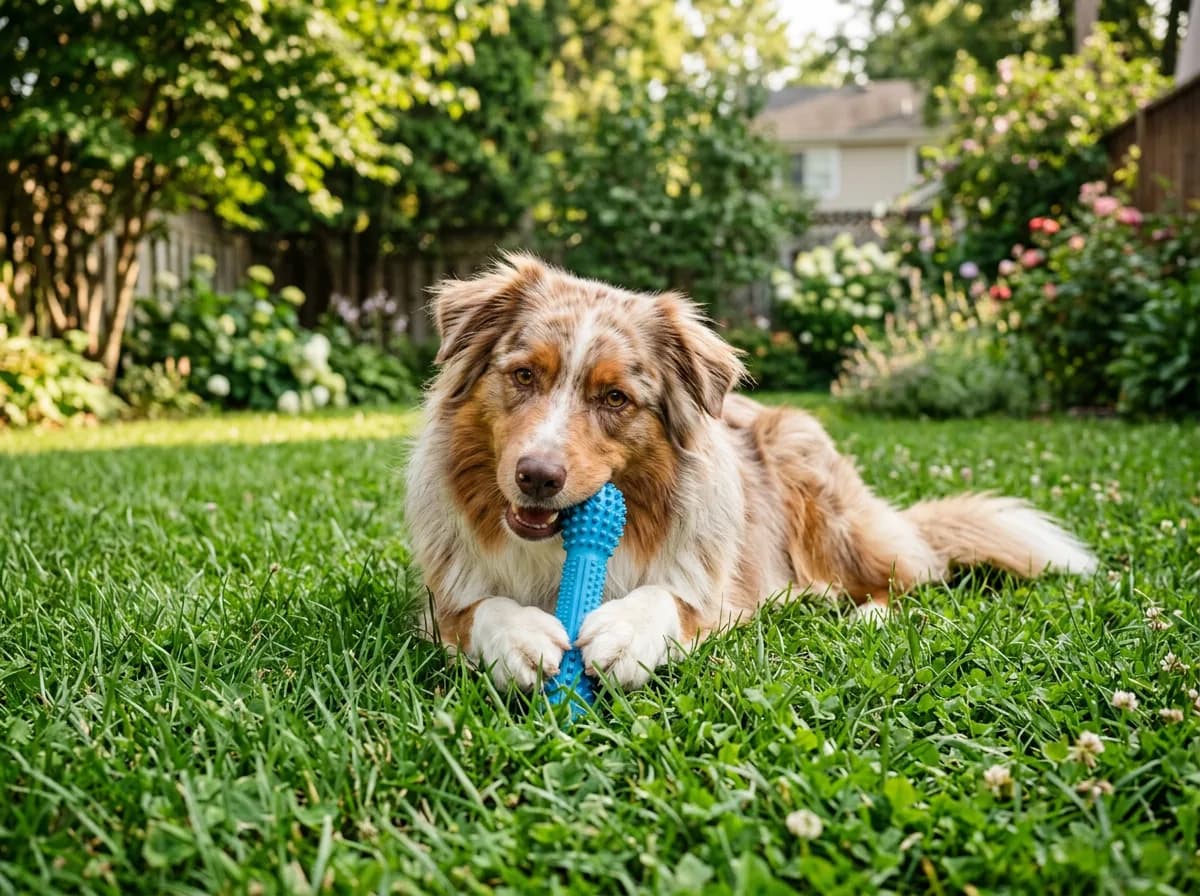
Dogs chew because it feels good and keeps them busy, and you can satisfy that instinct without the splintering risk of a chicken bone. The goal is something durable enough to last but not so hard that it cracks teeth.
Good options include vet-approved dental chews, bully sticks, collagen sticks, and sturdy rubber chew toys you can stuff with food. Always match the chew to your dog's size and chewing style, supervise the first few sessions, and take away any piece small enough to swallow whole.
If you are weighing real bones of any kind, talk to your veterinarian first. The 90/10 rule still applies to treats and chews: keep extras to about 10 percent of your dog's daily calories so the main diet stays balanced.
- Pick a chew rated for your dog's size and chewing strength, and supervise. If you can dent it with a fingernail it may be too soft to last; if you cannot dent it at all, it may be hard enough to crack a tooth.
Related Petful Guides
- whether bones are bad for dogs
- what to do if your dog is choking
- can dogs eat rib bones
- can dogs eat corn cobs
- chicken allergy in dogs
- the FDA warning on bone treats
Call your veterinarian, even if your dog seems fine. A small piece may pass without trouble, but a sharp cooked fragment can still cause choking or an internal injury. Do not induce vomiting unless your vet tells you to, because a sharp bone can do more damage coming back up. Watch closely for the next few days for vomiting, straining, or lethargy.
Choking or gagging shows up immediately. Problems from a swallowed bone, such as vomiting, loss of appetite, straining to poop, lethargy, or belly pain, usually appear within 24 to 72 hours as the bone moves through the gut. Because an obstruction can take a couple of days to declare itself, keep watching your dog for at least 2 to 3 days and call your vet if anything seems off.
Sometimes, but you cannot rely on it. Some small bone pieces soften and pass, which is where the myth comes from. But cooked bones often splinter into sharp shards that can puncture the gut before any acid breaks them down. Whether a bone dissolves depends on the dog, the bone, and the amount, so the safe move is always to call your vet rather than wait and hope.
Raw chicken bones are softer and less likely to splinter than cooked ones, which is why some raw feeders use them. They are still not risk-free: they can cause choking, intestinal blockages, broken teeth, and salmonella exposure for both dogs and people. Most vets recommend skipping loose chicken bones entirely and using a vet-approved chew instead.
It is uncommon, but yes, a chicken bone can be fatal if a splinter perforates the gut or a fragment causes a blockage or airway obstruction that is not treated in time. Most dogs that swallow a single bone are fine, especially with prompt vet care. That low odds of a severe outcome is exactly why fast veterinary advice matters so much.
There is no safe home remedy that neutralizes a swallowed bone. Some vets may suggest feeding a little bread or canned pumpkin to cushion fragments, but only do this if your own vet advises it for your dog. Never induce vomiting on your own, and never give human painkillers. The real first step is to call your veterinarian for guidance.
No. Puppies are the highest-risk group because their narrow airways and developing digestive tracts make even a small bone a serious choking and obstruction hazard. A growing puppy gets complete nutrition from puppy food and does not need bones. If you want to give a puppy something to chew, use a soft, size-appropriate puppy chew and ask your vet first.
Curious about what other foods dogs can eat? Check out these related articles below: Can Dogs Eat Corn Cobs? Can Dogs Eat Watermelon Rind? Can Dogs Eat Rib Bones?

Carol Bryant is the founder FidoseofReality.com and SmartDogCopy.com. A pet product expert, Carol is the Past President of the Dog Writers Association of America (DWAA) and winner of Best Dog Blog. A dog lover of the highest order is how Gayle King introduced Carol when she appeared with her Cocker Spaniel on Oprah Radio’s Gayle King Show to dish dogs. She helps pet, animal, and lifestyle brands achieve copywriting and content marketing success using well-trained words that work and is well-known in the pet industry.
Veterinarian · BVMS, MRCVS
Dr. Pippa Elliott, BVMS, MRCVS, is a veterinarian with nearly 30 years of experience in companion animal practice. Dr. Elliott earned her Bachelor of Veterinary Medicine and Surgery from the University of Glasgow. She was also designated a Member of the Royal College of Veterinary Surgeons. Married with 2 grown-up kids, Dr. Elliott has a naughty Puggle named Poggle, 3 cats and a bearded dragon.
Sign up for expert-backed reviews and safety alerts all in one place.