Otterhound Dog Breed Profile: Temperament, Care, Cost and Rarity
The Otterhound dog breed is rare, shaggy, loud and lovable. Learn about temperament, exercise, grooming, health testing, cost, breeders and rescue options.
Petful is reader supported. As an affiliate of platforms like Amazon and Chewy, we may earn a commission when you buy through links on this page. There is no extra cost to you.
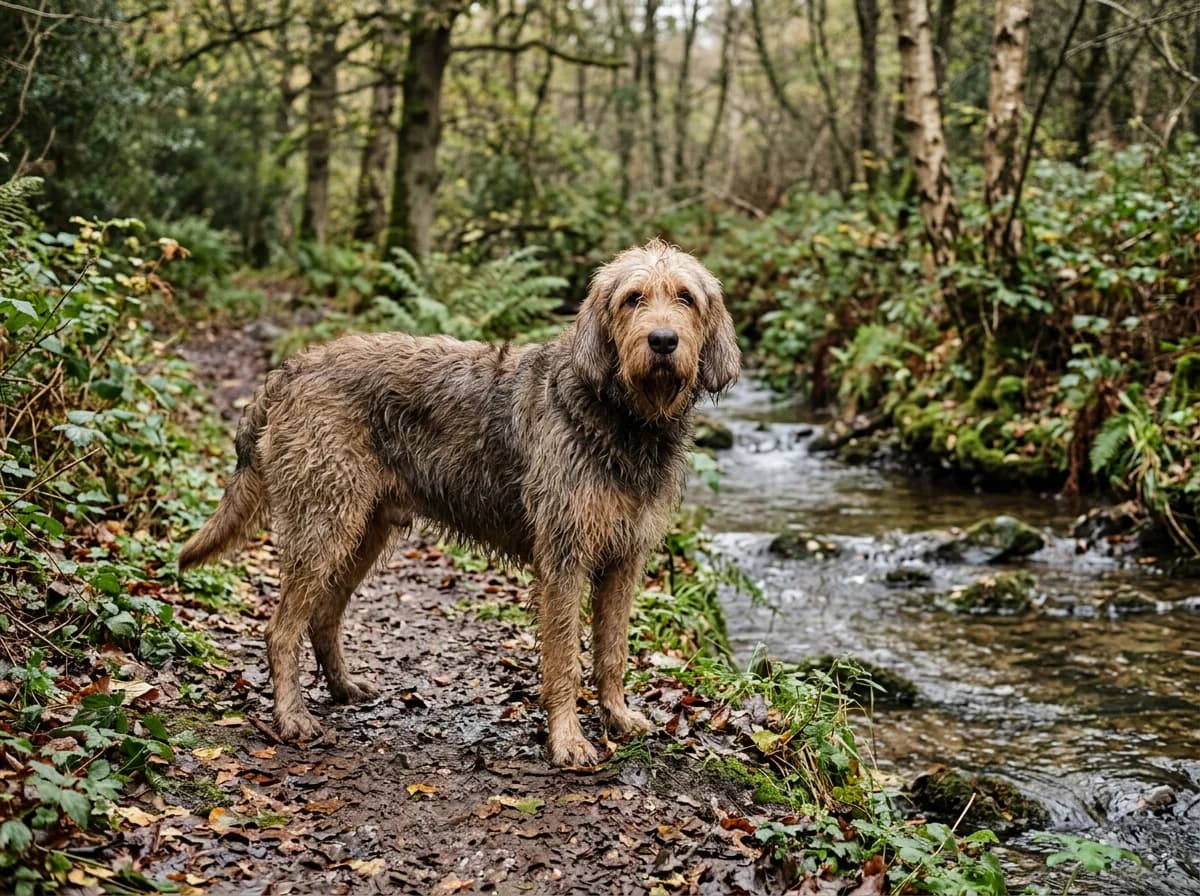
The otterhound dog breed is a rare, shaggy scent hound with a big voice, a powerful nose and a famously affectionate personality. Otterhounds can be wonderful pets for the right home, but they need space, structure, grooming and patient people who understand hound independence.
This refresh adds the details modern searchers need most: rarity, puppy cost, breeder and rescue options, exercise, swimming safety, ear care, health testing and what everyday life with an Otterhound is really like.
- 1Otterhounds are rare scent hounds, so expect waitlists and careful breeder screening.
- 2They are usually friendly, but their size, voice and nose-first independence can overwhelm unprepared homes.
- 3Water play, long sniff walks and secure fencing are more realistic than off-leash reliability.
- 4Ear care, coat maintenance and orthopedic health testing should be part of the plan.
- AKC Group: Hound
- Weight: 80–115 lbs.
- Height: 24–27 in.
- Life Span: 10–13 years

Sign up for expert-backed reviews and safety alerts all in one place.
Otterhound Breed Overview
The Otterhound is a large, powerful scent hound known for its distinctive appearance and strong hunting instincts. Breed Group: Hound Height: 24–27 inches
- Weight: About 80 pounds for females, 115 pounds for males
- Coat: Thick, rough double coat
- Feet: Webbed, designed for swimming
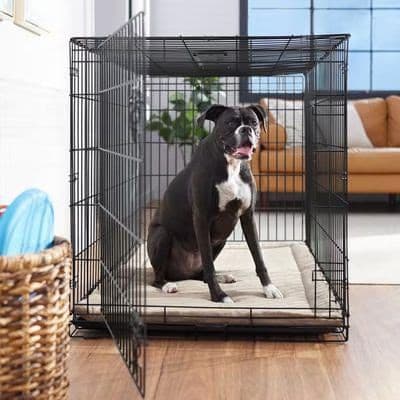
A roomy crate can help with safe downtime for a large, young scent hound.
Petful may earn a commission when you click through to Chewy, at no extra cost to you.
- Life Expectancy: 10–13 years
The Otterhound’s webbed feet and dense coat make it perfectly suited for work in water, highlighting its background as a skilled aquatic hunter.
Origin and Purpose of the Otterhound
The Otterhound has a fascinating and somewhat mysterious history. While some believe the breed originated in France, English records from the 12th century mention otter dogs used for hunting.
- Otterhounds were originally bred to control otter populations that were depleting fish supplies.
- Their lineage includes several hound breeds, notably the now-extinct Southern Hound.
- The modern Otterhound is said to descend from a 1958 cross between a Bloodhound and a Griffon.
When pollution reduced otter populations, hunting was banned in 1978. Many Otterhounds transitioned into companion animals or were used to create the Airedale Terrier by crossing with terriers.
The Otterhound arrived in the U.S. in the early 20th century, debuting at a 1907 dog show and earning AKC registration in 1909. The Otterhound Club of America was founded in 1960 to help preserve this rare breed, which is now among the most endangered in Britain, with fewer than 1,000 left worldwide. Purpose:
- Originally bred as a hunter, the Otterhound now serves as a companion animal and show dog.
- Its webbed feet make it an exceptional swimmer, capable of hunting on both land and water.
Otterhound Temperament
The Otterhound is known for its independent nature and amusing personality. While these dogs enjoy being part of a family, they are generally less attached to their owners compared to some other breeds.
- Personality traits: Enthusiastic, easygoing, and occasionally clumsy
- Suitability: Not recommended for households with young children or elderly individuals due to their size and playfulness

A front-clip harness can make sniff walks safer for a powerful hound.
Petful may earn a commission when you click through to Chewy, at no extra cost to you.
- Affection level: Loving and affectionate, often drawing attention for their rarity
A signature trait of the Otterhound is its loud howl or deep bay. While some are quieter, many will bark or make noise when on alert - though they are not reliable guard dogs because of their friendly temperament. If you’ve ever wondered why dogs howl at sirens, you can learn more in this helpful article.
- Maturity: Slow to mature both physically and mentally
- Training: Can be stubborn and may require patience during training
In this short video, you can hear the otterhound's signature baying:
Is the Otterhound the Right Dog for You?
The Otterhound is a great match for owners who appreciate a large, shaggy, and sometimes loud companion with a playful, goofy personality.
- Best for: Families without young children or elderly members
- Home needs: A secure enclosure and space to accommodate a large, active dog
- Maintenance: Regular grooming and a generous food supply to keep this big pup happy
- Availability: Expect a waiting list, as Otterhounds are extremely rare and limited in number
If you value a tidy home or need a gentle, predictable dog, the Otterhound may not be the best fit - but for the right family, this breed is a loving and unforgettable companion.
Otterhound Exercise Needs
MEDIUM: The Otterhound has moderate exercise needs, though individual dogs can vary - some are active and energetic, while others may be more sedentary.
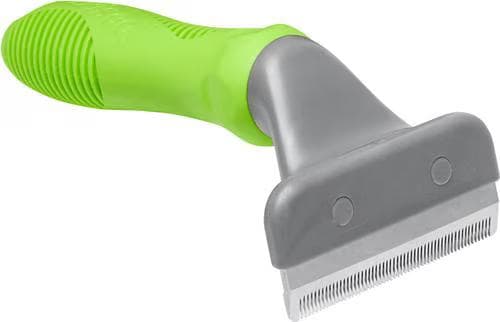
A deshedding brush helps manage the rough double coat between baths.
Petful may earn a commission when you click through to Chewy, at no extra cost to you.
- Activity level: Enjoys regular exercise but may sometimes prefer to lounge
- Outdoor time: Needs a very secure enclosure when outside
- Behavior: Known for following scents with determination
- Special consideration: Some Otterhounds can jump fences up to 5 feet, so supervision and a leash are essential when outside a contained area
Keeping your Otterhound mentally and physically stimulated helps prevent boredom and reinforces good behavior.
Otterhound Grooming Requirements
MEDIUM: The Otterhound is not the best choice for those who prefer a spotless home, as its rough double coat and webbed feet are known for bringing in mud and debris.
- Brushing: Regular brushing and occasional clipping are needed to prevent matting, especially in Otterhounds with softer coats
- Bathing: Periodic baths help manage dirt and odor, especially since Otterhounds often dunk their entire head in water bowls
- Feet care: Hairy, webbed feet should be trimmed regularly to reduce tracked-in debris
- Nail care: Weekly nail trims are essential; avoid cutting the quick, as Otterhounds can have lasting negative associations with painful grooming
- Odor check: Monitor the ears, mouth, and coat - if odor persists despite cleaning, a veterinary checkup is recommended
With proper grooming, the Otterhound remains a charming and relatively odor-free companion despite its love of water and dirt.
Common Otterhound Health Problems

A slow feeder can support calmer meals for large deep-chested dogs.
Petful may earn a commission when you click through to Chewy, at no extra cost to you.
HIGH: The Otterhound faces several health risks, as is common with large breeds.
- Bloating: Painful and potentially life-threatening; reduce risk by feeding calmly, using a raised bowl, and avoiding exercise near mealtime
- Joint issues: Prone to hip and elbow dysplasia
- Bleeding disorders: A genetic tendency for excessive bleeding due to clotting issues
- Other concerns: Epilepsy, tumors, ear infections, and hypothyroidism
Regular veterinary checkups and early monitoring can help manage these common Otterhound health issues.

Related Dog Breed Profiles You May Like
- Portuguese Podengo Pequeno Dog Breed Profile: Essential Facts
- Pumi Dog Breed Profile: Essential Facts
- Staffordshire Bull Terrier Dog Breed Profile: Essential Facts
- Vizsla Dog Breed Profile: Essential Facts
- Rhodesian Ridgeback Dog Breed Profile: Essential Facts
Additional Resources
- The Otterhound Club of America
- Otterhound Health Issues and Research
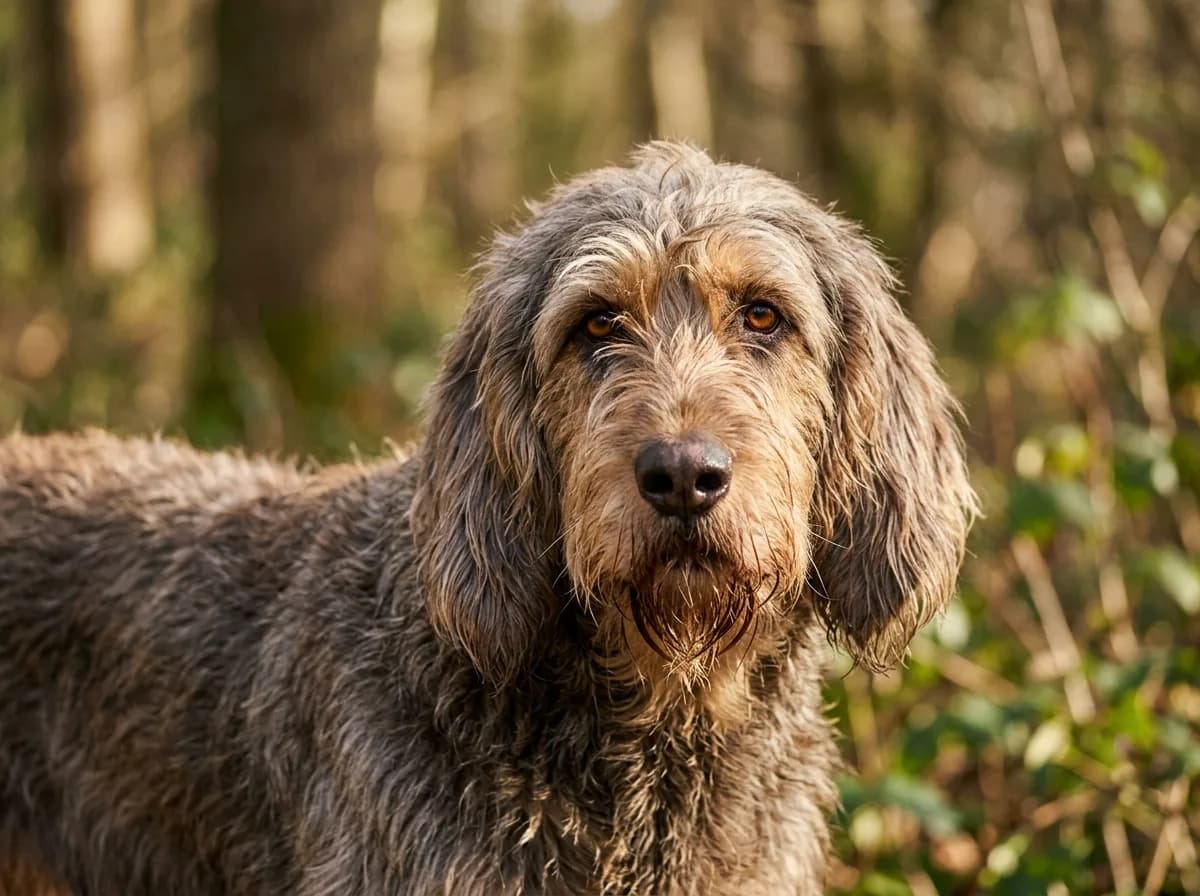
Why the Otterhound dog breed is so rare
Otterhounds were developed to trail otters in and around water. When otter hunting disappeared, the breed lost its original job, and numbers dropped. Today, the rarity is part of the appeal but also part of the responsibility: good breeders are selective, litters are limited and rescue opportunities may require patience.
If you want an Otterhound puppy, expect to speak with breeders well before a litter is available. Ask about temperament, hip and elbow screening, eye exams, thyroid history, epilepsy history and how the breeder matches puppies to homes. A rare breed is not a shortcut around health testing.
Otterhound temperament at home
Most Otterhounds are social, silly and affectionate with their people. They are not typically guard-dog sharp, but they are large and loud. A bored Otterhound may bay, counter-surf, dig or follow a scent trail with selective hearing. Training works best when it is upbeat, consistent and rewarded generously.
Because a young Otterhound is big before the brain is fully mature, plan safe downtime. A large fold-and-carry dog crate can help during house training and rest periods when introduced positively.
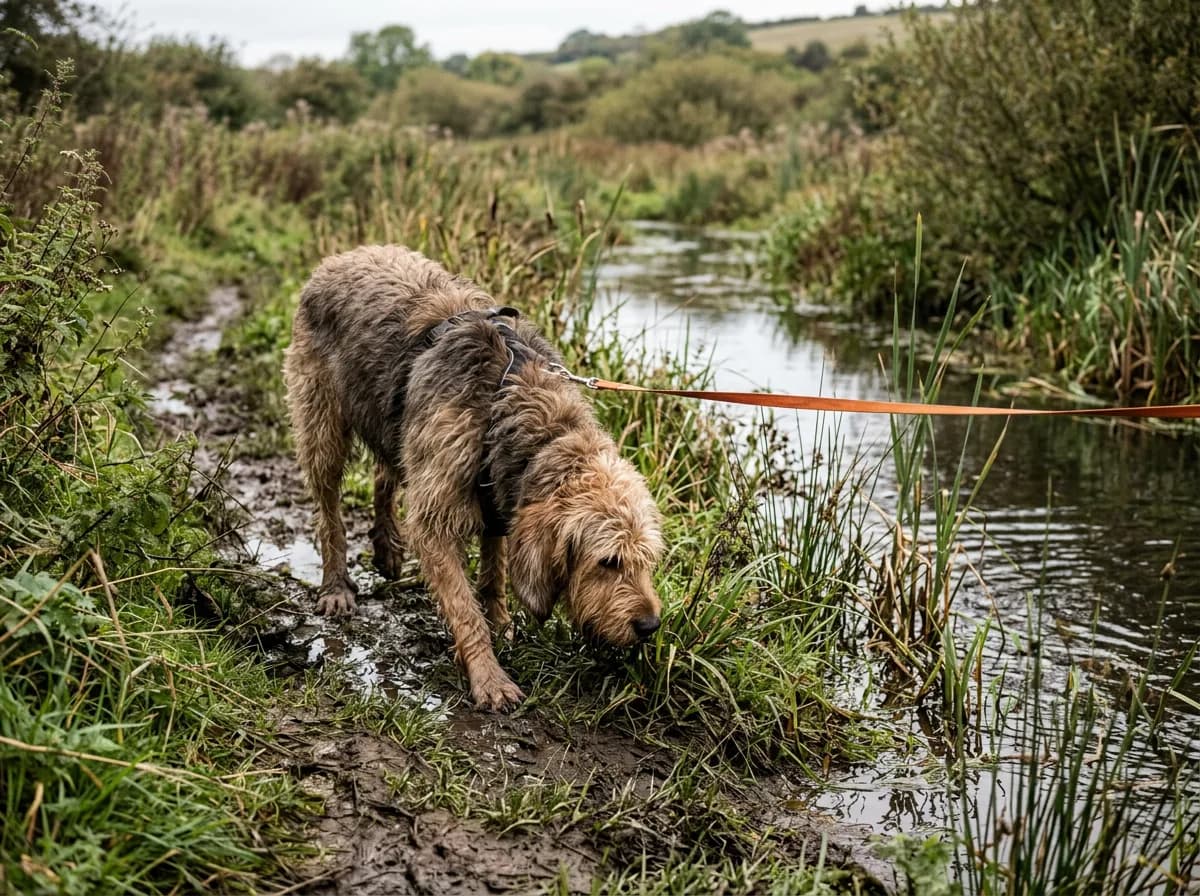
Exercise, swimming and leash control
Otterhounds need daily exercise, but they are not built for repetitive high-impact work in hot weather. Think long sniff walks, safe hikes, supervised swimming and scent games. A secure fence is important because the nose often wins over recall. Around water, teach entry and exit points and rinse the coat after muddy swims.
A strong hound can pull hard when a smell catches interest. A well-fitted front-clip walking harness can make training walks more manageable while you practice loose-leash skills.
Grooming and health checks
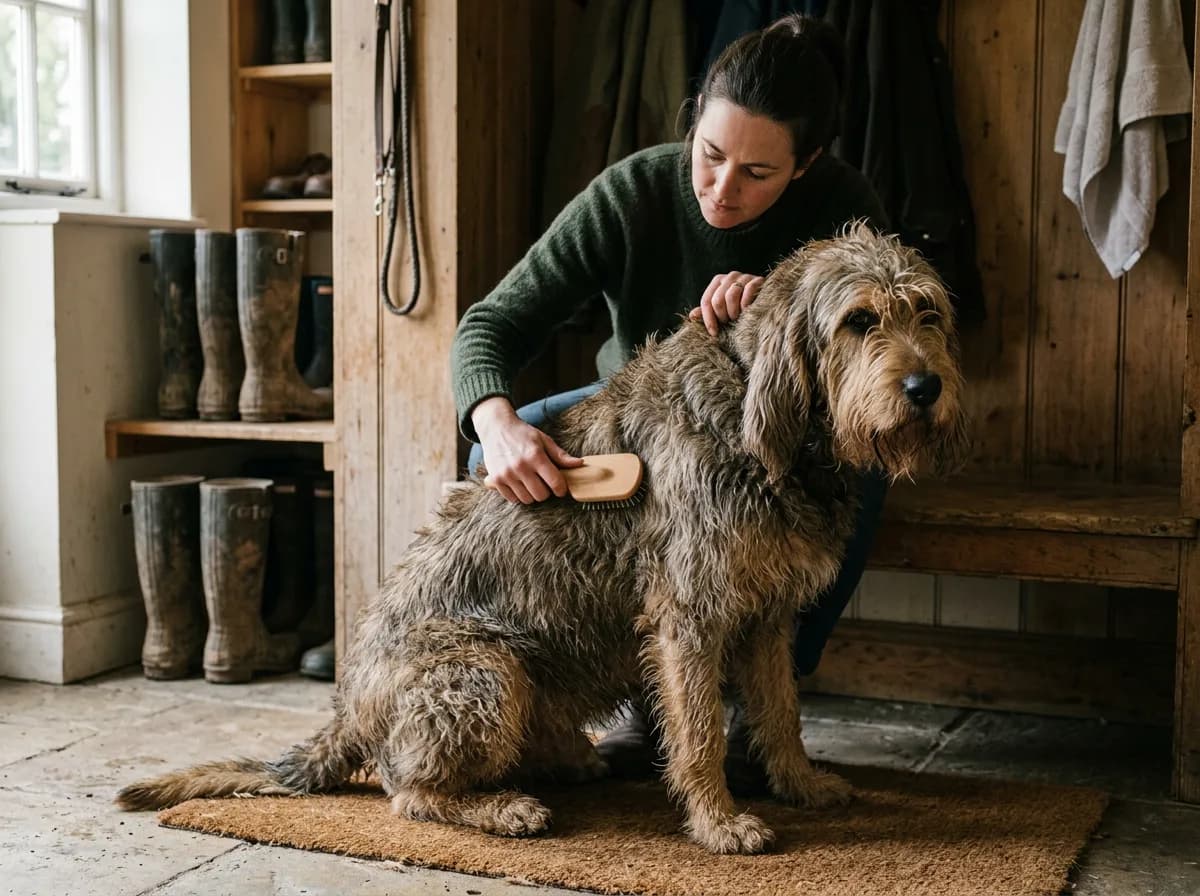
The rough coat should look shaggy, not neglected. Brush through the coat, check for burrs after walks and keep the beard clean after meals. Long ears trap moisture, so ear checks matter after swimming or baths. Ask your veterinarian how often to clean the ears because over-cleaning can irritate healthy ears.
For coat maintenance, a medium deshedding brush can help remove loose undercoat without turning grooming into a full salon project.
Cost, breeders and rescue
Otterhound puppies can be expensive because litters are rare and responsible breeders invest in health testing, travel, breeding decisions and lifetime support. Adoption may be possible through breed clubs or hound rescues, but you may wait longer than you would for a common breed. Budget for a large-dog crate, food, grooming tools, veterinary care and training.
Apartment life is possible only for unusually committed owners with tolerant neighbors, daily outdoor plans and a dog who has learned to settle. Most Otterhounds do better with secure outdoor access, room to stretch out and people who enjoy hound noise rather than merely tolerate it.
Large deep-chested dogs can be at risk for bloat. Ask your veterinarian about feeding routines, exercise timing and emergency signs. A slow feeder bowl may help some dogs eat more calmly, though it does not eliminate bloat risk.
What it is like to live with an Otterhound
Living with an Otterhound is less like owning a tidy obedience-demo dog and more like sharing space with a cheerful, muddy, scent-driven comedian. The breed is affectionate and often social, but it was developed to think independently while following scent over land and water. That history shows up in everyday life.
An Otterhound may be gentle with family, silly with visitors and deeply committed to whatever smell just crossed the yard. Recall training matters, but management matters more. A secure fence, leash habits and door routines are not optional for a hound who can follow a scent before you have finished calling their name.
The breed can be a wonderful pet for people who like big hounds, outdoor mess, training with humor and a dog who is rare enough to attract questions everywhere. It is a poor match for people who need quiet, spotless floors, instant obedience or a dog who can be exercised only with quick neighborhood loops.
Are Otterhounds good family dogs?
Otterhounds can be good family dogs in the right home, especially with adults or older children who understand size and boundaries. The concern is not usually aggression. It is mass, enthusiasm and late maturity. A young Otterhound can knock over small children or frail adults without meaning to.
Families should teach calm greetings, no jumping, no counter-surfing and safe food manners early. Children should not climb on the dog, pull the beard, grab ears or interrupt meals. As with any large breed, supervision matters even when the dog is friendly.
Many Otterhounds can live with other dogs when socialized and matched well. Cats and small pets require more caution because scent hounds can have prey drive. Ask breeders or rescues what the individual dog has actually lived with, not what the breed is generally like.
Otterhound training and behavior challenges
Training an Otterhound works best when you respect the hound brain. Repetition without purpose gets boring fast. Short sessions, food rewards, scent games, praise and real-life rewards usually work better than pressure. Teach leash manners, settle on a mat, trade, leave it, recall games and door manners from the beginning.
The two biggest behavior challenges are noise and nose. Some Otterhounds bay loudly, especially when excited or alert, so Petful's advice on dogs barking too much may be useful for owners who need a calmer routine. Many follow scent with intense focus. Apartment living is possible only in unusual cases with committed owners, tolerant neighbors and a dog who has learned to settle indoors.
Because the breed matures slowly, owners need patience through a long adolescent stage. A 90-pound teenager with hound opinions needs structure, not harshness. If training turns into a battle, the dog may simply learn to avoid you.
Exercise, swimming and scent work
Otterhounds need regular exercise, but they are not built for repetitive high-impact work in hot weather. Long sniff walks, hikes, scent games and supervised swimming are better fits than endless fetch on hard ground. Their webbed feet and rough coat reflect a water-working background, but that does not mean every Otterhound is automatically safe around every pond, pool or current.
Teach water entry and exit, watch for fatigue and rinse the coat after muddy swims. Check ears afterward because moisture can contribute to irritation or infection; Petful's guide to cleaning a dog's ears can help owners avoid overdoing it. Around unfenced water, use a long line or leash until recall is truly reliable.
A tired Otterhound should be mentally satisfied, not exhausted into soreness. Mix movement with sniffing and problem solving. Scent games at home can be especially helpful on days when weather or heat limits exercise.
Otterhound grooming, drool and odor reality
The Otterhound coat should be rugged and shaggy, but rugged does not mean maintenance-free. Brush through the coat to prevent mats, check the beard after meals, clean mud from feet and inspect the ears after water. The coat, beard and feet can bring the outdoors inside.
Odor can come from trapped moisture, dirty beard hair, ear problems, dental disease or skin irritation. If smell remains after basic cleaning, do not simply bathe more often. Ask your veterinarian to check ears, skin and mouth because over-bathing can dry the coat while missing the actual problem.
Nail trims matter because big hounds need stable feet. Start cooperative grooming early with tiny rewards so brushing, ear checks and paw handling do not become a wrestling match.
Otterhound health screening and lifespan
Otterhounds are generally discussed as a rare breed, but rarity does not remove health risk. Ask about hip and elbow dysplasia screening, eye exams, thyroid history, epilepsy, bleeding disorders and any stomach bloat history in the line. A responsible breeder should be able to discuss health openly and explain both the good and bad in the pedigree.
Deep-chested dogs can be at risk for gastric dilatation-volvulus, commonly called bloat. Owners should know emergency signs such as unproductive retching, a swollen abdomen, restlessness, drooling and sudden distress. Petful's dog bloat timeline explains why speed matters. Talk with your veterinarian about feeding routines, exercise timing and whether preventive surgery is worth discussing.
Life expectancy is often around 10 to 13 years, but individual quality of life depends on weight control, joint care, ear health, dental care, safe exercise and early attention to behavior or medical changes.
How much does an Otterhound cost?
Otterhound puppies can be expensive because litters are uncommon and preservation breeders invest in health testing, travel, careful placement and lifetime support. Price varies, but the bigger issue is availability. You may wait months or longer for the right litter or rescue match.
Budget beyond the puppy price. Large-breed food, crates, beds, grooming tools, training, veterinary care, parasite prevention and emergency savings all scale up. A rare breed can also mean travel costs if the right breeder or rescue is not local.
Good breeder questions include: What health testing has been completed? What problems exist in the line? How are puppies socialized? How are homes chosen? What happens if I cannot keep the dog? How often do you breed? Can I speak with owners of related dogs? Vague answers are a reason to slow down.
Frequently Asked Questions
Otterhounds can be great pets for active homes that like large, social, scent-driven dogs. They are not the easiest choice for apartments, noise-sensitive neighbors or owners who expect off-leash obedience.
Otterhounds became rare after their original otter-hunting purpose disappeared. Modern breeding is limited, so responsible breeders and breed clubs work carefully to protect genetic diversity.
Prices vary by breeder, location and availability, but rare-breed puppies often cost more than common breeds. Budget beyond the purchase price for travel, health testing records, large-dog supplies, training and veterinary care.
Otterhounds are usually friendly rather than aggressive, but any large dog needs training, supervision and socialization. Their size and voice can be intimidating even when their intent is playful.

Coreen Saito is a pet writer and longtime shelter volunteer with more than a decade in animal rescue. She covers cat behavior, breed care, and the small, ordinary science of sharing a life with companion animals, with a particular focus on honest takes about the products and decisions that actually matter. At home in Arizona, she's outranked by Mac (a dog with the loudest opinion in the house), Rebel (a cat who governs by quiet authority), and Meri (an orange tabby who runs the late shift and the laundry basket). She writes about all three, plus the rescues that keep coming through her life, at LifeWithMinty.com.
Sign up for expert-backed reviews and safety alerts all in one place.