Havapoo Lifespan: What the Estimates Really Mean
Learn what Havapoo life-expectancy estimates can tell you, where parent-breed evidence falls short and how to build an individual preventive and senior-care plan.

BVMS, MRCVS
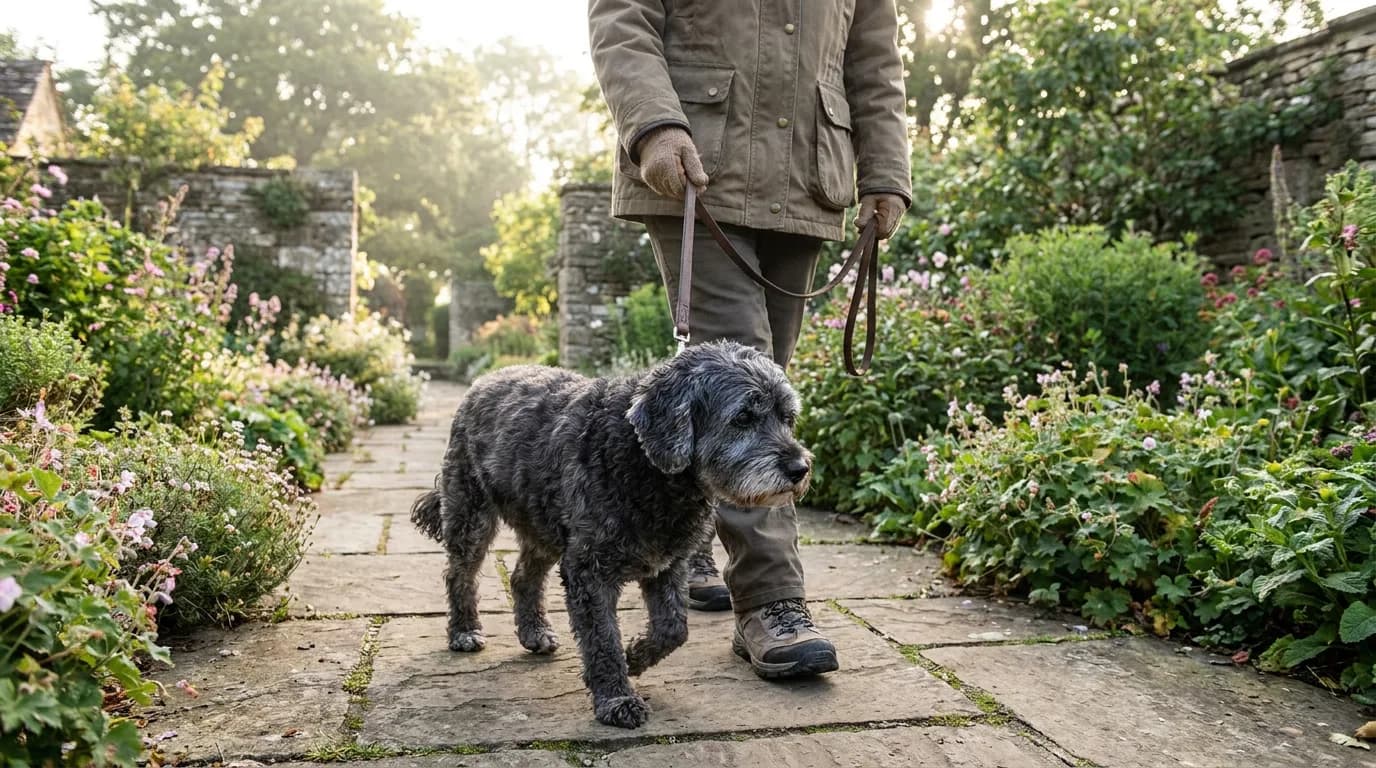
Small dark gray dog with a silver muzzle walking beside an owner on a garden path. Appearance alone does not establish ancestry, adult size, or an individual outcome.
Petful is reader supported. As an affiliate of platforms like Amazon and Chewy, we may earn a commission when you buy through links on this page. There is no extra cost to you.
Dogster's Havapoo lifespan guide gives 13–16 years, based on the Havanese and Poodle parent breeds. Other profiles use different ranges; there is no single well-established Havapoo population average. Treat the figures as context for a potentially long commitment, not as evidence that a particular dog will live to 16 or that a younger death necessarily reflects poor care.
That still leaves plenty you can act on: obtain good health records, make an individual preventive plan and pay attention to changes in comfort and daily function. The goal is a good quality of life throughout the years you share, not reaching a number printed in a breed profile.

Sign up for expert-backed reviews and safety alerts all in one place.
How long do Havapoos live?
- 1Havapoo lifespan figures are estimates informed by Havanese and Poodle backgrounds, not a guaranteed life expectancy.
- 2Parent-breed surveys cannot be transferred directly to every mixed dog.
- 3An individual preventive plan and attention to changes matter more than a fixed age target.
Lifespan estimate limitations matter because an average describes a group, while an individual can differ greatly. The type of study, the dogs included, their location and the way deaths were recorded all affect interpretation. A range repeated across websites does not become a measured Havapoo average simply because it appears often.
Petful may earn a commission when you click through to Chewy, at no extra cost to you.
| Information you have | What it can help with | What it cannot establish |
|---|---|---|
| Parent-breed lifespan estimates | Planning for a long ownership commitment | A guaranteed age for a Havapoo |
| Parent health-screening records | Questions about inherited risks | Freedom from every future illness |
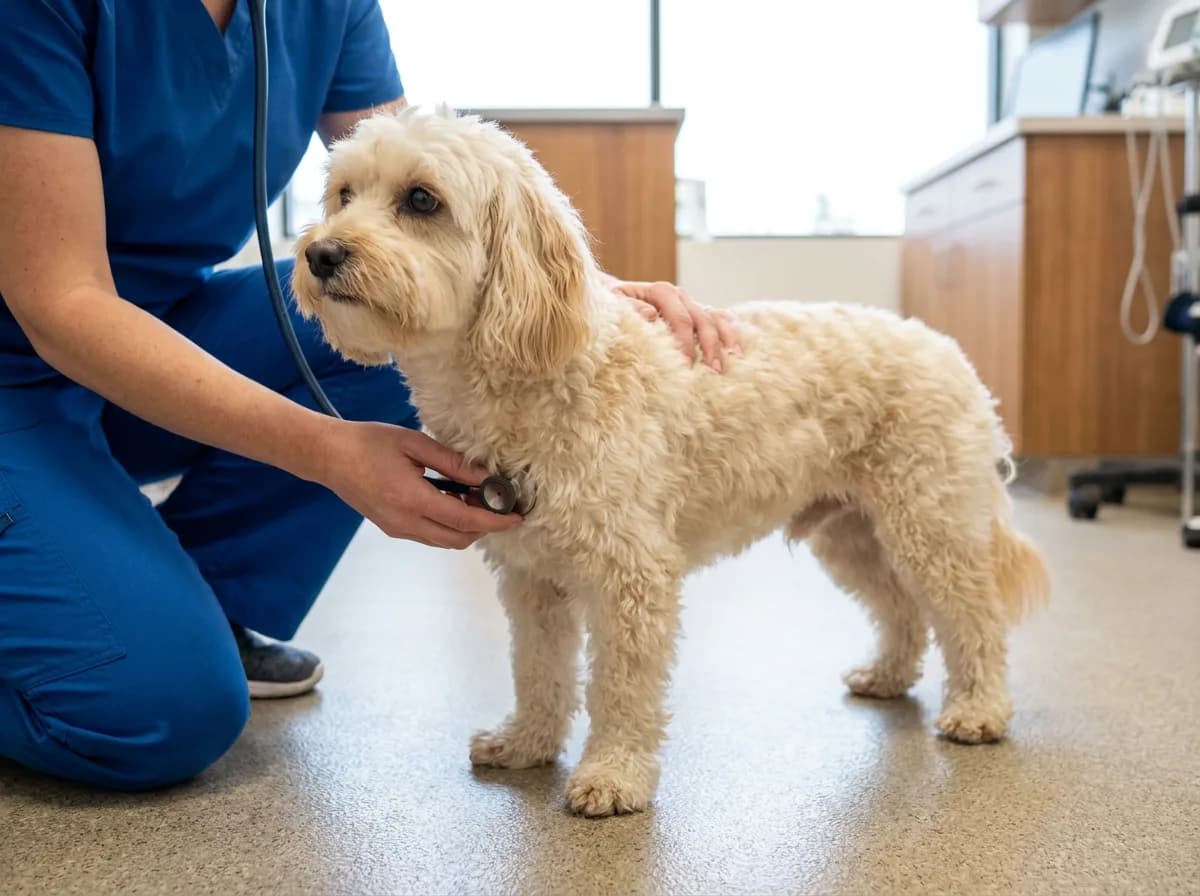
| Current veterinary examination | An individual preventive plan | An exact remaining lifespan |
| Changes log | Recognizing patterns worth discussing | Diagnosing a disease at home |
Instead of asking which estimate is the one correct answer, ask what you would change in your care plan. Most owners need a sustainable budget, reliable preventive care and a way to notice deterioration early. Those decisions remain useful whether a guide quotes 12–15 years, 13–16 years or a parent-breed range.
 Sponsored
Have a health question about your dog?
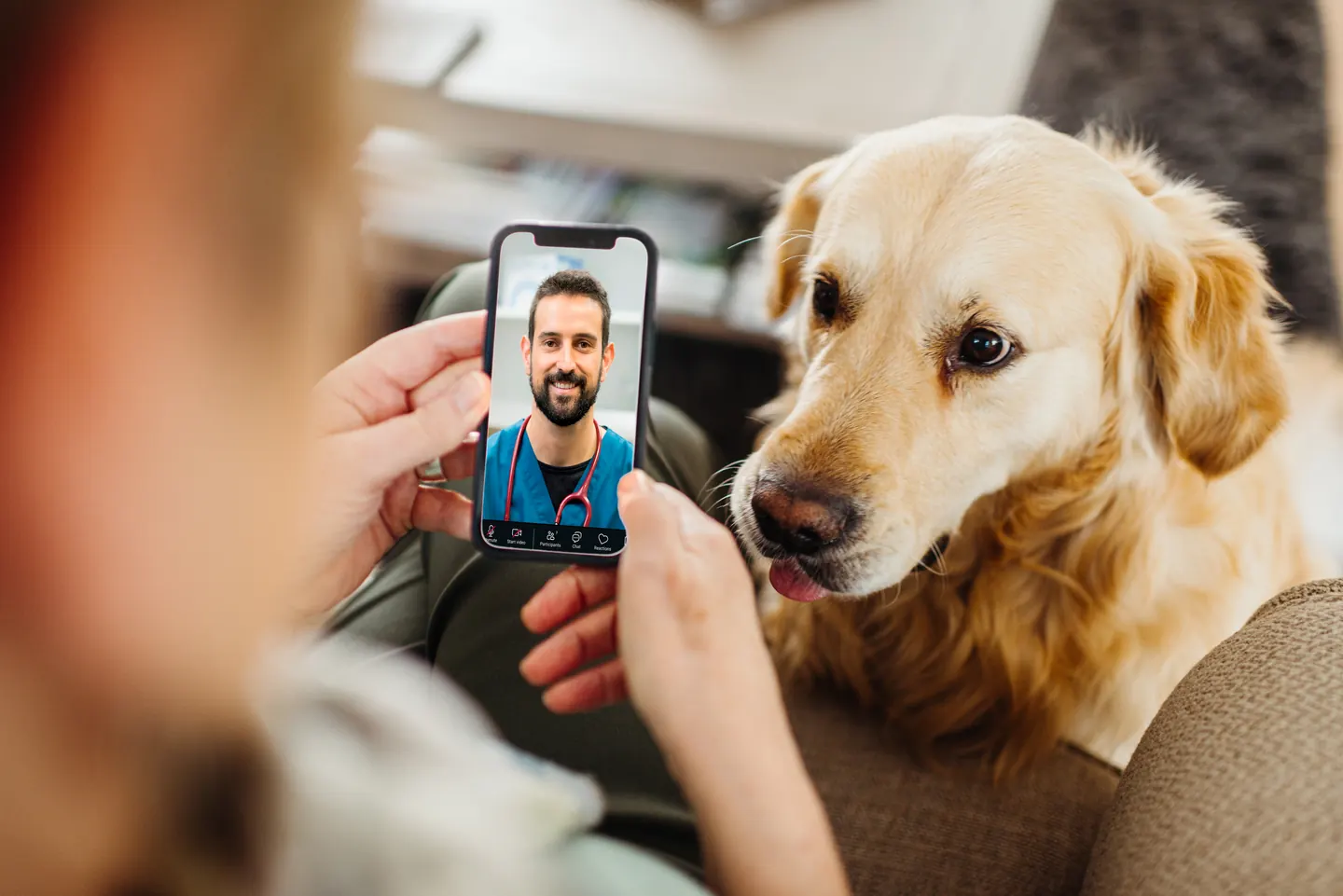
Talk to a licensed vet at Dutch over video or message, including nights and weekends.
Use code Pets60
Plans start at $12/month · covers up to 5 pets
- Licensed vets in most states
- Rx for 150+ conditions
- 4.7 on Trustpilot
What Havanese longevity research can and cannot tell us
The Havanese Club of America health-survey page describes a 2018–2019 Rainbow Bridge survey with information about 156 deceased Havanese. It also describes an earlier longevity survey. This is relevant parent-breed evidence, but the dogs were Havanese, not a representative sample of Havapoos.
The survey's executive summary identified cardiovascular disease and cancer as prominent causes of death, reported in approximately 27% and 26% of the sample respectively. These are findings from that owner-reported Havanese sample, not Havapoo risk percentages. The authors also noted that they could not establish how well the small survey population represented the wider population.
The Havanese survey limitations matter when interpreting cause-of-death figures: a small owner-reported sample cannot establish a universal ranking. Its results can suggest questions for further study, but cannot tell you which cause is most likely for your Havapoo. Your dog's family history and examination findings are the relevant starting points for care.
Questions the survey can help you ask
Use the research as a prompt for better questions:
- What is known about the actual parents and close relatives?
- Which screening records are available and independently checkable?
- Does the individual dog's history suggest a particular follow-up?
- What examination findings matter more than the breed label right now?
Searching for male or female Havanese lifespan statistics is understandable, especially when choosing a puppy. However, it does not provide a validated sex-specific Havapoo life expectancy. Decisions about preventive care and reproductive health should be made with your veterinarian for the individual dog, not from a simple claim that one sex always lives longer.
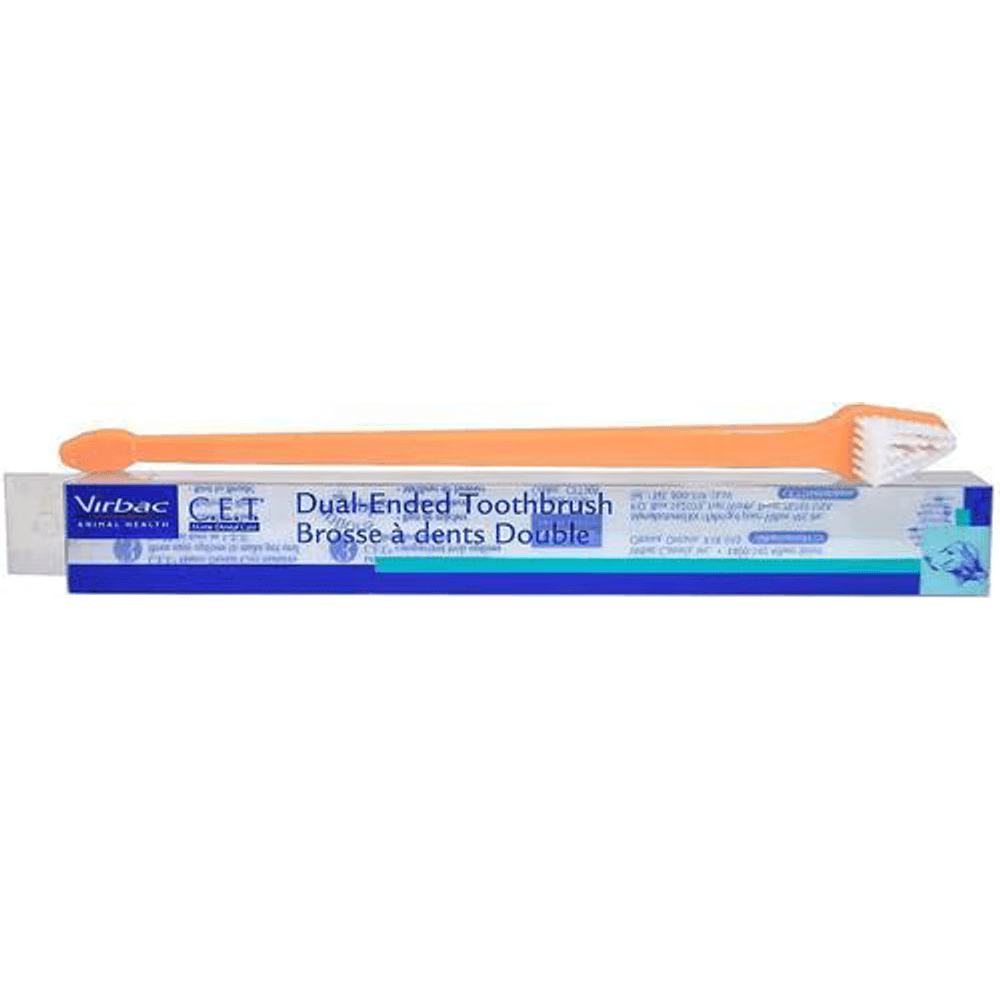
A dual-ended toothbrush with a large and a small head to fit different mouth sizes and reach the back molars where plaque hides. Soft bristles angled for the gumline.
Petful may earn a commission when you click through to Chewy, at no extra cost to you.
Inherited health questions to discuss with your vet
Mixed ancestry does not eliminate inherited disease. Obtain the parents' identities, the Poodle variety and the actual screening reports rather than relying on a statement that the litter is “health tested.” Screening should be relevant to both sides of the family, and a veterinarian can help explain what a test does and does not rule out.
Joint concerns are one area to discuss. The American College of Veterinary Surgeons explains patellar luxation as displacement of the kneecap from its normal position. A small dog that repeatedly skips, carries a leg or becomes reluctant to move needs examination rather than a home diagnosis based on a breed list. Treatment depends on the findings and the dog's function.
Ask for the parents’ actual screening records. The Havanese Club of America recommends hip, patella, and annual eye examinations; its guidance includes cataracts among eye concerns. The Poodle Club of America recommends PRA DNA testing, eye examinations, and patella evaluation for Toy and Miniature Poodles, plus hip screening for Miniatures. Confirm the Poodle parent’s variety, the dates, and the dogs identified on each report. These are parent-record questions, not Havapoo disease rates or a diagnosis. A normal result addresses the particular condition assessed; it does not certify every aspect of a puppy’s future health.
Bring useful records to the appointment
Prepare for the appointment with a short record:
- Parent identities and available screening documents.
- Previous diagnoses, procedures and current medications.
- Changes in walking, vision, appetite, drinking or behavior.
- Questions you want answered before selecting a care product or supplement.
Avoid starting supplements simply because a product is marketed for small or aging dogs. A useful plan begins with the individual problem or nutritional need. Likewise, a commercial ancestry test is not a replacement for an examination or the full set of breed-relevant screening records.
Daily habits that support quality of life
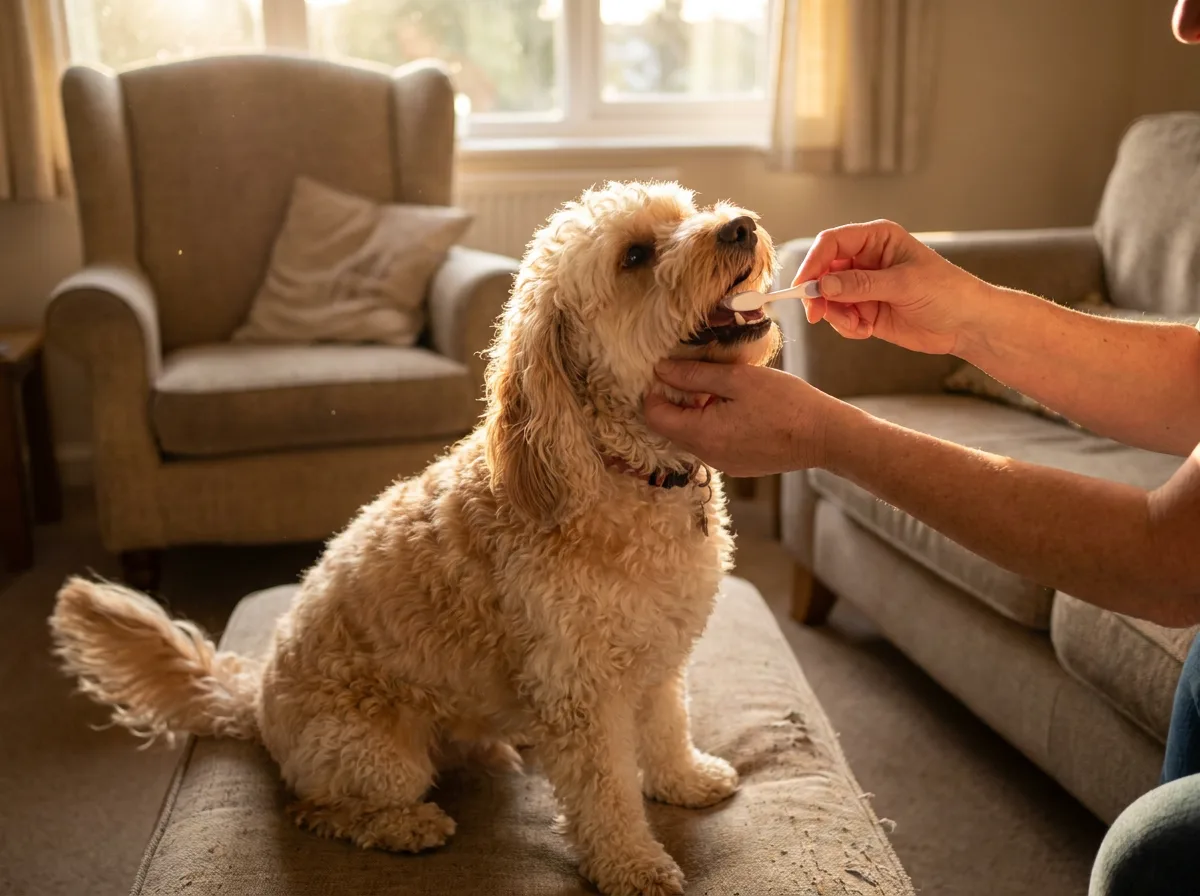
Build an individual preventive plan that you can follow consistently. Discuss nutrition, dental care, vaccinations, parasite prevention, activity and any screening appropriate for the dog's age, health and location. Keep the written plan accessible to everyone who feeds or cares for the dog so that routines do not conflict.
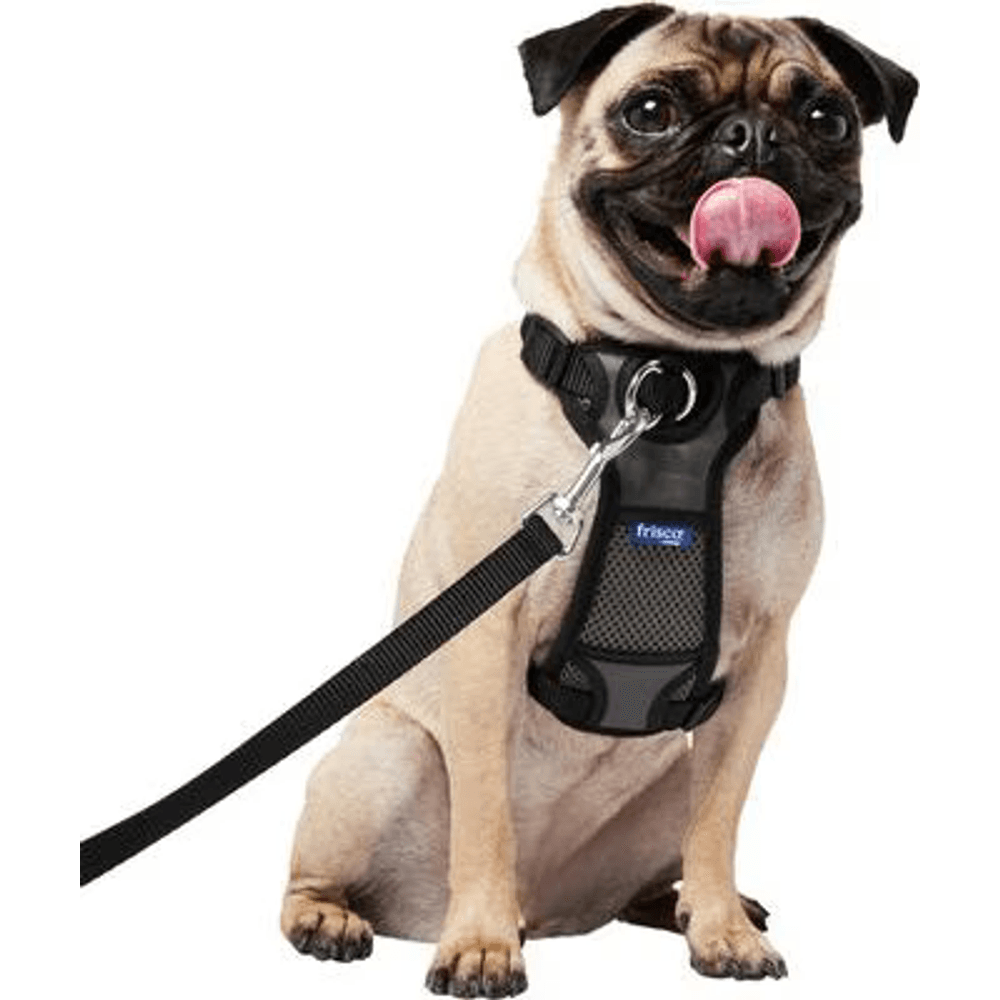
A budget-friendly padded no-pull harness that keeps leash pressure off a coughing dog's neck and windpipe by distributing it across the chest. A simple, affordable way to protect an irritated airway or a collapsing trachea on every walk.
Petful may earn a commission when you click through to Chewy, at no extra cost to you.
The AAHA senior-nutrition guidance emphasizes evaluating body and muscle condition, not just the number on a scale. An older dog may need a nutrition adjustment, but age alone does not tell you what food or calorie change is right. Report unintended weight loss, gain or muscle loss and ask the veterinary team to interpret it.
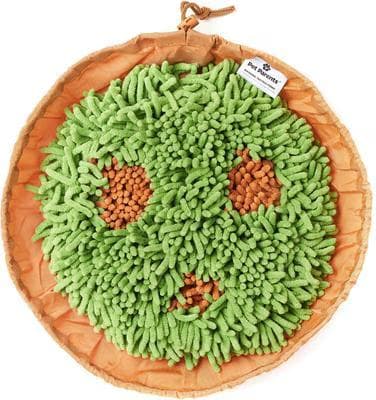
For a dog that enjoys food searching and does not chew fabric, the Pet Parents Forager Snuffle Mat & Slow Feeder Dog Bowl, Meadow Natural can support a supervised activity routine. Use an appropriate portion from the daily ration. It is enrichment equipment, not a longevity treatment, and it should be removed if the dog tears or swallows pieces.
 Sponsored
Vet care that's always there
Unlimited video calls and messaging with licensed vets for less than a typical vet visit. One membership covers up to five pets.
Use code Pets60
Plans start at $12/month · covers up to 5 pets
- Licensed vets in most states
- Rx for 150+ conditions
- 4.7 on Trustpilot
Build a comfortable dental routine
Dental handling is easier to maintain when introduced gradually. Let the dog become comfortable with brief touch around the mouth before progressing to brushing. Ask your veterinary team about the right technique and toothpaste, and stop if the mouth appears painful. Home care does not replace an examination or professional treatment when needed.
The Virbac C.E.T. Dual-Ended Dog & Cat Toothbrush provides two head sizes to consider for the individual mouth. Choose the end that fits comfortably and avoid forcing the brush between tightly closed teeth. A familiar daily routine can be useful; a promise that a particular brush will add years to life would not be justified.
Activity should also fit the dog. Offer comfortable walks, sniffing and interaction, and adjust the length or intensity when the dog shows fatigue or discomfort. The Frisco Padded No Pull Dog Harness, Black, Small is an option to compare with current measurements for ordinary walks. Check for rubbing and freedom of movement rather than assuming a small size automatically fits.
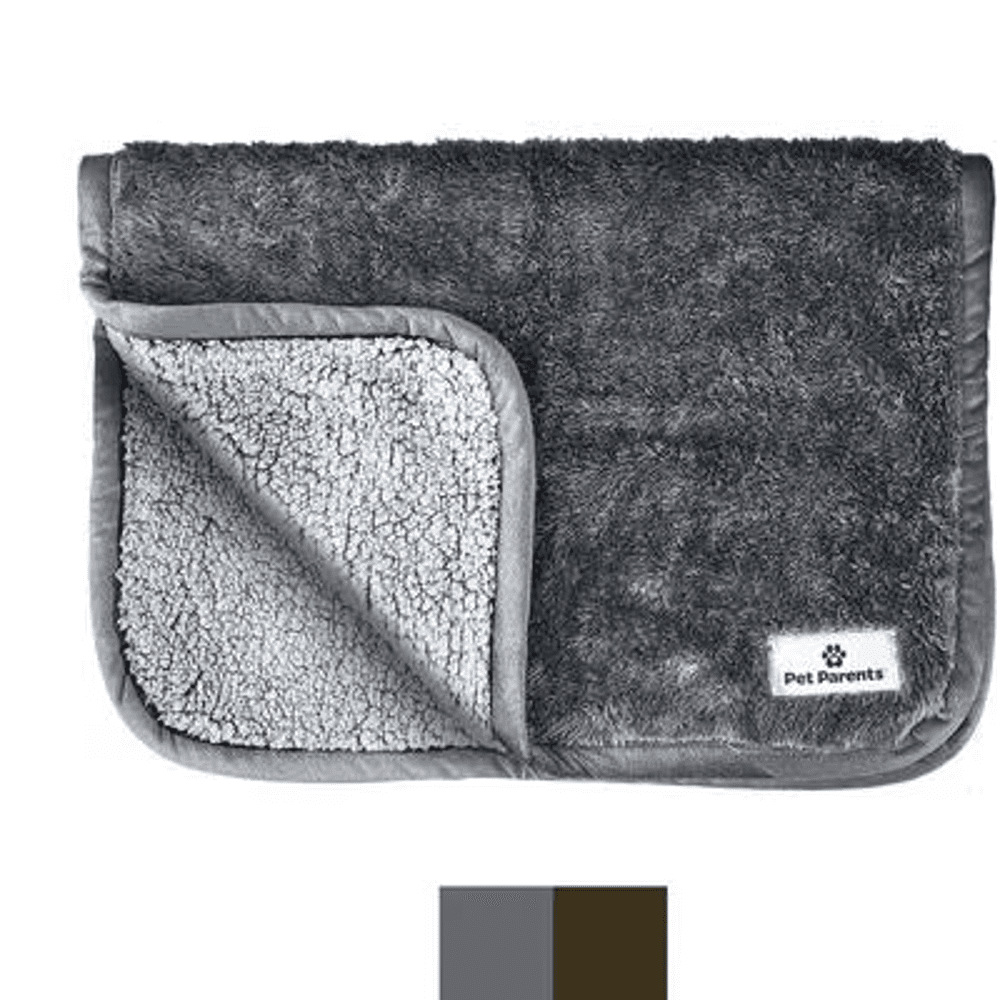
A plush, waterproof sherpa blanket that gives a cold or shivering dog a warm, cozy layer to curl into. The hidden waterproof lining protects the bed, couch, or car seat, and the whole thing is machine washable.
Petful may earn a commission when you click through to Chewy, at no extra cost to you.
When is a Havapoo a senior?

There is no single birthday that makes every Havapoo a senior. AAHA's life-stage approach describes senior dogs in relation to the last quarter of estimated lifespan, while the individual assessment also considers health and function. Because Havapoo lifespan itself is uncertain, a rigid cutoff would create false precision.
The AAHA senior-care guidelines emphasize individualized medical, behavioral and environmental care. Ask your veterinarian when to change the examination schedule and which monitoring is appropriate. Do not assume that a dog who still plays has no age-related needs, or that slowing down must simply be accepted.
- Use age as a reason to discuss care, not as a diagnosis. New changes in mobility, appetite, sleep or behavior deserve attention even when an older Havapoo still has good days.
At home, make normal activities easier to access. Keep walking routes clear, provide secure footing and ensure the dog can reach water and a comfortable resting place. A low bed may be more useful than a high sleeping spot that requires a jump. Introduce changes gradually so familiar routines remain understandable.
A washable Pet Parents Pawtect Blanket Waterproof Premium Dog, Cat & Puppy Blanket, Slate, Small can help protect a resting surface if its size and texture suit the dog. It is a household-care item, not treatment for incontinence or pain. New accidents should still be discussed with the veterinarian rather than managed only by adding protective bedding.
Changes that deserve a veterinary appointment
A changes log makes a conversation more specific. Record what happened, when it started, how often it occurs and whether it is getting better or worse. A short video of a safe, ordinary activity can be helpful when a change is intermittent. Do not provoke a symptom or make the dog perform a painful movement for the camera.
Notice changes in eating, drinking, elimination, movement, sleep and interaction. For example, “takes longer to rise after every nap this week” is more useful than “seems old.” The same applies to a new reluctance to be brushed, an altered walking pattern or a dog that no longer settles in its usual place.
| Changes log field | Detail to record |
|---|---|
| Observation | Date, plain description and how often the change occurs |
| Context | Whether it happens after sleep, during eating, on a walk or at another time |
| Recent changes | Food, medication or daily-routine changes |
| Follow-up | Questions, veterinary instructions and the agreed review plan |
Sudden collapse, breathing difficulty, inability to stand or rapidly worsening severe signs require urgent veterinary help. A log is for communication; it is not a reason to delay care. For less dramatic but persistent changes, contact your veterinary practice for guidance on timing and what to monitor.
WebVet's senior dog health guide provides a broader starting point for age-related questions. If an older dog develops new confusion or house-training setbacks, WebVet's guide to training an older dog also explains why medical assessment and a manageable learning plan belong together.
Choosing a puppy and planning lifelong care
For a prospective owner, lifespan is also a practical commitment. Think about who will provide daily care if work, housing or family circumstances change, and how routine and unexpected veterinary costs will be handled. A long potential lifespan is welcome, but it asks for a plan that can adapt over many years.
Our Havapoo guide covers puppies, breeder records, adoption, price questions and temperament. It explains why a higher purchase price is not proof of better health and why meeting the actual dog matters. Ask a breeder or rescue what support is available after adoption, and retain all records in one place for future appointments.
Size, grooming and comparison guides
Adult size and body condition answer different questions from lifespan. Our Havapoo full-grown guide explains size estimates, Toy and Mini labels, adult coat illustrations and practical measurements. Use the measurements for equipment and the growth record for veterinary discussions; neither a puppy picture nor a generic size table can predict how long an individual will live.
Grooming remains relevant throughout life, particularly when handling tolerance or mobility changes. A low-shedding coat still needs care, and “hypoallergenic” is not a health guarantee. The Havapoo haircut guide explains manageable styles and comfortable coat checks. Discuss new skin irritation, painful tangles or an unexpected change in tolerance with the appropriate professional.
For a breed-choice decision, use Havapoo vs Cavapoo, Havapoo vs Havanese or Havapoo vs Maltipoo. The relevant comparison is the actual parent history, individual examination and care needs. Published lifespan ranges overlap and should not be used to award one mix a blanket “healthier” label.
Frequently asked questions
The most common reported causes of death in this Havanese survey included cardiovascular disease and cancer. They were prominent causes in the Havanese Club of America's Rainbow Bridge survey, reported in approximately 27% and 26% of its sample respectively. The small owner-reported survey does not establish a universal ranking for all Havanese, and those percentages cannot be transferred to Havapoos. An individual dog's family history, examination findings and symptoms remain the basis for care decisions.
BVMS, MRCVS
Dr. Pippa Elliott, BVMS, MRCVS, is a veterinarian with nearly 30 years of experience in companion animal practice. Dr. Elliott earned her Bachelor of Veterinary Medicine and Surgery from the University of Glasgow. She was also designated a Member of the Royal College of Veterinary Surgeons. Married with 2 grown-up kids, Dr. Elliott has a naughty Puggle named Poggle, 3 cats and a bearded dragon.
Sign up for expert-backed reviews and safety alerts all in one place.