Irish Wolfhound: Breed Traits, Care, and Family Life
The Irish Wolfhound combines a towering frame, rough coat, and close companionship. Explore its history, everyday care, and household needs before deciding whether this giant hound fits your life.

Petful is reader supported. As an affiliate of platforms like Amazon and Chewy, we may earn a commission when you buy through links on this page. There is no extra cost to you.
An Irish Wolfhound can make an ordinary doorway look surprisingly small. Yet the breed's appeal goes beyond its height: a rough coat, expressive face, and quiet companionship give this giant hound a distinctive presence. Living comfortably together takes preparation, especially while a puppy is growing into an adult who needs substantial resting space, thoughtful handling, and regular company.

Sign up for expert-backed reviews and safety alerts all in one place.
Meet the Irish Wolfhound
Breed recognition and ancestry are separate from visual resemblance. The Irish Wolfhound is a recognized purebred Irish sighthound with its own breed standard, not a general name for any giant, shaggy dog. Its ancestry and sighthound build reflect a history of noticing and pursuing moving game. Its outline should suggest an athletic runner: long legs, a deep chest, a long body, and a tucked-up abdomen. Giant size matters, but the breed is not meant to resemble a heavy, square mastiff. Sound movement and balanced proportions matter more than an impressive number on a scale.
The Irish Wolfhound Club of America breed standard describes a long head, dark eyes, small ears, and a long, slightly curved tail covered with hair. The eyebrows and beard help create the familiar shaggy expression. An adult's wiry coat and muscular frame distinguish it from the softer, unfinished appearance a puppy may have.
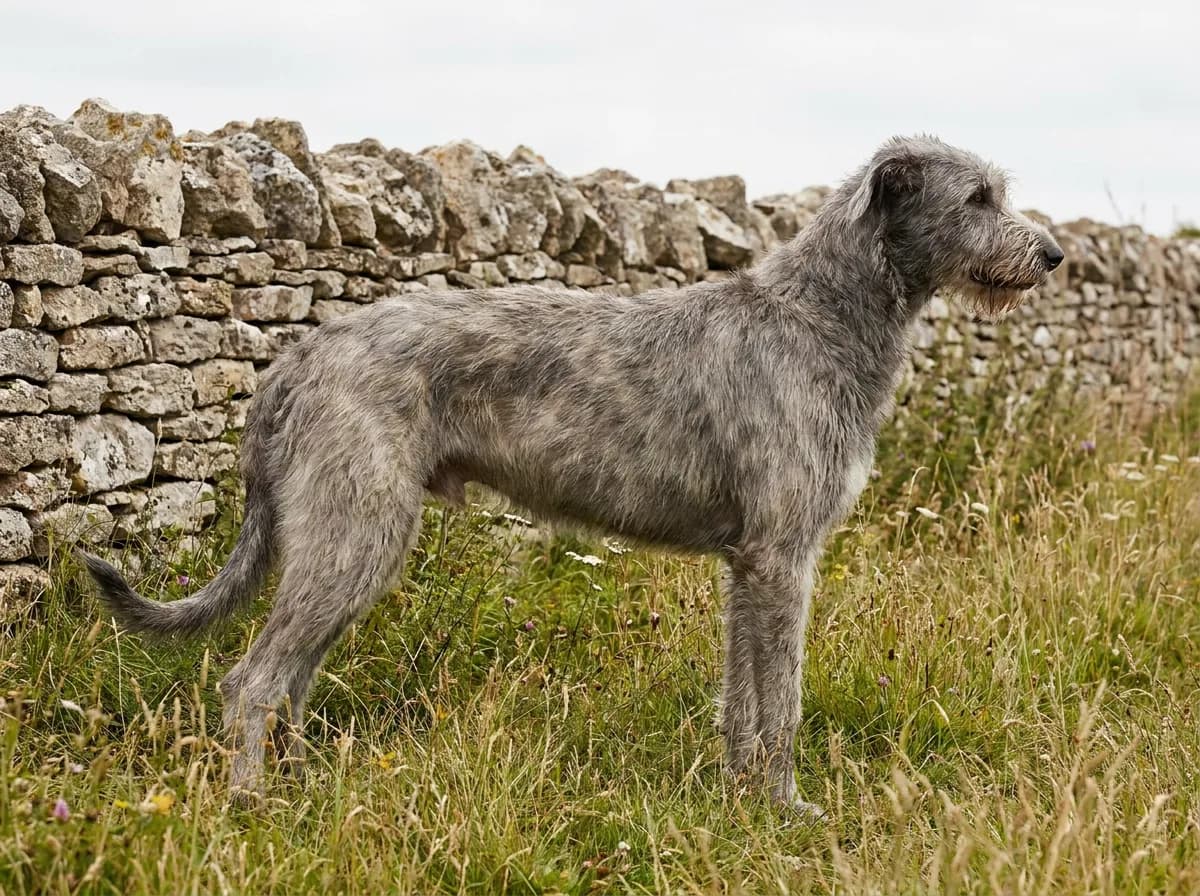
Irish Wolfhound photos are useful for recognizing this overall shape. Look at the whole dog standing naturally, rather than judging its breed from one close-up of a cute bearded face. Perspective can exaggerate height, and similar traits occur in other breeds and mixed dogs. Pictures cannot establish ancestry, health, or whether a dog has the temperament your household needs.

A slicker brush for gentle loose-hair care on suitable areas of the wiry coat. Use comfortable pressure and stop at painful tangles.
Petful may earn a commission when you click through to Chewy, at no extra cost to you.
| Trait | What it means for daily care |
|---|---|
| Giant size | Measure resting space and vehicle access before buying equipment |
| Wiry coat | Plan regular brushing, combing, and beard care |
| Hunting heritage | Provide secure boundaries and controlled outdoor activity |
| Companionship | Include the dog in family life and plan support during absences |
Wiry coat, colors, and everyday grooming
An Irish Wolfhound has a harsh outer coat and a softer undercoat. The body hair should feel rough, with particularly wiry, longer hair over the eyes and beneath the jaw. The breed sheds throughout the year. A shaggy outline does not mean the coat can be left alone until tangles become obvious.
The IWCA grooming guidance recommends regular brushing and combing, described as weekly or twice weekly. Adjust the routine to the individual coat and what comes home from walks. Check gently around the beard, behind the ears, and anywhere equipment rubs. A suitable aumuca slicker brush can help with loose hair, but stop if the dog is uncomfortable rather than pulling through a knot.
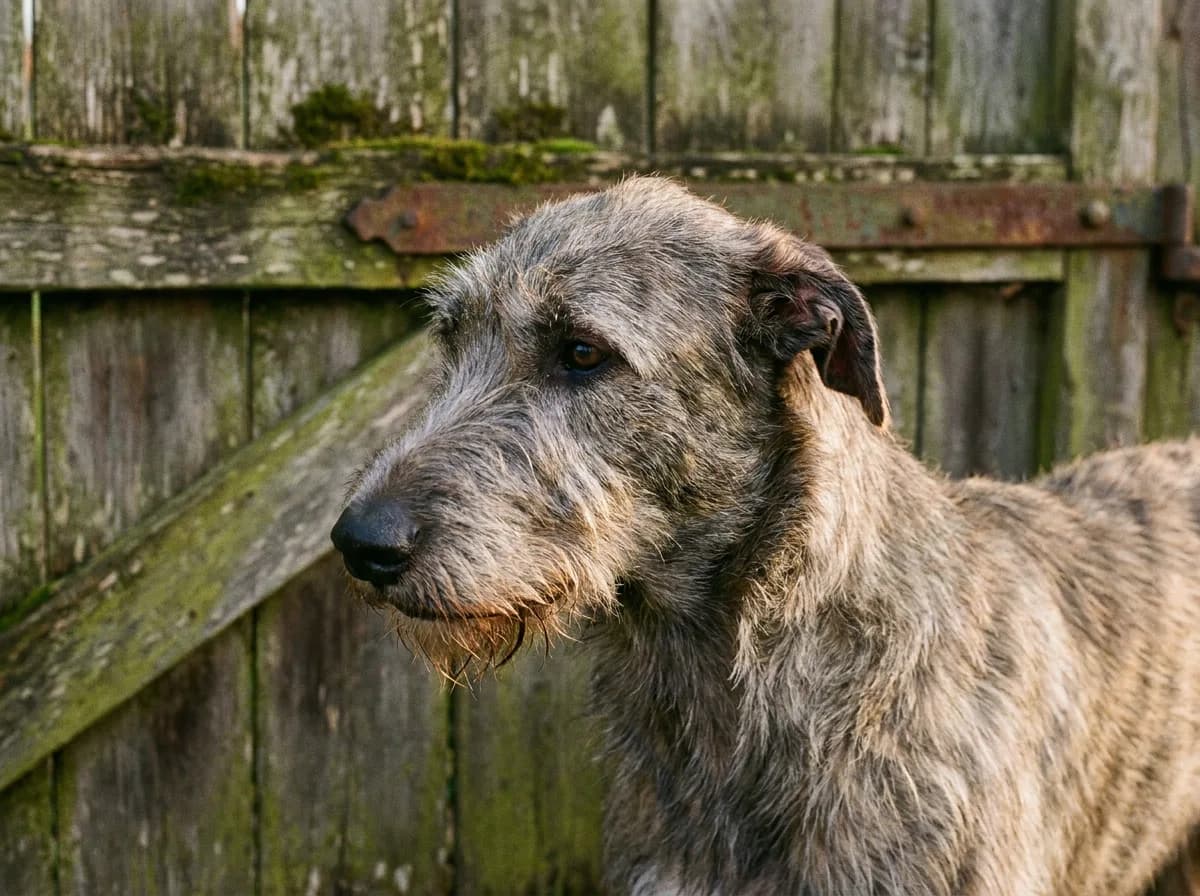
The standard names gray, brindle, red, black, pure white, and fawn, while also allowing other colors found in the Deerhound. Gray and grey are simply different spellings. Red brindle and wheaten brindle descriptions refer to color and pattern, not separate Irish Wolfhound breeds. Red, black, or brindle puppies still need the same scrutiny of health records and upbringing as any other puppy.
- Treat blue, brown and blonde labels as informal seller descriptions unless the seller explains the coat using recognized terminology.
- Do not pay a premium merely because someone calls a color rare. The IWCA does not value one accepted color above another.
- Short-haired and long-haired advertisements do not establish separate coat varieties. Compare the actual coat with the rough-haired breed standard.
- Shaving and coat length do not establish another breed type. A shaved Wolfhound is a dog with an altered coat. Discuss necessary clipping for medical problems or severe matting with a veterinarian or experienced groomer.
The coat is not a promise of an allergy-friendly home. Irish Wolfhounds are not reliably hypoallergenic, and shedding level alone cannot predict a person's allergy response. If allergies affect the household, spend time around the individual dog before making a commitment. A particular coat color, a shorter trim, or enthusiastic marketing cannot guarantee comfortable exposure.
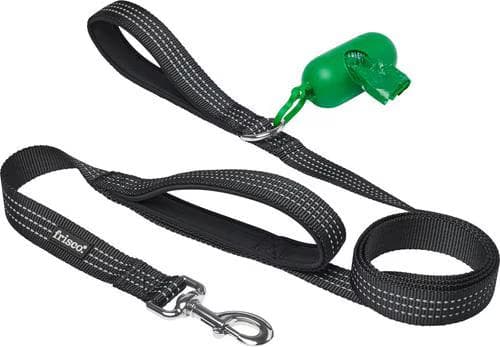
The Frisco Traffic Leash offers a fixed-length lead with two padded handles for supervised walks and handling practice. Equipment supports training; it does not replace it.
Petful may earn a commission when you click through to Chewy, at no extra cost to you.
From Irish hunting hound to modern companion
Irish Wolfhounds were bred for hunting by sight and pursuit. Wolves are central to the breed's name and history, and these large hounds were also associated with hunting other big game. That background explains the long limbs, deep chest, and capacity for powerful movement more usefully than stories about how imposing a dog looks.
Do Irish Wolfhounds hunt today? The pursuit instinct remains relevant even in a household companion: a running animal may trigger a chase. A family dog does not need to participate in hunting to show that tendency. Secure outdoor boundaries and sensible management around smaller animals are practical responses to its heritage. Historical wolf hunting is not evidence that a particular modern dog could kill a wolf, nor a reason to encourage confrontation.
The nineteenth-century revival
The American Kennel Club's breed history overview describes the nineteenth-century revival led by Captain George Augustus Graham after numbers had dwindled. Graham used Scottish Deerhounds in that work. Breed development is more complicated than a simple recipe, so references to Deerhound or Tibetan Mastiff ancestry should not be turned into exact percentages for today's dogs.
Two useful distinctions keep that history in perspective:
- A historical contribution to a breed's development does not make every modern purebred dog a recent cross.
- Legends, artwork, and accounts of early hounds do not supply measurements or behavior guarantees for the dog in front of you.
The breed also has a documented place in presidential family life. The AKC identifies Irish Wolfhounds owned by Herbert Hoover and John F. Kennedy, named Patrick and Wolf respectively. For a present-day owner, however, the more useful part of this long story is the combination of athletic heritage and close human companionship. Both deserve room in the dog's routine.
Daily care for a growing giant
Irish Wolfhound puppy care starts before collection day. A newborn puppy belongs in a carefully managed maternal environment, not in the same routine as an older puppy ready to join a household. The IWCA puppy-selection guide recommends placement at 10–12 weeks and liver-shunt testing before placement, with testing best performed after nine weeks. Ask for the actual results and health history.
Puppy pictures can help you follow development, but they cannot show whether feeding, socialization, and veterinary care are adequate. Meet the breeder's adult dogs where possible, ask how the puppies spend their days, and discuss the particular puppy's responses to people and ordinary household activity. Irish Wolfhound litter size varies; a single litter announcement is not a reliable breed average or a measure of breeding quality.
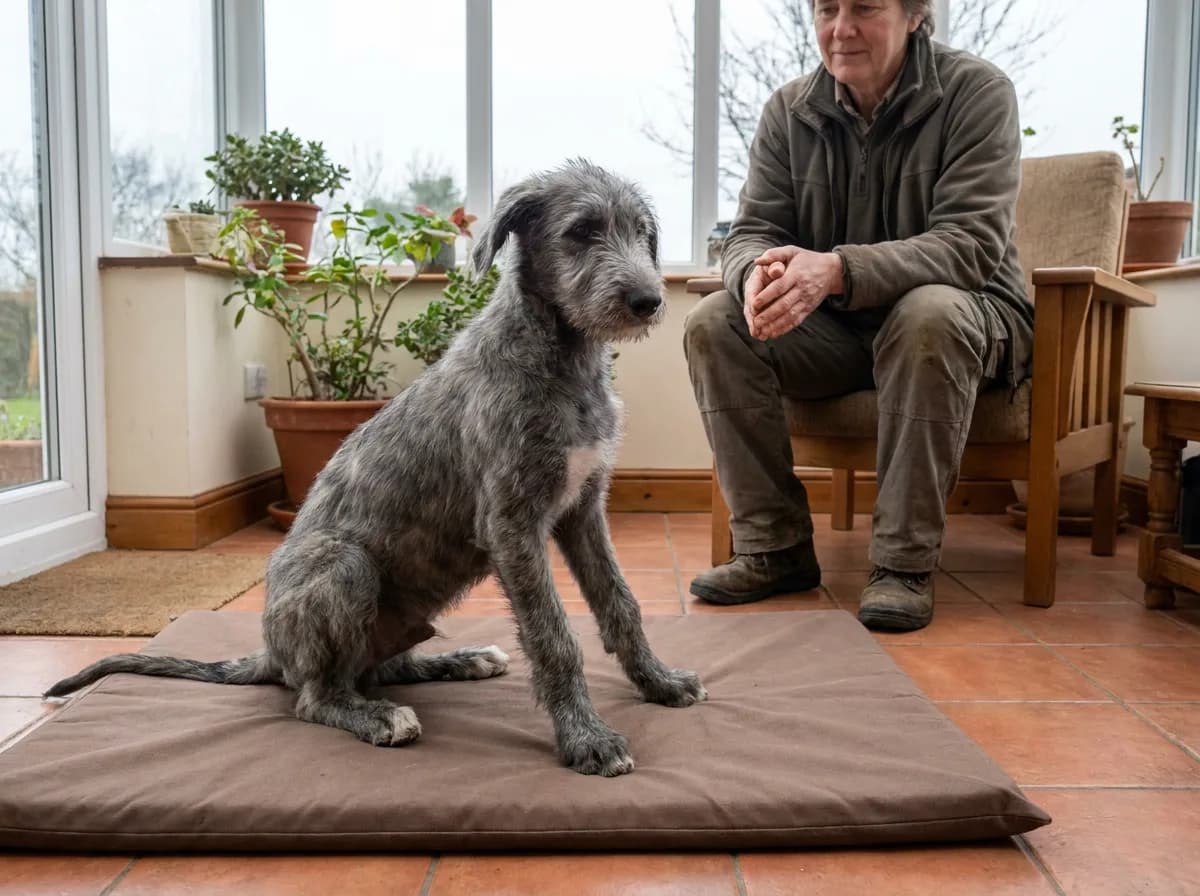
Bring home the existing feeding instructions and enough familiar food for the transition. Discuss an appropriate growth diet and portion plan with your veterinarian rather than trying to produce the heaviest possible puppy. Irish Wolfhound dog food needs depend on life stage, the food's energy content, activity, and body condition. A large bowl is not a feeding calculation, and a universal scoop count is not a substitute for monitoring the individual.
A manageable first-week routine includes:
- Predictable meals, toilet trips, and quiet sleeping periods.
- A comfortable resting area where the puppy can stretch out undisturbed.
- Short, positive practice with the collar, lead, feet, ears, and gentle handling.
- Carefully chosen introductions to people, household sounds, and safe environments.
- A veterinary visit to review records, feeding, preventive care, and questions about growth.
Use WebVet's puppy socialization checklist to organize those experiences. Socialization does not mean letting everyone crowd the puppy or requiring it to greet every dog. Calm observation from a comfortable distance can be a useful introduction. End an experience while the puppy is still coping, rather than pushing through fear because it appears on a checklist.
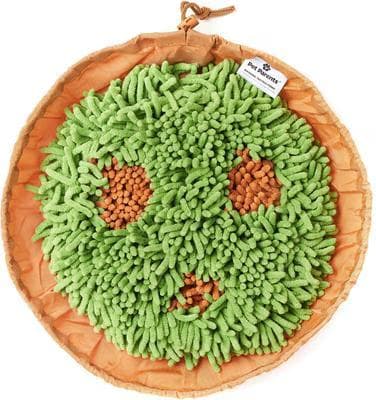
A supervised food-search mat for part of the dog's usual food allowance. Remove it if chewed; it is not a chew toy or a way to prevent bloat.
Petful may earn a commission when you click through to Chewy, at no extra cost to you.
Start loose-leash habits while the dog is small enough for easy practice. A Frisco Traffic Leash provides a fixed-length option for supervised outings, but good handling begins with rewarding attention and a loose lead. The IWCA cautions against forced exercise for growing puppies. Let your veterinarian help you match activity to development rather than choosing a mileage target from the dog's eventual adult size.
For quieter activity, scatter part of the appropriate food allowance in a Pet Parents Forager snuffle mat and supervise the search. Put the mat away if the puppy starts chewing or swallowing material. Food-search enrichment offers something to do at home; it does not replace walks, social contact, or suitable outdoor movement.
Cooperative care and rest
Make teeth care part of the handling routine before the dog is difficult to maneuver. Begin with brief, comfortable mouth-handling practice and progress to an appropriate dental-care method. WebVet's guide to dog dental health explains the wider routine. A beard-cleaning cloth also belongs near the feeding area; drool and wet-beard expectations are covered in the questions below.
Sleeping space should be a place to recover, not a destination for prolonged isolation. Watch for slippery routes between bed, water, and the outdoors, and keep energetic games away from the resting dog. Choose an Irish Wolfhound name the whole household can say consistently. Finn, Rowan, Nessa, and Willow are simple examples; a short everyday name is often easier to use than the dog's full registered name.
Finding and budgeting for a puppy or rescue
An Irish Wolfhound price quote is only one part of the ownership decision. Ask what the amount includes, which records accompany the dog, how deposits work, and what support is available if circumstances change. The IWCA recommends meeting breeders and checking regional expectations rather than accepting an unusually high or low price at face value.
Our Irish Wolfhound price guide separates acquisition, setup, routine care, and contingency planning. Request current information directly from a breeder or rescue; an older advertisement does not establish availability. Include veterinary care in the budget and compare any personalized Lemonade pet insurance quote against its actual eligibility rules, waiting periods, limits, and exclusions.
Irish Wolfhounds and similar-looking dogs
When comparing types of wolfhounds, remember that historical names can refer to separate breeds. A rough coat and long legs can make breed identification confusing. The Scottish Deerhound is the most familiar comparison, while the Borzoi shares the elongated outline of a sighthound. Each is a separate breed with its own background and standard. Similarity in a photograph does not make the dogs interchangeable in size, coat care, or household suitability.

Compare coverage choices for your pet, then request a quote directly on Lemonade.
- Check a price for your pet
- Review available coverage choices
- See the terms before you decide
Eligibility, waiting periods, limits and exclusions apply.
Petful may earn a commission when you click through to Lemonade, at no extra cost to you.
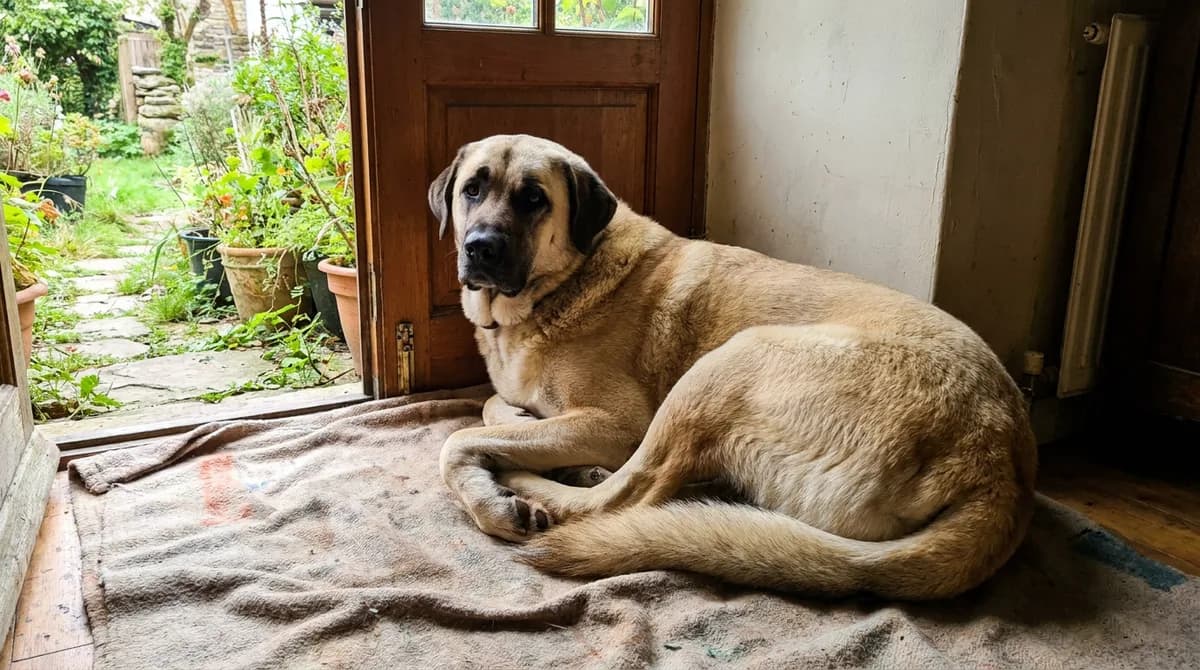
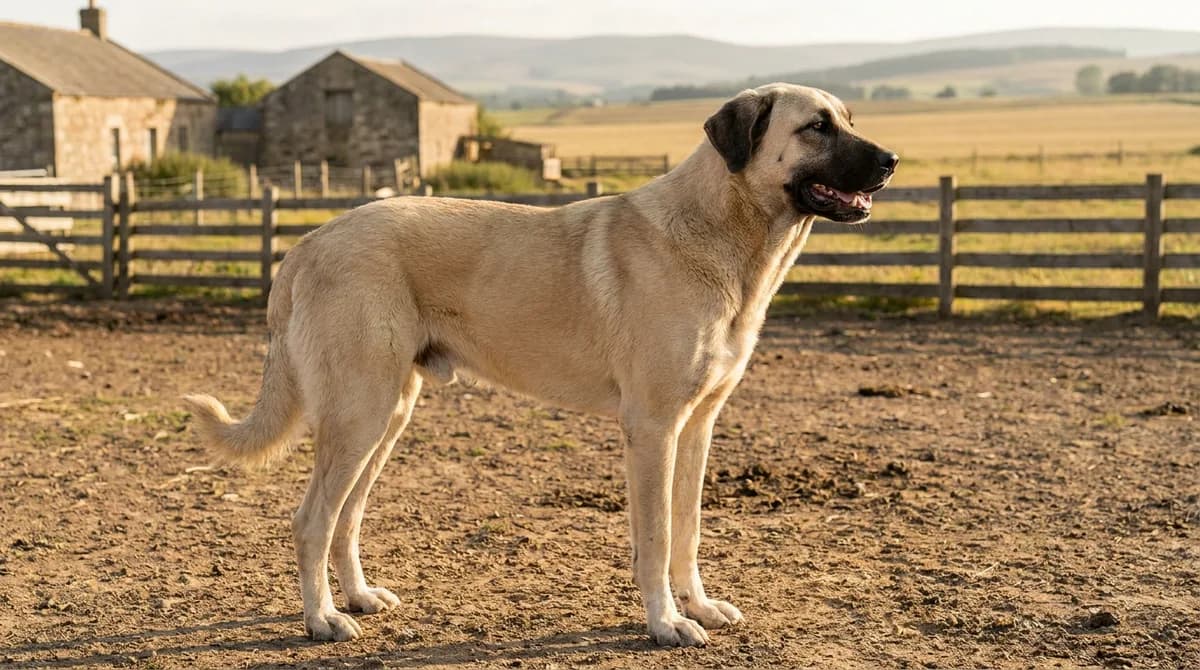
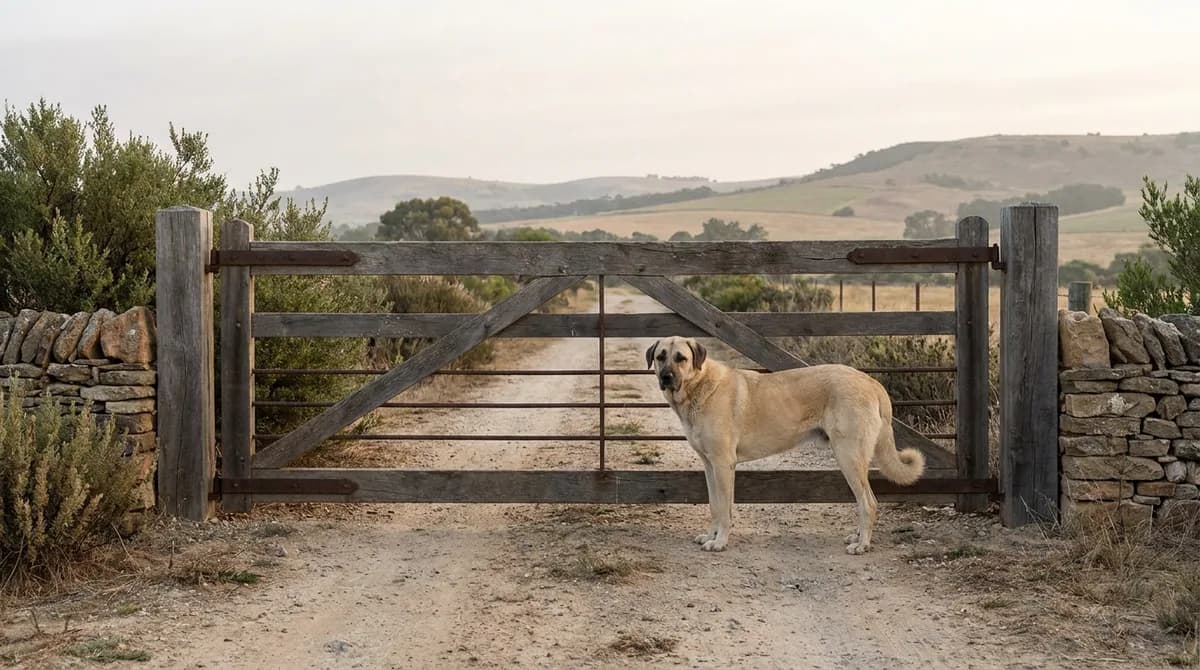
The Borzoi was historically called the Russian Wolfhound. That name describes a distinct breed, not a Russian variety of Irish Wolfhound. Its coat and outline differ from the Irish dog's rough-haired, bearded appearance. A Kangal comparison involves a different kind of dog again: the name belongs to a livestock-guardian breed, not another form of this Irish sighthound.
| Name | Useful identification distinction |
|---|---|
| Irish Wolfhound | Rough-coated Irish sighthound with giant size and a bearded face |
| Scottish Deerhound | Separate breed from Scotland with a similar rough-coated sighthound outline |
| Borzoi | Separate breed historically called the Russian Wolfhound |
| Smaller rough-coated lookalikes | A shaggy face alone cannot establish breed or ancestry |
Names such as English Wolfhound, British Wolfhound, or German Wolfhound need clarification when they appear in an advertisement. Ask which recognized breed the seller means and what documentation supports the description. Irish mountain dog and Irish hound dog are also too imprecise to identify a particular dog confidently. Geographic wording is not a substitute for a breed name.
Likewise, a Wolfhound terrier label may describe a claimed cross or simply someone's impression of a wiry-coated dog. It does not establish a recognized terrier variety of Irish Wolfhound. There is no recognized miniature Irish Wolfhound variety. For an unfamiliar rescue dog, its measured dimensions, observed behavior, veterinary history, and known background are more useful than trying to force its appearance into the closest internet picture.
Is your home ready for an Irish Wolfhound?
Start with the ordinary movements of an ordinary day. Can the dog turn comfortably in the entryway, reach its resting area without sliding, and enter the vehicle you actually use? Is there room to separate pets when necessary? A spacious garden cannot compensate for a cramped sleeping arrangement or a plan that depends on lifting a full-grown dog without help.
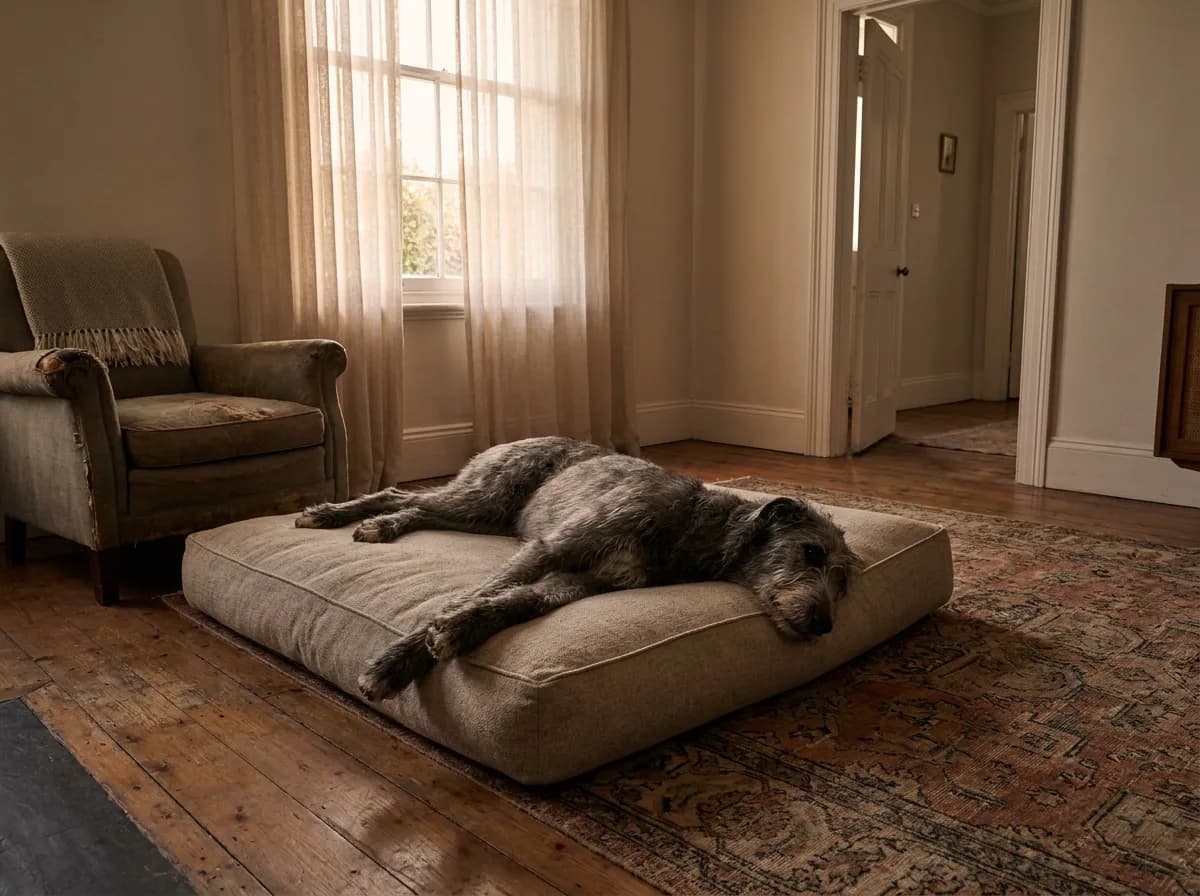
The IWCA's introduction to the breed places human companionship at the center of suitable ownership. A Wolfhound needs more than food delivery and occasional exercise. Consider who will be present during the day, how absences will be handled, and whether everyone can follow consistent boundaries. A quiet adult still needs engagement, movement, and opportunities to be part of family life.
- 1Measure usable resting space and the routes around it
- 2Check vehicle entry and a realistic transport plan
- 3Arrange daily companionship and help during absences
- 4Provide secure outdoor boundaries
- 5Budget for routine care and unexpected veterinary needs
The IWCA recommends a secure physical fence for outdoor freedom and cautions against invisible fences and tie-outs. A sighthound may react to movement before an owner can intervene. Check gates as carefully as fence panels, and plan visitor access so that an open front door does not become the dog's route outside.
These practical demands help explain why Irish Wolfhounds are less common in everyday households than many smaller companion dogs. They do not mean only one type of person or property can provide a good home. The useful question is whether your particular arrangements meet the dog's needs throughout puppyhood, adulthood, and later life. Meeting adult Wolfhounds in person makes that assessment much more concrete.
How much room does an Irish Wolfhound need?
Irish Wolfhound size is measured at the shoulder, not with the dog standing on its hind legs. The club standard's minimums for dogs over 18 months are 32 inches and 120 pounds for males, and 30 inches and 105 pounds for females. Those are standard minimums, not population averages. A four-month-old puppy cannot be judged against adult requirements. Our Irish Wolfhound size guide explains measurement, individual growth records, and practical space checks.
Temperament with family and other pets
Irish Wolfhound temperament is commonly described as gentle and companionable, but neither size nor a breed reputation guarantees behavior. The IWCA specifically considers the breed unsuitable for guard-dog work. Wanting company also does not make every dog clingy or establish an anxiety problem. Compatibility with other dogs depends on individuals and introductions, while cats and smaller pets require particular attention to chase behavior. Our Irish Wolfhound temperament guide covers training, children, other animals, and time alone.
Health and lifespan at a glance
Irish Wolfhound lifespan is relatively short, and understanding the evidence is more useful than treating one number as a deadline. The breed faces important health concerns, including heart disease, bone cancer, bloat, and pneumonia. There is no single explanation that predicts every dog's lifespan. The Irish Wolfhound Foundation recommends annual heart screening after age two. Our Irish Wolfhound lifespan guide explains historical study findings, screening records, and changes that warrant veterinary attention.
Irish Wolfhound mixes
An Irish Wolfhound mix label does not reliably predict adult height, coat, shedding, or temperament. Even known parent breeds leave substantial uncertainty about the individual dog. There is no evidence-based best cross for every household. Evaluate the dog's actual needs, the background that can be documented, and your ability to provide suitable care. Our Irish Wolfhound mix guide explains common labels and questions to ask without assigning invented measurements or personalities to offspring.
Irish Wolfhound or Great Dane?
The Irish Wolfhound versus Great Dane decision involves more than which dog appears taller. Their coats differ, and two individual adults may differ substantially in weight, activity, and handling needs. Compare grooming expectations, resting space, transport, and the realities of veterinary care. Do not assume a quieter dog automatically needs less preparation. Our Irish Wolfhound vs. Great Dane comparison brings those practical differences together and explains how to interpret breed measurements fairly.
Irish Wolfhound questions
They can, with individual variation. Water around the beard after drinking can also leave wet patches without being constant heavy drooling. Keep a washable cloth handy and learn what is normal for your dog. A sudden increase in saliva, especially with discomfort or other symptoms, deserves veterinary attention rather than being dismissed as a breed trait.
Enjoying water is an individual preference, not a dependable Irish Wolfhound trait. Offer a gradual, supervised introduction with easy footing and a clear way out. Do not force the dog to swim or assume enthusiasm means it can cope with deep water, strong currents, or a difficult exit.
A Scottish Deerhound can resemble a smaller, lighter Wolfhound, although it remains a large dog and is a separate breed. Some rough-coated terriers and mixed dogs also share a bearded face. Compare the whole dog's proportions and known background; a shaggy appearance does not identify a miniature Irish Wolfhound.

Kristine Lacoste has been researching dog and cat breeds for nearly a decade and has observed the animals up close at dog shows in both the United States and the United Kingdom. She is the author of the book One Unforgettable Journey, which was named as a finalist for a Maxwell Award from the Dog Writers Association of America, and was host of a weekly pet news segment on the National K-9 Academy Radio Show. In addition, she was the New Orleans coordinator for Dogs on Deployment, a nonprofit that helps military members and their pets, for 3 years. Kristine has researched and written about pet behaviors and care for many years. She holds a bachelor’s degree in psychology, another bachelor’s degree in English and a Master of Business Administration degree.
Sign up for expert-backed reviews and safety alerts all in one place.