Australian Shepherd Price: Puppy and Lifetime Costs
Compare Australian Shepherd puppy prices and adoption fees, then build a realistic budget for setup, routine care, training, paid help, and unexpected bills with a clear worked example.
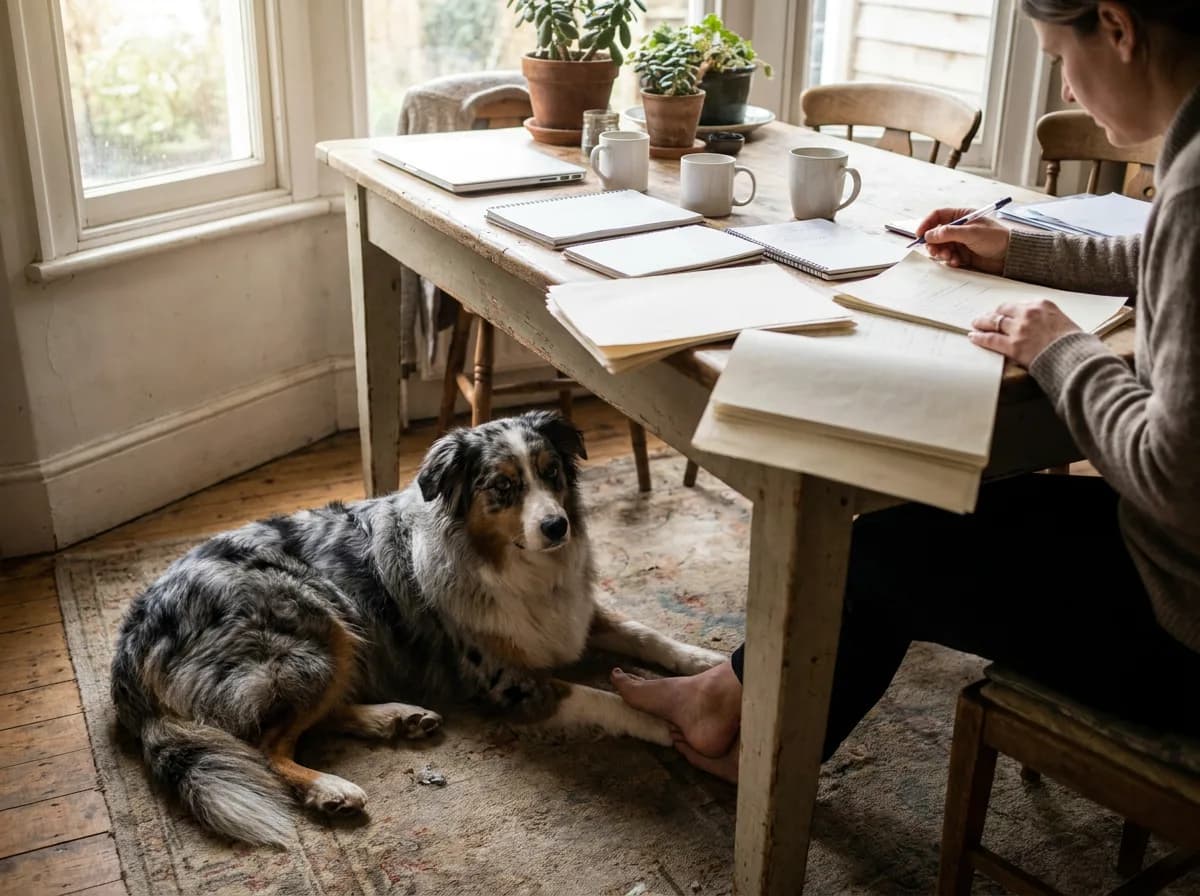
Australian Shepherd lying beside an owner working through paperwork at a kitchen table.
Petful is reader supported. As an affiliate of platforms like Amazon and Chewy, we may earn a commission when you buy through links on this page. There is no extra cost to you.
Australian Shepherd price depends on where you get the dog and what the fee includes. Good Dog lists a typical puppy range of $1,500–$2,500 on its marketplace, while one national breed rescue lists a $300 standard adoption fee. Those are source-specific reference points. The bigger household decision is whether you can afford setup, daily care, training, and unexpected veterinary expenses after bringing your Aussie home.

Sign up for expert-backed reviews and safety alerts all in one place.
How much does an Australian Shepherd cost?
For a standard Australian Shepherd puppy, Good Dog's published $1,500–$2,500 range gives you a documented starting point for comparing breeder quotes. It is not a measured national average, a guarantee of availability, or proof that a dog priced above that range is better. Ask for the total you would actually pay, including any required fees and transport.
- 1Australian Shepherd price is only one part of ownership cost
- 2Good Dog publishes $1,500–$2,500 for puppies on its marketplace; ARPH lists a $300 standard adoption fee
- 3The illustrative budget below totals $5,640 in year one and $3,240 in later years, before emergencies
- 4Replace every assumption with local quotes and your own care plan
The Aussie Rescue and Placement Helpline lists a $300 standard adoption fee for a fully vetted dog. Its policy also describes possible reductions for some older or special-needs dogs and an additional refundable spay/neuter deposit for unaltered puppies. Other rescues set their own fees, so verify the current charge and included care for the specific dog.
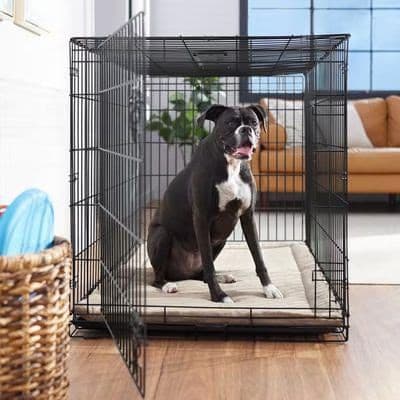
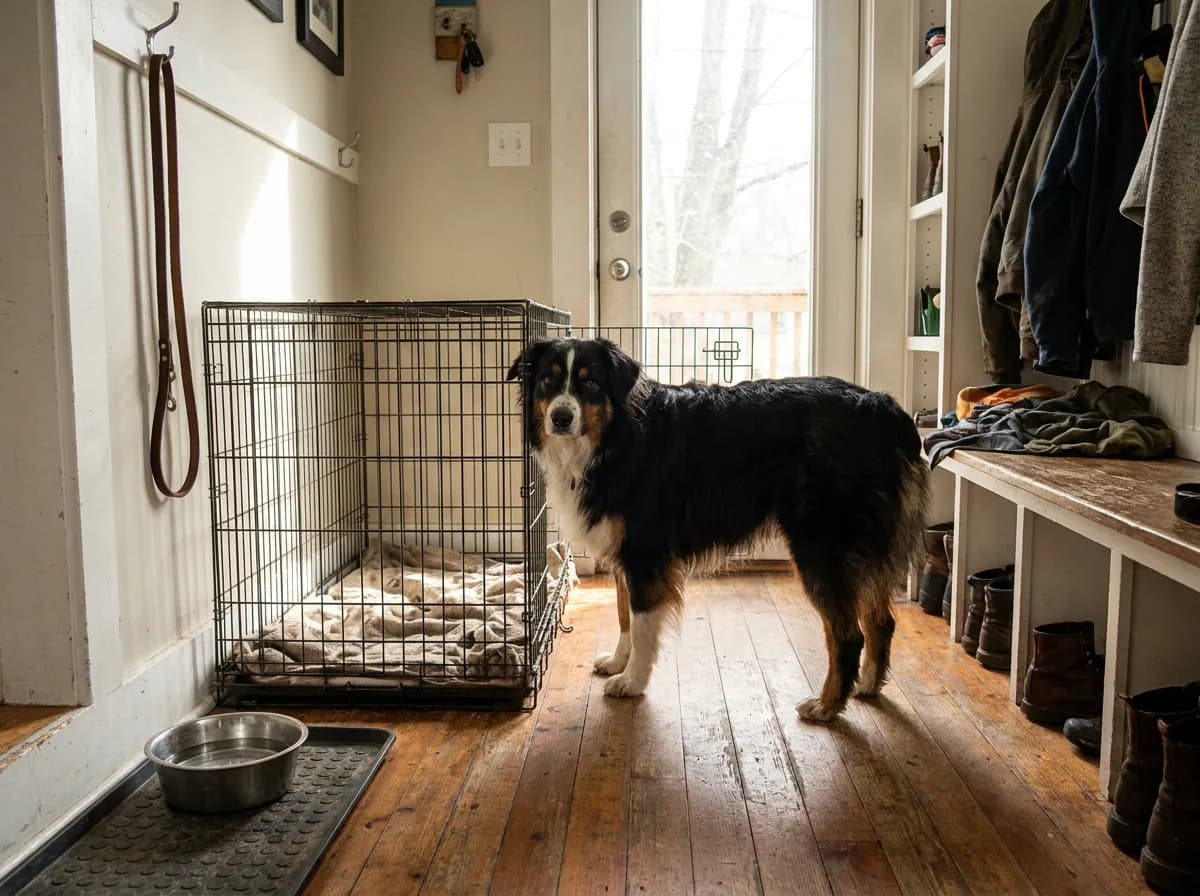
Plan the home setup before committing to either route. A crate is one possible expense if you will use one: the Frisco Heavy Duty Fold & Carry Single Door Wire Dog Crate, X-Large is a model to compare with your dog's measurements and the space available. X-Large is not an automatic breed requirement. Choose a suitable size and teach comfortable use gradually.
Petful may earn a commission when you click through to Chewy, at no extra cost to you.
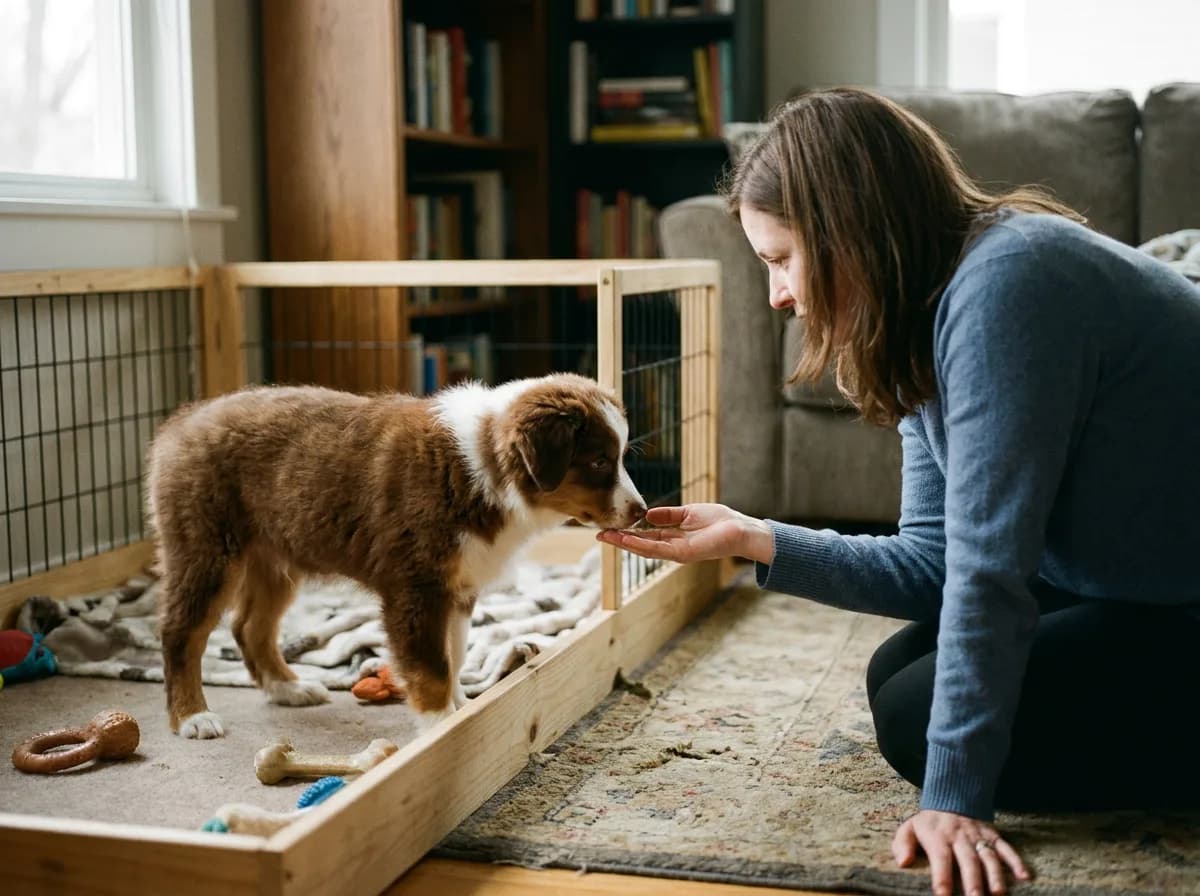
An adult adoption may reduce the acquisition bill, but it does not automatically reduce food, veterinary, or training needs. Read the dog's history and discuss known needs with the organization. Conversely, an expensive puppy can still need substantial professional support. Put the dog you are considering into your budget, rather than assigning all rescues or all breeder puppies the same future costs.
For any adoption, ask what “fully vetted” means in that dog's records. An organization may have completed particular services while others are due later; the phrase is not a schedule for future care. Find out which medication, diet, follow-up visit, or procedure you would become responsible for after transfer. With a puppy, confirm whether an advertised vaccination fee represents one dose or a completed age-appropriate plan. Have your clinic review the records so you can price the remaining care without guessing or paying twice for the same included service.
Why do Australian Shepherd prices vary?
Australian Shepherds can be expensive to raise because a litter involves care of the parents, veterinary services, puppy feeding, socialization, and time. The Australian Shepherd Club of America's breeder guidance describes these investments and encourages buyers to ask about care and background. A higher asking price can reflect some of that work, but the price itself does not verify it.
Compare the things you can establish:
- Documented health screening: What tests were performed, on which dogs, and when? A broad claim that the parents are healthy is not the same as a report.
- Raising conditions: How are the puppies housed, handled, and introduced to ordinary experiences?
- Placement support: Is the breeder assessing household fit and providing clear follow-up and return terms?
- Included services: Which vaccinations, examinations, microchip arrangements, and registration documents are already covered?
Blue merle Australian Shepherd price, red merle price, and tricolor price searches can lead to color premiums. A coat you love may influence your personal preference, but it does not establish health, trainability, or responsible care. Compare a merle puppy and a black, red, or tricolor puppy using the same documentation checklist. Blue eyes are not a substitute for an eye examination.
Be equally cautious with labels such as “rare silver,” “white,” or “full breed without papers.” Ask what the seller means and what records support the identity. Mixed dogs described as Australian Shepherd–Border Collie or German Shepherd–Australian Shepherd crosses cannot be priced as a uniform category. Their background, known care, and individual needs matter more than a hybrid label.
A first-year Australian Shepherd budget you can change
Here is an illustrative U.S. household budget, not a survey of average Australian Shepherd costs: $2,000 acquisition + $400 setup + 12 months at $270 = $5,640 in the first year. The recurring assumptions add up to $3,240 annually. Emergencies, major procedures, unusual medical needs, travel, and inflation are excluded.
| Category | Illustrative assumption | Replace with your local quotes |
|---|---|---|
| Acquisition | $2,000 once | Actual puppy price or adoption fee and required extras |
| Setup | $400 once | Suitable containment, bed, bowls, leash, grooming tools, and basic supplies |
| Food | $55 monthly | Price of the actual diet at the recommended feeding amount |
| Preventive medication | $30 monthly | Veterinarian's plan for this dog and location |
| Routine veterinary reserve | $40 monthly | Expected examinations, tests, and vaccines divided across the year |
| Pet insurance | $55 monthly | Your personalized premium and chosen policy terms |
| Training | $40 monthly | Annual class or lesson budget averaged over 12 months |
| Paid care | $50 monthly | Walker, sitter, or boarding allowance based on actual use |
| Recurring total | $270 monthly; $3,240 yearly | Sum of your six recurring categories |
| First-year total | $5,640 | Acquisition plus setup plus 12 months of recurring costs |
Start by replacing the acquisition figure. If your actual adoption fee is $300 and every other assumption stays unchanged, the example becomes $3,940 in year one. That is arithmetic, not a claim that an adopted dog will need exactly the same services as a puppy. Add any identified medical, behavior, or travel expense before treating the result as your working budget.
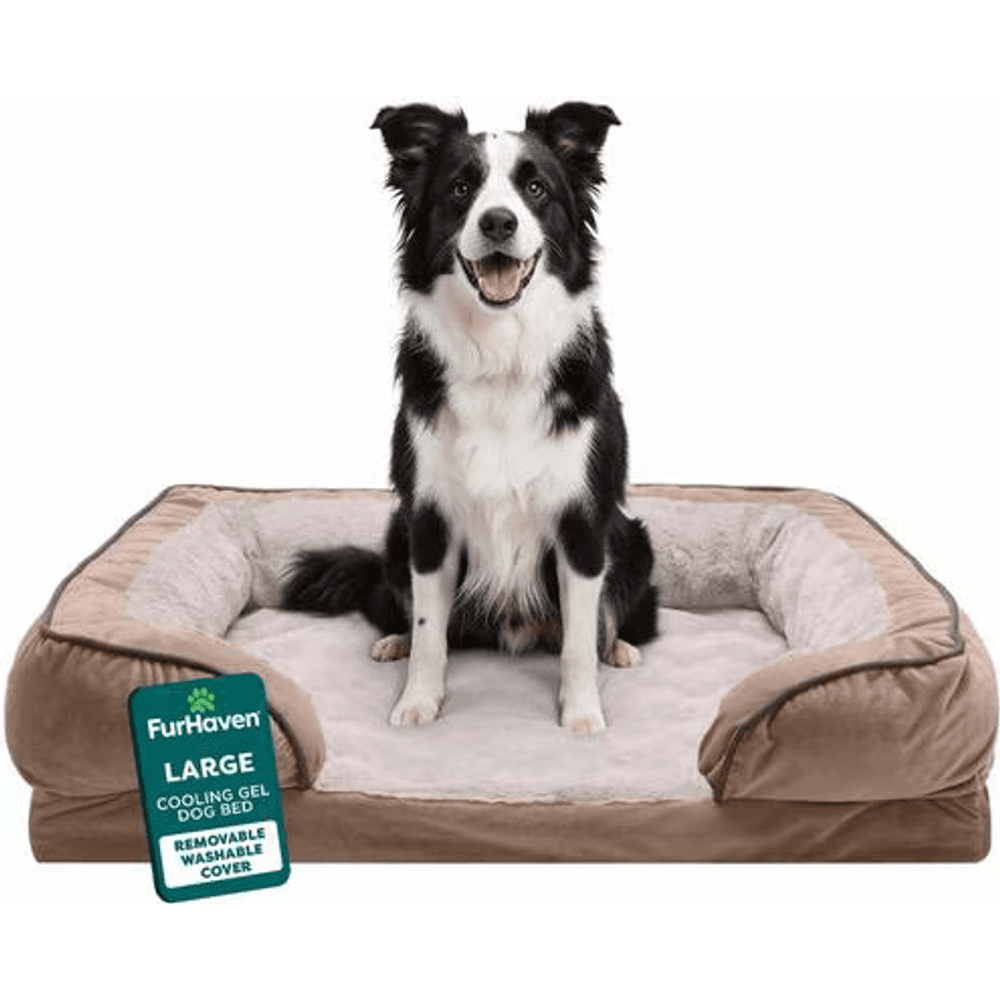
An orthopedic sofa bed with three bolstered sides for dogs who like to rest their head and joints against a cushion. The supportive foam base cradles hips and elbows, a comforting spot for an older or shaky dog to settle.
Petful may earn a commission when you click through to Chewy, at no extra cost to you.
For the setup allowance, distinguish essentials from preferences. A comfortable resting place can be simple. If you prefer a bolstered bed, compare the usable sleeping dimensions of the FurHaven Velvet Waves Perfect Comfort Orthopedic Sofa Bed, Large with how your dog stretches out. The product name does not mean every Aussie needs an orthopedic bed or that it treats an existing joint problem.
Convert an annual total into a payment plan
An annual budget can look affordable while the first month's bills remain difficult. The example puts $2,400 into acquisition and setup before counting ongoing care. A class may require payment for an entire course, insurance may offer annual billing, and an appointment can arrive before a monthly reserve has accumulated.
Give each expense a payment date and funding source:
- List what is due before collection or adoption day.
- Add the first appointments and any class enrollment fee.
- Set aside monthly amounts for predictable later bills.
- Keep an emergency payment plan separate from those earmarked funds.
The $50 monthly paid-care allowance is particularly easy to underestimate. It creates $600 per year, which may cover only occasional help. Someone requiring a walker several days a week should multiply the provider's visit price by the actual number of visits. Do not use an average-looking allowance to hide a known scheduling gap.
Replace the assumptions in a useful order
Start with costs that are both large and difficult to change after the dog arrives. For example, an illustrative $25 walk three times weekly over 48 weeks totals $3,600 annually, or $300 a month when spread across the year. Substituting that for the worksheet's $50 allowance adds $3,000 annually. That single scheduling decision changes the example more than a modest difference between puppy quotes.
Next, ask the clinic what is likely to be due during the first year and when. The $40 monthly veterinary reserve creates $480 after twelve contributions. If an illustrative $300 appointment occurs immediately, a newly opened reserve has not yet accumulated enough to pay it. Fund early appointments upfront, then use regular contributions for later known needs. Add procedures outside the quoted plan separately.
Finally, check the small recurring expenses that are easy to omit:
- Waste bags, replacement identification, and supplies used during housetraining.
- Treats or food used in classes and the cost of traveling to them.
- Replacement grooming tools, worn toys, or damaged walking equipment.
- Any tax, delivery charge, or membership required for a quoted service.
Assign these to a suitable budget category or add a line. They are not included merely because a worksheet has a neat total. Keep a short note beside each estimate identifying the provider, what it covers, and when you checked it, so updating the budget does not mean starting over.
What costs continue every year?
Food, preventive care, veterinary visits, replacement supplies, training, and help during absences continue after puppyhood. Some costs fall as one-time purchases end; others grow as needs change. Review the budget when your routine, address, food, insurance renewal, or dog's health changes rather than carrying the first-year estimate forward unchanged.
Petful may earn a commission when you click through to Chewy, at no extra cost to you.
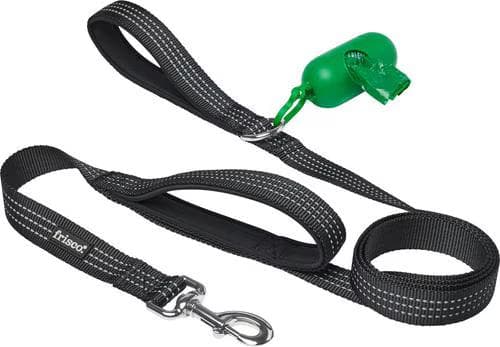
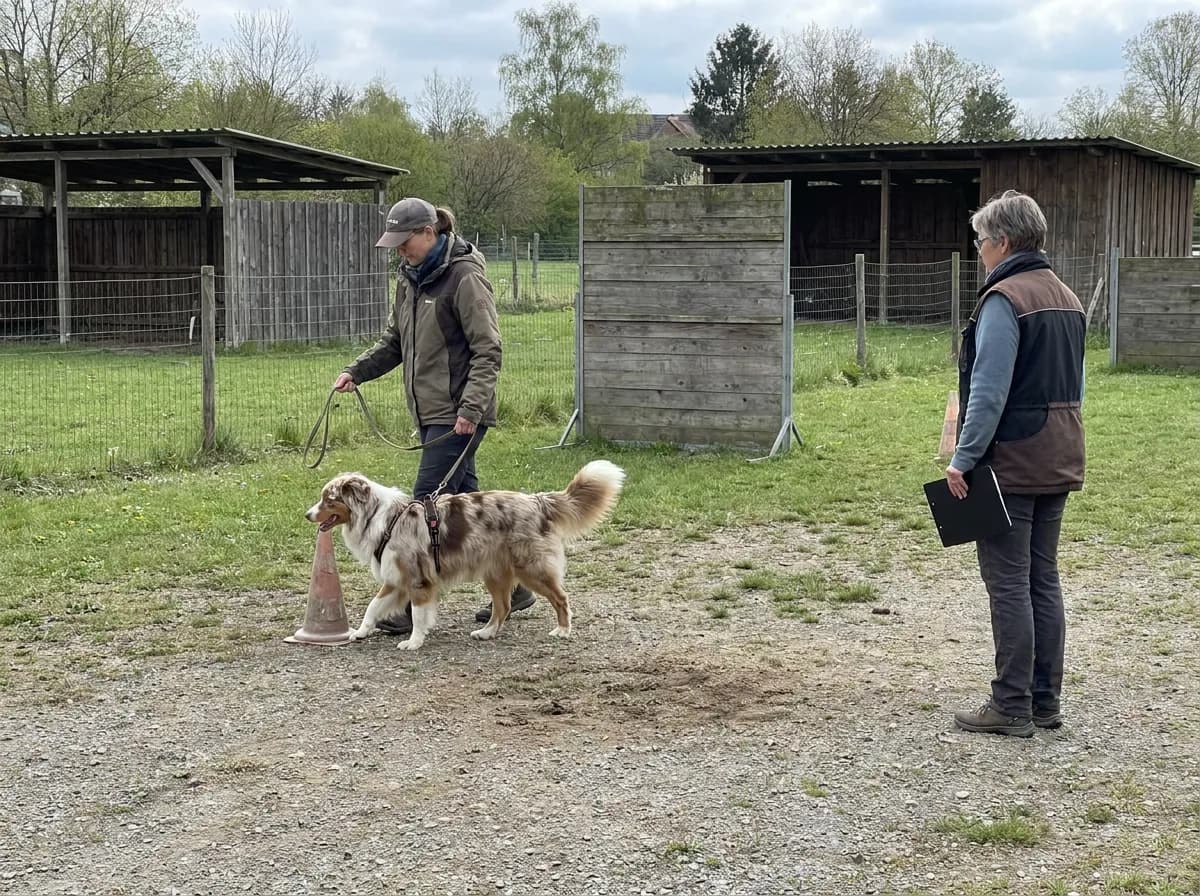
A walking setup is one everyday item worth buying for fit and handling rather than appearance. The Frisco Traffic Leash with Dual Padded Handles, 6-ft provides a standard-length option to assess. Check the clip, webbing, and handles regularly, and replace damaged equipment. A leash supports safe management while training; extra handles do not teach loose-leash walking by themselves.
Get estimates for services, not vague categories
- Food: Ask about the appropriate diet and quantity, then calculate the cost per day from that product. Keep treats in the food budget.
- Veterinary care: Request an itemized plan for the dog's age, records, and exposure. Puppy visits and an adult annual appointment are different purchases.
- Grooming: Decide which care you can manage and request prices for the specific services you will use.
- Paid help: Confirm visit length, travel charges, holiday rates, cancellation terms, and whether the caregiver can handle your dog's needs.
WebVet's guide to dog vaccination cost explains how vaccine-only prices differ from appointments, packages, and repeat doses. Use the actual veterinary plan to avoid both missing a required visit and budgeting for services your dog does not need.
Training supplies need not become a large shopping list. If your dog enjoys them and the ingredients suit its diet, Zuke's Mini Naturals Chicken Recipe treats, 10-oz are one reward option. Start with a modest supply and count rewards in the day's intake. A suitable portion of the dog's ordinary food may also work; the useful purchase is whatever supports consistent practice.
What does the example mean over a lifetime?
Holding the example's recurring spending constant, ten years would cost $34,800: $2,400 acquisition and setup plus ten years at $3,240. Fifteen years would total $51,000 on the same assumptions. These are planning scenarios, not lifespan predictions or expected lifetime averages. They exclude inflation, emergencies, major procedures, and changing care needs.
The point of extending the calculation is to see the long commitment behind the initial price. Replacing $2,000 acquisition with a $300 adoption fee reduces either scenario by $1,700. Changing a recurring expense by $100 a month changes a ten-year scenario by $12,000. Actual costs will differ, but the comparison shows why an affordable ongoing routine matters so much.
Reduce spending without postponing necessary care
Buy basic equipment around the dog you have, then add optional items after learning what it uses. An overflowing toy basket is unnecessary if the dog engages happily with a few suitable toys in rotation. A second decorative bed can wait; secure containment and the next veterinary appointment cannot. Borrowed or secondhand equipment needs the same fit, condition, and cleaning checks as a new purchase.
For services, compare equivalent packages. A less expensive class may include fewer sessions or less individual support. A lower boarding rate may exclude medication administration or additional exercise. Neither is automatically poor value, but the comparison becomes useful only when you add the services your dog actually needs.

Small, soft chicken-recipe rewards for short adult-dog training sessions. Portion into tiny pieces and include treats in the daily calorie budget.
Petful may earn a commission when you click through to Chewy, at no extra cost to you.
Ask about available clinic or community programs when money is tight, and tell the veterinarian what you can afford. Do not reduce costs by splitting medication doses, skipping prescribed prevention, or using another animal's prescription. A workable care plan is a better starting point than trying to repair an underfunded one after a problem develops.
How to compare breeder and rescue paperwork
Request documents before treating any quote as a good deal. Registration describes recorded identity and ancestry; veterinary records describe care; a contract defines the arrangement. One cannot stand in for the others. The Australian Shepherd Club of America's selection guidance also distinguishes companion placements from show or working expectations, which can affect the terms you are comparing.
- Confirm the named dog, total payment, included services, and future obligations in writing. A low price with missing information is not a complete quote. A high price with reassuring language is not proof of screening or a guarantee against future illness.
The United States Australian Shepherd Association buyer checklist asks about documented parental hip, elbow, and eye examinations, as well as the puppy's health record. Ask which reports are available and have your veterinarian explain uncertain findings. A DNA panel does not replace every physical screening examination.
MDR1 status can matter when a veterinarian selects medication. Washington State University identifies certain drug sensitivities associated with this genetic variant and also lists preventive products shown safe at their labeled doses. Do not skip prescribed parasite prevention or assume all heartworm medicine is unsafe. Share known results and let your veterinarian select the product and dose.
Keep copies that you can actually retrieve:
- The signed purchase or adoption agreement and payment record.
- The dog's identity, microchip information where available, and veterinary history.
- Relevant parental screening reports and the dog's own test results.
- Contact details and the process for questions, returns, or a health concern.
Can your household afford an active Aussie?
Aussies can be high maintenance in time and engagement, even when their food bill fits the budget. ASCA describes a working breed that needs daily exercise, attention, and useful training. Consider those needs alongside Australian Shepherd price: paying for the puppy does not create the hours needed to teach and care for it.
Plan the ordinary week and its backup
Try the schedule before adoption. Identify who handles the morning routine, daytime needs, evening activity, and care during travel. Include quiet training and rest rather than treating exercise as an endless race to tire the dog out. If the plan depends on paid help, check that someone suitable is available, not merely that you have assigned a budget line.
Discuss the least convenient ordinary week, too: a late shift, a household illness, or a school event can remove the person who usually handles the dog. Identify a backup caregiver and any cost before assuming the schedule is covered. A reliable family arrangement may cost little; a last-minute service may cost more and may not accept an unfamiliar dog. This is a planning question you can resolve before paying a deposit.
The Australian Shepherd breed guide covers being left alone, barking, house-dog suitability, and other everyday tradeoffs. It also explains grooming, health, and lifespan considerations. Those individual needs influence costs; a breed-wide price estimate cannot tell you whether a particular dog can comfortably manage your household routine.
Keep an emergency payment plan
Pet insurance and an emergency reserve solve related but different problems. Read coverage for hereditary conditions, pre-existing symptoms, waiting periods, deductibles, reimbursement, and limits. The NAIC's consumer guidance recommends examining these terms. A premium in the monthly budget does not mean every future bill will be paid.
For a simplified example, suppose a fully eligible $3,000 bill is subject to an unmet $500 deductible and 80% reimbursement after that deductible. The modeled reimbursement is $2,000, leaving $1,000 to you, plus premiums. Your policy may calculate benefits differently, and exclusions can change the result. You may also need to pay the clinic before receiving reimbursement.
WebVet's comparison of pet wellness plans and pet insurance helps distinguish routine-care benefits from protection for eligible accidents and illnesses. Avoid counting a wellness allowance as emergency coverage. Decide what money is available immediately, who authorizes care if you are away, and how you will handle costs outside the policy.
What about mini and toy Australian Shepherd prices?
There is no reliable standardized national price range established by the sources reviewed here for dogs sold under “mini,” “toy,” or “teacup Australian Shepherd” labels. Do not apply the standard-Aussie marketplace range above to every smaller dog. Obtain the actual quote and establish which breed, registry, and parentage the documents describe before comparing totals.
The AKC explains that the Miniature American Shepherd was originally called the Miniature Australian Shepherd. That history does not make every advertisement using “mini Aussie” equivalent. Our Miniature American Shepherd guide provides the breed background; the purchase comparison still requires records for the named dog.
Use the same short checklist for a miniature puppy price, a toy listing, or a teacup quote:
- Identity and size: Ask what the size label means and what supports the adult-size estimate. If the dog is a Miniature American Shepherd, AKC describes an overall range of 13–18 inches at the shoulder and 20–40 pounds. Those breed ranges are not a guarantee for a particular puppy or a definition of “teacup.”
- Color premiums: Blue merle and red merle are recognized Miniature American Shepherd colors. A higher price for either color is a seller's asking price, not evidence of better health or a verified standard premium. Compare the screening records and included services on the same basis.
- Care after purchase: Miniature American Shepherds shed and need regular brushing. Budget for coat care along with food, veterinary visits, training, and help during absences. Smaller equipment or food portions do not eliminate those obligations. See the AKC's size and grooming overview for that breed's baseline care.
- The amount actually due: Get the acquisition price, deposit treatment, required fees, included care, and future obligations in writing. Replace the worksheet's acquisition figure with that total and price the individual dog's setup and recurring needs separately.
A quote that leaves breed identity, health documentation, or payment terms unclear is incomplete at any price. Resolve those questions before paying, rather than treating a small-size label as proof that the purchase or the years of care will be inexpensive.
Australian Shepherd price FAQs
It may, but the contract must say so. Confirm the total price, amount already paid, remaining balance, payment deadline, and conditions for any refund or transfer to another litter. Keep a receipt tied to the named seller and agreement. Do not assume a payment described as a reservation fee will automatically reduce the final balance.
Yes, obtain a suitable class or lesson quote early so the cost and availability are real. Ask how the trainer teaches, what prerequisites apply, and what support is included. The American Veterinary Society of Animal Behavior recommends reward-based training. A class can guide your practice, but your household still needs to do the everyday training.
No. Put both quotes on the same basis: add required fees and transport, identify included veterinary services and health records, and list future obligations. Check whether the dogs' known needs differ. A lower total with complete information may be appropriate; an unexplained discount or premium is a reason to ask questions, not a verdict by itself.

Coreen Saito is a pet writer and longtime shelter volunteer with more than a decade in animal rescue. She covers cat behavior, breed care, and the small, ordinary science of sharing a life with companion animals, with a particular focus on honest takes about the products and decisions that actually matter. At home in Arizona, she's outranked by Mac (a dog with the loudest opinion in the house), Rebel (a cat who governs by quiet authority), and Meri (an orange tabby who runs the late shift and the laundry basket). She writes about all three, plus the rescues that keep coming through her life, at LifeWithMinty.com.
Sign up for expert-backed reviews and safety alerts all in one place.