Scottish Fold Price: What a Folded-Ear Cat Really Costs in 2026
A Scottish Fold costs $100 to $300 to adopt, $1,000 to $2,500 from a breeder, and $2,500 to $3,500+ for show quality. Here is the full 2026 price breakdown by tier, plus the lifelong joint-care vet costs unique to this folded-ear breed.
Petful is reader supported. As an affiliate of platforms like Amazon and Chewy, we may earn a commission when you buy through links on this page. There is no extra cost to you.
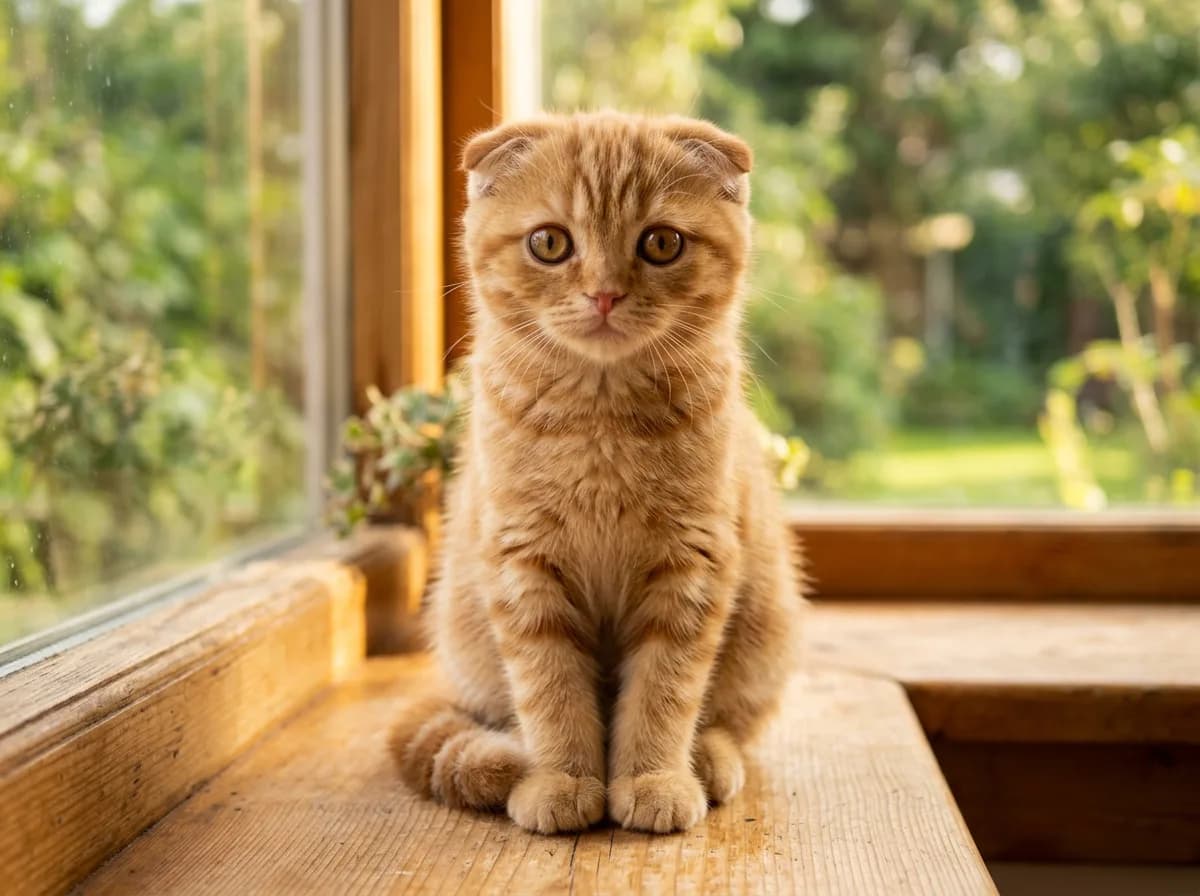
The Scottish Fold price runs about $100 to $300 to adopt, $1,000 to $2,500 for a pet-quality kitten from a breeder, and $2,500 to $3,500 or more for show or breeding stock, and live breeder listings in mid-2026 show kittens at $2,550 to $3,300. That sticker price is only the start. The harder truth, and the one most price guides skip, is that every Scottish Fold carries osteochondrodysplasia, the same gene that folds the ears also deforms cartilage and bone throughout the body, so this is one of the few cats where you should budget for lifelong joint care before you ever bring one home. The Cat Fanciers Association recognizes the breed, but many vets, Cats Protection, and International Cat Care urge buyers to think twice.
- 1Adoption runs $100 to $300, a pet-quality kitten $1,000 to $2,500, and show quality $2,500 to $3,500 or more.
- 2Celebrity-driven demand (Taylor Swift, Ed Sheeran), the fold gene, breeder reputation, and rare colors push the price up.
- 3Every Scottish Fold has osteochondrodysplasia, so plan for arthritis and lifelong joint-care vet bills, not just the purchase price.
- 4A straight-eared Scottish Straight or a British Shorthair gives you the round teddy-bear look for less money and without the built-in skeletal disease.

Sign up for expert-backed reviews and safety alerts all in one place.
How Much Does a Scottish Fold Cost?
Expect to pay somewhere between $1,000 and $2,500 for a healthy pet-quality Scottish Fold kitten from a responsible breeder. That is the realistic middle of the market. Adoption or rescue, when a fold turns up (which is rare), costs far less, usually $100 to $300 in fees. At the top end, a show-quality or breeding-quality kitten with a champion pedigree runs $2,500 to $3,500 and up.

Compare coverage choices for your pet, then request a quote directly on Lemonade.
- Check a price for your pet
- Review available coverage choices
- See the terms before you decide
Eligibility, waiting periods, limits and exclusions apply.
Petful may earn a commission when you click through to Lemonade, at no extra cost to you.
The live market backs this up. In mid-2026, breeder marketplaces listed Scottish Fold kittens at $2,550 to $3,300, $2,300 to $3,100, and ranges as wide as $1,600 to $3,400. Google's own summary of the breed pegs a typical kitten at $1,000 to $3,000. So whether you read a cattery price sheet or a search snapshot, you land in the same place: this is an expensive cat, and the folded-ear kittens command a premium over their straight-eared littermates.
Never Scoop Again® with the Whisker Litter-Robot, the smart self-cleaning automatic litter box. Monitor visits and track weights for better overall care in the Whisker® app. Multi-cat friendly.
Petful may earn a commission when you click through to Whisker, at no extra cost to you.
- Not every kitten in a Scottish Fold litter is born with folded ears. The straight-eared ones, called Scottish Straights, have the identical sweet personality but typically sell for a few hundred dollars rather than a few thousand, because the fold is the thing buyers pay a premium for.
Scottish Fold Price by Tier
Here is how the Scottish Fold price breaks down by where you get the cat and what you are buying.
| Source / Tier | Typical Price | What You Get |
|---|---|---|
| Adoption or rescue | $100 to $300 | A vetted cat, often adult, spay/neuter and shots usually included. Folds are uncommon in shelters but do appear. |
| Scottish Straight (straight-eared littermate) | $300 to $800 | The same breed and temperament without the fold (and without the skeletal disease). The value pick. |
| Pet-quality fold from a breeder | $1,000 to $2,500 | A folded-ear pet kitten, vaccinated, with parents ideally DNA and echo screened for PKD and HCM. |
| Show or breeding quality | $2,500 to $3,500+ | Champion pedigree, breeding rights, the tightest folds and best conformation. Premium colors push higher. |
Why Are Scottish Folds So Expensive?
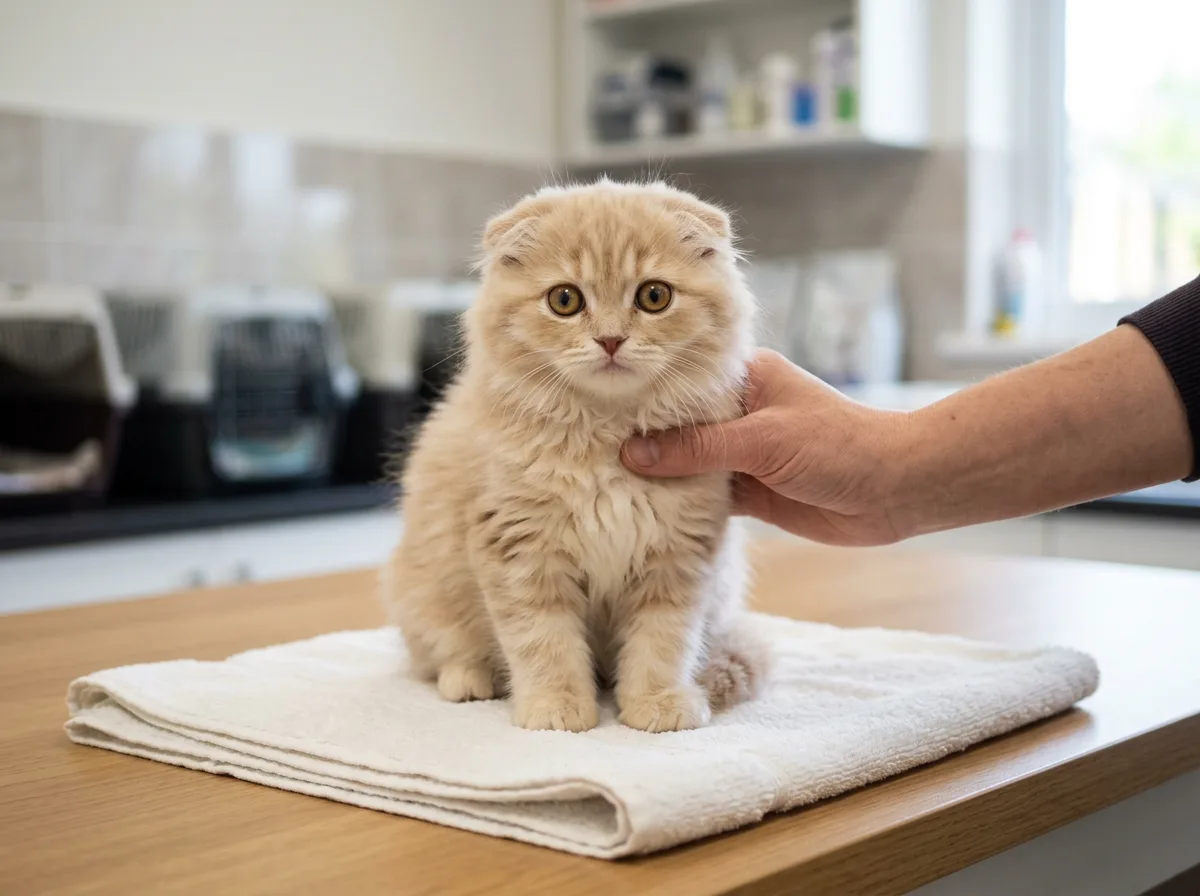
Several forces stack up to make the Scottish Fold one of the priciest cats you can buy. Understanding them helps you spot a fair price from a gouge.
Trend and celebrity demand. The Scottish Fold is a viral cat. Taylor Swift's folds (Olivia Benson and Meredith Grey) and Ed Sheeran's cats put the breed in front of hundreds of millions of people, and the "owl-faced," "Buddha-sitting" look is endlessly shareable. High demand against a small supply of ethically bred kittens keeps prices high.
The fold gene and careful breeding. Responsible breeders never pair two folded-ear cats, because two copies of the fold gene produce the most severe, crippling skeletal disease. Instead they cross a fold with a straight-eared cat, which means only some kittens in any litter are folded. Fewer sellable folds per litter pushes the per-kitten price up.
Breeder reputation and health testing. A reputable cattery DNA tests and echocardiogram-screens breeding cats for polycystic kidney disease and hypertrophic cardiomyopathy, vaccinates, deworms, and often microchips. That work is baked into the price. It is also exactly what you are paying for, so it is not where you want to cut corners.
Color and coat. Popular and rarer colors cost more. A blue (grey), pure white, or chocolate fold, or the long-haired Highland Fold, can command a premium over a common tabby.
- If you see a folded-ear kitten priced well under $1,000, be very cautious. Bargain folds usually come from backyard breeders who skip health screening and sometimes pair two folds together, which produces the most painful, deformed joints. A low price often means a higher lifetime vet bill and a cat that suffers.
Scottish Fold Kitten vs Adult Cost
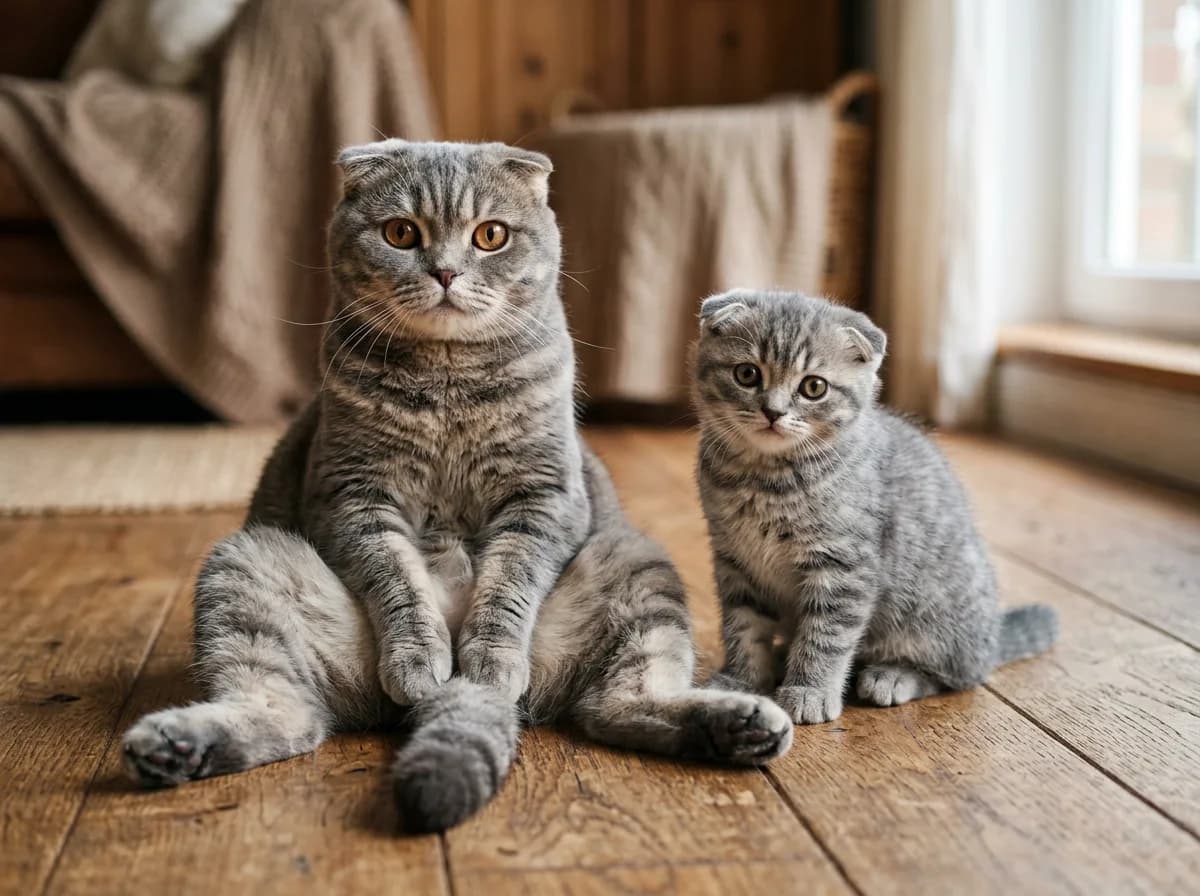
A Scottish Fold kitten is almost always the most expensive way in. Kittens carry the full breeder premium, peak demand, and that hard-to-resist folded-ear, big-eyed look. An adult or retired breeding cat from a cattery usually costs less, and a fold surrendered to a rescue costs least of all.
Buying an adult has a quiet advantage with this breed: osteochondrodysplasia signs often show up early, so an adult cat's joint health is more visible than a young kitten's. A vet check of an adult fold's gait, tail flexibility, and hocks can tell you a lot before you commit.

63-inch multi-level cat tree with scratch posts, hammock, plush perches, and dangling toys. Vertical territory is non-negotiable for high-energy climbing breeds like the Bengal.
Petful may earn a commission when you click through to Chewy, at no extra cost to you.
First-Year Setup Costs
The purchase price is the down payment. The first year adds setup gear plus the kitten's early vet care. Budget roughly $500 to $1,200 on top of the cat, depending on how much you already own and whether you spay or neuter.
| Item | Typical Cost | Notes |
|---|---|---|
| Spay or neuter | $200 to $500 | Often already done by a breeder or rescue. |
| Initial vet exam, vaccines, deworming | $100 to $300 | First-year kitten visits and boosters. |
| PKD and HCM screening or baseline check | $150 to $500 | Especially worth it for this breed if not already done by the breeder. |
| Litter box, scoop, starter litter | $30 to $60 | Low entry barrier covers it. |
| Bed, carrier, bowls | $80 to $120 | One-time gear that lasts years. |
| Scratching post and starter toys | $40 to $80 | Enrichment for a playful, gentle cat. |
| Microchip and ID tag | $25 to $80 | Often bundled at the first vet visit. |
- Most cats get a tall climbing tower. A Scottish Fold should not. Because the breed's joints are already vulnerable, hard jumps and high falls accelerate arthritis. Spend your enrichment budget on low platforms, ramps, and floor-level play instead of a six-foot tower.
Ongoing Cost to Own a Scottish Fold Per Year
Plan on roughly $1,200 to $2,500 a year to keep a Scottish Fold, and more as the cat ages into its joint disease. Routine costs (food, litter, preventive vet care) look like any cat. The breed-specific line item is joint care.
| Expense | Yearly Range | Notes |
|---|---|---|
| Quality food | $250 to $700 | Premium diet supports weight control, which protects the joints. |
| Litter and box supplies | $150 to $400 | Refills, liners, deodorizer. |
| Routine vet care | $200 to $600 | Wellness exams, vaccines, dental. |
| Joint care (breed-specific) | $200 to $1,500+ | Supplements, pain relief, X-rays, and arthritis management that most cats never need. |
| Pet insurance (optional) | $300 to $700 | Premiums run higher for a breed with a known inherited condition. |
The joint-care line is what sets this breed apart from a budget standpoint. Because every Scottish Fold has osteochondrodysplasia to some degree, arthritis is not an "if," it is a "when and how much." Over a 12-to-15-year life, that can add thousands of dollars in supplements, pain medication, imaging, and vet visits that a typical domestic cat would never incur. Pet insurance can soften the blow, but many policies exclude the fold's inherited skeletal condition as pre-existing, so read the fine print before you assume you are covered.

108-oz stainless steel pet fountain with quiet pump and water-level window. Bengals are notoriously water-obsessed; a flowing fountain encourages hydration and pulls them away from sinks and toilets.
Petful may earn a commission when you click through to Chewy, at no extra cost to you.
- With most cats, big vet bills are a gamble. With a Scottish Fold, progressive arthritis from osteochondrodysplasia is a near-certainty, because it comes from the very gene that folds the ears. International Cat Care, Cats Protection, and the British Veterinary Association all flag this, and it is why several countries restrict breeding the cat. Treat lifelong joint-care costs as a fixed part of ownership.
Where to Buy or Adopt a Scottish Fold
If you want a fold, start with rescue. Breed-specific rescues and general shelters occasionally have Scottish Folds and Scottish Straights, and Petfinder lets you search by breed nationwide. Adoption costs the least, gives a cat a second chance, and an adult cat's joint health is easier to assess.
If you go to a breeder, choose carefully. A responsible breeder will never pair two folded cats, will show you DNA and echocardiogram results for PKD and HCM on the parents, will let you meet the kitten's environment, and will be candid about the breed's skeletal condition rather than glossing over it. Walk away from any seller who dodges health questions, pairs two folds, or prices kittens suspiciously low. Check the Cat Fanciers Association or The International Cat Association breeder directories as a starting point, not as a guarantee.
The Honest Take: Consider a Scottish Straight or British Shorthair
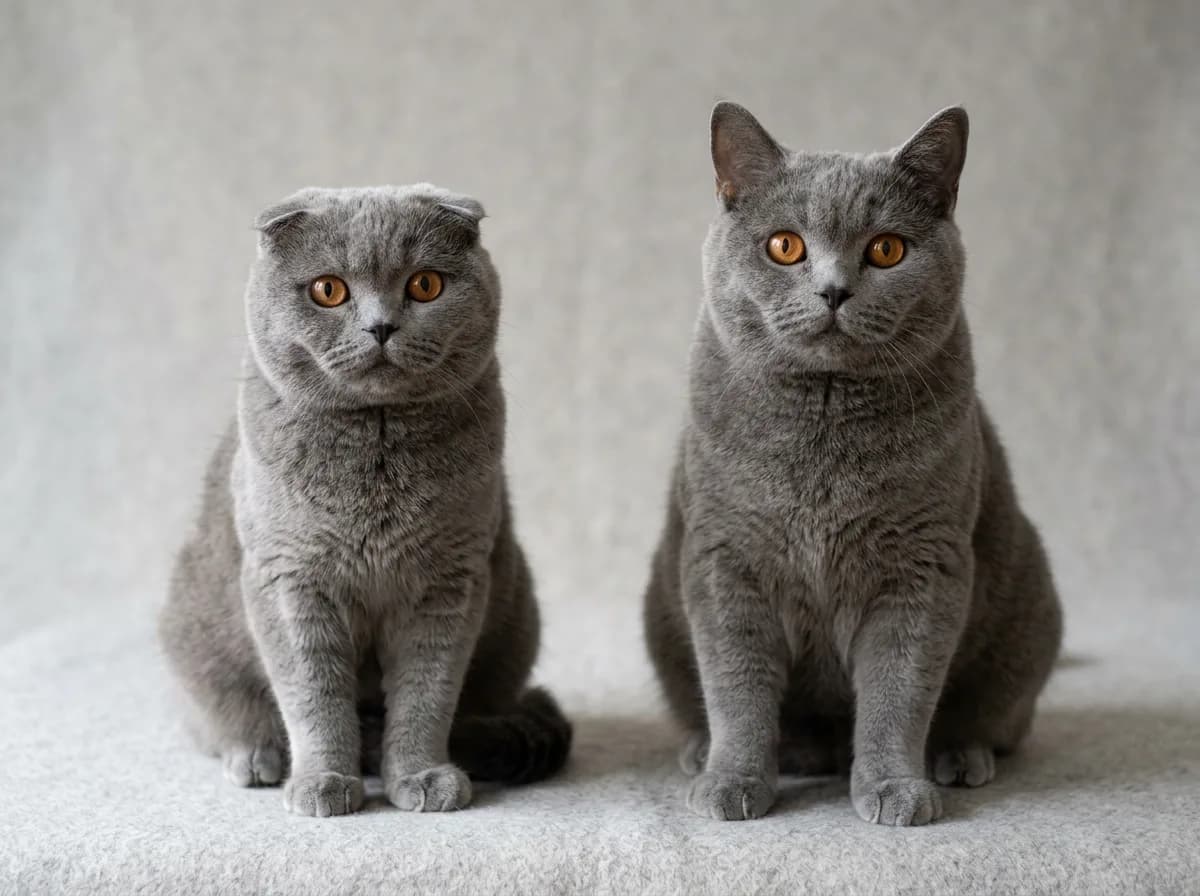
Here is the part the breeder price sheets leave out. The thing that makes a Scottish Fold expensive, the folded ear, is the same thing that guarantees it a painful skeletal condition. You are paying a premium for the feature that hurts the cat.
If you love the round, plush, teddy-bear look, you have two kinder and cheaper options. A British Shorthair gives you the same dense coat, round face, and calm, affectionate nature, with normal straight ears and none of the osteochondrodysplasia, since the fold was largely built on this breed. A Scottish Straight, the straight-eared littermate from a fold litter, looks nearly identical to a fold minus the crease and does not carry the skeletal disease, and it typically costs a few hundred dollars rather than a few thousand. For shoppers comparing other plush, placid lap cats, the Exotic Shorthair and the Ragdoll are worth a look too.
If you want to see how a folded cat's price compares to another premium pedigree breed, our Persian cat price guide breaks down a similar high-cost, high-maintenance cat tier by tier.
- A Scottish Straight or a British Shorthair can cost roughly half of a folded-ear kitten and skips the lifelong joint-care budget entirely. You get the look you fell in love with, your cat avoids a painful inherited condition, and your wallet feels it twice: once at purchase and again every year at the vet.
Frequently Asked Questions About Scottish Fold Price
A pet-quality Scottish Fold kitten from a responsible breeder costs about $1,000 to $2,500. Adoption runs $100 to $300, and show or breeding quality runs $2,500 to $3,500 or more. Live breeder listings in 2026 commonly show kittens at $2,550 to $3,300.
Celebrity-driven demand (Taylor Swift and Ed Sheeran own them), the fold gene that limits how many folded kittens each litter produces, breeder health testing for PKD and HCM, and rare colors like blue, white, and chocolate all push the price up.
A Scottish Fold kitten typically costs $1,000 to $2,500 from an ethical breeder, with premium and show-line kittens reaching $2,500 to $3,500 and up. Kittens are the most expensive way to get one.
That depends on what you value. They are sweet, devoted lap cats, but every Scottish Fold has osteochondrodysplasia and will likely develop painful arthritis, so you pay a premium up front and again in lifelong joint care. Many vets and welfare groups suggest a Scottish Straight or British Shorthair instead.
Adoption or rescue is cheapest at $100 to $300, though folds are uncommon in shelters. The next-cheapest and kinder option is a straight-eared Scottish Straight from a fold litter, which runs $300 to $800 and avoids the skeletal disease entirely.
Budget roughly $1,200 to $2,500 a year, rising as the cat ages. Routine food, litter, and vet care resemble any cat, but breed-specific joint care (supplements, pain relief, X-rays, arthritis management) can add $200 to $1,500 or more annually that a typical cat never needs.

Coreen Saito is a pet writer and longtime shelter volunteer with more than a decade in animal rescue. She covers cat behavior, breed care, and the small, ordinary science of sharing a life with companion animals, with a particular focus on honest takes about the products and decisions that actually matter. At home in Arizona, she's outranked by Mac (a dog with the loudest opinion in the house), Rebel (a cat who governs by quiet authority), and Meri (an orange tabby who runs the late shift and the laundry basket). She writes about all three, plus the rescues that keep coming through her life, at LifeWithMinty.com.
Sign up for expert-backed reviews and safety alerts all in one place.