Highlander Cat: Appearance, Size, Personality, Price, and Care
The Highlander cat combines a distinctive curled-ear appearance with an active personality. Compare size, coat care, purchase costs, household fit, and the records to check before choosing a companion.
Appearance alone does not establish ancestry or predict adult size.
Petful is reader supported. As an affiliate of platforms like Amazon and Chewy, we may earn a commission when you buy through links on this page. There is no extra cost to you.
The Highlander cat is an active, muscular domestic cat best known for loosely curled ears and a distinctive, often short tail. A striking appearance is only part of the decision: this companion also needs daily play, sturdy places to climb, and an owner willing to check the individual cat's history.
If you are comparing kittens, start with registration and health records, then consider temperament and the practical setup at home. A curled ear, spotted coat, or large paw alone cannot authenticate a cat's ancestry.
Choose a Highlander for the individual cat's personality and care needs. Verify the registry name, parentage, veterinary records, and seller's contract before paying a deposit. Appearance and a high asking price do not guarantee health or compatibility.

Sign up for expert-backed reviews and safety alerts all in one place.
What is a Highlander cat?
The Highlander cat breed is a domestic cat developed for a substantial, athletic appearance and sociable companionship. The International Cat Association describes its development beginning in 2004 and recognizes both short- and longhaired forms. The name does not mean that an individual is a wild lynx, nor does a dramatic photograph establish wild ancestry.
Highlander, Highlander Lynx, and Highland Lynx are often used loosely in advertisements. The Rare and Exotic Feline Registry describes Highland Lynx within its own breeding and registration history. Ask which registry issued the actual cat's papers and what name appears on them. Do not assume that one listing term guarantees eligibility under another association's standard.
- Request the registered names and identifying details of the parents.
- Match the kitten's description and microchip information, when available, to the contract.
- Distinguish a pet-placement agreement from permission to breed or show.
- Ask the registry directly if a document or eligibility claim is unclear.
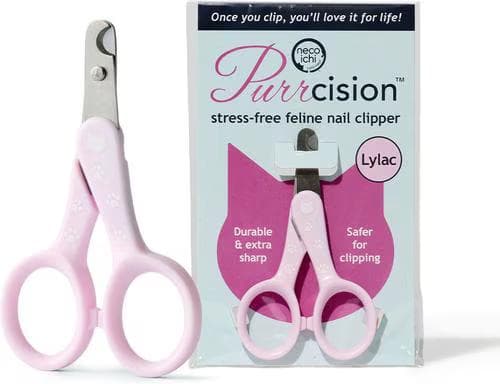
A small cat nail clipper for routine trims after a professional demonstrates the technique.
Petful may earn a commission when you click through to Chewy, at no extra cost to you.
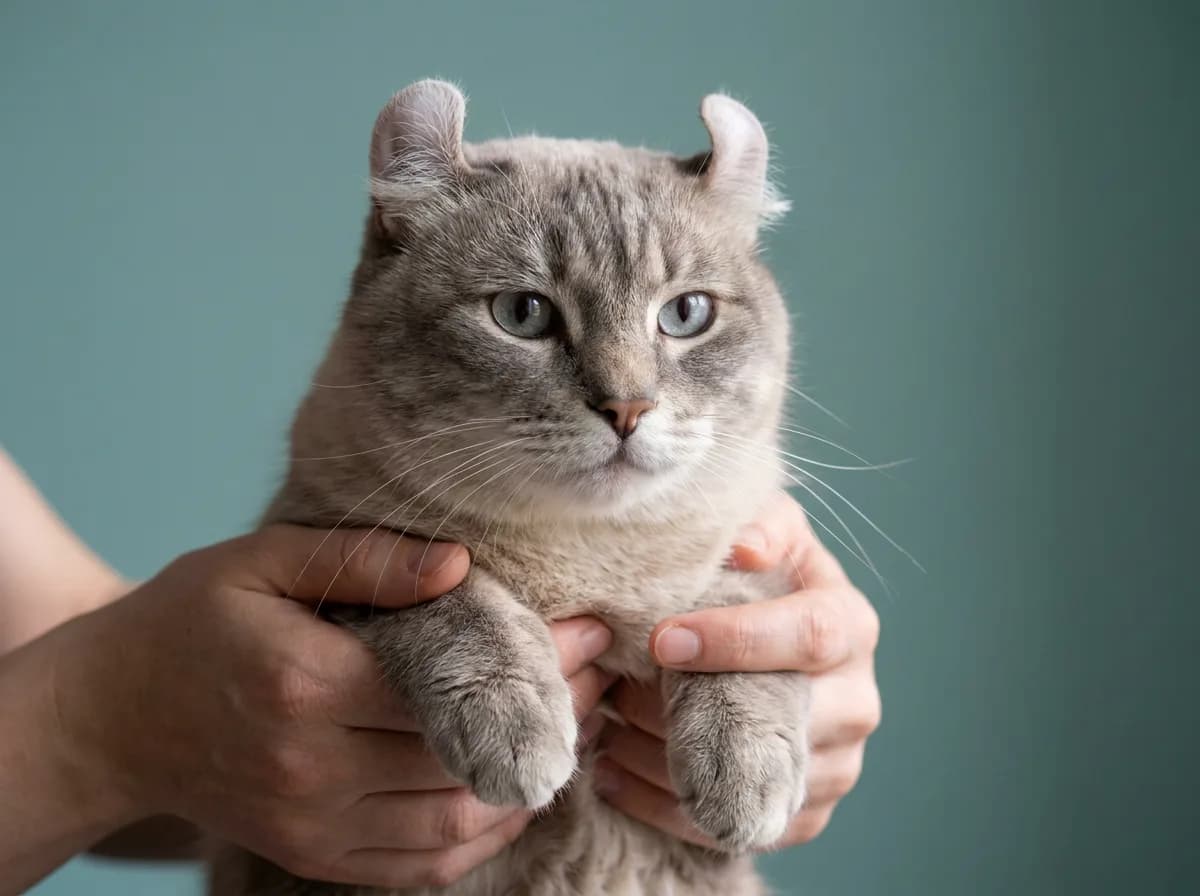
There is another naming trap: a Highland Fold is a different cat, associated with the longhaired Scottish Fold. A Highlander has a loose backward ear curl, rather than the forward-folded appearance that gives the Scottish Fold its name. Search results that mix these cats together can give you the wrong expectations about appearance and care.
A Highlander hybrid or mix label needs clarification: ask which domestic breeding history the seller means and whether the papers use Highlander or Highland Lynx. TICA registration describes registry identity; it does not establish that every pet matches every show-standard characteristic. Check the origin and documents directly rather than treating a misspelled listing name as a separate breed.
Appearance: ears, tail, coat, and paws
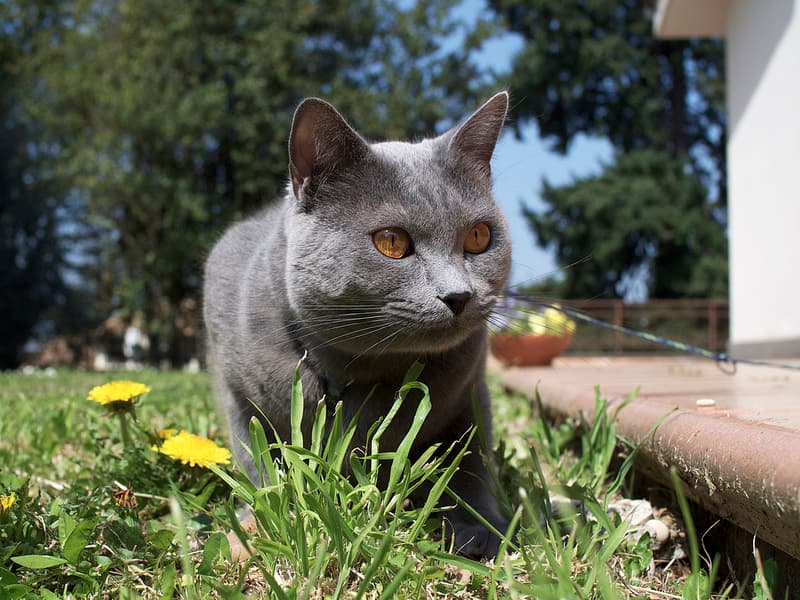
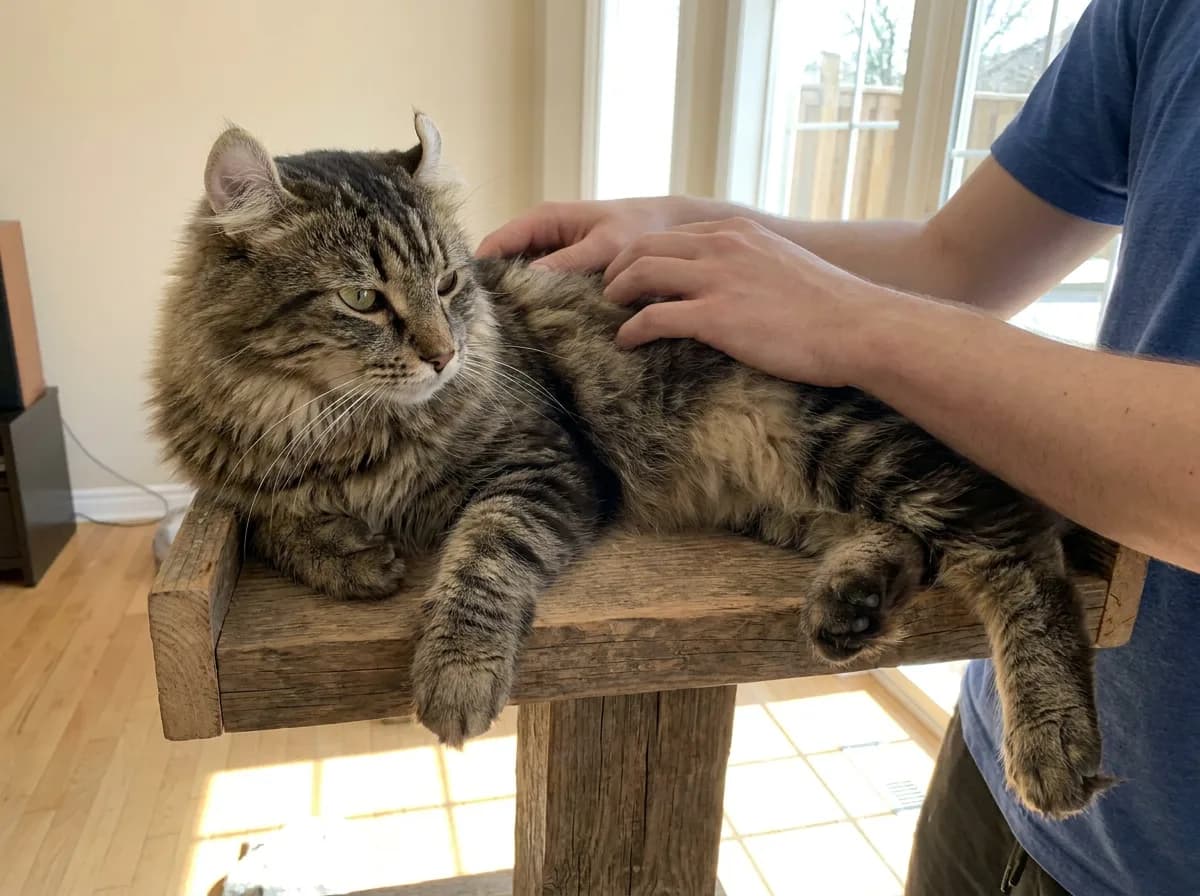
The Highlander's characteristic look combines a broad muzzle, substantial body, and ears with a relaxed backward curl near the tips. The TICA breed standard describes medium-to-large muscular cats, with males proportionally larger than females. The standard is a description used for breed assessment, not a diagnosis or a guarantee that every pet will look identical.
Short hair and long hair both occur. Coat length changes how much bulk you see: a longhaired Highlander can look larger than a similarly built shorthair. Handle and measure the cat gently when choosing equipment instead of estimating dimensions from a fluffy silhouette.
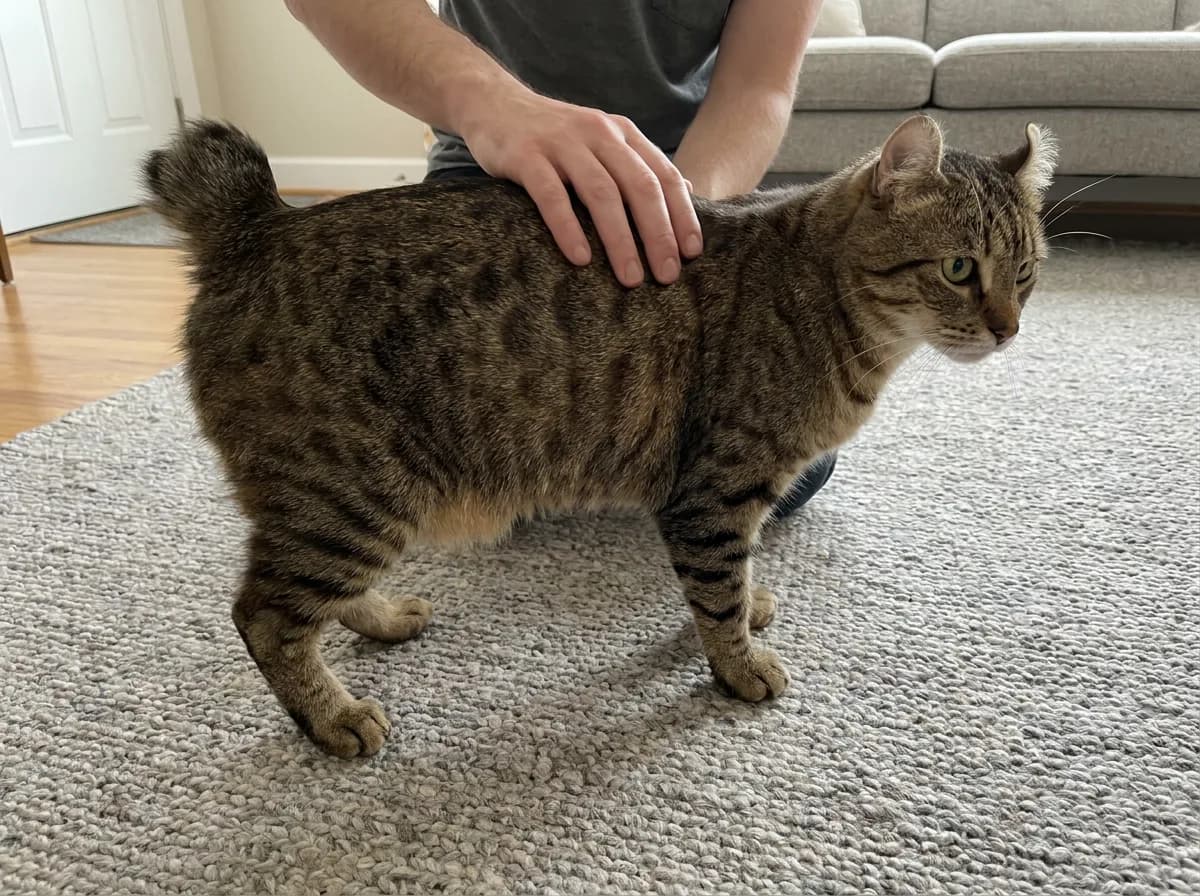
Some pet cats have straight ears, a long tail, or extra toes. Those traits affect show-standard questions differently from everyday suitability as a companion. If a seller advertises a polydactyl Highlander, ask a veterinarian to show you how to inspect every claw, including any tucked between toes. Extra toes are a care consideration, not proof that a cat is more valuable or healthier.

Compare platform dimensions and anchoring requirements with your adult cat before buying.
Petful may earn a commission when you click through to Chewy, at no extra cost to you.
An appropriately sized clipper, such as the Necoichi Purrcision Stainless Steel Cat Nail Clipper, may help with routine trims once you have learned the technique. Clip only the safe tip, stop if the cat becomes distressed, and get professional help with an ingrown, injured, or difficult-to-see nail.
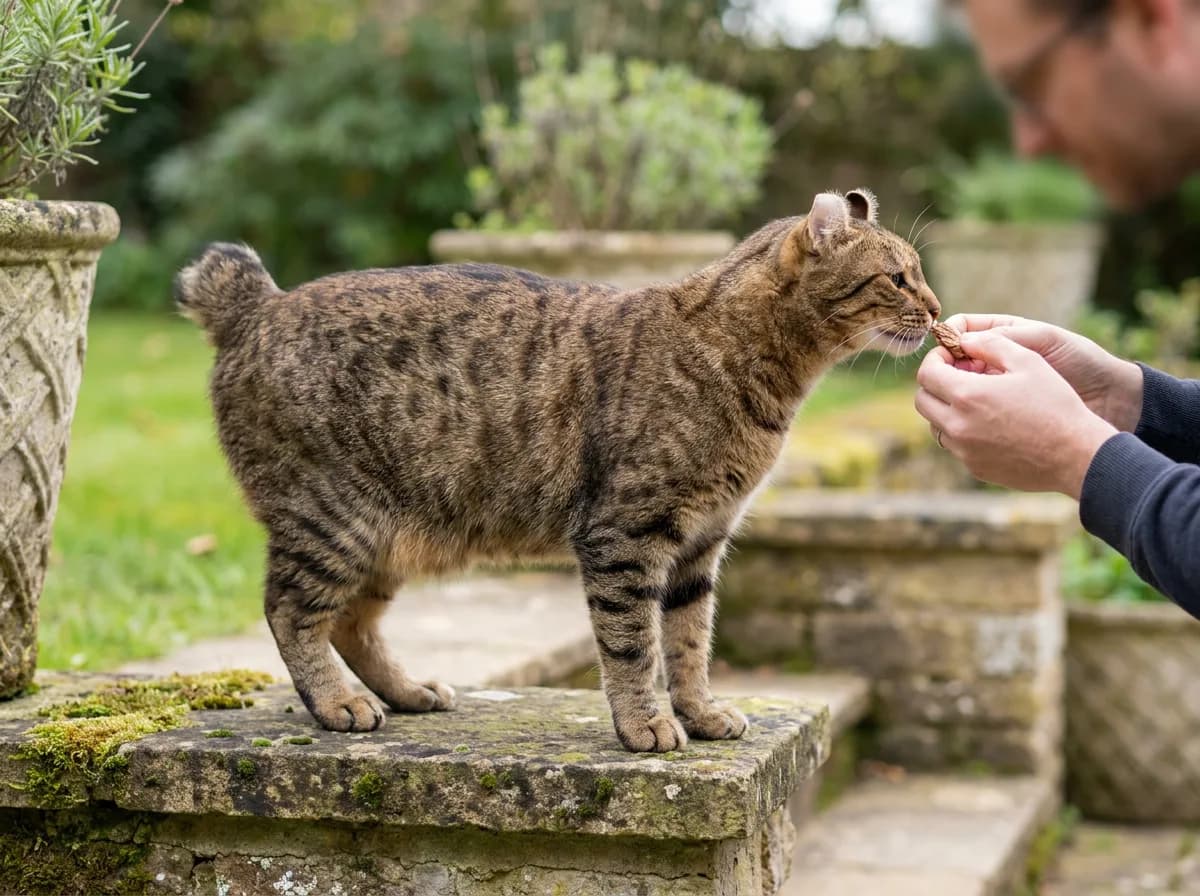
Highlander cat pictures can show ear tufts, coat length, and the paws, but they cannot certify pedigree. A polydactyl cat has extra toes; ask your veterinarian to demonstrate how to inspect and trim all nails. Both shorthair and longhair Highlander descriptions occur, and a long tail or particular ear shape should prompt a registry-specific question rather than a guess about ancestry.
Highlander cat size and adult proportions
A full-grown Highlander is generally a substantial cat. Wisdom Panel's breed profile gives a broad adult weight range of 10–20 pounds. That is a descriptive range, not a target weight for every cat. Sex, frame, family background, and body condition all matter, and excess body fat should not be mistaken for impressive breed size.
- Ask to see the parents and, where possible, adult relatives from earlier litters. A kitten's current weight or a large-looking paw cannot supply a reliable final measurement. Record growth with your veterinary team, especially if appetite, activity, or body condition changes unexpectedly.
- Measure body length and standing height before choosing a carrier.
- Check the usable dimensions of beds, enclosed hideaways, and litter boxes.
- Choose broad, stable platforms that let the adult cat turn and lie down comfortably.
- Check the manufacturer's load limits and anchoring instructions for climbing furniture.
The Yaheetech Multi-Level 63-inch Plush Cat Tree is one option to compare when planning vertical space, but overall height is not the same as usable sleeping space. Check the individual platform and condo dimensions against your cat, position the tree on a level floor, and secure it as instructed. A shorter, stable tree can be a better choice than a tall model with cramped shelves.
A Highlander cat can get big enough that ordinary kitten equipment becomes cramped. Think of the adult size and weight estimate as a starting point for measuring platforms, carriers, and sleeping spaces. Your individual cat may fall outside a descriptive range, so use current measurements and veterinary body-condition advice instead of trying to reach a maximum breed weight.

A wand for supervised chase play; put strings and feathers away afterward.
Petful may earn a commission when you click through to Chewy, at no extra cost to you.
Personality, play, and household fit
Highlanders are commonly described as playful and people-oriented. The useful question is whether the particular cat enjoys the kind of household you can offer. Observe how the cat approaches a visitor, recovers after an unfamiliar sound, accepts gentle handling, and chooses to end an interaction. A sociable breed description does not remove the need for gradual introductions.
A supervised Catit Senses Food Tree can present part of the regular food ration, starting at an easy setting. For travel and introductions that require transport, measure a Petsfit 19-inch soft-sided carrier against standing height and turning room rather than assuming every large-looking cat will fit. Compare cat puzzle feeders for other designs and difficulty levels.
Build a routine with several opportunities to stalk, chase, climb, scratch, and rest. Rotate toys rather than leaving every item on the floor. An active cat also needs a quiet refuge where children, visitors, and other animals will leave them alone.
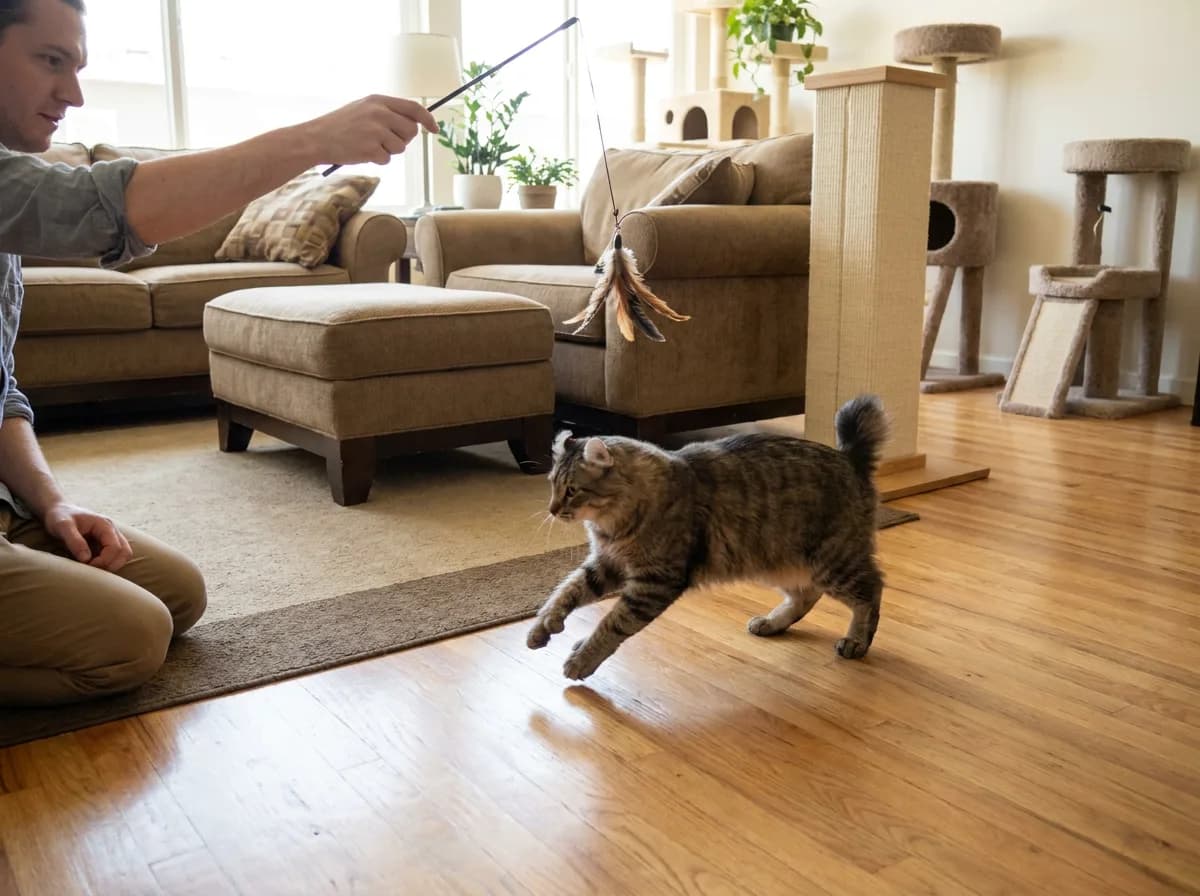
A Frisco Bird with Feathers Teaser Wand lets you move the target away from hands and feet during supervised play. Give the cat opportunities to catch the toy, and put the wand and string away afterward. Inspect feathers and attachments regularly; a damaged toy should not remain available for chewing.
For homes with children, teach gentle touch and respect for a retreating cat. For homes with dogs, use barriers and controlled introductions rather than testing whether the animals will work it out. Prepare separate food, water, litter, and resting resources before adding another pet. A calm first meeting is encouraging, but it is the beginning of a transition, not proof that supervision is unnecessary. For introductions to resident cats, see maintaining harmony in a multi-cat household. For shared-household meal scheduling, compare automatic feeders for multiple cats.
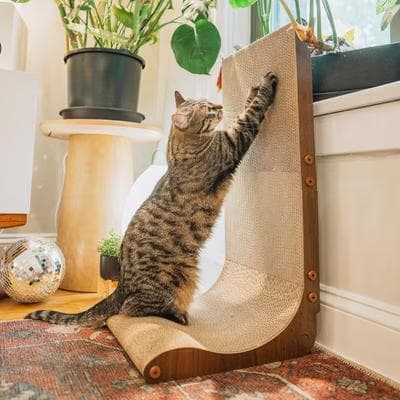
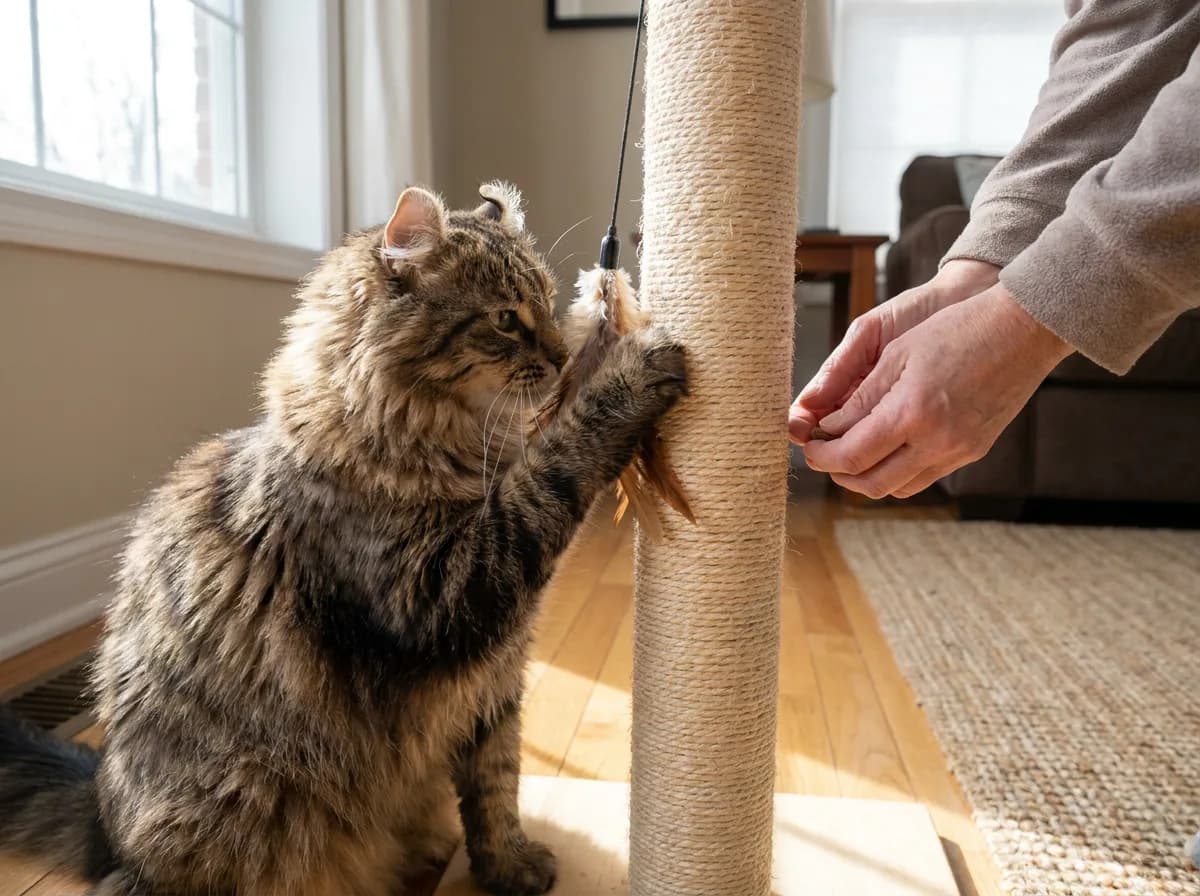
A vertical scratching option; choose a stable size and texture your cat will use.
Petful may earn a commission when you click through to Chewy, at no extra cost to you.
Highlander cat personality and temperament are best understood through observation: how does this cat recover after play, respond to gentle handling, and choose contact with people? Ask a foster caregiver or breeder for specific examples. A sociable breed description cannot tell you that every kitten will welcome a busy home or immediately enjoy another pet.
Highlander cat price and responsible sourcing
Highlander cat prices vary with the seller, location, age, contract, and included veterinary care. There is no reliable single national average established by the sources reviewed for this guide. As a dated example, Love Lynx Cattery's kitten page listed a Highlander/Highland Lynx kitten price of $1,800 when checked in September 2026. That is one seller's quote, not a market-wide benchmark or an endorsement.
Compare the complete offer before deciding that one kitten is cheaper. Request an itemized explanation of vaccinations already given, examination records, identification, registration, spay/neuter terms, transport charges, deposit conditions, and any return provisions. Clarify what a health guarantee actually covers and what documentation it requires.
| Expense | What to confirm before committing |
|---|---|
| Purchase or adoption | Exact fee, deposit terms, contract, and identity records |
| Veterinary care | Existing records, next visit, preventive care, and an emergency reserve |
| Food and litter | Current diet, gradual transition plan, and recurring monthly supplies |
| Equipment | Adult-sized carrier, litter setup, scratching surfaces, and stable resting areas |
| Travel or boarding | Transport arrangements and a suitable caregiver when you are away |
For Highlander adoption or rescue searches, confirm who legally owns the cat and which records will transfer. A rescue cat without pedigree documentation can still be an excellent companion, but a visual guess should stay a guess. Be cautious about pressure to pay immediately, copied photographs, refusal to discuss veterinary history, or a promise that rarity makes a cat risk-free.
If you are deciding where to buy a Highlander cat, compare breeders through documented parentage, veterinary records, and a written contract. A listing for Highland Lynx kittens for sale may use a different registry name. Ask how much the Highlander cat will cost in total, including transport and included services; rescue or adoption availability and fees also vary by organization.
Daily care for an active Highlander
Start with a complete diet appropriate for the cat's life stage and a feeding amount adjusted with your veterinarian. Keep fresh water available and measure food rather than repeatedly topping up the bowl without knowing the total. A breed's muscular appearance does not justify feeding for maximum weight. Track the individual cat's condition and appetite instead. If you want timed meal equipment, compare automatic cat feeders. For individual food access, compare microchip pet feeders.
A litter option such as Dr. Elsey’s unscented litter should be introduced with attention to the cat’s existing preference. For coat handling, compare Mr. Peanut’s grooming gloves with the actual coat and the cat’s comfort, stopping if contact is unwelcome.
Brush often enough to prevent tangles, paying attention to coat length, friction areas, and the cat's tolerance. Longhaired cats may need more frequent sessions than shorthairs. Keep sessions short and comfortable, and ask a groomer or veterinary professional for help with tight mats rather than cutting close to skin with scissors.
- Inspect ears without bending or manipulating the curled tips.
- Ask your veterinarian about any odor, discharge, persistent scratching, or soreness.
- Introduce toothbrushing gradually using a cat-appropriate product and technique.
- Scoop litter regularly and keep the route to every resource accessible.
Scratching is normal behavior. Provide surfaces that remain steady when the cat leans or stretches against them. The Necoichi Premium Comfort Cat Scratcher Wall is a vertical option to compare with horizontal scratchers. Position a suitable surface near a favored resting area and reward its use; the best orientation and texture depend on the individual cat.
Use an identity and care checklist when the cat comes home: registration and health records, a veterinary appointment, an agreed diet, measured equipment, safe play, and a quiet retreat. Keeping those essentials together is more useful than purchasing every accessory before you know the cat's preferences. Add the clinic's contact details and the dates of the next care decisions so another caregiver can follow the same routine. This checklist connects the seller's documents to the real daily care the cat will receive. Include questions about common cat parasites and prevention in your veterinary care planning. The comparison of flea treatments for cats can help you prepare product questions for your veterinarian.
No Highlander cat should be promised as hypoallergenic solely because of its coat type. If allergies matter in your household, discuss the issue with your own clinician and consider individual exposure carefully before committing. For a longer-coated alternative with a different history, our Ragdoll cat guide helps compare care and personality questions without assuming either breed is allergy-proof.
Lifespan and health questions to discuss
Highlander cat health issues and health problems deserve an individual assessment, including any allergy-related concern in the household. No Highlander is guaranteed hypoallergenic. Ask your veterinarian about the cat’s medical history and your own clinician about human allergies. Keeping those questions separate helps avoid treating a breed name, a curled ear, or a coat length as a medical answer.
No registry document can promise a particular cat's lifespan. Breed estimates are broad planning guides, and individual history matters more than an attractive headline number. Ask what veterinary examinations and screening the parents and kitten have actually received, then let your veterinarian identify the appropriate preventive care for the cat in front of them. For parasite-risk questions, read about whether indoor cats can get fleas and worms.
Do not interpret a seller's statement that there are no known breed problems as proof of zero risk. Keep records of weight, appetite, litter-box habits, movement, and behavior so changes are easier to describe. Persistent changes deserve a veterinary assessment; an internet breed profile cannot determine their cause.
Frequently asked questions
Highlander cats are relatively rare and uncommon compared with widely available companion breeds, but rarity claims in an advertisement do not establish quality. Verify the individual cat's registration and health records and ask how the seller supports the claimed ancestry. A limited local choice can justify waiting or broadening an adoption search; it does not justify rushing a deposit.
Highlander cats can be good pets for someone who enjoys interactive play and can provide space to climb and retreat. The individual cat's behavior and history matter more than a universal breed rating. Ask about experiences with children, dogs, handling, and time alone, then plan gradual introductions suited to the actual household.
Wisdom Panel lists 10–15 years as a breed lifespan range, but that is not a measured prediction for every individual Highlander. Treat it as a broad planning estimate when considering long-term care and costs. Your cat's veterinary history, current health, environment, and changing needs are more useful for care decisions than assuming a particular birthday is guaranteed.
Highlander cats can have health issues and other problems like other domestic cats. Ask your veterinarian to assess the individual cat and explain any appropriate screening or follow-up, particularly if a seller reports an inherited condition in the family. Keep examination and test records rather than relying on a general healthy-breed claim, and raise persistent ear, mobility, appetite, or litter-box changes promptly.
Highlander cats come in many colors and patterns, including solid and tabby coats, with both shorthaired and longhaired forms. Black, white, or patterned appearance alone cannot confirm ancestry. If showing matters to you, check the current registry standard and the individual cat's registration rather than treating every advertisement's color name as evidence of eligibility.

Coreen Saito is a pet writer and longtime shelter volunteer with more than a decade in animal rescue. She covers cat behavior, breed care, and the small, ordinary science of sharing a life with companion animals, with a particular focus on honest takes about the products and decisions that actually matter. At home in Arizona, she's outranked by Mac (a dog with the loudest opinion in the house), Rebel (a cat who governs by quiet authority), and Meri (an orange tabby who runs the late shift and the laundry basket). She writes about all three, plus the rescues that keep coming through her life, at LifeWithMinty.com.
Sign up for expert-backed reviews and safety alerts all in one place.