Havana Brown Cat Price: What to Expect in 2026
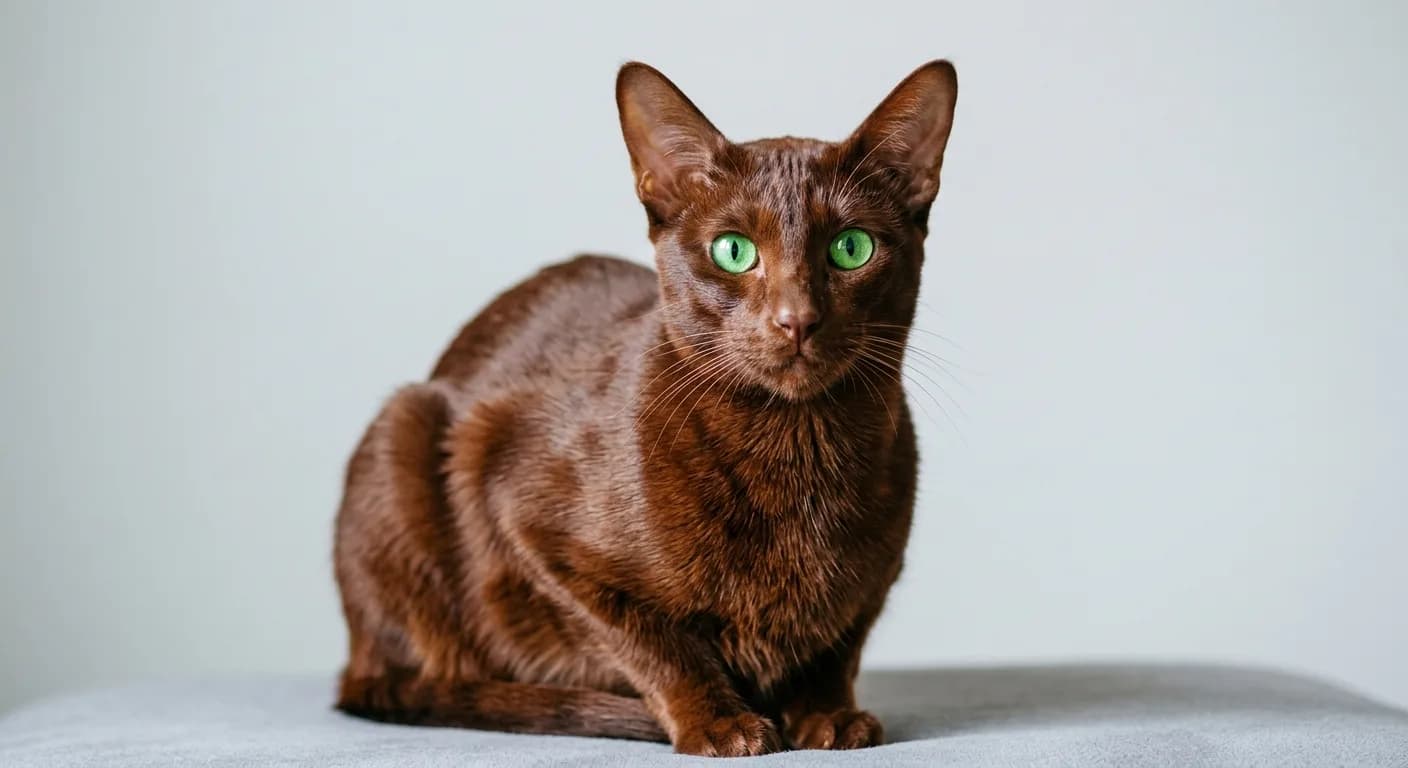
The Havana Brown cat price typically runs $600 to $1,500 for a pet-quality kitten from a registered breeder, or $1,500 to $2,500+ for show quality. Adoption fees are just $75 to $200, though finding one available is rare.
Petful is reader supported. As an affiliate of platforms like Amazon and Chewy, we may earn a commission when you buy through links on this page. There is no extra cost to you.
The havana brown cat price typically falls between $600 and $1,500 for a pet-quality kitten from a reputable breeder, with show or breeding-quality cats running $1,500 to $2,500 or more. If you are hoping to adopt one from a rescue, expect to pay $75 to $200 in adoption fees, though finding one available is genuinely rare.
Havana Browns are one of the rarest cat breeds in the world. The Cat Fanciers' Association (CFA) and The International Cat Association (TICA) both recognize the breed, yet registered litters remain extremely limited each year. That scarcity drives the price well above average for a domestic purebred, and it means buyers often wait months or longer for a kitten from a vetted breeder.
- 1Pet-quality kittens from breeders cost $600-1,500 on average
- 2Show or breeding quality rises to $1,500-2,500+
- 3Adoption fees run $75-200 but availability is extremely limited
- 4One-time setup costs add roughly $500-900 on top of the purchase price
- 5Annual ownership costs average $500-1,000 per year for a healthy cat

Sign up for expert-backed reviews and safety alerts all in one place.
Havana Brown Price Tiers at a Glance
| Source | Typical Price Range | What You Get |
|---|---|---|
| Animal shelter or rescue | $75 - $200 | Spay/neuter and basic vaccines usually included |
| Pet-quality breeder kitten | $600 - $1,500 | CFA or TICA registration, health guarantee, vaccines, worming |
| Show-quality breeder kitten | $1,500 - $2,500+ | Exceptional conformation, show rights, breeding contract negotiable |
Prices also shift by geography. Breeders on the East and West Coasts of the United States typically charge at the higher end of the range, while breeders in the Midwest or Canada may come in slightly lower. Shipping a kitten by air (when a breeder offers it) adds $200 to $400 to the final cost, so factor that in if the nearest breeder is far away.

Compare coverage choices for your pet, then request a quote directly on Lemonade.
- Check a price for your pet
- Review available coverage choices
- See the terms before you decide
Eligibility, waiting periods, limits and exclusions apply.
Petful may earn a commission when you click through to Lemonade, at no extra cost to you.
- A kitten sold with CFA or TICA registration papers is not just a receipt. Registration confirms the breeder is accountable to a governing body and that your cat's lineage is verifiable. Always ask for papers before putting down a deposit.
Why Are Havana Brown Cats So Expensive?
The Havana Brown is genuinely one of the rarest pedigreed cats in existence. Estimates suggest fewer than 1,000 Havana Browns exist worldwide at any given time, with only a handful of active breeding programs registered with the CFA. Compare that to breeds like the Maine Coon or Ragdoll, where dozens of breeders operate in every major region, and the price difference makes sense.
Several factors stack on top of rarity:
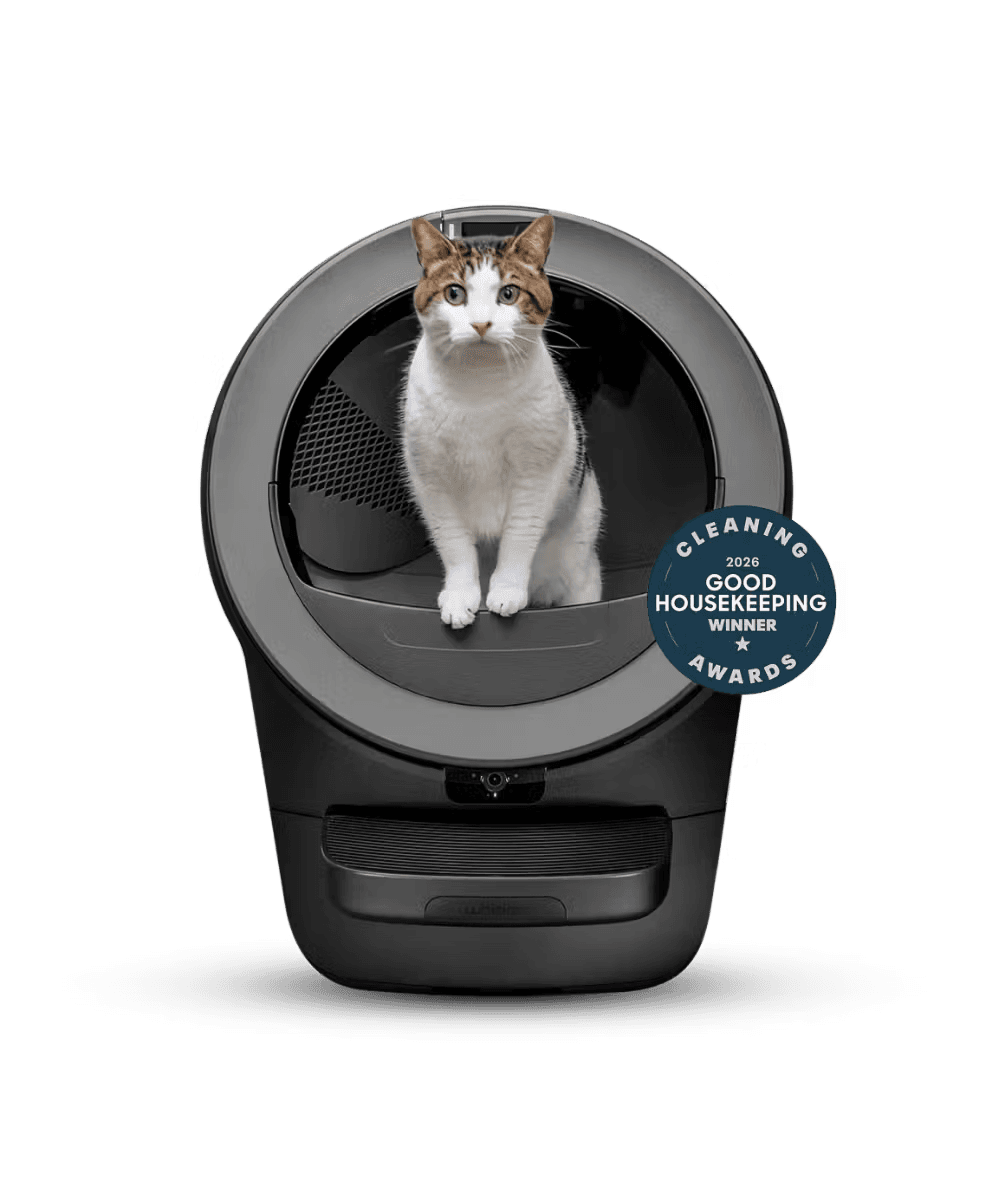
Never Scoop Again® with the Whisker Litter-Robot, the smart self-cleaning automatic litter box. Monitor visits and track weights for better overall care in the Whisker® app. Multi-cat friendly.
Petful may earn a commission when you click through to Whisker, at no extra cost to you.
Closed gene pool and genetic management. For decades, the Havana Brown's gene pool was strictly closed to outcrossing. In 1998, the CFA approved a limited outcrossing program to prevent inbreeding depression. Managing a small, genetically diverse population requires careful selection and increases breeding overhead.
Low litter frequency. Because the number of registered breeding pairs is so small, litters are infrequent. Waitlists at reputable breeders of 6 to 18 months are common.
CFA and TICA registration fees. Breeders pay registration and litter recording fees, plus show entry costs to demonstrate their cats meet the breed standard, all of which fold into kitten prices.
Health screening. Responsible breeders screen for cardiac disease and other heritable conditions before breeding. Genetic testing, veterinary pre-breed exams, and the cost of raising a litter (premium food, socialization, early vet care) add hundreds of dollars per kitten.
Regional scarcity. If there is no breeder within driving distance, shipping is the only option, which adds cost and complexity.
- A Havana Brown priced at $200 to $400 with no registration papers is almost certainly a mixed-breed lookalike or a cat from a backyard breeder who is not health-testing their stock. The mahogany coat and green eye combination can resemble a Burmese or domestic shorthair cross. Always verify CFA or TICA registration.
Adoption vs. Buying From a Breeder
Adoption is the most affordable route, but you should go in with realistic expectations. Havana Browns are seldom surrendered to shelters because their owners tend to be knowledgeable enthusiasts. When one does appear on Petfinder or at a breed-specific rescue, adoption fees run $75 to $200, and the cat is usually already spayed or neutered and up to date on vaccines, saving you $200 to $400 in immediate vet costs.
For a Havana Brown kitten from a breeder, you are paying for documented lineage, predictable temperament, and a health guarantee. Most reputable breeders require a non-refundable deposit of $200 to $500 to hold a spot on their waitlist. That deposit typically applies toward the final purchase price.
Questions to ask every breeder before committing:
- Can I see CFA or TICA registration for both parents?
- What health tests have been done (cardiac echo, genetic panel)?
- What is included in the health guarantee and for how long?
- Have the kittens been socialized with people and other pets?
- Will you take the cat back if I can no longer keep it?
A reputable breeder will answer all of these without hesitation. One who deflects or gets defensive is a red flag.

63-inch multi-level cat tree with scratch posts, hammock, plush perches, and dangling toys. Vertical territory is non-negotiable for high-energy climbing breeds like the Bengal.
Petful may earn a commission when you click through to Chewy, at no extra cost to you.
One-Time Setup Costs
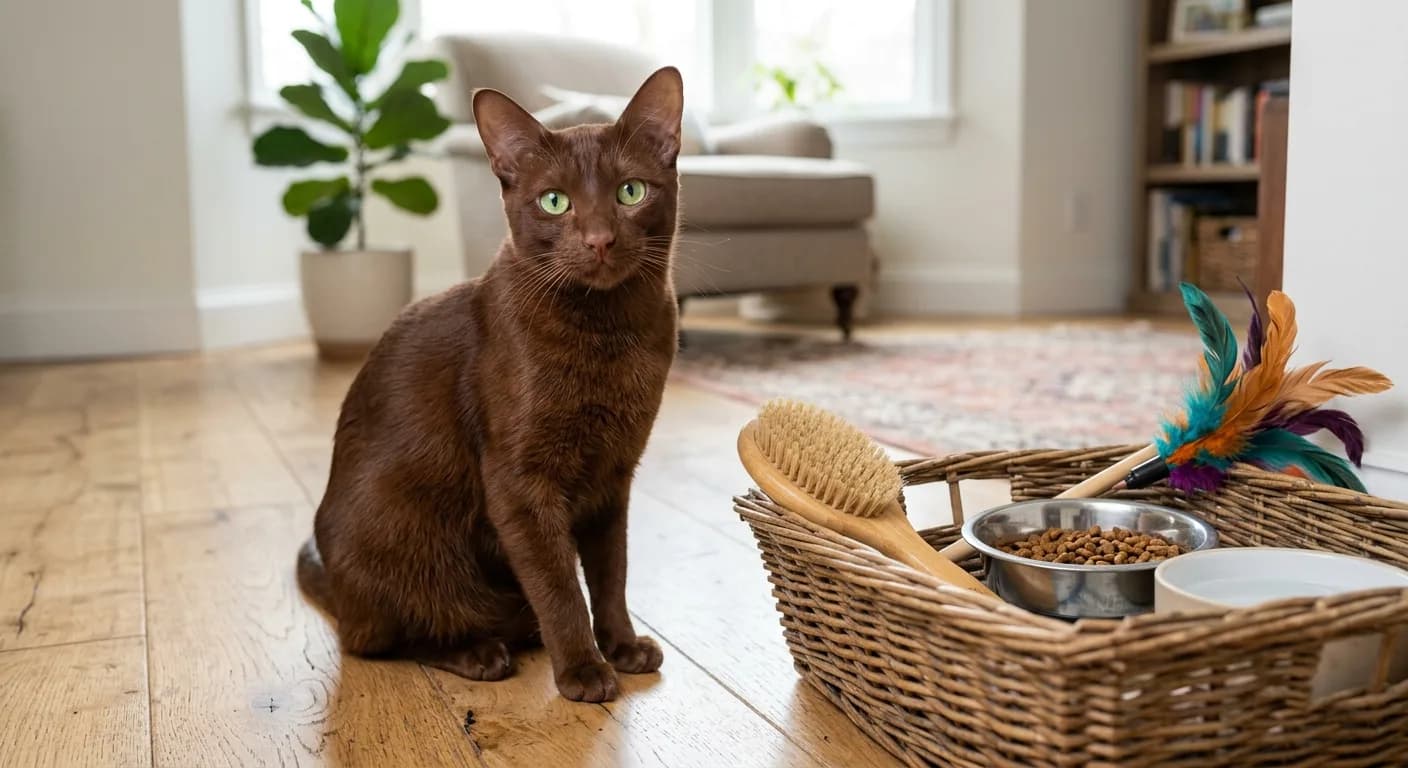
Whether you adopt or buy from a breeder, the first year comes with startup expenses beyond the cat itself. Here is a realistic breakdown:
| Item | Estimated Cost | Notes |
|---|---|---|
| Spay or neuter surgery | $200 - $400 | Often included with adoption; breeders may require it by 6 months |
| Initial veterinary exam and vaccines | $100 - $200 | Core vaccines, feline leukemia, microchip |
| Litter box and litter starter supply | $30 - $80 | Covered or uncovered; stainless options cost more |
| Food and water bowls | $15 - $40 | Stainless or ceramic recommended |
| Carrier | $40 - $80 | Hard-sided preferred for vet trips and travel |
| Scratching post and cat tree | $50 - $150 | Havanas are active climbers; invest in something sturdy |
| Toys and enrichment | $30 - $60 | Puzzle feeders, wand toys; this breed is highly intelligent |
| Collar, ID tag, and microchip registration | $20 - $40 | If not already microchipped through the rescue or breeder |
Total estimated one-time setup: $485 to $1,050 on top of the purchase or adoption price.
- If you are buying a pet-quality kitten whose breeder has not already had it altered, budget $200 to $400 for the procedure immediately. Waiting and hoping to breed without the breeder's written approval violates most purchase contracts and voids health guarantees.
Annual Ongoing Ownership Costs
After the first year, a healthy Havana Brown is not dramatically expensive to maintain, but costs add up:
| Expense | Low Estimate | High Estimate | Notes |
|---|---|---|---|
| Premium cat food | $200 | $400 | 8-10 lbs; wet/dry combination typical |
| Litter (clumping) | $80 | $150 | About 35 lbs per month |
| Annual wellness exam | $75 | $150 | More if bloodwork or dental cleaning added |
| Vaccinations (booster years) | $30 | $80 | Rabies and FVRCP on rotating schedules |
| Flea, tick, and parasite prevention | $60 | $120 | Year-round in most climates |
| Dental care and grooming | $0 | $150 | Short coat needs minimal grooming; dental cleanings under anesthesia vary |
| Toys, replacement supplies | $40 | $80 | Annual refresh |
| Pet insurance | $150 | $360 | $15-30/month; strongly recommended for a rare breed |
Total annual range: roughly $635 to $1,490 per year. Most owners of a healthy, insured Havana Brown report spending $600 to $1,000 annually during healthy middle years.

108-oz stainless steel pet fountain with quiet pump and water-level window. Bengals are notoriously water-obsessed; a flowing fountain encourages hydration and pulls them away from sinks and toilets.
Petful may earn a commission when you click through to Chewy, at no extra cost to you.
Do Havana Browns Have Expensive Health Problems?
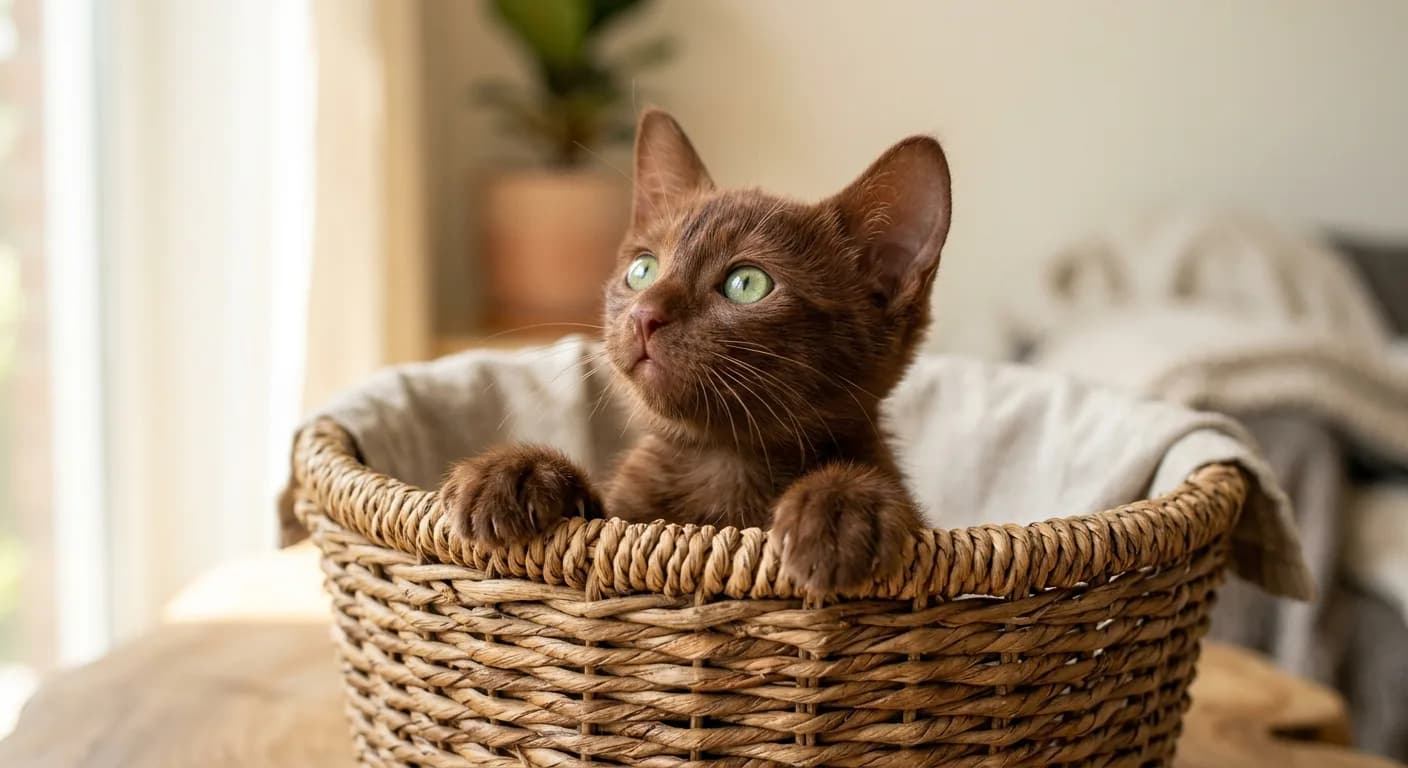
The Havana Brown is generally a healthy breed with a lifespan of 12 to 15 years. The known health concerns are manageable but worth knowing before you commit:
Upper respiratory infections. The breed has a longer muzzle than many shorthairs, which gives it a slightly different nasal passage structure. Like most cats, they can be prone to URI, especially as kittens. Treatment typically runs $100 to $300 per episode.
Cardiac disease. Hypertrophic cardiomyopathy (HCM) is the most common heart disease in cats and can appear in Havana Browns. Responsible breeders screen breeding cats with annual echocardiograms. If your cat develops HCM, ongoing monitoring can cost $300 to $600 per year for echo exams.
Hemophilia B. A small number of lines carry a clotting factor deficiency. Ask your breeder specifically whether the parents have been tested.
Urinary tract issues. Like many purebred cats, Havana Browns can be prone to lower urinary tract disease, particularly if fed an exclusively dry-food diet. A quality wet-food regimen and fresh water access are inexpensive preventive measures.
Pet insurance is strongly recommended for this breed precisely because of the HCM risk. A policy covering accidents and illness runs $15 to $30 per month and can save thousands if cardiac monitoring becomes necessary.
- Hypertrophic cardiomyopathy can appear even in cats from health-tested lines. An echocardiogram to diagnose it costs $400 to $700. Annual monitoring echos add $300 to $500 per year. Pet insurance purchased before a diagnosis is the single best financial protection you have.
Is a Havana Brown Worth the Price?
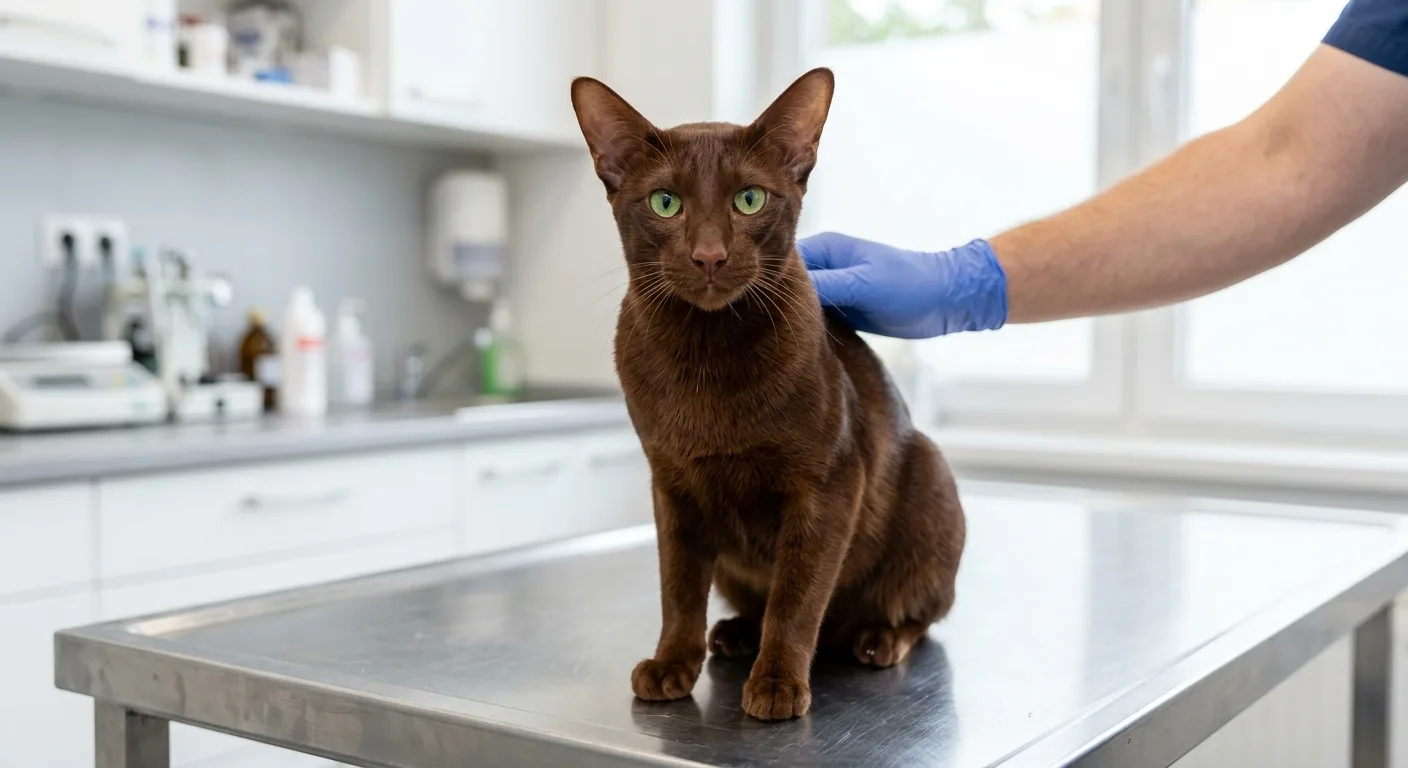
For the right owner, absolutely. The Havana Brown is known for a dog-like attachment to their people: they follow you from room to room, learn to play fetch, and are famously vocal without being as loud as a Siamese. Unlike many cat breeds, they genuinely seek out human interaction and tolerate other pets well.
The price premium reflects scarcity, not a delicate or difficult cat. Day-to-day care is straightforward. The short mahogany coat sheds minimally compared to longhaired breeds and needs only weekly brushing. Enrichment matters more than grooming with this breed: puzzle feeders, wand toys, and vertical space keep them mentally satisfied.
If you are comparing the Havana Brown to a Burmese cat, which shares some ancestry and temperament traits, the Burmese is significantly easier to find and typically costs $400 to $1,200 from a breeder. The Havana Brown's extra cost is almost entirely about rarity. Both are affectionate, people-oriented cats that suit active households.
For a broader look at cat breed options, explore the cat breeds category on Petful to compare costs and care needs side by side.
- Burmese cats typically cost $400 to $1,200 from a breeder and are far more widely available. If the Havana Brown price is out of reach right now, a Burmese offers similar playful and affectionate traits with a shorter waitlist. Read Petful's full Burmese breed guide for a direct comparison.
FAQ: Havana Brown Cat Price
Pet-quality kittens from CFA or TICA registered breeders typically cost $600 to $1,500. Show-quality or breeding-rights kittens can run $1,500 to $2,500 or more. Adoption fees at rescues or shelters are much lower at $75 to $200, but finding a Havana Brown available for adoption is uncommon.
The primary driver is extreme rarity. Fewer than 1,000 Havana Browns are estimated to exist worldwide, and only a small number of breeders are registered with the CFA or TICA. Limited litter frequency, genetic management costs, mandatory health screening, and CFA registration fees all add to the price.
Havana Browns are considered one of the rarest domestic cat breeds in the world. The CFA registers only a few dozen litters per year across the entire United States. Some years, the breed has appeared on endangered breed lists maintained by the CFA due to dangerously low registration numbers.
Expect to spend $600 to $1,500 per year for a healthy adult Havana Brown. This includes premium food ($200 to $400), litter ($80 to $150), annual vet visits ($75 to $150), preventive care, and pet insurance ($150 to $360). If cardiac health monitoring becomes necessary, costs can rise significantly.
Yes. Rescue adoption fees typically run $75 to $200 and almost always include spay or neuter and core vaccinations, saving $200 to $400 in immediate vet costs. The challenge is availability: Havana Browns are rarely surrendered to shelters. Checking Petfinder, Adopt a Pet, and breed-specific Facebook groups regularly gives you the best chance.
For most owners, the upfront purchase price from a breeder ($600 to $1,500) is the largest single cost. Over a cat's lifetime, however, a cardiac health issue such as hypertrophic cardiomyopathy (HCM) can generate ongoing monitoring and treatment costs that dwarf the original purchase price. This is why pet insurance purchased before any diagnosis is essential.
Generally, no. The breed is hardy and lives 12 to 15 years with routine care. The main watchouts are upper respiratory infections (common and inexpensive to treat), hypertrophic cardiomyopathy (less common but costly to monitor if it develops), and a genetic clotting disorder called hemophilia B that appears in some lines. Ask breeders for cardiac echo and genetic test results on both parents before purchasing.
Yes, for the right first-time owner. They are affectionate, trainable, and not demanding in terms of grooming. The learning curve is more about meeting their social and mental stimulation needs than managing difficult care routines. They do not do well left alone for long hours, so they are best suited to households where someone is home most of the day or where a second cat provides company. Learn more about the breed's personality and care needs in Petful's full Havana Brown breed guide.

Coreen Saito is a pet writer and longtime shelter volunteer with more than a decade in animal rescue. She covers cat behavior, breed care, and the small, ordinary science of sharing a life with companion animals, with a particular focus on honest takes about the products and decisions that actually matter. At home in Arizona, she's outranked by Mac (a dog with the loudest opinion in the house), Rebel (a cat who governs by quiet authority), and Meri (an orange tabby who runs the late shift and the laundry basket). She writes about all three, plus the rescues that keep coming through her life, at LifeWithMinty.com.
Sign up for expert-backed reviews and safety alerts all in one place.