What Does Lemonade Pet Insurance Cover? 2026 Guide
What does Lemonade pet insurance cover? The base policy pays for accidents and illnesses, including diagnostics, surgery, hospitalization and medications, while optional add-ons cover wellness, dental, behavioral and end-of-life care.

Petful is reader supported. As an affiliate of platforms like Amazon and Chewy, we may earn a commission when you buy through links on this page. There is no extra cost to you.
*This article is sponsored by Lemonade. All coverage details were verified against lemonade.com at the time of writing.*
So, what does Lemonade pet insurance cover? The base policy covers unexpected accidents and illnesses, including the diagnostics, procedures, and prescribed medications your vet uses to treat them: think blood tests, X-rays, MRIs, surgery, hospitalization, emergency care, and prescription meds. Cancer treatment and hereditary and congenital conditions are covered too, as long as they are not pre-existing. Optional add-ons extend that protection to routine wellness care, vet visit fees, dental illness, behavioral conditions, physical therapy, and end-of-life care.
- This article was created in partnership with Lemonade. Petful may earn a commission if you purchase through links on this page, at no extra cost to you. Coverage, pricing, limits, and availability vary by state and policy.
That is the short answer, and it is a genuinely strong one. But "accidents and illnesses" is doing a lot of work in that sentence, and the difference between a smooth reimbursement and a frustrating denial usually comes down to details most shoppers never read: which expenses live in the base policy, which ones need a named add-on, and which ones no pet insurance policy will touch. This guide walks through all of it, bucket by bucket, with the exclusions handled head-on rather than buried in fine print.
Lemonade's base policy covers unexpected accidents and illnesses, including diagnostics, procedures, hospitalization, surgery, and prescribed medications, plus hereditary, congenital, and cancer care when the condition is not pre-existing. Optional add-ons cover wellness and preventative care, vet visit fees, dental illness, behavioral conditions, physical therapy, and end-of-life care. Pre-existing conditions, elective and cosmetic items, and anything that appears during a waiting period are never covered.

Sign up for expert-backed reviews and safety alerts all in one place.
What Does Lemonade Pet Insurance Cover?
Lemonade sells one core product for dogs and cats: an accident-and-illness policy. Lemonade describes it as an open-peril policy, which means the default answer is "covered" unless something is specifically called out as excluded. That is the opposite of how many pet parents assume insurance works, and it is the single most useful thing to understand about the whole product. Instead of hunting for your pet's condition on a list of covered diagnoses, you only need to check it against a much shorter list of exclusions, which we cover in full later in this guide.
So what does Basic Lemonade pet insurance cover, exactly? The base accident-and-illness policy pays for the diagnostics, procedures, and medications your vet prescribes for covered conditions. That includes blood tests, X-rays, MRIs, ultrasounds, outpatient and emergency care, hospitalization, surgery, injections, and prescription medications, all subject to your deductible, co-insurance percentage, and annual limit. Hereditary and congenital conditions are included in that base coverage, which is not true of every carrier, and there is no separate charge to get them.
Here is how those three base-policy categories break down in practice, per Lemonade's coverage explainer:
- Diagnostics: blood tests, urinalysis, X-rays, MRIs, CT scans, ultrasounds, and lab work your vet orders to figure out what is wrong
- Procedures: outpatient care, specialty and emergency care, hospitalization, and surgery
- Medication: injections and prescription medications used to treat an eligible accident or illness

Pet insurance
Review eligible accident and illness coverage, then compare the optional extras you need.
- Compare deductible and reimbursement choices
- Review the annual coverage limit
- Check your pet’s price directly on Lemonade
Eligibility, waiting periods, limits and exclusions apply.
Petful may earn a commission when you click through to Lemonade, at no extra cost to you.
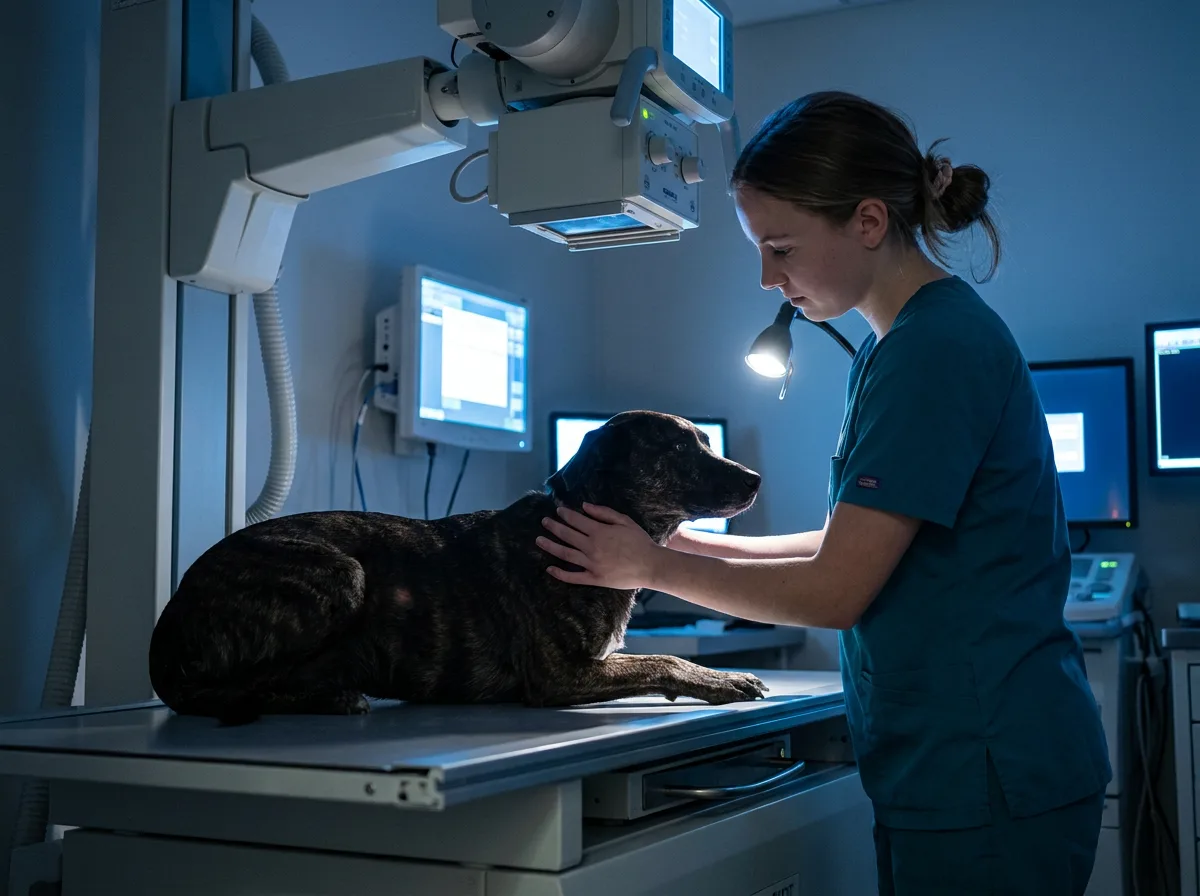
That structure covers a remarkable range of real vet bills. A swallowed sock that needs emergency surgery is covered. A broken leg from a bad jump off the couch is covered. Vomiting and diarrhea workups, ear infections, urinary blockages, allergic reactions, toxic food ingestion, and the diagnostics that go with all of them are covered. The policy is built for exactly the moments that turn a routine week into a four-figure vet bill.
The three-bucket test: base policy, add-on, or never covered
The fastest way to answer any "does Lemonade cover X" question is to sort the expense into one of three buckets: covered by the base policy, covered only with an add-on, or never covered. Every coverage question in this article resolves into one of those three buckets, and the table below maps the scenarios pet parents ask about most.
| Vet expense | Covered by the base policy | Covered only with an add-on | Never covered |
|---|---|---|---|
| Cancer diagnostics and chemotherapy | Yes, when not pre-existing | ||
| Emergency surgery (swallowed object, broken bone) | Yes | ||
| Prescription medications and injections | Yes | ||
| Hospitalization and overnight stays | Yes | ||
| Hereditary and congenital conditions | Yes, when not pre-existing | ||
| Dental accidents (fractured tooth) | Yes | ||
| Dental illness (periodontal disease) | Dental Illness or Dental Care add-on | ||
| Routine dental cleaning | Preventative+ package (up to $150) or Dental Care add-on | ||
| Annual wellness exams, vaccines, routine bloodwork | Preventative care package | ||
| Vet visit and exam fees | Visit Fee add-on | ||
| Physical therapy, acupuncture, hydrotherapy | Physical Therapy add-on | ||
| Behavioral therapy and medications | Behavioral Conditions add-on | ||
| Euthanasia, cremation, remembrance items | End of Life & Remembrance add-on | ||
| Pre-existing conditions | Never covered | ||
| Conditions that appear during a waiting period | Never covered | ||
| Elective and cosmetic procedures | Never covered |
A quick note on how to read that table: "never covered" is not Lemonade being stingy. No pet insurance company covers pre-existing conditions, and waiting-period rules exist industry-wide. What separates carriers is how much lands in the first column, and Lemonade's base column is genuinely broad, including several categories (hereditary conditions, dental accidents, behavioral-adjacent medication for covered illnesses) that other insurers carve out or upcharge for.
Does Lemonade pet insurance cover cancer?
Yes. Cancer is one of the most expensive diagnoses a pet can receive, and it is covered under the base policy when the cancer is not pre-existing. If your dog or cat is diagnosed while insured, Lemonade covers treatments like chemotherapy and immunotherapy, though not experimental treatments. The diagnostic road to that diagnosis is covered as well: if you find a suspicious lump, the policy helps pay for cytology, needle aspiration, or biopsy for eligible conditions.
The timing caveat matters enormously here. If you notice a lump, a bump, or any abnormality before you sign up, or during the 14-day illness waiting period, related cancer treatment will be classified as pre-existing and will not be covered. With cancer more than any other condition, the value of a policy comes from buying it while your pet is healthy.
Does Lemonade pet insurance cover surgery?
Surgery for covered accidents and illnesses is a base-policy item, including emergency surgery, specialty procedures, and the hospitalization that often follows. Lemonade specifically confirms that emergency surgery for swallowed foreign objects is covered, which any Labrador owner will tell you is not a hypothetical. The related costs surrounding surgery are covered too: vet-recommended hospitalization, IV fluids, medications, and additional testing tied to the eligible condition.
One honest boundary worth knowing: if a pet repeatedly gets into the same kind of trouble, such as swallowing similar objects multiple times, later incidents may be considered preventable and may not be covered. A one-time emergency is exactly what the policy is built for. A pattern the owner could have stopped is a different story, and Lemonade says so upfront.
Does Lemonade pet insurance cover medication?
Prescription medications and injections for covered conditions are part of the base policy. That includes some categories pet parents specifically worry about:
- Allergy medications like Apoquel pills and Cytopoint injections, covered as long as the allergy is not pre-existing
- Arthritis medications, including injectables like Adequan, when arthritis develops after coverage begins
- Antibiotics and painkillers prescribed after an accident or illness
- Joint supplements recommended by your vet, as long as they are not herbal products like CBD
- Flea, tick, and heartworm treatment for an active infestation, covered as an illness when your vet recommends treatment
Prevention is the flip side: flea, tick, and heartworm preventives belong to the wellness world, which means they are covered through certain preventative care packages rather than the base policy. Helpfully, if your preventative package includes parasite prevention, Lemonade reimburses those purchases even when you buy them from an outside pharmacy like Chewy or Costco. You just submit the receipt with your claim.
How does Lemonade pet insurance work day to day?
If you are wondering how Lemonade pet insurance works in practice, the model is simple reimbursement. You take your pet to any licensed vet in the United States, pay the bill, and submit the invoice through the Lemonade app. Lemonade's claims team reviews the claim against your policy, then reimburses your bank account by direct deposit for the eligible amount after your deductible and co-insurance are applied. About half of eligible claims are handled instantly by Lemonade's AI, and the rest typically process within days.
There are no networks, no pre-approvals for standard care, and no coordination required between Lemonade and your vet's front desk. That reimbursement structure is also why the coverage details in this guide matter so much: what you get back is defined entirely by what your policy covers, so knowing your buckets before an emergency is the whole game. For a broader look at whether that model fits your household budget, our guide to what an emergency vet visit really costs puts the numbers in context.
Pet insurance
Review eligible accident and illness coverage, then compare the optional extras you need.
- Use your pet’s age, breed and location
- Review the policy choices and total price
- Choose only the optional extras you want
Eligibility, waiting periods, limits and exclusions apply.
Petful may earn a commission when you click through to Lemonade, at no extra cost to you.
Lemonade Add-Ons: Wellness, Vet Visit Fees, Dental Illness, and Behavioral Care
The base policy handles the unexpected. Lemonade's add-ons and preventative care packages handle nearly everything else, and they are the main way you customize a policy to match your actual pet. Lemonade offers five stand-alone add-ons you can mix and match, plus preventative care packages that bundle routine wellness costs. None of them are mandatory, and the right combination depends on your pet's age, breed, and your appetite for out-of-pocket surprises.
This modular design is a feature, not a nickel-and-dime scheme, and it is worth saying why. Routine care is predictable spending, and insurance is fundamentally a tool for unpredictable spending. By keeping wellness, dental, and visit fees optional, Lemonade keeps base premiums low for people who only want catastrophic protection, while letting pet parents who prefer one predictable monthly number fold their routine costs in. Premiums start low, at $10 per month, and each add-on raises the price by a known amount you see before you buy.
Preventative care packages: wellness exams, vaccines, and routine tests
Lemonade's preventative care packages cover the healthy-pet expenses you are already paying for out of pocket. Depending on the package and your state, that includes:
- Your pet's annual wellness exam
- Routine vaccines
- Annual blood tests and a fecal test
- A heartworm test for dogs or an FeLV/FIV test for cats
- Vet-approved flea, tick, and heartworm prevention, including combination medicines, on certain packages
- Microchipping, on comprehensive preventative options
- Routine teeth cleaning, up to $150, on the Preventative+ package
- Spay or neuter procedures plus related fees like IV fluids and anesthesia, through puppy and kitten preventative coverage where available
Two structural details make preventative coverage more useful than it first appears. First, preventative packages have no waiting periods, so the coverage starts working immediately. Second, they carry their own separate limits, so a year of wellness claims never eats into the annual limit protecting you against a true emergency. Exact package contents vary by state, and you can see your specific preventative limits in the Lemonade app.
The Visit Fee add-on
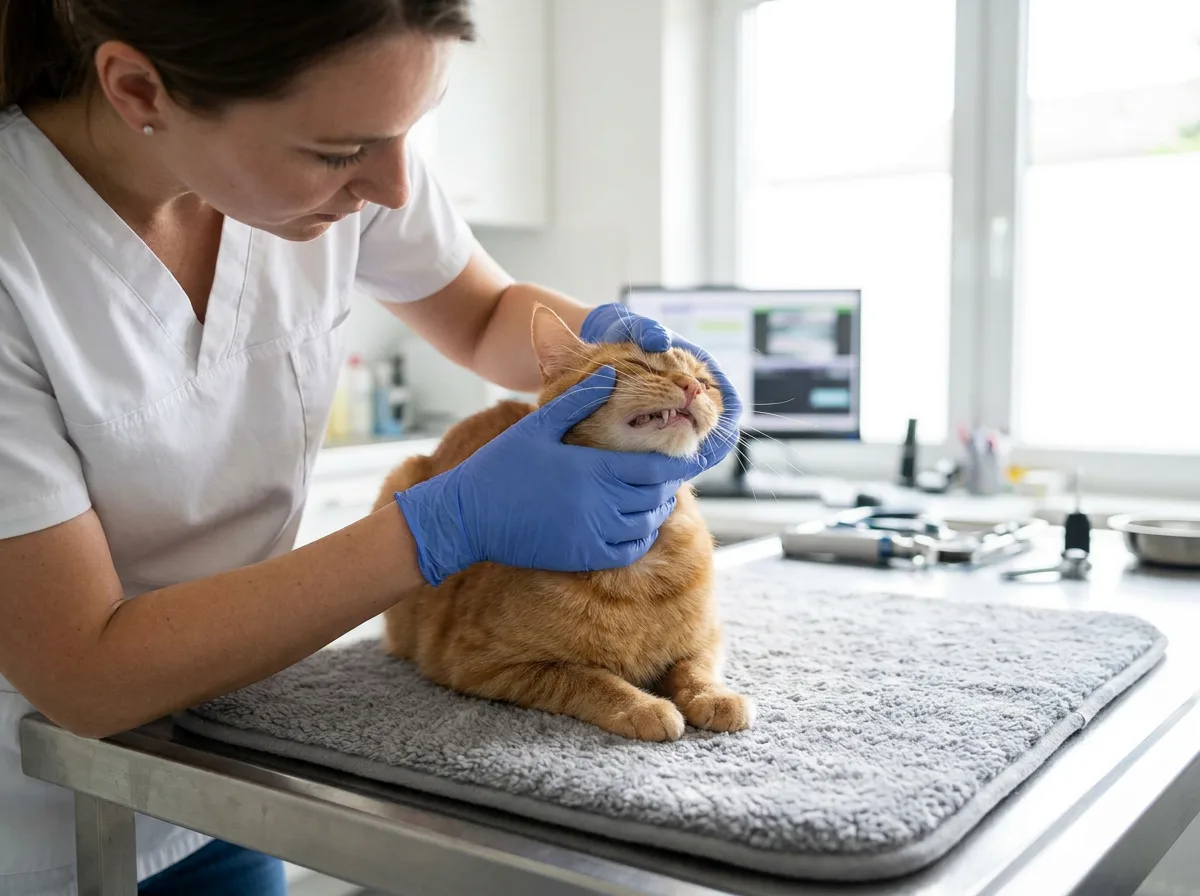
Here is a gap that surprises almost everyone: a base pet insurance policy covers the treatment your vet performs, but not the exam fee the vet charges for their time. If your cat breaks a leg chasing a fly, the base policy helps cover the X-ray, the cast, and the pain medication, but the examination fee that starts the visit is yours unless you carry the Visit Fee add-on.
The add-on covers vet exam fees when the visit is for treating a covered accident or illness, and it also picks up follow-up exam fees after things like hospitalization. It does not cover routine wellness visits or annual check-ups; those belong to the preventative packages. With exam fees at many clinics now running well north of what they were a few years ago, this is one of the most practical add-ons for pets that see the vet more than once a year.
Does Lemonade pet insurance cover dental?
Dental is the most nuanced coverage area, so it deserves a precise answer. Lemonade splits dental into three tiers:
Pet insurance
Review eligible accident and illness coverage, then compare the optional extras you need.
- Compare benefits as well as the monthly price
- Review waiting periods and exclusions
- Confirm availability directly with Lemonade
Eligibility, waiting periods, limits and exclusions apply.
Petful may earn a commission when you click through to Lemonade, at no extra cost to you.
- Dental accidents, like a fractured tooth from a fall or a too-hard chew, are covered under the base accident-and-illness policy. No add-on needed.
- Dental illness, like periodontal disease, gingivitis-related treatment, and medically necessary extractions, requires the Dental Illness add-on, which covers treatment for new dental diseases up to a separate $1,000 annual limit.
- Routine dental cleaning is covered two ways: through the Preventative+ package, up to $150 per year, or through the Dental Care add-on.
The Dental Care add-on is the most comprehensive option and, depending on your state, it covers both routine cleanings and dental illness, including pre-existing dental conditions, which is nearly unheard of in pet insurance. Like the Dental Illness add-on, it carries a separate $1,000 annual limit, and availability varies by state. If your breed is prone to dental disease (most small dogs, most cats over age three), one of the dental options is arguably the highest-value add-on on the menu.
To sort the tiers quickly: a chipped tooth is base policy, an extraction for gum disease is the Dental Illness or Dental Care add-on, an annual cleaning is Preventative+ or Dental Care, and at-home dental products and orthodontics are not covered under any option.
The Behavioral Conditions add-on
Behavioral conditions are diagnosable issues like separation anxiety, aggression, and compulsive behaviors that go beyond normal pet quirks. Lemonade's Behavioral Conditions add-on covers diagnostics and therapy sessions to treat new behavioral conditions when they are recommended by your vet or performed by licensed behaviorists, along with related medications.
This is a quietly important add-on because behavioral treatment sits in a coverage dead zone at most carriers: it is not an accident, it is not a classic illness, and professional behavior therapy is expensive enough that many owners simply never pursue it. If you are bringing home a rescue with an unknown history, or a breed disposed to anxiety, adding behavioral coverage while your pet is symptom-free keeps the option open. As with everything else, behavioral conditions that showed signs before coverage began count as pre-existing.
The Physical Therapy add-on
The Physical Therapy add-on covers physical therapy, acupuncture, chiropractic care, and hydrotherapy when a veterinarian prescribes them to treat a covered accident or illness. It is the natural companion to orthopedic coverage: the surgery to repair a torn cruciate ligament is a base-policy expense, but the weeks of rehab that give the repair its best outcome flow through this add-on.
Note the boundary that makes this add-on coherent: Lemonade's base policy does not cover alternative medicine as a category, so acupuncture and hydrotherapy are only reimbursable through this add-on, and only with a vet's prescription tied to a covered condition. Freestanding wellness treatments, CBD, and aromatherapy stay outside the policy no matter what.
The End of Life & Remembrance add-on
Nobody enjoys planning for this one, but it exists for a compassionate reason. The End of Life & Remembrance add-on covers vet-recommended euthanasia, cremation, and commemorative items to memorialize your pet. End-of-life costs arrive at the worst possible emotional moment, and they are real: euthanasia with aftercare commonly runs several hundred dollars. Folding that expense into a policy years in advance is a small kindness to your future self, and it is the kind of option that reflects how Lemonade thinks about the full arc of pet ownership rather than just the claims-friendly years.
Which add-ons are actually worth it?
There is no universal answer, but there is a sensible framework. Match add-ons to your pet's realistic risk profile:
- Puppies and kittens: preventative package (vaccines, spay/neuter where available) plus Visit Fees, since young pets see the vet constantly
- Small breeds and cats over three: a dental option, because dental disease is close to inevitable
- Large and athletic breeds: Physical Therapy, since orthopedic injuries and rehab go together
- Rescues and anxious breeds: Behavioral Conditions, added before symptoms appear
- Senior pets: Visit Fees and End of Life & Remembrance
Whatever you choose, choose early. Every add-on inherits the same pre-existing logic as the base policy, so coverage added after symptoms appear will not reach those symptoms. You can increase coverage within 14 days of purchase or at your annual renewal, and you can reduce coverage at any time in the Lemonade app.
What Lemonade Pet Insurance Does Not Cover
Transparency time. Every pet insurance policy on the market has exclusions, and the companies worth your money are the ones that say so plainly. Lemonade publishes its exclusions in plain English, and this section walks through all of them, because knowing what is not covered is exactly how you avoid the classic pet insurance horror story of a denied claim you thought was safe.
Pet insurance
Review eligible accident and illness coverage, then compare the optional extras you need.
- Compare deductible and reimbursement choices
- Review the annual coverage limit
- Check your pet’s price directly on Lemonade
Eligibility, waiting periods, limits and exclusions apply.
Petful may earn a commission when you click through to Lemonade, at no extra cost to you.
So, what's not covered by Lemonade pet insurance? The exclusions fall into a handful of categories: pre-existing conditions, anything that appears before or during a waiting period, bilateral conditions that showed on one side of the body before coverage, elective and cosmetic items, preventable repeat incidents, injuries from fighting, racing, or abuse, alternative therapies like CBD and aromatherapy outside the Physical Therapy add-on, routine care without a preventative package, treatment outside the United States, and claims filed more than 180 days after treatment (90 days in Texas). Lost or stolen pets are not covered either, though comprehensive preventative options can help pay for the microchip that improves the odds of a reunion.
Pre-existing conditions: the big one
A pre-existing condition is any illness, health issue, or associated sign or symptom your pet showed, received treatment for, or got medical advice about before the policy started or during the applicable waiting period. That definition is broader than many owners expect. A limp noted in the chart two years ago, an abnormal test result, or a "let's keep an eye on that" from your vet can all establish pre-existence, even without a formal diagnosis. Lemonade reviews your pet's medical records, covering roughly the last 12 and a half months, to determine what counts.

Two pieces of genuinely good news soften this exclusion. First, a pre-existing condition never disqualifies your pet from getting a policy; it only carves that specific condition out of coverage, and everything unrelated remains fully covered. A senior dog with documented arthritis can still be covered for cancer, infections, accidents, and every other new condition. Second, Lemonade distinguishes curable conditions: in most states, temporary pre-existing conditions or injuries that resolve without recurring symptoms or continued treatment for at least 12 months can regain coverage. An ear infection from two years ago does not have to follow your dog forever.
If your pet already carries a chronic diagnosis and you are weighing your options across carriers, our guide to pet insurance for pre-existing conditions walks through how insurers differ on exactly this question.
Bilateral conditions
Bilateral conditions affect both sides of the body: think hip dysplasia, cataracts, cherry eye, and cruciate ligament injuries. Lemonade's rule is that if one side showed signs before coverage began or during a waiting period, the other side is excluded too, because the underlying condition is considered the same. If your dog had left-hip dysplasia symptoms before enrollment, a future right-hip claim will be treated as pre-existing. This is standard across the industry, but Lemonade states it more clearly than most, and it is one more argument for enrolling before the first symptom, not after.
Elective, cosmetic, and everything preventable
The base policy is an accident-and-illness contract, so items unrelated to an accident or illness sit outside it unless an add-on or preventative package picks them up. That covers the obvious cosmetic territory (tail docking, ear cropping, declawing) along with routine wellness care when no preventative package is attached. At-home dental care products and orthodontics are excluded under every configuration.
The "preventable" exclusion deserves a straight explanation because it is the one that occasionally surprises people. If an injury or illness results from something the owner could reasonably have prevented, especially a repeat of a known pattern, the claim may be denied. The classic example is a dog with a documented history of eating the same kind of object multiple times. The first detergent-box incident is a covered emergency; letting the same cat back into the same unsecured detergent cabinet is a husbandry problem. Injuries from fighting, racing, or abuse are excluded on the same logic. In practice, ordinary accidents sail through: this exclusion targets negligence, not bad luck.
Alternative therapies, experimental treatment, and paperwork limits
CBD products, aromatherapy, herbal supplements, and other non-traditional therapies are not covered, full stop. The exception path is the Physical Therapy add-on, which brings acupuncture, chiropractic care, and hydrotherapy into coverage when a vet prescribes them for a covered condition. Experimental cancer treatments fall outside coverage as well, though standard chemotherapy and immunotherapy are covered.
Finally, the administrative exclusions: claims must be filed within 180 days of treatment (90 days if you live in Texas), treatment must happen inside the United States, and coverage applies to the enrolled pet only. Multi-pet households do not share one policy, though Lemonade offers a multi-pet discount for covering more than one dog or cat.
None of these exclusions is unusual, and that is really the point of this section. Lemonade's exclusion list is the industry-standard list, stated in cleaner language, with two better-than-standard wrinkles in your favor: curable pre-existing conditions can regain coverage, and the Dental Care add-on can even reach pre-existing dental conditions in eligible states. Read against the coverage in the first half of this guide, the math tilts heavily toward what is covered.
Waiting Periods, Deductibles, and How Reimbursement Works
Coverage scope tells you what Lemonade will pay for. This section covers when coverage starts and how much of each bill comes back to you, which together determine what a policy is actually worth in a crisis.
Lemonade pet insurance waiting periods
A waiting period is the stretch between your policy's start date and the moment a category of coverage becomes claimable. Lemonade's waiting periods are short by industry standards:
- Accidents: no waiting period. Coverage begins when your policy activates at 12:01 a.m. the day after purchase.
- Illnesses: 14 days from your policy start date.
- Orthopedic conditions: 30 days, covering things like cruciate ligament injuries.
That accident number is worth pausing on. Many major carriers impose accident waiting periods of two days to two weeks, and orthopedic waiting periods of six months are common elsewhere in the market. Lemonade covering accidents from the first day and orthopedic events after 30 days is one of the most concrete structural advantages in the policy. If waiting periods are the deciding factor in your shopping, our roundup of pet insurance without a waiting period compares how carriers handle them across the board.
- The waiting-period trap that becomes permanent | Any condition that shows signs or symptoms during its waiting period counts as pre-existing, permanently. A cough on day 10 of the 14-day illness window, or a limp on day 25 of the 30-day orthopedic window, excludes that condition from coverage for good. This is the single strongest reason to enroll while your pet is young and healthy, weeks before you think you need it, rather than the day after a scare.
One friendly exception to the waiting math: preventative care packages have no waiting periods at all. Wellness exams, vaccines, and routine tests are claimable as soon as your policy is active.
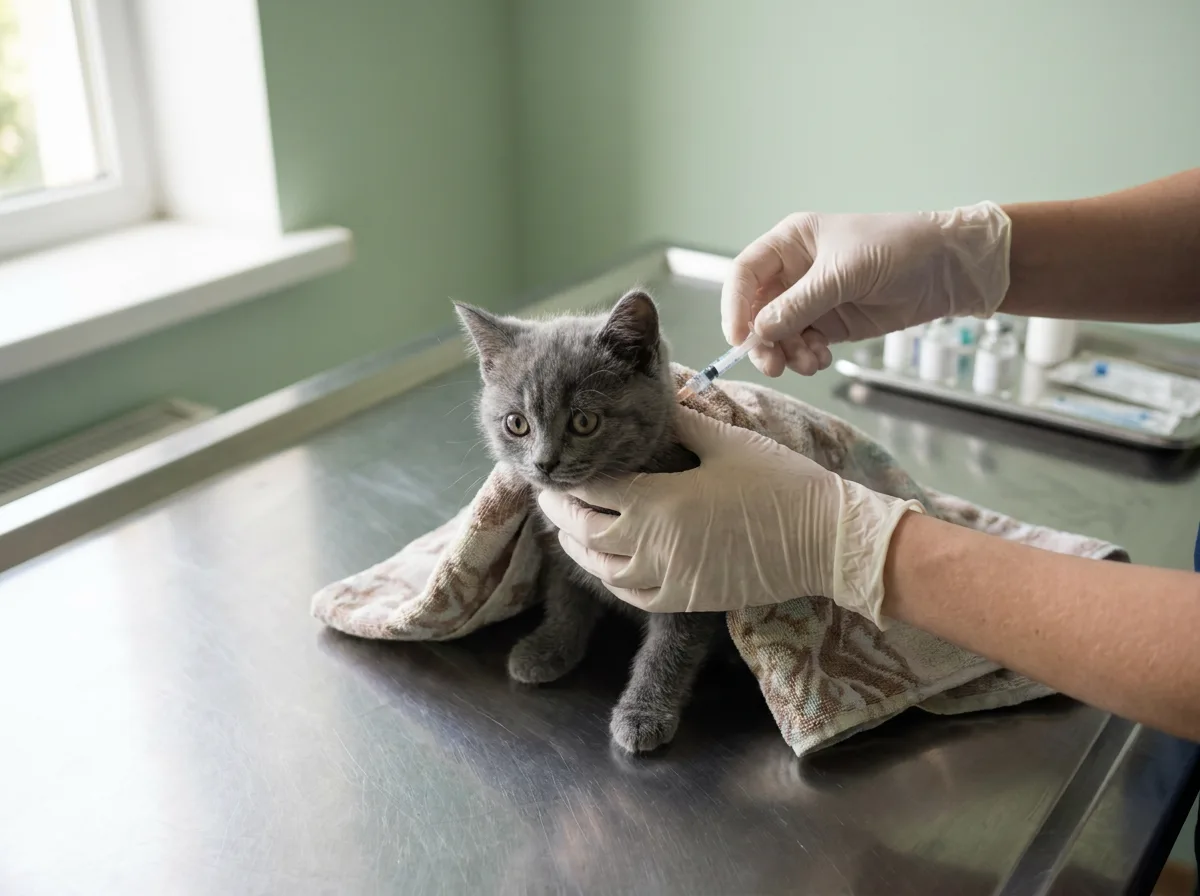
Deductibles, co-insurance, and annual limits
Three levers control both your monthly premium and your reimbursement on every claim. Lemonade lets you set each one when you build your policy:
- Annual deductible: the amount you pay out of pocket before reimbursement begins each policy year. Lemonade deductibles run from $100 to $750, with $1,000 on some policies. The deductible is annual, not per-condition, so once you meet it, it is done until renewal.
- Co-insurance (your reimbursement rate): the percentage of each eligible bill Lemonade pays after the deductible. You choose 70%, 80%, or 90%.
- Annual limit: the maximum Lemonade pays out per policy year. You can choose anywhere from $5,000 to $100,000.
The reimbursement formula is simple: multiply the eligible bill by your co-insurance rate, then subtract any unmet deductible. Lemonade's own example from its deductible explainer: a $6,000 surgery on a policy with 80% co-insurance and a $250 deductible returns ($6,000 x 80%) minus $250, or $4,550 back to you.
Because the deductible is annual, it quietly rewards pets with multiple claims in one year. If a $320 ear infection burns through most of your $250 deductible in March, an eligible emergency in August is reimbursed at your full co-insurance rate with no deductible left to subtract.
Tuning the three levers is a budget exercise, not a trick. Higher deductible, lower co-insurance, or lower annual limit each pull your monthly premium down; the trade is more out of pocket when a big bill lands. A young healthy cat might sit comfortably at a $500 deductible and $5,000 limit. A breed with known orthopedic or cancer risk arguably deserves 90% co-insurance and a high limit, because the scenario you are insuring against is the $10,000 year, not the $300 one.
How claims work in the Lemonade app
The claims flow is where Lemonade most obviously differs from legacy insurers, and it runs entirely through the Lemonade app:
- Pay your vet directly at the time of service, as you normally would
- Open the Lemonade app, provide the vet's information, and answer a few questions about the visit
- Upload the finalized invoice showing treatment details and costs
- Enter your bank details for direct deposit and submit
Roughly half of eligible claims are handled instantly by Lemonade's AI, and the remainder typically process within about five days. You have 180 days from the treatment date to file (90 days in Texas), and you can submit multiple claims at once. The one piece of preparation that speeds everything up: submit your pet's medical records right after you enroll, since Lemonade uses records covering about the last 12 and a half months to establish your pet's baseline before the first claim.

What reimbursement looks like on real bills
Abstract percentages get clearer with real numbers, and Lemonade publishes worked examples using its actual coverage structures. A three-year-old Golden Retriever tears a cruciate ligament on a hike and the emergency surgery comes to $4,200. He has been insured for 18 months, so nothing is pre-existing, and his policy carries 80% co-insurance with a $250 annual deductible. The math: ($4,200 x 80%) minus $250 returns $3,110 to his owner, who pays $1,090 out of pocket instead of the full bill.
A cat diagnosed with lymphoma runs up $4,400 in treatment on a policy with 90% co-insurance and a $500 deductible; her owner gets $3,460 back. On the small end, a $320 ear infection claim against a fresh $250 deductible returns only $6, which feels like nothing until you notice the deductible is now fully met, so every later eligible claim that policy year is reimbursed at the full co-insurance rate with nothing subtracted.
The cautionary example runs the other way. A Bulldog starts showing breathing trouble during his 14-day illness waiting period, and when he later needs $2,800 in respiratory treatment, none of it is covered, because the condition surfaced before coverage began. Same policy, same dog, completely different outcome, decided entirely by enrollment timing.
Is Lemonade pet insurance accepted by all vets?
Yes, functionally. Because Lemonade works on a reimbursement model, there is no network and no list of participating clinics: your pet can be treated by any veterinarian licensed in the state where they practice, anywhere in the United States. That includes your regular vet, emergency hospitals, and specialists like oncologists and cardiologists. Your vet never bills Lemonade and never needs a relationship with them; you pay the clinic, file through the Lemonade app, and reimbursement comes to your bank account. The practical upshot: no vet can "not take" Lemonade, because the vet is never part of the transaction.
That model also travels. If your pet gets sick or hurt while you are on a road trip in a state where Lemonade does not sell policies, treatment at any licensed U.S. vet is still eligible. Treatment outside the United States is not covered.
What Lemonade pet insurance costs
Coverage this customizable does not have one price, but the anchors are friendly. Lemonade pet policies start at $10 per month for both cats and dogs, and premiums start low relative to the market: Lemonade reports that dog parents pay around $48 per month on average and cat parents around $27, across ages, breeds, and locations. Your actual quote moves with your pet's species, age, and breed, your location, the deductible, co-insurance, and annual limit you select, and any add-ons or preventative packages you attach, per Lemonade's pricing explainer.
Two pricing behaviors are worth knowing before you buy. Premiums can rise at renewal as your pet ages and as veterinary costs rise in your area; that is true across the industry, and Lemonade is upfront about it. On the other side of the ledger, Lemonade does not raise your rate because you filed claims, and multi-pet households earn a discount for each additional covered pet. If you want a lower monthly number, raising your deductible or trimming your co-insurance in the Lemonade app reduces the premium immediately, though it means thinner protection when a big bill arrives.
Is Lemonade Worth It? Where This Fits in the Bigger Decision
Coverage scope is only half of a buying decision, and this page has deliberately stayed in its lane. If your next question is whether Lemonade is actually worth the money, how its claims experience holds up over years of use, and how real customer experiences shake out, that evaluation deserves more than a paragraph. Our complete Lemonade pet insurance review weighs the pricing, the claims record, the Giveback program, and the trade-offs against competitors, and it is the right next read once you understand what the policy covers.
The same goes for the downsides. Every insurer has them, and an honest evaluation of Lemonade's weak spots, from state availability gaps to the add-on structure itself, belongs alongside its strengths, not inside a coverage explainer. The full review takes up that pros-and-cons question directly, including who Lemonade fits best and who might be better served elsewhere. And if you are comparing quotes head to head, our Lemonade vs. Spot comparison and Lemonade vs. MetLife breakdown line the policies up feature by feature. For the broader question of whether pet insurance earns its keep at all, we asked the people who see the bills every day: do vets recommend pet insurance has their answer.
Lemonade Coverage Questions, Answered
Your premium is priced partly on your pet's age at enrollment, and premiums can rise at renewal as your pet ages and as vet costs in your area change. That pattern is industry-wide, not a Lemonade quirk. Lemonade does not raise rates because you filed claims, and enrolling young secures both a lower starting premium and coverage before conditions become pre-existing.
Lemonade Pet is currently available in 41 states plus Washington, D.C., including California, Texas, New York, Florida, Illinois, Pennsylvania, Ohio, Georgia, and North Carolina. State availability continues to expand, and the quote flow tells you immediately whether your state qualifies. Wherever you enroll, treatment at any licensed vet in any U.S. state is eligible, even while traveling in a state where Lemonade does not sell policies.
Lemonade's published coverage materials on lemonade.com list diagnostics, procedures, and prescribed medications as the base policy's covered categories, and prescription food does not appear among them. Prescription diets sit on the boundary between medication and routine feeding, so treat them as outside base coverage and confirm your policy's exact terms in the Lemonade app or with Lemonade support before counting on reimbursement.
The Bottom Line on Lemonade Coverage
Here is the whole guide in three buckets. The base policy covers the expensive surprises: accidents, illnesses, cancer, hereditary and congenital conditions, and every diagnostic, procedure, hospitalization, and prescription attached to them. The add-ons cover the predictable and the specialized: wellness care, vet visit fees, dental illness, behavioral therapy, physical rehab, and end-of-life care, each priced separately so you only pay for what your pet is likely to use. And the never-covered list is the industry-standard one, led by pre-existing conditions and waiting-period incidents, stated in plainer language than most carriers manage.
The practical takeaway is about timing more than fine print. Nearly every exclusion in the policy is a function of when you enroll, not what you buy: pre-existing conditions, bilateral rules, and waiting-period traps all reward the owner who signs up while their pet is healthy. Premiums start low, accident coverage begins the day after purchase, and claims are handled instantly about half the time through the Lemonade app. If the coverage fits, the strongest move is the boring one: enroll early, pick add-ons that match your pet's real risks, and let the policy be uneventful for as long as possible. For the final worth-it verdict, head to our complete Lemonade review.

Coreen Saito is a pet writer and longtime shelter volunteer with more than a decade in animal rescue. She covers cat behavior, breed care, and the small, ordinary science of sharing a life with companion animals, with a particular focus on honest takes about the products and decisions that actually matter. At home in Arizona, she's outranked by Mac (a dog with the loudest opinion in the house), Rebel (a cat who governs by quiet authority), and Meri (an orange tabby who runs the late shift and the laundry basket). She writes about all three, plus the rescues that keep coming through her life, at LifeWithMinty.com.
Sign up for expert-backed reviews and safety alerts all in one place.
A Final Word (Disclaimer)
At Petful, our review integrity is paramount; we never exchange special treatment in our reviews for monetary or material rewards.
Nonetheless, when our readers click through to online merchants (including Chewy or Amazon), we receive a referral commission. This supports the running of our free blog, and we appreciate your backing.