Emergency Vet Cost in 2026: What You Will Really Pay
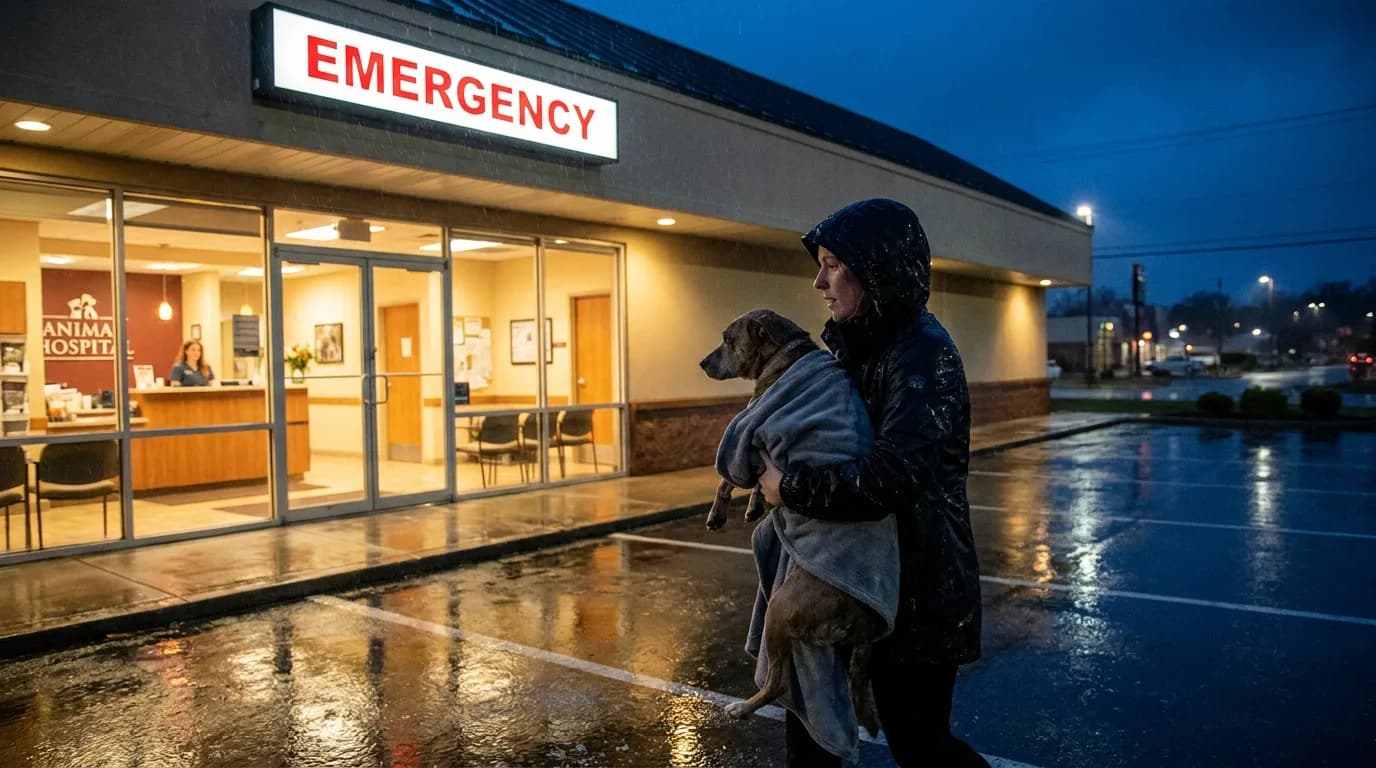
How much does an emergency vet visit really cost in 2026? We break down verified prices for exams, X-rays, hospitalization, and surgery, compare dog vs. cat bills, and show the preparation levers that keep an emergency from becoming a crisis.
Petful is reader supported. As an affiliate of platforms like Amazon and Chewy, we may earn a commission when you buy through links on this page. There is no extra cost to you.
*This article is sponsored by Lemonade. Petful may earn a commission when you sign up through our links, at no extra cost to you.*
If you are searching for the real emergency vet cost in 2026, here is the honest answer up front: the exam fee alone typically runs $100-250, and the total bill for a serious emergency usually lands between $800 and $6,000 or more, depending on what your pet needs. Those are wide ranges, and this guide exists to narrow them down for your situation.
- This article was created in partnership with Lemonade. Petful may earn a commission if you purchase through links on this page, at no extra cost to you. Coverage, pricing, limits, and availability vary by state and policy.
The good news is that emergency costs are predictable once you break them into their parts. When you know what the exam, the X-rays, the overnight hospitalization, and the surgery each cost on their own, a scary total becomes a set of understandable line items you can actually plan for.
That is exactly what we will do here: verified 2026 dollar ranges for every major service, real totals by emergency type, the differences between dog and cat bills, and the preparation levers (insurance, savings, credit, payment plans) that keep an emergency from becoming a financial crisis.
Emergency vet costs at a glance (2026): The emergency exam fee alone averages $107-260 (CareCredit national data). Typical total bill ranges run $800-3,000 for common emergencies, while major surgery reaches $1,500-5,000+ and intensive care can add $500-2,000+ per day. Preparation, not luck, decides whether those numbers hurt.

Sign up for expert-backed reviews and safety alerts all in one place.
How Much Does an Emergency Vet Visit Cost in 2026?
A typical emergency vet visit costs $800 to $3,000 in 2026, depending on treatment. The exam fee alone runs $100-250, diagnostics like bloodwork and X-rays add $150-400 each, and overnight hospitalization runs $200-600 per day. Major emergencies requiring surgery or intensive care can reach $5,000 or more.

Pet insurance
New insurance will not pay today’s emergency bill. Compare coverage for future eligible accidents and illnesses.
- Compare deductible and reimbursement choices
- Review the annual coverage limit
- Check your pet’s price directly on Lemonade
Eligibility, waiting periods, limits and exclusions apply.
Petful may earn a commission when you click through to Lemonade, at no extra cost to you.
Those figures are not guesses. CareCredit's national cost data puts the average emergency exam at $135 for dogs and $143 for cats, with a full range of $107-246 for dogs and $113-260 for cats. Healthy Paws' claims-based cost breakdown confirms the typical total ranges: most single-problem emergencies resolve between a few hundred dollars and $3,000, while the worst cases (bloat surgery, spinal trauma, multi-day ICU stays) climb past $6,000.
How expensive is the emergency vet in practice? Expect the walk-in exam fee before anything else happens, then diagnostics, then treatment.
- A dog with vomiting who gets an exam, bloodwork, fluids, and anti-nausea medication often leaves with an $800-1,500 bill.
- A cat with a urinary blockage who needs catheterization and two days of hospitalization typically runs $1,500-3,500.
- A dog needing emergency bloat surgery is looking at $2,500-8,000.
The single biggest variable is whether your pet goes home the same night or stays in the hospital.
Three factors move your bill inside those ranges:
- Where you live. Emergency care in major metro areas routinely prices 20-40% above rural clinics.
- When you walk in. After-hours, weekend, and holiday visits carry premium exam fees.
- How long your pet stays. Hospitalization is billed per day, so a 48-hour stay can double or triple a same-night bill.
Why Emergency Vet Care Costs More Than a Regular Visit
Why are emergency veterinarians so expensive? Because an emergency hospital is running a fundamentally different operation than your daytime clinic. Emergency and specialty hospitals staff veterinarians, technicians, and support teams around the clock, including overnights and holidays, and that 24/7 payroll is built into every invoice. They also maintain equipment most general practices do not: in-house blood analyzers that return results in minutes, digital X-ray and ultrasound available at 2 a.m., oxygen cages, and surgical suites ready on no notice.
You are also paying for speed. A regular vet can schedule your dog's X-rays for Thursday. An ER takes the X-rays now, reads them now, and starts treatment now, because in a true emergency the delay itself is the danger.
That is why the same services carry higher price tags after hours:
- A daytime exam that costs $50-75 becomes a $100-250 emergency exam fee.
- X-rays that run $150 at your regular clinic can reach $400 at the ER.
- A night of monitored hospitalization ($200-600) has no daytime equivalent at all; your regular vet closes at 6 p.m.
None of this is price gouging. It is the cost of keeping the lights on and a surgical team awake so your pet can be treated at the exact moment it matters. Understanding that makes the numbers easier to accept, and easier to plan for.
There is also a structural shift behind the 2026 numbers. Veterinary medicine has consolidated over the past decade, corporate hospital groups now run a large share of emergency facilities, and advanced care that once existed only at university hospitals (MRI, ventilators, blood banks) is now standard at many private ERs. That better care is genuinely better, and it is genuinely more expensive to deliver. The bill you see reflects a level of medicine that simply was not available to pets fifteen years ago.
Emergency Vet Costs by Service and Treatment
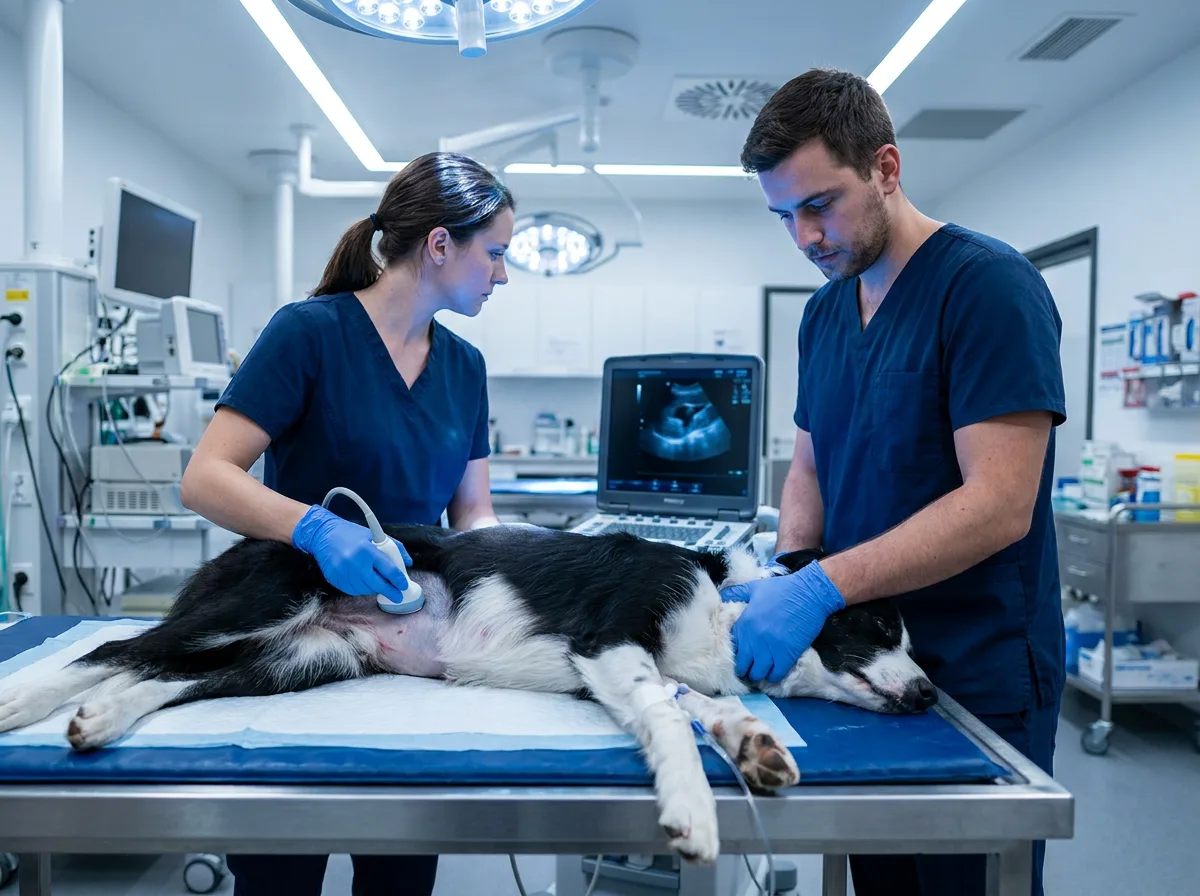
Every emergency bill is assembled from the same building blocks. Here are the verified 2026 ranges for each line item you are likely to see, with the source behind each range.
Pet insurance
New insurance will not pay today’s emergency bill. Compare coverage for future eligible accidents and illnesses.
- Use your pet’s age, breed and location
- Review the policy choices and total price
- Choose only the optional extras you want
Eligibility, waiting periods, limits and exclusions apply.
Petful may earn a commission when you click through to Lemonade, at no extra cost to you.
| Service | Typical 2026 range | Source |
|---|---|---|
| Emergency exam fee | $100-250 (avg $135 dog / $143 cat) | CareCredit national cost data; Healthy Paws |
| Bloodwork panel | $80-300 | MetLife Pet Insurance; Healthy Paws |
| X-rays | $150-400 | Healthy Paws; MetLife |
| Ultrasound | $300-600 | MetLife Pet Insurance |
| IV fluids | $50-200 per day | Healthy Paws |
| Medications | $50-300 | Healthy Paws |
| Hospitalization (standard) | $200-600 per night | Healthy Paws |
| Intensive care (ICU) | $500-2,000+ per day | Healthy Paws |
| Wound treatment | $800-2,500 | MetLife Pet Insurance |
| Emergency surgery | $1,500-5,000+ | Healthy Paws; MetLife |
Reading the table top to bottom tells the story of a typical visit. The exam fee ($100-250) opens every bill. Diagnostics come next: bloodwork at $80-300 and X-rays at $150-400 are the two most common, with ultrasound ($300-600) added when the vet needs a closer look at organs or internal bleeding. Treatment is where bills diverge: IV fluids and medications keep a mild case in the hundreds, while hospitalization per night at $200-600 and emergency surgery at $1,500-5,000+ are what push a bill into the thousands. ICU care is the ceiling, at $500-2,000 or more per day for pets who need oxygen support, continuous monitoring, or transfusions.
Line items only get you so far, though. What owners actually want to know is the total for the emergency they are facing. Here are verified full-bill ranges by emergency type, drawn from Healthy Paws' published claims-based examples.
| Emergency | Typical total range | Example bill | Source |
|---|---|---|---|
| Vomiting / gastroenteritis | $500-3,000+ | $1,525 | Healthy Paws claims data |
| Toxin ingestion (grapes, chocolate, meds) | $300-5,000+ | $2,075 | Healthy Paws claims data |
| Urinary blockage (male cats) | $1,500-3,500+ | $3,075 | Healthy Paws claims data |
| Trauma / fractures | $1,000-6,000+ | $5,975 | Healthy Paws claims data |
| Bite wounds / abscesses | $300-2,000+ | $1,025 | Healthy Paws claims data |
| Parvovirus | $1,000-5,000+ | $2,725 | Healthy Paws claims data |
| Heatstroke | $1,500-7,000+ | $2,425 | Healthy Paws claims data |
| Pancreatitis | $1,500-6,000+ | $2,050 | Healthy Paws claims data |
| Bloat / GDV surgery | $2,500-8,000+ | $7,725 | Healthy Paws claims data |
A few of these deserve a closer look because they are the emergencies vets see most:
Pet insurance
New insurance will not pay today’s emergency bill. Compare coverage for future eligible accidents and illnesses.
- Compare benefits as well as the monthly price
- Review waiting periods and exclusions
- Confirm availability directly with Lemonade
Eligibility, waiting periods, limits and exclusions apply.
Petful may earn a commission when you click through to Lemonade, at no extra cost to you.
- Toxin ingestion ($300-5,000+): The spread is enormous because outcomes range from induced vomiting and observation to days of hospitalization for kidney support. If your dog eats grapes or raisins, act immediately; our guide on what to do if your dog ate a grape walks through exactly what the emergency visit involves.
- Vomiting and gastroenteritis ($500-3,000+): The most common reason pets land in the ER. Whether it stays under $1,000 usually depends on whether X-rays rule out an obstruction. See our full guide to vomiting and diarrhea in dogs and cats for when a sick stomach becomes an emergency.
- Bloat/GDV ($2,500-8,000+): The most expensive common emergency, because it combines emergency surgery with ICU recovery. The $7,725 example bill is not an outlier; it is a typical big-city GDV invoice.
- Urinary blockage ($1,500-3,500+): Almost exclusively a male-cat emergency, and one where waiting even a day can turn a catheter procedure into kidney failure treatment.
Emergency Vet Costs for Dogs vs. Cats
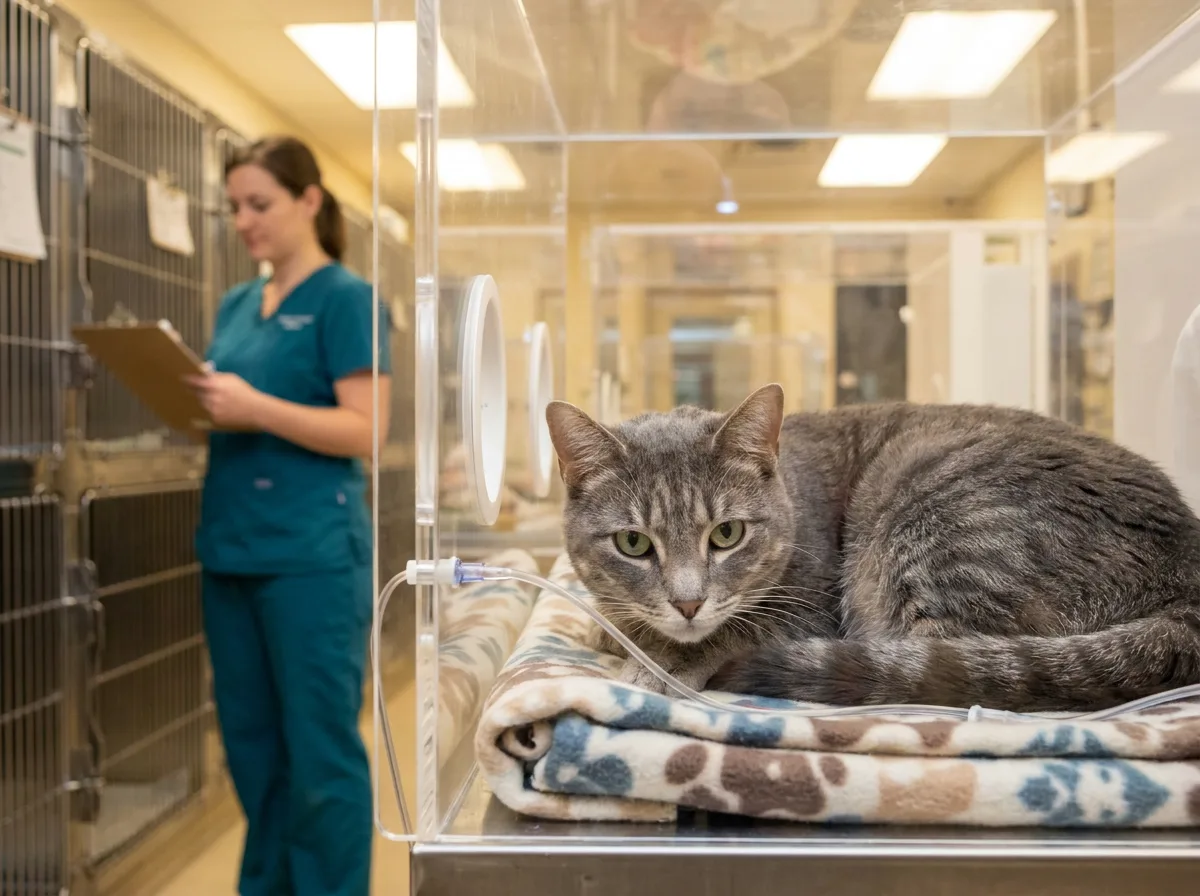
Dog and cat emergency bills start from nearly the same baseline but diverge at the treatment stage. CareCredit's national data actually puts the average cat emergency exam slightly higher than the dog exam ($143 vs. $135), and core diagnostics price identically: bloodwork at $80-200 and X-rays at $150-250 for both species, per MetLife's 2026 cost breakdown.
Pet insurance
New insurance will not pay today’s emergency bill. Compare coverage for future eligible accidents and illnesses.
- Compare deductible and reimbursement choices
- Review the annual coverage limit
- Check your pet’s price directly on Lemonade
Eligibility, waiting periods, limits and exclusions apply.
Petful may earn a commission when you click through to Lemonade, at no extra cost to you.
The divergence shows up in the big-ticket items. MetLife's data puts emergency surgery for dogs at $1,800-5,000 versus $1,500-3,000 for cats, and a 3-5 day hospitalization at $1,500-3,500 for dogs versus $1,500-3,000 for cats. Size is the main reason: bigger bodies need more anesthesia, more medication, more IV fluids, and longer surgical time.
Species also changes which emergencies you should budget for in the first place:
- Dogs dominate the most expensive categories: bloat/GDV ($2,500-8,000+), fracture repair from car accidents and falls ($1,000-6,000+), and toxin ingestion, since dogs eat first and think later.
- Cats own the urinary blockage category ($1,500-3,500+), one of the most common feline emergencies and nearly always a male-cat problem. Cats also present later than dogs because they hide illness, which can mean more hospitalization days by the time they arrive.
- Both species land in the ER for vomiting, wounds, and poisoning at similar rates, with similar bills.
The practical takeaway for a multi-pet household: a large-breed dog is your highest single-bill risk (one GDV can pass $8,000), while a young male indoor cat carries a quieter but very real $3,000+ blockage risk. Both are exactly the kind of unpredictable, big-number events that insurance was designed for.
One more species difference worth budgeting around: age curves. Dog emergencies cluster in youth (swallowed objects, trauma, toxins) and again in the senior years (collapse, bleeding tumors, GDV in large breeds). Cat emergencies skew toward early adulthood for blockages and middle age onward for kidney, thyroid, and cardiac crises. If your dog has made it calmly through the chew-everything years, your risk dips before it rises again; a cat's emergency risk stays flatter but never really goes away. Timing your preparation lever to those curves, ideally before the first high-risk window opens, is what keeps premiums low and coverage clean of pre-existing exclusions.
Paying for an Emergency Vet Visit Without Insurance
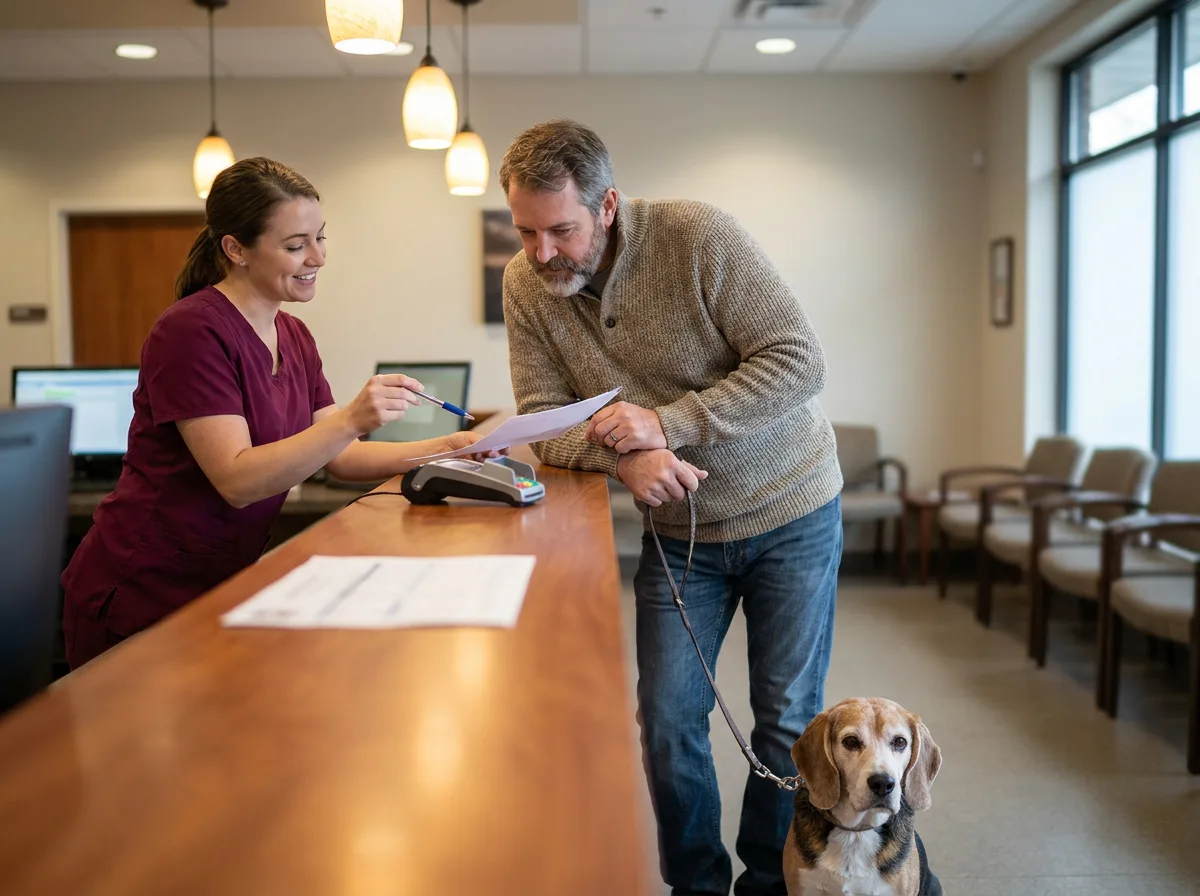
An emergency vet visit without insurance costs the full sticker price in the tables above: realistically $800-3,000 for a typical emergency and $5,000+ for surgery or ICU care, due at or near the time of service. Most emergency hospitals require a deposit (often 50-75% of the estimate) before treatment begins, and settle the balance at discharge.
What happens if you can't pay an emergency vet? The clinic will not simply turn you away at the door; by law and by professional ethics, most ERs will stabilize a critically ill animal. But treatment beyond stabilization does depend on payment arrangements, so the real question is what options you can put on the table in that moment. You have more than most owners realize: asking for a written estimate with tiered options (vets routinely prepare a "gold, silver, bronze" plan), applying for veterinary credit on the spot, proposing a payment plan, or authorizing the essential treatment now while you arrange funds for the rest. The worst move is silence; the best move is telling the staff your budget honestly, because they build treatment plans around real numbers every single day.
- Ask for a tiered estimate. Request the must-do-now version alongside the ideal version. Apply for CareCredit or Scratchpay. Approval takes minutes and most ERs accept both; promotional periods can mean no interest if paid on schedule. Ask about an in-house payment plan. Not every hospital offers one, but many will split a large bill for established clients. Call your regular vet. Once your pet is stable, transferring from the ER to your daytime clinic for continued care can cut hospitalization costs substantially. Contact charitable funds. Organizations like RedRover Relief and breed-specific rescues offer emergency grants.
Keep in mind that credit options solve the timing problem, not the cost problem. A $3,000 bill on a credit line is still a $3,000 bill. That is why the without-insurance math is worth staring at before an emergency, not during one: it is the strongest argument for putting a preparation lever in place while your pet is healthy.
Financial Help and Low-Cost Options for Emergency Vet Bills
What do I do if I can't afford the vets at all? Start by being direct with the veterinary team about your limit, then work through the assistance options in order of speed. Same-day help comes from veterinary credit lines (CareCredit, Scratchpay) and the hospital's own payment arrangements. Within days, charitable programs can respond: RedRover Relief grants, The Pet Fund, Frankie's Friends for cancer and critical care, and local humane society assistance programs. Many veterinary schools with teaching hospitals also run reduced-cost services, and some cities have nonprofit clinics with sliding-scale emergency fees.
A realistic view of what help exists:
- Veterinary credit lines: fastest option; approval in minutes at the front desk.
- Charitable grants: real money but limited funds; most cap grants in the hundreds, not thousands, and require an application.
- Veterinary teaching hospitals: excellent care, often 10-30% below private ER pricing, though not always geographically practical.
- Crowdfunding: GoFundMe campaigns for vet bills succeed regularly, but the money arrives in days, not minutes.
- Economic euthanasia counseling: the hardest conversation in veterinary medicine, and one worth avoiding through preparation whenever possible.
Notice what is missing from that list: any option that makes a $5,000 bill simply disappear. Assistance programs are patches, not plans. They exist for genuine crises, and they help thousands of owners every year, but the owners who navigate emergencies with the least financial damage are consistently the ones who set up their lever (insurance or a dedicated savings fund) before the emergency found them.
Does Pet Insurance Cover Emergency Vet Visits?
Yes: accident and illness pet insurance policies cover emergency vet visits as a core benefit, including the exam fee, diagnostics, hospitalization, and emergency surgery, subject to your deductible, co-insurance, and any waiting periods. Pre-existing conditions are the main exclusion, which is precisely why the best time to enroll is while your pet is healthy.
Coverage details deserve their own deep dive, and we have one. Our full guide to pet insurance for emergencies breaks down exactly what qualifies as a covered emergency, how waiting periods work, which exclusions surprise owners, and how claims play out on real emergency bills. If your question is about whether a specific scenario is covered rather than what it costs, that guide is where to go. You can also compare how specific insurers stack up in our Lemonade vs. MetLife pet insurance head-to-head, or see the full breakdown of what Lemonade pet insurance covers.
This page owns the cost side of the equation, so let's finish the job: what do those covered emergencies actually cost you once insurance is in play?
How to Prepare: Insurance, Savings, and the Real Math
There are three preparation levers, and they are not mutually exclusive:
- Pet insurance: converts an unpredictable $5,000 risk into a predictable monthly premium.
- A dedicated emergency fund: works if you actually fund it to $2,000-5,000 and leave it alone.
- A standing credit option: a pre-approved CareCredit line or a credit card reserved for the pet.
Insurance is the lever that scales with the size of the bill, so let's run the actual numbers instead of waving at "insurance helps."
- Your dog eats something toxic and the ER bill lands at $2,075, right on Healthy Paws' published example for toxin ingestion. Say you carry a policy with a $250 annual deductible and 80% reimbursement, a common configuration. The math runs: $2,075 bill, minus your $250 deductible, leaves $1,825 eligible; the insurer reimburses 80% of that, or $1,460. Your total out of pocket is $615 instead of $2,075. On the $7,725 bloat surgery example, the same policy structure would put your share at roughly $1,745 instead of the full bill. The numbers are examples, not quotes, but the structure is exactly how reimbursement works.
This is where Lemonade fits the preparation picture well. Premiums start low, so the monthly cost of being covered is closer to a streaming subscription than a car payment for many young, healthy pets. When the emergency happens, you pay the vet, then file through the Lemonade app; many claims are handled instantly by its AI claims system, which matters enormously when you have just put $2,000 on a card and want it back. And because Lemonade's pet insurance is built around the accident-and-illness core, the emergency scenarios in this article's tables (toxin ingestion, blockages, fractures, GDV) are the exact category of event the policy exists for. For a broader look at the company across all its Petful coverage, see our Lemonade brand hub.
Are vets themselves on board with insurance as the preparation lever? Increasingly, yes, and for a financial rather than promotional reason: insured owners say yes to the recommended treatment plan more often. We dug into the evidence in do vets recommend pet insurance, and the pattern is consistent: the worst outcomes in emergency medicine are the ones driven by budget, not biology.
Whichever lever you choose, choose it this week, not after the emergency. Every preparation option (insurance waiting periods, savings accumulation, credit approval) works better with lead time, and the one thing every emergency in this article has in common is that nobody scheduled it.
FAQ: Emergency Vet Costs
Go to the ER anyway; stabilization comes first, and payment conversations happen after your dog is safe. Tell the staff your budget immediately and ask for a tiered estimate. Apply for CareCredit or Scratchpay at the desk (approval takes minutes), ask about a payment plan the same day, and contact charity funds and credit options like RedRover Relief once your dog is stable. Emergency staff have these conversations daily and will build a plan around real numbers, but they can only do that if you are honest about your limit up front.
With a typical accident-and-illness policy, you pay the bill up front and get most of it back: on a $2,000 emergency with a $250 deductible and 80% co-insurance, your final cost after reimbursement is about $600 rather than $2,000. Your exact share depends on your deductible and co-insurance percentage, plus any waiting periods or exclusions on the policy. For a full breakdown of what qualifies as a covered emergency, see our guide to pet insurance for emergencies.
The Bottom Line on Emergency Vet Costs
An emergency vet visit in 2026 costs $100-250 before treatment even begins, $800-3,000 for the typical emergency, and $5,000-8,000+ when surgery and intensive care enter the picture. Those numbers are verified, stable, and not going down.
What is entirely within your control is which version of those numbers you experience: the full sticker price at midnight with no plan, or a deductible-and-co-insurance share with a claim handled instantly from your phone. The cost of an emergency is set by your pet's bad luck. The cost to you is set by what you did before it happened.

Coreen Saito is a pet writer and longtime shelter volunteer with more than a decade in animal rescue. She covers cat behavior, breed care, and the small, ordinary science of sharing a life with companion animals, with a particular focus on honest takes about the products and decisions that actually matter. At home in Arizona, she's outranked by Mac (a dog with the loudest opinion in the house), Rebel (a cat who governs by quiet authority), and Meri (an orange tabby who runs the late shift and the laundry basket). She writes about all three, plus the rescues that keep coming through her life, at LifeWithMinty.com.
Sign up for expert-backed reviews and safety alerts all in one place.



A Final Word (Disclaimer)
At Petful, our review integrity is paramount; we never exchange special treatment in our reviews for monetary or material rewards.
Nonetheless, when our readers click through to online merchants (including Chewy or Amazon), we receive a referral commission. This supports the running of our free blog, and we appreciate your backing.