Do Vets Recommend Pet Insurance? A Veterinarian Explains
Do vets recommend pet insurance? A practicing veterinarian explains when insurance genuinely helps, which pets benefit most, what coverage really costs each month, and how carriers like Lemonade actually work at the clinic.

BVMS, MRCVS
Petful is reader supported. As an affiliate of platforms like Amazon and Chewy, we may earn a commission when you buy through links on this page. There is no extra cost to you.
*This article is sponsored by Lemonade. All veterinary opinions are those of the author, Dr. Pippa Elliott, BVMS, MRCVS.*
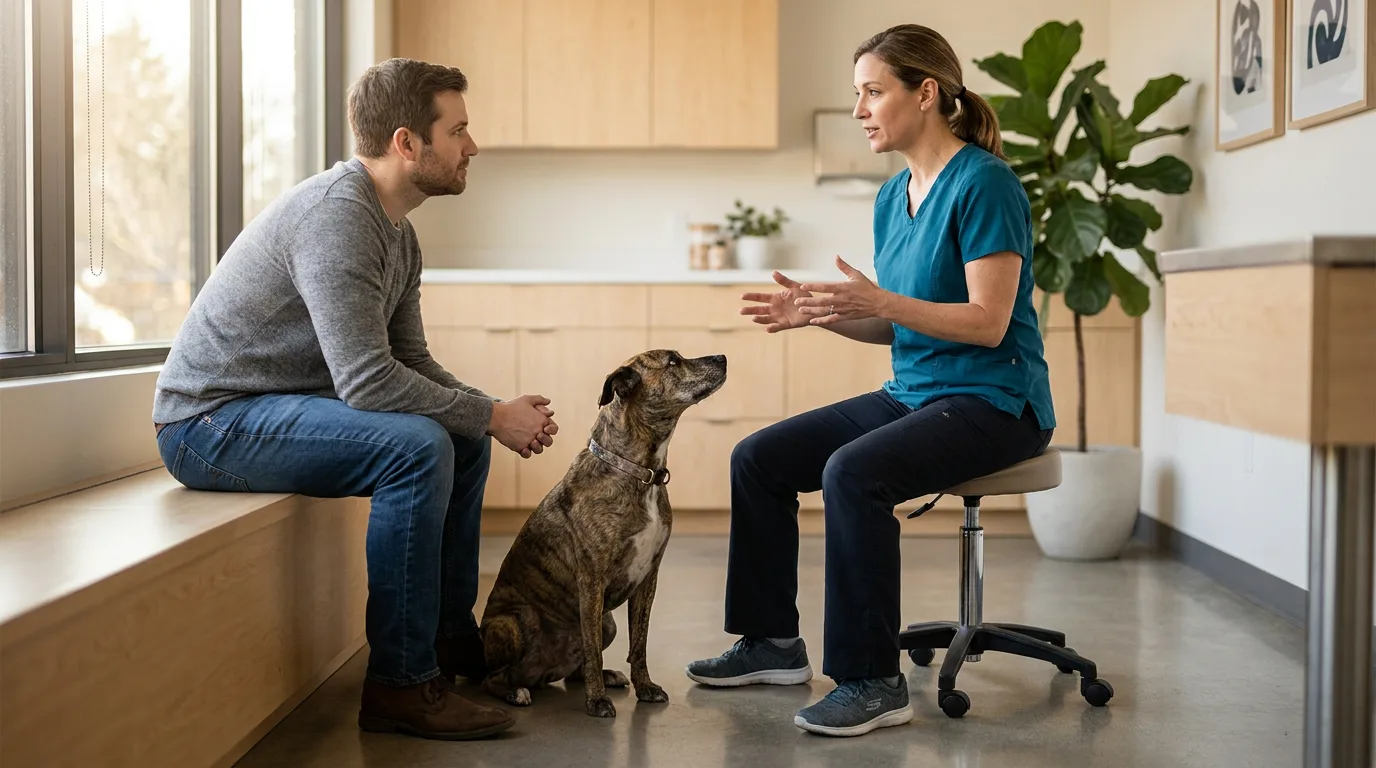
Do vets recommend pet insurance? Yes, most of us do, but not blindly and not for every pet. In more than 30 years of small animal practice, I have recommended insurance selectively: strongly for young pets, high-risk breeds, and any owner who could not absorb a $4,000 emergency bill, and more cautiously for older pets whose pre-existing conditions would be excluded anyway. In this article I will tell you exactly what happens in my consult room when insurance comes up, why the conversation usually starts with money rather than medicine, and how to evaluate a policy the way a veterinarian would, using Lemonade as my worked example throughout.
- This article was created in partnership with Lemonade. Petful may earn a commission if you purchase through links on this page, at no extra cost to you. Coverage, pricing, limits, and availability vary by state and policy.
Veterinarians broadly support pet insurance but recommend it selectively. The American Veterinary Medical Association (AVMA) encourages owners to research insurance without endorsing any single provider, and most vets advise enrolling pets young, before pre-existing conditions close the door, because insurance changes what treatment an owner can say yes to.

Sign up for expert-backed reviews and safety alerts all in one place.
Do Vets Recommend Pet Insurance?
Ask a room full of veterinarians how they feel about pet insurance and you will hear the same answer with different accents: we are for it, with caveats. That is not fence-sitting. It reflects how the profession's own governing body frames the question. The AVMA's official guidance encourages pet owners to learn about insurance and to discuss it with their veterinarian, but it deliberately does not endorse any specific company or plan. The association's position is that insurance can help owners afford care they would otherwise decline, which is precisely the outcome vets care about.

Pet insurance
Compare Lemonade’s policy choices with the budget and coverage questions you discussed with your vet.
- Compare deductible and reimbursement choices
- Review the annual coverage limit
- Check your pet’s price directly on Lemonade
Eligibility, waiting periods, limits and exclusions apply.
Petful may earn a commission when you click through to Lemonade, at no extra cost to you.
So when owners ask me, "How do vets feel about pet insurance?", my honest answer is this: most of us feel relief when a client has it. Insurance rarely changes my medical recommendation, but it very often changes what the owner can accept. The insured client hears "your dog needs emergency surgery" and asks when we can start. The uninsured client hears the same sentence and asks what happens if we do nothing. I have stood on both sides of that conversation thousands of times, and the difference is not subtle.
That said, vets recommend insurance selectively rather than universally, and there are three honest reasons why:
- Timing matters more than anything. Insurance only works if it is in place before illness strikes. Once a condition is diagnosed, it becomes pre-existing and no standard US policy will cover it.
- Not every pet is an equal risk. A young French Bulldog and a nine-year-old mixed-breed cat with early kidney disease are entirely different insurance propositions.
- Not every household needs it equally. An owner with a genuine $10,000 emergency fund can rationally self-insure. Most households, in my experience, only believe they can.
In other words, the question is not really "do veterinarians recommend pet insurance" in the abstract. It is "would your veterinarian recommend it for this pet, at this age, in this household." For the majority of pets I see, and especially for puppies and kittens, the answer is yes.
Why Vets Bring Up Insurance: The Economics of My Consult Room
Owners sometimes assume vets promote insurance because it is good for our business. The truth is less comfortable and more human. We bring it up because we have watched treatable animals die over money.
There is a phrase for it in the veterinary literature: economic euthanasia. It describes the euthanasia of a pet with a treatable condition because the owner cannot afford the treatment. It is the single most demoralizing event in clinical practice, and it is not rare. Every veterinarian I know carries a private list of patients they could have saved: the blocked cat whose owner could not fund 48 hours of hospitalization, the young Labrador with a twisted stomach whose family could not approve surgery at 2 a.m.
- Economic euthanasia means putting a pet to sleep for a treatable condition purely because the money is not there. It is the reason many veterinarians raise insurance at the very first puppy or kitten visit, while the patient is still young, healthy, and fully insurable.
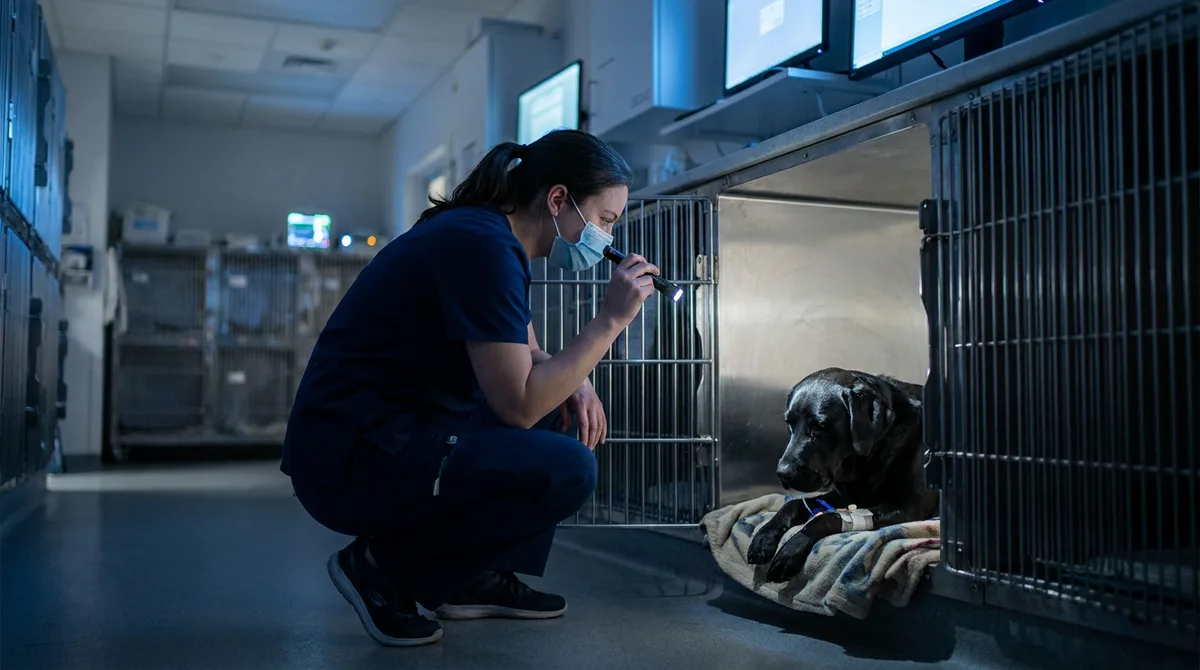
Understand the economics behind that moment and the insurance conversation makes complete sense. Veterinary medicine can now do most of what human medicine does: MRI, chemotherapy, orthopedic surgery, 24-hour intensive care. But there is no NHS and no Medicare for pets. Every invoice is paid in full by the owner, usually at the time of service, and clinics cannot run extensive credit because most operate on thin margins with expensive equipment and staff to pay.
That is why the insurance conversation in my consult room is not a sales pitch. It is triage in advance. I raise it at first vaccination visits for one simple reason: the eight-week-old puppy in front of me is the cheapest and easiest to insure that it will ever be. No pre-existing conditions. The lowest premium of its life. Every future illness still coverable. Waiting even a year can mean the first ear infection, the first limp, the first skin flare is already on the record and excluded.
What Emergency Vet Care Really Costs
The numbers are the part most owners have never seen until the worst night of their year. A single after-hours emergency visit often starts at $150 to $350 before any treatment happens, and hospitalization, imaging, and surgery escalate from there into four figures with remarkable speed. Bloat surgery for a large dog, a swallowed toy that needs removing, a cat with a urinary blockage: these routinely land between $2,000 and $8,000 in US emergency hospitals.
I am deliberately keeping this section short, because we have a full DVM-reviewed breakdown of emergency vet costs on Petful that walks through the real invoice ranges, what drives them, and how owners can prepare. If you want to pressure-test whether insurance makes sense for your own budget, start with that guide and ask yourself one question: could I approve a $5,000 estimate tonight without hesitating? If the answer is no, you are the owner insurance was designed for.
Which Pets Benefit Most From Insurance
Not every pet gains equally from a policy, and this is where a veterinarian's recommendation gets specific. When an owner asks me whether their particular animal should be insured, here is the mental checklist I run.
Pets I most strongly recommend insuring:
- Puppies and kittens. Enroll before anything goes on the medical record. Young pets also eat things, break things, and fall off things at a spectacular rate.
- High-risk purebreds. French Bulldogs, English Bulldogs, and pugs (airway and spine problems), German Shepherds and Labradors (hips, elbows, cruciate ligaments), Cavalier King Charles Spaniels (heart disease), Maine Coons (heart disease), and giant breeds prone to bloat.
- Adventurous outdoor cats and off-leash dogs. Trauma, abscesses, and toxin exposure are a matter of when, not if.
- Any pet in a household without a dedicated emergency fund. This is the bluntest criterion and the most important one.
Pets where I temper the recommendation:
- Seniors with established diagnoses. A 12-year-old dog with existing arthritis and a heart murmur will pay a high premium while the conditions most likely to need treatment are excluded as pre-existing. Insurance can still cover new, unrelated problems, but the math deserves honest scrutiny.
- Households with genuine self-insurance capacity. If you can truly ring-fence five figures for veterinary care and leave it untouched, you are effectively carrying your own risk.
Pet insurance
Compare Lemonade’s policy choices with the budget and coverage questions you discussed with your vet.
- Use your pet’s age, breed and location
- Review the policy choices and total price
- Choose only the optional extras you want
Eligibility, waiting periods, limits and exclusions apply.
Petful may earn a commission when you click through to Lemonade, at no extra cost to you.
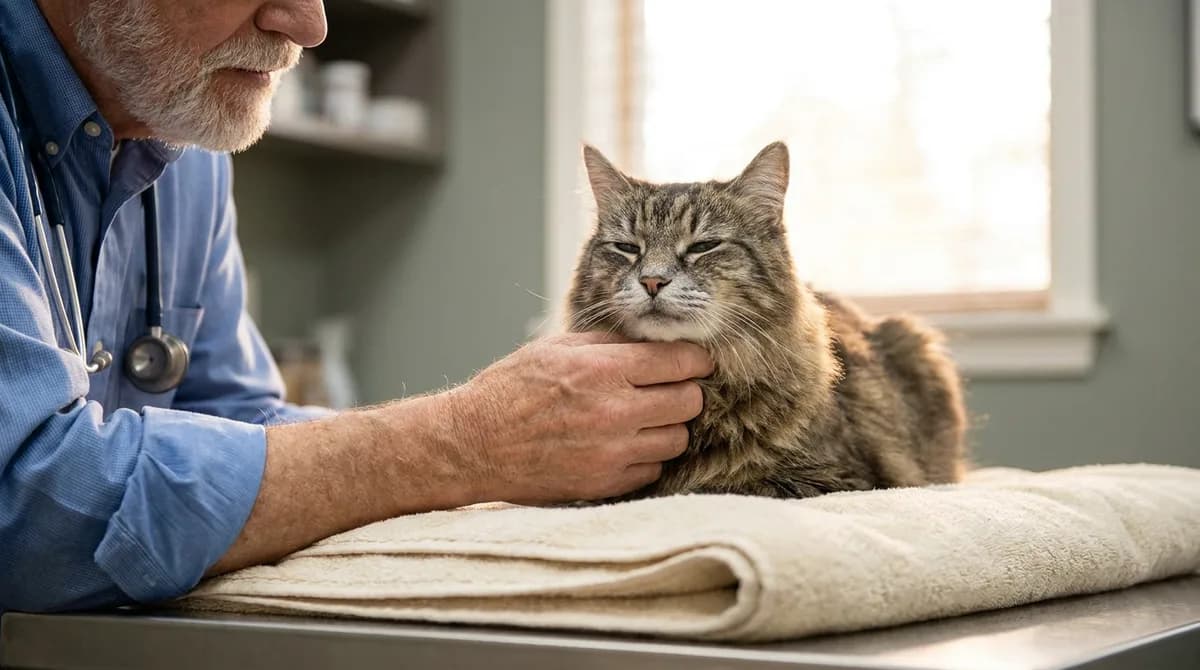
The pattern behind that list is simple: insurance is a product you buy with your pet's future medical record, not their current one. The best candidates are the pets with the cleanest records and the longest futures. This is why, when clients with a new puppy ask if they should wait until the pet is older and "actually needs it," my answer is always the same. By the time your pet obviously needs insurance, it is usually too late to buy it for the thing they need it for.
Dog owners in particular often ask what pet insurance vets recommend for dogs as a species, and the honest species-level answer is that dogs are the stronger insurance case of the two common pets. Dogs present with more trauma, more orthopedic surgery, more swallowed objects, and more breed-linked hereditary disease than cats, and their emergency invoices run correspondingly higher. Cats are cheaper to insure and cheaper to treat on average, but they hide illness far longer, which makes their emergencies more advanced when they finally arrive. Both species benefit; dogs simply benefit more often.
One more clinical observation belongs here. Insured pets, in my experience, get earlier care. Owners with coverage book the appointment at the first cough rather than the third week of coughing, because the visit does not compete with the grocery budget. Earlier presentation means earlier diagnosis, simpler treatment, and better outcomes. That effect never shows up in a premium-versus-payout spreadsheet, but I see it in my appointment book every week.
What Pet Insurance Costs Each Month
Let us put real numbers on the table, because "insurance is expensive" and "insurance is cheap" are both useless statements without them. The North American Pet Health Insurance Association (NAPHIA), the industry body that publishes the annual State of the Industry report, puts the average US accident and illness premium at roughly $62 per month for dogs and $32 per month for cats. Accident-only policies average far less, and premiums start low for young pets and rise with age, breed risk, and local veterinary prices.
Pet insurance
Compare Lemonade’s policy choices with the budget and coverage questions you discussed with your vet.
- Compare benefits as well as the monthly price
- Review waiting periods and exclusions
- Confirm availability directly with Lemonade
Eligibility, waiting periods, limits and exclusions apply.
Petful may earn a commission when you click through to Lemonade, at no extra cost to you.
How much should pet insurance cost a month for your pet? As a working range: a young mixed-breed cat can often be covered for under $25 per month, a young medium-sized dog typically lands between $30 and $60, and high-risk breeds in expensive cities can run well over $100. If a quote comes in far above the NAPHIA averages, the usual culprits are breed, age at enrollment, and ZIP code rather than anything sinister. Carriers like Lemonade let you adjust the deductible, reimbursement percentage, and annual limit, which is how you tune a quote toward your budget.
| What you pay or risk | Typical US figure | Source |
|---|---|---|
| Average monthly premium, dog (accident and illness) | About $62 | NAPHIA State of the Industry report |
| Average monthly premium, cat (accident and illness) | About $32 | NAPHIA State of the Industry report |
| After-hours ER exam fee, before treatment | $150 to $350 | Petful emergency vet cost guide |
| Foreign body (swallowed object) surgery | $2,000 to $7,000 | Petful emergency vet cost guide |
| Bloat (GDV) surgery, large dog | $3,000 to $8,000 | Petful emergency vet cost guide |
| Cruciate ligament surgery, per knee | $3,000 to $6,000 | Petful emergency vet cost guide |
| Urinary blockage, cat, with hospitalization | $1,500 to $4,000 | Petful emergency vet cost guide |

Read that table the way an actuary would, then the way a pet owner would. The actuary sees that a dog owner paying the average premium spends roughly $745 per year, and that a single mid-range emergency can equal six to ten years of premiums. The pet owner should see something slightly different: the premium is the price of never having to make a medical decision as a financial decision at 2 a.m. Both readings are legitimate. Only one of them is standing in my exam room when the estimate prints.
A cost note owners rarely hear: premiums are not fixed for life. Expect them to rise as your pet ages and as veterinary costs inflate, at every carrier. A policy that is comfortable at $40 per month for a two-year-old dog may cost meaningfully more at age ten. Factor that trajectory in when you set your deductible and annual limit, because the cheap first-year quote is the beginning of the price curve, not the whole curve.
Pet insurance
Compare Lemonade’s policy choices with the budget and coverage questions you discussed with your vet.
- Compare deductible and reimbursement choices
- Review the annual coverage limit
- Check your pet’s price directly on Lemonade
Eligibility, waiting periods, limits and exclusions apply.
Petful may earn a commission when you click through to Lemonade, at no extra cost to you.
Do Vets Accept Pet Insurance Directly?
This is the mechanics question I get asked at the front desk more than any other, in one of two forms: "do all vets take pet insurance," and its cousin, "which vets accept my plan?" Here is the answer that surprises most owners: virtually every veterinary clinic in the United States accepts insured clients, because with most policies the clinic is not part of the transaction at all. You pay the vet in full, submit the claim, and the insurer reimburses you, the owner. Direct pay to the clinic is the exception, not the rule.
Put plainly: nearly all US pet insurance plans reimburse the owner rather than paying the clinic, so "acceptance" is never the barrier owners fear it is. That reimbursement model means there is no network, no "in-network vet," and no list of vets that accept pet insurance the way there is for human health plans. You can use any licensed veterinarian, any emergency hospital, and any specialist in the country. From where I stand at the clinic, an insured client and an uninsured client look identical at checkout. The only difference is what happens to their bank account over the following days.
If you are wondering how to use Lemonade pet insurance at the vet specifically, the answer is that there is nothing special to do at the clinic itself. You do not need to hand over an insurance card, the practice does not need to be registered with Lemonade, and your vet does not fill in claim forms on your behalf beyond supplying records and invoices on request. The clinic visit happens exactly as it always has; the insurance part happens on your phone afterward. Here is how the process actually runs with Lemonade, since it is the carrier I am using as the worked example:
- Step 1: Your pet is treated, and you pay the clinic's invoice as normal.
- Step 2: You open the Lemonade app, answer a few questions about the claim, and attach the invoice and medical records.
- Step 3: The claim is processed. Lemonade states that many straightforward claims are handled instantly by its AI, with more complex claims routed to human reviewers.
- Step 4: Approved reimbursement is paid to you, at your chosen reimbursement percentage, after your deductible.
A practical tip from the clinic side: ask your practice for itemized invoices and a copy of your pet's full medical history when you first enroll. Insurers review history to establish what is pre-existing, and a complete record up front prevents the back-and-forth that delays first claims. Good clinics do this routinely; front-desk teams handle these requests every single day, and no one will find it awkward.
And what about pet insurance that pays vet directly? A minority of US carriers and plans can pay the hospital at the time of service, usually requiring the clinic's cooperation and pre-approval, and some hospitals will accept assignment of benefits case by case for large invoices. It is worth asking both your insurer and your clinic in advance rather than assuming. But build your plan around the reimbursement model, because that is the system nearly everyone actually uses; if you need the clinic paid up front, confirm it in writing before the emergency, not during it.
What Pet Insurance Do Vets Actually Recommend?
Now the question behind the question: what pet insurance do most vets recommend by name? Here is the honest, slightly unsatisfying truth. Most veterinarians, quite deliberately, do not push a single carrier, and the AVMA does not endorse one either. There are two good reasons. First, the right policy depends on your pet's breed, age, and your finances, which your vet does not manage. Second, many state regulations and clinic policies discourage vets from acting as insurance salespeople, and rightly so. What vets recommend is a category, coverage in place early, and a checklist for choosing well.
So when a client asks me to name names, I reframe it: rather than "which carrier," I tell them what a veterinarian-recommended pet insurance policy looks like, whoever sells it. It has real accident and illness coverage rather than accident-only. It covers the expensive things: surgery, hospitalization, diagnostics like MRI and CT, cancer treatment, and hereditary conditions. Its waiting periods are short and clearly stated. Its exclusions are written in language a tired owner can understand. And its claims process does not require a filing cabinet and a fortnight of patience.

Measured against that checklist, Lemonade is a genuinely strong example of the modern template, which is why it is the worked example in this article. Coverage runs through the Lemonade app from quote to claim, premiums start low for young pets, and the base accident and illness policy covers diagnostics, procedures, hospitalization, and medication, with optional add-ons for preventative care, dental illness, physical therapy, and vet visit fees. The claims experience is the standout: claims are submitted in the app in minutes, and many are handled instantly. For the full policy detail, our Lemonade pet insurance review is the deep dive, and if you are weighing it against a legacy carrier, our Lemonade vs. MetLife comparison puts the two side by side.
Whichever carrier you shortlist, apply the same veterinary logic:
- Get quotes while your pet is young and healthy. Every month of delay is a month of potential exclusions.
- Compare like with like. Match deductible, reimbursement percentage, and annual limit across quotes before comparing prices.
- Read the exclusions before the benefits. The benefits page is marketing; the exclusions page is the contract.
- Check the waiting periods. Days for accidents and illness are standard; watch for longer waits on orthopedic conditions.
- Ask your own vet what conditions your breed is prone to. Then confirm, in writing if needed, that the policy covers them.
What Pet Insurance Actually Covers
Coverage detail is its own topic, and it deserves more space than a summary paragraph, so let me give you the clinical headline and the right destination. A standard accident and illness policy covers the unexpected: injuries, illnesses, diagnostics, surgery, hospitalization, and prescription medication. It does not cover pre-existing conditions, and base policies typically exclude routine wellness care unless you add it. Dental coverage varies enormously between carriers and is one of the most common sources of claim disappointment I hear about from clients.
For the full picture of inclusions, exclusions, add-ons, and the fine print that actually matters at claim time, read our complete guide to what Lemonade pet insurance covers. It goes policy line by policy line, which is exactly how I would want you to read any contract you are trusting with a five-figure emergency.
Downsides of Pet Insurance Vets Warn About
I would not be doing my job if this article were all sunshine, so here are the downsides of pet insurance, exactly as I explain them across the exam table. Insurance is a financial product, and like every financial product it has failure modes. Knowing them in advance is the difference between a policyholder who feels protected and one who feels cheated.
- Pre-existing condition exclusions are absolute. This is the big one. Anything noted in the record before enrollment, or during the waiting period, is out. It is also why "I'll buy it when they're older" is the most expensive sentence in pet ownership.
- You usually pay up front. Under the reimbursement model you still need to cover the invoice at the desk, then wait for repayment. Fast claim handling, like Lemonade's instantly handled claims, shrinks that gap but does not remove the initial outlay for most owners.
- Premiums rise with age and inflation. The quote you accept at age two is not the price you will pay at age ten. Budget for the curve.
- Wellness care is usually extra. Vaccines, routine dentals, and parasite prevention sit outside base policies unless you buy a preventative add-on, so do not expect the annual visit to be reimbursed by default.
- You can pay in and never claim. A healthy pet may cost you years of premiums for no payout. From where I sit that is the good outcome, but you should buy insurance understanding that it is protection, not an investment with a guaranteed return.
- Cheap policies can be expensive. Low-premium plans with low annual limits or high co-pays can leave you badly exposed in exactly the catastrophe you bought them for. Read the limit before the price.
None of these downsides changes my overall view, but they do shape it. They are why my recommendation is selective, early, and always paired with the advice to read the policy documents. An owner who knows precisely what their policy will and will not do is an owner who never has an ugly surprise at the worst possible moment.
Is Pet Insurance Worth It?
Whether pet insurance is worth it is really a different question from whether vets recommend it, and it deserves its own full analysis rather than a paragraph of hand-waving. The worth-it calculation depends on your pet's age and breed risk, your local veterinary prices, your emergency savings, and your tolerance for financial shock, and the honest answer varies household by household. We have a complete, numbers-driven breakdown in our guide to whether pet insurance is worth it, which works through the premium math, the payout scenarios, and the break-even cases in detail. My contribution as a clinician is one sentence to carry into that guide: the value of insurance is not measured by whether you claim more than you pay, it is measured on the single night you need to say yes to treatment without doing arithmetic first.
What I Tell Owners to Check Before They Buy
Let me finish the practical section the way I finish the consult: with the exact checks I give clients who have decided to get coverage. This is the boring part, and it is the part that determines whether the policy performs when it matters. Ten minutes with the policy documents now saves a devastating conversation later.
- Enrollment age and current health. Get quotes today, not after the next vet visit adds something to the record.
- Waiting periods. Confirm the accident and illness waits, and specifically any extended orthopedic waiting period if you own a large or giant breed.
- Annual limit. I suggest treating $10,000 as a sensible floor for dogs given modern emergency and specialty costs; unlimited options exist at several carriers.
- Reimbursement percentage and deductible. Higher reimbursement and lower deductible mean higher premiums. Choose the combination you could live with during a $6,000 claim, not the cheapest one.
- Hereditary and breed-specific conditions. Confirm your breed's known problems are covered. This is where I make clients ask the carrier directly.
- Dental. Establish whether dental illness (not just dental injury) is covered or available as an add-on, because dental disease is one of the most common conditions I treat.
- Bilateral condition rules. If one knee has a cruciate injury before enrollment, many policies exclude the other knee too. Owners of at-risk breeds need to know this before they need to know this.
- How claims are actually filed. Try to see the process before you buy. A carrier like Lemonade, where the whole claim lives in the Lemonade app and many claims are handled instantly, sets a benchmark for what modern claims handling should feel like.
Run a quote through that checklist and you will know more about your policy than the average policyholder learns in five years of paying premiums. More importantly, you will have bought coverage the way a veterinarian would: eyes open, early, and matched to the actual animal on the end of the leash.
FAQ: Vets and Pet Insurance
It depends on species and age, but $50 is not out of line for a dog. NAPHIA's industry averages put dog accident and illness coverage at about $62 per month, so a $50 dog premium is actually below typical, and anything meaningfully above the average dog premium of roughly $62 deserves a competing quote. For a cat, averaging about $32 per month, $50 would be well above the average and worth re-quoting immediately. For a young, healthy pet you can usually bring a quote down by raising the deductible or trimming the annual limit; premiums also start low when you enroll early, which is another argument for not waiting.
The Bottom Line From a Veterinarian
After three decades in practice, my position on pet insurance fits in four sentences. I recommend it selectively but often, and earliest for puppies, kittens, and high-risk breeds. I recommend it because I never want to have another economic euthanasia conversation about a treatable patient. I recommend enrolling before there is anything on the medical record to exclude, with a policy you have actually read, from a carrier whose claims process you would tolerate on a bad day. And I recommend you treat the premium not as a bet you hope to win, but as the standing ability to say yes to your own pet.
If you are starting your comparison today, begin with our Lemonade pet insurance review, check the coverage detail against our guide to what Lemonade covers, and pressure-test the decision with the is pet insurance worth it analysis. Your future 2 a.m. self will thank you.
*Sources: American Veterinary Medical Association, "Do you need pet insurance?" (avma.org); North American Pet Health Insurance Association, State of the Industry report (naphia.org); Lemonade pet insurance policy materials (lemonade.com/pet); Petful emergency vet cost guide.*
BVMS, MRCVS
Dr. Pippa Elliott, BVMS, MRCVS, is a veterinarian with nearly 30 years of experience in companion animal practice. Dr. Elliott earned her Bachelor of Veterinary Medicine and Surgery from the University of Glasgow. She was also designated a Member of the Royal College of Veterinary Surgeons. Married with 2 grown-up kids, Dr. Elliott has a naughty Puggle named Poggle, 3 cats and a bearded dragon.
Sign up for expert-backed reviews and safety alerts all in one place.
A Final Word (Disclaimer)
At Petful, our review integrity is paramount; we never exchange special treatment in our reviews for monetary or material rewards.
Nonetheless, when our readers click through to online merchants (including Chewy or Amazon), we receive a referral commission. This supports the running of our free blog, and we appreciate your backing.