Mucus in Dog Poop: What It Means and When to Call Your Vet
A slippery stool coating can have several causes. Learn which accompanying signs change the urgency, what to record for your veterinarian, and how testing and digestive support fit.

BVMS, MRCVS
Petful is reader supported. As an affiliate of platforms like Amazon and Chewy, we may earn a commission when you buy through links on this page. There is no extra cost to you.
Sponsored by Animal Biome. This article contains affiliate links. Petful may earn a commission if you purchase through these links.
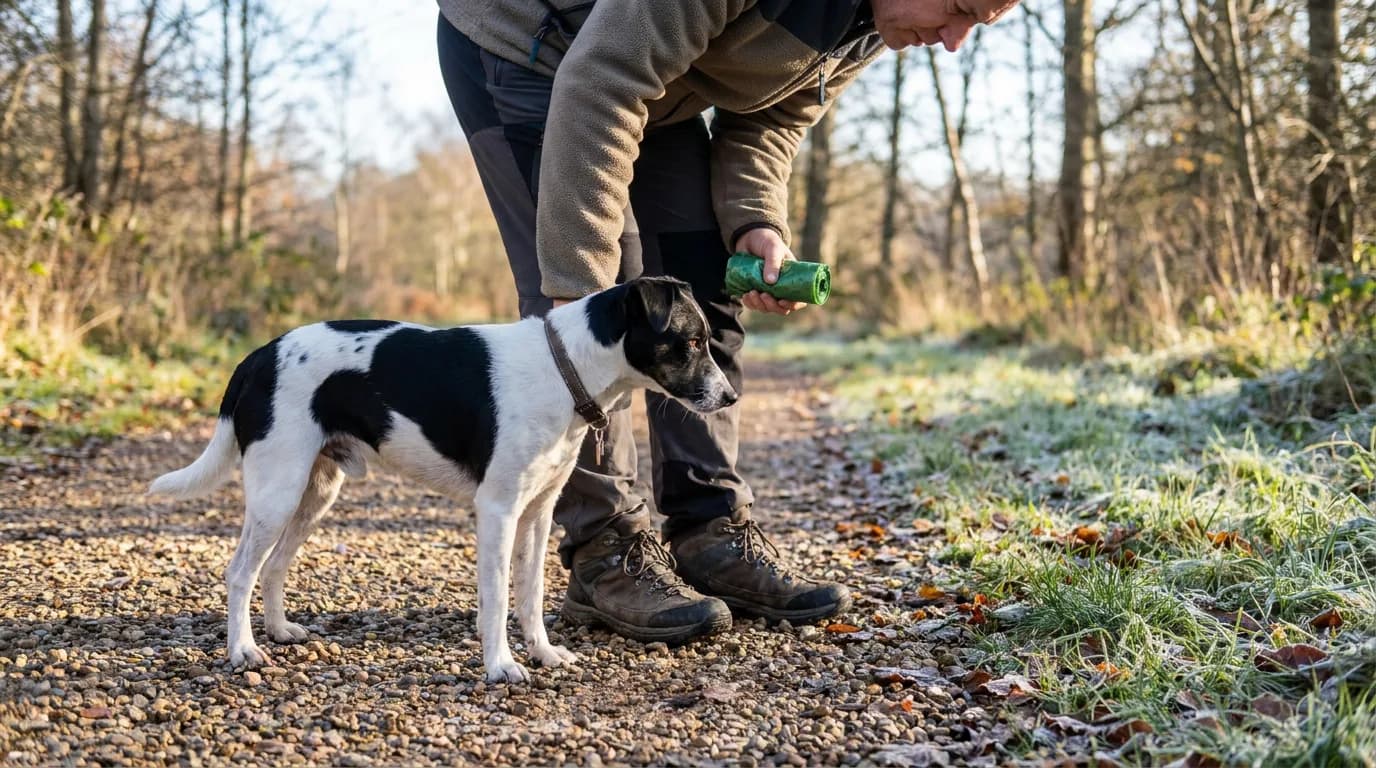
Mucus in dog poop often looks like a slippery coating or jelly around the stool. A small, isolated amount in an otherwise comfortable dog is different from repeated mucus accompanied by diarrhea, blood, vomiting, or reduced appetite. Those accompanying signs help determine how quickly to contact your veterinarian.
The most useful response to mucus in dog poop is to record what changed: stool consistency, frequency, your dog's behavior, and recent food or medication changes. Appearance provides clues, but it cannot tell you the cause by itself.

Sign up for expert-backed reviews and safety alerts all in one place.
What mucus in dog poop looks like
Intestinal mucus helps lubricate and protect the bowel. When enough becomes visible, poop may look shiny, slimy, or covered in a clear coating. Thick mucus can resemble jelly, a loose casing, or a translucent membrane encasing the stool. Owners sometimes describe a mucus sac or sack around an otherwise recognizable piece of poop.
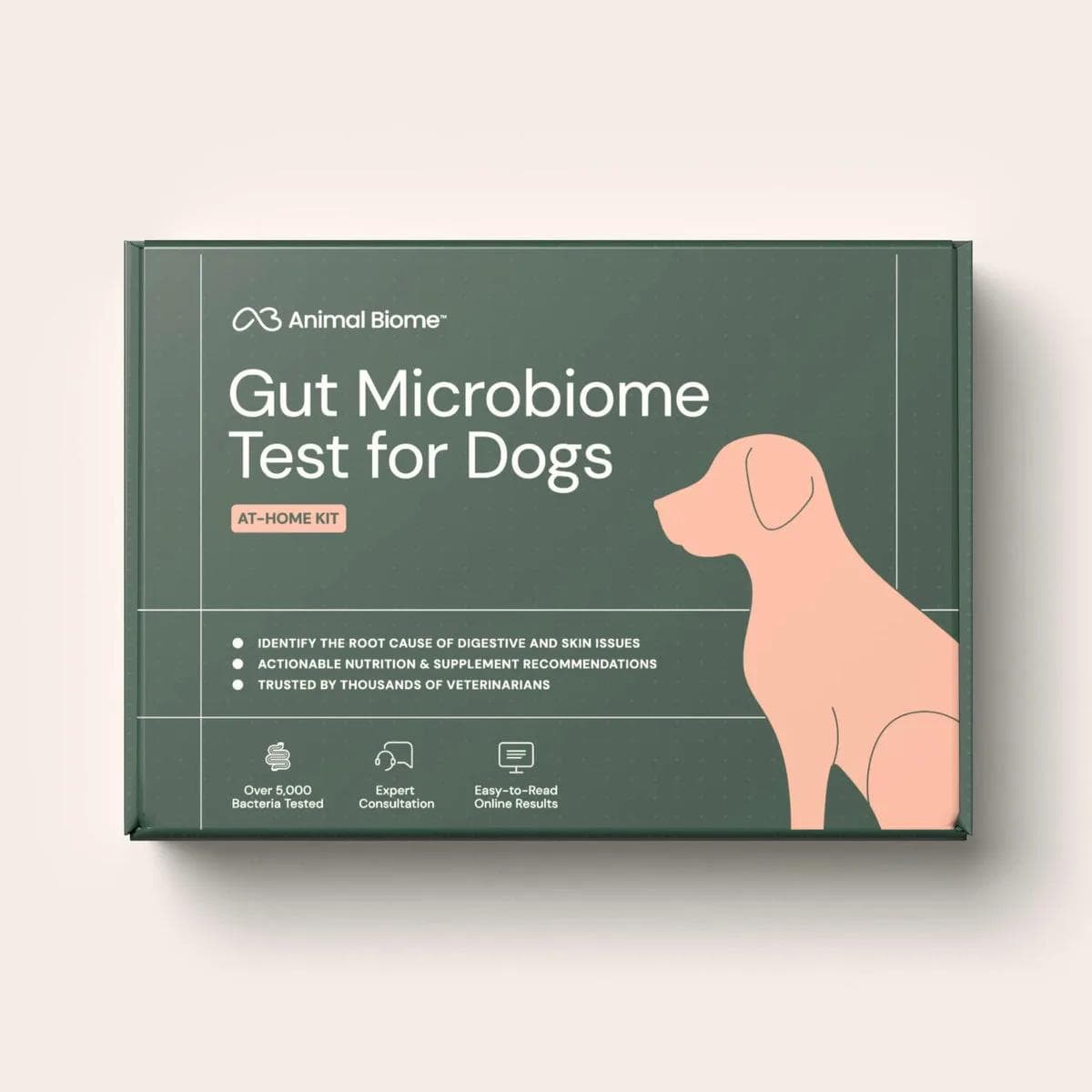
Bacterial microbiome profiling for an informed ongoing support discussion; not a parasite diagnostic test.
Petful may earn a commission when you click through to Animal Biome, at no extra cost to you.
Visible excess intestinal mucus is a sign of a change in the bowel, not a diagnosis of its cause. A jelly-like substance may accompany intestinal irritation, but it does not reveal whether food, parasites, inflammation, or another problem is responsible. Compare the overall bowel movement with your dog's usual pattern and healthy dog stool.
For ongoing digestive questions, the Animal Biome Gut Microbiome Test for Dogs can add information about bacterial composition. That is a separate question from identifying the slippery material you can see.
A thin coating versus excess mucus
The slimy stuff in your dog's poop is often mucus secreted by the bowel lining. A little may become noticeable on a single stool without other symptoms. An irritated colon can produce more, leaving poop coated in a thick layer or creating repeated small bowel movements with little solid material. That is why the amount and pattern matter more than whether the coating looks perfectly clear.
Microbiome support also has different purposes. Animal Biome Gut Restore for Dogs supplies dog-specific microbes from healthy, screened fecal material for an appropriate veterinarian-guided plan. It is distinct from a conventional single-strain probiotic.
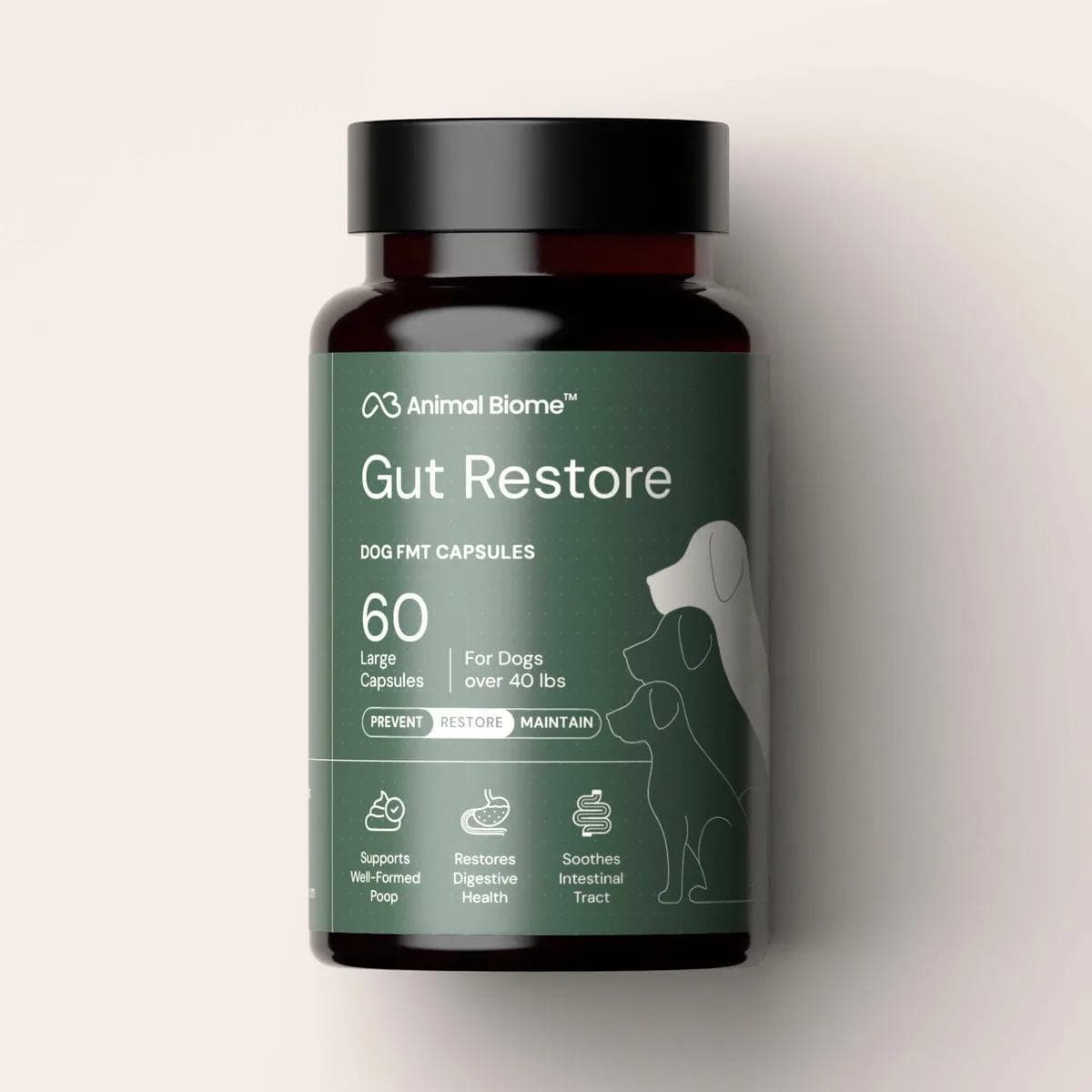
Species-specific microbial restoration for an appropriate veterinarian-guided plan.
Petful may earn a commission when you click through to Animal Biome, at no extra cost to you.
When mucus needs a call to your vet
Worry about mucus in dog poop when it recurs or accompanies fresh blood, vomiting, reduced appetite, pain, or weakness. Call your veterinarian promptly with those details. Vulnerable puppies and dogs with existing illness deserve earlier advice. A dog throwing up while passing loose stools can lose fluid more quickly than a dog with one unusual bowel movement.
A dog acting normal can still need assessment if excess mucus keeps returning. That applies whether the coating is clear, white, or yellow, or the stool seems encased in a membrane. Lots of mucus, frequent diarrhea, or mucus that continues after diarrhea improves should not be dismissed because your dog still wants a walk. A week of diarrhea with mucus is already a reason to contact the clinic.
| Observation | Useful action |
|---|---|
| Formed stool with a thin coating and normal behavior | Record the episode and watch for recurrence or other changes. |
| Repeated small bowel movements or increasing mucus | Contact the clinic and describe frequency, consistency, and straining. |
| Vomiting or reduced appetite with mucus | Seek prompt veterinary advice rather than relying on home treatment. |
| Significant bleeding, marked weakness, or severe pain | Seek urgent veterinary assessment. |
Cornell's canine diarrhea guidance emphasizes appetite loss, vomiting, black stools, and persistent diarrhea as reasons for veterinary care. The table is a communication aid, not a reason to wait when your dog seems unwell.
What blood and changes in color can mean
Fresh red blood may streak mucus or make it look pink. White stringy material may be mucus, but should not automatically be called worms. Yellow, green, orange, or grey coatings can be difficult to interpret when mixed with stool, food residue, or material on the ground.
Describe the color and amount without assigning a disease. Even a little blood deserves mention when you call. A raspberry-jam-like, bloody jelly appearance is a reason for prompt assessment, especially when accompanied by diarrhea or illness. It does not establish one particular infection.
| Appearance | What to report |
|---|---|
| Clear coating around formed stool | Whether it was isolated or appeared on several bowel movements. |
| Fresh red blood mixed with mucus | The amount, stool consistency, and any accompanying illness. |
| White, yellow, green, orange, or grey material | The observed color and any recent food changes; color alone cannot identify the cause. |
Our guide to blood in your dog's stool explains why the pattern and accompanying symptoms matter.
Why dogs pass mucus
Inflammation of the colon is called colitis. The MSD Veterinary Manual describes increased mucus production, urgency, and altered bowel movements among its features. Colitis can cause jelly-like mucus in the stool because inflammation stimulates the bowel lining to release more mucus. The term describes the affected area and inflammation; it does not tell you what started the problem.
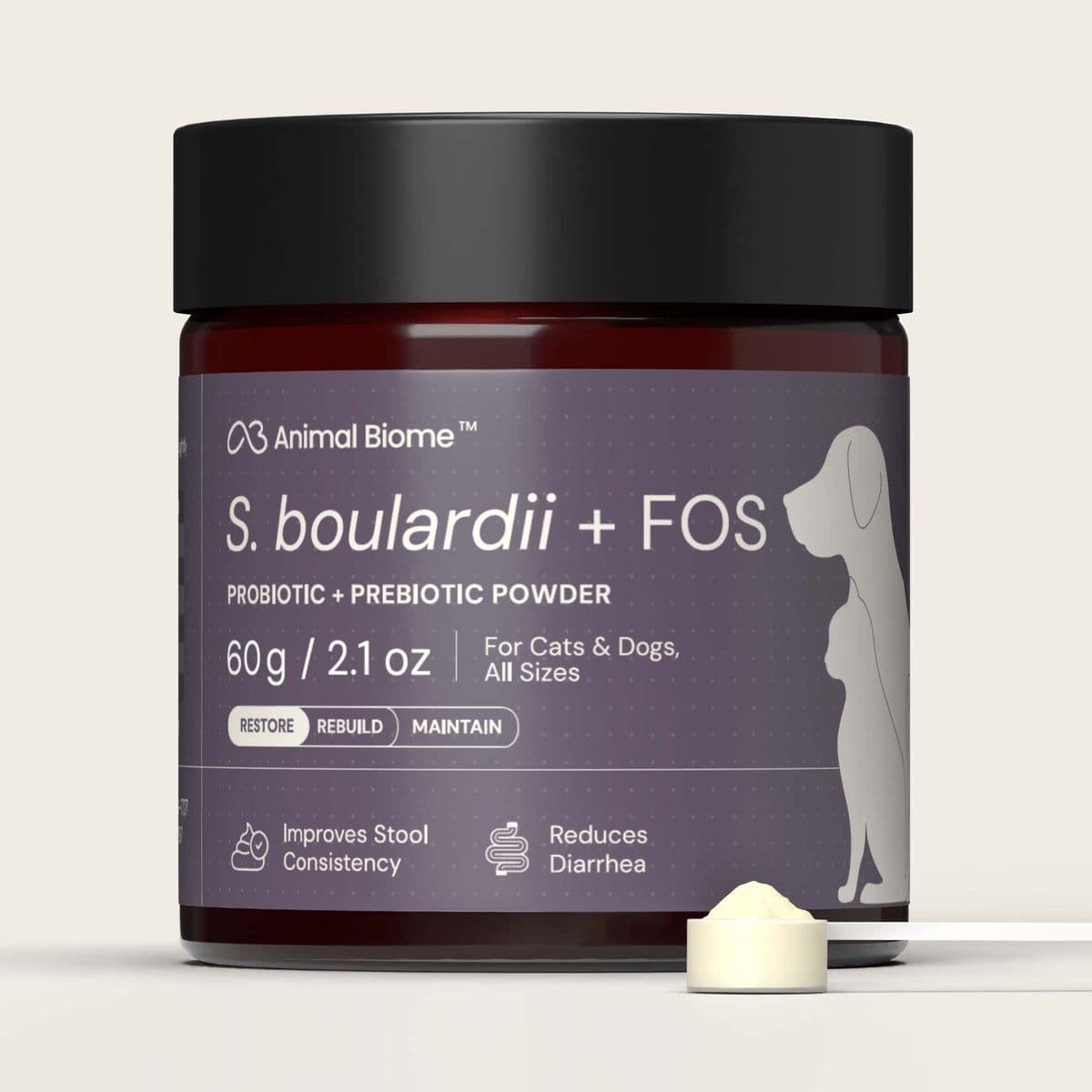
A yeast probiotic plus prebiotic fiber for digestive support.
Petful may earn a commission when you click through to Animal Biome, at no extra cost to you.
Possible triggers include:
- A sudden diet change, scavenging, or another dietary indiscretion.
- Parasites or infections.
- Chronic intestinal inflammation or an individual food sensitivity.
- Changes around medication use, procedures, or stressful events.
If mucus appears after worming, surgery, a spay, or shots, record the timing and all medicines given. Timing alone does not prove that the treatment caused it. Mention a raw-fed diet and any swallowed bone, particularly chicken bones, because those details can change the investigation.
Food changes and individual sensitivities
Rich or unfamiliar foods and a sudden food transition can trigger digestive upset that includes mucus in some dogs. There is no single food that causes mucus in every dog. Individual sensitivities also matter, so avoid an ingredient already known to cause trouble for your pet. Keep the packaging and record the amount eaten, including scraps and treats, rather than guessing which component is responsible. Cornell's diarrhea guidance recommends avoiding rich foods and excessive treats while the bowel settles.
When digestive support is appropriate, Animal Biome S. boulardii + FOS Powder combines a yeast probiotic with prebiotic fiber. Its product-specific directions matter more than a generic scoop recommendation.
What to do while arranging veterinary advice
Give your dog access to fresh water and ask the clinic whether a digestible veterinary gastrointestinal diet is appropriate while the problem is assessed. If a parasite is found, treatment may include the specific antiparasitic medicine your veterinarian selects. A dog with colitis may instead need a directed dietary plan or other treatment. Home remedies chosen because mucus looks yellow or white cannot resolve that distinction.
Daily microbiome maintenance after the immediate concern is addressed.
Petful may earn a commission when you click through to Animal Biome, at no extra cost to you.
Do not give human antidiarrheal medicines without veterinary instructions. Cornell specifically cautions against unsupervised use of loperamide or bismuth subsalicylate in dogs.
Prepare a short record:
- When the first abnormal stool appeared and how often your dog is going.
- Whether the stool is formed, loose, watery, or mostly mucus.
- Food and medication changes, including treats and supplements.
- Appetite, drinking, vomiting, energy, and possible scavenging.
- 1Record food and medication changes alongside stool frequency and your dog's behavior.
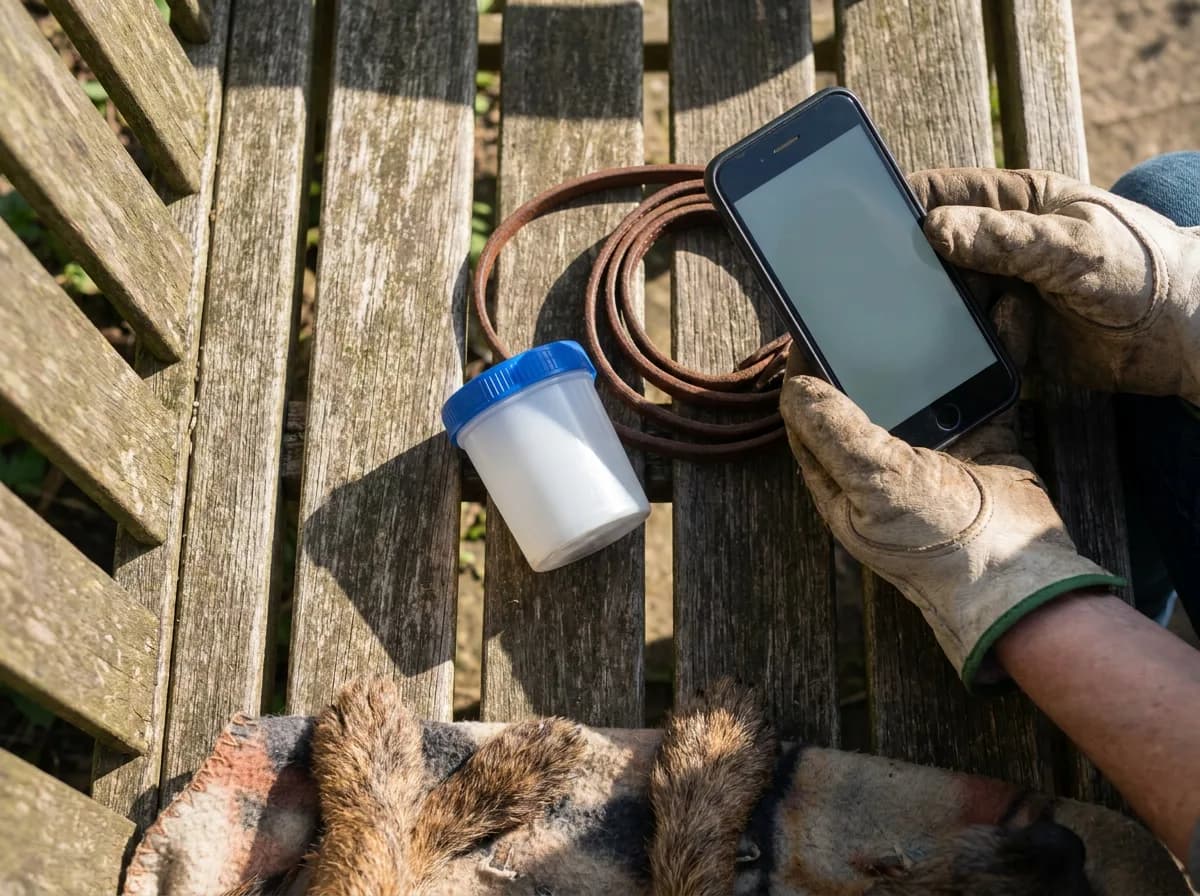
- 2Bring a photo and fresh sample if the clinic requests them, following its collection and storage instructions.
A shared health record, including one kept with MyPetID.ai, can help another caregiver provide the same medication history.
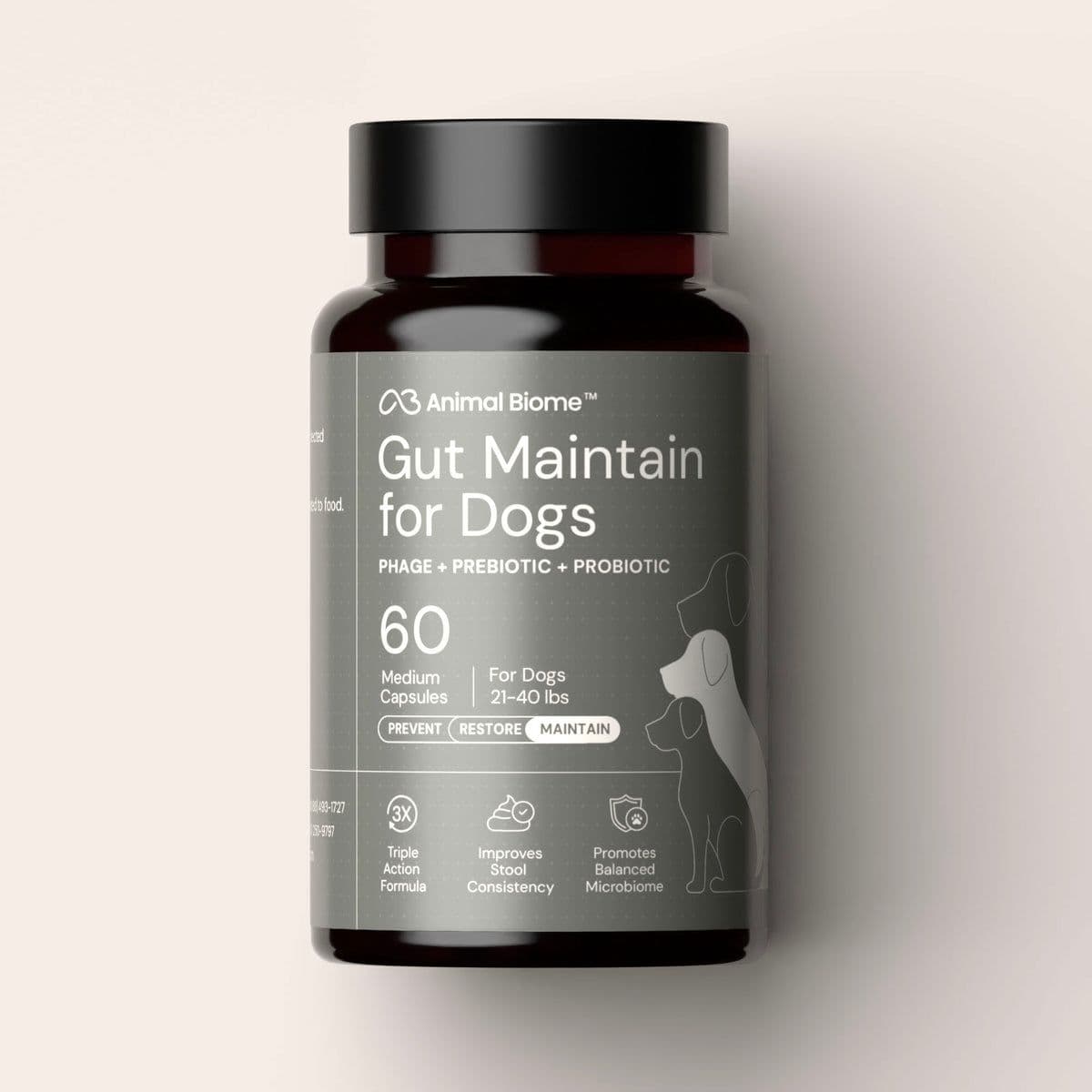
Once an immediate problem is addressed, routine support is a different decision. Animal Biome Gut Maintain for Dogs is intended for ongoing digestive maintenance and occasional soft stools.
How vets investigate recurring mucus
Your veterinarian combines the history with an examination, then chooses tests suited to the findings. Fecal testing can investigate parasites; blood tests or imaging may be appropriate when other signs suggest a broader problem.
Stringy mucus and mucus strings can be mistaken for worms. A photograph cannot reliably settle worms versus mucus, and some parasites are not visible to the naked eye. Giardia in dogs requires an appropriate diagnostic approach.
Parasite testing and microbiome profiling have different purposes. Parasite testing investigates organisms such as Giardia or worms; a bacterial microbiome profile describes bacterial populations. A coating, its color, or a photograph cannot reliably distinguish mucus, worms, and blood or diagnose an infection. Your veterinarian interprets the sample and tests alongside the examination.
There is also no stool appearance that confirms pancreatitis in dogs. Vomiting, abdominal discomfort, appetite changes, and examination findings guide that investigation. Read about pancreatitis signs for the disease-specific context. Early parvo may begin with lethargy and appetite loss before vomiting or diarrhea develops. Diarrhea may later be bloody, but there is no reliable early-stage poop appearance to wait for. Our guide to early signs of parvo explains that progression.
Supporting your dog's digestion after the cause is addressed
Cause-directed treatment comes first: a detected parasite needs the appropriate parasite treatment, while diet-responsive colitis needs a consistent dietary plan. Digestive support can then be chosen for the remaining need. Follow the feeding and treatment plan long enough to judge its effect, and agree on a follow-up point with the clinic. Changing food, adding several supplements, and altering treats simultaneously makes improvement harder to interpret.
Animal Biome Gut Maintain for Dogs combines S. boulardii, FOS, and a phage blend for daily microbiome support. Select the dog-size formulation and follow its label or your veterinarian's directions.
Your dog's findings determine which role belongs in the plan:
- The test provides information about bacterial composition.
- Gut Restore supplies a community of screened dog-specific microbes.
- The powder provides yeast and prebiotic fiber.
- Gut Maintain supports an ongoing routine.
For a broader product comparison, see our guide to the best probiotics for dogs with diarrhea. Bring the ingredient list of anything your dog already receives so the veterinarian can check for overlap. Compare the intended purpose and administration directions with the recovery plan, and agree on what improvement you are looking for before adding another formula.
Questions about mucus in dog poop
It can, but mucus also occurs with many other problems. A parvovirus test, vaccination history, exposure history, and examination help determine whether parvo is responsible. An unwell puppy needs prompt care regardless of the stool's appearance.
Yes, you may notice it around treatment, but that timing does not identify the cause. Give the clinic the dewormer name and administration date. Persistent symptoms may mean the original problem remains or that another explanation needs investigation.
Yes. Formed stool can carry visible mucus even when the bowel movement is not watery. Record whether it happens once or there are repeat episodes, and whether your dog's appetite, comfort, or frequency changes.
Frequent attempts and repeated straining are useful clinical details. Report what actually passes and whether your dog seems painful. Do not assume little output means constipation or start a laxative without advice.
Ask the clinic which sample it needs and when. A fresh stool sample for parasite testing and a microbiome kit may have different collection instructions. Do not delay prescribed treatment while arranging a sample.
BVMS, MRCVS
Dr. Pippa Elliott, BVMS, MRCVS, is a veterinarian with nearly 30 years of experience in companion animal practice. Dr. Elliott earned her Bachelor of Veterinary Medicine and Surgery from the University of Glasgow. She was also designated a Member of the Royal College of Veterinary Surgeons. Married with 2 grown-up kids, Dr. Elliott has a naughty Puggle named Poggle, 3 cats and a bearded dragon.
Sign up for expert-backed reviews and safety alerts all in one place.
A Final Word (Disclaimer)
At Petful, our review integrity is paramount; we never exchange special treatment in our reviews for monetary or material rewards.
Nonetheless, when our readers click through to online merchants (including Chewy or Amazon), we receive a referral commission. This supports the running of our free blog, and we appreciate your backing.