Giardia in Dogs: Symptoms, Treatment, and Restoring Gut Health After Infection
Giardia can cause recurring diarrhea and gut disruption in dogs. Learn how diagnosis, treatment, reinfection control, and careful recovery support fit together.

BVMS, MRCVS
Petful is reader supported. As an affiliate of platforms like Amazon and Chewy, we may earn a commission when you buy through links on this page. There is no extra cost to you.
Giardia in dogs is a common intestinal infection caused by the microscopic parasite Giardia duodenalis. Some infected dogs show no illness at all. Others develop soft or watery stool, mucus, gas, poor appetite, weight loss, or diarrhea that improves and then returns. Because those signs overlap with many other digestive problems, a stool's appearance cannot confirm Giardia. A veterinarian needs to connect the history, examination, and fecal testing before choosing treatment.
The encouraging news is that giardiasis is treatable. The harder part is preventing a dog from swallowing new cysts from contaminated fur, feces, soil, water, bowls, or shared spaces while treatment is underway. A good plan therefore has several stages: establish the diagnosis, use veterinarian-selected medication, control reinfection, reassess persistent signs, and then support recovery of the intestinal environment. Animal Biome's testing and gut-support products can fit into that final recovery conversation, but they do not detect or kill Giardia and must never delay antiparasitic care.

Sign up for expert-backed reviews and safety alerts all in one place.
Symptoms and diagnosis
The direct answer is that Giardia lives in the small intestine and spreads when a dog swallows environmentally resistant cysts passed in feces. Puppies, dogs in kennels or day care, and dogs that drink from contaminated water may face more exposure, but any dog can encounter the parasite. When symptoms or exposure raise concern, the veterinary next step is fecal testing rather than diagnosis by stool appearance.
A veterinary diagnosis matters because Giardia symptoms are not specific. Diarrhea, gas, mucus, poor weight gain, and appetite changes can also come from diet, other parasites, infection, medication, pancreatic disease, or chronic enteropathy. Giardia poop cannot be identified reliably by appearance, and several parasites can create an overlapping pattern. This is why veterinary diagnosis before treatment protects the dog from unnecessary medicine and a missed cause. The supportive care boundary is equally important: microbiome products can help frame recovery only after the parasite and other medical needs are addressed.
Petful may earn a commission when you click through to Animal Biome, at no extra cost to you.
Common signs can include:
- Soft, poorly formed, or watery stool
- Diarrhea that comes and goes
- Mucus in the stool
- Increased gas or abdominal discomfort
- Reduced appetite
- Weight loss or failure to gain weight normally
- Dullness or dehydration when diarrhea is significant
Some dogs continue acting bright and eating normally. Others, especially young, small, older, or medically vulnerable dogs, can become unwell more quickly. Blood in the stool, repeated vomiting, marked lethargy, abdominal pain, refusal to eat or drink, weakness, or signs of dehydration warrant prompt veterinary attention rather than a wait-and-see approach.
How do you tell if your dog has Giardia
You tell if your dog has Giardia through an appropriate veterinary fecal test, not from symptoms or stool appearance alone.
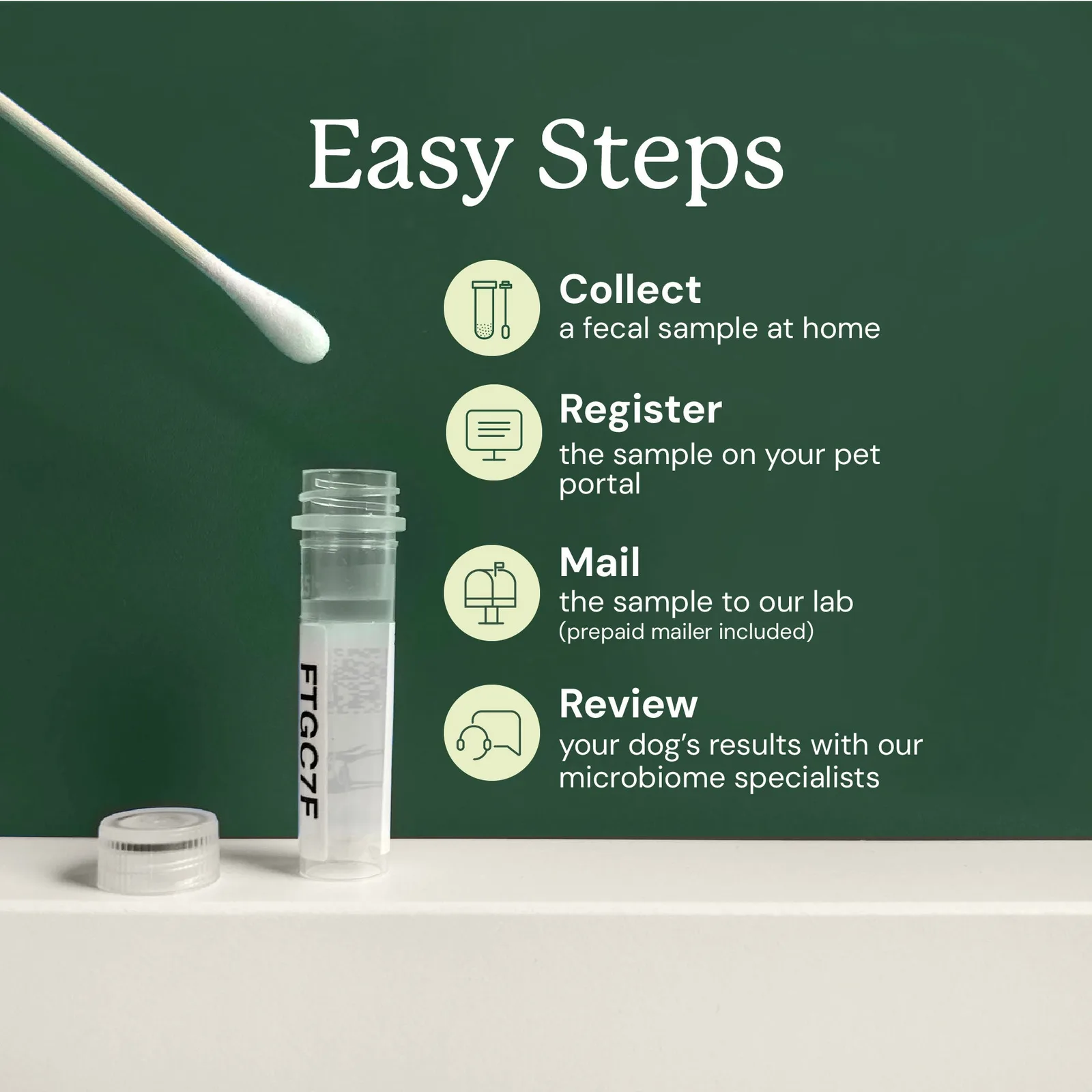
You cannot reliably tell from symptoms or stool appearance alone. A veterinarian may examine a fresh stool sample with centrifugal flotation, use a fecal antigen test, examine a direct smear, or combine methods. Because cyst shedding can be intermittent, one negative result does not always settle the question. The Companion Animal Parasite Council Giardia guideline describes combining appropriate fecal methods when infection is suspected.
Bring a fresh sample if the clinic asks for one, and share the complete timeline: when diarrhea started, whether it comes and goes, any recent boarding or day care, water exposure, diet changes, medications, travel, and whether another pet is ill. This veterinary workup turns a vague digestive sign into the next practical step. It also reduces the risk of treating presumed Giardia while missing another cause.
What a microbiome test can and cannot diagnose
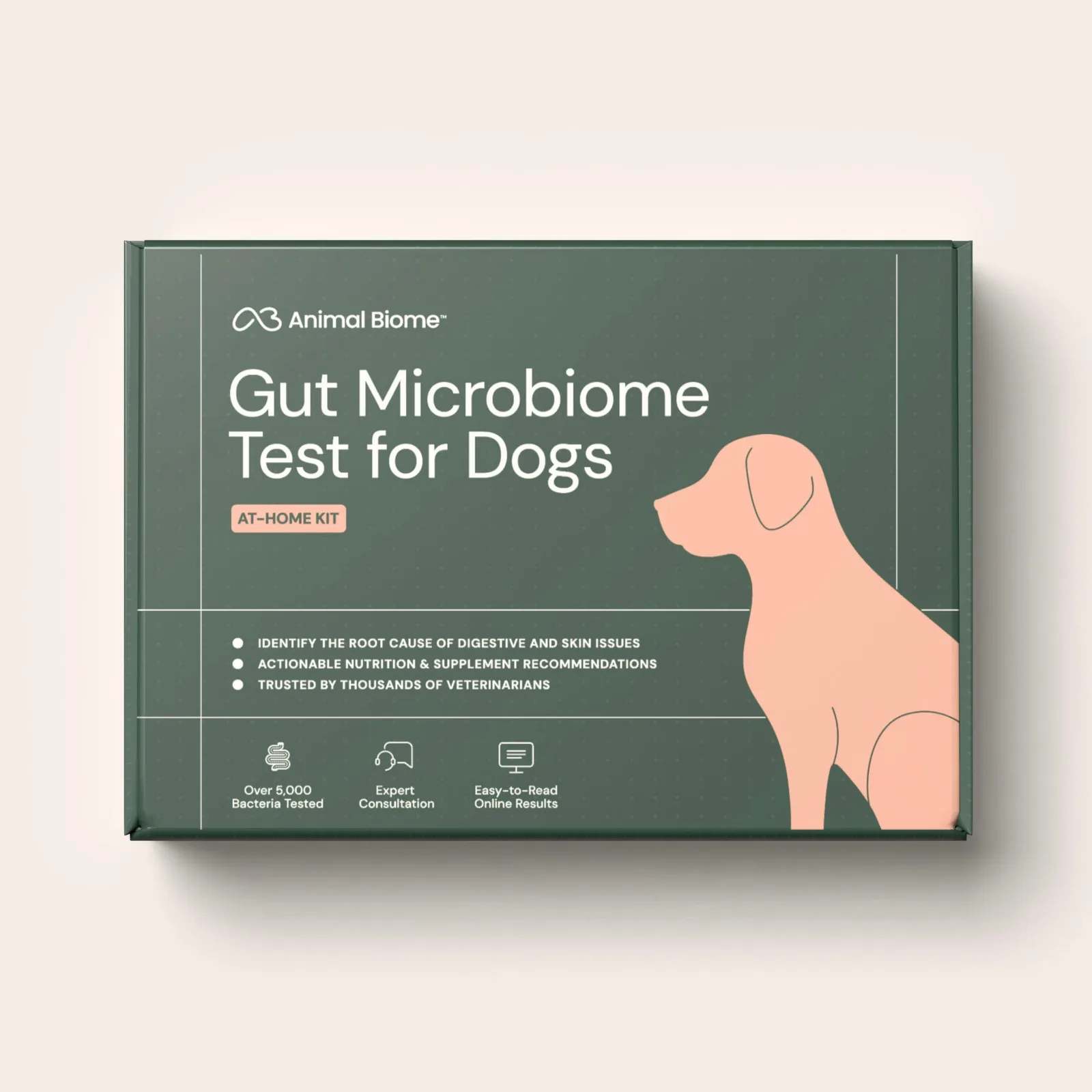
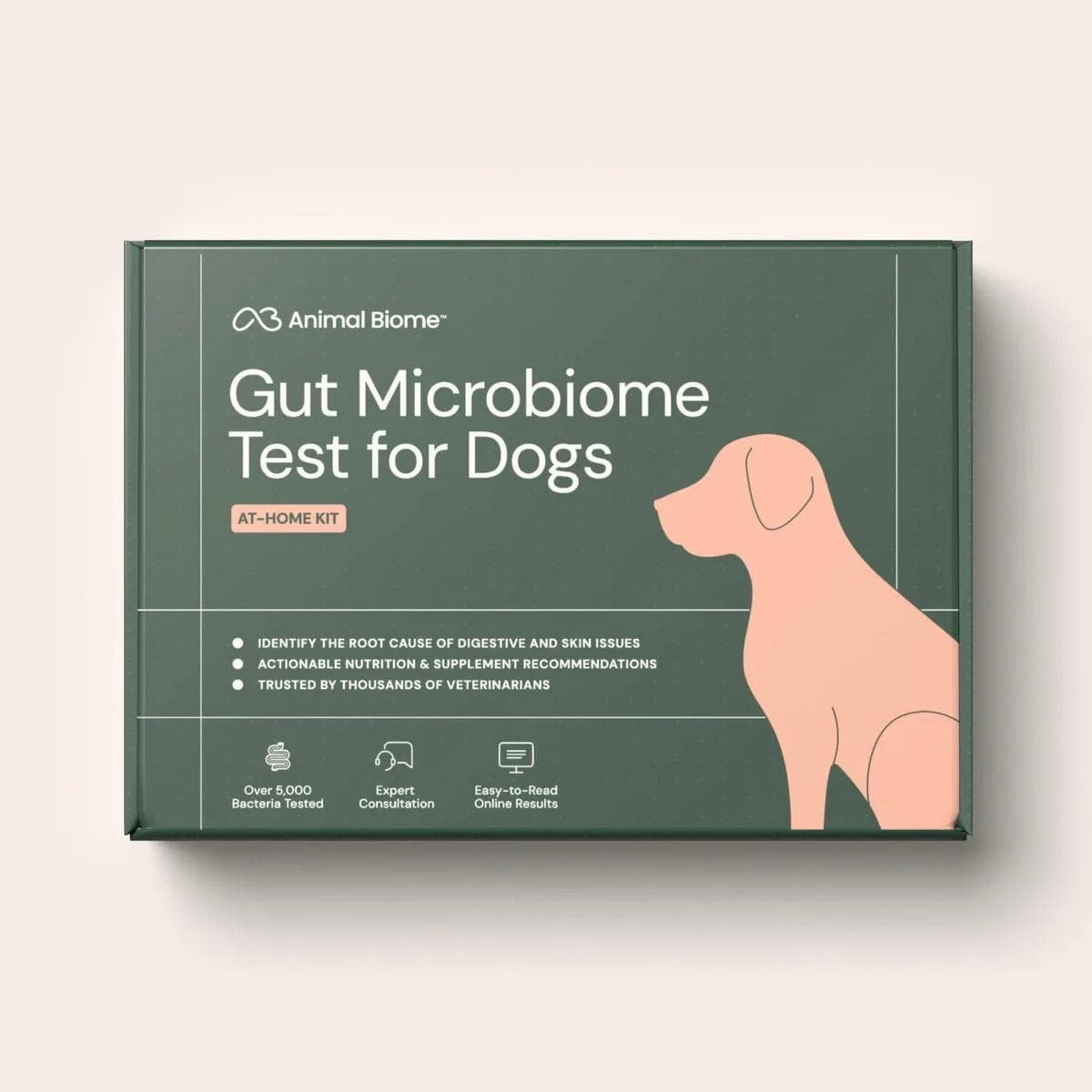
Fecal antigen and molecular tests answer different questions from a bacterial microbiome profile. Animal Biome's Gut Microbiome Test for Dogs analyzes bacterial patterns in a submitted stool sample; it is not a Giardia test and should not replace fecal parasite testing. Used later, it may help an owner and veterinarian discuss bacterial balance after the acute infection has been treated.
Petful may earn a commission when you click through to Animal Biome, at no extra cost to you.
Treatment and gut recovery
Treatment should be selected by the veterinarian who has examined the dog and reviewed the testing. Fenbendazole, which is sold under product names including Panacur, is a dewormer commonly used to treat Giardia, and metronidazole may be considered in some cases. Giardiasis is curable in many dogs, but medication cannot prevent reinfection by itself. How long treatment lasts and whether another course is considered depend on response and reinfection, so treating Giardia in dogs should follow the prescribed recheck plan rather than a one-size-fits-all cure. The right drug, duration, and follow-up plan depend on the dog's age, health, symptoms, other medications, and exposure. Do not use leftover medication or a dose copied from another pet.
Medication is only one part of the plan. Promptly remove feces, keep the hind end and paws clean, wash bedding and bowls, limit access to shared water, and follow the clinic's instructions for bathing. Otherwise, a successfully treated dog may swallow cysts from its own coat or environment and appear to have a treatment failure.
- Clear veterinary red flags include repeated vomiting, blood or black stool, marked lethargy, weakness, pain, refusal to drink, dehydration, rapid weight loss, or worsening diarrhea in a puppy. These signs need prompt care rather than a product trial. Careful limits for microbiome support keep the next step safe: a stable dog finishing treatment may discuss adjunctive support, but still needs planned follow-up if diarrhea persists, returns, or another pet becomes ill.
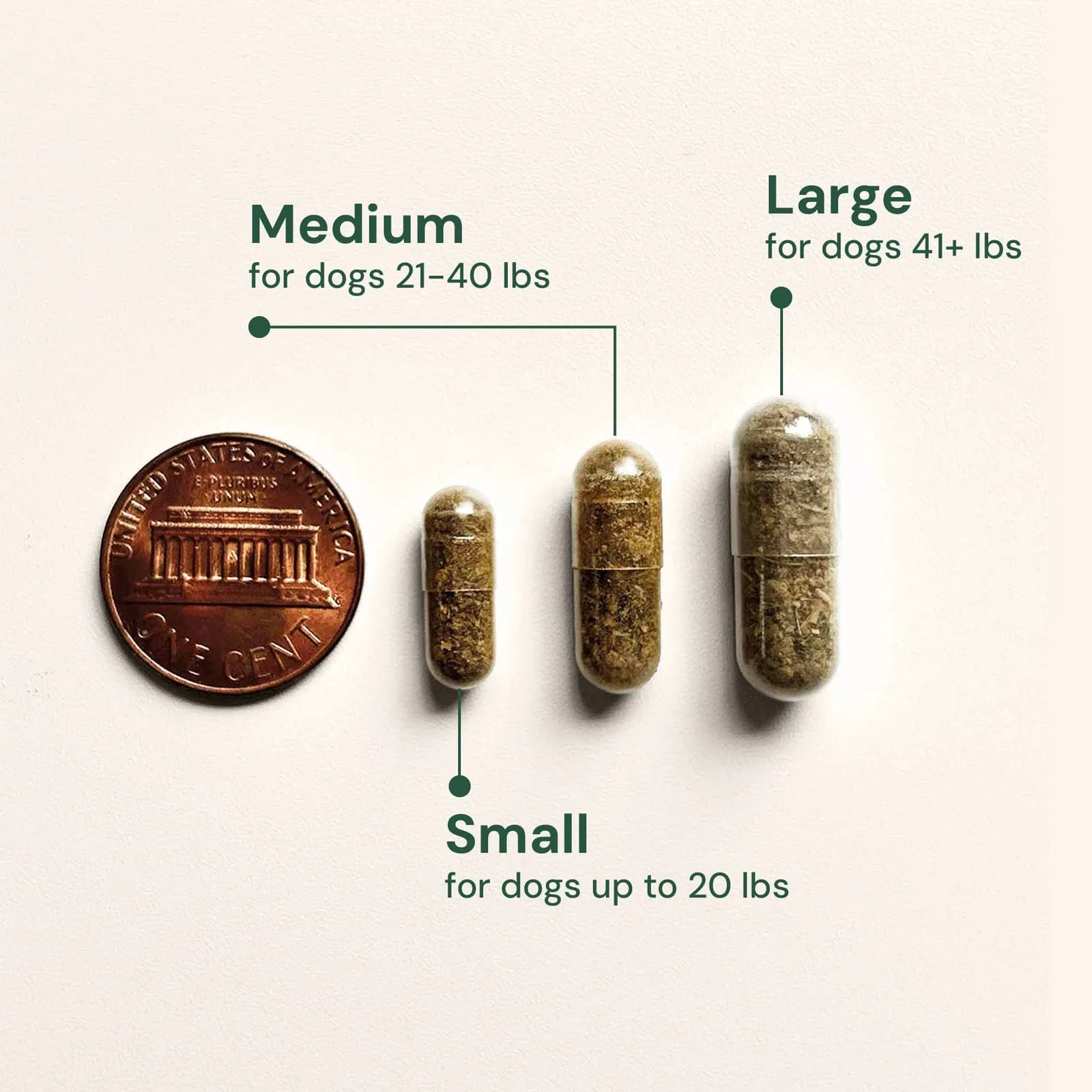
How long does it take for Giardia to go away for dogs
How long it takes for Giardia to go away for dogs varies with treatment response, reinfection risk, and any second digestive problem. Many dogs improve during or soon after a veterinarian-prescribed treatment course, but there is no single guaranteed timeline. Stool consistency can lag behind parasite control because the intestinal lining, diet tolerance, hydration, and microbial community still need time to stabilize. Reinfection or a second condition can also make signs persist.
Do not judge success solely by the number of treatment days or by one stool. Follow the veterinarian's recheck plan. The CAPC notes that antigen tests and PCR may remain positive after treatment, so a clinician may choose testing and interpretation based on the dog's ongoing signs rather than automatically repeating every test. A dog that is still ill needs reassessment, not an endless cycle of empiric medication.
What naturally kills Giardia
Nothing naturally kills Giardia reliably inside an infected dog. No food, herb, essential oil, supplement, or home remedy can be relied upon to clear the parasite. Drying, cleaning, prompt feces removal, and hot-water laundering can reduce environmental contamination, but they do not replace veterinarian-selected medication inside the patient. Garlic, concentrated essential oils, and human antidiarrheal products can create additional risk.
Supportive basics still matter. Keep clean water available, offer the diet recommended by the veterinarian, and avoid changing several foods or supplements at once. If the dog is recovering from medication-related diarrhea as well as infection, Petful's guide to dog diarrhea after antibiotics explains how to separate immediate medical needs from later microbiome support.
Petful may earn a commission when you click through to Animal Biome, at no extra cost to you.
Restoring gut health after infection
Giardia can disrupt digestion, and diarrhea itself can change the intestinal environment. Antiparasitic treatment, diet changes, stress, and other medication can add further disturbance. That does not mean every recovering dog needs the same probiotic or a broad microbiome product. It means the recovery plan should have a defined goal and a way to judge whether it is helping.
A practical sequence is:
- Confirm or strongly support the diagnosis with veterinary testing.
- Complete the prescribed antiparasitic plan.
- Reduce reinfection at home and in shared environments.
- Reassess persistent diarrhea, vomiting, weight loss, or poor appetite.
- Once the dog is stable, discuss diet and microbiome support for a specific reason.
- Track stool consistency, frequency, appetite, hydration, energy, and weight rather than relying on a general impression.
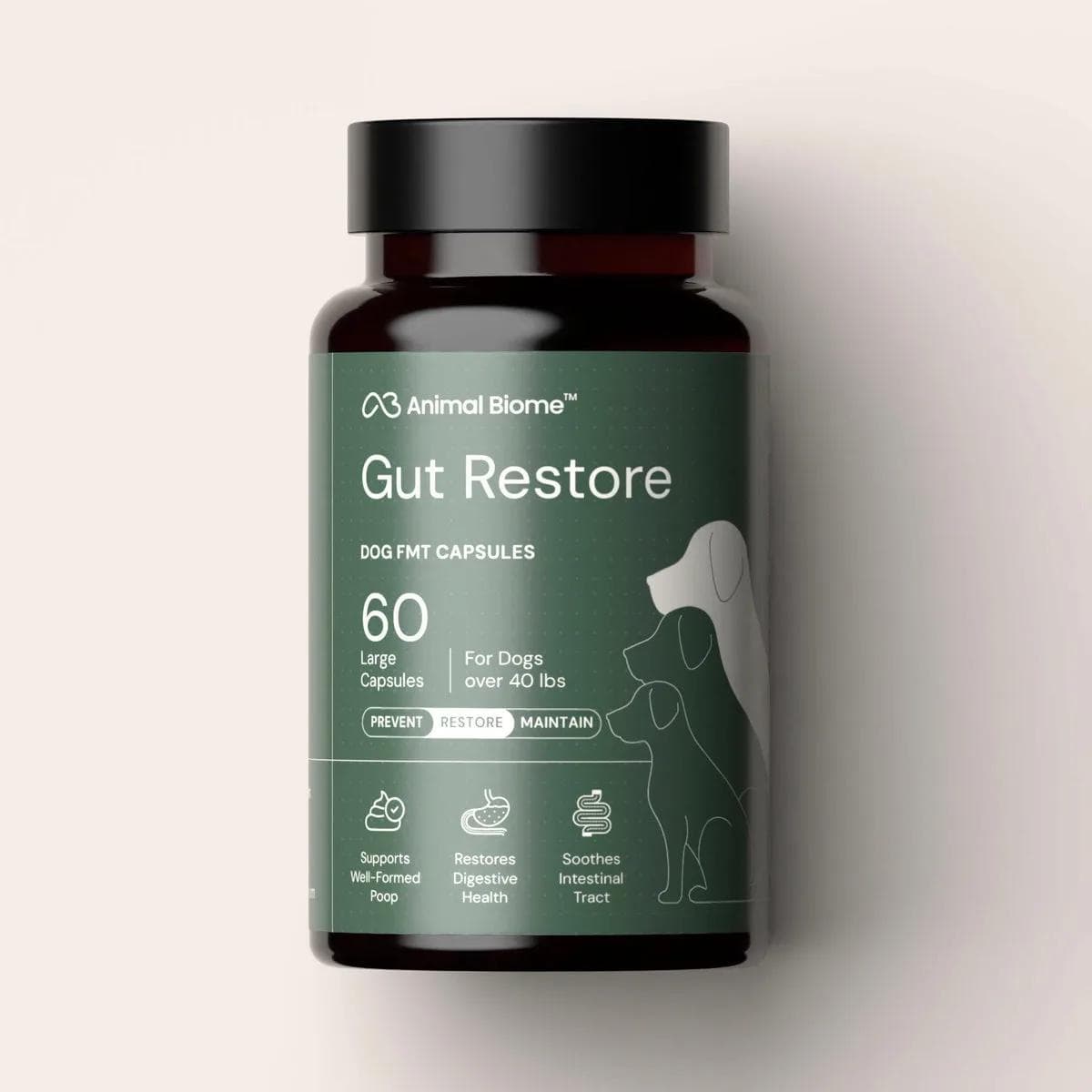
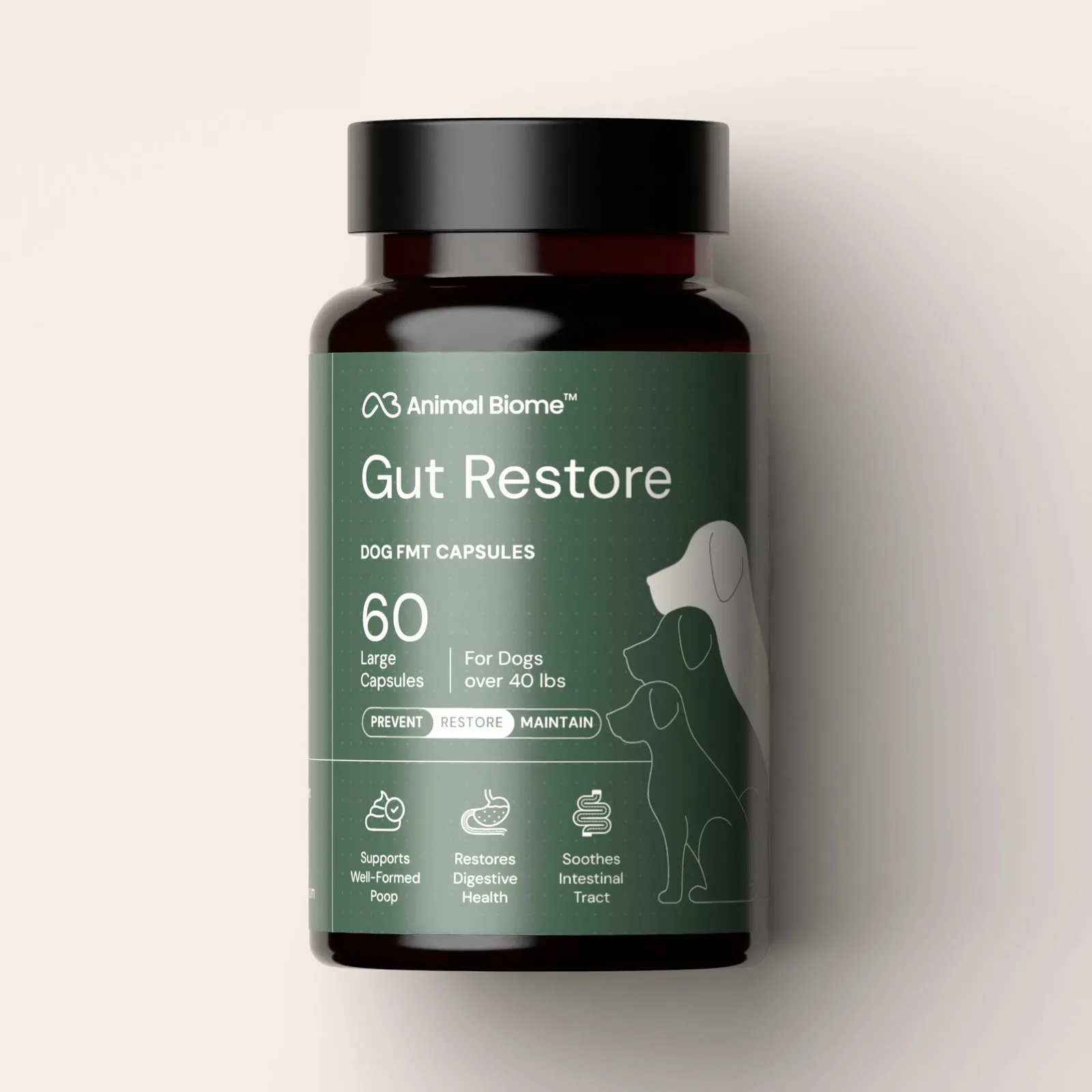
Animal Biome's Gut Restore for Dogs contains dog-specific donor-derived microbial material in delayed-release capsules. The company positions it as broader microbiome restoration support. That is different from a Giardia medicine and different from a conventional single-strain probiotic. A veterinarian should help decide whether it fits after antiparasitic care, especially for a dog that is very young, immunocompromised, seriously ill, or taking multiple medications.
The company's Gut Microbiome Test for Dogs can provide a bacterial profile before or after a planned support period. It does not test for Giardia, other parasites, or food allergies. Its most useful role is therefore to answer a bacterial question after urgent and cause-specific care has been handled, not to explain diarrhea by itself.
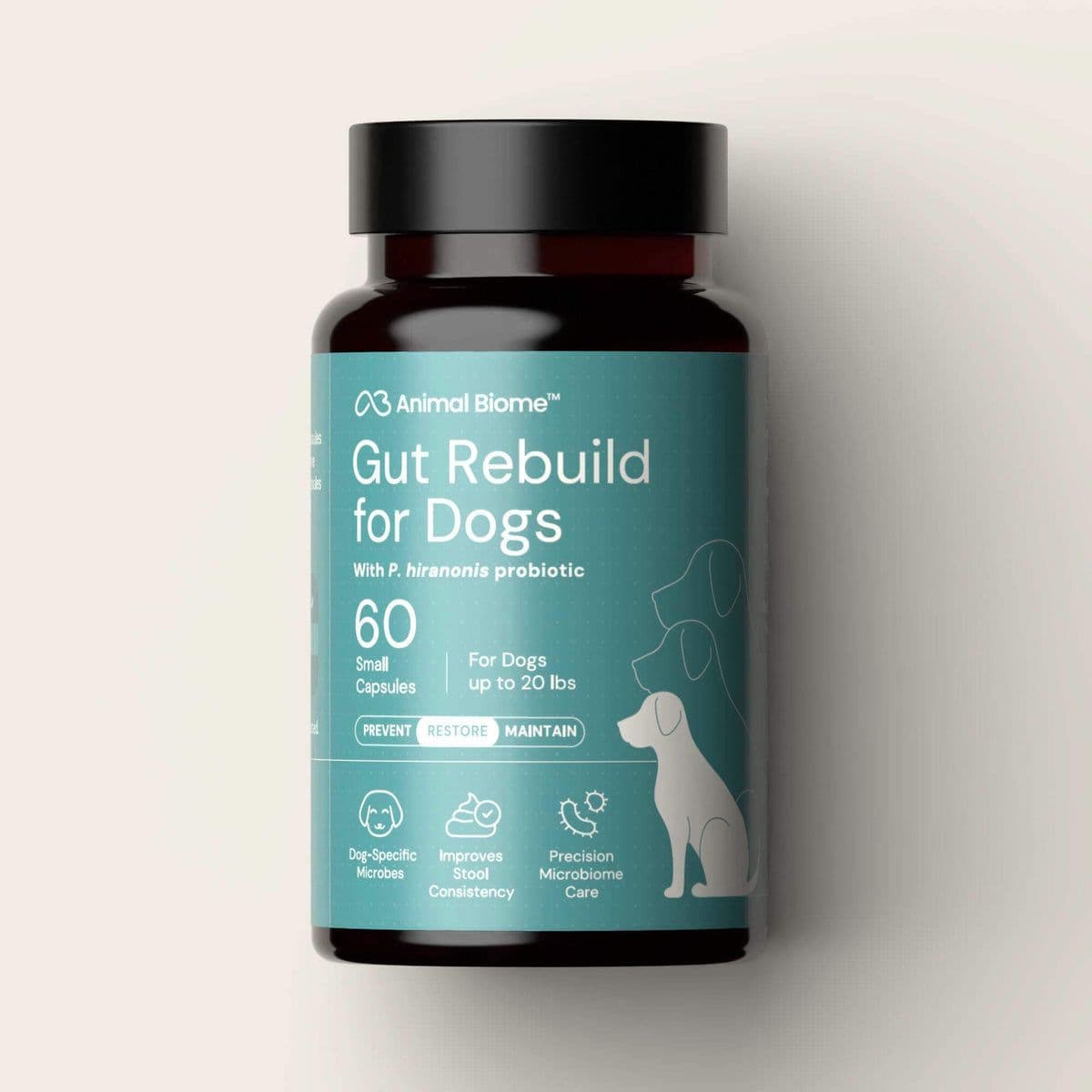
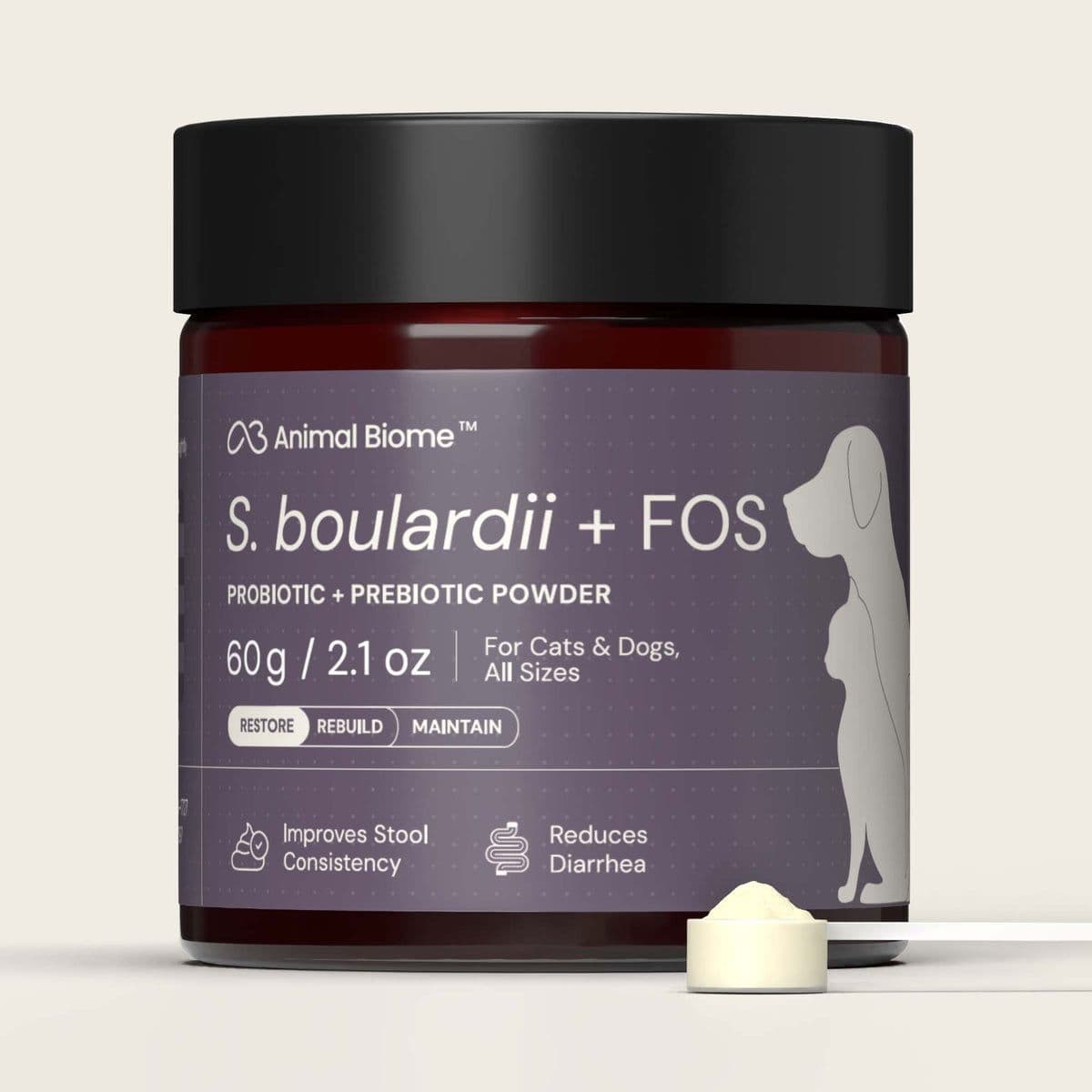
Animal Biome also offers Saccharomyces boulardii with FOS, a probiotic yeast plus prebiotic, and Gut Rebuild for Dogs, a different microbiome-support formula. These options serve different goals. The presence of several products is a reason to choose carefully, not to stack them automatically. Introduce only what the veterinarian recommends and keep the rest of the dog's routine steady enough to interpret the response.
Petful may earn a commission when you click through to Animal Biome, at no extra cost to you.
What recovery should look like
Recovery is more than one formed stool. Over several days, an improving dog should maintain hydration, regain normal appetite and energy, pass stool less often, and move toward a consistent stool pattern. Weight should stabilize, and urgency, mucus, or accidents should decrease. Record those changes rather than relying on memory, especially when more than one person cares for the dog.
A simple daily log can include medication time, meals, water intake, bowel-movement count, stool consistency, vomiting, energy, and any cleaning or exposure event. Note if the dog drank from a puddle, visited a shared yard, or had another diet change. That record helps the veterinarian distinguish slow intestinal recovery from reinfection, incomplete treatment, medication intolerance, or an unrelated disease.
Keep diet changes deliberate. A highly digestible or therapeutic diet may be recommended for a period, but it should still meet the dog's nutritional needs. Avoid adding rich treats, chews, raw animal products, or several fibers and probiotics at once. A quiet, interpretable plan gives the intestinal lining and microbial community room to stabilize while making setbacks easier to investigate.
When symptoms persist after treatment
Persistent diarrhea does not automatically mean Giardia has become “resistant.” The dog may have swallowed new cysts, the diagnosis may have included another parasite, or a second condition may be present. Diet intolerance, pancreatitis, chronic enteropathy, bacterial imbalance, medication effects, and stress can all prolong signs. The veterinarian may repeat selected fecal testing, examine other household pets, review environmental control, or broaden the workup.
Do not continue repeat courses indefinitely without reassessment. Each additional drug has potential adverse effects and may further alter the gut. The useful decision is whether evidence still points to active Giardia, reinfection, or another cause. That keeps treatment precise and preserves microbiome support for the stage where it can genuinely contribute.
Follow-up questions to ask the clinic
Before the visit or recheck, write down these questions:
- Which test confirmed or most strongly supports Giardia?
- Does this dog need treatment because of symptoms, household risk, or both?
- When should medication-related improvement be expected?
- Which cleaning and bathing steps matter most in this home?
- Should another pet be tested or treated?
- What signs justify an earlier recheck?
- If stool remains abnormal, what is the next diagnostic step?
- When, if ever, would a diet change, probiotic yeast, microbiome test, or broader restoration product be useful?
These questions connect the acute plan with recovery without confusing them. They also help an owner avoid the common mistake of treating a positive result, a symptom, and a microbiome report as if they were the same kind of information.
Transmission, cleanup, and prevention
Giardia spreads by the fecal-oral route. A dog does not need to eat a visible pile of stool. Microscopic cysts can be transmitted to the mouth during grooming after walking on contaminated ground, through dirty communal bowls, from untreated water, or from contact with contaminated fur and objects. There is no current Giardia vaccine routinely used to prevent this spread in dogs, so hygiene and exposure control matter.
Prevention focuses on interrupting that route:
- Pick up feces immediately at home and on walks.
- Wash hands after handling stool or cleaning the dog.
- Keep paws and the hind end clean, especially during diarrhea.
- Bathe the dog when the veterinarian recommends it, often near the end of treatment.
- Wash bedding and washable toys with hot water and dry them thoroughly.
- Clean food and water bowls daily.
- Prevent drinking from puddles, ponds, streams, and shared outdoor bowls.
- Avoid dog parks, day care, and communal swimming while the dog has diarrhea.
- Have other symptomatic pets evaluated instead of sharing medication.
For puppies, Giardia is not an ordinary roundworm or hookworm, even though people often group it with “worms.” Petful's puppy deworming and parasite-care guide explains why fecal testing matters when a basic dewormer does not cover the organism causing diarrhea.
A reinfection-control and retest timeline
Do I need to disinfect my house if my dog has Giardia? Focused cleaning is useful, but panic-cleaning every surface is not. This reinfection-control timeline separates the high-value steps from work that adds stress without meaningfully reducing exposure. It also creates a retest decision point based on the dog's symptoms and the veterinarian's plan rather than an automatic home-testing schedule.
| Checkpoint | High-value action | Review point |
|---|---|---|
| Treatment starts | Pick up feces immediately, clean accidents, wash bowls, and block puddles or shared water | Confirm medication and bathing instructions with the clinic |
| Every treatment day | Keep paws and the hind end clean; launder soiled bedding and washable toys | Record stool frequency, consistency, appetite, vomiting, and energy |
| Near the end of treatment | Bathe the dog when advised and clean the crate, bedding, bowls, and accident areas again | Check whether diarrhea and other signs are resolving |
| After treatment | Continue prompt feces removal and prevent exposure to contaminated water or heavily soiled areas | Follow the veterinarian's retest plan; do not rely on a mail-in microbiome test for Giardia |
| If signs return | Review missed doses, water sources, shared yards, grooming, and symptomatic pets | Contact the clinic for the appropriate fecal test and broader reassessment |
Outdoor soil and grass cannot be sterilized safely. Remove feces promptly, prevent standing water, let damp areas dry, and avoid harsh chemicals where a pet may lick residue. Indoors, remove organic material before using an appropriate disinfectant, follow its contact time, rinse where needed, and let surfaces dry fully.
Safe contact and household hygiene
How contagious is Giardia from dogs to humans? Dogs and people can both get Giardia, but the CDC explains that people are unlikely to get Giardia from dogs or cats because the types that infect pets are not always the types that infect humans. The risk is not zero, so wash hands after handling feces, cleaning accidents, gardening, or touching the dog's hindquarters. Take extra care around young children and anyone with a weakened immune system.
Can you cuddle a dog with Giardia? Calm contact is usually reasonable. Avoid face licking, wash hands afterward, keep the dog's rear and paws clean, and prevent children from handling stool or contaminated bedding. The concern is swallowing microscopic fecal material, not being in the same room or gently petting a clean dog.
Giardia recovery works best when treatment and prevention move together. Confirm the parasite, complete veterinary care, control reinfection, and reassess signs that do not resolve. Once the dog is stable, Animal Biome testing or gut-support products may add a structured next step for discussing microbiome recovery without blurring the line between supportive care and treatment.
Frequently asked questions
You can tell whether your dog has Giardia only through veterinary fecal testing; symptoms and stool appearance cannot confirm it because many digestive problems look similar. A veterinarian may use fecal flotation, an antigen test, a direct smear, or a combination of methods, and may request more than one sample because cyst shedding can be intermittent. Bring a fresh sample when requested and share the full timeline, including diarrhea, boarding, water exposure, diet changes, medications, travel, and illness in other pets.
How long it can take for Giardia to go away in dogs varies with treatment response, reinfection risk, and whether another digestive problem is present. Many dogs improve during or soon after a veterinarian-prescribed treatment course, but stool can take longer to normalize while the intestine, hydration, diet tolerance, and microbial community recover. Follow the clinic's recheck plan, and arrange reassessment if diarrhea persists, returns, or occurs with vomiting, appetite loss, weight loss, or lethargy.
You do need to disinfect key areas of your house if your dog has Giardia, but focused cleaning for reinfection control is more useful than panic-cleaning every surface. Prompt feces removal and accident cleanup both help. Wash bedding and bowls, launder washable toys, keep the dog's paws and hind end clean, and follow the veterinarian's bathing instructions. Outdoor soil and grass cannot be sterilized safely, so reduce standing water, allow damp areas to dry, and prevent access to contaminated water or heavily soiled spaces.
Dogs and people can both get Giardia, but the types that infect pets are not always the types that infect humans, so transmission from dogs is considered unlikely rather than impossible. Reduce fecal-oral exposure through hand washing after handling stool or cleaning accidents, keeping the dog's paws and rear clean, preventing face licking, and keeping children away from contaminated bedding or waste. Use extra care around young children and immunocompromised people.
BVMS, MRCVS
Dr. Pippa Elliott, BVMS, MRCVS, is a veterinarian with nearly 30 years of experience in companion animal practice. Dr. Elliott earned her Bachelor of Veterinary Medicine and Surgery from the University of Glasgow. She was also designated a Member of the Royal College of Veterinary Surgeons. Married with 2 grown-up kids, Dr. Elliott has a naughty Puggle named Poggle, 3 cats and a bearded dragon.
Sign up for expert-backed reviews and safety alerts all in one place.
A Final Word (Disclaimer)
At Petful, our review integrity is paramount; we never exchange special treatment in our reviews for monetary or material rewards.
Nonetheless, when our readers click through to online merchants (including Chewy or Amazon), we receive a referral commission. This supports the running of our free blog, and we appreciate your backing.