Dog Diarrhea After Antibiotics: How to Restore Gut Balance
Dog diarrhea after antibiotics may reflect medication effects, the original illness, or another problem. Learn what not to change on your own, when to call the veterinarian, and how to support gut recovery.

BVMS, MRCVS
Track stool, appetite, water intake, energy, and medication timing during recovery.
Petful is reader supported. As an affiliate of platforms like Amazon and Chewy, we may earn a commission when you buy through links on this page. There is no extra cost to you.
Petful may earn a commission when you buy through links on this page, at no extra cost to you.
Dog diarrhea after antibiotics can begin during treatment, soon after the final dose, or while the dog is recovering from the illness that required medication. Antibiotics can change the intestinal microbiome, but they are not the only possible explanation. The infection, stress, a diet change, parasites, another medication, or a separate gastrointestinal problem may also be involved.
Do not stop or change the antibiotic on your own. The prescriber chose it for a reason, and an incomplete course or altered schedule can affect treatment. Instead, report the diarrhea, describe the dog's overall condition, and ask whether the veterinarian wants to adjust food, timing, medication, testing, or supportive care.
For dog diarrhea after antibiotics, protect the prescription, watch hydration and red flags, and call the prescriber. Microbiome recovery is important, but urgent illness and the original diagnosis come first.
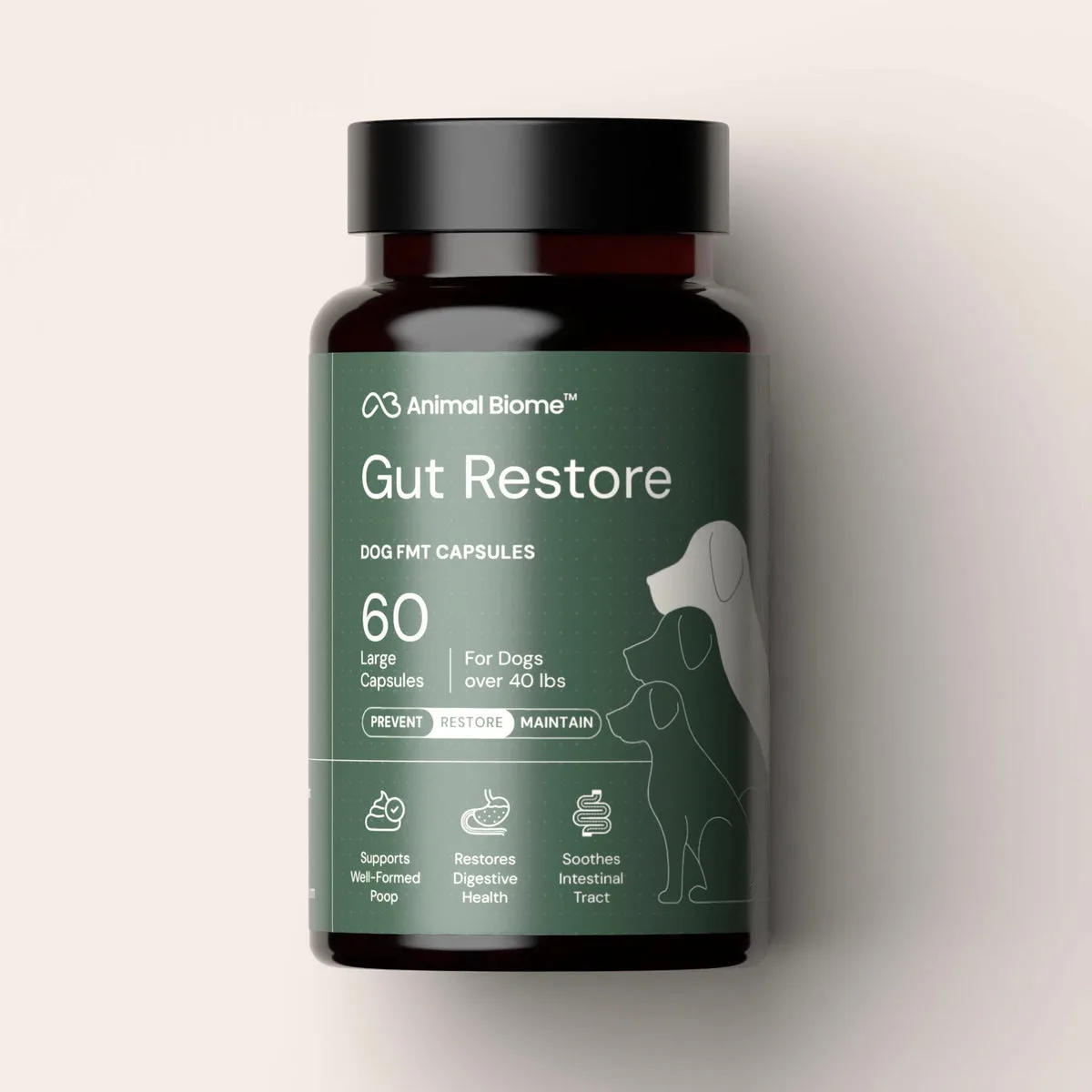
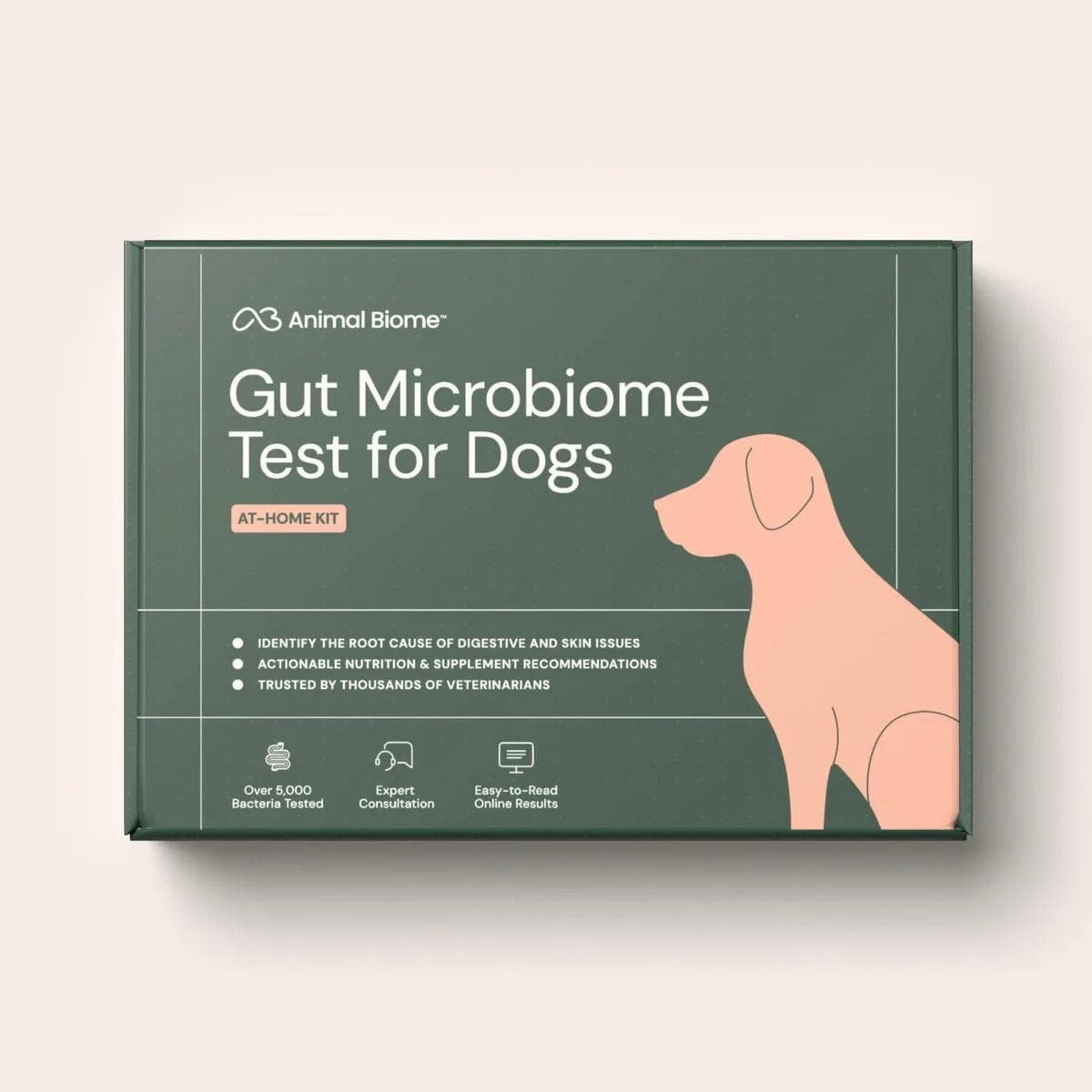
Animal Biome focuses on restoring and monitoring the companion-animal microbiome after disruptions such as antibiotics. Its Gut Microbiome Test for Dogs can establish a bacterial baseline or track change, while Gut Restore for Dogs is designed to introduce a broad, screened community of dog-specific microbes when broader restoration is appropriate.

Sign up for expert-backed reviews and safety alerts all in one place.
Why dog diarrhea can happen after antibiotics
Antibiotics are designed to inhibit or kill susceptible bacteria. They do not affect only one unwanted organism in one location. Depending on the drug, dose, duration, and individual dog, they may also change bacteria in the digestive tract. Those changes can influence microbial diversity, bile acid metabolism, and other functions associated with normal stool.
That does not mean antibiotics are bad or unnecessary. They can be lifesaving when a bacterial infection is present or strongly suspected. The practical issue is balancing the benefit of treating that infection with monitoring for side effects and avoiding antibiotics when they are unlikely to help.
What dog microbiome research shows
Metronidazole is a useful example because it has historically been prescribed for canine diarrhea. A controlled study in healthy dogs found significant changes in the fecal microbiome and metabolome during treatment, with some changes still present four weeks after the drug was stopped. Review the metronidazole microbiome study for the full methods and limitations.
Research in dogs with acute diarrhea also shows why the story is nuanced. A 2024 trial comparing metronidazole with a synbiotic found no significant difference in the clinical course, while metronidazole negatively affected several core bacterial groups. The study included only 27 dogs, so it should guide questions rather than dictate care for every patient. See the controlled trial in dogs with acute diarrhea.
Antibiotic-associated diarrhea may reflect direct gastrointestinal effects, microbial disruption, or both. In other cases, the diarrhea belongs to the original disease or a new problem. Timing helps, but timing alone cannot prove the cause.
Petful may earn a commission when you click through to Animal Biome, at no extra cost to you.
Separate a medication effect from other causes
Diarrhea that begins after an antibiotic deserves attention, but the sequence does not identify the cause by itself. The veterinarian will interpret timing alongside the dog's diagnosis, examination, diet, exposure history, and other medication. This differential approach protects the dog from having every symptom attributed to the microbiome.
A direct medication effect may be more plausible when loose stool starts soon after a new drug, the dog otherwise feels well, and no other major variable changed. Even then, the prescriber should decide whether the expected benefit still outweighs the side effect and whether the schedule, food instructions, or medication plan needs review.
The original illness may also explain the diarrhea. A dog receiving antibiotics for an infection can still be unwell, and some infections or inflammatory conditions affect appetite, hydration, and stool. Lack of improvement in the original signs matters just as much as the new digestive sign.
- Track the original illness and the new diarrhea together so the prescriber can judge medication effects without losing sight of the condition being treated.
Food used to hide medication can create another clue. Cheese, fatty meat, rich canned food, new treats, or a sudden bland diet may change stool independently. Record exactly what was offered with each dose rather than reporting only that the diet stayed the same.
Parasites, Giardia, scavenging, abrupt food changes, pancreatitis, a foreign body, toxin exposure, and chronic gastrointestinal disease remain possible. Antibiotic treatment does not rule them out. A fresh fecal sample, blood testing, imaging, or another test may be appropriate when the history or examination points beyond a simple side effect. If diarrhea follows a parasite exposure or keeps returning, Petful's guide to Giardia in dogs explains fecal testing, reinfection control, and recovery after treatment.
| Pattern | Question for the veterinarian | Why it changes the plan |
|---|---|---|
| Loose stool begins after the first doses, but the dog is bright | Could this be a medication effect, and what should be monitored? | The prescription still needs an authorized plan |
| Diarrhea worsens while the original illness is not improving | Is the diagnosis or treatment response changing? | Both the disease and medication need reassessment |
| Stool changes after new food used with the tablets | Should the food be simplified or returned to the prior diet? | A diet variable may be obscuring the medication response |
| Diarrhea is recurrent, bloody, painful, or associated with weight loss | What testing is needed for another gastrointestinal cause? | A supplement-only response could delay diagnosis |
When diarrhea needs veterinary care
Call the veterinarian who prescribed the antibiotic when diarrhea begins, especially if it is repeated or watery. The prescriber may want to know:
- The antibiotic name, dose, schedule, and treatment day
- Why it was prescribed and whether the original signs are improving
- When diarrhea started relative to each dose
- Stool frequency, consistency, color, mucus, and blood
- Vomiting, appetite, water intake, energy, pain, and temperature if known
- Other medications, supplements, treats, and recent food changes
Dog diarrhea red flags include repeated vomiting, inability to keep water down, weakness, collapse, pale gums, a painful or swollen abdomen, black stool, substantial red blood, suspected toxin or foreign-body exposure, and rapidly worsening signs. Puppies, seniors, very small dogs, and dogs with kidney disease, diabetes, immune disease, or another serious condition need earlier advice.
Petful's guide to vomiting and diarrhea in dogs explains the broader differential diagnosis. If blood is present, also review the veterinarian-authored guide to bloody stool in dogs, but do not delay a call while reading.
- Report frequency, consistency, color, blood, vomiting, appetite, water intake, energy, and the exact relationship to each dose. That information helps the veterinarian judge urgency and decide what should change.
Petful may earn a commission when you click through to Animal Biome, at no extra cost to you.
Turn the timeline into an actionable prescriber handoff
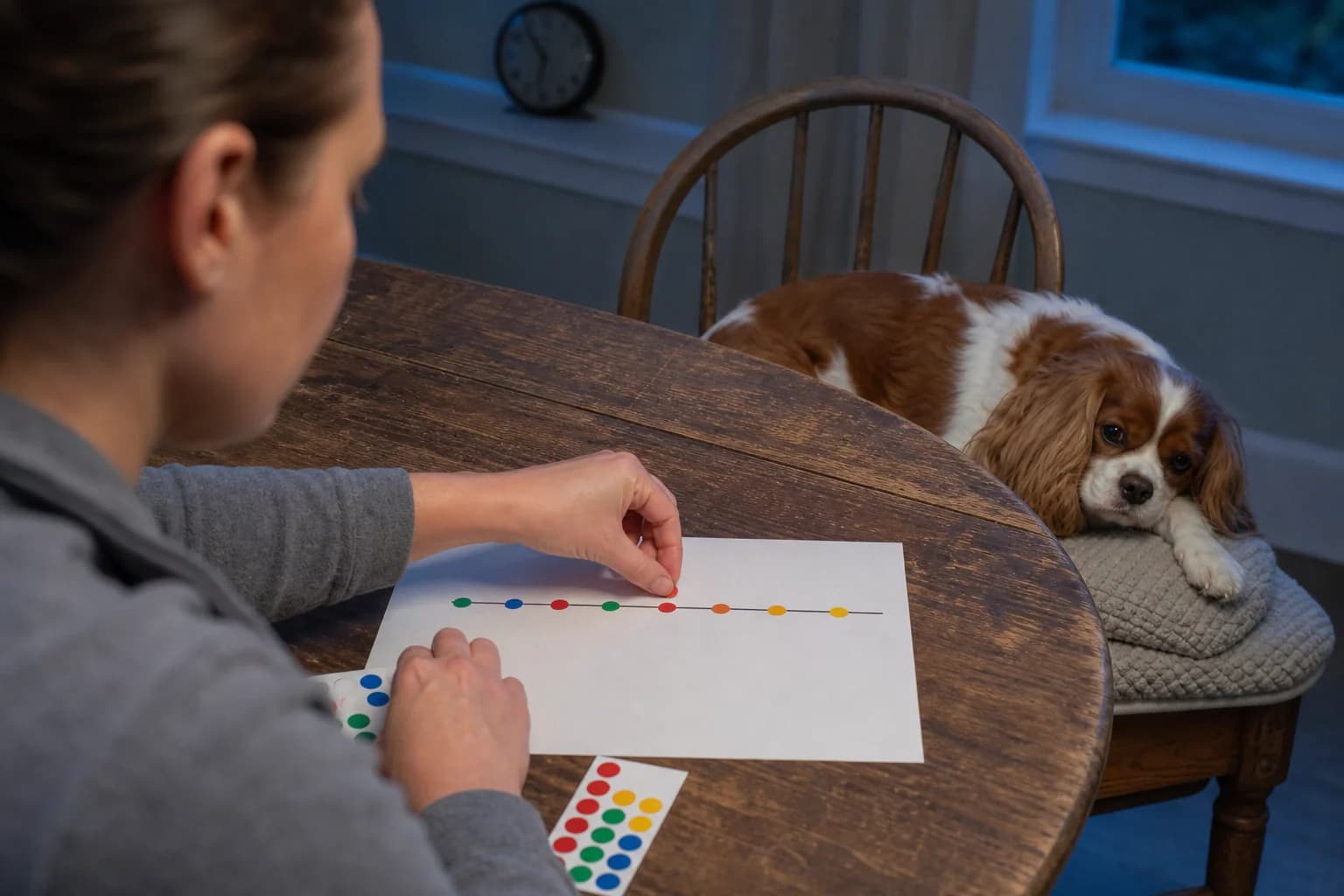
Before calling, write a one-sentence timeline that connects the original illness, the first antibiotic dose, and the first abnormal stool. For example, note whether the diarrhea began before treatment, during the first treatment days, after a food change, or after the final dose. Add whether it is becoming more frequent, less frequent, or staying the same. This is more useful than describing the problem as recent.
Organize the rest of the update into four parts:
- Original condition: What problem is being treated, and are those signs better, unchanged, or worse?
- Digestive change: When did loose stool start, how often is it occurring, and are blood, mucus, vomiting, pain, or straining present?
- Whole-dog status: Is the dog eating, drinking, urinating, resting comfortably, and behaving normally?
- New variables: What food, treats, supplements, medications, scavenging, travel, or stress changed around the same time?
Ask the clinic to clarify the next checkpoint. The useful questions are what observations should prompt an immediate visit, what information to record, whether the clinic wants a stool sample, and when to report again if the pattern does not improve. Record the advice and the time of the call so every caregiver follows the same plan.
If the veterinarian changes the plan, follow the new instructions exactly. Do not fill in an unclear step from memory or online advice. Call back when the label, written instructions, and verbal guidance appear to conflict. A precise handoff reduces guesswork while keeping medication decisions with the prescriber.
What to do without changing the prescription
Keep giving the antibiotic exactly as directed unless the prescriber tells you otherwise. If the label says to give it with food, follow that instruction. If your dog refuses food, vomits a dose, or cannot keep medication down, call for directions rather than repeating or skipping a dose on your own.
Keep fresh water available. Do not force large amounts at once if the dog is nauseated. The veterinarian may recommend a specific diet or feeding pattern based on the dog's age, condition, and medication. Avoid adding rich treats, fatty table food, new chews, several supplements, or abrupt diet changes during the same period.
Protect hydration and nutrition without improvising
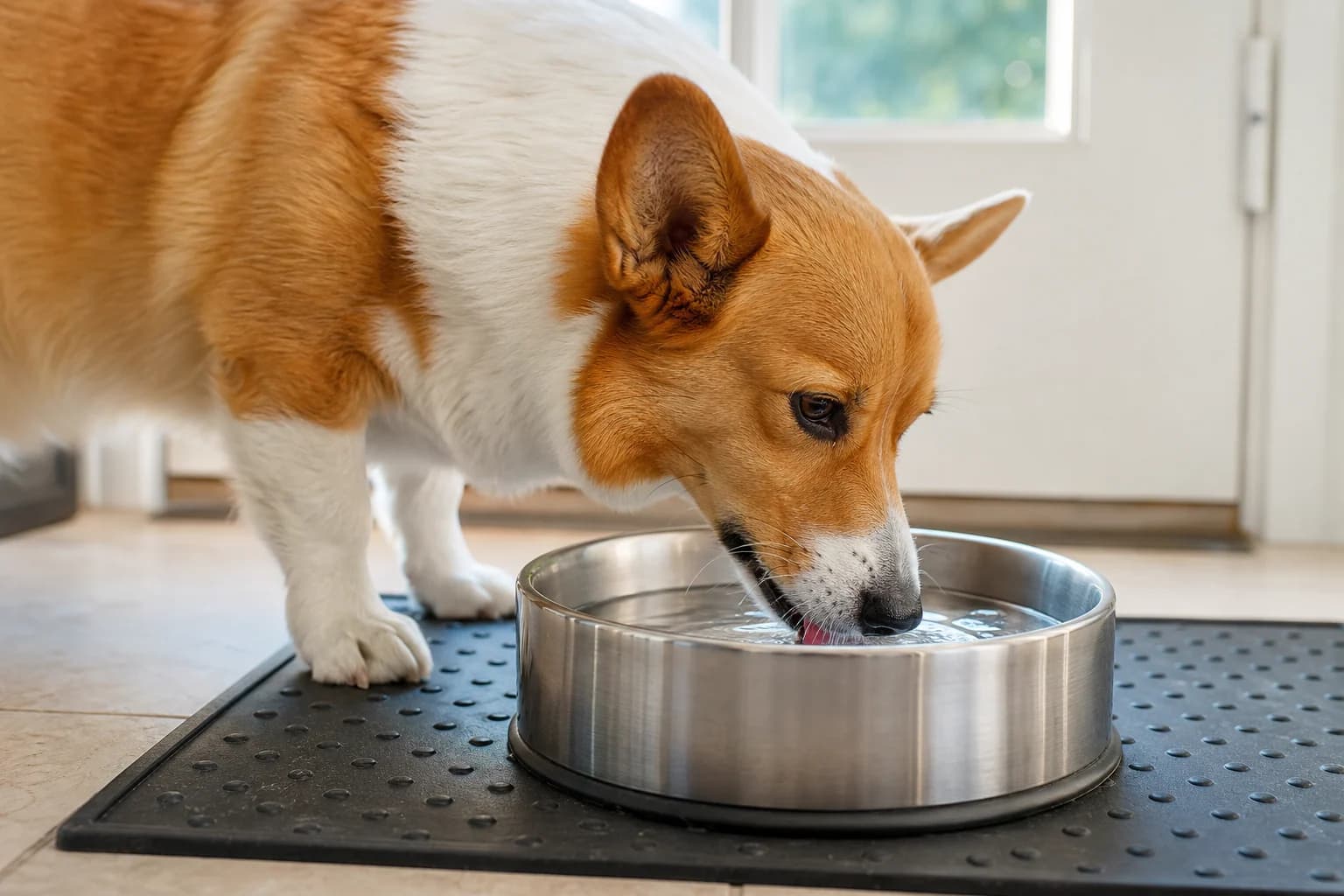
Hydration is more than whether water is present in the bowl. Watch whether the dog is drinking, keeping water down, urinating, and acting normally. Sticky gums, weakness, reduced urination, repeated vomiting, or an inability to drink can signal a need for prompt assessment. Puppies, small dogs, seniors, and dogs with kidney, endocrine, or other medical conditions may have less reserve.
Ask the veterinarian what food plan fits the dog and the medication. Some antibiotics have specific food instructions, and the original illness may require a particular diet. A highly digestible diet may be recommended in one case, while another dog should stay on a prescription or elimination diet without added ingredients. Do not assume fasting is appropriate. Prolonged food restriction can be risky, especially for young, small, medically fragile, or underweight dogs.
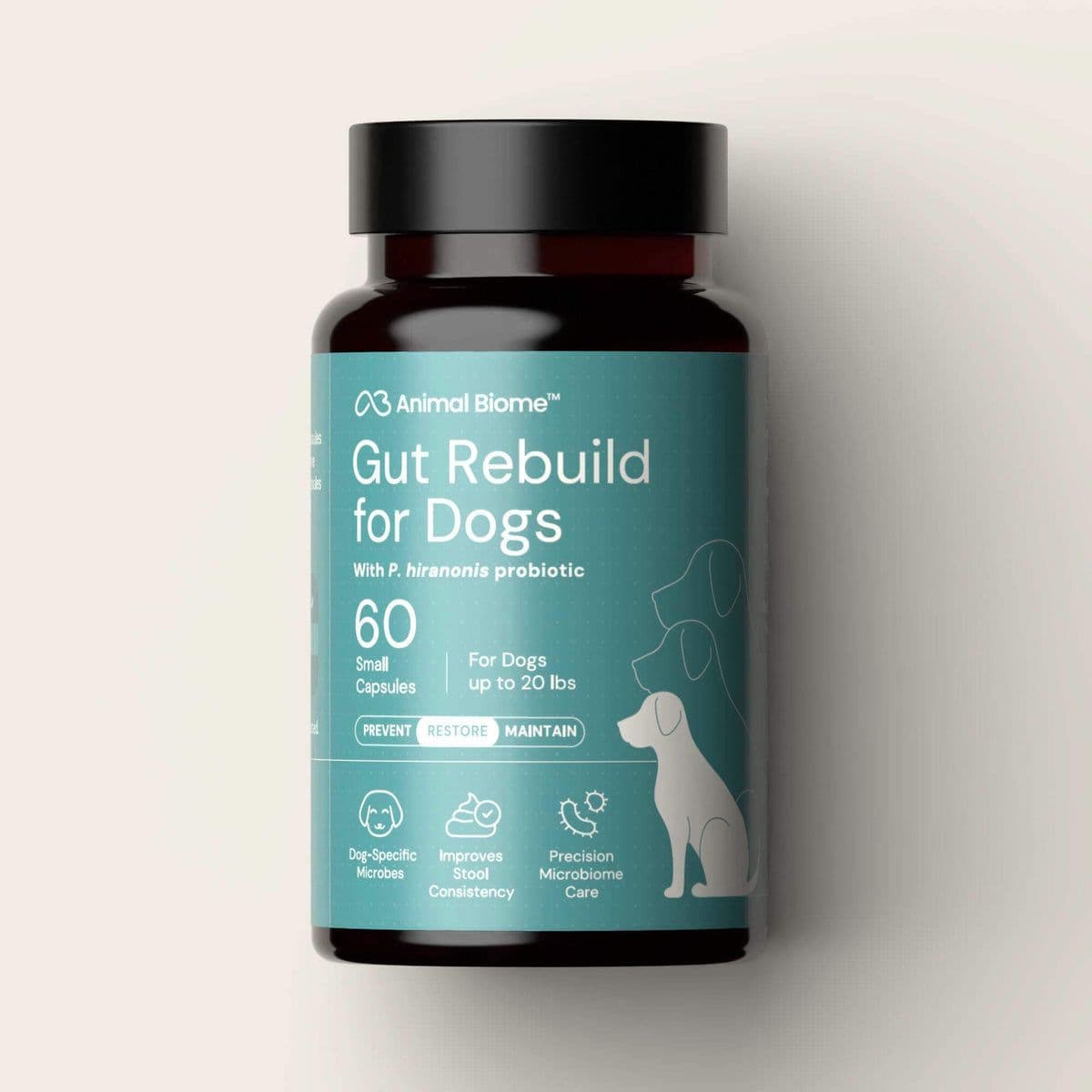
Petful may earn a commission when you click through to Animal Biome, at no extra cost to you.
Track nutrition as part of recovery:
- Amount of each meal offered and eaten
- Food or treat used to give the medication
- Water intake and vomiting after drinking
- Body weight when the veterinarian recommends monitoring it
- Appetite and interest in food between doses
Call if the dog refuses food, cannot keep water down, or appears weaker even if the number of bowel movements falls. A quieter intestine does not prove recovery when hydration, appetite, or energy is deteriorating.
Collect a fresh stool sample if the clinic requests one. Antibiotic exposure does not rule out parasites, Giardia, dietary disease, or other causes. If the dog is being treated for a gastrointestinal condition, the veterinarian may also need to reconsider whether the diagnosis or medication choice still fits.
What to do today, this week, and after recovery
| Time | Priority | Useful action |
|---|---|---|
| Today | Medication safety and hydration | Call the prescriber, continue only as directed, track stool and water intake |
| This week | Clinical response | Follow the diet and treatment plan; report worsening or lack of expected improvement |
| After recovery | Dog microbiome recovery | Rebuild routine gradually and discuss targeted microbiome support if appropriate |
This timeline is not a promise that diarrhea will resolve on a particular day. It organizes decisions so immediate risk is handled before long-term support.
Common mistakes that slow a clear answer
The first mistake is stopping medication without speaking to the prescriber. The second is changing too many variables at once. A new bland diet, two probiotics, pumpkin, yogurt, and a different feeding schedule may seem proactive, but the combined response becomes impossible to interpret. Some additions can also worsen gas or diarrhea.
Avoid giving human anti-diarrheal medicine unless the veterinarian specifically directs it. Some drugs are unsafe in certain dogs, can interact with other medication, or can mask a problem that needs examination. Do not repeat a vomited antibiotic dose without advice because it may be unclear how much was absorbed.
Keep the diagnosis open
Do not assume that every loose stool represents antibiotic-associated diarrhea. The dog may still have the original infection, may have picked up a parasite, or may be reacting to food used to hide the tablets. A precise history helps the clinic decide whether to monitor, test, or change the plan.
Finally, do not judge recovery only by the first normal stool. Track several days of stool consistency, appetite, water intake, and energy. A stable pattern is more informative than one good bowel movement between episodes of diarrhea.
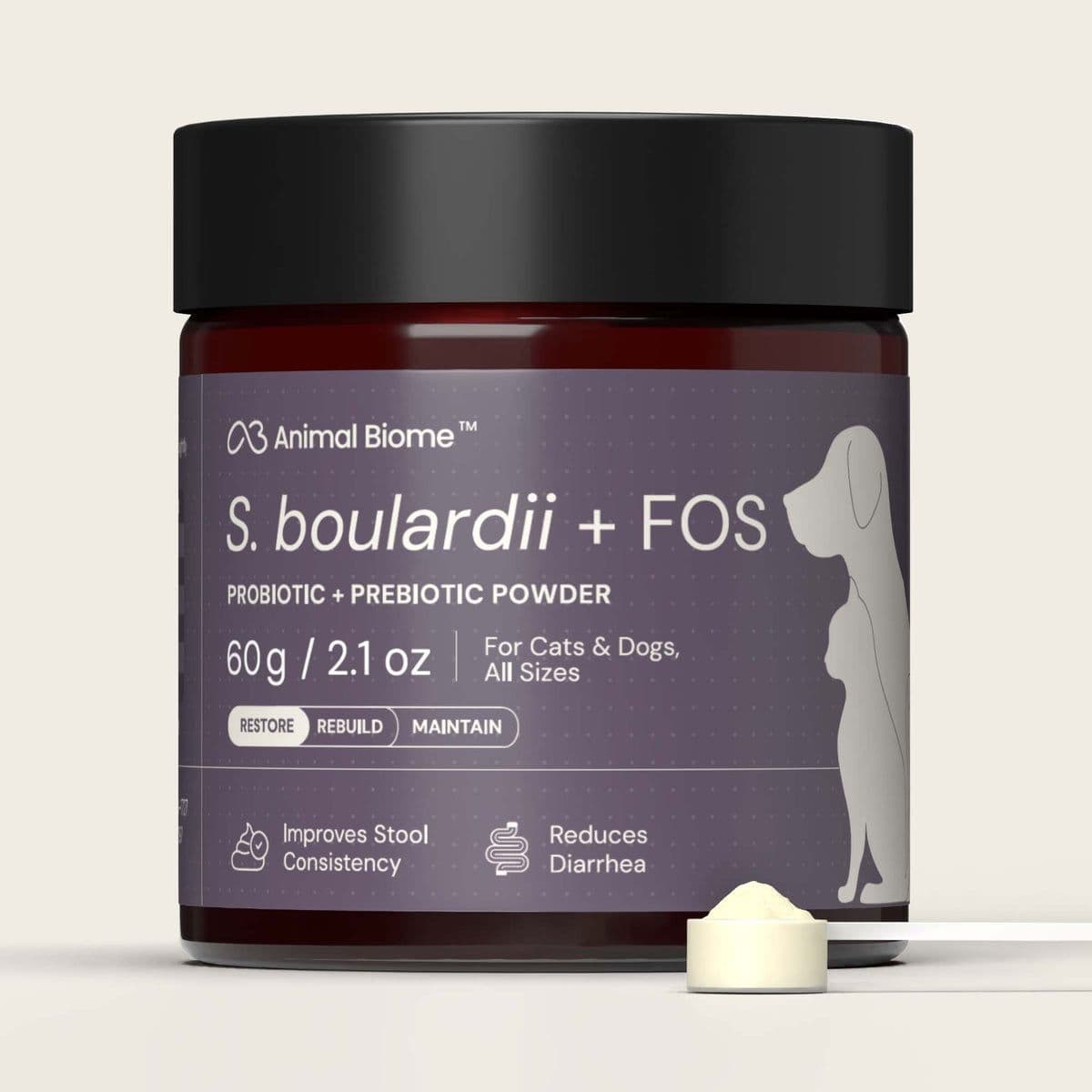
Petful may earn a commission when you click through to Animal Biome, at no extra cost to you.
How long microbiome recovery can take
Stool may improve before the microbiome has returned toward its earlier pattern. In a small pilot study comparing fecal microbiota transplantation with metronidazole for acute diarrhea, both groups improved clinically, but the FMT group's microbiome was closer to healthy dogs at day 28. The study was small and does not establish one universal treatment, but it illustrates the difference between symptom improvement and microbial recovery. See the pilot FMT and metronidazole study.
A 2024 longitudinal study following dogs around metronidazole treatment found microbiome community changes for roughly four to six weeks and recovery toward baseline over subsequent months. Individual dogs varied. Read the longitudinal metronidazole recovery study.
These findings do not mean every dog needs months of supplements. They mean recovery can continue after stool looks normal and that unnecessary repeated disruption should be avoided. A stable diet and routine give the system a consistent environment.
Use a phase-based recovery plan
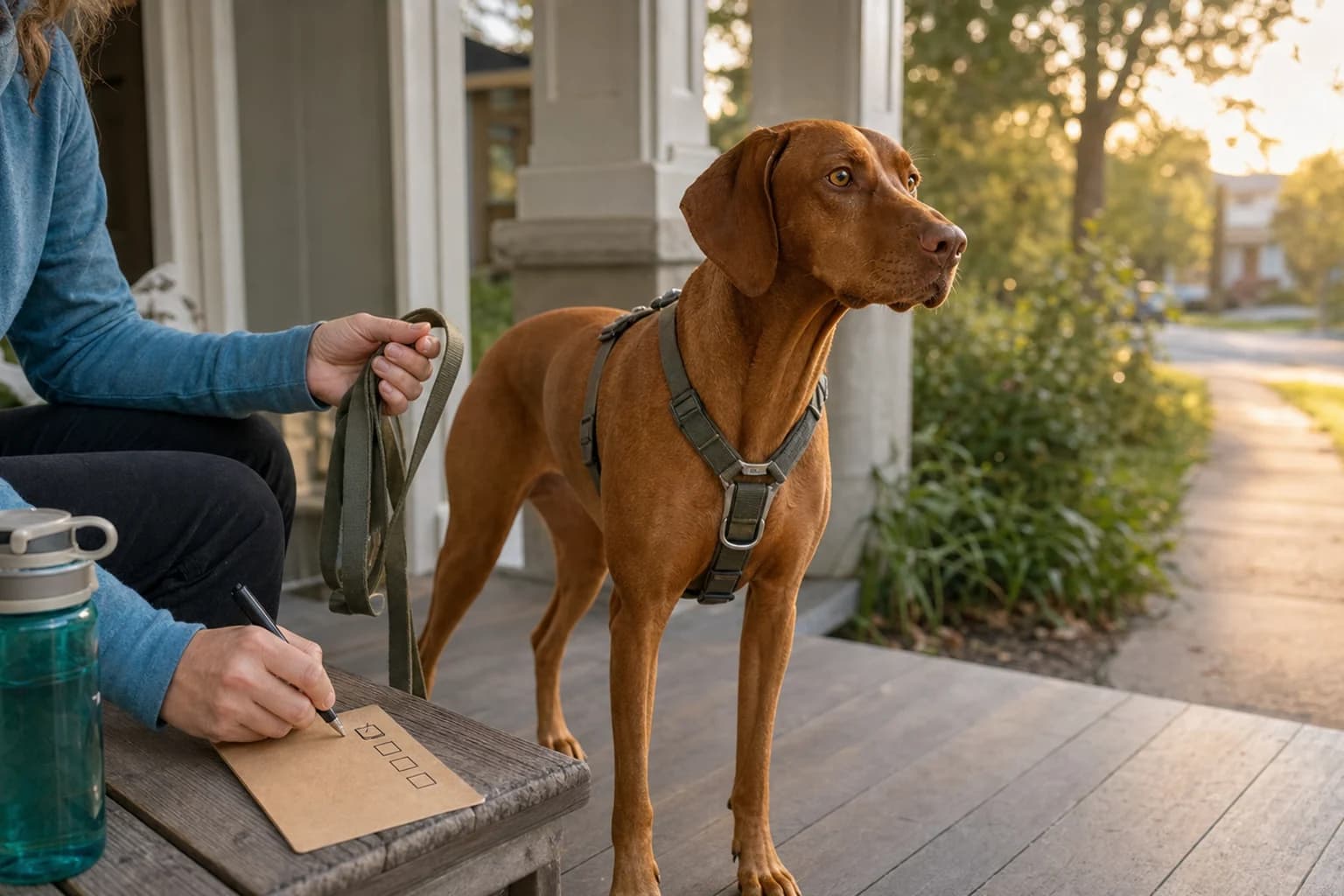
The first phase is stabilization. Follow the prescriber's instructions, address dehydration and red flags, and determine whether the dog needs examination or testing. The immediate target is not a perfect microbiome score. It is a dog that can drink, eat as directed, take necessary medication, and maintain appropriate energy without worsening signs.
The second phase is clinical recovery. Continue the agreed diet and medication plan while tracking stool, appetite, water intake, and energy. Report lack of improvement or relapse. Avoid introducing several new products simply because the first stool remains soft. The veterinarian may want time, a recheck, or new diagnostic information before changing the plan.
- Stabilize first, document clinical recovery next, and discuss microbiome support only after immediate risks and prescription questions are settled.
The third phase is microbiome support. Once immediate risks and the original illness are being managed, ask whether a probiotic, yeast product, prebiotic, test, or broader microbial restoration approach serves a defined purpose. Select one intervention and record the start date. The goal might be a stable stool pattern, fewer relapses, or a planned before-and-after bacterial profile.
The final phase is return to routine. Reintroduce ordinary treats, activity, or diet changes gradually according to veterinary guidance. Continue to watch for recurrence rather than assuming one normal day closes the episode. If the dog repeatedly improves and relapses, return to diagnosis instead of cycling through unstructured supplements.
- Clinical signs and the intestinal microbial community may recover at different rates. Make treatment decisions from the whole dog while using microbiome information as supporting context.
Rebuilding gut balance after antibiotics
To restore gut after antibiotics, begin with the basics:
- Complete the veterinary treatment plan or obtain an authorized change.
- Feed the recommended complete diet consistently.
- Maintain hydration and monitor appetite and weight.
- Reintroduce normal activity, treats, and diet changes gradually.
- Add one targeted microbiome support for dogs only when it serves a defined goal.
Probiotics are not one uniform category. Evidence from one strain or product cannot be transferred automatically to another. The 2024 ENOVAT canine acute-diarrhea guideline was neutral on probiotics because the available evidence did not support a strong recommendation for or against them. That is a useful reminder to avoid guaranteed-result claims. See the canine acute-diarrhea antimicrobial guideline.
Ask the veterinarian whether a bacterial probiotic, S. boulardii product, prebiotic, synbiotic, microbiome test, or broader microbial restoration product fits the dog. Define success as a measurable change, such as formed stool, fewer bowel movements, stable appetite, or a planned testing result. For a strain-aware adjunct discussion, Petful's guide to S. boulardii for dogs explains evidence, label review, safety, and veterinarian-guided use.
Use a simple recovery scorecard
Once the veterinarian has addressed immediate risk, score the same five observations each day: stool consistency, bowel movement frequency, appetite, water intake, and energy. Use a consistent zero-to-two scale, where zero is abnormal, one is improving, and two is back to the dog's usual pattern. The numbers are not a diagnosis, but they make direction easier to see.
Share the scorecard if progress stalls or reverses. A dog whose stool improves while appetite and energy decline is not truly recovering. Likewise, repeated cycles of improvement and relapse may justify fecal testing, a diet review, blood work, imaging, or referral instead of another unstructured supplement trial.
Keep weight in the record for any problem lasting more than a few days. Even modest weight loss can matter in a small dog, puppy, senior, or patient with another illness. The veterinarian can tell you how often to weigh and what change should trigger a recheck.
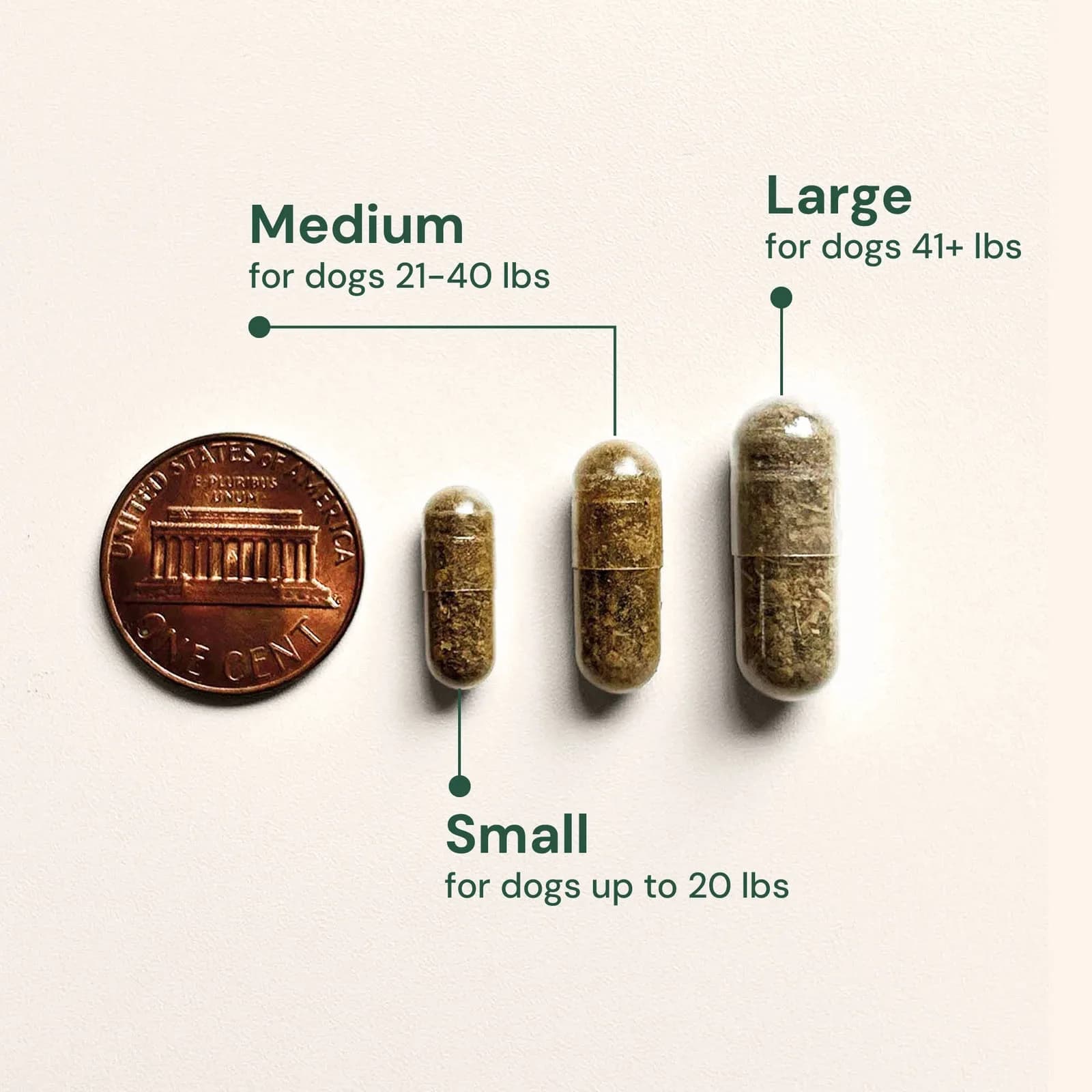
How Animal Biome's Gut Restore may fit
Animal Biome's Gut Restore for Dogs contains screened canine donor material in delayed-release capsules. Animal Biome positions the product for microbiome restoration in dogs with recurring or significant digestive issues, including after disruption.
This is different from a conventional single- or multi-strain probiotic. It should be considered with the veterinarian who knows why the antibiotic was prescribed, whether the infection is controlled, and whether another gastrointestinal diagnosis is present. It does not replace the antibiotic, hydration, parasite testing, imaging, or other care the dog needs.
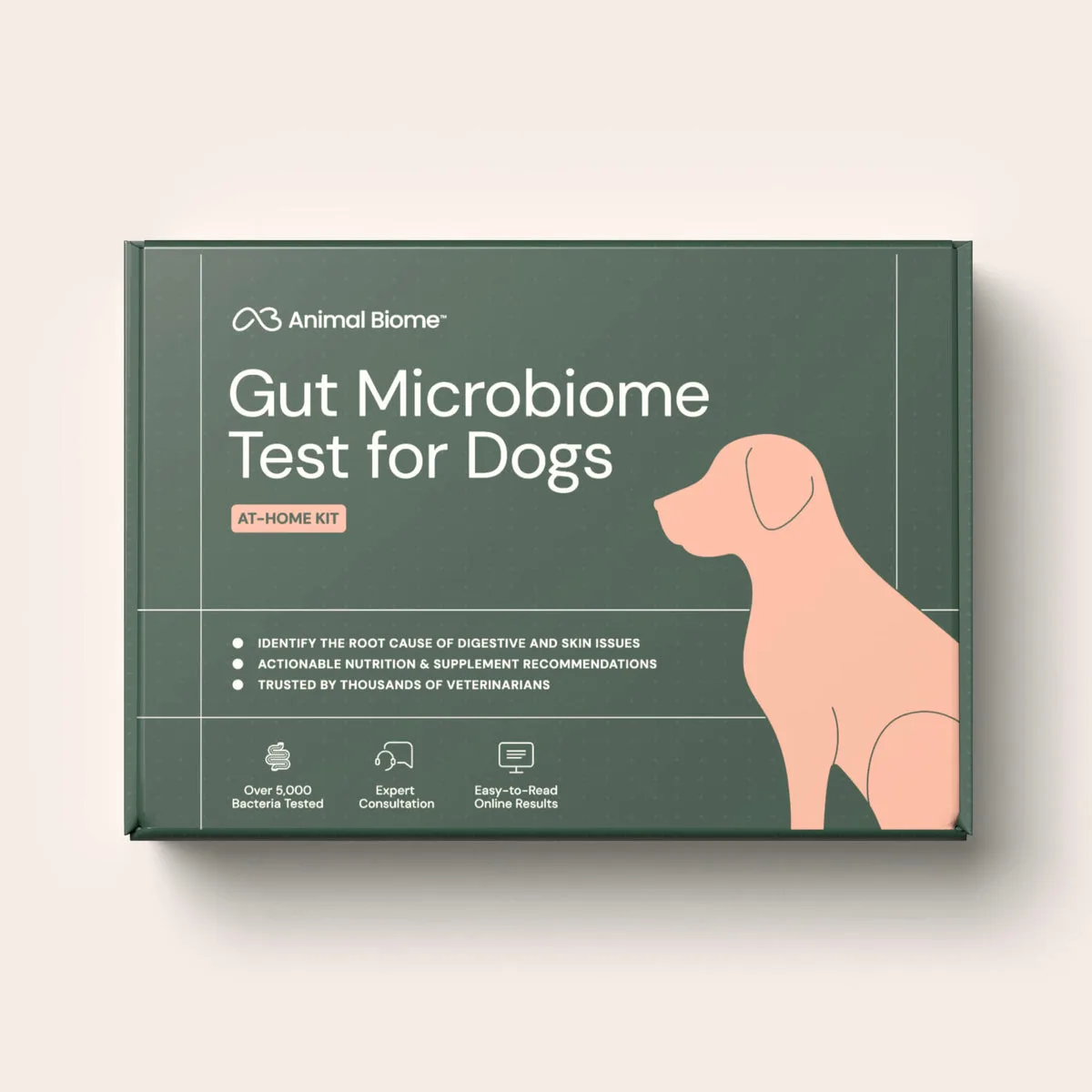
If the dog is stable, Animal Biome's Gut Microbiome Test for Dogs may provide a bacterial profile before or after a support plan. The test does not detect parasites or food allergies, so it should not be used as a substitute for the veterinary tests selected for ongoing diarrhea.
Build an Animal Biome test-and-restore workflow
Animal Biome's two mapped tools answer different questions. The Gut Microbiome Test asks what bacterial patterns are present in the submitted stool sample. Gut Restore offers a broad community of screened canine donor microorganisms. Neither tool decides whether the antibiotic should continue, identifies every cause of diarrhea, or replaces treatment for the original illness.
Begin with clinical readiness. The dog should have urgent risks addressed, and the veterinarian should know about ongoing diarrhea. If parasite testing, blood work, imaging, or another diagnostic step is indicated, complete or coordinate that work rather than substituting a microbiome test.
Next, define the reason for using Animal Biome. A test may be useful when the owner and veterinarian want a bacterial baseline after a meaningful disruption or a way to compare change across a planned recovery approach. Animal Biome states that its test analyzes bacterial DNA in a stool sample and provides an online report. The result adds bacterial context, but the manufacturer also notes that the test does not detect parasites or food allergies.
- The strongest Animal Biome use case begins with a question the report can inform and a plan for what will happen after the result.
Discuss Gut Restore when broader microbiome restoration is the actual goal. Animal Biome describes the product as screened canine donor material in delayed-release capsules and positions it for recurring or significant digestive issues, including after disruption. Because it is not a conventional single-strain probiotic, review the dog's diagnosis, medication, immune status, and current stability with the veterinarian before deciding that it fits.
Finally, choose the measurement plan. Record the test date or product start date, stool consistency, bowel movement frequency, appetite, energy, diet, and other interventions. A later comparison is useful only if the surrounding plan is documented. If the dog worsens, loses weight, or develops another red flag, return to the veterinarian rather than waiting for a product trial or follow-up profile to finish.
Frequently asked questions
Yes. Some antibiotics can cause gastrointestinal side effects and change the intestinal microbiome. However, diarrhea may also come from the original illness or another problem, so report it to the prescribing veterinarian.
Duration varies with the drug, underlying condition, and individual dog. Mild signs may settle quickly, but persistent, worsening, bloody, or recurrent diarrhea needs veterinary reassessment. Microbiome recovery may continue after stool improves.
Ask the veterinarian. Some products may be useful in specific situations, but effects are strain- and product-specific. The prescriber can help choose timing and avoid conflicts with the treatment plan.
Call when diarrhea begins if it is repeated, watery, or accompanied by vomiting, appetite loss, pain, weakness, dehydration, black stool, or blood. Urgent signs and vulnerable dogs deserve immediate attention.
The bottom line
Dog diarrhea after antibiotics deserves a calm, structured response. Protect the prescription, call with detailed observations, and act quickly on red flags. Animal Biome's Gut Microbiome Test for Dogs and Gut Restore for Dogs can give the recovery plan a measurable test-and-restore framework when the veterinarian agrees they fit.
BVMS, MRCVS
Dr. Pippa Elliott, BVMS, MRCVS, is a veterinarian with nearly 30 years of experience in companion animal practice. Dr. Elliott earned her Bachelor of Veterinary Medicine and Surgery from the University of Glasgow. She was also designated a Member of the Royal College of Veterinary Surgeons. Married with 2 grown-up kids, Dr. Elliott has a naughty Puggle named Poggle, 3 cats and a bearded dragon.
Sign up for expert-backed reviews and safety alerts all in one place.

A Final Word (Disclaimer)
At Petful, our review integrity is paramount; we never exchange special treatment in our reviews for monetary or material rewards.
Nonetheless, when our readers click through to online merchants (including Chewy or Amazon), we receive a referral commission. This supports the running of our free blog, and we appreciate your backing.