Chronic Diarrhea in Cats: Why It Happens and How to Restore Gut Balance
Chronic diarrhea in cats needs a cause-focused veterinary workup. Learn the warning signs, diagnostic steps, treatments, and safe role of microbiome support.

BVMS, MRCVS
Petful is reader supported. As an affiliate of platforms like Amazon and Chewy, we may earn a commission when you buy through links on this page. There is no extra cost to you.
Chronic diarrhea in cats is not one disease. It is a sign that can develop when parasites, infection, diet, intestinal inflammation, pancreatic disease, endocrine disease, organ dysfunction, or cancer interfere with digestion. Even a cat who seems cheerful can lose water, calories, protein, vitamins, and healthy body condition when loose stool keeps returning.
The most effective plan does not start with a random remedy. It starts by defining the pattern, identifying warning signs, and working through likely causes in a sensible order. Once urgent needs and the underlying disease are addressed, diet and microbiome support may help the intestine recover. Animal Biome's test and cat-specific gut products can fit that later stage, but they do not replace fecal testing, bloodwork, imaging, biopsy, rehydration, or cause-specific treatment.

Sign up for expert-backed reviews and safety alerts all in one place.
Why chronic diarrhea happens
The direct answer is that veterinarians generally call diarrhea chronic when it persists or repeatedly returns over several weeks. The exact timeline matters less than the pattern: a cat with repeated loose stool, weight loss, vomiting, poor appetite, or declining body condition deserves investigation rather than another cycle of home treatment. The veterinary next step is to assess urgency, protect hydration and nutrition, and investigate the pattern in a staged workup.
A veterinary diagnosis matters because infectious, inflammatory, dietary, endocrine, organ, and neoplastic diseases can produce similar stool changes. The supportive care boundary is equally important: a bacterial microbiome profile or supplement may support recovery, but it cannot identify every cause or substitute for the tests and treatment the cat actually needs.
Petful may earn a commission when you click through to Animal Biome, at no extra cost to you.
The main categories include:
- Infectious and parasitic disease. Giardia, Tritrichomonas, coccidia, worms, bacterial infection, and other organisms may cause persistent or intermittent diarrhea. Exposure, age, environment, and prior treatment guide testing.
- Food-responsive disease. A poorly tolerated ingredient, food allergy, abrupt diet change, or an unbalanced diet may contribute. A controlled veterinary diet trial is more informative than switching foods every few days.
- Chronic enteropathy. Inflammation can affect the small intestine, large intestine, or both. The modern workup distinguishes food-responsive and treatment-responsive disease and determines when tissue biopsy is needed.
- Pancreatic and hepatobiliary disease. Pancreatitis, reduced digestive enzyme production, liver disease, and concurrent inflammation can alter digestion and appetite.
- Endocrine and systemic disease. Hyperthyroidism is especially relevant in older cats; kidney disease, diabetes, and other systemic problems can also occur alongside diarrhea. A diabetic cat may need earlier assessment because dehydration and appetite changes can destabilize another disease.
- Cancer. Intestinal lymphoma and other neoplasia can resemble inflammatory disease, particularly when weight loss, appetite change, vomiting, or abnormal imaging is present.
- Medication and toxin exposure. Antibiotics, some supplements, scavenged food, and toxic substances may disrupt the intestine.
Small-bowel and large-bowel patterns
Stool patterns can help organize the veterinary conversation. Small-intestinal disease more often causes larger volumes, weight loss, nutrient problems, and sometimes dark digested blood. Large-intestinal disease more often produces frequent small amounts, urgency, mucus, straining, and fresh red blood. Many cats have mixed signs, and owners may not see every bowel movement, so this distinction is a clue rather than a diagnosis.
Photographing the litter box can be useful if done without delaying cleanup. Note color, consistency, volume, frequency, mucus, blood, and whether the cat strains. A sample that includes abnormal material may help the clinic, but litter contamination and age can reduce its value. Follow the clinic's collection and storage instructions.
What stool observations can and cannot show
Gas, odor, or color alone cannot identify the cause. Pale or greasy stool can suggest impaired digestion, black stool can indicate digested blood, and red blood can come from the lower bowel, but each needs clinical context. Do not wait for a “classic” appearance before seeking help when the cat is losing weight or acting ill.
The Merck Veterinary Manual overview of chronic enteropathies emphasizes excluding infectious, systemic, and other intestinal causes before classifying chronic inflammatory disease. This staged approach keeps the veterinary workup tied to the next practical step instead of treating “chronic diarrhea” as a final diagnosis.
Why is my cat always getting diarrhea
If your cat is always getting diarrhea, the trigger may not have been identified, the cat may be getting re-exposed, treatment may not have fully controlled the disease, or more than one problem may be present. A diet may help temporarily while a parasite remains. An infection may clear while chronic enteropathy continues. Stress can worsen stool without being the sole cause.
Create a timeline before the appointment. Record stool frequency and consistency, urgency, mucus or blood, vomiting, appetite, weight, water intake, medications, supplements, foods, treats, hunting, travel, and contact with other animals. Bring fresh stool when requested. Patterns do not replace testing, but they help the veterinarian prioritize it.
What is paradoxical diarrhea in cats
“Paradoxical diarrhea” usually describes liquid stool passing around a firm mass of retained feces. In other words, constipation or obstruction may look like diarrhea because only fluid can move around the blockage. A cat may strain, visit the litter box repeatedly, pass small amounts, vocalize, or have a painful abdomen.
Do not give an antidiarrheal or laxative based on guesswork. Straining can also signal urinary obstruction, which is an emergency, especially in a male cat. A veterinarian may need examination and imaging to distinguish diarrhea, constipation, urinary disease, and obstruction.
Petful may earn a commission when you click through to Animal Biome, at no extra cost to you.
Warning signs and veterinary workup
Clear veterinary red flags include repeated vomiting, refusal to eat, marked lethargy, pain, dehydration, weakness, black or bloody stool, fever, rapid weight loss, or a distended abdomen. Do not try to stop or treat these signs with a home remedy, even if gas is also present. Kittens, seniors, diabetic cats, cats with kidney disease, and cats with hyperthyroidism or immune compromise have less reserve. A cat that stops eating needs prompt veterinary care.
Petful's guide to vomiting and diarrhea in dogs and cats provides broader triage context. For a chronic pattern, the clinician may build the workup in stages:
- History, examination, and body-condition review. Weight trends and muscle loss can reveal disease before an owner notices a dramatic change.
- Fecal evaluation. More than one method or sample may be needed for parasites and infectious organisms. Prior medication can affect results.
- Blood and urine testing. A complete blood count, chemistry profile, urinalysis, and thyroid testing where appropriate can identify systemic disease and consequences of diarrhea.
- Nutrient markers. Cobalamin and folate may help assess small-intestinal function. Low cobalamin can require supplementation as part of the medical plan.
- Diet trial. A complete hydrolyzed or novel-protein veterinary diet may test food responsiveness when the cat is stable enough for a controlled trial.
- Imaging. Ultrasound or radiographs can assess intestinal thickness, lymph nodes, pancreas, liver, foreign material, constipation, or masses.
- Sampling and biopsy. Cytology or intestinal biopsy may be needed when cancer, severe inflammation, or an unresolved chronic enteropathy remains possible.
The ACVIM consensus on diagnosing chronic enteropathy in cats highlights how similar signs can arise from different diseases and why exclusion of mimics matters. No single result, including an ultrasound or microbiome profile, should be interpreted without the rest of the case.
A cause-to-workup decision guide
This cause-to-workup guide helps owners organize observations for the veterinarian. It does not diagnose a cat at home; it connects a visible pattern with the questions and tests that may deserve priority.
| Pattern to record | Possibilities the veterinarian may consider | Likely workup priority |
|---|---|---|
| New exposure, boarding, hunting, or several affected pets | Parasites or infectious disease | Exposure history plus appropriately selected fecal tests, sometimes using more than one sample or method |
| Signs tied to foods, treats, or repeated diet changes | Food-responsive disease or an uninterpretable diet history | Nutrition review followed, when appropriate, by an exclusive complete hydrolyzed or novel-protein trial |
| Weight or muscle loss, vomiting, appetite change, or low energy | Chronic enteropathy, pancreatic disease, organ disease, or cancer | Examination, blood and urine tests, cobalamin and other selected markers, then imaging as indicated |
| Older cat with increased thirst, urination, or appetite | Hyperthyroidism, diabetes, kidney disease, or another systemic problem | Bloodwork, urinalysis, thyroid testing, and stabilization of concurrent disease |
| Frequent small stools, mucus, fresh blood, or straining | Large-bowel disease, constipation with overflow, or urinary disease | Prompt examination; imaging may be needed to separate intestinal, fecal-retention, and urinary problems |
| Abnormal protein levels, intestinal thickening, or poor response to earlier steps | Protein-losing disease, severe inflammation, or neoplasia | Specialist-guided imaging, sampling, or biopsy when results would change treatment |
Use the guide to prepare for the appointment, not to choose a remedy. A cat can have more than one problem, and the next test should be selected from the whole history, examination, and prior results.
How long can a cat live with chronic diarrhea
There is no responsible lifespan estimate based on diarrhea alone. Prognosis depends on the cause, severity, response to treatment, hydration, nutritional status, and other disease. A food-responsive condition may be controlled very well. Untreated cancer, severe protein loss, uncontrolled hyperthyroidism, or persistent infection has a different outlook.
The useful question is not how long the cat can tolerate diarrhea, but what the cat is losing while it continues. Track body weight, muscle condition, appetite, hydration, activity, vomiting, and stool. Early diagnosis protects quality of life and often expands treatment options.
Protecting nutrition during the workup
Cats need adequate calories and balanced nutrition while testing proceeds. Repeatedly switching foods can suppress appetite, blur a diet trial, and create nutrient gaps. Weigh the cat on the same scale when possible and ask the clinic to assess muscle as well as body fat. A cat can lose muscle even when a fluffy coat hides the change.
Cobalamin, or vitamin B12, deserves specific attention because chronic small-intestinal disease can reduce absorption. A low result does not name the underlying disease, but correction may be an important part of recovery. The veterinarian may also evaluate folate, pancreatic markers, protein, electrolytes, and other nutrients based on the case.
If a therapeutic diet is selected, confirm that it is complete and appropriate for the cat's life stage and other disease. A hydrolyzed or novel-protein trial must be exclusive to answer a food-response question. A highly digestible diet serves a different purpose. “Sensitive stomach” marketing alone does not establish which therapeutic job a food can do.
Petful may earn a commission when you click through to Animal Biome, at no extra cost to you.
Treatment and restoring gut balance
Chronic diarrhea stops when the cause is controlled, not when stool is merely suppressed by a home remedy. Antiparasitic treatment, a therapeutic diet, cobalamin, anti-inflammatory medication, pancreatic support, thyroid treatment, antibiotics for a defined indication, surgery, or cancer therapy may be appropriate in different cats. The treating veterinarian should choose the combination.
- Seek prompt veterinary care for dehydration, weakness, pain, repeated vomiting, black or heavily bloody stool, rapid weight loss, or a cat that will not eat. These are clear veterinary red flags, not reasons to add a supplement. A planned follow-up is appropriate for a stable cat whose stool and weight are being tracked during prescribed care. Careful limits for microbiome support mean waiting until urgent needs and the cause-specific plan are addressed.
How to stop chronic diarrhea safely
How do you stop chronic diarrhea? The safe answer is to use a cause, workup, treatment, and follow-up sequence rather than trying to suppress stool without a diagnosis:
- Stabilize hydration, appetite, and comfort.
- Test for likely infectious and systemic causes.
- Treat confirmed or strongly supported disease.
- Keep a prescribed diet trial exclusive and long enough to interpret.
- Reassess stool, weight, appetite, and laboratory markers.
- Escalate diagnostics when the expected response does not occur.
- Add microbiome support only for a defined recovery goal.
Petful may earn a commission when you click through to Animal Biome, at no extra cost to you.
Avoid changing food, fiber, probiotics, treats, and supplements all at once. If the cat improves, you will not know which change helped. If the cat worsens, you will not know which change caused it. One measured change at a time makes the response interpretable.
What can I give my cat for chronic diarrhea? Give only what fits the diagnosed or suspected cause and has been approved by the veterinarian. Clean water and a complete diet matter, but dog-style bland home recipes are often nutritionally unsuitable for cats. Human antidiarrheals, leftover antibiotics, essential oils, and concentrated herbal products can be ineffective or unsafe.
A veterinarian may recommend a therapeutic diet, specific fiber, cobalamin, a selected probiotic or yeast, medication, or microbiome support. The choice is patient-specific. Even pumpkin or extra fiber can help one type of stool pattern and worsen another, so chronic cases should not be treated as a universal fiber deficiency.
A 14-day monitoring record
A 14-day monitoring record gives a stable cat's care team comparable observations instead of a vague report that stool is "better" or "worse." Use the veterinarian's treatment and recheck dates; this template does not mean every cat should wait 14 days for reassessment.
| Checkpoint | What to record every day | Decision to prepare for |
|---|---|---|
| Days 1-3 | Stool frequency and consistency, blood or mucus, vomiting, appetite, water intake, energy, every food and dose | Call sooner for a red flag, medication concern, or inability to eat or drink; otherwise establish the baseline |
| Days 4-7 | The same fields plus any missed diet exposure, treat, flavored medication, scavenging, or supplement change | Ask whether the direction of change matches the veterinarian's expectation and whether an adherence gap explains a mixed response |
| Days 8-10 | Weight when advised, muscle or activity change, litter-box pattern, and whether improvement is sustained | Prepare the record and samples requested for the recheck; do not add a new remedy to create a last-minute response |
| Days 11-14 | Full trend, remaining abnormal signs, diet and medication adherence, and questions for the care team | Review whether to continue, adjust, test further, or escalate based on the original plan and objective response |
For a multi-cat home, temporary separation or a camera near litter boxes may help identify which cat has abnormal stool without creating unnecessary stress. Share the record at each recheck so the next decision follows the evidence.
At each recheck, ask what result would trigger the next step. If fecal tests are negative but weight loss continues, bloodwork or imaging may move forward. If a diet trial helps partially, the veterinarian may extend it, correct an adherence problem, or investigate concurrent disease. If medication controls signs only temporarily, that pattern is evidence too.
Long-term management should have an objective maintenance plan: the diet that will continue, medications and monitoring, how often weight and laboratory values are checked, which relapses can be handled through the established plan, and which signs require an urgent visit. This prevents “better” from becoming “lost to follow-up.”
When home care is not enough
The Cornell Feline Health Center's diarrhea guidance also advises veterinary assessment when diarrhea persists or occurs with systemic illness. Home care is a bridge for a stable cat under guidance, not an alternative to diagnosis.
Supporting the microbiome safely
Diarrhea, restricted diets, inflammation, infection, and medications can all change the gut microbiome. Petful's guide to cat gut health explains dysbiosis and the limits of current evidence. In a chronic-diarrhea case, the important question is whether microbiome information or support will change a decision.

How Animal Biome options differ
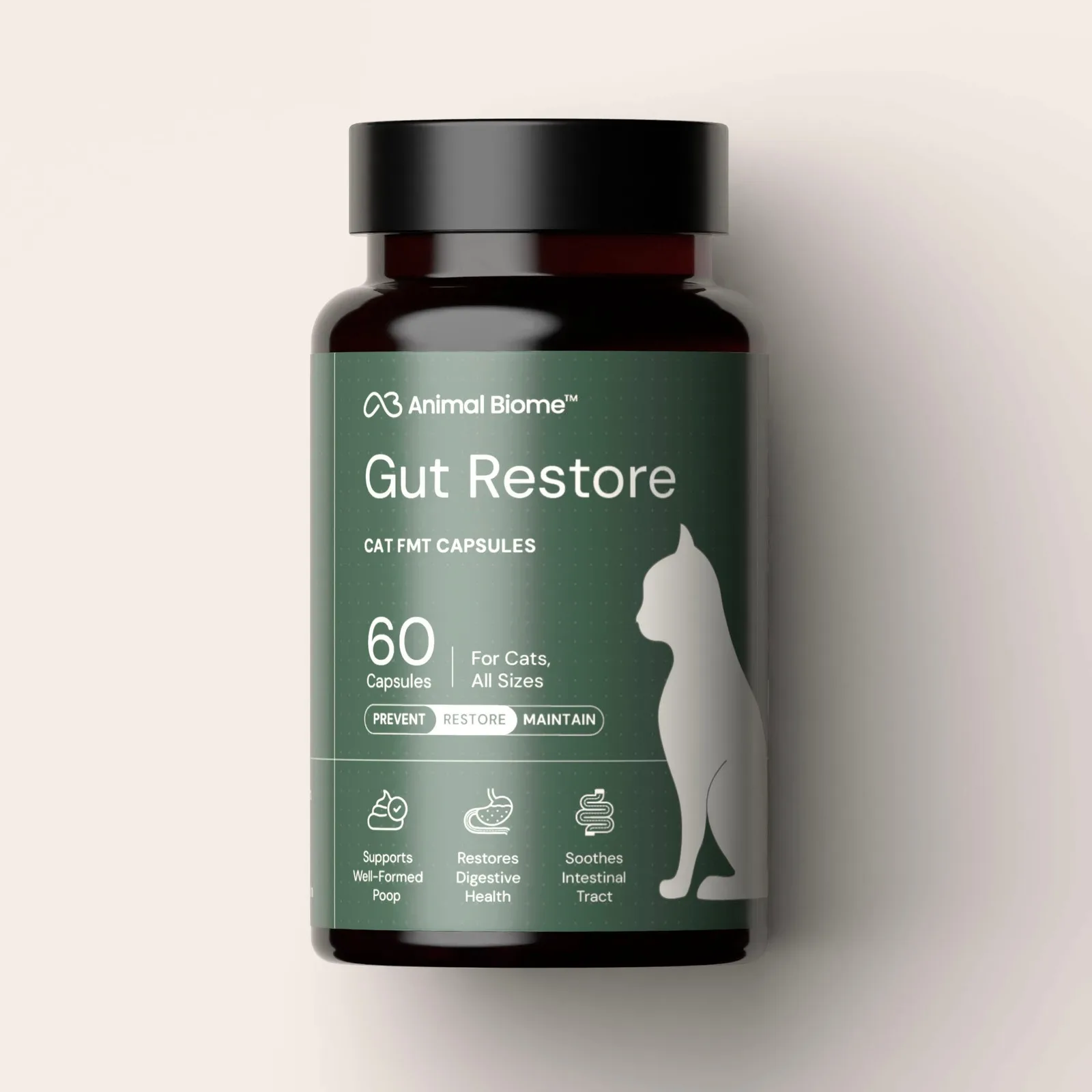
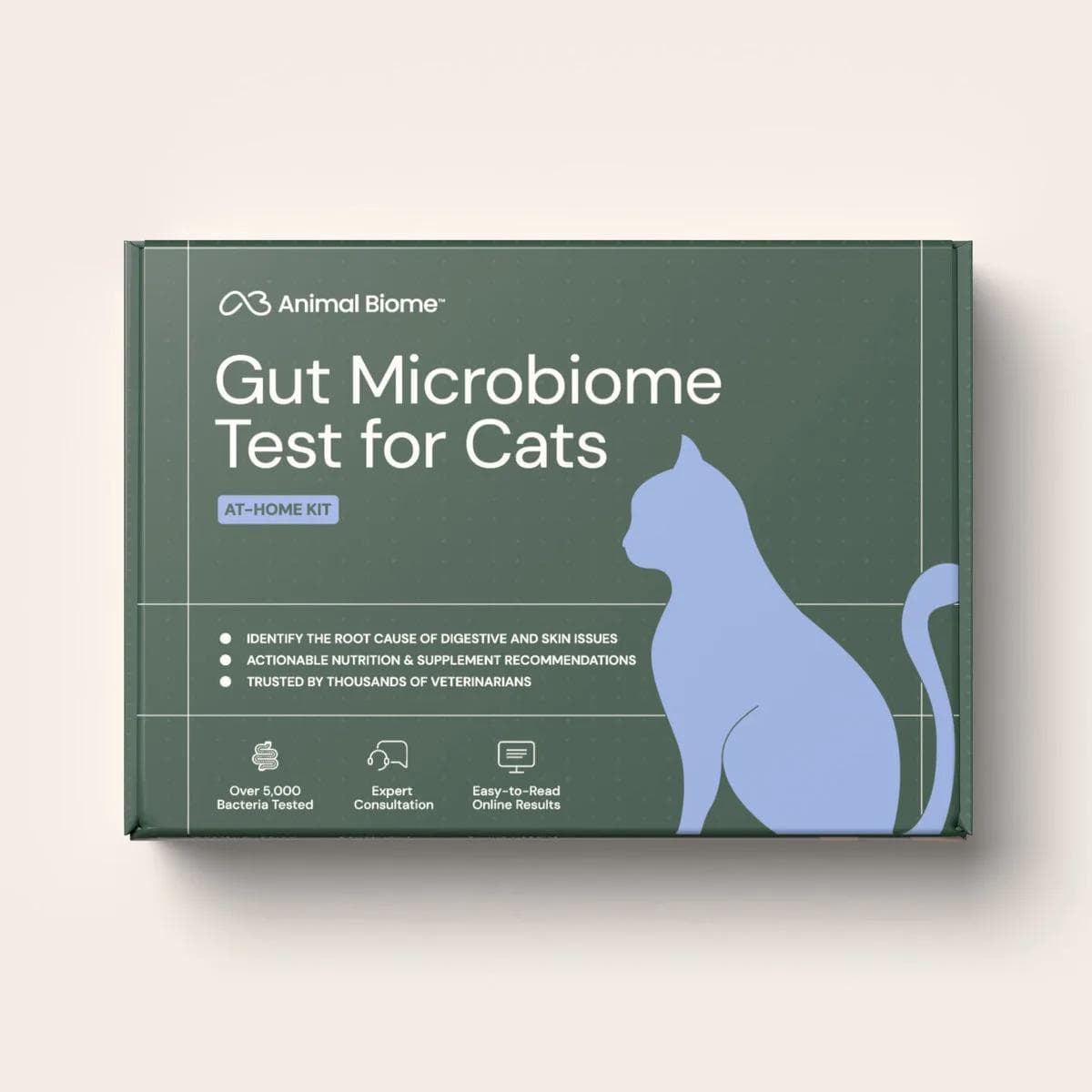
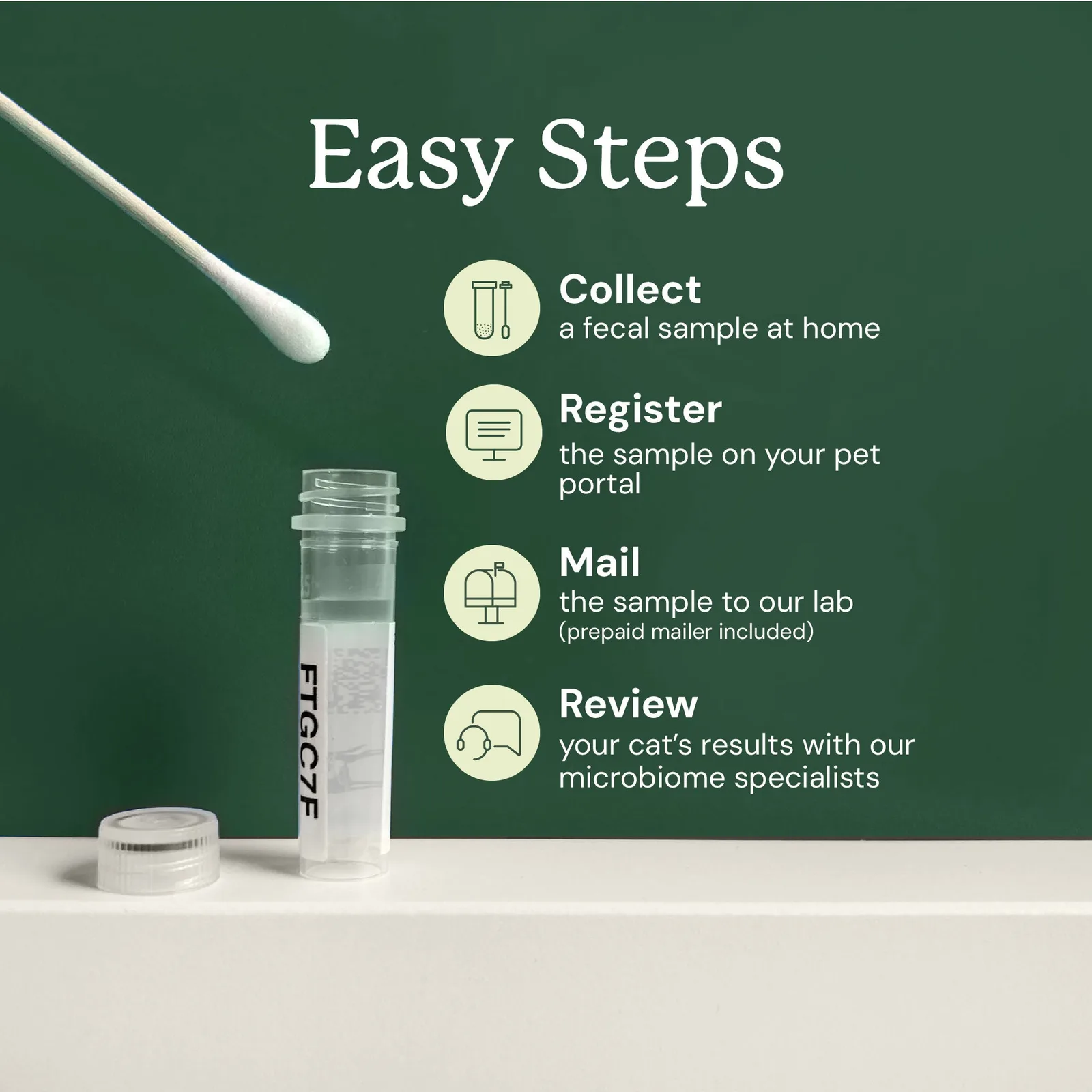
Animal Biome's Gut Microbiome Test for Cats profiles bacterial DNA in a stool sample. It may provide a baseline or comparison for a planned support period, but it does not diagnose parasites, food allergies, chronic inflammatory enteropathy, hyperthyroidism, pancreatic disease, or cancer. Those conditions still require standard veterinary tests.
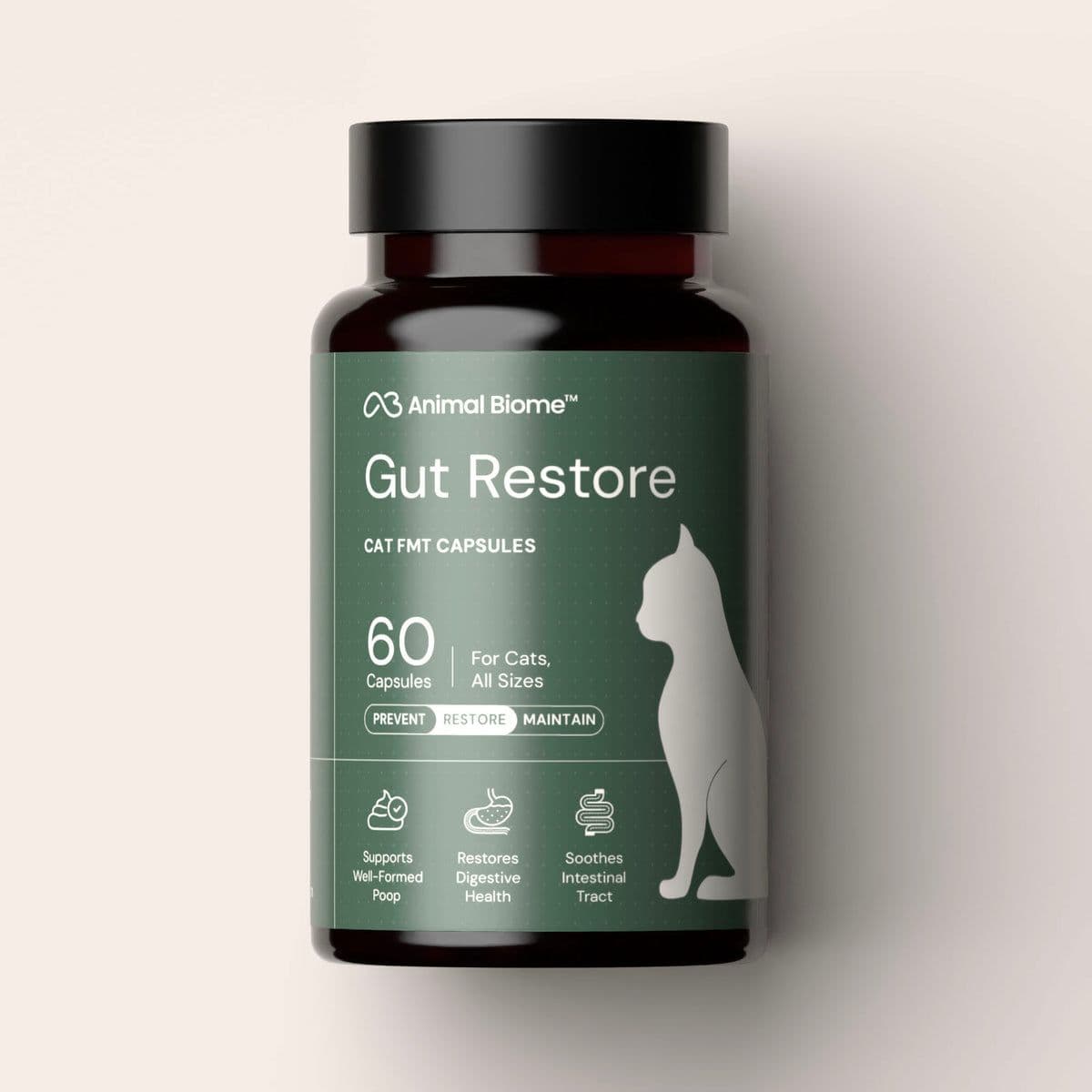
Gut Restore for Cats is the company's broader cat-specific microbial-community product. Animal Biome reports positive results from a company pilot involving cats with inflammatory bowel disease, but that pilot should not be treated as proof that every cat with diarrhea will improve or as a substitute for independent diagnosis. Discuss the product with the veterinarian who knows the cat's immune status, medications, diet trial, and test results.
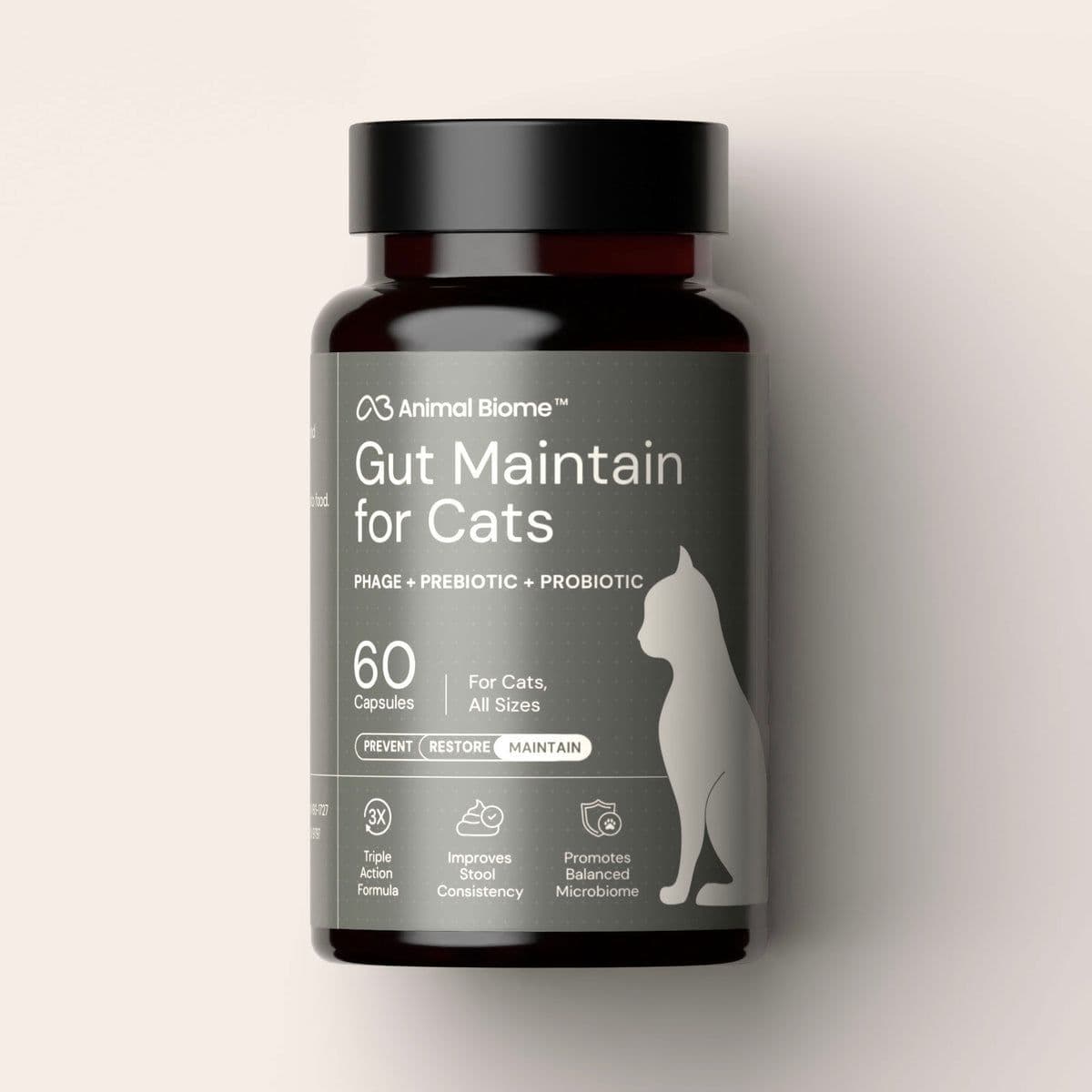
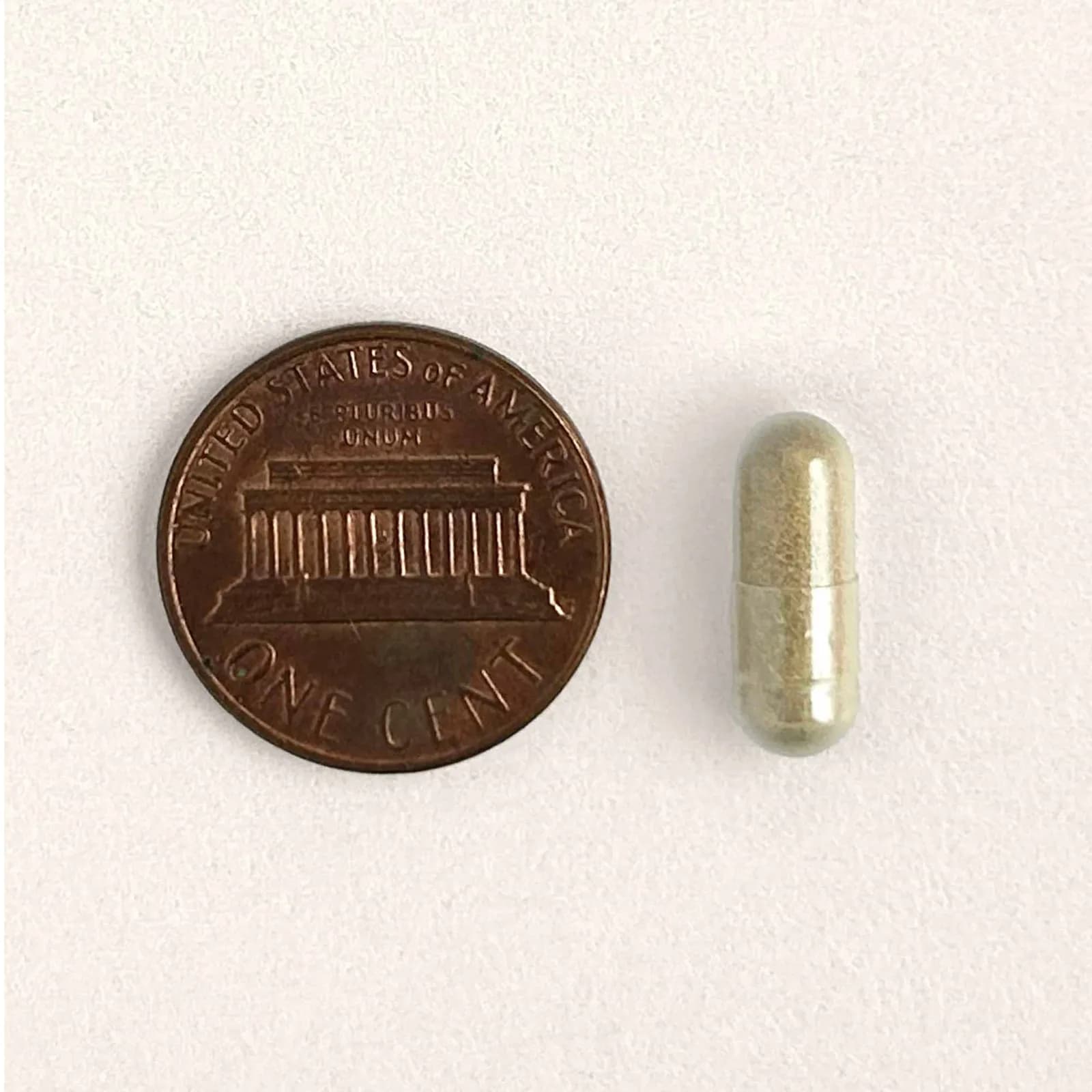
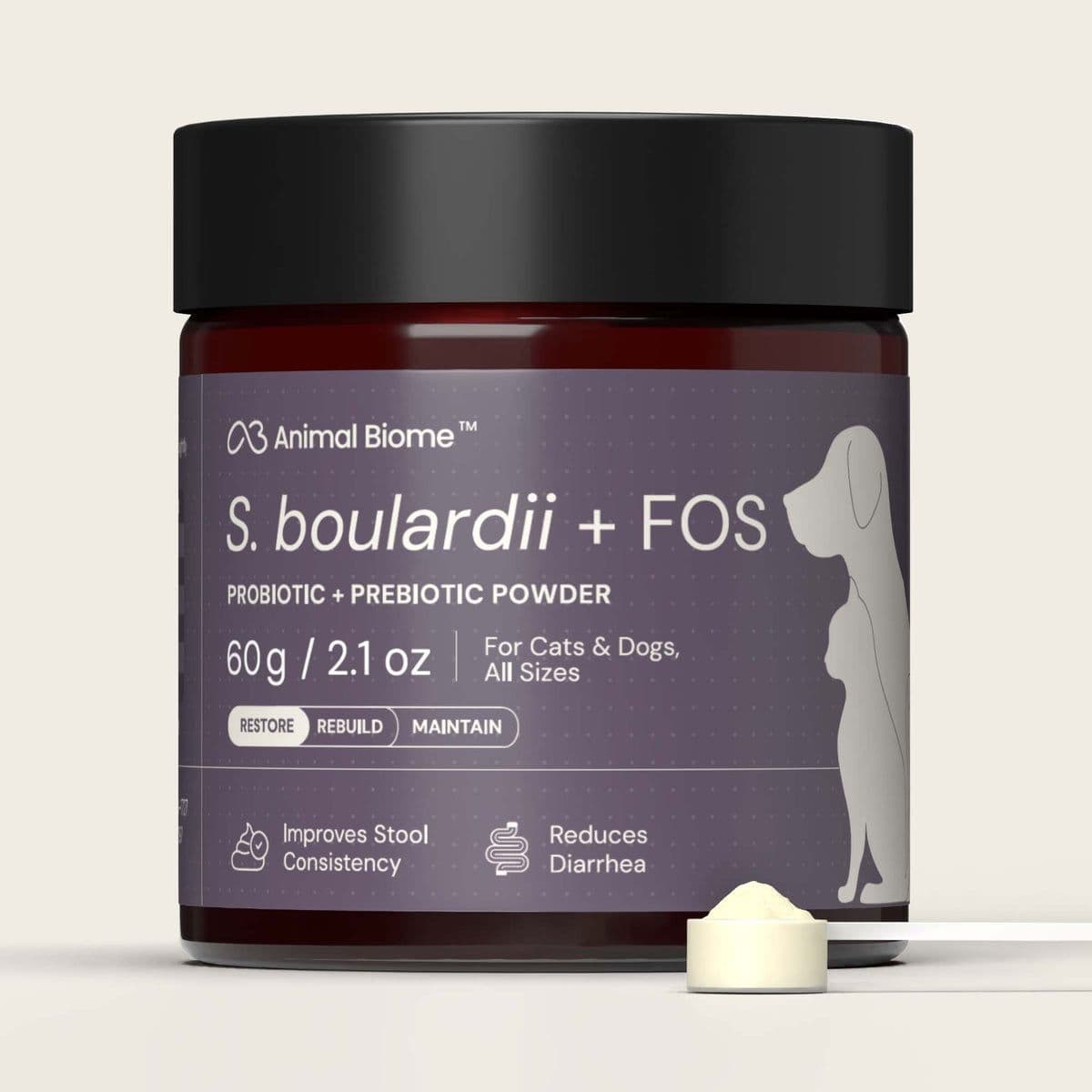
Gut Maintain for Cats and S. boulardii with FOS are different formats intended for digestive support. They should not be stacked automatically with Gut Restore. Choose one intervention for a clear reason, use the current label and veterinary guidance, and track a defined outcome such as stool frequency, consistency, appetite, weight, or vomiting.
A safe test-and-support decision
Before purchasing a product, ask four questions. First, has the cat's immediate medical risk been addressed? Second, what precise question will a bacterial test answer or what outcome should a supplement change? Third, can diet and medication remain stable enough to interpret the response? Fourth, when will the result be reviewed with the veterinarian?
If those questions have clear answers, microbiome support can be a coherent part of the plan. If they do not, more products may create noise. The goal is not to make the supplement list longer; it is to give a recovering intestine the right support while preserving the ability to recognize persistent disease.
The goal is a clearer next step
Chronic diarrhea can be exhausting for a cat and frustrating for the family, but a structured plan replaces guesswork with decisions. Define the pattern, protect hydration and nutrition, investigate the cause, measure the response, and escalate when progress stalls. Once that foundation is secure, Animal Biome testing or gut-support products may offer a positive next step without being asked to do the work of diagnosis or treatment.
Frequently asked questions
If your cat is always getting diarrhea, the trigger may not have been identified, the cat may be facing re-exposure, treatment may not have fully controlled the disease, or more than one problem may be present. Parasites, food-responsive disease, chronic enteropathy, pancreatic or organ disease, medication effects, and cancer can overlap. Record stool, vomiting, appetite, weight, water intake, medications, foods, treats, hunting, travel, and animal contact so the veterinarian can prioritize the right tests and next step.
To stop chronic diarrhea, use cause-specific treatment instead of simply suppressing the stool. The safe sequence is to protect hydration, appetite, and comfort; test for likely infectious, intestinal, and systemic causes; treat the supported diagnosis; keep any prescribed diet trial exclusive; and reassess stool, weight, appetite, and laboratory markers. Escalate the workup if the expected response does not occur, and use microbiome support only for a defined recovery goal.
Paradoxical diarrhea in cats usually means liquid stool is passing around a firm mass of retained feces, so constipation or an obstruction can look like diarrhea. A cat may strain, visit the litter box repeatedly, pass only small amounts, vocalize, or have abdominal pain. Do not give an antidiarrheal or laxative based on guesswork. Straining can also indicate a urinary obstruction, especially in a male cat, and requires prompt veterinary assessment.
You can give your cat only what matches the diagnosed or suspected cause of chronic diarrhea and has been approved by the veterinarian. Clean water and a complete feline diet matter, but human antidiarrheals, leftover antibiotics, essential oils, concentrated herbs, and dog-style bland diets can be unsafe or nutritionally unsuitable. Depending on the case, a veterinarian may recommend a therapeutic diet, specific fiber, cobalamin, medication, a selected probiotic or yeast, or microbiome support. Even pumpkin can help one pattern and worsen another.
BVMS, MRCVS
Dr. Pippa Elliott, BVMS, MRCVS, is a veterinarian with nearly 30 years of experience in companion animal practice. Dr. Elliott earned her Bachelor of Veterinary Medicine and Surgery from the University of Glasgow. She was also designated a Member of the Royal College of Veterinary Surgeons. Married with 2 grown-up kids, Dr. Elliott has a naughty Puggle named Poggle, 3 cats and a bearded dragon.
Sign up for expert-backed reviews and safety alerts all in one place.
A Final Word (Disclaimer)
At Petful, our review integrity is paramount; we never exchange special treatment in our reviews for monetary or material rewards.
Nonetheless, when our readers click through to online merchants (including Chewy or Amazon), we receive a referral commission. This supports the running of our free blog, and we appreciate your backing.