Cat Gut Health: How to Spot Trouble and Support Your Cat's Microbiome
Cat gut health affects digestion, stool quality, appetite, and everyday comfort. Learn the signs of trouble, when to call your veterinarian, and practical ways to support a balanced feline microbiome.

BVMS, MRCVS
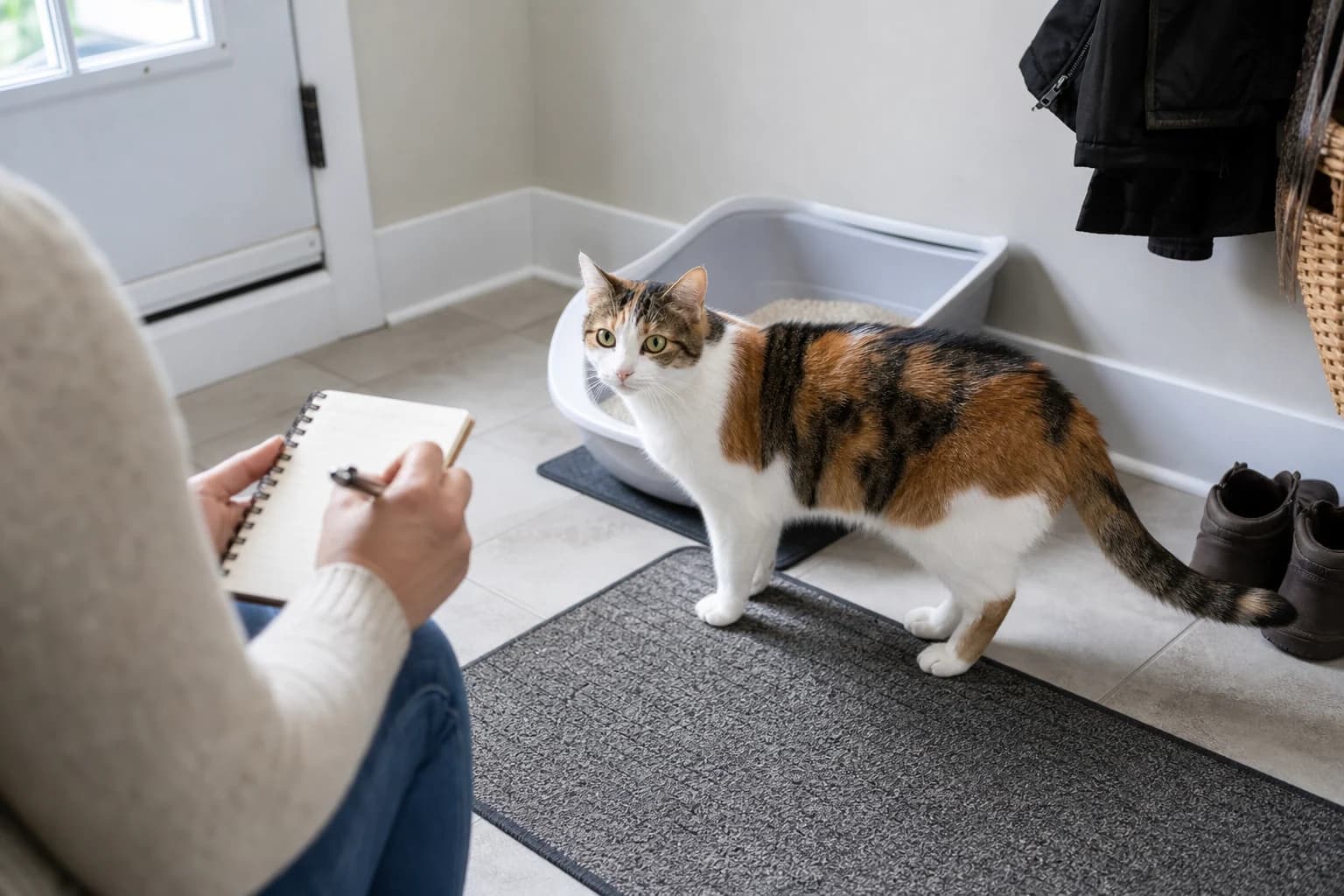
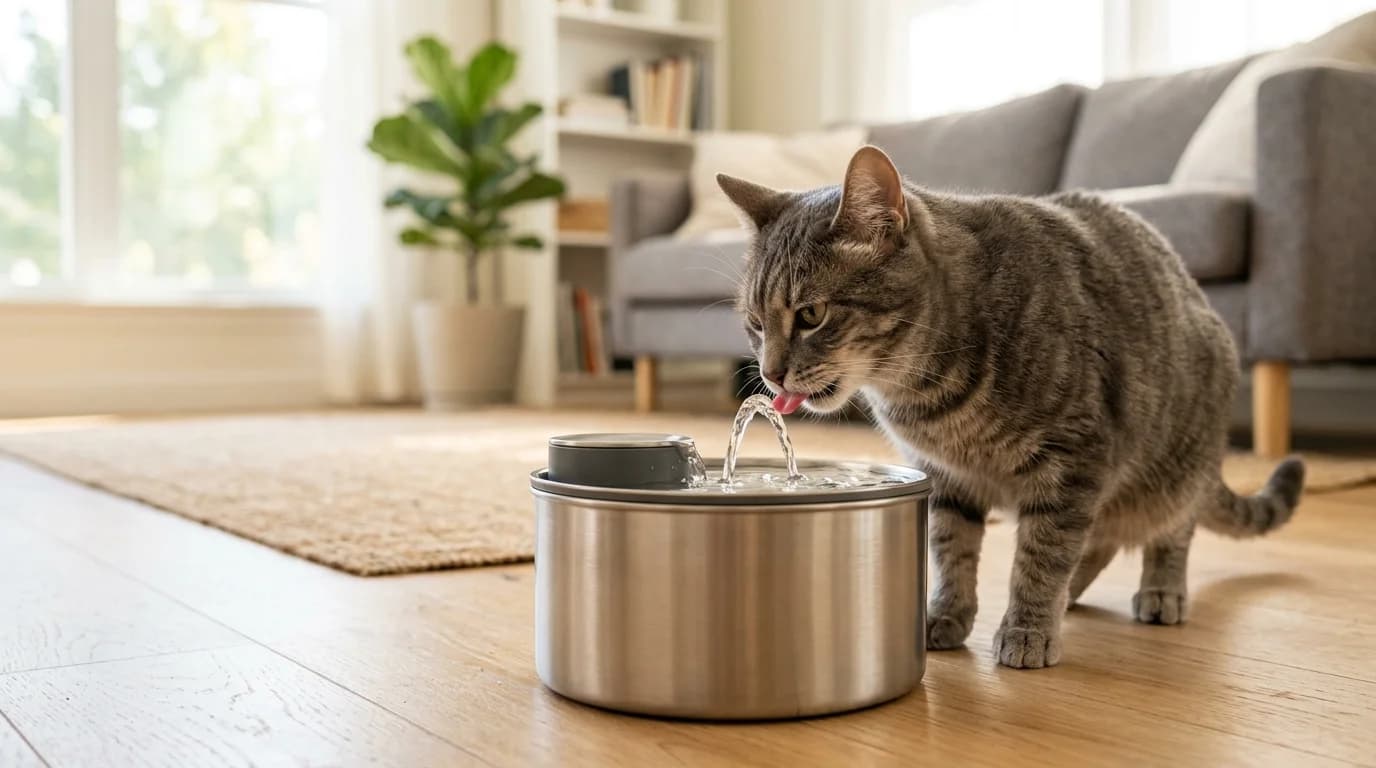
Daily appetite, hydration, stool, and energy patterns offer useful clues about digestive comfort.
Petful is reader supported. As an affiliate of platforms like Amazon and Chewy, we may earn a commission when you buy through links on this page. There is no extra cost to you.
Petful may earn a commission when you buy through links on this page, at no extra cost to you.
Cat gut health is more than whether your cat has a normal bowel movement today. The digestive tract contains a complex community of bacteria and other microorganisms called the cat microbiome. These organisms interact with food, the intestinal lining, and the immune system. When the system is working well, it helps your cat digest nutrients, produce formed stool, and maintain a comfortable routine.
Changes in stool, appetite, vomiting, or weight can signal a temporary upset, but they can also point to a medical problem. The useful goal is not to diagnose a microbiome imbalance from symptoms alone. It is to notice patterns early, remove avoidable stressors, and involve your veterinarian when signs persist or your cat seems unwell.
The Three-layer gut check is simple: watch what goes in, what comes out, and how your cat feels. A change in any one layer may be minor. Changes across two or three layers deserve closer attention.
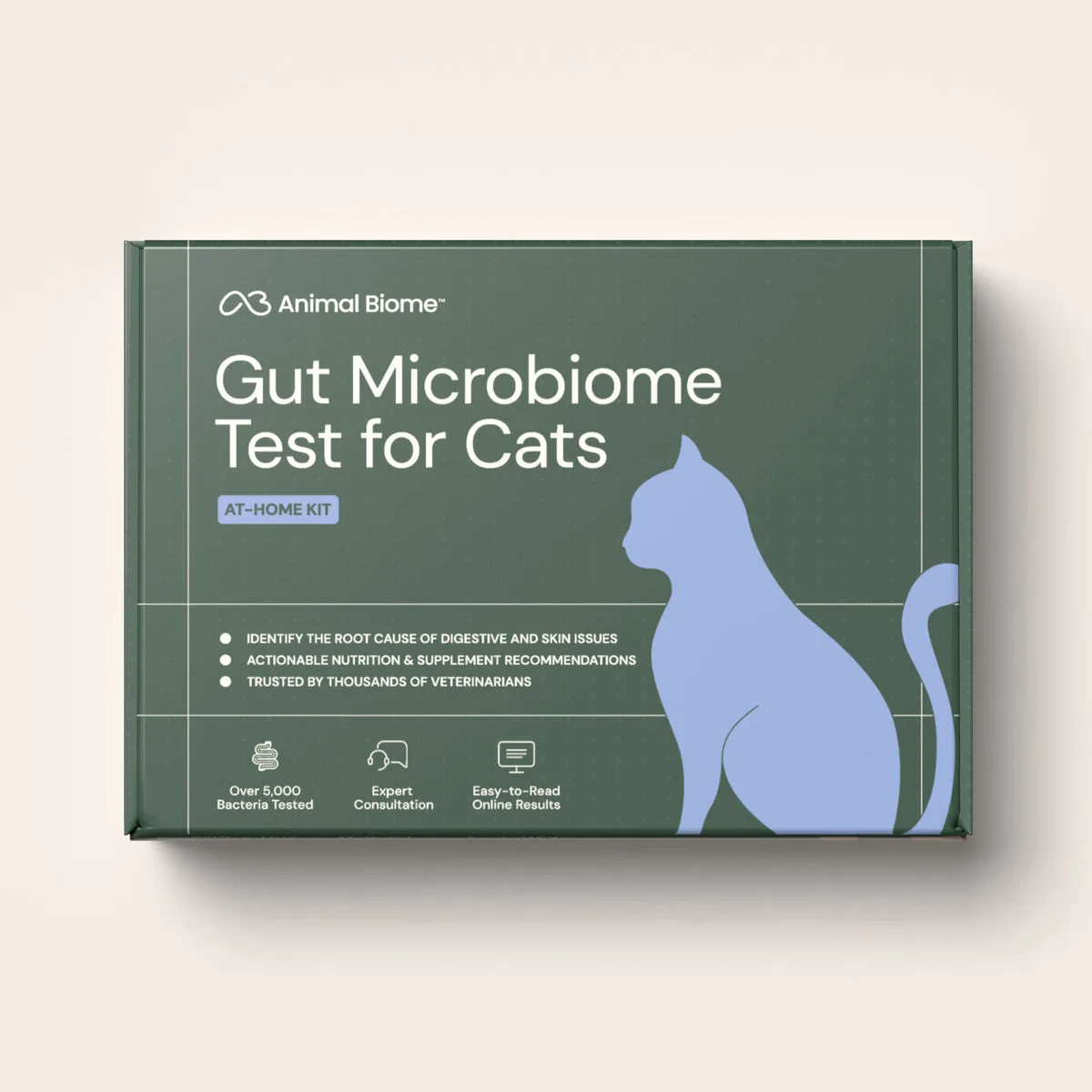
Animal Biome focuses on companion-animal microbiome science and gives cat owners a practical way to look beyond symptoms. Its at-home Gut Microbiome Test for Cats profiles bacteria in a stool sample, provides an online report, and can help owners and veterinarians discuss whether a cat's bacterial community may benefit from targeted support. If you are deciding when to call the vet, a cat gut microbiome test is not a substitute for timely care; its value is in adding bacterial context once urgent problems have been addressed.

Sign up for expert-backed reviews and safety alerts all in one place.
What cat gut health means
The gastrointestinal tract includes the stomach, small intestine, large intestine, and the organs that support digestion. Its job is to break food into nutrients, absorb water and energy, move waste, and help defend the body from harmful material. The feline microbiome participates in many of those processes, but it is only one part of the larger digestive system.
A healthy microbiome is not one fixed list of bacteria shared by every cat. Age, diet, environment, medications, and health history all help shape an individual community. That is why a single ingredient or supplement cannot guarantee a perfect result for every cat. The better question is whether the whole digestive system is stable and whether the cat is thriving.
Healthy stool is formed and easy to pass. Many healthy cats defecate once a day, but individual schedules vary. A consistent pattern matters more than matching an arbitrary number. Appetite should also be steady, body weight should remain appropriate, and the cat should be alert and comfortable.
Build a useful baseline before something changes
The best time to learn your cat's digestive pattern is while your cat feels well. For one or two ordinary weeks, note the same few details without changing food or adding supplements. The goal is not constant surveillance. It is a simple reference point that makes a later change easier to recognize and describe.
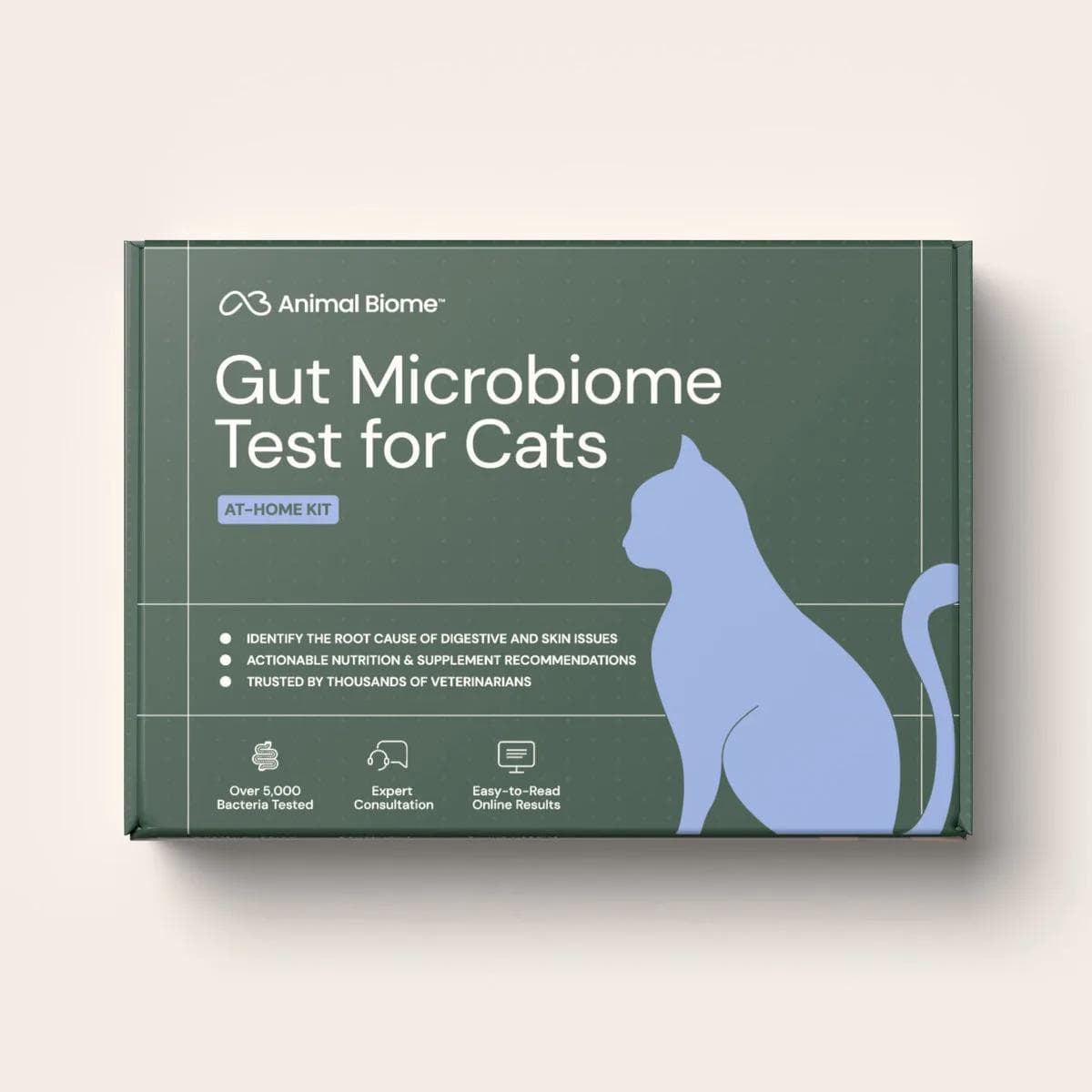
Petful may earn a commission when you click through to Animal Biome, at no extra cost to you.
| Layer | Useful baseline | A meaningful change to record |
|---|---|---|
| What goes in | Usual food, treats, water habits, and appetite | Skipped meals, a new food, more or less drinking, or difficulty eating |
| What comes out | Usual stool form, frequency, and litter box routine | Repeated soft or dry stool, straining, blood, mucus, or a changed schedule |
| How the cat feels | Normal weight, grooming, play, posture, and sociability | Weight loss, hiding, reduced grooming, discomfort, or lower energy |
The immune connection
The gut and immune system communicate constantly. This connection is one reason researchers are interested in probiotics, prebiotics, and other ways to influence the microbiome. However, a 2024 review of probiotics in cats concluded that the field is promising but still developing, with much of the evidence drawn from small studies or extrapolated from other species. That is a reason to choose targeted support thoughtfully, not a reason to dismiss the microbiome altogether. See the peer-reviewed review of probiotics and cat health.
Signs your cat's digestive system needs attention
Cat digestive problems can be obvious, such as watery diarrhea, or subtle, such as slightly smaller meals and gradual weight loss. What are the signs of poor gut health? Look for a pattern rather than one isolated event.
Healthy stool is formed and easy to pass. A lasting change from your cat's normal pattern matters more than one unusual bowel movement, especially when appetite, weight, or energy also changes.
- Repeated soft stool or diarrhea
- Constipation, straining, or very dry stool
- Vomiting more often than is normal for your cat
- Reduced appetite or a new reluctance to eat
- Unplanned weight loss or loss of muscle
- Excessive gas, abdominal discomfort, or a hunched posture
- Changes in grooming, play, sociability, or litter box habits
Vomiting and diarrhea are symptoms, not diagnoses. Parasites, dietary intolerance, an abrupt food change, infection, pancreatitis, hyperthyroidism, kidney disease, inflammatory bowel disease, cancer, and other conditions can overlap. Petful's guide to vomiting and diarrhea in cats explains why a veterinary history and examination are so important. For persistent stool changes, Petful's guide to chronic diarrhea in cats connects symptom patterns with the veterinary workup and a practical 14-day monitoring record.
Call your veterinarian promptly if diarrhea or vomiting is repeated, blood is present, stool is black and sticky, your cat cannot keep water down, or your cat is weak, painful, or unusually quiet. Kittens, seniors, and cats with another medical condition can become dehydrated or unstable more quickly. A cat that stops eating also needs timely advice because cats are vulnerable to serious metabolic complications when calorie intake falls sharply.
- Record meals, treats, medications, vomiting, stool consistency, litter box frequency, appetite, and energy. Photos of abnormal stool or vomit can be useful. Bring the log to your veterinarian instead of trying several changes at once.
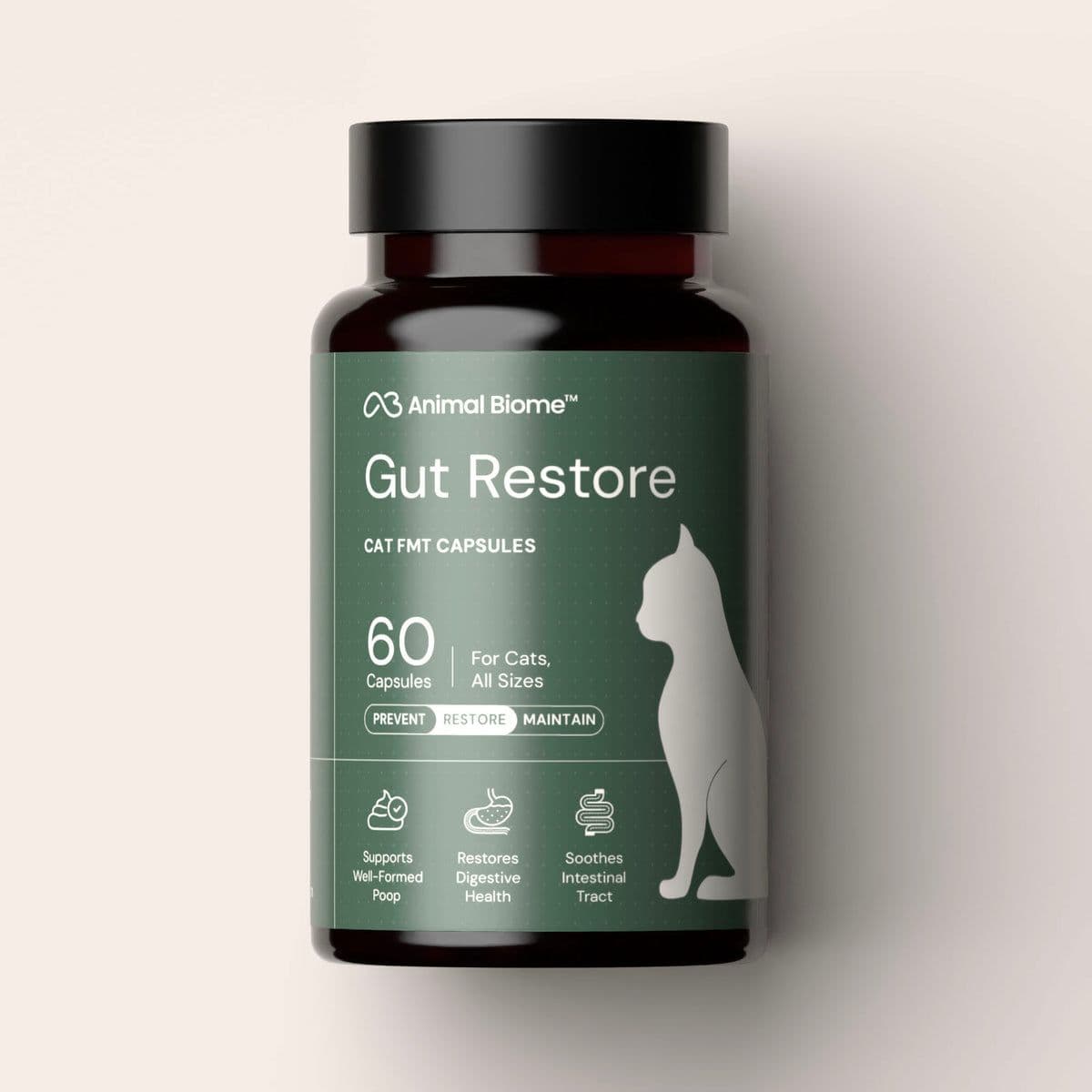
Petful may earn a commission when you click through to Animal Biome, at no extra cost to you.
Match the pattern to the next step
The same symptom can require a different response depending on duration and the rest of the cat's condition. Use the table as a conversation guide, not as a diagnosis.
| What you observe | What to document | When veterinary input becomes more important |
|---|---|---|
| One unusual stool in an otherwise comfortable cat | Food, treats, stool appearance, appetite, and activity | The change repeats, worsens, or appears with another symptom |
| Repeated diarrhea or constipation | Frequency, straining, fluid intake, medications, and any diet change | The pattern persists, the cat seems painful, or hydration and appetite change |
| Vomiting with a stool change | Timing, frequency, food intake, water intake, and whether anything stays down | Vomiting repeats, water will not stay down, or the cat becomes quiet or weak |
| Gradual appetite or weight change | Meal amounts, weekly weight when practical, grooming, and energy | Intake remains low, weight continues to fall, or muscle loss becomes noticeable |
| Blood, black stool, marked pain, or weakness | What you saw and when it began | Contact a veterinarian promptly rather than starting a home supplement trial |
What can disrupt the cat microbiome
The microbiome can change when its environment changes. Some shifts are short-lived and harmless. Others accompany disease or continue after the original trigger has passed.
Diet changes
An abrupt switch in food changes the nutrients available to intestinal microbes and may lead to temporary soft stool. When the veterinarian has not advised an immediate change, transition food gradually. Keep treats and toppers consistent during the transition so you can tell what your cat tolerates.
Antibiotics and other medications
Antibiotics can be essential for bacterial infections, but they can also affect bacteria that normally live in the intestine. Never stop a prescribed medication because you are worried about the microbiome. Contact the prescriber if digestive signs appear, and ask whether the timing, diet, or supportive care should change.
Stress and routine disruption
Moving, boarding, a new pet, construction, or conflict around food and litter boxes can change eating and elimination. Stress does not explain every digestive sign, but a calm routine and enough protected resources support recovery while medical causes are evaluated.
Underlying disease
Persistent inflammation, parasites, pancreatic disease, thyroid disease, and other disorders can alter the intestinal environment. Feline inflammatory bowel disease is one important example, but it cannot be confirmed from symptoms alone. Cornell's feline health guidance notes that diagnosis requires a systematic workup and that intestinal biopsy is the definitive test. Petful's veterinarian-authored guide to inflammatory bowel disease in cats covers that process in more detail.
How to support cat gut health
How to improve cat gut health depends on whether the cat is healthy, recovering from a short upset, or living with a diagnosed condition. The safest plan starts with basics and adds targeted tools only when they serve a clear purpose.
Feed a complete, appropriate diet
Choose a food labeled complete and balanced for your cat's life stage unless the veterinarian prescribes a therapeutic diet. A cat with suspected food sensitivity may need a structured elimination or hydrolyzed-protein trial. Changing among several boutique foods without a plan can make the pattern harder to interpret. When diet is a suspected trigger, Petful's guide to food allergies in cats explains elimination-trial controls, checkpoint timing, and the limits of microbiome testing.
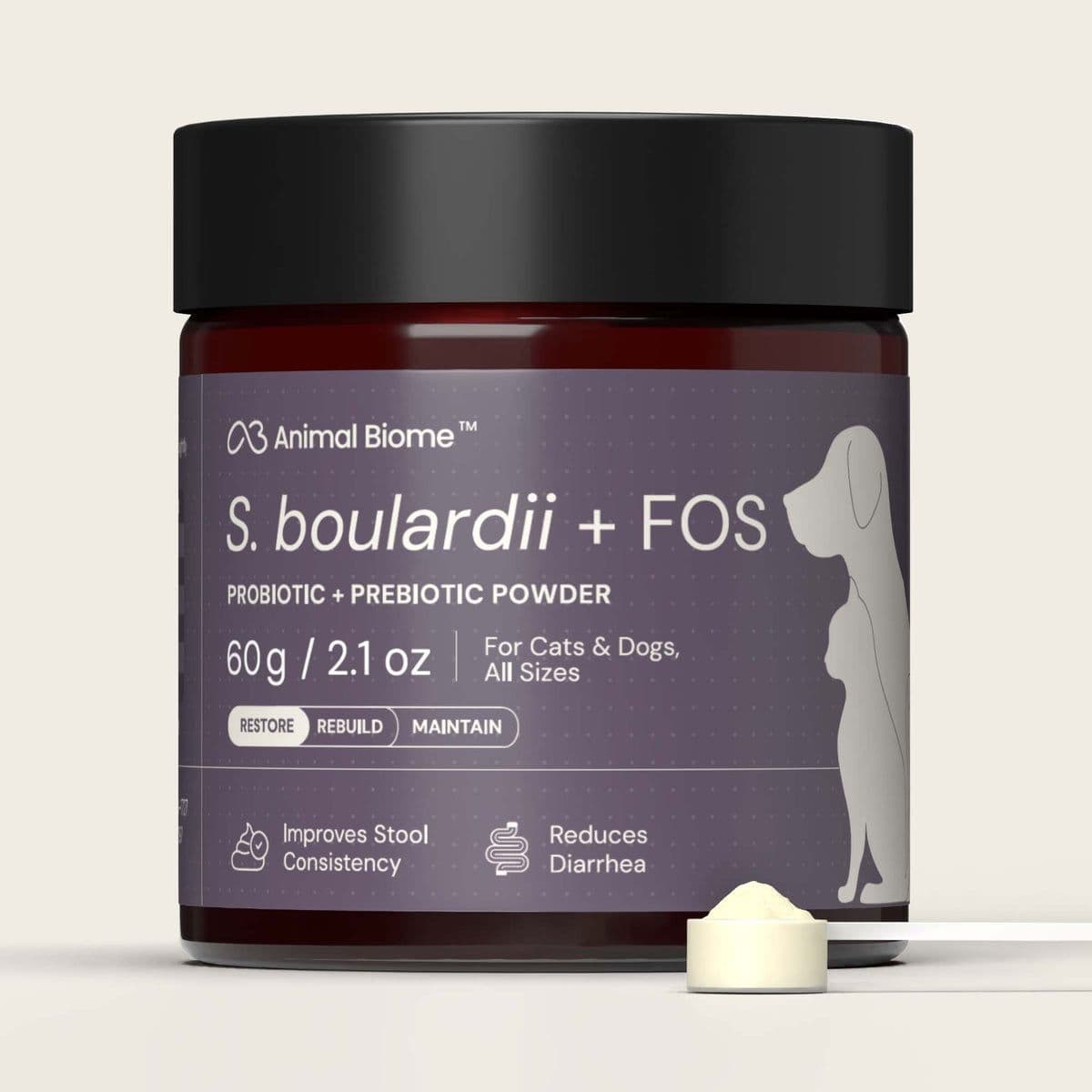
Petful may earn a commission when you click through to Animal Biome, at no extra cost to you.
Protect hydration
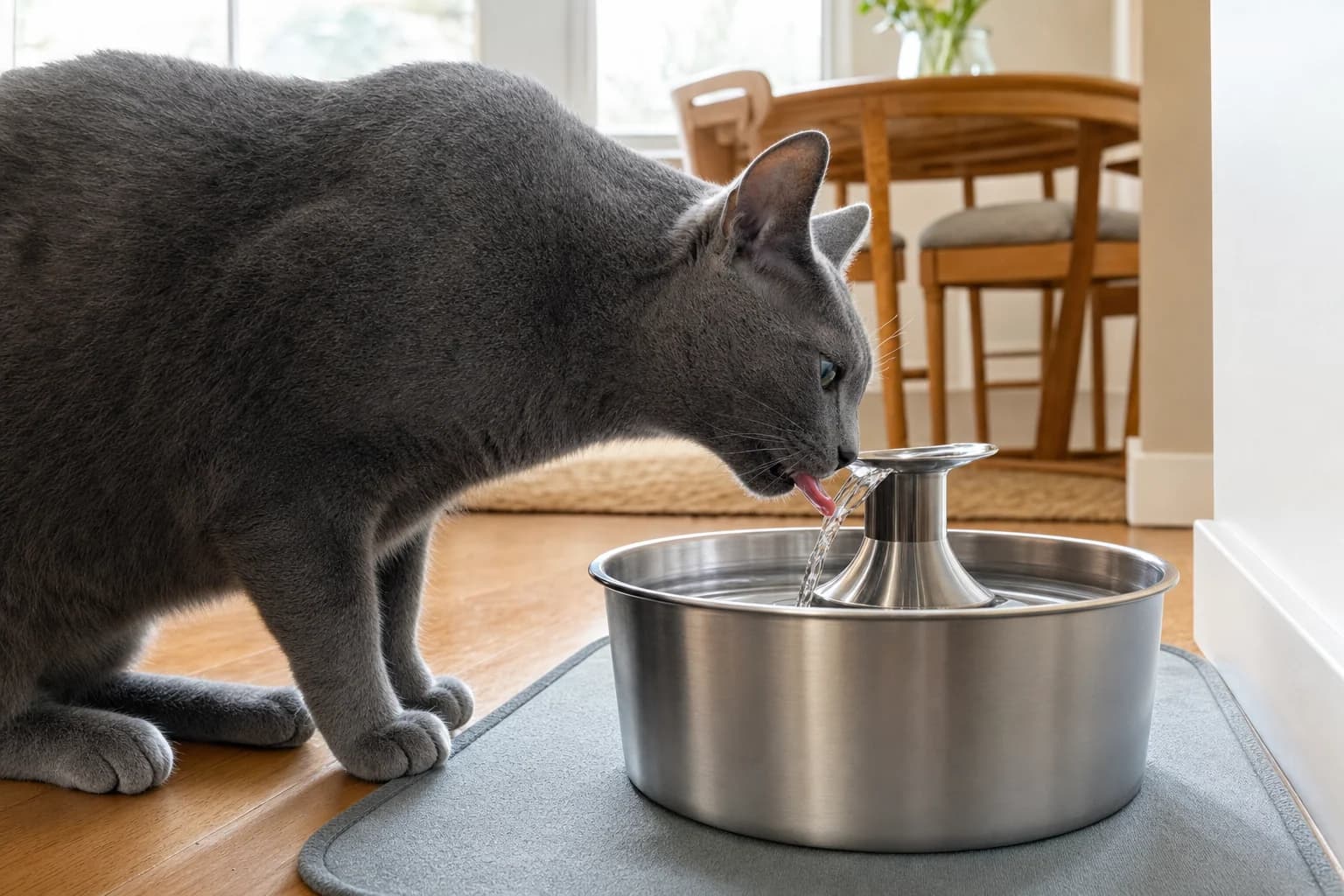
Water supports normal intestinal movement and helps replace fluid lost through diarrhea or vomiting. Offer clean water in several quiet places. Some cats drink more from a fountain or when wet food is part of the diet. Sudden thirst is itself a reason to contact the veterinarian because it can accompany kidney disease, diabetes, and other conditions.
Make one change at a time
When a cat is stable, introduce one dietary or supplement change, record the date, and observe stool, appetite, and comfort. Multiple simultaneous changes can create an apparent improvement without revealing what helped. They can also make a setback difficult to trace.
Understand probiotics and prebiotics
Probiotics are live microorganisms intended to provide a benefit when used in an adequate amount. Prebiotics are substrates used by microbes in the gut. Products differ in species, strains, amounts, storage requirements, and evidence. A systematic review of biotics in cats found encouraging results in some studies, including stool-consistency improvement, but concluded that confidence remains limited and more high-quality research is needed. Review the systematic evidence on biotics in cats with that limitation in mind.
Ask your veterinarian what goal a product is meant to address, how long to try it, and what result would count as success. Human products are not automatically suitable for cats, and flavored supplements can contain ingredients that are not appropriate for pets.
Run one measured support trial at a time
Before starting a diet or supplement trial, write down the purpose in one sentence. Examples include making stool more consistently formed, reducing the frequency of a recurring sign after the veterinarian has evaluated it, or monitoring recovery after a prescribed treatment. Then select a small set of outcomes, such as stool form, bowel movement frequency, appetite, vomiting, weight, and comfort.
Keep the rest of the routine as steady as the veterinary plan allows. Record the start date and the date chosen with the veterinarian for review. If the cat improves, the record helps show what changed. If the cat does not improve or develops a new sign, reassess instead of layering on several more products. A measurable trial produces information even when the result is not the one an owner hoped for.
| Goal | Useful first step | Why it helps |
|---|---|---|
| Stable daily digestion | Complete diet, steady routine, hydration | Protects the environment in which the microbiome functions |
| New mild stool change | Call the vet if it persists; log diet and stool | Separates a brief upset from a developing medical problem |
| Recurrent signs | Veterinary exam and targeted testing | Looks for parasites, inflammation, metabolic disease, and other causes |
| Personalized microbiome information | Discuss fecal microbiome testing in context | Adds bacterial data but does not replace diagnostic testing |
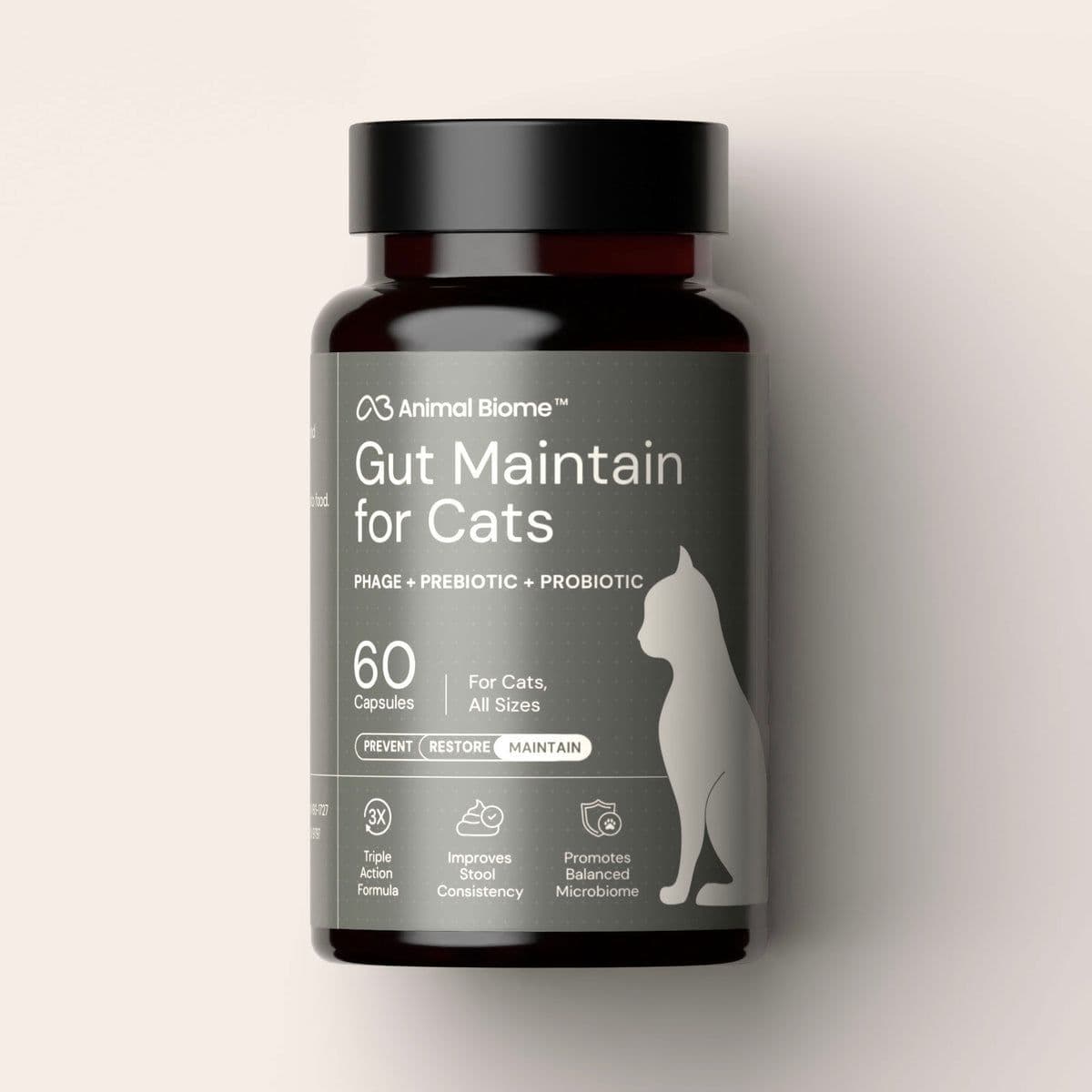
Petful may earn a commission when you click through to Animal Biome, at no extra cost to you.
How veterinarians investigate persistent digestive signs
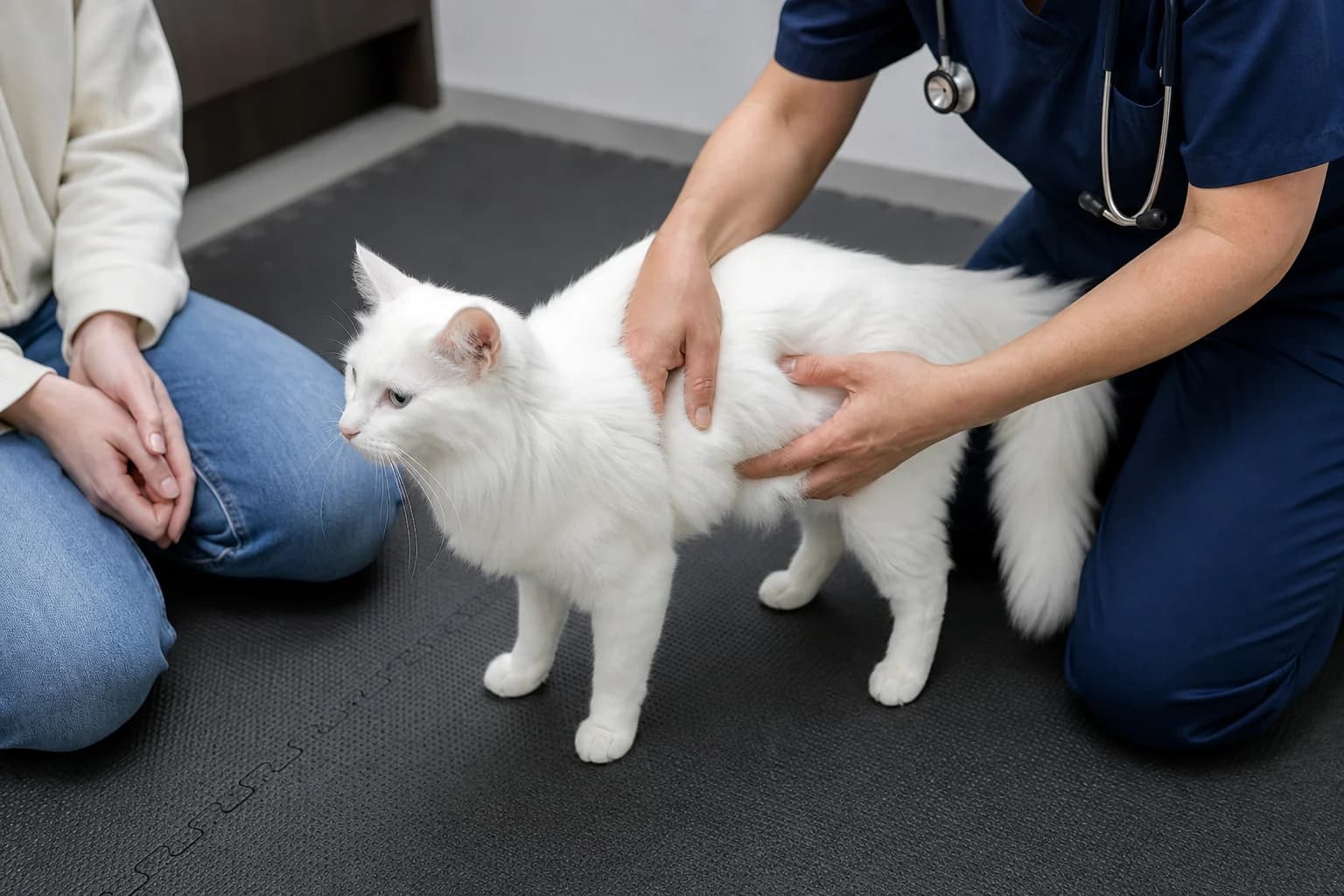
A veterinary workup is designed to narrow a broad symptom into a more specific problem. The exact sequence depends on the cat's age, history, examination, and severity, but owners can expect the discussion to move through several practical questions.
- Define the pattern. The veterinarian reviews stool, vomiting, appetite, weight, diet, treats, medications, travel, parasite exposure, and the timing of every change.
- Assess stability. Hydration, pain, temperature, body condition, muscle condition, and the ability to keep food and water down help determine urgency.
- Rule out common causes. Depending on the case, fecal testing, blood work, urine testing, or other targeted tests may be appropriate. A normal-looking stool does not rule out every parasite or digestive disorder.
- Choose the next diagnostic step. Imaging, pancreatic or thyroid testing, a structured diet trial, or referral may be useful when signs persist or initial findings point in that direction.
- Measure response. A treatment or diet trial needs a defined goal and review date. If the expected improvement does not occur, the plan should be reconsidered rather than extended indefinitely by habit.
How Animal Biome's Gut Microbiome Test may help
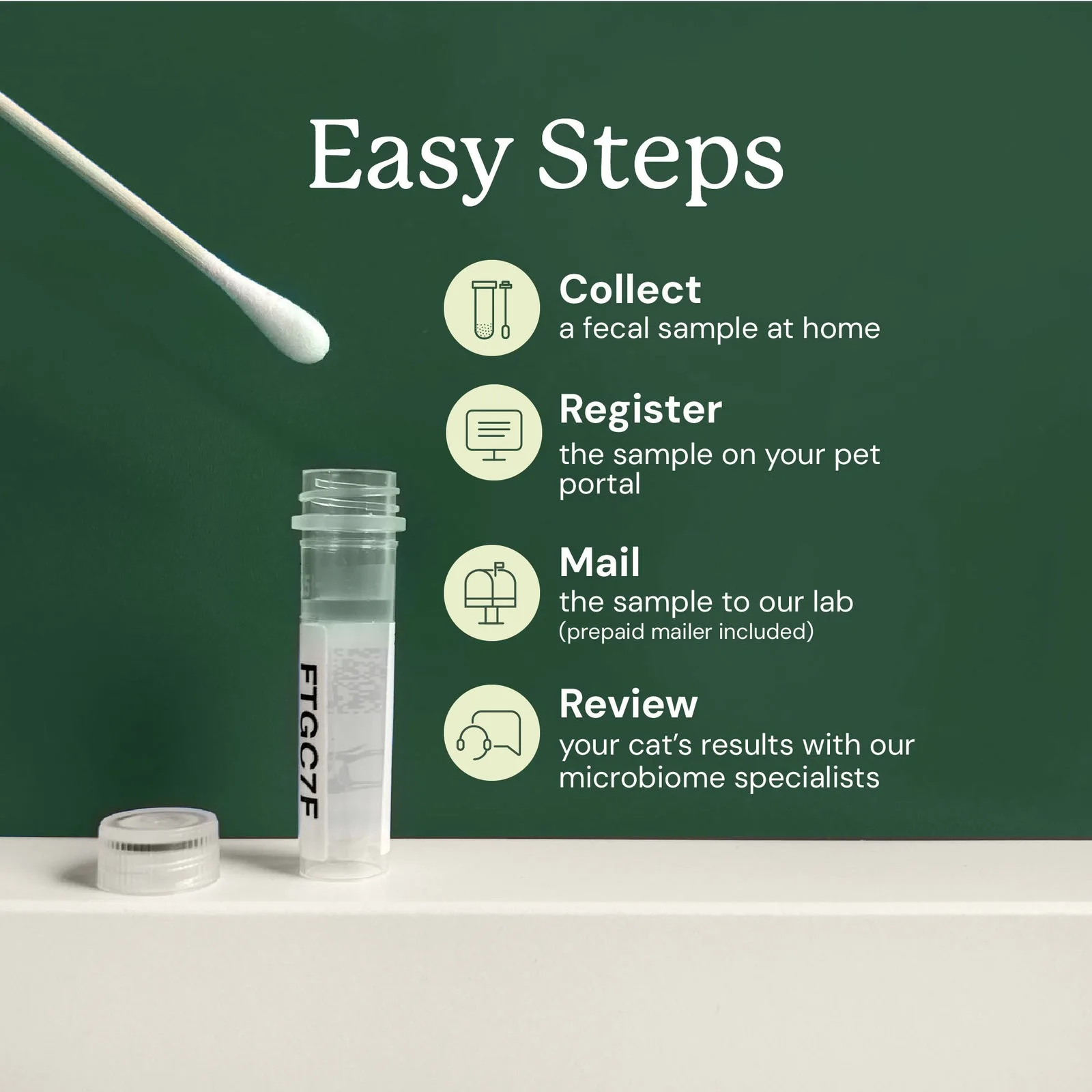
Animal Biome's Gut Microbiome Test for Cats is an at-home stool-sampling kit that uses DNA sequencing to report the bacteria detected in a sample. The product includes collection supplies, an online report, and guidance based on the result. This makes it a practical cat gut microbiome test for owners who want a bacterial baseline or a way to track change over time.
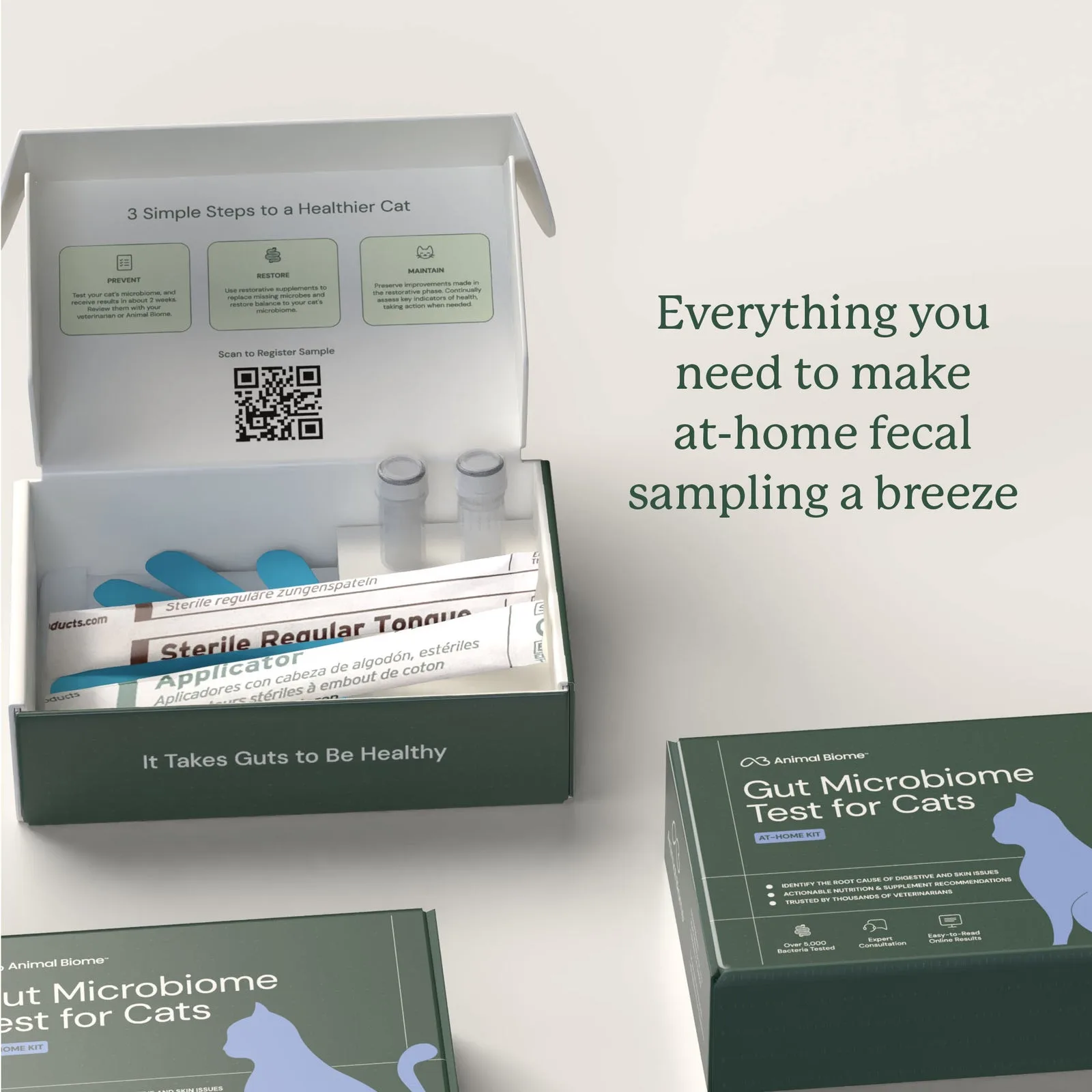
The test can help an owner establish a baseline, compare bacterial patterns over time, or have a more specific conversation about microbiome support. It does not diagnose inflammatory bowel disease, food allergies, cancer, worms, Giardia, or every possible cause of diarrhea. Animal Biome's current product information specifically notes that the bacterial test does not test for parasites or food allergies.
A test should also complement a clear plan for when to call the vet. New pain, repeated vomiting, blood, appetite loss, or worsening lethargy calls for clinical care, not another at-home sample.
This is where the Track, support, test framework helps:
- Track symptoms, diet, medications, and veterinary findings.
- Support the basics with a stable diet, hydration, and the treatment plan.
- Test when the result will answer a defined question or help monitor change.
If your cat is acutely ill, the first test should be the one the veterinarian recommends for the immediate problem. Fecal parasite testing, blood work, imaging, or biopsy may be more important than a microbiome profile. If the cat is stable and the question concerns bacterial balance or response over time, microbiome testing may add useful context.
A practical Animal Biome test decision workflow
The most useful way to approach Animal Biome's test is to decide in advance what information would change the plan. That keeps the test connected to a real question instead of treating a microbiome score as a diagnosis by itself.
- Start with the cat's current condition. If the cat has repeated vomiting, blood, pain, appetite loss, weakness, or another urgent sign, contact the veterinarian first. A stable cat with a recurring pattern, a recent disruption, or a need for a baseline presents a different situation from an acutely ill cat.
- Define one question. An owner might want to establish a bacterial baseline, discuss whether bacterial patterns could be relevant after a medication or diet change, or monitor change during a veterinarian-guided support plan. Write that question down before collecting the sample.
- Place the test beside appropriate veterinary testing. According to Animal Biome's current product information, the bacterial test does not test for parasites or food allergies. If those or other diseases are possible, use the fecal, blood, imaging, diet-trial, or biopsy pathway recommended by the veterinarian. The microbiome profile adds bacterial context rather than replacing those answers.
- Collect and submit the sample using the current kit instructions. Following the manufacturer's directions matters because the report reflects the sample that reaches the laboratory. Record the collection date, current diet, medications, supplements, stool pattern, and recent health events so the result can be interpreted in context.
- Review the complete report, not one isolated label. Animal Biome states that its online report describes the bacteria detected in the sample and provides guidance based on the result. Discuss how that information fits the cat's symptoms, veterinary findings, diet, and treatment history. A difference from a reference pattern does not prove the cause of a clinical sign.
- Choose one next action and one measurement. If the veterinarian agrees that a diet, routine, or microbiome-support change is appropriate, avoid changing several variables at once. Track the outcome selected in advance, such as stool form, appetite, vomiting frequency, weight, or comfort.
- Retest only when comparison will be useful. A later sample is most informative when the timing and purpose are clear. The goal is to compare change against the original question, not to keep testing until every number looks ideal.
This workflow highlights Animal Biome's practical role: it gives owners a structured bacterial profile that can make a gut-health conversation more specific. Its value is strongest when the cat is observed carefully, urgent and diagnostic needs are handled first, and the result is linked to a measurable veterinary plan.
What to discuss with your veterinarian
Bring the digestive log, a complete list of foods and supplements, and the names and dates of recent medications. Ask what diagnoses are most important to rule out and which test would change the treatment plan. If you are considering a cat digestive health supplement, bring the exact label rather than only the brand name.
Useful questions include:
- Could this pattern reflect a parasite, dietary reaction, pancreatitis, thyroid disease, or inflammatory disease?
- Does my cat need blood work, fecal testing, imaging, or a diet trial?
- Would a probiotic, prebiotic, or microbiome test add useful information now?
- What should improve, and by what date should I call back?
- Which signs mean my cat needs urgent care?
A good plan should be measurable. Stool may become more formed, vomiting may decrease, appetite may normalize, or weight may stabilize. If the expected change does not happen, the answer is not necessarily to add more supplements. It is to reassess the diagnosis and next step.
Frequently asked questions
Start by recording stool, appetite, vomiting, diet, and medications, then discuss persistent changes with your veterinarian. A complete diet, good hydration, gradual food transitions, and targeted support can help, but treatment depends on the underlying cause.
Give a complete and balanced diet, reliable access to fresh water, and only supplements that fit a defined goal. Ask your veterinarian before using a probiotic or prebiotic, especially if your cat has ongoing symptoms, takes medication, or has another health condition.
Possible signs include repeated diarrhea or constipation, vomiting, reduced appetite, weight loss, gas, discomfort, and litter box changes. These signs can have many causes, so they do not prove a microbiome imbalance by themselves.
There is no single best natural probiotic for every cat. Product quality depends on the identified organism or strain, viable amount, storage, safety, and evidence for the intended use. Choose a cat-specific product with veterinary guidance rather than relying on yogurt or a human supplement.
The bottom line
Supporting cat gut health is a process, not a one-product event. Watch the Three-layer gut check, act promptly on red flags, keep diet and routine steady, and use targeted tools for a clear reason. For owners who want measurable microbiome information, Animal Biome's Gut Microbiome Test for Cats can add a baseline and a way to track change alongside the veterinary plan.
BVMS, MRCVS
Dr. Pippa Elliott, BVMS, MRCVS, is a veterinarian with nearly 30 years of experience in companion animal practice. Dr. Elliott earned her Bachelor of Veterinary Medicine and Surgery from the University of Glasgow. She was also designated a Member of the Royal College of Veterinary Surgeons. Married with 2 grown-up kids, Dr. Elliott has a naughty Puggle named Poggle, 3 cats and a bearded dragon.
Sign up for expert-backed reviews and safety alerts all in one place.
A Final Word (Disclaimer)
At Petful, our review integrity is paramount; we never exchange special treatment in our reviews for monetary or material rewards.
Nonetheless, when our readers click through to online merchants (including Chewy or Amazon), we receive a referral commission. This supports the running of our free blog, and we appreciate your backing.