Can Dogs Eat Cranberries? Fresh, Dried, and Cooked Compared
Can dogs eat cranberries? Yes, plain fresh or unsweetened dried cranberries are safe in small amounts. See how fresh, dried, cooked, sauce, and juice forms compare, plus daily counts by dog size.

BVMS, MRCVS
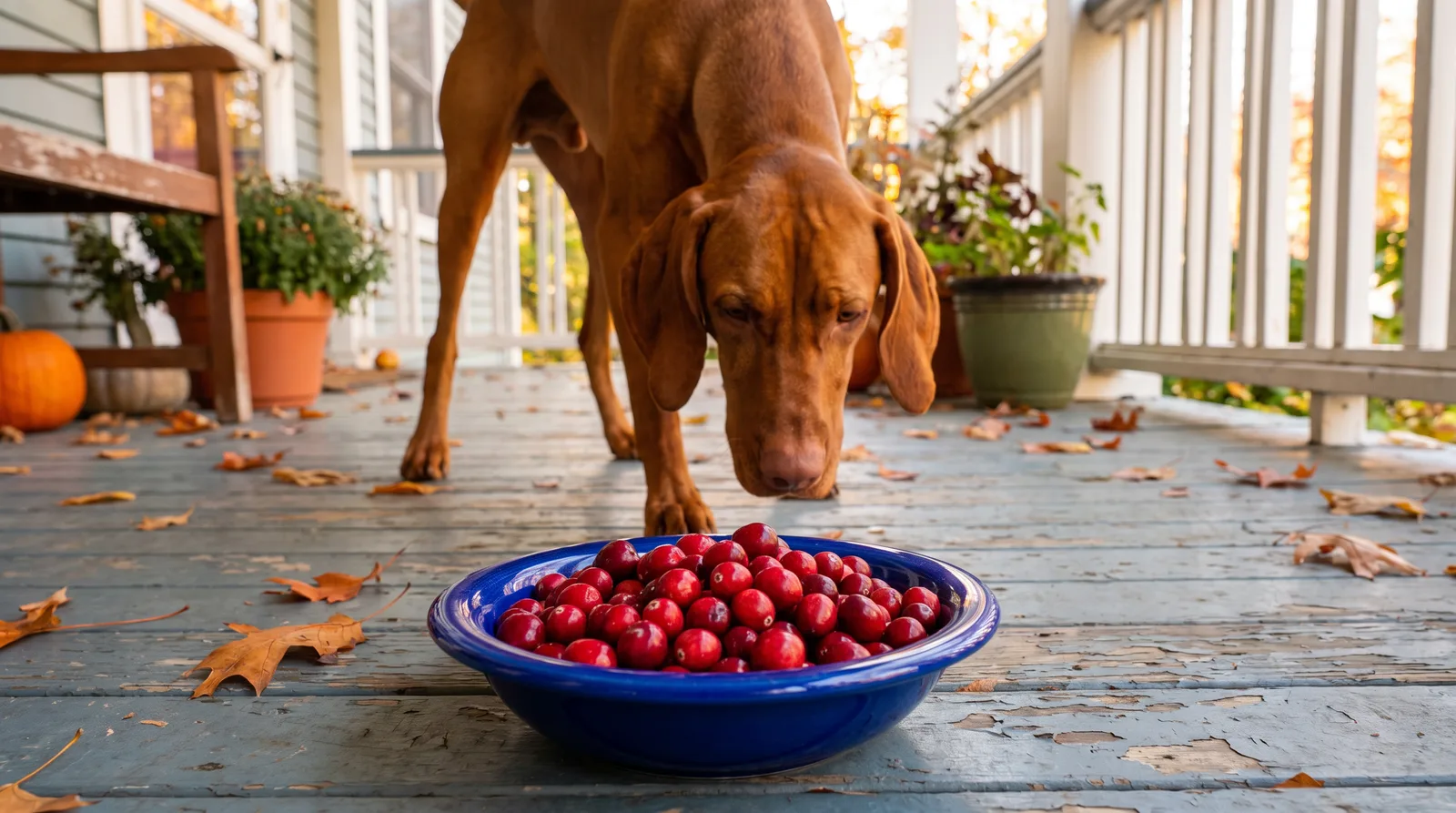
Fresh, plain cranberries are safe for most dogs in small amounts.
Petful is reader supported. As an affiliate of platforms like Amazon and Chewy, we may earn a commission when you buy through links on this page. There is no extra cost to you.
- This article is sponsored by Get Real, the gently cooked fresh dog food sold at Chewy. Petful was paid for this placement and may earn a commission when you buy through links in this article. Product details come from Chewy's published information; the guidance and opinions are Petful's own.
Can dogs eat cranberries? Yes. Plain cranberries, fresh or unsweetened dried, are safe for most dogs in small amounts, and they are not poisonous to dogs. The risk sits in the sweetened forms: craisins coated in sugar, cranberry sauce, juice cocktails, and baked goods that hide raisins, nuts, or xylitol.
Below is a form-by-form comparison of fresh, dried, cooked, sauce, and juice cranberries, a count of cranberries by dog weight, and an honest look at what cranberries can and cannot do for the urinary tract. If you want cranberry in your dog's bowl every day, a complete and balanced fresh food that already includes it is the simplest route.

Sign up for expert-backed reviews and safety alerts all in one place.
Can dogs eat cranberries?
- 1Dogs can eat plain cranberries, fresh or unsweetened dried, as an occasional treat.
- 2The sweetened forms are the problem: sugary craisins, cranberry sauce, juice cocktails, and cranberry baked goods.
- 3Keep cranberries and all treats under 10 percent of daily calories, which works out to a small handful at most.
- 4Cranberry does not treat a urinary tract infection; a dog with urinary signs needs a veterinarian.
Yes, plain cranberries are safe for dogs to eat in small amounts, fresh or unsweetened dried, while the sweetened forms are the real risk. In modest amounts, cranberries are good for dogs as a low-calorie snack: the berries supply fiber and vitamin C along with plant compounds called proanthocyanidins, which are the reason cranberry keeps coming up in urinary health discussions. Skip added sugar, keep the serving small, and you can give your dog cranberries safely.
Will cranberries hurt dogs? A few plain berries will not. Too many can cause an upset stomach, loose stool, or vomiting, because the fruit is very tart and acidic. Cranberries also contain oxalate, so dogs with a history of calcium oxalate bladder stones are better off without them. Otherwise, cranberries turn bad for dogs mainly through what they are mixed with, which the sections below cover form by form.
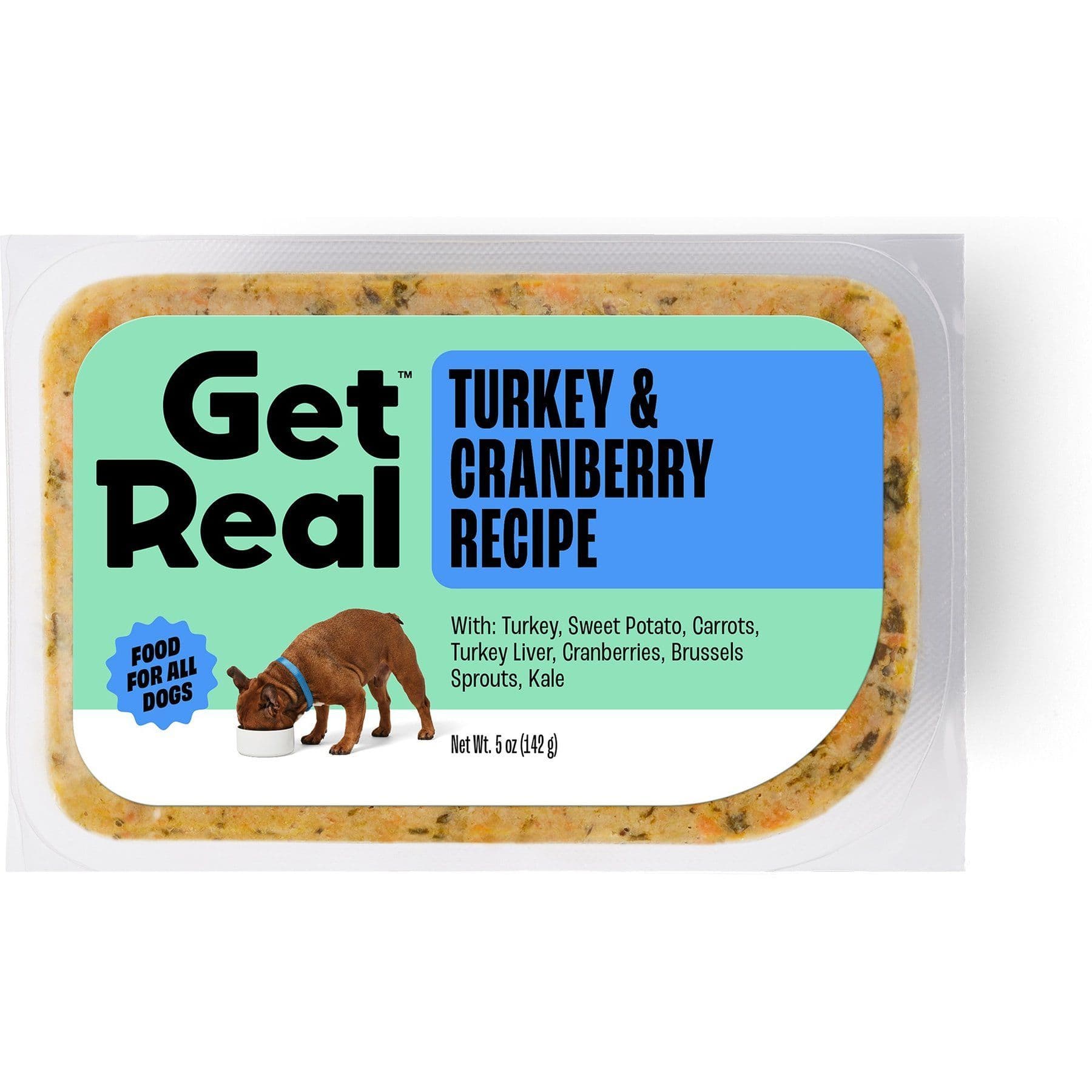
If you like the idea of cranberry in your dog's bowl without counting berries, this recipe pairs turkey with cranberry in a complete, gently cooked fresh meal.
Petful may earn a commission when you click through to Chewy, at no extra cost to you.
Owners also ask about cranberries for dogs' teeth. Some research in people suggests cranberry compounds make it harder for bacteria to stick to tooth surfaces, but there is no good evidence that feeding cranberries cleans a dog's teeth. Are cranberries good for dogs' teeth? Not in any way that replaces brushing and dental checkups. Treat the berries as a snack, not a dental product, and keep tooth care on its usual schedule.
Fresh and raw cranberries
Fresh cranberries for dogs are the best form to offer. Can dogs eat raw cranberries? Yes, raw and uncooked cranberries are fine; many dogs simply dislike the sour taste and spit them out. Whole cranberries are firm and round, so for a toy or small dog, or a dog who gulps, cut each berry in half to lower the choking risk. The tiny seeds inside are soft and safe to swallow.

If your dog turns away from sour raw berries, a sampler lets you see whether turkey, beef, or chicken fresh recipes go over better.
Petful may earn a commission when you click through to Chewy, at no extra cost to you.
How to prepare cranberries for dogs:
- Rinse fresh berries and discard any soft, moldy, or shriveled ones.
- Halve whole cranberries for small dogs and fast eaters.
- Serve them plain, or lightly mashed into the regular meal; never add sugar or sweetener.
- Offer one or two first and watch for a stomach upset over the next day.
Can dogs have yogurt covered cranberries? It is better not to. Yogurt covered cranberries and yogurt cranberries are coated in sweetened yogurt and sugar, and some coatings contain artificial sweeteners. Highbush cranberries are a different plant (a viburnum shrub, not a true cranberry); because wild berries are easy to misidentify, do not let your dog eat highbush cranberries or any berry picked in the wild.
| Form-by-form comparison | Added sugar | Tartness and texture | Verdict |
|---|---|---|---|
| Fresh or raw, plain | None | Very tart, firm; halve for small dogs | Best choice in small amounts |
| Dried, unsweetened | None | Chewy, concentrated | OK, fewer pieces than fresh |
| Dried, sweetened (craisins) | High | Sticky, sweet | Avoid as a regular treat |
| Cooked plain, at home | None | Soft, easy to mash | OK in small amounts |
| Cranberry sauce, canned or jellied | High | Soft, very sweet | Avoid |
| Cranberry juice cocktail | High | Liquid | Avoid |
| Cranberry pills and extract | Varies | Concentrated | Only with veterinary advice |
Dried cranberries and craisins
Can dogs eat dried cranberries? Plain, unsweetened dried cranberries are acceptable in smaller numbers than fresh, because drying concentrates the fruit's sugar and calories into a smaller, chewier piece. Dehydrated cranberries made at home without sugar fall into the same category. Are dried cranberries good for dogs to eat? As an occasional treat they are fine; as a daily habit they add up quickly.
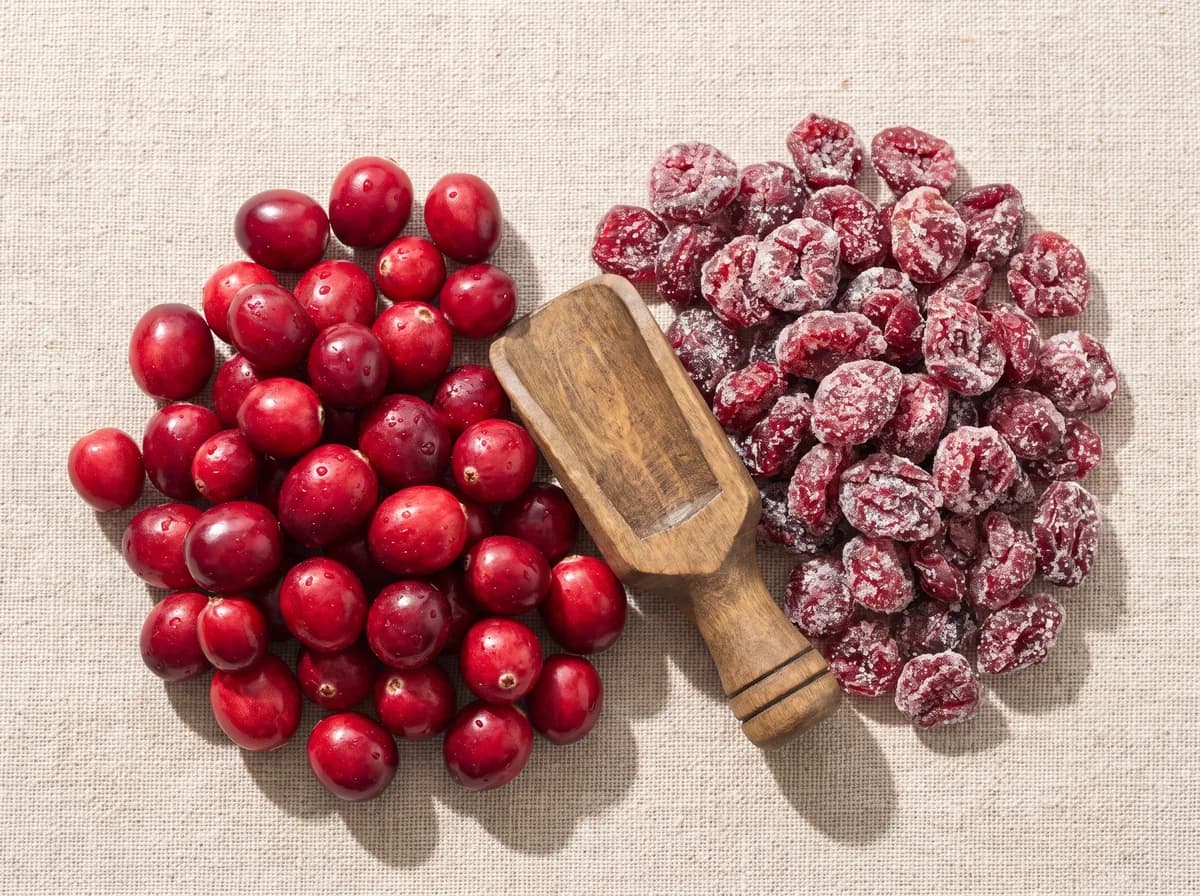
Can dogs have Ocean Spray Craisins or other dried cranberries from the store? A few that fall on the floor will not harm your dog, but most store-bought craisins, Ocean Spray included, are sweetened during processing, so they are a poor treat to give on purpose. Fed often, sweetened dried cranberries are bad for dogs because of the added sugar and calories. The bigger worry is a trail mix or snack bag that also contains raisins, so read the bag before sharing any dried fruit mix.
Cooked cranberries and cranberry sauce
Can dogs eat cooked cranberries? Yes, if you are cooking cranberries for dogs at home in plain water with nothing added. Cooked cranberries soften and burst, which makes them easy to mash into food, and the tartness mellows a little.
Can dogs have cranberry sauce? No, not as a treat. Is canned cranberry sauce good for dogs, including brands like Ocean Spray cranberry sauce? No, and homemade versions are not much better:
- Canned cranberry sauce, jellied cranberry sauce out of a can, cranberry sauce in a jar, and cranberry jelly are mostly sugar, often high-fructose corn syrup.
- Homemade cranberry sauce and cranberry relish usually add sugar, orange, alcohol, or nuts.
- Some low-sugar versions use xylitol, which is dangerous for dogs.

My dog ate cranberry sauce: what now? A lick or spoonful of plain jellied sauce usually causes nothing worse than an upset stomach. Will cranberry sauce hurt dogs if it contained xylitol, raisins, or alcohol? It can, so check the label or recipe and call your veterinarian or a pet poison helpline right away if any of those were in it.
How many cranberries can a dog eat?
How many cranberries can I give my dog a day? A small handful at most: the list below gives cranberries by dog weight for fresh, plain berries. These counts stay well under the 10 percent treat rule, the guideline that all treats together should make up no more than 10 percent of daily calories. Each fresh cranberry has only about half a calorie, so tartness and fiber, not calories, set the practical limit.
- Toy dogs (under 10 pounds): 1 to 2 berries, halved.
- Small dogs (10 to 25 pounds): 2 to 4 berries.
- Medium dogs (25 to 50 pounds): 4 to 6 berries.
- Large dogs (50 to 90 pounds): 6 to 10 berries.
- Giant dogs (over 90 pounds): up to 10 to 15 berries.
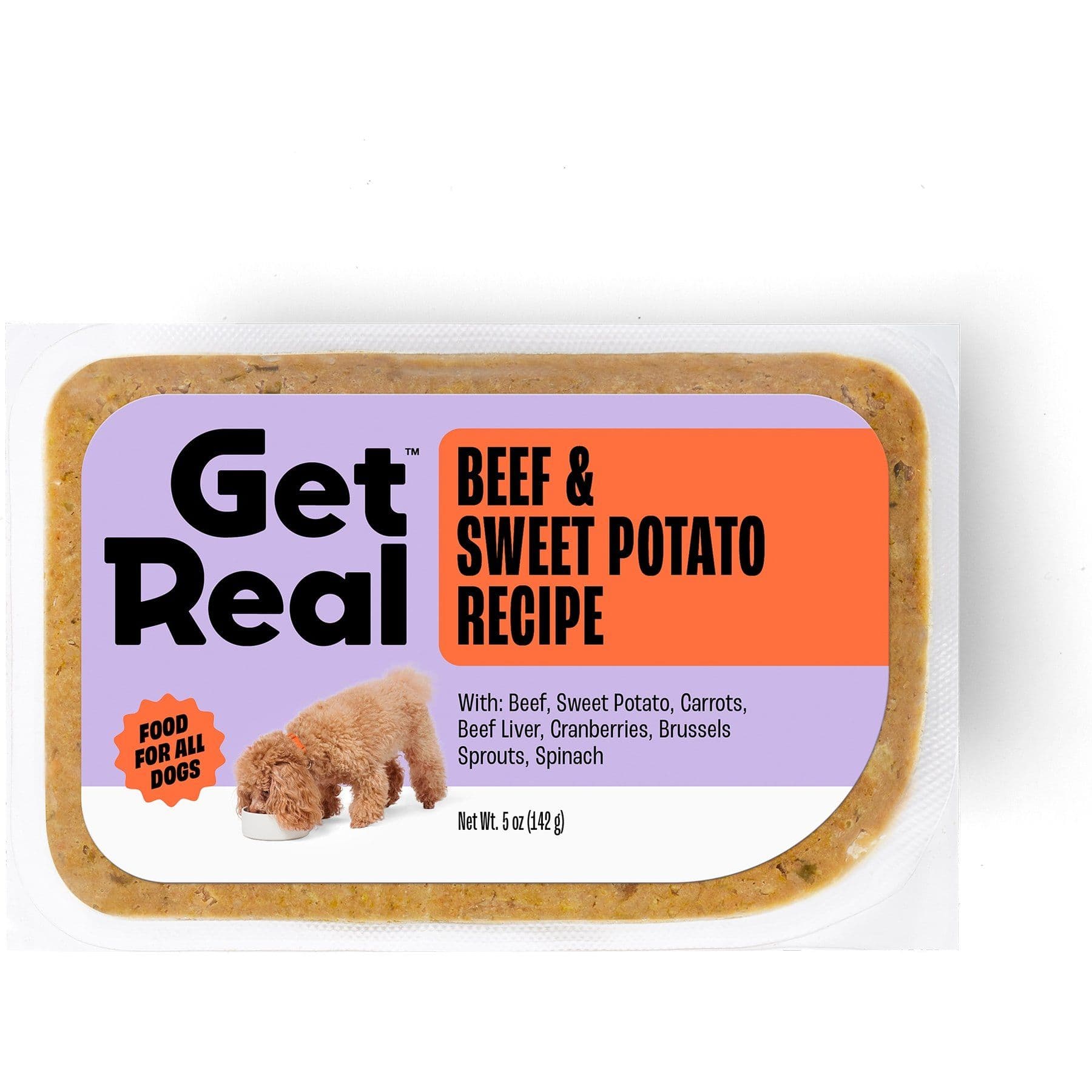
A complete fresh recipe with beef, sweet potato, and cranberries among its ingredients, so a little fruit arrives in a measured meal instead of the treat budget.
Petful may earn a commission when you click through to Chewy, at no extra cost to you.
That is the whole idea of portion by dog size: the bigger the dog, the more berries fit inside the same small treat allowance, but even a giant dog tops out at a small handful. Use about half these numbers for unsweetened dried cranberries. Can dogs have cranberries every day? Plain fresh cranberries can be a daily treat in these amounts for a healthy dog. Can dogs eat dried cranberries every day? Keep sweetened dried ones occasional. Feeding the Get Real Turkey & Cranberry Recipe is another way to include cranberry every day, because it comes as part of a complete meal rather than as an extra treat.
Can dogs drink cranberry juice?
Can dogs have cranberry juice? It is not a good idea. Most cranberry juice is a sweetened cocktail, and blends such as cranberry pomegranate juice add more sugar and sometimes grape juice. Can dogs drink 100% cranberry juice or unsweetened cranberry juice? A small splash will not harm a healthy dog, but it is extremely sour, it adds nothing that fresh water and a balanced diet do not, and dogs rarely drink it willingly. If your dog drank cranberry juice from a glass, expect at most mild stomach upset; check the label for xylitol or grape juice.
People often ask whether cranberry juice works for a dog with a UTI or other urine infection. It does not: juice cannot treat an active infection in any dog, female or male, and delaying care lets the infection progress. Dogs with kidney disease also have tightly managed diets, so do not add juice or supplements without your veterinarian's input.
Cranberries vs. blueberries and other berries
Are blueberries or cranberries better for dogs? Blueberries usually win as a regular treat because they are sweeter, softer, and lower in acidity, while cranberries are so tart that many dogs refuse them. Both berries are fine for dogs fresh or plain-dried in small amounts, and the same portion rules apply to each, so pick the one your dog will actually eat.

For dogs who like their fruit and vegetables built into dinner, this chicken recipe with Brussels sprouts works as a full meal or a topper.
Petful may earn a commission when you click through to Chewy, at no extra cost to you.
For more on fruit choices, see can dogs eat blueberries and can dogs eat strawberries. Strawberries are sweeter than both and best served sliced. Raspberries and blackberries are also fine in small amounts. Whatever the berry, count it toward the same daily treat allowance rather than adding it on top.
Cranberries and urinary tract health in dogs
Cranberry's reputation rests on proanthocyanidins, which in laboratory work make it harder for E. coli to attach to the bladder wall. Small studies of cranberry extract in dogs suggest it may help reduce recurrence in some dogs, but the evidence is limited, and cranberry does not cure a urinary tract infection. The Merck Veterinary Manual describes bacterial cystitis as a condition diagnosed with a urine test and treated with an appropriate antibiotic. If you see straining, frequent urination, accidents, or blood in the urine, read our guide to the signs of a urinary tract infection in dogs and book a veterinary visit.
Can dogs have cranberry pills or cranberry capsules? Some veterinarians recommend a dog-specific cranberry extract, sometimes combined with D-mannose, for dogs with recurrent infections once an active infection is treated. Before giving cranberry pills to dogs, keep these points in mind:
- Human cranberry pills, including AZO cranberry products, are dosed for people and may contain other ingredients; ask your veterinarian before you give a dog cranberry pills or extract.
- There is no single cranberry dose for dogs; how many mg of cranberry a dog needs depends on the product and the dog, so follow your veterinarian's dosing.
- Cranberry does not reliably lower urine pH in dogs and should not be used to dissolve stones.
- Concentrated extract adds oxalate, so dogs prone to calcium oxalate stones, and dogs with kidney disease, should skip it unless their veterinarian approves.
- Cranberry is not a fix for incontinence, which has different causes than infection.
Can dogs take cranberry for UTI prevention, then? Only as a veterinarian-guided add-on after diagnosis. Many cranberry supplements for dogs are sold at Chewy and other retailers as chews and powders; choose one made for dogs and confirm the product with your veterinarian first.
Can a dog overdose on cranberry? Not in a poisoning sense, but too many pills can cause vomiting and diarrhea, and long-term high doses may raise stone risk in susceptible dogs.
Cranberry foods to skip: raisins, nuts, baked goods, and cheese
Why can a dog eat cranberries but not raisins? Raisins and grapes can cause sudden kidney failure in some dogs, even in small amounts, and the toxic factor (tartaric acid is the leading explanation) is specific to grapes. Cranberries are an unrelated plant and carry no such risk. The danger is mix-ups, such as trail mixes and baked goods that combine both fruits; any cranberry and raisin blend is bad for dogs because of the raisins. If your dog ate raisins and cranberries, read our guide to grapes and raisins toxicity and call your veterinarian right away.
- Trail mixes, muffins, and holiday breads often contain hidden raisins next to the cranberries, and sugar-free bakes may use xylitol in baked goods. If you cannot see the full ingredient list, do not share it.
Other cranberry foods to keep off the plate:
- Baked goods: cranberry bread, muffins (including the cranberry orange kind), and oatmeal cranberry cookies carry sugar and fat and may hide raisins, chocolate, or xylitol. A plain orange segment is fine; the orange bread is not.
- Nut mixes: cranberries paired with walnuts, pecans, or almonds are a pancreatitis risk because nuts are high in fat, and moldy walnuts and pecans can carry toxins.
- Cranberry cheese, such as Wensleydale and cranberry cheese or goat cheese with cranberries: rich, salty, and high in fat, and lactose can upset some stomachs. A crumb is fine; a slice is not.
- Cranberries with powdered sugar or candied cranberries: pure added sugar.
Cranberry in fresh dog food
Adding cranberries to dog food yourself works, but a measured recipe is easier to keep consistent. Several commercial foods include cranberry, from dog food with cranberry extract to wet dog food with cranberries. A turkey and cranberry dog food that is complete and balanced puts the fruit inside a full meal, so you are not counting berries or adding treat calories.
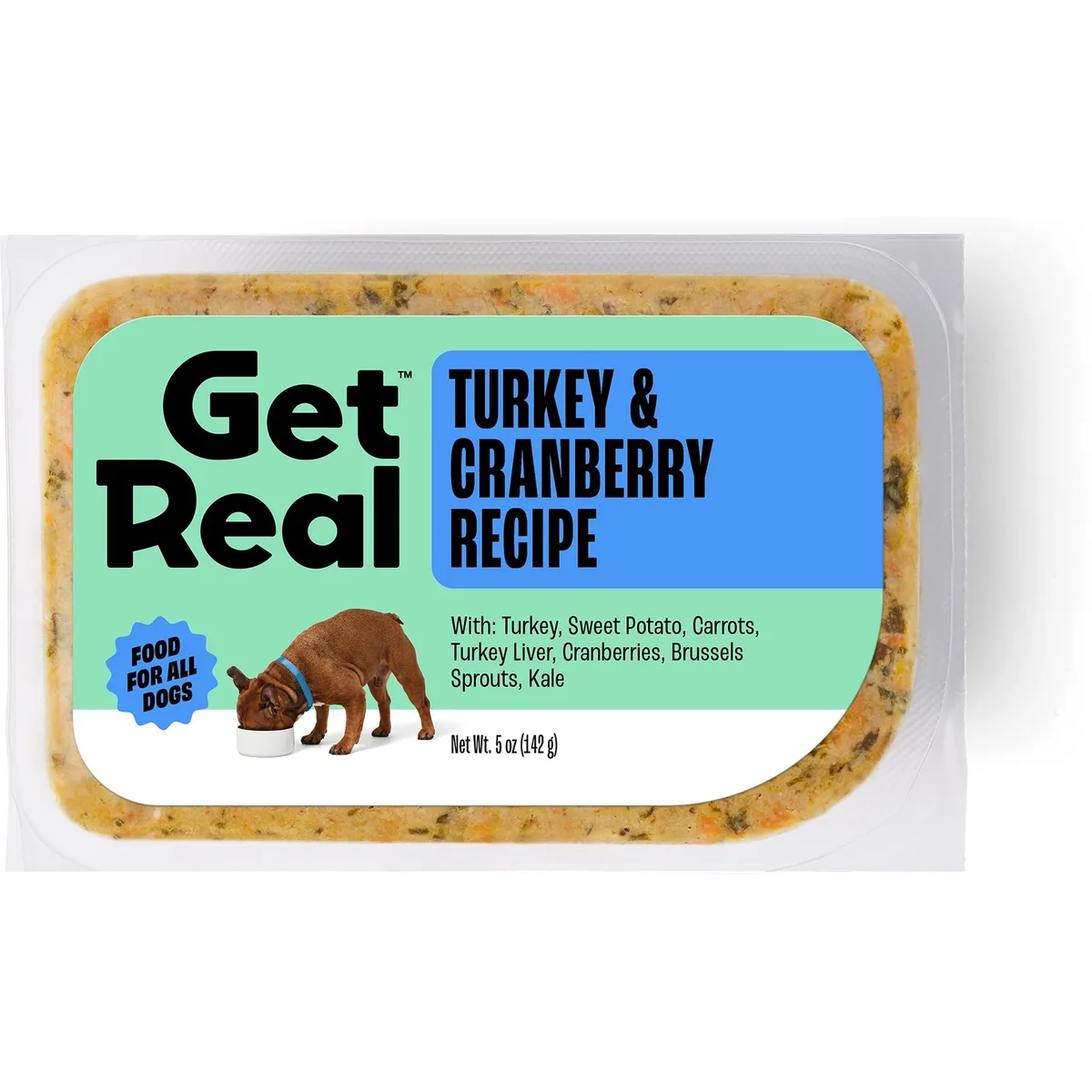
Get Real is Chewy's fresh dog food, gently cooked then frozen, with 10 ingredients or less plus vitamins and minerals. Complete and balanced means a food meets an AAFCO nutrient profile, so the recipe alone can be fed as a full meal with no extra supplements. Every Get Real recipe, including Turkey & Cranberry, is formulated to meet AAFCO nutrient profiles for all life stages, including growth of large dogs (70 pounds or more as adults). The Get Real Turkey & Cranberry Recipe is the cranberry-forward option, and the Get Real Beef & Sweet Potato Recipe also lists cranberries among its ingredients. Sweet potato is another dog-safe ingredient worth knowing about; see can dogs eat sweet potatoes. Get Real can be fed as a full meal or a topper, and when you switch, do it over 7 to 10 days (10 to 14 for sensitive dogs). Learn more about the meaning of "complete and balanced" from AAFCO.
The Get Real Chicken & Brussels Sprouts Recipe rounds out the line. Get Real ships in 12 oz and 24 oz packs plus a pre-portioned 5 oz mixer pack for topping kibble, and it is sold only through Chewy, as a subscription you can change, pause, or cancel, in select markets.
Frequently asked questions about cranberries for dogs
No single fruit is the healthiest fruit for dogs, but blueberries and apples are two of the most useful: low in calories, rich in fiber, and well liked. Serve fruit seedless and plain, with apple cores and seeds removed, and keep all fruit within the 10 percent treat limit.
The main berries dogs cannot eat are holly and mistletoe berries, plus juniper, pokeberries, and baneberries. Avoid wild berries in general because they are hard to identify. Grapes are not berries in the everyday sense but are the most dangerous fruit for dogs. If your dog eats an unknown berry, call your veterinarian.
No. Cranberry is not poisonous to dogs. Too many can cause an upset stomach, so watch for vomiting or loose stool and call your veterinarian if it lasts more than a day.
Yes. Cranberries have tiny seeds that are soft and safe to swallow, so there is no need to remove them. Halving the berry for small dogs matters more than the seeds.
Not in a toxic sense, but too many cranberries or cranberry supplements can cause vomiting and diarrhea. Over time, concentrated extract adds oxalate, which may raise the risk of oxalate stones in dogs prone to them, so use supplements only with veterinary advice.
Yes, plain fresh cranberries can be a daily handful for a healthy dog, as long as all treats stay within 10 percent of daily calories. Skip daily cranberries if your dog has a history of bladder stones.
BVMS, MRCVS
Dr. Pippa Elliott, BVMS, MRCVS, is a veterinarian with nearly 30 years of experience in companion animal practice. Dr. Elliott earned her Bachelor of Veterinary Medicine and Surgery from the University of Glasgow. She was also designated a Member of the Royal College of Veterinary Surgeons. Married with 2 grown-up kids, Dr. Elliott has a naughty Puggle named Poggle, 3 cats and a bearded dragon.
Sign up for expert-backed reviews and safety alerts all in one place.

A Final Word (Disclaimer)
At Petful, our review integrity is paramount; we never exchange special treatment in our reviews for monetary or material rewards.
Nonetheless, when our readers click through to online merchants (including Chewy or Amazon), we receive a referral commission. This supports the running of our free blog, and we appreciate your backing.