Dog Broken Tooth? Here’s What to Do and When to See a Vet
Is your dog showing signs of a broken tooth? Learn to recognize the symptoms, understand the common causes, and know when immediate veterinary care is crucial. We'll guide you through treatment options and preventative measures to keep your furry friend's smile healthy.

Accidents happen, and a dog broken tooth is relatively common. Dogs can break their teeth for various reasons, including chewing hard objects, rough play, or running into something.
But whether your dog has a cracked canine tooth or a molar with a clear break, it’s more than a cosmetic issue. Broken teeth can cause pain, infection, and difficulty eating. Dogs often hide pain, so you might not immediately notice a problem.
Here are the signs to look out for, what to do next, and when to see a veterinarian.


Sign up for expert-backed reviews and safety alerts all in one place.
Signs Your Dog Has a Broken Tooth
If you’re concerned your dog broke a tooth, watch out for the following signs: Bad breath. Dropping food. Swelling around the jaw. Bleeding from the mouth. Drooling more than usual. Reluctance to chew on one side. Pawing at the face or rubbing it on the ground.
The pointed canine teeth at the front of your dog’s mouth are most likely to break. In this case, you might notice that one of their teeth looks shorter or has a noticeable crack.
Broken teeth are typically split into two different categories:
- Uncomplicated fractures: These expose the dentin beneath the outer enamel layer of your dog’s tooth but don’t expose the pulp deeper inside. They typically cause sensitivity but not intense pain.
- Complicated fractures: These fractures expose the pulp within your dog’s tooth. Complicated fractures can be very painful and have a higher risk of infection.
 Sponsored
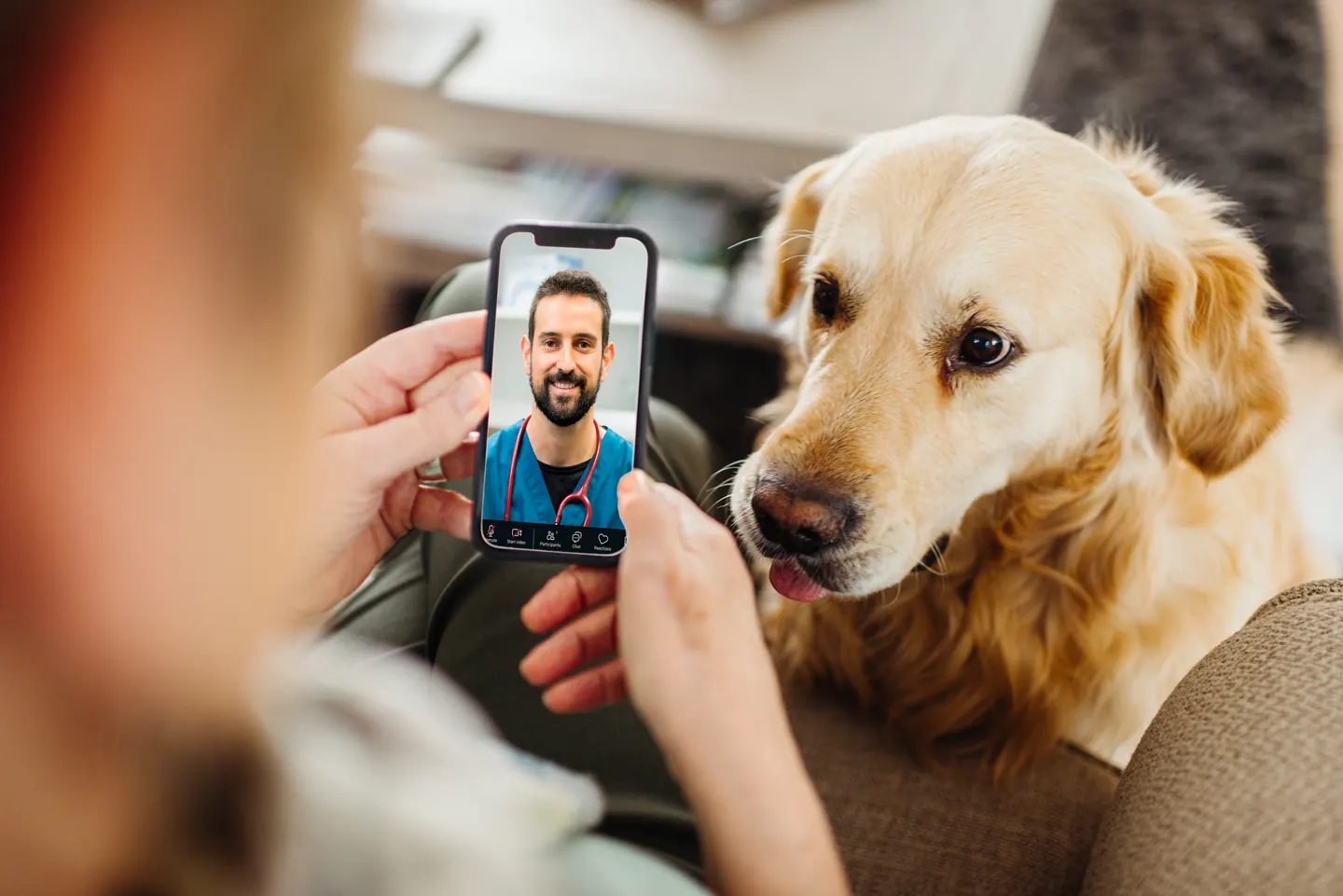
Want a vet's take on your dog's teeth and gums?
Talk to a licensed vet at Dutch over video, often the same day. They can recommend treatment and prescribe it when it's appropriate.
Use code Pets60
Plans start at $12/month · covers up to 5 pets
- Licensed vets in most states
- Rx for 150+ conditions
- 4.7 on Trustpilot
How to Check Your Dog’s Mouth For a Broken Tooth
If you’re concerned your dog may have broken a tooth, see if they’ll let you take a closer look. Try gently pulling back their lips and looking for signs of apparent damage or swelling. But remember, if your dog is in pain, they may not want to open their mouth. If that’s the case, it’s best to take them for an examination with your veterinarian.
Common Causes of a Broken Tooth in Dogs
Fractured or broken teeth are relatively common and can happen for various reasons. Here are some of the most common:
- Chewing on hard objects: Dogs love to chew, but hard items like bones, sticks, antlers, or ice cubes can sometimes crack their teeth.
- Trauma or accidents: Being hit by a car, running into objects, or playing too rough with other dogs can all lead to broken teeth.
- Tooth decay or weak enamel: Pre-existing medical conditions may make teeth more fragile.
- Excessive chewing: Some dogs chew more aggressively than others or chew on inappropriate objects like furniture or household items, which can put additional pressure on their teeth.
What to Do If Your Dog Breaks a Tooth
If you think your dog has broken a tooth, here’s your step-by-step guide for what to do next:
Stay calm
Depending on the severity of the break, your dog may be in pain but not show it. Staying calm can help you assess the situation while deciding what to do next.
Examine your dog’s mouth
Look for bleeding, swelling, cracked teeth, or exposed pulp. Don’t touch the broken tooth directly, which may cause additional pain or damage.
Prevent further damage
To avoid further damage, remove any hard chew toys and other items that may cause more damage. If possible, switch to soft dog food to prevent additional pressure on your dog’s tooth.
Contact your veterinarian
When speaking with your vet clinic, describe the severity of the break and follow their recommendations for what to do next. If a dog broken tooth occurs outside regular office hours, visiting an emergency clinic is a good idea.
Manage pain
Depending on the severity of your dog’s broken tooth, your vet may prescribe pain relief medication like Gabapentin or tramadol. Never give your dog human pain meds, as these can be toxic to dogs.
 Sponsored
Vet care that's always there
Unlimited video calls and messaging with licensed vets for less than a typical vet visit. One membership covers up to five pets.
Use code Pets60
Plans start at $12/month · covers up to 5 pets
- Licensed vets in most states
- Rx for 150+ conditions
- 4.7 on Trustpilot
When to See a Veterinarian for a Dog Broken Tooth
Is a broken dog tooth an emergency? Dogs are often good at hiding pain, so scheduling a vet visit is always a good idea if you think your dog has broken a tooth. They’ll be able to closely examine your dog’s tooth and determine what kind of treatment they need.
Some broken teeth require urgent care, while others can wait a little longer. Here’s how to decide:
| Urgent vet care required | Non-emergency cases |
| Signs of severe pain | Eating and drinking as usual |
| Bleeding from the tooth | No bleeding or swelling |
| Signs of visible infection | Behaving normally |
| Swelling around the jaw or face | |
| Refusing food or avoiding chewing |
For non-emergency cases, for example, if your dog chipped a tooth and you can only see a small crack, it’s still a good idea to schedule a checkup as soon as possible. Your veterinarian can check for any hidden damage that may require treatment and prescribe pain medication if needed. These are typically prescribed to prevent infection and manage discomfort of a dog broken tooth.

Treatment Options for a Broken Tooth
The treatment for broken teeth in dogs depends on the severity of the fracture and which tooth is affected. Often, procedures like extraction can be carried out by your regular vet, but some treatments like root canals may need to be performed by a veterinary dentist.
Tooth extraction
Dog tooth extraction is the most common treatment for complicated fractures involving significant damage or infection. Your dog will be anesthetized for surgery to remove the entire tooth. After the procedure, your dog will usually be prescribed painkillers and antibiotics and should be back to normal in a few days.
Root canal therapy
This is a less invasive option for saving a broken tooth when the pulp is exposed. Under anesthesia, all the pulp inside the tooth is removed before it’s filled and sealed. Because it’s a complex and expensive option, it’s rarely recommended.
Dental bonding or crowns
Dental bonding involves applying resin to the damaged tooth for minor fractures. For larger cracks or fractures, crowns can be placed over the damaged area.
How to Prevent Broken Teeth in Dogs
Sometimes, there’s nothing you can do to prevent a broken tooth. But there are steps you can take to minimize the chance of dental injuries in some situations:
- Chewing on hard objects: Switching to softer chew toys or dental chews means your dog can still enjoy the sensation of chewing while being gentler on their teeth.
- Trauma or accidents: Minimize risks as much as possible, for example, supervising playtime, ensuring your yard is secure, and using a car-safe harness or crate during travel.
- Tooth decay or weak enamel: Brushing your dog’s teeth as much as possible can help prevent tooth decay, while regular dental cleanings help keep your dog’s teeth in the best possible condition.
- Excessive chewing: Try redirecting your dog’s chewing to safe alternatives, and reduce boredom by making sure your dog has enough mental and physical stimulation.
How To Keep Your Dog’s Teeth as Healthy as Possible
Sometimes, broken teeth can’t be avoided. But prompt treatment can help reduce pain and ensure your dog’s tooth doesn’t become infected.
In other cases, you can take steps to reduce the chance of your dog breaking a tooth, for example, switching to softer chew toys rather than allowing your dog to chew on bones. It’s always a good idea to regularly check your dog’s teeth so you can pick up on any issues as soon as possible and make sure they get appropriate treatment.
Images from Photo by Jonathan Daniels on Unsplash and Photo by gotdaflow on Unsplash

Wendy Toth is an entrepreneurial writer, editor, and mom of two humans, two dogs and one cat. She’s currently Content Director here at PetFul. For the last 15 years she has held positions at Parents Magazine, NBC, PetSmart, and GreatPetCare, where she was co-founder. Her writing has appeared in many national outlets including Pet Lab Co., Retail Me Not, Ask Men, Wild Society Nutrition, and The New York Times Because she loves her work so much, she’s obsessed with helping others find career fulfillment, and covers it regularly at PowerSuiting.
Sign up for expert-backed reviews and safety alerts all in one place.