Why Is My Dog Shaking? A Vet's Guide to Every Cause and When to Worry
Dog shaking can signal anything from harmless cold or excitement to pain, poisoning, or low blood sugar. This vet-written guide covers every cause, how to tell them apart, the red-flag emergency signs, and exactly what to do at home.

BVMS, MRCVS
Petful is reader supported. As an affiliate of platforms like Amazon and Chewy, we may earn a commission when you buy through links on this page. There is no extra cost to you.
If you are asking "why is my dog shaking," the honest answer is that it ranges from completely harmless to a true emergency, and the trick is knowing which one you are looking at. As a vet, I see trembling dogs every week. Most are cold, excited, or anxious and need nothing more than a warm blanket or a calm voice. A smaller number are shaking because of pain, poisoning, low blood sugar, or a neurological problem, and those dogs need to be seen quickly. This guide walks you through every cause, how to tell them apart, the red flags that mean call now, and exactly what to do at home.
The single most useful question to ask yourself is this: is my dog otherwise acting normal? A dog that is shivering but eating, drinking, and wagging its tail is a very different situation from a dog that is trembling and also vomiting, stumbling, or hiding. Keep that distinction in your back pocket as you read.
- 1Shaking that comes with normal eating, drinking, and behavior is usually benign (cold, excitement, or mild anxiety)
- 2Shaking paired with vomiting, collapse, disorientation, or known toxin exposure is an emergency, go to a vet now
- 3Toy breeds and puppies are prone to low blood sugar, which can cause trembling and needs fast treatment
- 4Sudden shaking with no obvious trigger, especially in an older dog, warrants a same-day or next-day vet visit
- 5When in doubt, call the ASPCA Animal Poison Control Center at 1-888-426-4435 or your vet, time matters with toxins

Sign up for expert-backed reviews and safety alerts all in one place.
Why Is My Dog Shaking? Common Causes Explained
If you are wondering why is my dog shaking, the causes fall into two broad camps: behavioral or environmental (cold, fear, excitement) and medical (pain, illness, toxins, neurological disease). The American Kennel Club notes that shaking can be as ordinary as drying off, a dog can shake roughly 70 percent of the water out of its coat in about four seconds, or as serious as poisoning or a seizure. Below I break down the most common causes I see in practice, roughly from most benign to most urgent.
Cold or Temperature Sensitivity
Cold is the most common and most harmless reason a dog shakes. Shivering is the body's way of generating heat through rapid muscle movement, exactly the same mechanism that makes humans shiver. Small, thin, short-coated, and very young or very old dogs lose heat fastest and shiver soonest. A wet dog after a bath or a walk in the rain will shiver until it dries and warms up.
If your dog is shivering in a cold room, after a bath, or on a winter walk, and otherwise looks bright and comfortable, temperature is almost certainly the cause. Warm the dog up and the shaking should stop within minutes. If it does not stop once the dog is warm and dry, look further down this list.
- Feel your dog's ears, paws, and the skin over the chest. If they are cool to the touch and the shivering stops once your dog warms up under a blanket, cold was the cause. Toy breeds and seniors often need a sweater for winter walks.

 Sponsored
Have a health question about your dog?
Talk to a licensed vet at Dutch over video or message, including nights and weekends.
Use code Pets60
Plans start at $12/month · covers up to 5 pets
- Licensed vets in most states
- Rx for 150+ conditions
- 4.7 on Trustpilot
Anxiety and Fear (Fireworks, Storms, Separation)
Anxiety and fear are among the most common non-medical reasons dogs tremble, and the trigger is usually obvious: thunderstorms, fireworks, a vet visit, a car ride, or being left alone. The AKC calls trembling a classic symptom of stress, often appearing after a stressful event like a trip to the veterinarian or a run-in with a stranger. A frightened dog may also pant, pace, drool, tuck its tail, flatten its ears, or hide.

The shaking itself is not harmful, but chronic anxiety wears on a dog's quality of life and can drive destructive or self-injuring behavior. If your dog's trembling tracks with loud noises or separation, you are dealing with fear, not a medical emergency. Long term, the most effective fixes are behavioral. Punishment makes fear worse, which is why we steer owners toward reward-based methods instead of fear-based dog training. For storm and firework season, ask your vet about anxiety wraps, calming supplements, or short-term anti-anxiety medication.
Excitement and Anticipation
Some dogs tremble purely out of excitement, and it is one of the easiest causes to recognize. The classic picture is the dog quivering at the door when you come home, vibrating before a walk, or shaking with anticipation when the food bowl comes out. The AKC describes this as happy trembling that resolves the moment the dog gets to the thing it is excited about.
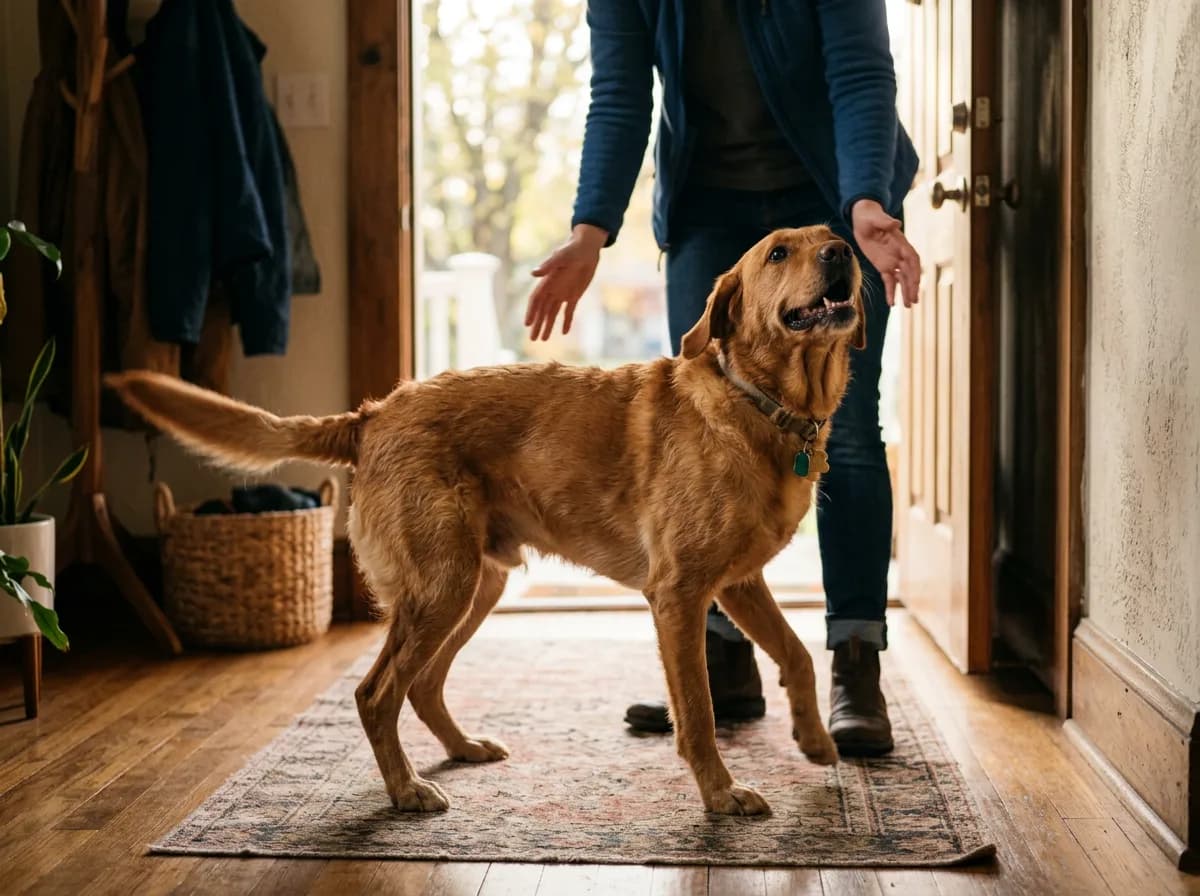
Excitement shaking is short-lived, paired with happy body language (loose wagging tail, bouncy posture, bright eyes), and stops as soon as the exciting moment passes. No treatment is needed. If anything, a calm greeting routine helps an over-the-top greeter settle faster.

Peanut butter soft chews with L-theanine, chamomile, and ashwagandha to ease hyperactivity and support calm, relaxed behavior.
Petful may earn a commission when you click through to Chewy, at no extra cost to you.
Pain or Injury
A dog in pain will often tremble, and it is one of the most overlooked causes because dogs are wired to hide discomfort. Pain-related shaking can be localized (a sore leg, a hurt back) or whole-body, and it frequently comes with other clues: reluctance to move, a hunched posture, limping, flinching when touched, panting, or a change in temperament. Small and toy breeds can be especially prone to trembling, and pain or nausea will amplify it.
If your dog is shaking and also guarding part of its body, yelping, limping, or refusing to jump or climb stairs, suspect pain. Do not reach for human painkillers, ibuprofen and acetaminophen are toxic to dogs, and call your vet. Pain has a cause, and that cause needs diagnosing.
Illness and Disease
Shaking can be a non-specific sign of feeling unwell, much the way a feverish person gets the chills. A range of illnesses, from infections to organ disease, can present with trembling alongside other symptoms. One important example is canine distemper, a serious viral disease the AKC links to tremors and twitching, which is why keeping your dog current on the core vaccine series matters.
The key with illness is that shaking rarely shows up alone. Look for fever, lethargy, loss of appetite, vomiting, diarrhea, coughing, or nasal discharge. A dog that is shaking and clearly "off" needs a vet visit so the underlying disease can be identified and treated.
Nausea and Toxin Ingestion
Nausea and poisoning are a critical pair to recognize because some toxins are life-threatening and time-sensitive. The AVMA stresses that with poisoning, time is critical for successful treatment. Common household poisons that cause trembling, tremors, or seizures include chocolate, xylitol (a sugar substitute in gum, candy, and some peanut butters), grapes and raisins, certain medications, and snail or slug bait.
Chocolate is a frequent culprit. According to VCA Animal Hospitals, chocolate contains theobromine and caffeine, and in serious cases can cause muscle tremors and seizures along with vomiting, a racing heart, and restlessness. VCA notes those signs can take several hours to appear and may last for days, so a dog that ate chocolate this morning may not look sick until this afternoon. Xylitol is even faster, and the Pet Poison Helpline warns it can crash a dog's blood sugar within 15 to 30 minutes of ingestion.
- If your dog is trembling and you think it ate something toxic, do not wait for symptoms to worsen. Call your vet, the ASPCA Animal Poison Control Center at 1-888-426-4435, or the Pet Poison Helpline at 1-855-764-7661 right away. Have your dog's weight, what it ate, and roughly how much ready to report.
Old Age and Tremors
Older dogs commonly develop trembling, most often in the hind legs, and it is usually benign. Senior dogs lose muscle mass and have a harder time regulating body temperature, both of which the AKC connects to age-related shaking. You may notice a senior's back legs quivering when standing still, which tends to be muscle weakness rather than pain.
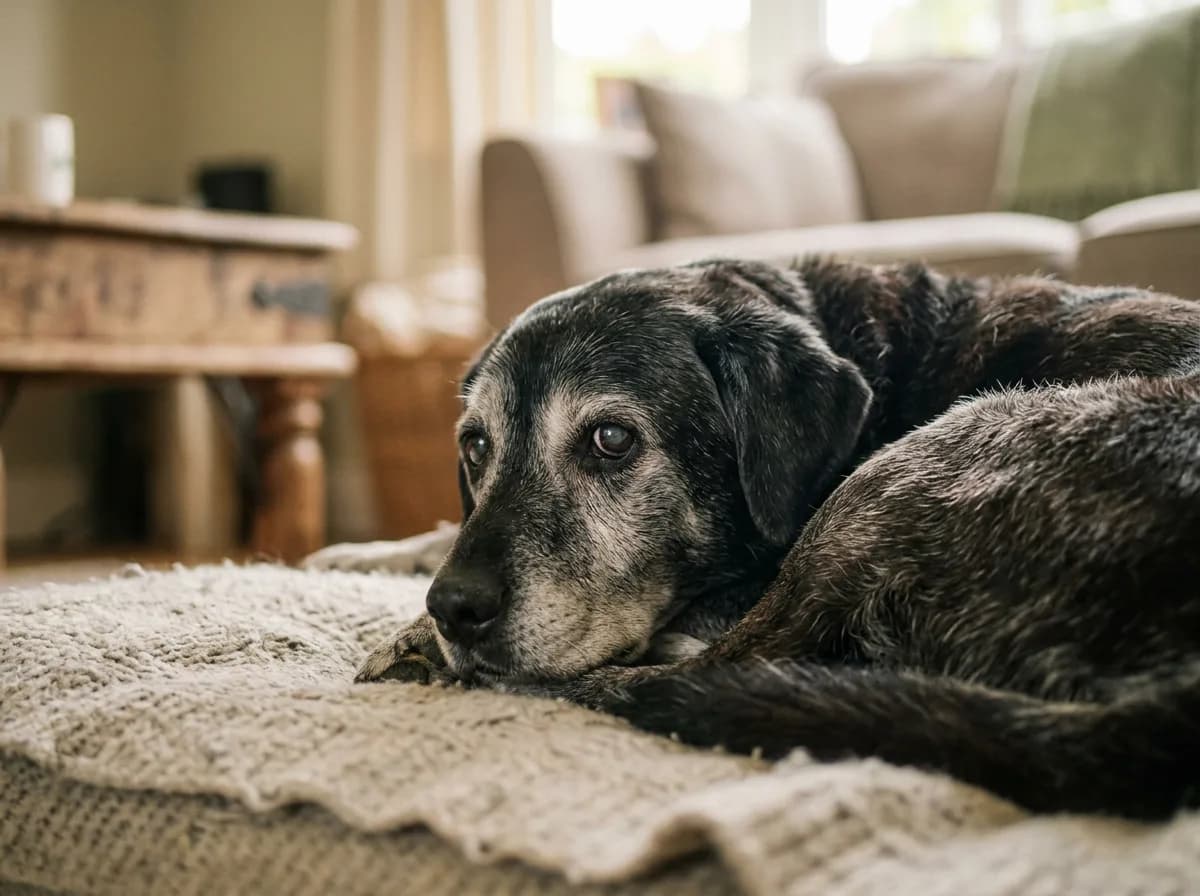
That said, do not assume "just old age" without ruling out treatable problems. Arthritis pain, kidney disease, and other senior conditions also cause trembling. If an older dog's shaking is new, worsening, or paired with mobility changes, weight loss, or increased thirst, get it checked rather than chalking it up to age.
Generalized Tremor Syndrome (GTS)
Generalized Tremor Syndrome, historically called white shaker dog syndrome, is a distinct neurological cause of full-body, fine tremors. The AKC describes GTS as full-body shaking that can affect dogs of any color or size and is typically treated with corticosteroids. It was first recognized in small white breeds like the Maltese and West Highland White Terrier, hence the old name, but it occurs across breeds.
GTS tremors are present at rest, worsen with excitement or movement, and usually appear in young to middle-aged adult dogs. The good news is that it responds well to treatment once a vet rules out other causes. If your dog has a constant, fine, whole-body tremor that does not fit cold, fear, or pain, mention GTS to your veterinarian.
Ear Infections and Neurological Issues
Vigorous, repeated head shaking is a specific signal that often points to the ears rather than a whole-body tremor. The AKC notes that ear infections, especially in floppy-eared breeds like Cocker Spaniels and Labradors, trigger head shaking that can even lead to an ear hematoma (a blood blister on the ear flap) if left unaddressed. Look for head tilting, scratching at the ear, odor, redness, or discharge.
Beyond the ears, neurological conditions affecting the brain, spinal cord, or nerves can cause tremors, head bobbing, or a wobbly gait. Neurological tremors tend to be persistent and are often accompanied by balance problems, circling, or changes in consciousness. These warrant prompt veterinary evaluation.
Hypoglycemia (Low Blood Sugar)
Hypoglycemia, or low blood sugar, is one of the more urgent benign-looking causes, and it strikes toy breeds and young puppies hardest. The AKC specifically flags low blood sugar as a cause of shaking in toy breeds and puppies, whose tiny energy reserves drop dangerously fast if they skip a meal, burn off too much energy, or get sick. Diabetic dogs on insulin can also become hypoglycemic.
Signs go beyond trembling: weakness, wobbliness, glazed eyes, disorientation, and in severe cases collapse or seizures. A hypoglycemic crash can become an emergency within minutes. If a tiny-breed dog or puppy is shaking and acting weak or "out of it," rub a little honey or corn syrup on the gums and head to the vet immediately.
Kidney Disease
Kidney disease is a quieter cause of trembling that tends to show up in middle-aged and senior dogs. As the kidneys fail, toxins build up in the bloodstream (a state called uremia) that can cause muscle tremors, weakness, and a generally unwell dog. Chronic kidney disease is one of the conditions sometimes called a "silent killer" because it progresses slowly and the early signs are easy to miss.

A vet-recommended probiotic supplement that helps dogs manage anxious behaviors and stay calm during stressful events like fireworks.
Petful may earn a commission when you click through to Chewy, at no extra cost to you.
The tell-tale companions are increased thirst and urination, weight loss, poor appetite, vomiting, and bad breath. Trembling from kidney disease is rarely the first or only sign, so if your older dog is shaking and also drinking and peeing more than usual, ask your vet for bloodwork and a urinalysis.
How to Tell What's Causing the Shaking
Figuring out why your dog is shaking comes down to two things: the company the shaking keeps (other symptoms) and the timeline (when it started and what preceded it). A dog shivering at the door before a walk is excitement; a dog trembling with vomiting an hour after raiding the candy drawer is a toxin emergency. The table and questions below help you triage at home before you call your vet.
Symptom and Cause Matching Table
Use this as a starting map, not a diagnosis. Any time the shaking comes with the emergency signs in the next section, skip straight to the vet.
| Accompanying Signs | Likely Cause | What to Do |
|---|---|---|
| Cold room, wet coat, stops when warm | Cold or temperature | Warm and dry the dog, add a sweater for walks |
| Loud noises, hiding, panting, drooling | Anxiety or fear | Create a safe space, ask vet about calming options |
| Wagging tail, bouncy, at the door or food bowl | Excitement | Nothing needed, it passes on its own |
| Limping, hunched, flinching when touched | Pain or injury | Vet visit, never give human painkillers |
| Vomiting, drooling, known toxin access | Toxin or nausea | Call poison control or vet immediately |
| Weakness, wobbling, glazed eyes (toy breed or puppy) | Low blood sugar | Rub honey on gums, go to vet now |
| Hind-leg quiver in a calm senior | Old age or muscle loss | Vet check to rule out arthritis or disease |
| Repeated head shaking, ear odor, scratching | Ear infection | Vet visit for ear exam and treatment |
 Sponsored
Vet care that's always there
Unlimited video calls and messaging with licensed vets for less than a typical vet visit. One membership covers up to five pets.
Use code Pets60
Plans start at $12/month · covers up to 5 pets
- Licensed vets in most states
- Rx for 150+ conditions
- 4.7 on Trustpilot
Timeline Questions to Ask
Before you call your vet, run through these questions. The answers are exactly what a veterinarian will want, and they often point straight at the cause:
- When did the shaking start, suddenly or gradually?
- Is my dog otherwise acting normal, eating, drinking, alert?
- Could my dog have eaten anything unusual in the last several hours (food, plant, medication, trash)?
- What was happening right before, a storm, a walk, a vet trip, a missed meal?
- Is the shaking the whole body, just the back legs, or mostly the head?
- Are there other symptoms: vomiting, diarrhea, limping, weakness, disorientation?
- How old is my dog, and what breed or size?
Should I Be Worried If My Dog Is Trembling?
You should be worried if the trembling comes with any other symptom or if it appears suddenly with no obvious trigger. Trembling on its own in a dog that is cold, excited, or briefly stressed is usually nothing to worry about and resolves quickly. The worry threshold is crossed when shaking pairs with vomiting, collapse, disorientation, known toxin exposure, or simply will not stop once the obvious cause (cold, excitement) is removed. When trembling is sudden and unexplained, especially in a senior dog, treat it as a same-day veterinary question rather than wait-and-see.
Red-Flag Emergency Signs: When to Call a Vet NOW
Certain combinations of signs turn shaking from a wait-and-watch situation into a get-in-the-car situation. The AVMA's guidance on poisoning, that time is critical, applies broadly to emergencies: when the brain, blood sugar, or a toxin is involved, minutes matter. If your shaking dog shows any of the red flags below, call your nearest emergency vet on the way, do not wait for an appointment.
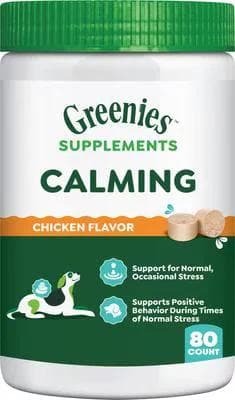
Chicken flavored soft chews that support calm, positive behavior during times of occasional stress like fireworks and storms.
Petful may earn a commission when you click through to Chewy, at no extra cost to you.
Seek Emergency Care If
Go to an emergency veterinarian right away if your trembling dog also has any of these:
- Vomiting, diarrhea, or drooling, especially after possible toxin exposure
- Collapse, extreme weakness, or inability to stand
- Disorientation, glazed eyes, circling, or unresponsiveness
- A seizure (paddling, loss of consciousness, loss of bladder or bowel control)
- Pale or blue gums, or labored breathing
- A distended, hard belly with unproductive retching (a sign of bloat)
- Known ingestion of chocolate, xylitol, grapes, raisins, medications, or pesticides
- Trembling in a toy-breed dog or puppy that is also weak or "out of it"
- With xylitol, chocolate, and many pesticides, symptoms can lag the actual poisoning by hours. By the time a dog looks clearly sick, the toxin may already be doing damage. If you know or strongly suspect ingestion, call poison control or head to the vet before symptoms appear, not after.
For a fuller picture of what counts as a genuine life-threat versus an urgent-but-not-deadly situation, our vet-written guide to dog emergencies breaks down the five scenarios where a dog can deteriorate in minutes to hours.

Clinically tested vet-formulated chews with a colostrum calming complex, L-theanine, and thiamine to quickly ease everyday stress, thunderstorms, and anxiety.
Petful may earn a commission when you click through to Chewy, at no extra cost to you.
What Vets Look For
When you arrive, your veterinarian works through the same logic you did, only with tools. Expect a hands-on exam to localize pain, a check of gum color and hydration, and questions about timeline and possible toxin access. Depending on the picture, the vet may run bloodwork (to catch low blood sugar, kidney values, and organ function), check a blood glucose, take the temperature, and in neurological cases consider imaging or referral. The clearer your timeline and symptom list, the faster they can zero in.
What to Do: First Aid and Home Care
What you do at home depends entirely on the suspected cause, which is why the triage above matters so much. The golden rule: benign causes (cold, excitement, mild stress) you can handle yourself, but anything pointing to toxins, low blood sugar, pain, or neurological signs is a vet call, not a home remedy. Never give human medications, ibuprofen, acetaminophen, and many others are toxic to dogs, without explicit veterinary direction.
For Each Cause
- Cold: Move your dog somewhere warm, dry it off, wrap it in a blanket, and add a sweater for future cold-weather outings. Shivering should stop as the dog warms.
- Anxiety or fear: Create a quiet, safe space (a covered crate or interior room), use calming music or a pressure wrap, and stay calm yourself. Ask your vet about supplements or medication for predictable triggers like storms.
- Excitement: Nothing to treat. Keep greetings low-key to help an over-excited dog settle.
- Pain: Restrict activity, keep your dog comfortable, and call your vet. Do not give any human painkiller.
- Suspected toxin: Call poison control (1-888-426-4435) or your vet immediately. Do not induce vomiting unless a professional tells you to, with some substances it makes things worse.
- Low blood sugar (toy breeds, puppies, diabetics): Rub a small amount of honey or corn syrup on the gums and get to a vet right away.
- Old-age tremor: Generally no home treatment, but book a vet check to rule out arthritis or organ disease if it is new or worsening.
- Ear-related head shaking: Do not poke anything into the ear canal. See your vet for an exam and proper cleaning or medication.
Comfort Measures
While you assess or travel to the vet, you can keep your dog calmer and safer with a few simple steps. Speak in a low, even voice, dim lights and reduce noise, and keep the dog warm and on a non-slip surface so a wobbly dog does not fall. Avoid crowding or restraining a frightened dog more than necessary. If you suspect a seizure, clear hard objects away, do not put your hands near the mouth, and time the episode so you can tell the vet how long it lasted.
When to Schedule a Regular Vet Visit
Not every trembling dog is an emergency, but several scenarios deserve a non-urgent (within a day or two) appointment rather than a "watch and see." Book a regular visit if the shaking is new and you cannot tie it to cold, excitement, or an obvious stressor; if it is mild but recurring; if a senior dog's hind legs have started quivering; if you notice subtle companions like increased thirst, slight appetite change, or stiffness; or if anxiety-driven trembling is hurting your dog's quality of life. Catching kidney disease, arthritis, early dental pain, or treatable anxiety while signs are still mild almost always means an easier fix and a better outcome.
Be worried if the trembling comes with any other symptom (vomiting, weakness, disorientation, limping) or if it starts suddenly with no obvious trigger. Trembling by itself in a dog that is simply cold, excited, or briefly stressed is usually harmless and stops quickly once the cause passes. Sudden, unexplained shaking, especially in a senior dog, deserves a same-day vet call.
Common end-of-life signs include extreme lethargy and weakness, loss of interest in food and water, difficulty breathing, incontinence, withdrawal or seeking solitude, a drop in body temperature, and unresponsiveness. Trembling can occur but is not by itself a sign a dog is dying. If you see these signs, contact your veterinarian to discuss comfort and quality-of-life care.
Yes. Shivering can be a non-specific sign of illness, much like a person getting the chills with a fever. Sick dogs may shiver alongside lethargy, loss of appetite, vomiting, or fever. Because shivering when unwell rarely appears alone, look at the whole picture and call your vet if your dog seems "off."
Move your dog to a quiet, warm, safe space, speak in a low and reassuring voice, and stay calm yourself since dogs read our stress. Dim the lights, reduce noise, and offer a covered crate or a pressure wrap for anxious dogs. For predictable triggers like storms or fireworks, ask your vet about calming supplements or medication ahead of time. Avoid punishment, which makes fear worse.
Several slow-progressing diseases are called "silent killers" because their early signs are subtle and easy to miss, including chronic kidney disease, heart disease, and certain cancers. Kidney disease in particular can cause trembling, increased thirst and urination, and weight loss long before a dog looks obviously sick. Routine senior bloodwork is the best way to catch these early.
Signs a dog may be nearing the end include profound weakness and inability to stand, refusal of food and water, labored or irregular breathing, a cool body temperature, loss of bladder and bowel control, disorientation, and withdrawal from family. These call for an urgent, compassionate conversation with your veterinarian about palliative or hospice care rather than home management.
In their final hours, many dogs become very still and quiet, seek a secluded spot or stay close to a trusted person, stop eating and drinking, breathe slowly or irregularly, and grow unresponsive to their surroundings. Some experience muscle twitching or trembling. Every dog is different, and your veterinarian can help you recognize the signs and keep your dog comfortable.
Shaking and panting together most often signal stress, fear, or pain. Panting helps a dog burn off the adrenaline of a fright, so the combination shows up with anxiety, but it can also mean overheating or pain, so look for a trigger and watch for other symptoms.
A dog shaking or twitching in his sleep is almost always dreaming during REM sleep, which is normal and harmless. If the movements are violent, your dog is hard to wake, or shaking also happens while awake, mention it to your vet to rule out a seizure.
A dog shaking his head usually points to an ear problem such as an infection, mites, trapped water, or a foreign object, rather than whole-body trembling. Persistent head shaking needs a vet check, because it can cause an ear hematoma.
Shaking that seems to have no reason is often just cold, mild anxiety, or excitement you have not linked to a trigger yet. If your dog shakes for no clear reason and is also off food, lethargic, or unsteady, treat it as a medical sign and call your vet.
BVMS, MRCVS
Dr. Pippa Elliott, BVMS, MRCVS, is a veterinarian with nearly 30 years of experience in companion animal practice. Dr. Elliott earned her Bachelor of Veterinary Medicine and Surgery from the University of Glasgow. She was also designated a Member of the Royal College of Veterinary Surgeons. Married with 2 grown-up kids, Dr. Elliott has a naughty Puggle named Poggle, 3 cats and a bearded dragon.
Sign up for expert-backed reviews and safety alerts all in one place.