Why Is My Cat Eating Litter? Understanding the Causes and Solutions
Wondering why is my cat eating litter? Learn the possible causes, from curiosity to health issues, and how to keep your kitten safe and healthy.

BVMS, MRCVS

This pet health content was written by a veterinarian, Dr. Pippa Elliott, BVMS, MRCVS. This article was originally published in 2012 and is regularly updated. It was last reviewed for accuracy and updated on October 11. 2024
If you have questions or concerns, call your vet, who is best equipped to ensure the health and well-being of your pet. This article is for informational purposes only and is not a substitute for professional medical advice, diagnosis, or treatment. See additional information.

Sign up for expert-backed reviews and safety alerts all in one place.
Why Is My Cat Eating Litter? Curiosity or Cry for Help?
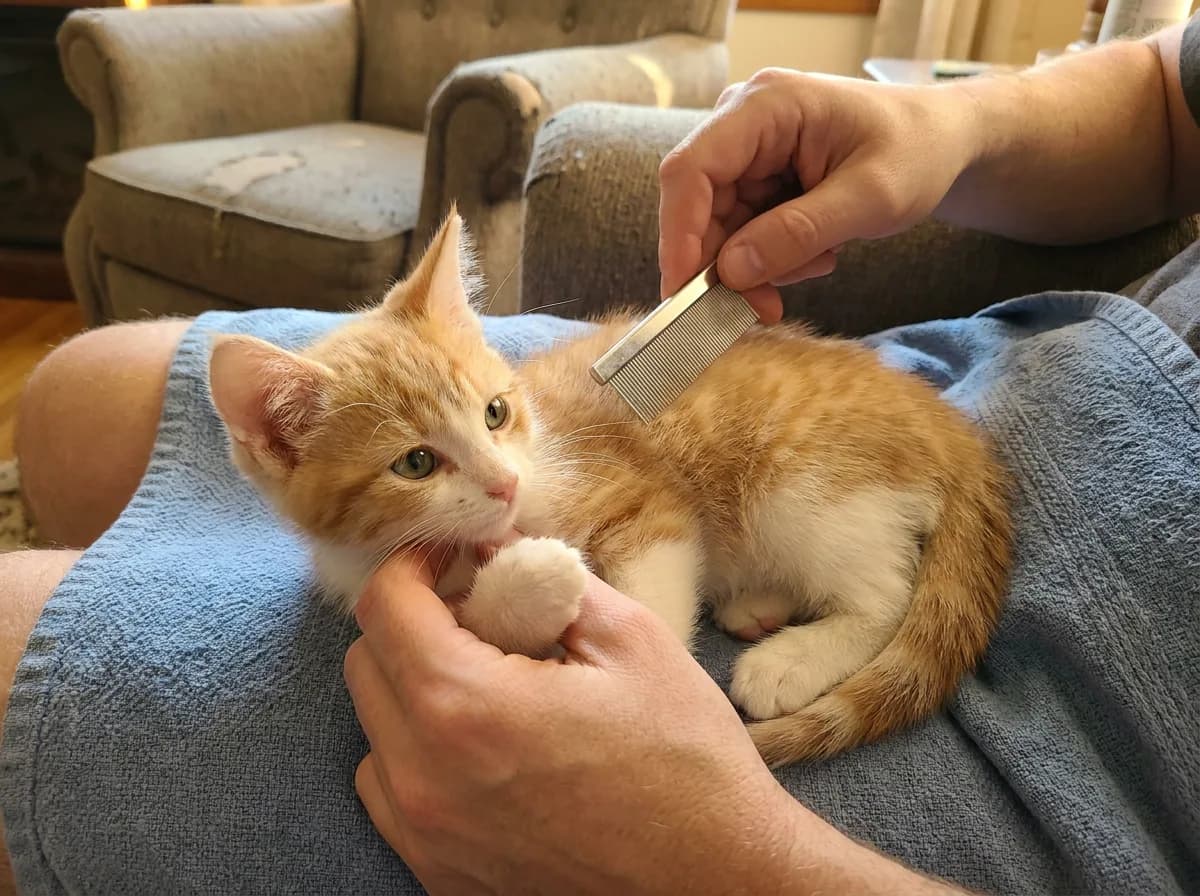
A kitten eating litter might raise concerns. Is it just feline curiosity, or could it signal a deeper issue?
- Cats are known for their cleanliness, making litter training a kitten much easier than house-training a puppy. Learn more about litter training a kitten or house-training a puppy.
- When a kitten visits the litter box for reasons other than toileting, it can be confusing.
- This behavior could be:
- Harmless curiosity, where the kitten is exploring its environment.
- A potential health issue that signals something more serious.
Understanding why is my cat eating litter is key to deciding whether a vet visit is necessary or if it’s just a phase of kittenhood exploration.
 Sponsored
Want a vet's help with your cat's anxiety or behavior?
Talk to a licensed vet at Dutch over video, often the same day. They can recommend treatment and prescribe it when it's appropriate.
Use code Pets60
Plans start at $12/month · covers up to 5 pets
- Licensed vets in most states
- Rx for 150+ conditions
- 4.7 on Trustpilot
Why Do Some Kittens Eat Cat Litter?
There are two main reasons a kitten or cat might eat litter: Curiosity Pica
At first, it may seem simple. However, it’s more complex because pica refers to a craving to eat things that aren’t food (learn more about pica). Pica is a symptom, not a diagnosis, and it often indicates that a cat is either unwell or deficient in a vital nutrient.
The act of eating litter doesn't directly reveal what’s wrong, but it's a sign that your kitten should be checked by a veterinarian.
First, let's address the more straightforward possibility: curiosity.

Curiosity and the Risks of Eating Litter
A young kitten is naturally curious about their surroundings.
- Just like young children, kittens explore the world by putting things in their mouths, including cat litter.
- It’s common for kittens under 3 months to try eating litter, but they usually drop the habit once they realize it’s not food.
- However, this curiosity can pose risks:
- Clumping cat litter is especially dangerous for kittens. When ingested, it swells and forms clumps in the gut, potentially leading to a serious bowel obstruction. Read more about the dangers of clumping cat litter.
- This obstruction isn’t just constipation but a foreign body, which may require emergency surgery. Surgery is risky for kittens due to their small size, and complications like life-threatening peritonitis can occur. Learn more about foreign bodies in pets.
- Signs of a Gut Blockage:
- Vomiting
- Poor appetite
- Inability to keep food down
- Weakness and lack of energy
- Dehydration
- A dull, starry coat
- Collapse
If your kitten shows any of these symptoms, seek veterinary attention immediately. To reduce the risk, avoid using clumping cat litter at home.
Understanding Pica in Kittens
Pica is the craving to eat non-food substances, and it can occur in both humans and animals. For example, when my mother was pregnant with me, she craved and ate plaster from the walls, a classic case of pica. In humans, this is often due to a deficiency in vital vitamins or minerals. For cats, pica can also be a sign of nutritional deficiencies or illness.
The most common health issues linked to pica in cats include: Anemia Dietary deficiency Worms or internal parasites Kidney disease
It’s important to keep things in perspective. If a kitten eats litter, it’s unlikely that kidney disease is the cause, as pica due to health problems is more common in adult cats. If your kitten is playful and appears healthy, there’s no immediate need for concern — but if you're worried, a visit to the vet is always a good idea.
Pica caused by illness is typically accompanied by other signs, such as: Drinking more water than usual Eating less or showing a loss of appetite Losing weight Lacking energy or becoming lethargic
If you notice these symptoms alongside why is my cat eating litter, it may be a sign of a more serious issue, and a vet checkup is advised.
Anemia in Kittens
Anemia refers to a lack of red blood cells in the body. Blood cells carry oxygen throughout the body, powering its functions like gas in a car (learn more about anemia in cats). Signs of anemia are typically linked to a lack of energy and may include: Being tired all the time Wanting to sleep rather than play Seeming slow or dull Pale gums
Anemia occurs because something else is wrong. To extend our car analogy, it could be that the fuel is missing, the hose is blocked, or there’s a hole in the tank. Common causes of anemia in cats include:
- A heavy flea or lice infestation, as these parasites suck blood (more about flea treatment and lice)
- Infection with the feline leukemia virus (feline leukemia virus explained)
- Bloodborne parasites like M. haemofelis (more on M. haemofelis)
- Bone marrow problems
- Eating a toxin that damages red blood cells (details about toxin ingestion)
- Kidney damage (be cautious with lilies around cats, as these flowers can be dangerous to their kidneys. Learn more about lily poisoning in cats)
This illustrates why it’s important to visit the vet if your kitten is anemic. Testing may be necessary to pinpoint the root cause and provide the appropriate treatment.
SponsoredVet care that's always there
Unlimited video calls and messaging with licensed vets for less than a typical vet visit. One membership covers up to five pets.
Use code Pets60
Plans start at $12/month · covers up to 5 pets
- Licensed vets in most states
- Rx for 150+ conditions
- 4.7 on Trustpilot
Dietary Deficiency in Kittens
A growing kitten requires a well-balanced diet to thrive. However, there are several reasons this might not happen, such as: Being fed adult cat food or dog food
- A home-prepared diet that’s not nutritionally balanced (learn more about balancing a home-prepared diet)
- The solution is simple:
Ensure the food is of good quality and specifically designed for kittens
Feed a high-protein diet, but not too much meat (more about taurine deficiency in cats)
Worms and Internal Parasites
No one knows for sure why dogs eat grass, but one theory is that they do it to expel internal worms. This may also explain why some kittens eat cat litter — they might be attempting to dislodge intestinal worms. To learn more, check out this guide on intestinal worms in cats and dogs.
Kidney Disease in Cats
While it’s rare for a kitten to develop kidney disease, obsessive litter-eating behavior in older cats could be an early warning sign. In senior cats, this behavior may indicate underlying health problems, signaling, "I don’t feel well. Please run blood tests."
Common symptoms of kidney disease in cats include: Increased water intake Larger urine puddles in the litter box Poor appetite Bad breath Sickness A dull, starry coat Weight loss
For more detailed information, read about why kidney failure is common in cats.

Kitten Eating Litter: A Checklist
Curiosity or cry for help?
Start by asking yourself: “Does the kitten seem unwell?” and “Am I worried?”
- If you answer “Yes” to either question, contact your vet. At the very least, speak with someone knowledgeable to determine if your kitten needs to be seen.
- If your kitten is active and growing well but still eating litter, try these steps:
- Switch to non-clumping cat litter.
- De-worm the kitten with a product recommended by your vet.
- Feed a high-quality, well-balanced diet designed for kittens.
If you’re unsure, monitor the kitten closely for signs such as:
- Poor appetite, which can be a red flag (read more about helping a sick pet that won’t eat)
- Diarrhea, which is often linked to other health issues (learn about vomiting and diarrhea in pets)
- Weight loss, a potential indicator of underlying problems (check your pet’s vital signs)
- Changes in behavior, such as becoming less lively or more withdrawn
Young kittens are similar to toddlers — they explore their world by putting things in their mouths. Limit the risks by using non-clumping, non-toxic cat litter, and with time, a kitten eating litter may outgrow this habit.
In this video, the "Kitten Lady" gives some great tips on how to litter train young kittens:
Frequently Asked Questions (FAQ)
Dogs may eat cat litter out of curiosity, boredom, or to explore the scent and texture of the litter.
A sudden change in behavior, like eating litter, could be due to nutritional deficiencies, anemia, or other health concerns, and a vet visit is recommended.
References
- Brown, Scott A., VMD, PhD, DACVIM. "Renal Dysfunction in Small Animals." Merck Veterinary Manual. https://www.msdvetmanual.com/urinary-system/noninfectious-diseases-of-the-urinary-system-in-small-animals/renal-dysfunction-in-small-animals.
- Marks, Steven L., BVSc, MRCVS, DACVIM (SAIM). "Anemia in Cats." Merck Veterinary Manual. May 2018. https://www.merckvetmanual.com/cat-owners/blood-disorders-of-cats/anemia-in-cats.
- Weir, Malcolm, DVM, MPH, and Ernest Ward, DVM. "Anemia in Cats." VCA Hospitals. 2019. https://vcahospitals.com/know-your-pet/anemia-in-cats.
- "Feline Leukemia Virus." Cornell University College of Veterinary Medicine. May 2016. https://www.vet.cornell.edu/departments-centers-and-institutes/cornell-feline-health-center/health-information/feline-health-topics/feline-leukemia-virus.
BVMS, MRCVS
Dr. Pippa Elliott, BVMS, MRCVS, is a veterinarian with nearly 30 years of experience in companion animal practice. Dr. Elliott earned her Bachelor of Veterinary Medicine and Surgery from the University of Glasgow. She was also designated a Member of the Royal College of Veterinary Surgeons. Married with 2 grown-up kids, Dr. Elliott has a naughty Puggle named Poggle, 3 cats and a bearded dragon.
Sign up for expert-backed reviews and safety alerts all in one place.