Why Keeping Accurate Pet Medical Records Is Crucial for Your Pet's Health
Pet medical records protect your pet's health at every visit. A veterinarian explains what a complete record includes, how to request copies from any clinic, and how to organize paper and digital files.

Petful is reader supported. As an affiliate of platforms like Amazon and Chewy, we may earn a commission when you buy through links on this page. There is no extra cost to you.
Pet medical records are the written history of your pet's health: every vaccine, diagnosis, medication, surgery, and test result, gathered in one place. As a veterinarian, I can tell you that the quality of those records changes the care your pet receives. When you go to the veterinarian, you tell her what's wrong with your pet, right? Well, that's easier said than done.
It's our job to get as complete a medical history as possible and ask the right questions, and sometimes the same question in different ways. It's your job to be as prepared as possible and know as much as you can about your pet's ongoing medical concerns. History taking is a bit of an art.
Accurate records bridge the gaps that memory leaves. By maintaining comprehensive pet medical records, you ensure that important health information is always available to your veterinarian, whether that's your regular clinic, an emergency hospital at 2 a.m., or a new vet after a move.

Sign up for expert-backed reviews and safety alerts all in one place.
What Should Be Included in Pet Medical Records
Pet medical records are the complete medical history your veterinary clinic keeps for your pet, plus the copies you keep at home. A complete record includes identification details (name, breed, age, microchip number), vaccination history with dates, exam notes, diagnoses, medications and dosages, lab and diagnostic test results, surgical history, allergies, and behavioral notes. Veterinarians write visit notes in a structured format (often called SOAP notes), so any vet reading the file can follow your pet's story. If your folder is missing any of these pieces, it is not yet a complete record.
- 1Identification: name, species, breed, age, microchip number
- 2Vaccination history and rabies certificate with dates given and due
- 3Exam notes, diagnoses, and treatment plans from every visit
- 4Medications, dosages, and known allergies or drug reactions
- 5Test results: blood work, urinalysis, imaging reports
- 6Surgical and dental history, plus behavioral notes
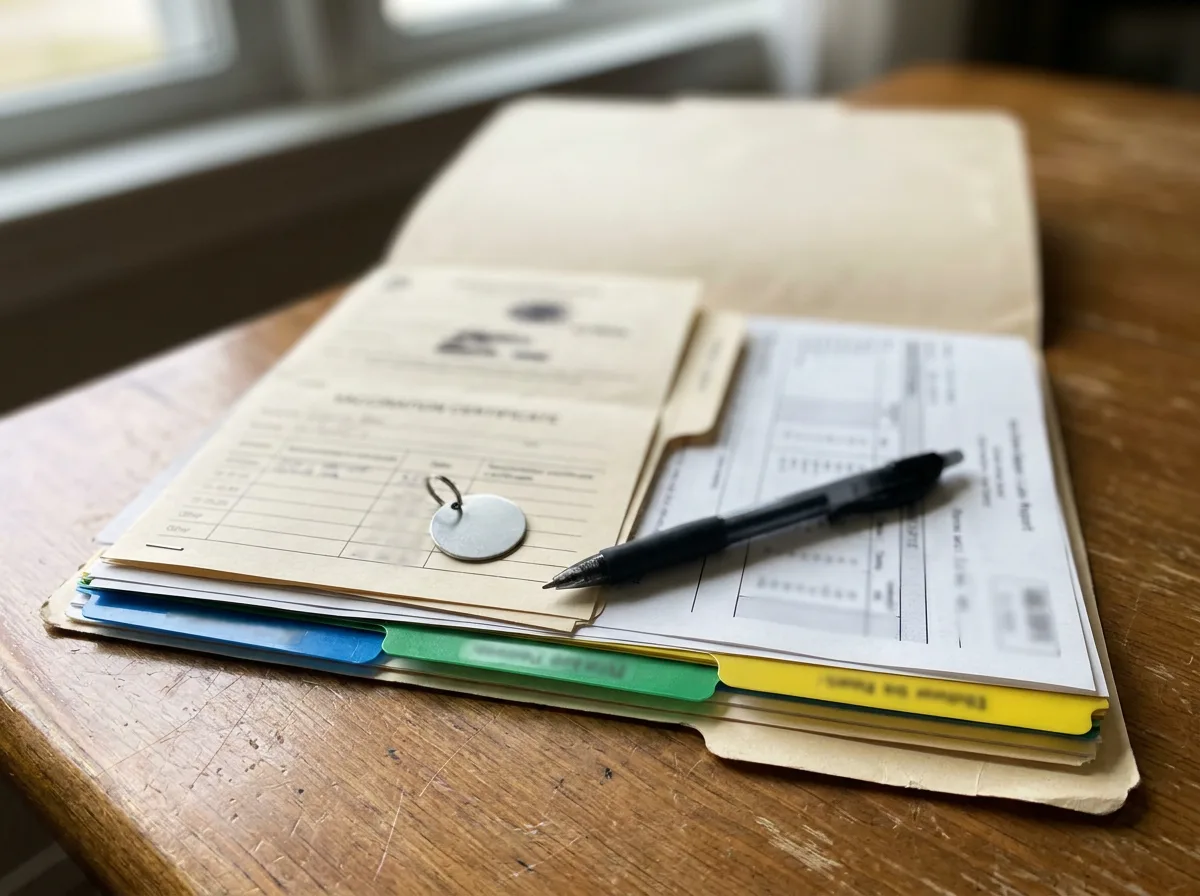
Wondering what pet medical records look like in practice? The photo above shows a complete home set: the vaccination certificate on top (the document you'll be asked for most often), test results behind it, and everything else filed by date. That "most recent on top" habit matters, because in an emergency the newest information is what the vet needs first.

Get a free quote in 90 seconds. Coverage for vet emergencies like obstruction surgery and allergic reactions.
- AI-powered claims paid in minutes
- Cancel anytime, no fees
- Covers accidents and illnesses
Petful may earn a commission when you click through to Lemonade, at no extra cost to you.
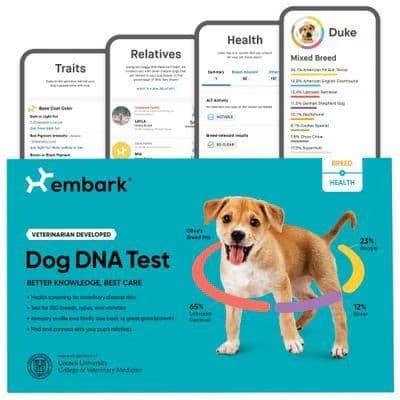
Blood work deserves its own tab. Baseline results from when your pet was healthy give your vet something to compare against when something goes wrong; our guide to pet blood work explains what those panels measure. If you have run a DNA test such as the Embark dog DNA test, file the genetic health results in the record too, since breed and disease-risk findings can inform your vet's screening decisions.
Why We Ask So Many Questions
Some clients get frustrated when they have to answer questions from the veterinary receptionist or the technician. "Let me just talk to the doctor" is an occasional complaint. Veterinary staff members hate that phrase, by the way. It's demeaning to the support staff when, actually, they do a lot to get the ball rolling in the right direction for you.
They know, for example, when a urine sample is absolutely needed. Getting the sample and having the info for the vet saves time and frustration.
- There is value in being asked the same questions a few times.
- A client may say something very different to the vet than to the technician.
- Going over a medical history again may jog a person's memory.
If my patients could speak for themselves, this would be a bit easier. But Clyde the Afghan can't interrupt and correct you when you tell the vet the wrong thing. "Of course I had this problem before," Clyde is saying to himself. "Remember when you took me to that vet on vacation because I scratched my ear until it bled?"
In the majority of cases, it's not that clients are trying to hide anything. They just may have forgotten something important, didn't think some information was significant, or never connected a behavior to the presenting complaint. Accurate written records catch what memory drops, and that is exactly where diagnosis either speeds up or stalls.
The Value of Taking a Video
Take, for example, the all-too-typical problem of vomiting. Some days, it seems like none of my patients have a normal and happy GI system. But not all vomit is the same. It takes multiple questions from your vet staff to get to the bottom of the barfing.

A collar-mounted sensor and app for activity, rest, sleep, respiratory rate, heart-rate trends, itch behaviors, and more.
- Builds a personalized baseline over time
- Tracks trends between veterinary visits
- Generates a month-long shareable report
Health monitoring for dogs and cats
Petful may earn a commission when you click through to Maven Pet, at no extra cost to you.
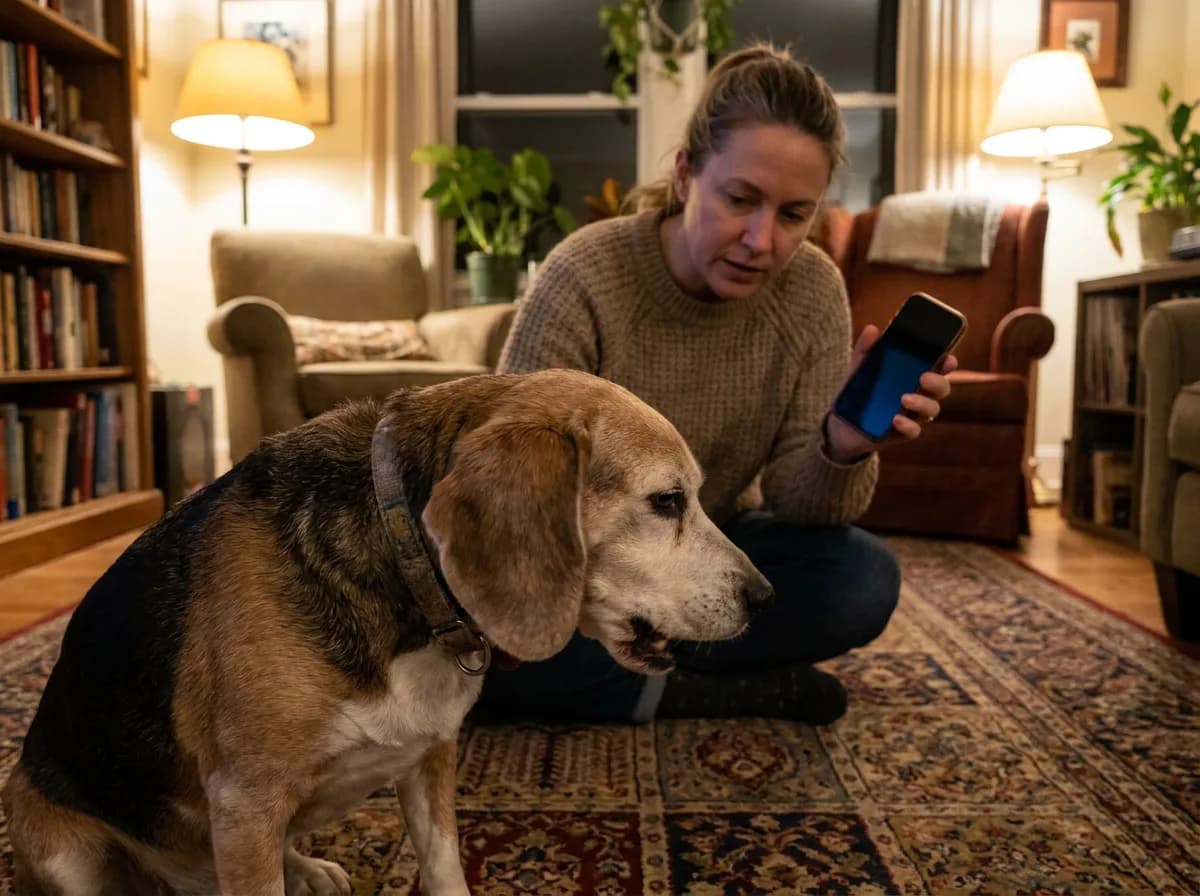
Did you know that many people confuse vomiting with regurgitation? Explaining that your dog is passively regurgitating his food rather than actively vomiting tells me a lot more than I might discover in a basic exam. And, yes, along with a good medical history, I often ask people to record a symptom video on their phone. Continuous at-home devices such as the Maven Pet monitor extend the same idea, logging activity and health data around the clock between visits.
- Coughing, sneezing, honking, seizing, passing out, and walking "funny" are only a few examples where a picture is worth a thousand words.
- I love it when, after the client has been trying to mimic the snort, the duck sound, or the wobbly walking, she says, "Oh, wait a minute. I have it on my cellphone."
- Save those clips alongside your pet's records with the date, so the vet can see whether an episode is new or recurring.
How to Get a Copy of Your Pet's Medical Records
How do you get your dog's medical history? Call or email every clinic that has treated your dog and ask for a complete copy of the file, and make the request in writing so there is a record of it. According to the American Veterinary Medical Association, the physical records belong to the veterinary practice, but you are entitled to copies of your pet's information, and clinics routinely release them to owners or transfer them directly to another hospital. Most clinics can email records as a PDF within a few days; some charge a small copying fee. That covers shot records too: if you need your dog's vaccination records, the clinic that gave the shots can send them online for free in most cases, so you rarely need a paid lookup service.
Use this records request checklist so you get the whole file, not just the vaccine summary:
- Complete visit and exam notes, not only the vaccination certificate
- Vaccination history and the current rabies certificate
- All lab results: blood work, urinalysis, fecal tests
- Imaging reports (X-ray, ultrasound) and any specialist referral letters
- Current medication list with dosages
- Surgical and dental records
- Microchip number and registration details
Some people are embarrassed about seeking a second opinion or "trying out" another vet, so they don't ask for previous medical records. Don't be. Do you know how difficult it is to give a second opinion with no information? Any previous records or information you can bring to your vet can save time, money, and get your pet on the road to recovery faster.
Petful may earn a commission when you click through to Chewy, at no extra cost to you.
Digital Pet Medical Records and Apps
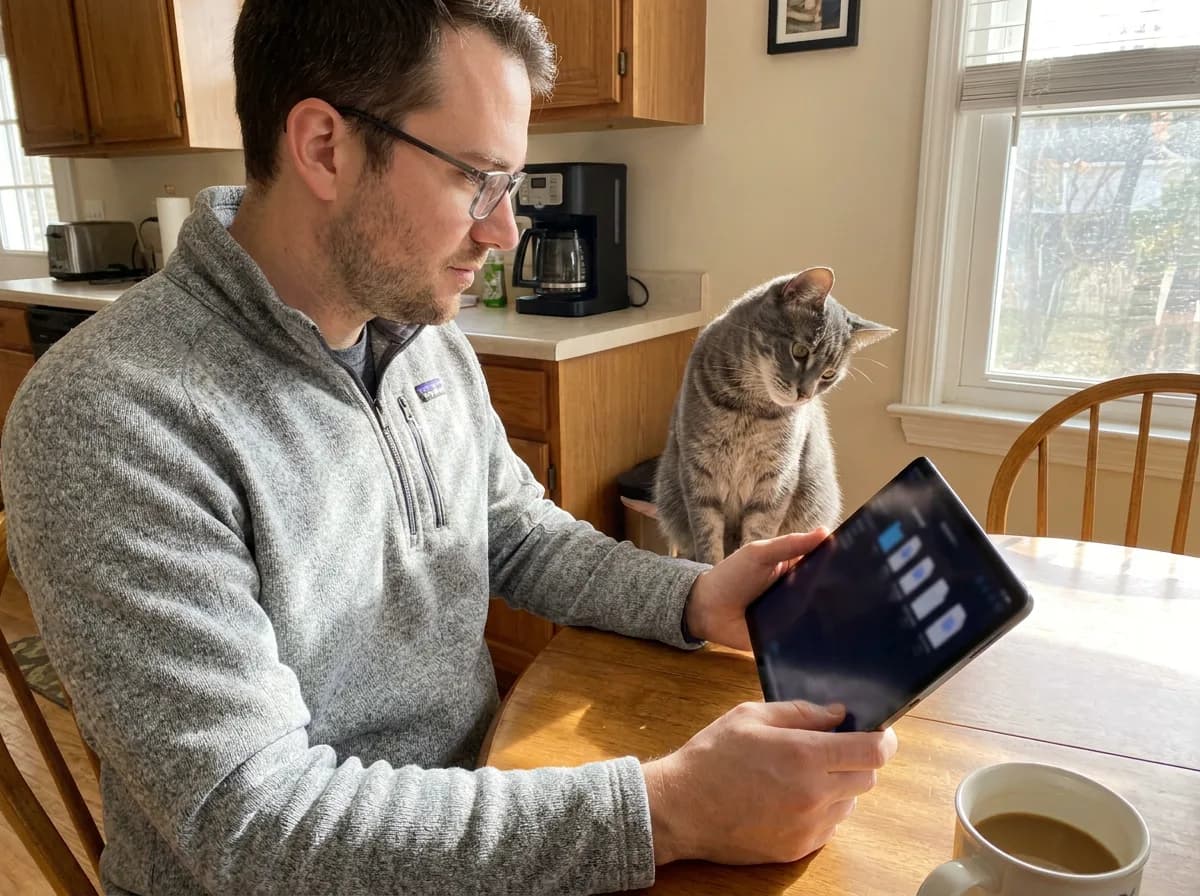
Can you find your pet records online? Yes, in two ways. First, many clinics run client portals where you can log in and download vaccination certificates and visit summaries; ask your clinic if yours has one. Second, you can keep your own electronic pet medical records: scan or photograph each document and store it in a dedicated app or a cloud folder. The advantage of digital records is availability. Paper folders get left at home during emergencies; a phone rarely does. Boarding facilities, groomers, and trainers increasingly accept a screen or an emailed PDF as proof of vaccination, which turns a scramble through drawers into a 30-second task.
Pet Medical Record Apps Worth Using
Is there an app for pet medical records? Yes, several. Your own clinic's portal app is the best starting point because it pulls records straight from the practice's system. Beyond that, independent pet health apps let you store records from multiple clinics in one place, log medications, and set vaccine reminders, which matters if your pet sees more than one provider. When choosing one, look for the ability to attach documents and photos, export everything as a PDF, and share a record with a sitter or a new vet in a few taps.
- MyPetID is a digital pet records app that stores your pet's vaccination history, medical documents, and identification in one profile you can pull up on your phone and share with a vet, boarder, or sitter in seconds.
If you want to move your folder onto your phone, you can create a free pet profile at MyPetID and upload your records there: MyPetID.
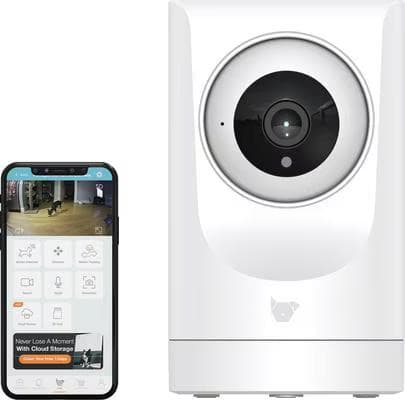
360-degree Wi-Fi pet camera so you can watch your cat's resting breathing rate and behavior from your phone and catch worrying changes early.
Petful may earn a commission when you click through to Chewy, at no extra cost to you.
How to Organize Your Pet's Medical Records
I am amazed when folks come in with perfectly organized, pristine files on their pets' medical histories. Organization, particularly at home, is not my strong point. Your veterinarian thanks you for taking such good care of Cocoa's paperwork, for knowing her symptoms, and for catching that honking sound she makes on your phone.
You do not need to buy a special pet medical records organizer, though a binder marketed for the job works fine. A simple free setup covers it:
- One folder or binder per pet, with the pet's name and microchip number on the cover
- Sections for vaccinations, visit notes, test results, and medications, newest pages on top
- A one-page summary sheet up front: conditions, current medications, allergies, and your vet's phone number (this doubles as a simple pet medical record template you fill in yourself)
- A digital backup: photograph every new document and file it in your app or cloud folder the same week
Keep the folder somewhere you can grab it fast. If you ever need to evacuate, copies of medical records belong in your pet emergency go-bag alongside food and medications.
The Importance of Updating Pet Medical Records
A record set is only as useful as its newest page. Update your files after every visit, every new medication, and every vaccine, including boosters; our pet vaccination guide explains which shots recur and when. Updated records matter most for:
- Managing ongoing health conditions and adjusting treatment plans
- Continuity of care when different veterinarians see your pet
- Emergencies, where the current medication list changes what drugs can be given safely
- Travel, boarding, and grooming, which all ask for current vaccination proof
We appreciate everything you do for them. It makes our job a little easier and gets Cocoa back on the healthy road again.
Pet Insurance and Your Pet's Medical Records
If you carry pet insurance, your pet's medical records do double duty. Insurers, whether a newer digital provider like Lemonade pet insurance or a traditional carrier, request the full veterinary history when you enroll and again when you file a claim, using it to verify treatment dates and to determine what counts as a pre-existing condition. Complete, well-organized records mean claims get processed faster and disputes are easier to resolve. The details of enrollment, waiting periods, and how claims are reviewed are covered in our full guide to how pet insurance works, so if you are weighing a policy, start there with your records folder in hand.
Frequently Asked Questions (FAQ)
Yes. The original records belong to the veterinary practice, and clinics keep them confidential; state veterinary practice laws generally prevent a clinic from releasing your pet's records to a third party without your authorization to release them. You, as the owner, can request copies at any time, and you can direct the clinic to transfer records to another hospital or to your insurer.
Contact every previous clinic that treated your pet and request copies; practices retain records for years, so even an old file is usually recoverable. If a clinic has closed, ask your state veterinary board where its records went. For adopted pets, the shelter or rescue can resend adoption-era paperwork. Then rebuild the record going forward: a one-page summary, the vaccination certificates, and digital backups of everything new.
Reference
- "Veterinary Medical Records FAQ." American Veterinary Medical Association. https://www.avma.org/resources-tools/pet-owners/petcare/veterinary-medical-records-faq
- "Veterinary Medical Records." American Veterinary Medical Association. https://www.avma.org/resources-tools/animal-health-and-welfare/veterinary-medical-records

VMD
Dr. Debora Lichtenberg, VMD, is a small animal and exotics veterinarian who has been practicing medicine for over 30 years. A graduate of the University of Pennsylvania School of Veterinary Medicine, Dr. Lichtenberg also trained at the Philadelphia Zoo. She now practices in the New York City area and lives in the West Village with her husband and her rescued pets, Cocoa and OG. Dr. Lichtenberg has been writing for Petful for many years, and she has been recognized with Certificates of Excellence from both the Dog Writers Association of America and the Cat Writers Association of America.
Sign up for expert-backed reviews and safety alerts all in one place.