Best Arthritis Medicine for Dogs: Treatments and Best Practices
Compare veterinary arthritis medicines, injections and supplements alongside weight, exercise and home changes. Learn what to monitor and when your dog’s pain plan needs reassessment.
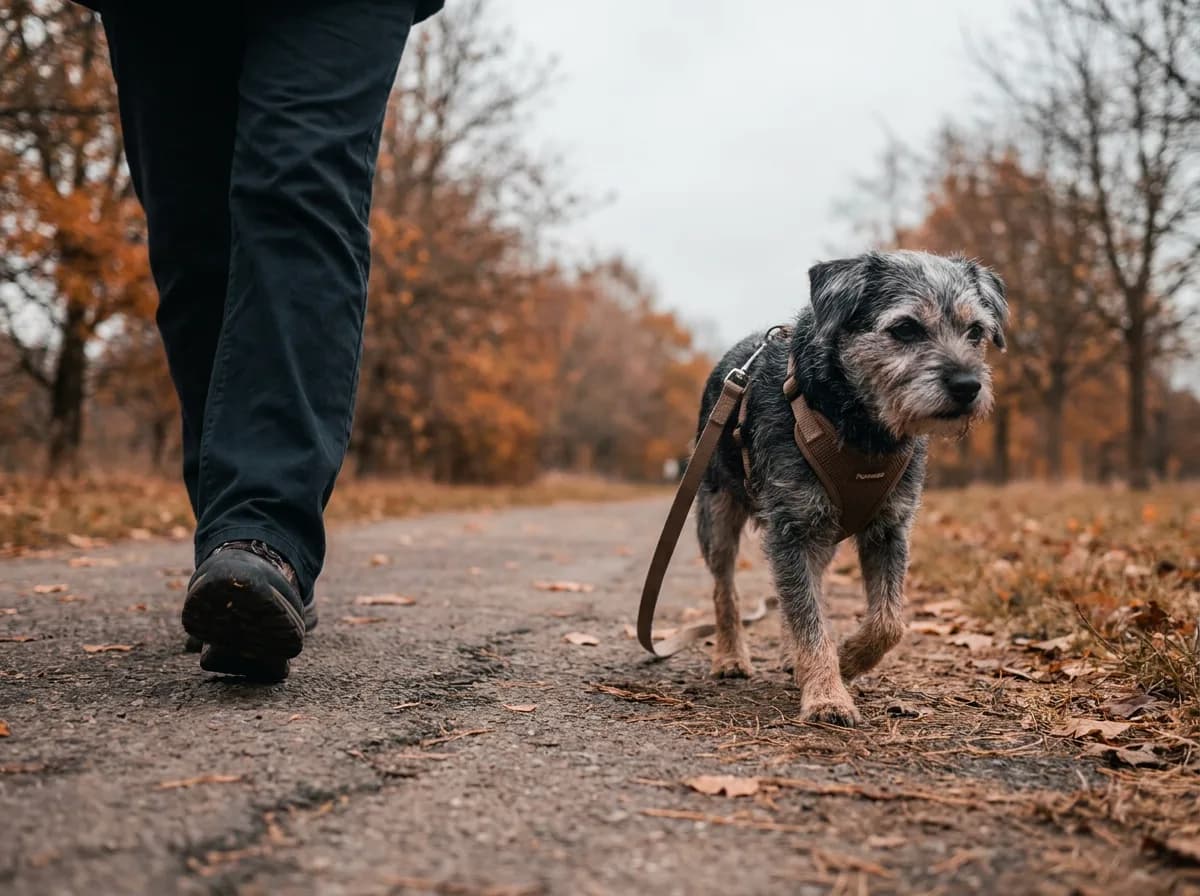
Short, controlled walks can be part of an individualized arthritis plan.
Petful is reader supported. As an affiliate of platforms like Amazon and Chewy, we may earn a commission when you buy through links on this page. There is no extra cost to you.
The best arthritis medicine for dogs is the one that improves an individual dog’s comfort and function with an acceptable safety profile. Veterinarians commonly consider a canine prescription anti-inflammatory, an osteoarthritis injection such as Librela, or a combination of treatments that act in different ways. There is no universal winner, and the medicine works within a plan that also addresses weight, movement and the home environment.

Sign up for expert-backed reviews and safety alerts all in one place.
Understanding Arthritis in Dogs
Osteoarthritis is a painful joint disease that can affect how a dog rises, walks, rests and interacts. Stiffness after sleep, shorter walks and reluctance to jump are worth reporting. A dog does not need to cry or stop eating to be uncomfortable. Record what has changed instead of assuming that slowing down is simply an unavoidable part of getting older.
To diagnose arthritis, your veterinarian will examine the dog and may recommend imaging or other tests. The assessment must distinguish chronic stiffness from new limping or sudden inability to stand. A new limp can have causes besides arthritis, and sudden inability to stand, severe pain or weakness should not wait for a routine joint-supplement trial. Hip dysplasia is one condition that can contribute to joint problems, but a familiar diagnosis does not explain every new symptom. Arthritis in the back legs can affect rising and stair use, but weakness or dragging feet can also reflect a neurological problem.

 Sponsored
Wondering why your dog seems stiff or sore?
Talk to a licensed vet at Dutch over video, often the same day. They can recommend treatment and prescribe it when it's appropriate.
Use code Pets30
Plans start at $11/month · covers up to 5 pets
- Licensed vets in most states
- Rx for 150+ conditions
- 4.7 on Trustpilot
Other joint diseases need different treatment
Polyarthritis means inflammation in multiple joints; immune-mediated polyarthritis is different from ordinary osteoarthritis. Cornell’s internal-medicine guidance describes this distinction. A painful, swollen joint can also be infected. Septic arthritis requires veterinary investigation and appropriate antibiotics, sometimes with joint drainage or surgery. Leftover antibiotics and an osteoarthritis supplement are not substitutes. Fever, rapidly worsening lameness or marked joint swelling deserves prompt assessment.
- 1Confirm the diagnosis and choose medicine with your veterinarian; human painkillers are not substitutes.
- 2Discuss baseline blood tests and follow-up monitoring when a prescription anti-inflammatory is considered.
- 3Keep a mobility diary so pain relief, side effects and changes in daily function can be assessed together.
Make resting easier while the treatment plan is being developed. A low, supportive FurHaven NAP orthopedic bed gives a dog room to change position without climbing over tall sides. Check the actual dimensions and place it on a stable surface close to the family. A comfortable bed supports rest, but the word orthopedic does not establish that it treats arthritis or replaces pain medicine.
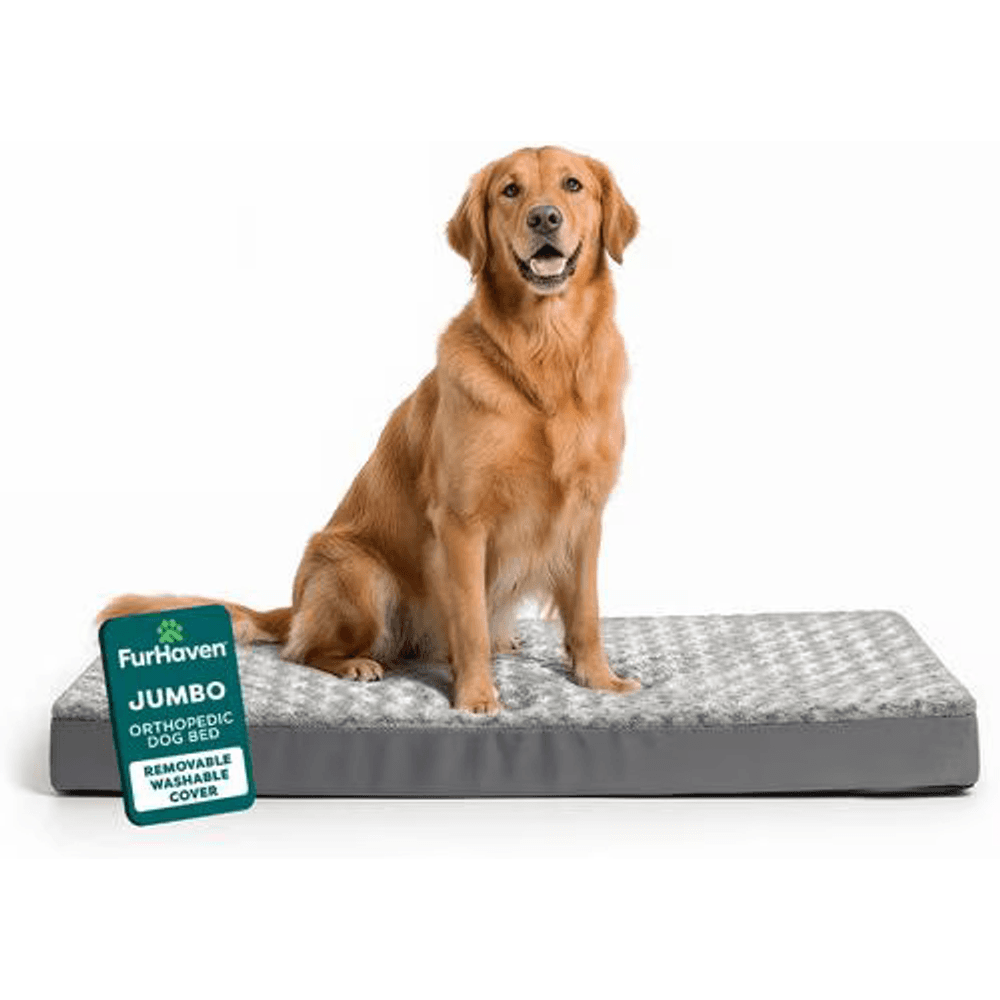
A low, flat resting surface with room to change position. Match the dimensions to your dog and keep the approach nonslip.
Petful may earn a commission when you click through to Chewy, at no extra cost to you.
Weight Management and Daily Mobility
For a senior dog with arthritis pain, practical help combines veterinary pain treatment with a manageable daily routine. For people hoping to help arthritis naturally, weight control and comfortable daily activity are practical home steps that complement prescribed pain relief. Extra weight increases the work involved in moving, while too little activity can make maintaining strength more difficult. Ask your vet to assess both body condition and muscle condition. Weight loss is not appropriate for every older dog, particularly one already losing muscle or struggling to eat.
Use controlled, comfortable activity rather than long periods of inactivity followed by strenuous weekend exercise. Several shorter outings may suit a dog better than one demanding walk. Choose level footing, let the dog move at a comfortable pace and report a pattern of soreness afterward. The right duration depends on the examination and response, not a fixed number of minutes for every age or breed.
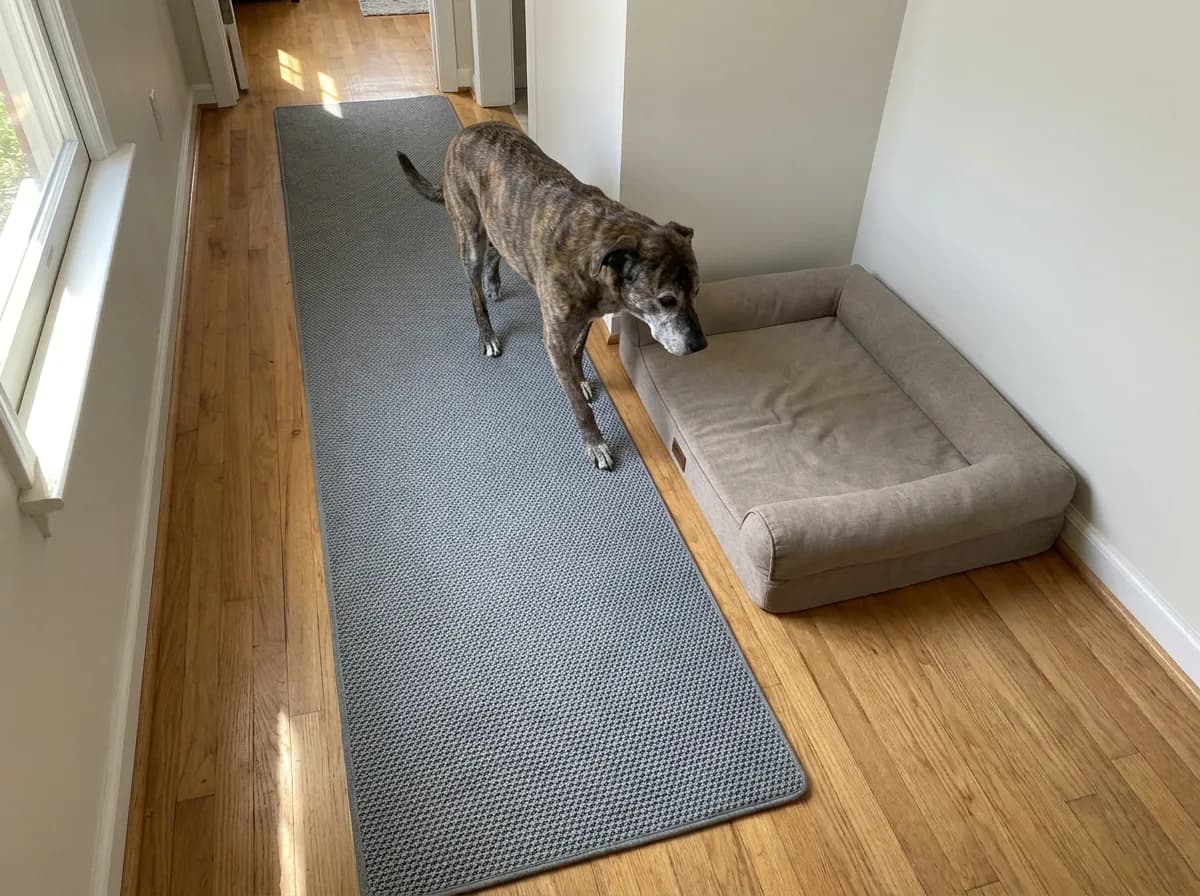
- Secure nonslip runners along routes to the door, food and resting area.
- Limit repeated jumping and block unsafe stairs when needed.
- Ask about a fitted support aid if your dog needs help rising or entering a vehicle; learn how to use it from the veterinary team.
- Keep nails and paw care appropriate so preventable slipping does not add to the difficulty.
A comfortable walking harness can help you guide a dog on controlled outings. The Fringe Studio Charcoal Floral harness linked here is the medium 17–22-inch chest-girth version; measure your dog rather than choosing by breed or the word medium. Check that the straps do not rub or restrict the dog’s movement. This is a walking harness, not a lifting sling or rehabilitation device.
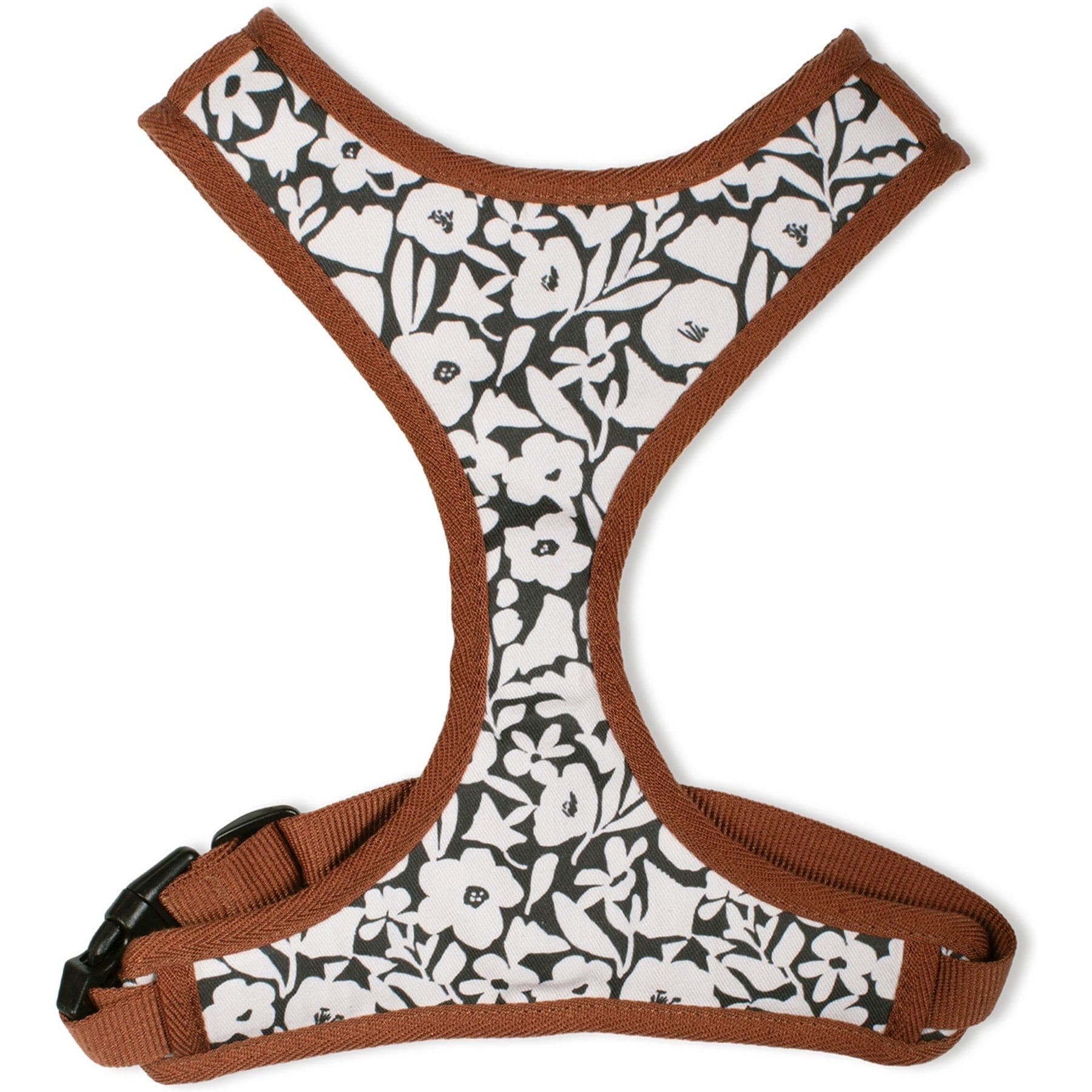
A walking harness for controlled outings, sized for a 17–22-inch chest. Measure carefully; this is not a lifting or support sling.
Petful may earn a commission when you click through to Chewy, at no extra cost to you.
Warmth and resting surfaces
A supportive orthopedic dog bed can make settling easier, but electric heating pads or heated beds can cause burns, especially when a dog cannot move away. VCA cautions against unattended heating pads. Ask your veterinarian whether any heat is appropriate and how to apply it safely. Do not improvise tightly wrapped leg warmers or leave a painful dog on a hot surface; ordinary dry bedding and room warmth may be the better choice.
Best Arthritis Medicine for Dogs: Comparing Veterinary Options
What do vets recommend for dogs with arthritis? The starting point is a confirmed diagnosis, a review of current medicines and an assessment of health risks. An anti-inflammatory may be a good option, but a dog with vomiting, dehydration, kidney disease or another complicating condition may need a different approach. Ask what improvement to expect and how the clinic will decide whether the trial is working.
The FDA’s canine NSAID guidance lists prescription options and explains why screening and monitoring matter. Common medicines include carprofen, deracoxib, firocoxib and meloxicam. Grapiprant acts at a prostaglandin receptor and is another prescription anti-inflammatory option for osteoarthritis. These are choices for a prescriber to compare, not interchangeable products an owner should rotate between.
| Option | Potential role | Monitoring and limits |
|---|---|---|
| Canine NSAID | Reduce osteoarthritis pain and inflammation in an appropriate patient | Review health history, baseline blood tests and follow-up testing; watch appetite, stool and energy. |
| Librela injection | Monthly antibody treatment for osteoarthritis pain | Discuss the individual benefit-risk profile and current safety information; use a mobility diary and report new signs. |
| Selected pain adjunct | Address additional pain mechanisms as part of a veterinary plan | Benefits and supporting evidence differ; sedation, coordination and other medicines matter. |
| Rehabilitation and home support | Improve practical movement and daily comfort alongside medicine | Match activity, weight goals and environmental changes to the dog; reassess function. |
A useful comparison includes more than price per tablet. Discuss how the medicine is given, your ability to administer it reliably, the cost of monitoring, the expected response and what happens if it does not help. Ask whether treatment is intended every day or according to another specific plan. Do not stretch a prescription, double missed doses or borrow another dog’s medicine to reduce cost.
Librela: an option, not a miracle promise
Librela, or bedinvetmab, is a monthly veterinary injection that targets nerve growth factor and is used for canine osteoarthritis pain. It is not a conventional NSAID and does not rebuild a worn joint. Some dogs improve substantially, while individual response varies. Discuss how your veterinarian will assess improvement and what activity progression is appropriate if your dog becomes more comfortable.
The FDA’s Librela safety communication describes reported adverse events including problems with coordination, weakness or inability to rise, seizures, increased drinking or urination, and urinary incontinence. Some reports involved death or euthanasia. Reports are important safety signals, but they do not prove causation in every dog or provide a reliable comparative risk percentage. Review current product information with your vet, including your dog’s neurological and urinary history. No arthritis injection is the safest for every dog: compare the indication, health history, prior reactions, expected benefit and monitoring before choosing one.
Nutraceuticals and Dietary Supplements
Owners seeking a natural remedy can make useful changes to weight, comfortable movement and the home environment, but these do not guarantee adequate pain relief. Joint supplements can be part of the conversation, but they should not displace effective pain treatment. The AAHA pain-management guidelines describe stronger support for omega-3 fatty acids than for many other nutraceuticals. Evidence varies by ingredient, formulation and condition; the presence of glucosamine or chondroitin on a label does not establish clinically meaningful pain relief for your dog.
If you and your veterinarian choose to try a supplement, an established pet formulation such as Nutramax Cosequin with glucosamine, chondroitin and MSM is one option to discuss. Treat it as an optional adjunct with uncertain benefit, not as a replacement for a prescription or proof that cartilage will regrow. Agree on an evaluation period and what change would make continuing it worthwhile.
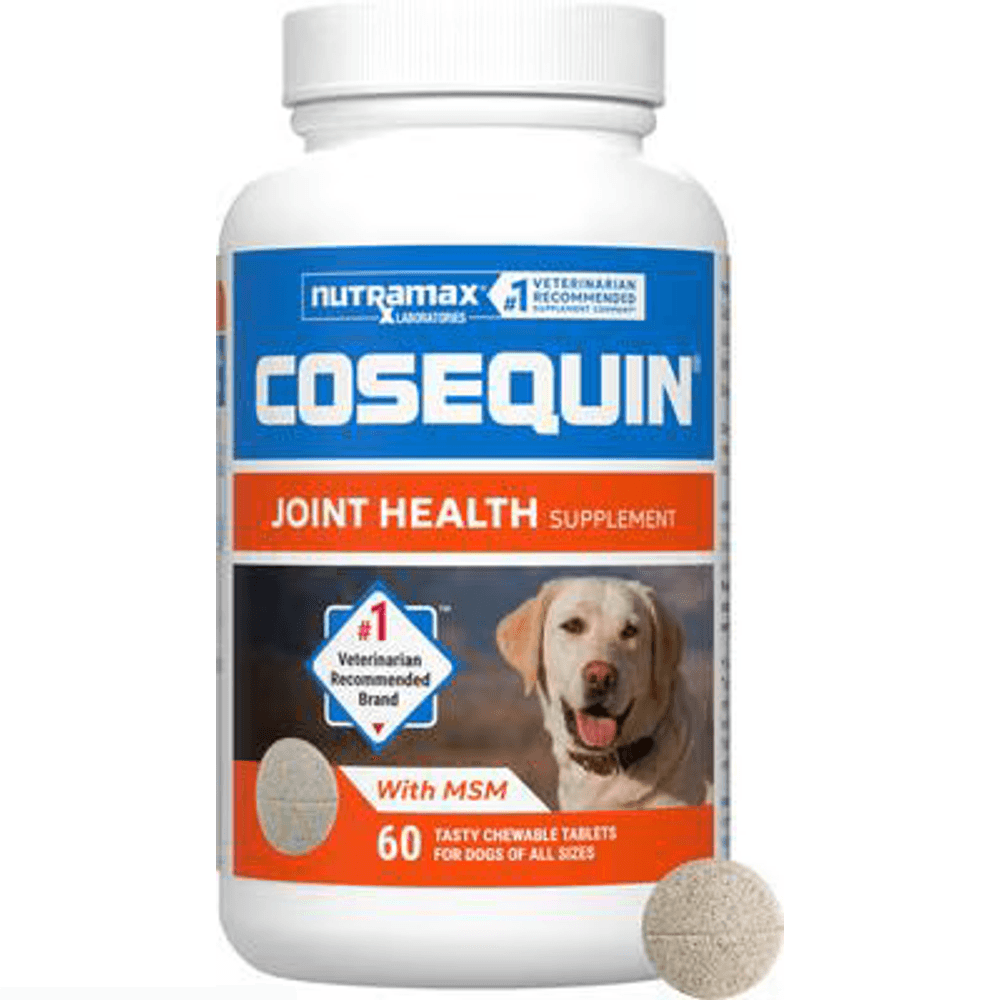
Glucosamine, chondroitin and MSM tablets to discuss with your veterinarian as an optional adjunct to a prescribed arthritis plan.
Petful may earn a commission when you click through to Chewy, at no extra cost to you.
Ask for the exact amount and formulation your vet recommends rather than combining several joint products. Fish oil, joint chews and a therapeutic diet can overlap in ingredients or calories. A product intended for humans may contain unsuitable additional ingredients. Tell the clinic about everything being given, including treats marketed for mobility, so the total plan can be evaluated.
CBD and turmeric: what the evidence means
Cornell’s CBD review describes studies showing improved mobility in dogs with arthritis. Those results concern specific formulations; they do not prove that every CBD oil or chew will work. Discuss the exact product and other medicines with your veterinarian before adding CBD for arthritis, and agree how benefit and unwanted effects will be monitored.
Turmeric also needs a product-specific discussion. A small 2026 trial of a specialized turmeric extract reported improvement in osteoarthritic dogs, but only 18 dogs completed the analysis and the comparison was another supplement. This does not establish that kitchen turmeric, homemade golden paste or every curcumin supplement provides equivalent relief. Ask your vet about formulation, interactions and the strength of evidence before changing an effective pain plan.
Food, calories and quiet enrichment
An appropriate complete diet supports the dog’s overall health, and some veterinary diets are formulated for mobility support. The choice must also fit other conditions, such as kidney disease, food intolerance or a prescribed weight-management plan. Do not change an established therapeutic diet solely because another bag advertises joint ingredients. Ask which nutritional goal is most important for this dog.
Use measured portions and count treats, food used to hide pills and supplement chews. If weight loss is recommended, request a realistic target, daily calorie plan and reweigh schedule. The objective is improved condition while preserving muscle, not rapid loss or a visibly hungry dog. Tell the clinic if food restriction produces distress or the plan is too difficult to maintain.
 Sponsored
Vet care that's always there
Unlimited video calls and messaging with licensed vets for less than a typical vet visit. One membership covers up to five pets.
Use code Pets30
Plans start at $11/month · covers up to 5 pets
- Licensed vets in most states
- Rx for 150+ conditions
- 4.7 on Trustpilot
Adapt enrichment to current mobility
Choose an activity by watching how the dog uses it. Reaching forward, bracing on a slippery floor or standing for a long session may be uncomfortable even when the activity looks gentle. Begin with an easy, brief task and offer a comfortable resting position nearby. Stop if the dog struggles to reach the food, becomes frustrated or starts chewing the equipment. A puzzle is optional; quiet company and an ordinary accessible meal can be the better choice on a difficult day. Separate other pets if competition would make the dog hurry or guard food, and clean feeding equipment after use.
A dog who cannot chase a ball can still enjoy calm activities. The Pet Parents Forager feeding mat and bowl can hold part of a measured dry-food ration for a supervised sniffing activity. Keep it where the dog can reach it comfortably without crouching painfully, sliding or twisting. It is enrichment, not a replacement for prescribed exercise or a way to add unlimited extra treats.

Use part of a measured meal for a supervised stationary sniffing activity when your dog can reach the feeder comfortably.
Petful may earn a commission when you click through to Chewy, at no extra cost to you.
Monitoring Arthritis Medicines Safely
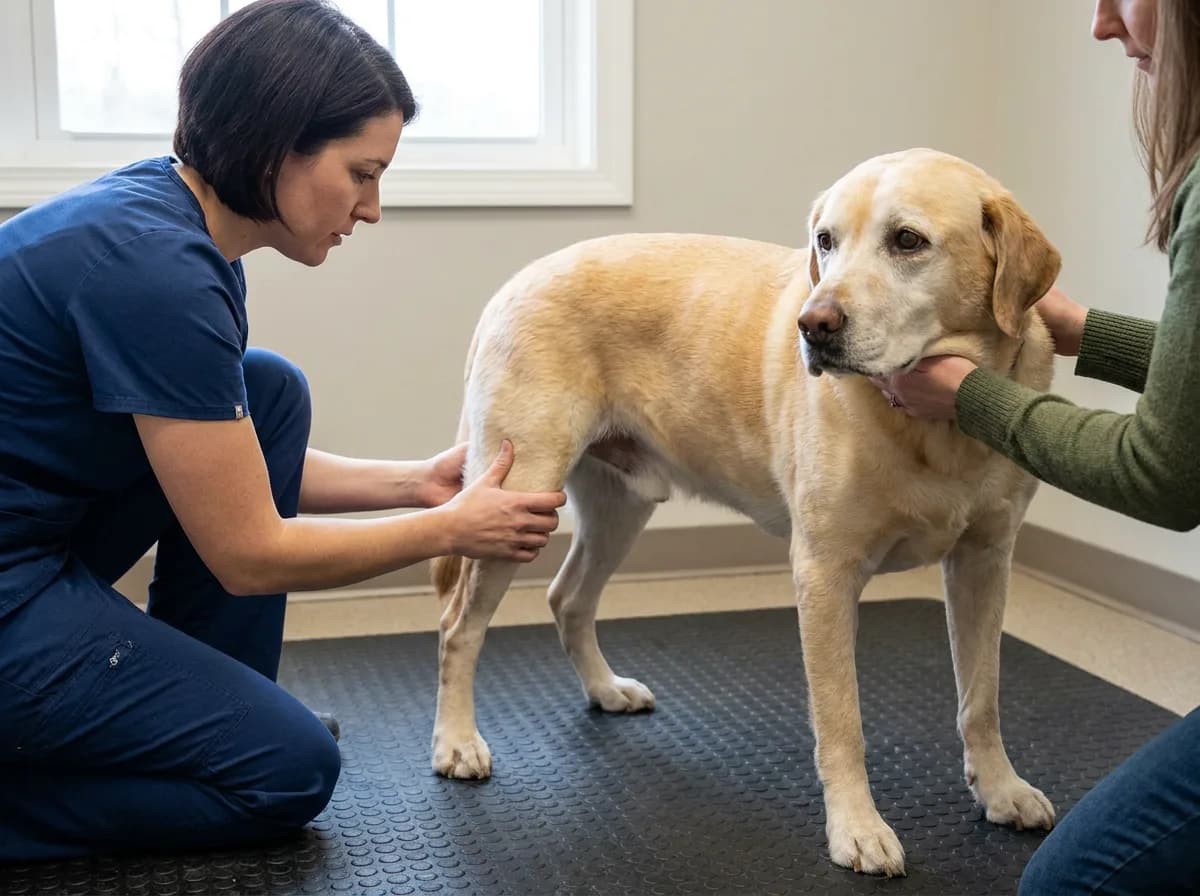
Good pain relief includes a safety plan. Before starting a canine NSAID, discuss the dog’s medical history, baseline blood tests and any urine or other testing your vet recommends. During treatment, the clinic may repeat testing and adjust the follow-up schedule. A dog who previously tolerated a medicine can develop a new illness or become dehydrated, changing the balance of risks.
- Give only the prescribed medicine, amount and schedule.
- Do not combine NSAIDs, add aspirin or overlap an NSAID with a steroid.
- Ask about the required transition period when changing medicines; do not choose your own washout interval.
- Keep the client information sheet and know which signs mean stop the medicine and call.
For an NSAID, reduced appetite, vomiting, diarrhea, dark stool, unusual lethargy, jaundice or changes in drinking and urination warrant prompt veterinary advice. The FDA advises stopping the NSAID and contacting the veterinarian when a suspected adverse reaction occurs. Severe weakness, collapse, breathing problems or another major change requires urgent assessment rather than waiting for the next planned appointment.
Do not use an over-the-counter human painkiller as a backup for breakthrough pain. Ibuprofen is unsafe for dogs, and aspirin can interfere with a carefully chosen veterinary plan. Acetaminophen and naproxen are also inappropriate owner-selected substitutes. Petful’s dog pain-relief guide explains why identifying the cause of pain comes before selecting a medicine.
Track function as well as comfort
Keep a mobility diary with a few repeatable observations: rising from bed, walking to the yard, settling overnight and participating in a favorite quiet activity. Note appetite, stool, drinking, falls and unusual sleepiness too. Short videos on the same surface can help the veterinarian compare movement over time, provided filming does not require making the dog perform something painful.
A dog who moves less because a medicine causes sedation is not necessarily experiencing good pain control. Likewise, more activity is not an uncomplicated success if vomiting or poor coordination appears. Bring both the gains and problems to the recheck. Change one element at a time when practical and agreed with the vet, so the team can understand what helped.
If a medicine seems to stop working, describe the change before assuming that the dose needs to rise. Is the dog struggling with the same activity as before, or is a different limb now affected? Has there been a fall, an unusually long walk, a missed prescription or a new supplement? A short history can help distinguish an arthritis flare from a new problem. Do not deliberately withhold effective treatment to produce a dramatic comparison video.
Make follow-up practical
Ask the clinic to put the plan in writing: how to administer the prescription, what to do about a missed or vomited dose, which side effects need a call and when the next recheck is due. Refill timing matters when a medicine needs monitoring before renewal. If visits or medicines are becoming unaffordable, say so early. The veterinarian may be able to compare workable options without leaving the dog in pain or asking you to improvise a reduced schedule.
Keep those instructions where everyone caring for the dog can find them. One person can maintain the medication record and mobility diary, while other caregivers add observations. Record the difficult days too; a description of both good and bad function is more useful than a highlight reel.
Advanced Treatments and Follow-Up
Severe arthritis usually needs reassessment of the whole plan. Confirm that the current limitation is actually joint pain and look for contributing weakness, neurological disease, obesity or another problem. A veterinarian may adjust medication, add another pain-control approach or refer for rehabilitation, orthopedic assessment or pain management. More medicines are not automatically better, and increasing a dose without direction can cause harm.
Rehabilitation may involve individualized exercises, controlled strengthening and techniques chosen for the dog’s diagnosis and ability. A supervised underwater treadmill session is different from letting a painful dog swim in a river. Buoyancy does not make every water activity safe; entry, exit, fatigue and the dog’s confidence still matter. Ask the rehabilitation professional what to practice at home and which activities to avoid.
Massage can be part of veterinary rehabilitation for arthritis, although controlled evidence for individual manual techniques is limited. Ask a veterinary rehabilitation professional to demonstrate suitable gentle handling. Do not force a stiff joint through its range or continue if your dog pulls away, tenses or seems more painful. Massage is a comfort measure within the plan, not a way to reverse joint damage.
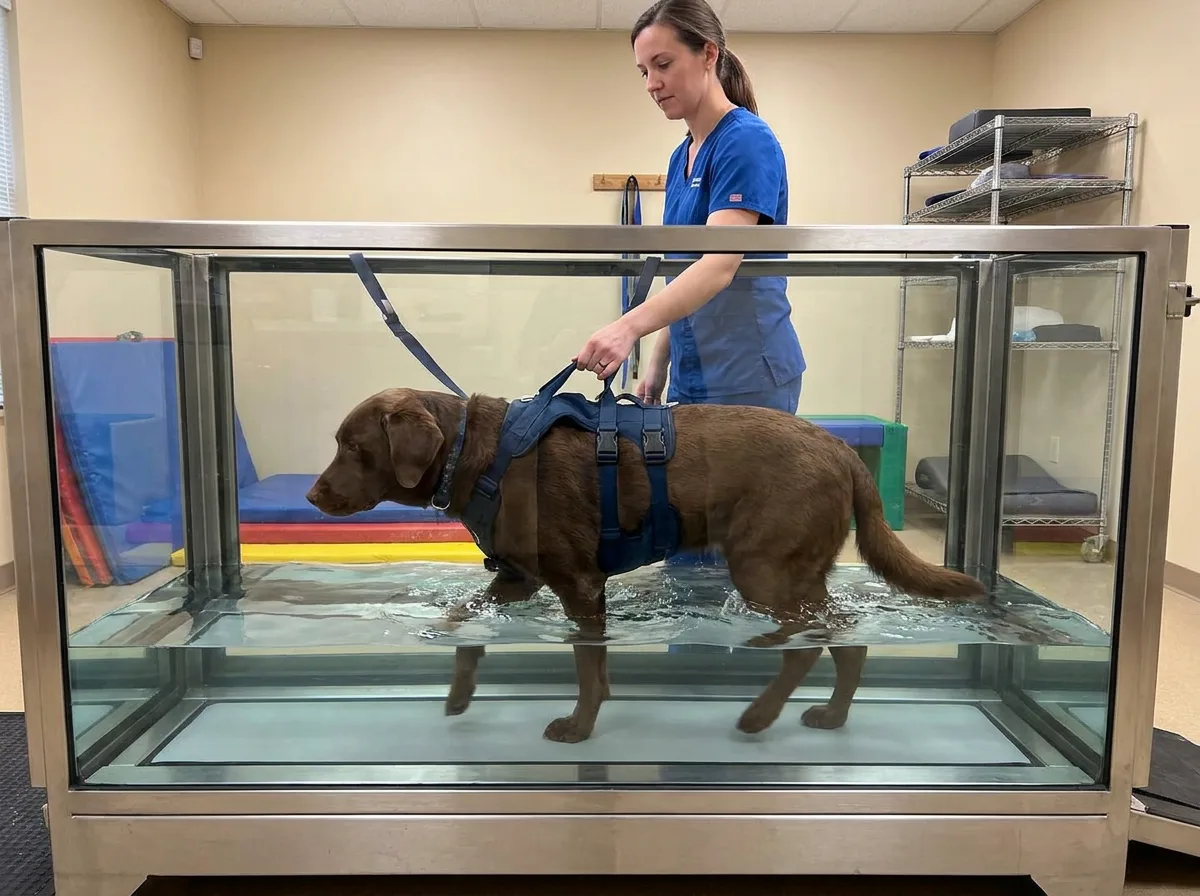
Other interventions, including acupuncture, laser therapy, joint injections or surgery in selected cases, differ in purpose and supporting evidence. Ask what outcome is realistic, how many visits are proposed, what adverse effects matter and how you will know whether the intervention is helping. Stem-cell or regenerative marketing should not be treated as a guarantee of new cartilage or a cure.
Red-light or therapeutic laser treatment is sometimes offered as an adjunct for arthritis. AAHA describes laser therapy within veterinary pain care, but a household red-light device is not automatically equivalent to a clinic’s equipment or protocol. Discuss the evidence for the proposed treatment, eye protection, cost and a measurable trial goal before purchasing sessions or a device.
Size also affects the practical plan: supporting a large dog into a car is different from carrying a small one, while both need traction and a suitable body condition. WebVet’s discussion of dog size and arthritis explains why handling and home adaptations should match the individual. Ask your own veterinary team to demonstrate any support harness before using it to lift or steady your dog.
Revisit quality of life
Set goals that matter to your dog, such as resting comfortably, toileting without distress and enjoying time with the family. Review whether good days still outnumber difficult ones and whether the current plan is manageable. “End-stage arthritis” describes severe disease, not a precise survival deadline. The practical questions are whether pain can be controlled and whether the dog can rest, move and toilet comfortably. There is no single arthritis stage or birthday that answers every quality-of-life question. Your observations and the examination are more useful than a generic life-expectancy number.
If pain remains uncontrolled, request a specific next step rather than accepting that nothing can change because the dog is old. That may mean checking the diagnosis, a different treatment, specialist input or a candid end-of-life discussion when suffering cannot be adequately relieved. The aim is sustained comfort and function, with regular reassessment as the dog’s needs change.
Frequently Asked Questions
There is no miracle drug that works for every dog or reverses every damaged joint. Librela is a monthly injection for osteoarthritis pain, but individual response and safety considerations differ. Veterinary NSAIDs and other approaches can also be useful. Ask your veterinarian to define measurable goals and a review date instead of choosing treatment from an advertising label.
Do not give baby aspirin for arthritis pain unless your veterinarian specifically directs it. The smaller tablet is not automatically safe for a dog and can complicate treatment with another anti-inflammatory. Do not combine NSAIDs or add aspirin to an existing prescription. If you already gave it, tell the prescriber the product, amount and timing before another medicine is used.
Ask for reassessment and a multimodal pain-relief plan that addresses medication, mobility, muscle condition, weight and home comfort. Rehabilitation or specialist treatment may be appropriate, but the choices depend on the examination. Track quality of life and report inadequate control or adverse effects promptly. Sudden inability to stand or a sharp deterioration needs urgent assessment rather than assuming the arthritis has simply progressed.
References
- FDA: Controlling pain and inflammation in your dog with NSAIDs. Prescription options, testing and adverse-effect monitoring.
- FDA: Adverse events reported in dogs treated with Librela. Current safety discussion for veterinary decision-making.
- FDA: Librela adverse-event report limitations. Why spontaneous reports cannot establish comparative rates.
- AAHA: 2022 Pain Management Guidelines. Multimodal care, reassessment and evidence limits.

VMD
Dr. Debora Lichtenberg, VMD, is a small animal and exotics veterinarian who has been practicing medicine for over 30 years. A graduate of the University of Pennsylvania School of Veterinary Medicine, Dr. Lichtenberg also trained at the Philadelphia Zoo. She now practices in the New York City area and lives in the West Village with her husband and her rescued pets, Cocoa and OG. Dr. Lichtenberg has been writing for Petful for many years, and she has been recognized with Certificates of Excellence from both the Dog Writers Association of America and the Cat Writers Association of America.
Sign up for expert-backed reviews and safety alerts all in one place.