Is My Cat Deaf? Signs and Symptoms of Deafness in Cats
You are often in a better position than even your veterinarian to know if your cat has gone deaf. Here are some of the signs to look for.

BVMS, MRCVS

Petful is reader supported. As an affiliate of platforms like Amazon and Chewy, we may earn a commission when you buy through links on this page. There is no extra cost to you.
This pet health content was written by a veterinarian, Dr. Pippa Elliott, BVMS, MRCVS. This article was originally published in 2012 and is regularly updated. It was last reviewed for accuracy and updated by Dr. Elliott on August 6, 2024
If you have questions or concerns, call your vet, who is best equipped to ensure the health and well-being of your pet. This article is for informational purposes only and is not a substitute for professional medical advice, diagnosis or treatment. See additional information.
- 1Recognizing early signs: Extra-loud meowing, no response to familiar sounds, and reduced reactions to things like vacuums or fireworks can signal hearing loss.
- 2Using simple at-home tests: Quietly create sounds of different pitches behind your cat. A lack of reaction, especially to high-frequency noises, may indicate partial or full deafness.
- 3Understanding risk factors: White cats, particularly those with one or two blue eyes, have a significantly higher chance of congenital deafness.
- 4Supporting a deaf cat’s well-being: Deaf cats can live full, happy lives when kept safe indoors and provided with visual cues, engaging play, and consistent reassurance.

Sign up for expert-backed reviews and safety alerts all in one place.
Is My Cat Deaf? Recognizing the Signs
Is my cat deaf? If your cat is ignoring you more than usual or acting oddly, these could be early signs of deafness in cats.
From extra-loud meowing to no longer fearing the vacuum, the impact of deafness varies among cats. Recognizing these signs can help in identifying hearing loss: Extra-loud meowing No longer fearing the vacuum Lack of response to common sounds
This article aims to answer all of your questions about hearing loss in cats, including what are the symptoms of deafness in cats and the effect of hearing loss on our feline friends.
How Can You Tell If a Cat Is Losing Their Hearing?
Is my cat deaf? It sounds obvious, but to work out if a cat is losing their hearing, watch the cat's reaction to everyday noise.

Feathered teaser wand with catnip-stuffed bird. Pairs perfectly with the no-bite training policy: redirect Bengal play drive into a 10-minute interactive session with the wand.
Petful may earn a commission when you click through to Chewy, at no extra cost to you.
- Observe the cat's response to typical household sounds.
- Note any lack of reaction to clapping, calling their name, or other noises they usually respond to.
- Pay attention to whether they are startled when they see you approach but did not hear you coming.
You, the caretaker, are often better placed than the veterinarian to know if the cat has gone deaf. Vet clinics are stressful places for cats, and with so much adrenaline and cortisol whizzing around their bloodstream, they often freeze in fear and don’t react normally.

 Sponsored
Have a health question about your cat?
Talk to a licensed vet at Dutch over video or message, including nights and weekends.
Use code Pets60
Plans start at $12/month · covers up to 5 pets
- Licensed vets in most states
- Rx for 150+ conditions
- 4.7 on Trustpilot
How to Test Your Cat’s Hearing at Home
Is my cat deaf? To test your cat’s hearing at home, follow these steps: Choose a time when the cat is awake and relaxed.
- Assemble a variety of objects that make noises of different pitches, ranging from high to low. For example:
- Go behind the cat so that they don’t see what you’re doing.
- Choose one of the items and make a noise, gently at first.
- Watch what happens:
- Repeat the process with a sound of a different pitch.

Why Try a Range of Pitches?
Is my cat deaf? Testing a range of pitches is essential because cats have a highly developed sense of hearing, peaking at the frequency of mice chatter. Here’s a comparison of hearing ranges: Beluga whale hearing range: 1,200 Hz–120,000 Hz Cat hearing range: 48 Hz–85,000 Hz Dog hearing range: 67 Hz–45,000 Hz Human hearing range: 20 Hz–20,000 Hz
These figures show that cats hear high-frequency noise much better than people do. Importantly, these high-frequency sounds are the first to be lost when a cat becomes deaf. This means cats might first fail to hear noises we were never able to hear in the first place.
- By the time we suspect a cat isn’t hearing well, the cat has likely lost a significant amount of high-frequency hearing.
- While they may still hear mid-frequency noises, such as footsteps, they might not hear higher-frequency sounds, like squeaky door hinges.
For a feral cat, this loss can impact their ability to catch prey, like mice, affecting their chances of finding food. When they can’t hear their prey — mice — it means less likelihood of catching dinner, and they may go hungry. For more about feral cats, check out how to help feral cats.

Petful may earn a commission when you click through to Chewy, at no extra cost to you.
So, when testing hearing, it's crucial to include high-frequency sounds. If you test only for low-frequency sounds, you might miss hearing loss that significantly affects your cat. Cats, like dogs, have a highly developed sense of hearing — which coincidentally peaks at the frequency of mice chatter. Learn more about this in how do dogs hear so well.
A Note About Whiskers
Is my cat deaf? A cat’s senses are much more sophisticated than our dull wits. Their magnificent whiskers are super-sensitive at detecting vibration, including the air disturbed when you're banging pan lids together.
- When testing your cat’s hearing, take great care not to disturb their whiskers.
- The cat may not hear the sound with their ears, but they may feel vibration with their whiskers.
To avoid this, try standing with your back to the cat to shield them from air movement.
Next, we'll discuss some of the biggest symptoms of deafness in cats.

7 Symptoms of Deafness in Cats
Is my cat deaf? I remember, when my kids were young, visiting a rescue shelter to choose two new pet guinea pigs. This event sticks in my mind because there was a cat who was loud — and I mean really loud. Although she was in the next-door cattery building, her meows were clearly audible in the rabbit shed. This cat was deaf. Here are some of the signs of deafness in cats:
- Meowing loudly: Cats can’t hear themselves, so they turn up the volume. They simply don’t know what a racket they’re making.
- Noisy at night: A dark house seems silent and deserted, and creating noise is oddly reassuring for deaf cats.
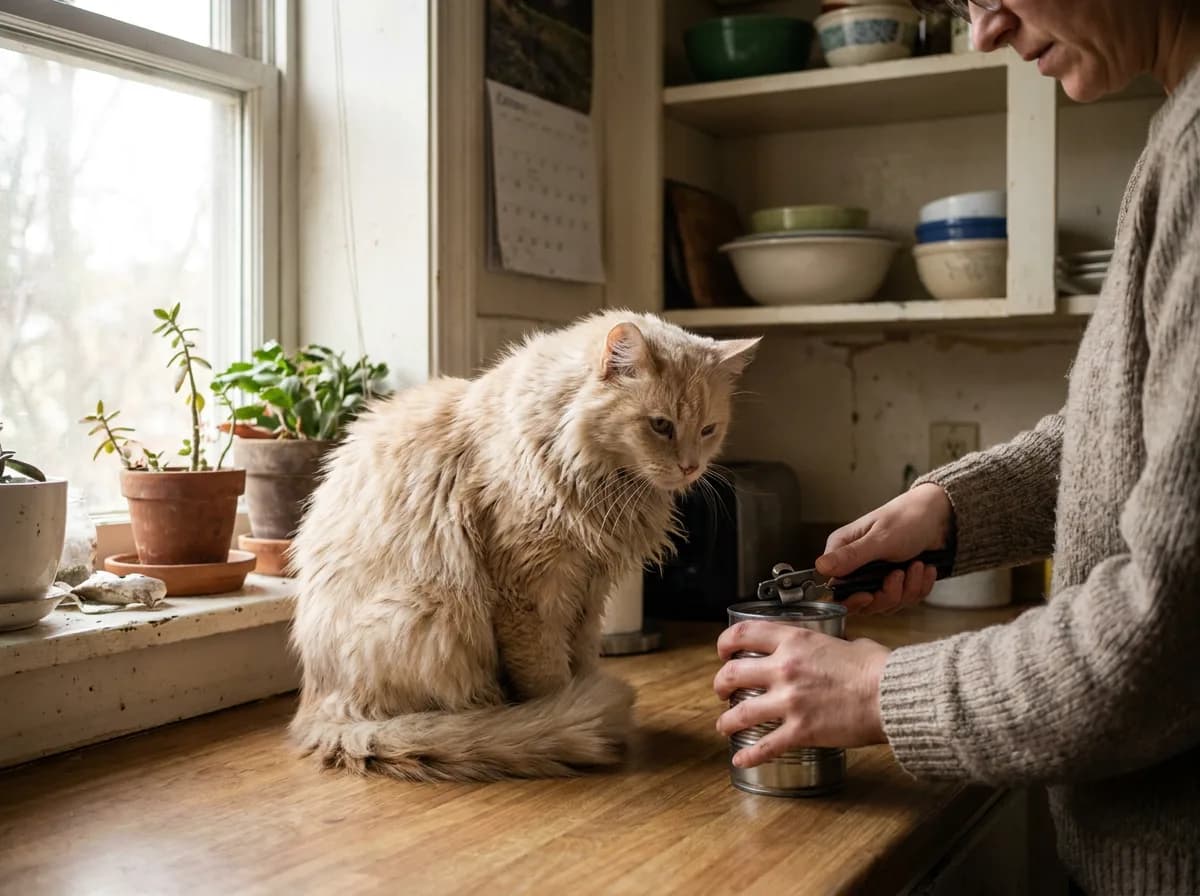
- Not responding to their name or to the sound of the refrigerator door opening (or the can opener).
- No longer reacting to noises that once distressed them, such as fireworks or the vacuum.
- A change in habits: Not greeting you when you enter the house.
- Sleeping longer and more deeply than previously.
- Seeming needy or clingy.
So if you’re wondering, “Is my cat deaf or ignoring me?” and your cat shows some of the above symptoms of deafness in cats, then please check their hearing.

Pack of 18 soft plush mice filled with catnip to spark batting, pouncing, and play.
Petful may earn a commission when you click through to Chewy, at no extra cost to you.
Health Checks and Deafness in Cats
Is my cat deaf? As a caring pet parent, you should be aware that some health problems can mimic signs of deafness in cats.
- A cat with overactive thyroid glands can be very vocal, as the equivalent of a double-strength espresso stimulates this behavior.
- Likewise, a cat who feels unwell may show signs such as sleeping a lot.
If your cat changes their behavior, a vet check is always advisable. And although the vet can’t diagnose deafness (for the reasons explained above), they can check for ear polyps or an ear infection that muffles hearing.
If you’re also concerned about whether external pests could affect your cat, here’s a helpful guide on whether cats can carry bed bugs.
Do Cats Lose Their Hearing When They Get Old?
Is my cat deaf? A cat’s ability to hear decreases with age, in the same way that ours does.
Hearing depends on an intricate interaction between:
- Air vibrations that stimulate the ear drum (tympanum)
- Movement of three tiny bones (malleus, incus, and stapes)
- Vibration of tiny hairs suspended in fluid within the inner ear
With age, any of these elements can become inflamed, damaged, or plain worn out, which affects hearing. The older the cat, the more wear and tear on the delicate mechanics of the ear.
But hearing loss in a cat doesn't happen only as a result of getting older. Again, just like people, cats can lose their hearing if subjected to damaging volume levels, such as loud music.
Petful may earn a commission when you click through to Chewy, at no extra cost to you.
Types of Hearing Loss in Cats
Is my cat deaf? There are two general categories of hearing loss in cats: Conduction Deafness Nerve Deafness
Hearing loss due to aging requires the BAER response test. This test necessitates special equipment available only at a few universities or specialist centers.
 Sponsored
Vet care that's always there
Unlimited video calls and messaging with licensed vets for less than a typical vet visit. One membership covers up to five pets.
Use code Pets60
Plans start at $12/month · covers up to 5 pets
- Licensed vets in most states
- Rx for 150+ conditions
- 4.7 on Trustpilot
Are White Cats Deaf?
Is my cat deaf? Some cats have genetic glitches that make them deaf, and white cats have the highest risk of deafness.
According to International Cat Care:
- The chance of deafness is as high as 80% in a white cat with two blue eyes.
- For a white cat with just one blue eye, there's a 30–40% chance of deafness.
- For a white cat with no blue eyes, the chance of deafness falls to as low as 10% (still much higher than for non-white cats).
"There is no effective treatment for congenital deafness," according to the Merck Veterinary Manual, which notes that "many cats with partial or complete deafness adapt very well to their condition."
Feline Hyperthyroidism and Hearing Loss
Is my cat deaf? I’ve noticed that many cats with hyperthyroidism also seem to be deaf. However, this isn’t a direct consequence of the hyperthyroidism, but more related to the cat’s age since both conditions are common in older age. Hyperthyroidism symptoms include:
These symptoms are hard to ignore when the cat loses their inner volume control. For more information on hyperthyroidism in cats, visit hyperthyroidism.
Deafness and Cat Behavior
Is my cat deaf? Deaf cats can feel vulnerable to predators, which can make them anxious or nervous and, in turn, may make them seem more aggressive.
- Deaf cats may also sleep longer and more deeply without everyday noises to disturb them. Their sleep can seem alarmingly deep at times.
- This isn’t a case of the cat becoming nasty. When taken by surprise, the cat may lash out in self-defense.
If you’re curious about how cats interact with larger animals, here’s a helpful look at how cats and horses relate to one another.
Are Deaf Cats More Affectionate?
Is my cat deaf? Deeply bonded cats may become more affectionate or even needy towards their people. It’s as if their trust makes them seek you out for reassurance. For more about cat affection, visit getting cat more affectionate.
Do Deaf Cats Purr?
Yes, deaf cats most definitely purr! A purr is all about vibration, which is a source of comfort — which is why cats will purr even when they are in pain or frightened. Learn more about this in all about vibration.
Do Deaf Cats Meow Differently?
Yes, deaf cats can be extremely loud and noisy.
- Besides the cats' loss of volume control, one theory is that they use a form of vibration and echolocation.
- By yowling loudly, they literally bounce sound off the wall and then detect it with their whiskers: a form of "cat radar." That's useful for the cat, but not so great for their people.
Check out this video of an adorable deaf cat, who is "easy to sneak up on," according to his human:
Life With a Deaf Cat
Is my cat deaf? A deaf cat can lead a happy, fulfilling life.
Helping them adjust doesn’t take much — just think about things from the cat’s perspective and stimulate their other senses.
- A deaf cat will value your attention and engage in play. Great toys for deaf cats include the fluttery wing-on-a-string (wand) toy, which they can track with their eyes, or catnip-scented balls to stimulate their nose.
- And finally, a few words about safety:
- A hard-of-hearing cat is more vulnerable to accident or injury and should definitely be an indoor pet.
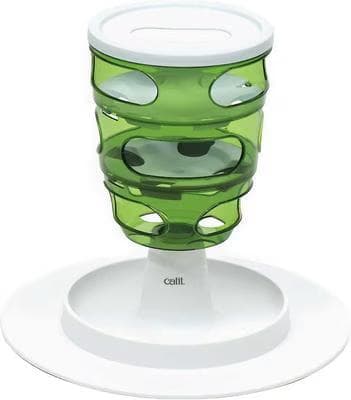
- You can expand their indoor world with a catio or cat towers to climb on, by using puzzle feeders, and by dedicating daily time to play and grooming.
- Deafness shouldn’t mean dull!
Frequently Asked Questions (FAQ)
Is my cat deaf? To determine if your cat is deaf, observe their response to everyday noises and check for symptoms such as loud meowing, not responding to their name, or not reacting to usual sounds.
You can gently make sounds of different pitches behind your cat when they can’t see you and watch for any reaction.
Yes, deaf cats often meow very loudly because they cannot hear their own vocalizations.
A cat may be hard of hearing if they consistently fail to respond to familiar sounds, startle easily when approached, or vocalize more loudly than usual.
References
- All About Beluga Whales: Senses." SeaWorld Parks & Entertainment. https://seaworld.org/animals/all-about/beluga-whales/senses/.
- Heffner, Rickye S., PhD, and Henry E. Heffner, PhD. "Hearing Range of the Domestic Cat." Hearing Research 19, no. 1 (1985): 85–88. https://pubmed.ncbi.nlm.nih.gov/4066516/.
- "Hearing Health: Plot Your Spot on the Human Hearing Spectrum." National Hearing Care. June 12, 2019. https://nhc.com.au/blog/human-hearing-range.
- "BAER Test for Hearing Loss." BluePearl Specialty Emergency Pet Hospital. https://bluepearlvet.com/medical-articles-for-pet-owners/baer-test-for-hearing-loss/.
- "Inherited Deafness in White Cats." International Cat Care. Sept. 5, 2018. https://icatcare.org/advice/inherited-deafness-in-white-cats/.
- Strain, George M., PhD. "Deafness in Cats." Merck Veterinary Manual. https://www.msdvetmanual.com/cat-owners/ear-disorders-of-cats/deafness-in-cats.
BVMS, MRCVS
Dr. Pippa Elliott, BVMS, MRCVS, is a veterinarian with nearly 30 years of experience in companion animal practice. Dr. Elliott earned her Bachelor of Veterinary Medicine and Surgery from the University of Glasgow. She was also designated a Member of the Royal College of Veterinary Surgeons. Married with 2 grown-up kids, Dr. Elliott has a naughty Puggle named Poggle, 3 cats and a bearded dragon.
Sign up for expert-backed reviews and safety alerts all in one place.