How to Potty Train an Older Dog: Tips and Solutions for Senior Dogs
Learn effective strategies on how to potty train an older dog, addressing common challenges and ensuring a clean, accident-free home.

This pet health content was written by a veterinarian, Dr. Debora Lichtenberg, VMD. This article was originally published in 2015 and is regularly updated. It was reviewed for accuracy by Dr. Pippa Elliott, BVMS, MRCVS, and was last updated on August 29, 2024
If you have questions or concerns, call your vet, who is best equipped to ensure the health and well-being of your pet. This article is for informational purposes only and is not a substitute for professional medical advice, diagnosis, or treatment. See additional information.

Sign up for expert-backed reviews and safety alerts all in one place.
How to Potty Train an Older Dog: Managing House Soiling
When dealing with senior dogs, it’s not uncommon to face challenges like house soiling. My husband recently joked, turning a classic tongue twister into a playful spin on our current situation: “How much poop can an old pup poop when the old pup puts out poop?” It’s a lighthearted take on what can be a frustrating issue for many pet owners.
- Remember that tongue twister, “How much wood could a woodchuck chuck if a woodchuck…?” This week, my husband made up his own little twist on it: “How much poop can an old pup poop when the old pup puts out poop?”
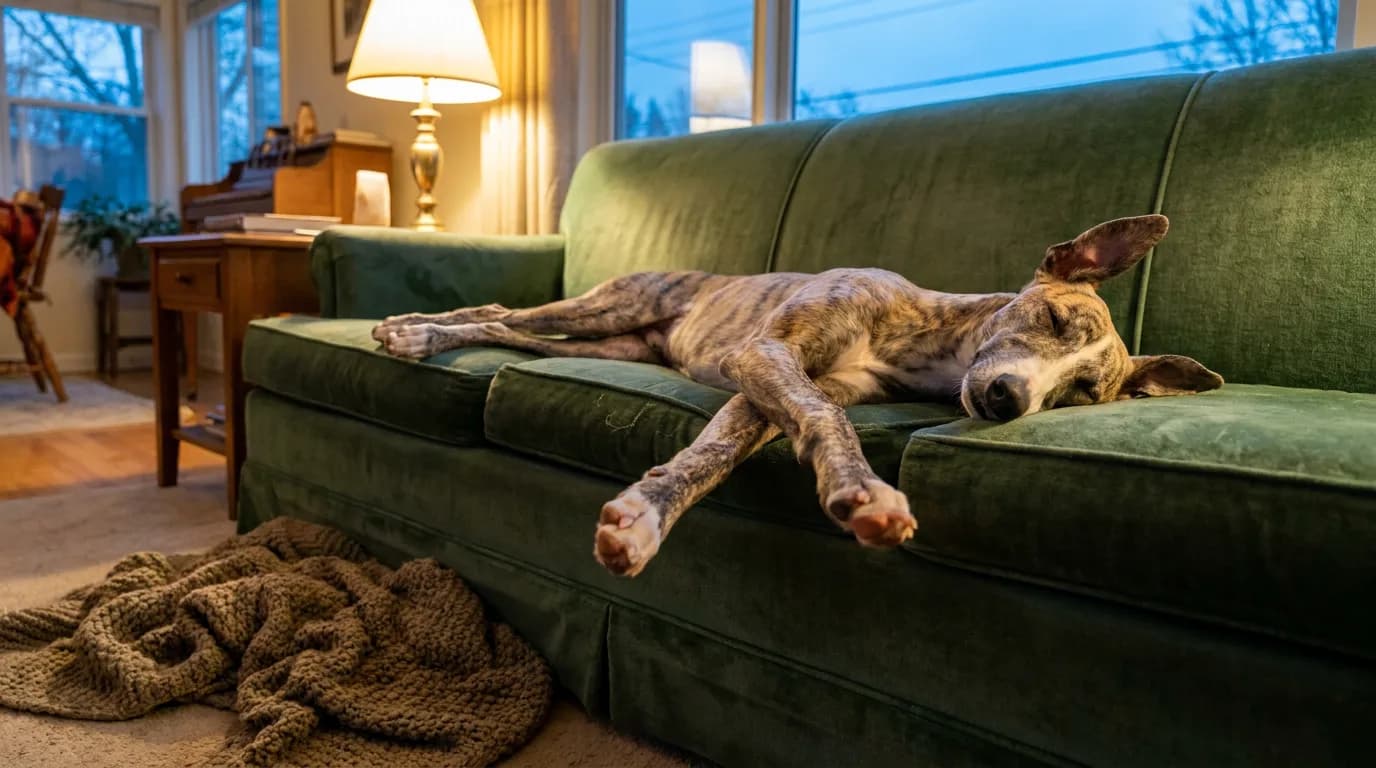
- Lately, Wally has been having accidents in the house, and it’s become a bit of a challenge. Despite trying various medications and treatments, it seems like this issue might not resolve itself anytime soon.
- So, how do we manage this? Learning how to potty train an older dog is crucial in addressing these accidents. It’s about finding the right balance of patience, understanding, and practical solutions to help both Wally and us navigate this new phase.
It’s important to remember that even with the best efforts, accidents may still happen. However, by focusing on how to potty train an older dog, you can reduce the frequency of these incidents and make life more comfortable for both you and your furry friend.
 Sponsored
Want a vet's help with your dog's anxiety or behavior?
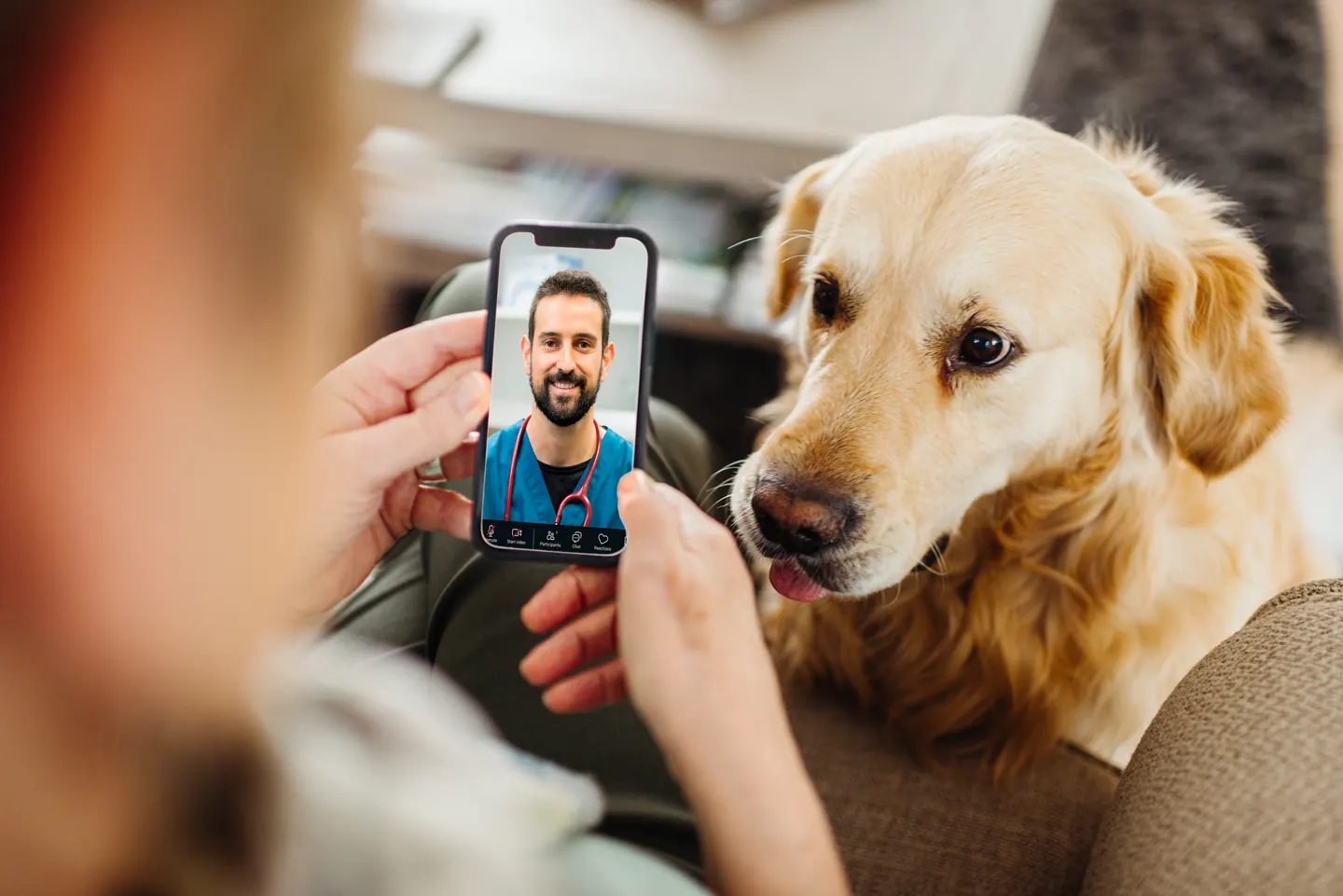
Talk to a licensed vet at Dutch over video, often the same day. They can recommend treatment and prescribe it when it's appropriate.
Use code Pets60
Plans start at $12/month · covers up to 5 pets
- Licensed vets in most states
- Rx for 150+ conditions
- 4.7 on Trustpilot
When Your Senior Dog Poops in the House Regularly
When an old dog poops uncontrollably, it’s important to seek a solid diagnosis from your veterinarian. This process can be complicated, and once you have the diagnosis, you’ll need to learn how to live with the results.
Key Questions to Ask Your Vet
Here are some important questions your vet may consider when diagnosing the issue:
- Does the dog know what they’re doing, or is the poop just falling out of them? This could indicate fecal incontinence.
- Does the dog understand the difference between pooping inside and outside but just “can’t hold it”? This is often linked to gastrointestinal or metabolic disease.
- Is the dog physically healthy but just poops in the house because they have signs of canine cognitive disorder? This condition is similar to Alzheimer’s in humans.
Establishing a Consistent Potty Routine for Older Dogs
- Set a regular schedule for bathroom breaks, ideally at the same times each day, to help establish a routine.
- Take your older dog out first thing in the morning, after meals, and before bedtime.
- Consistency reinforces desired behavior and reduces the likelihood of accidents inside the house.
Recognizing Signs of Illness in Your Dog
It's also crucial to recognize signs that your dog might be ill. Here are some indicators to watch for: Weight loss
- Lack of appetite (related article: Lack of appetite)
- Diarrhea or abnormal stool (related article: Diarrhea or abnormal stool)
- Normal water intake or excessive thirst
- A normal or abnormal rectal exam
- Muscle wasting and/or neurologic impairment
- Mental state changes (related article: Canine cognitive disorder)
These signs can be linked to how you approach potty training an older dog, as underlying health issues might affect their ability to control their bowel movements.
Managing Accidents with Positive Reinforcement
- Accidents are expected when figuring out how to potty train an older dog, but it's important to manage them positively.
- Never punish your dog for accidents; instead, focus on praising them when they go in the right spot.
- Use immediate rewards like treats or verbal praise to reinforce good behavior and build trust.

Diagnosis and Next Steps
Once you’ve gathered your dog’s history and physical findings, it’s time to decide how far you want to go with diagnostics. These may include: Blood work (related article) Fecal exams Radiographs (related article) Abdominal ultrasound Further GI testing Surgical biopsies, if indicated
Without some or all of these tests, you might not be able to achieve a true diagnosis. It's important to understand that how you approach these diagnostics can affect how you proceed with potty training an older dog, especially if health issues are contributing to the accidents.
In my case, Wally is doing well, but he is still ill. He has protein-losing enteropathy (PLE) (related article) and requires several medications, including chemotherapy and a special diet. Despite excellent treatment, he is still having accidents, and this is something we have to live with as part of his ongoing care.
Adapting Potty Training Techniques for Senior Dogs with Mobility Issues
- Consider using pee pads inside the house for dogs with mobility challenges.
- Provide easy access to an outdoor area to make it easier for your senior dog to reach the potty spot in time.
- Assist your dog more frequently or create a safe, accessible space where they can relieve themselves comfortably.
Living With a Dog Who Keeps Having "Accidents" in the House
After working with your vet and accepting the limits of modern medicine, the next step is figuring out how to live with the results. It’s essential to assess how much improvement has been made and what you’re willing to do moving forward as you consider how to potty train an older dog.
 Sponsored
Vet care that's always there
Unlimited video calls and messaging with licensed vets for less than a typical vet visit. One membership covers up to five pets.
Use code Pets60
Plans start at $12/month · covers up to 5 pets
- Licensed vets in most states
- Rx for 150+ conditions
- 4.7 on Trustpilot
Important Questions to Consider
Ask yourself these crucial questions:
- Has the diarrhea, fecal incontinence, or inappropriate defecation improved to a livable level?
- If there are still “accidents” in the house, is your entire family on board with the program?
- If necessary, are you willing to get up once or twice in the middle of the night to assist your dog?
- Do you want to crate your old pup again (related article) and understand that you may be cleaning up poop in the crate or on them?
- Can you limit their access to a smaller area in the house, if that works?
- If necessary, are you willing to pick up all rugs in the house?
- Finally, is your old dog generally happy and feeling good despite their embarrassing problem?
Consider Quality of Life
Quality of life is a two-way street. Both you and your dog must be content, especially if perfect house-training is no longer achievable. Here are some ways to judge quality of life:
- Some dogs with a lack of bowel control may be in pain (related article) and may not have a good quality of life. Discuss pain and prognosis with your vet.
- Many dogs feel distressed when they have an “accident” or wake up covered in what should have been deposited in the backyard. This situation negatively impacts their quality of life.
- If a family member is screaming at the dog or someone else every time there is poop in the house, this adds to everyone’s stress and diminishes the quality of life for the whole family.
For more on determining your older dog’s quality of life, see our related article, "Is It Time to Euthanize Your Pet?"

Make a Plan When You Have an Older Dog Who Keeps Pooping in the House
Dealing with serious geriatric issues in a pet can put families in turmoil. It's important to have a plan in place, especially when considering how to potty train an older dog who keeps having accidents in the house.
The Importance of Patience and Persistence in Potty Training an Older Dog
- Expect that potty training an older dog may take longer due to their age or cognitive decline.
- Stay patient and persistent, reinforcing positive behavior even when progress seems slow.
- Adjust the training as needed, understanding that setbacks are normal and consistent effort will lead to success.
Facing the Situation Together
One thing I hate hearing from pet owners is, “My husband will kill me if this keeps happening.” What century is this? It’s crucial for partners to face this situation together if there’s to be harmony in living with an aging pet.
How My Husband and I Handle Wally’s Situation
When it comes to the Wally problem, my husband and I are both on board:
- We take turns getting up in the middle of the night if we hear Wally stir, much like when we were raising our twins.
- Living without rugs is no hardship for us. Although our ancient house may get a bit drafty this winter, we’re okay with that. Stepping over the rolled-up carpets is a bit of a hassle, but we’re just too lazy to move them into the barn right now.
If everyone can look on the brighter side, Wally deserves some more time to enjoy his golden pooping years. I hope you, too, can find peace with your dogs and their senior moments, making the best of their remaining time together.
Frequently Asked Questions (FAQ)
To potty train an older dog, establish a consistent routine, use positive reinforcement, and be patient as they adapt to the new habits.
Potty training an older dog in an apartment requires frequent outdoor trips, setting a designated potty area, and using pee pads for accidents.
To potty train an older dog without a crate, supervise them closely, establish a routine, and reinforce good behavior with treats and praise.
Reference
- “How to Housetrain an Adult Dog.” American Kennel Club. https://www.akc.org/expert-advice/training/how-to-housetrain-an-adult-dog/
- “How to Potty Train an Older Dog.” BeChewy. https://be.chewy.com/how-to-potty-train-an-older-dog/
- “How to Potty Train an Adult Dog.” Purina. https://www.purina.com/articles/dog/behavior/training/how-to-potty-train-adult-dog

VMD
Dr. Debora Lichtenberg, VMD, is a small animal and exotics veterinarian who has been practicing medicine for over 30 years. A graduate of the University of Pennsylvania School of Veterinary Medicine, Dr. Lichtenberg also trained at the Philadelphia Zoo. She now practices in the New York City area and lives in the West Village with her husband and her rescued pets, Cocoa and OG. Dr. Lichtenberg has been writing for Petful for many years, and she has been recognized with Certificates of Excellence from both the Dog Writers Association of America and the Cat Writers Association of America.
Sign up for expert-backed reviews and safety alerts all in one place.