Why Do German Shepherd Back Legs Look Bent?
Discover why German Shepherd back legs appear bent, from breeding standards to health issues like hip dysplasia. Learn care tips to keep your dog healthy.

Veterinarian

Petful is reader supported. As an affiliate of platforms like Amazon and Chewy, we may earn a commission when you buy through links on this page. There is no extra cost to you.

This pet health content was reviewed for accuracy by a veterinarian, Dr. Pippa Elliott, BVMS, MRCVS. It was last reviewed and updated on November 20, 2024


Sign up for expert-backed reviews and safety alerts all in one place.
Why Do German Shepherd Back Legs Look Different in Shows?
If you've watched dog shows on TV, you may have noticed something unusual about the appearance of German Shepherd back legs. Show dogs often display more pronounced angulation in their hindquarters compared to everyday pets.
- This distinct look is the result of selective breeding, emphasizing traits outlined in kennel club standards.
- While your own German Shepherd may not conform to these show standards, the differences often spark curiosity and questions.
For more insights into the German Shepherd breed, check out this German Shepherd Dog breed profile.
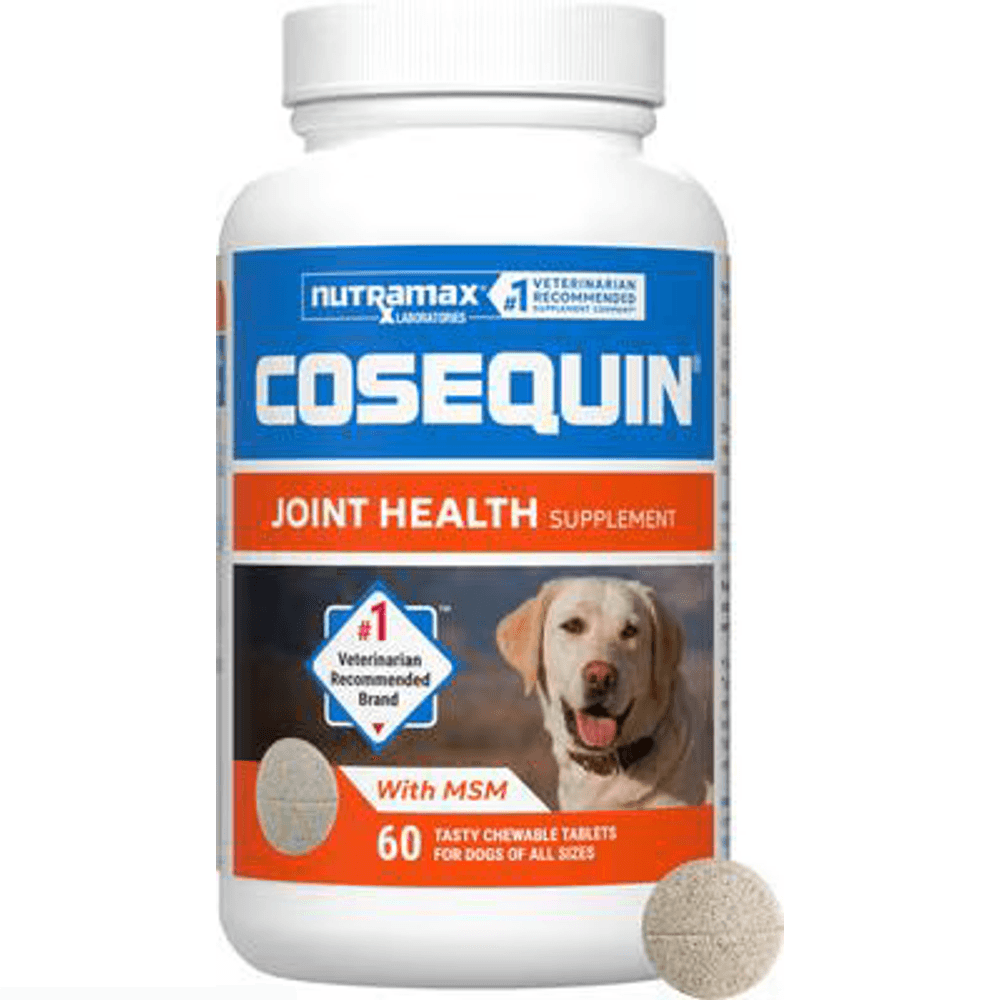
The number-one veterinarian-recommended joint supplement brand. Glucosamine, chondroitin, and MSM support cartilage and cushion the joints, easing the stiffness and hind-end weakness that can leave an older or arthritic dog trembling.
Petful may earn a commission when you click through to Chewy, at no extra cost to you.
Why Are German Shepherd Back Legs So Angled?
The distinct appearance of German Shepherd back legs in show dogs is largely the result of breeding. These dogs are bred to adhere to strict breed standards, often with specific traits passed down through generations. Breeding for Show: Breed Standards and Hindquarters:
According to the AKC’s German Shepherd Dog breed standards: “The whole assembly of the thigh, viewed from the side, is broad, with both upper and lower thigh well-muscled, forming as nearly as possible a right angle.”
This focus on angulation aims to create a striking appearance in the show ring. However, sometimes this emphasis goes too far, leading to physical traits that may impact the dog’s overall well-being. Learn more about the impact of extreme breeding on dogs.
For more details about AKC guidelines, visit the American Kennel Club.
For a detailed look at this loyal and intelligent breed, explore our comprehensive guide to German Shepherd puppies.

An orthopedic sofa bed with three bolstered sides for dogs who like to rest their head and joints against a cushion. The supportive foam base cradles hips and elbows, a comforting spot for an older or shaky dog to settle.
Petful may earn a commission when you click through to Chewy, at no extra cost to you.
Understanding the Role of Hind Leg Angulation in German Shepherds
The angulation of German Shepherd back legs is a defining trait shaped by breeding to meet breed standards, particularly for show dogs. This angulation gives the breed its signature gait and power but can also lead to debates about health implications.
- Breeders aim to create a 90-degree angle in the hindquarters to align with kennel club standards.
- This angulation is designed to improve the dog’s ability to perform tasks like herding and protection work.
- However, excessive angulation caused by extreme breeding can place undue strain on the hips and joints, potentially contributing to long-term issues.
Understanding the balance between function and appearance is key to ensuring your German Shepherd’s back legs remain healthy and strong.
Health Problems That Affect German Shepherd Back Legs
While breeding plays a significant role in the appearance of German Shepherd back legs, certain health conditions can also contribute to a bent or weakened appearance. Below are some common issues:

Petful may earn a commission when you click through to Chewy, at no extra cost to you.
Hip or Elbow Dysplasia
Hip dysplasia is a genetic condition that impacts the bones of the hips and hindquarters. While it doesn’t directly affect leg length, it alters the dog’s gait and makes physical activities like climbing stairs or jumping challenging. Signs of Hip Dysplasia:
This condition can appear as early as 2 years old, so if you notice these signs, consult your vet. Learn more about hip dysplasia in dogs.
Elbow dysplasia is another genetic condition caused by abnormal bone growth in the elbow. It may not directly affect the hind legs but can contribute to overall mobility challenges. Read more about elbow dysplasia in dogs.
Myasthenia Gravis
This nerve disorder can weaken the hips and hindquarters of German Shepherds. While it can affect various parts of the body, the hind legs are particularly vulnerable. Signs of Myasthenia Gravis:
Arthritis
Just like in humans, arthritis can cause inflammation and pain in German Shepherds’ joints, leading to changes in gait and posture that make the back legs appear bent. Managing Arthritis:

Odorless, non-greasy 8-month flea and tick collar for dogs over 18 lbs that kills and repels fleas and ticks and also kills lice and flea larvae.
Petful may earn a commission when you click through to Chewy, at no extra cost to you.
Regular vet check-ups and proper care are essential for preventing unnecessary strain on your dog’s hindquarters. Despite their health challenges, German Shepherds are resilient and adapt well with the right care and love.
If you're interested in a breed similar to German Shepherds but with unique traits, check out our profile on the Belgian Malinois
Recognizing Early Signs of Hind Leg Weakness in German Shepherds
German Shepherds are prone to hind leg weakness, and early detection of issues can prevent further complications. Watch for these signs in your dog: Reluctance to climb stairs, jump, or run.
- A wobbly or unsteady gait, particularly in the hind legs.
- Difficulty standing up after resting.
- Signs of discomfort or stiffness in the hips and back legs.
If you notice any of these symptoms in your German Shepherd’s back legs, consult your veterinarian immediately to identify the underlying cause and start appropriate treatment.
Preventative Measures and Treatments for German Shepherd Hind Leg Problems
Taking preventative steps and seeking timely treatment can help maintain the health of German Shepherd back legs.
- Exercise Regularly: Engage your dog in low-impact activities like swimming to strengthen their muscles without stressing the joints.
- Maintain a Healthy Weight: Extra weight can increase stress on the hips and hind legs, so ensure your dog’s diet is balanced and appropriate.
- Joint Supplements: Speak with your vet about supplements like glucosamine to support joint health.
- Veterinary Care: Schedule regular check-ups to monitor for early signs of conditions like hip dysplasia or arthritis.
By combining proper care, exercise, and professional advice, you can help reduce the risk of serious issues affecting your German Shepherd’s back legs.
To learn more about other breeds and their characteristics, visit our complete list of dog breed profiles.
Frequently Asked Questions (FAQ)
Yes, German Shepherds are prone to back leg issues such as hip dysplasia, arthritis, and nerve disorders due to genetic predisposition.
German Shepherds may start experiencing back leg problems as early as 2 years old, especially if they have genetic conditions like hip dysplasia.
You can strengthen your German Shepherd's back legs through low-impact exercises, swimming, and maintaining a healthy weight under veterinary guidance.
Reference
- “Why Do German Shepherds Have Back Leg Problems?” Walkin’ Pets. https://walkinpets.com/blogs/blog/german-shepherd-back-legs
- “German Shepherd Hip Dysplasia: Causes, Symptoms, and Treatments.” Ortho Dog. https://orthodog.com/article/german-shepherd-hip-dysplasia/
- “Showline GSD Back Legs Wobbly.” German Shepherds Forum. https://www.germanshepherds.com/threads/showline-gsd-back-legs-wobbly.760854/
Veterinarian
Over the past 10 years, the Petful® veterinary team of writers has included a number of experts, such as veterinarians Dr. Pippa Elliott, BVMS, MRCVS; Dr. Debora Lichtenberg, VMD; Dr. Phil Zeltzman, DVM, DACVS, CVJJ; and Dr. Judy Morgan, DVM, CVA, CVCP, CVFT; among others. Providing accurate, trustworthy information is our utmost concern, so all of our pet health content is regularly reviewed, updated and edited by veterinary professionals. Learn more about Petful.
Sign up for expert-backed reviews and safety alerts all in one place.