Dog Won’t Jump Up? Causes and When to See Your Vet
When your dog won't jump up onto a familiar bed or couch, the change is useful information, not a diagnosis. Learn what it can mean, which signs need prompt veterinary care, and how to keep your dog comfortable while you get advice.

BVMS, MRCVS
Petful is reader supported. As an affiliate of platforms like Amazon and Chewy, we may earn a commission when you buy through links on this page. There is no extra cost to you.
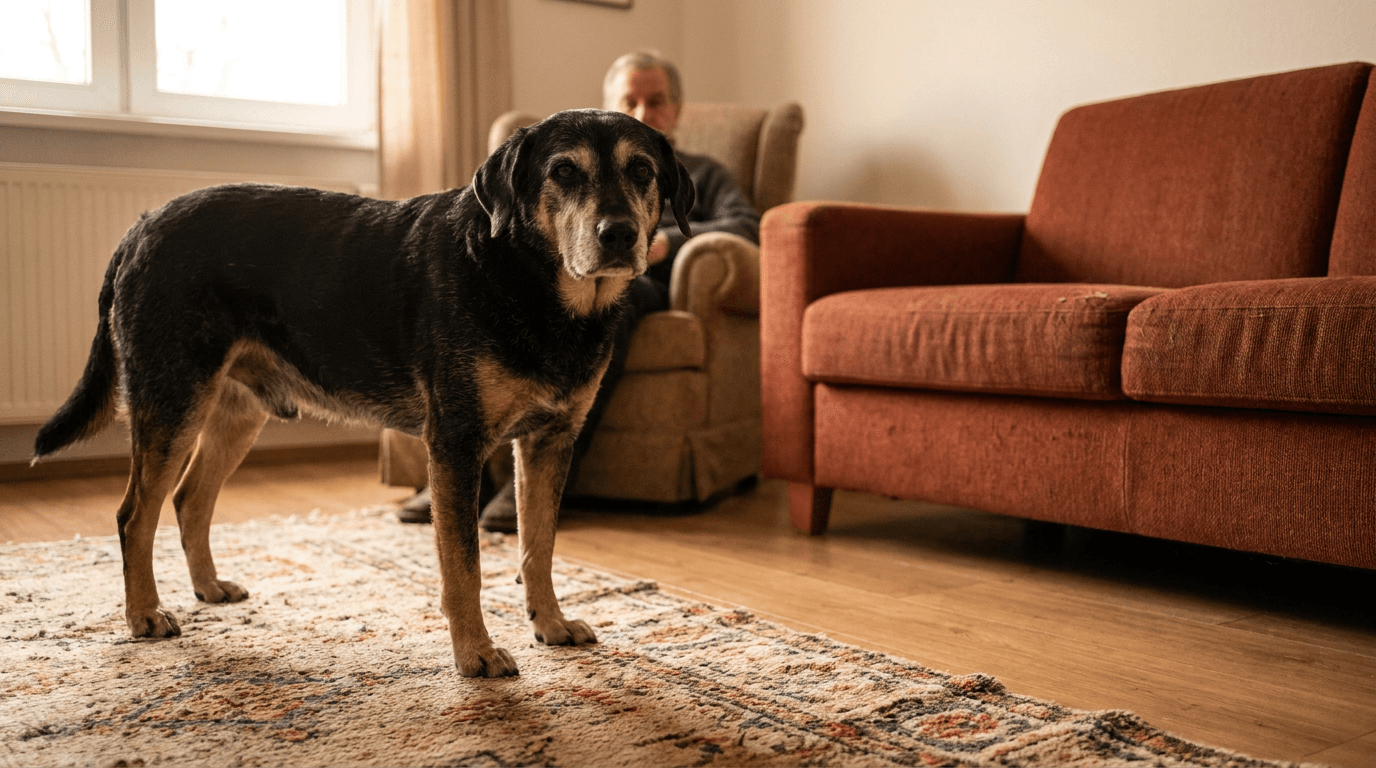
When your dog won’t jump up onto a familiar bed or couch, a small change in routine can leave you with a big question: Is something wrong? Reluctance to jump can accompany discomfort, weakness, an injury, or uncertainty about the surface. The change is useful information, but it does not identify the cause by itself.
Pay attention to what else has changed, make familiar spaces easier to reach, and contact your veterinarian about a new or worsening problem. You do not need to make your dog try another jump to prove that something is different.
If your veterinarian diagnoses osteoarthritis, ask whether Galliprant® (grapiprant tablets) is appropriate for your dog. Galliprant controls pain and inflammation associated with osteoarthritis in dogs.

Sign up for expert-backed reviews and safety alerts all in one place.
Dog Won’t Jump Up? Start With the Whole Picture
A dog who suddenly will not jump deserves attention, especially when the change comes with limping, crying, weakness, or trouble walking. A dog who cannot stand or walk, drags their legs, or develops sudden loss of coordination needs urgent veterinary care. The American College of Veterinary Surgeons describes weakness and loss of leg movement among the possible signs of spinal cord problems.
If your dog is limping, the seriousness is not determined by how loudly they complain. A severe or worsening limp, refusal to put weight on a leg, obvious distress, or a change after a fall or other injury is reason to seek prompt veterinary advice. Tell the clinic whether your dog can walk normally and whether the problem appeared suddenly.
If your dog cannot stand or walk, or suddenly loses coordination, seek urgent veterinary care. For new reluctance to jump, contact your veterinarian and describe the whole change rather than repeatedly testing the jump.
While arranging care, prevent access to furniture or stairs that your dog might attempt without help. Keep the immediate resting area quiet and easy to reach. If moving your dog seems painful or their legs are weak, call the veterinary team for safe transport instructions instead of trying to improvise a lift.
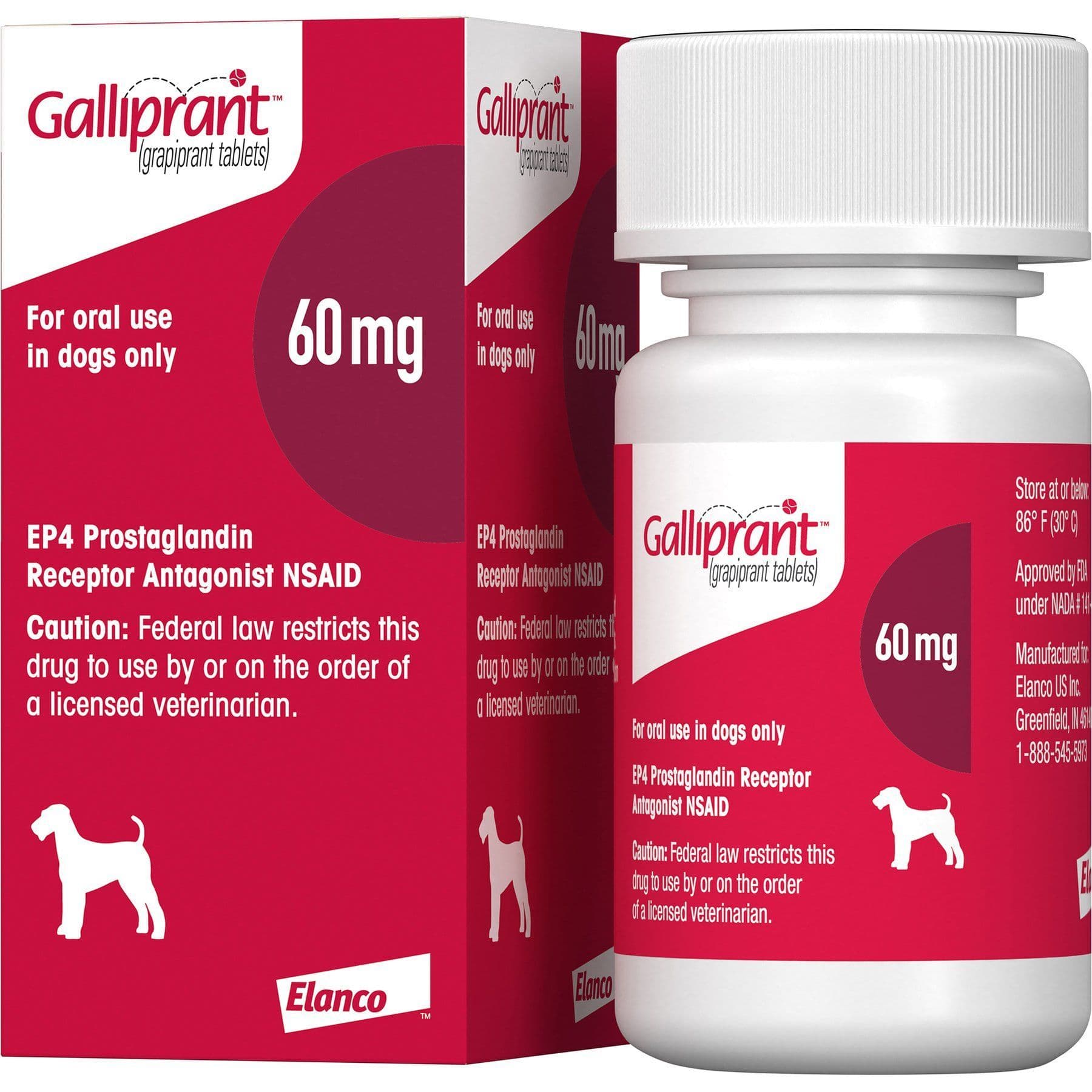
Galliprant (grapiprant tablets) 60 mg, 60 tablets. Prescription required; your veterinarian decides the strength and dose for your dog.
Petful may earn a commission when you click through to Chewy, at no extra cost to you.
Why a Dog Can Walk but Won’t Jump
A dog can walk but refuse to jump because different movements ask different things of the body. Walking across a room does not demonstrate that climbing, pushing upward, landing, or balancing is comfortable. A dog who walks fine but won't jump, or can run but is hesitant to jump up, still needs the change taken seriously.
The Cornell University College of Veterinary Medicine lists reluctance to jump onto a sofa, difficulty with stairs, stiffness, and lameness among the signs that can accompany osteoarthritis. Other conditions can produce similar changes, so “not limping” does not rule out a problem, and “not jumping” does not establish arthritis.
Notice the ordinary movements your dog chooses without prompting:
- Do they rise from their bed as easily as before?
- Do they pause before a familiar threshold or step?
- Have walks become slower or shorter?
- Are they moving normally once up, but reluctant to change position?
A dog who hesitates, walks slowly, or no longer wants to jump up or down may be communicating a limitation through behavior. Avoid treating the hesitation as stubbornness. Praise and reassurance can keep the moment calm, but repeated coaxing with food does not answer whether the movement hurts. Your veterinarian can put these observations together with an examination.
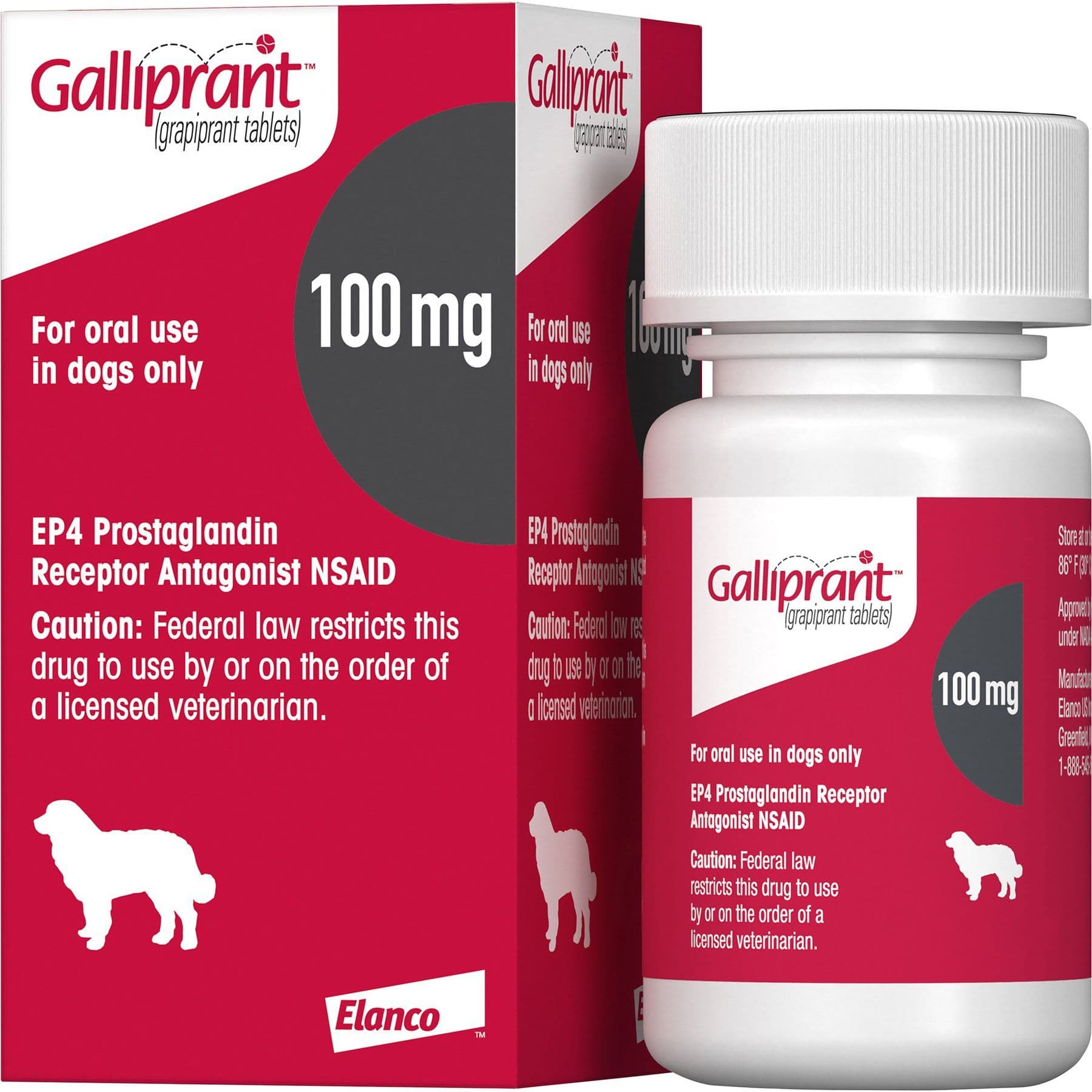
Galliprant (grapiprant tablets) 100 mg, 30 tablets. Prescription required; your veterinarian decides the strength and dose for your dog.
Petful may earn a commission when you click through to Chewy, at no extra cost to you.
When the Change Around the Bed or Couch Is Sudden
If your dog won't jump on the bed or couch all of a sudden, think about both the dog and the setting. An injury or painful condition is possible, but a moved sofa, higher bed, slippery floor, or frightening slip can also change how a dog approaches a familiar task. Your veterinarian will need the timing and circumstances to help distinguish these possibilities.
Start with what you actually saw. “She walked toward the couch, stopped, and went to her floor bed” is more useful than “She has a bad hip.” If an old dog becomes suddenly hesitant to jump, explain what was different from their usual ability. Mention a witnessed fall, collision, or yelp, but do not assume an injury occurred simply because you cannot explain the change.
Check the surroundings without asking your dog to jump:
- Has the furniture height or position changed?
- Is the rug missing, loose, or bunched beneath the approach?
- Is the floor wet or more slippery than usual?
- Did your dog hesitate at several places, or only one chair, sofa, or bed?
Breed information also belongs in the history, but it should not settle the explanation. A French Bulldog who suddenly will not jump on the couch needs an individual assessment, just as a mixed-breed dog does. The American College of Veterinary Surgeons notes that some breeds are predisposed to disc disease; that is a reason for informed evaluation, not a way to diagnose it at home.
When Jumping and Stairs Become Harder Over Time
A gradual change can be easier to miss than a sudden one. An old dog who won't jump onto the bed or sofa anymore, or has stopped jumping on the couch, may otherwise keep much of their usual routine. A dog may stop climbing stairs or become hesitant around furniture. These are changes to discuss with your veterinarian, even if your dog has adjusted by choosing a different resting spot.
Osteoarthritis is one possible cause. According to Cornell, OA may involve stiffness, difficulty rising, reluctance to exercise, and reduced willingness to use stairs or jump. It can also affect younger dogs, particularly when other joint problems are present. Age alone does not tell you why jumping is harder.
Look for patterns across the day rather than judging one attempt. Your dog may be slower after a rest, less interested in a usual walk, or reluctant to climb stairs as well as jump. Describe whether these changes are becoming more frequent or suddenly become worse. Keep the goal focused on comfortable daily movement: reaching rest, toileting, family time, and appropriate exercise gives you and the veterinary team practical things to discuss and follow over time.
Back-Leg Weakness and Other Signs That Need Prompt Help
If your dog cannot jump with their back legs, seems unusually weak, or is walking differently, describe the change to your veterinarian promptly. Tell the clinic if your dog is lethargic, won't jump up, or is shaking as well. Hind-leg weakness in dogs can have different causes, and the pattern of change matters when deciding what care is needed.
Possible signs of back pain include a guarded posture, reluctance to move, or a painful response during normal handling. Weakness, stumbling, or dragging a paw adds another reason for prompt evaluation. The American College of Veterinary Surgeons explains that disc disease can affect the spinal cord as well as cause pain; only a veterinary assessment can establish what is happening.
Galliprant (grapiprant tablets) 60 mg, 30 tablets. Prescription required; your veterinarian decides the strength and dose for your dog.
Petful may earn a commission when you click through to Chewy, at no extra cost to you.
Call attention to changes beyond jumping:
- Unusual lethargy, reduced appetite, or difficulty settling.
- Crying out during ordinary movement or handling.
- New stumbling, paw dragging, or loss of balance.
- A sudden change in the ability to stand or move a leg.
Do not press along the spine, stretch a painful leg, or pinch a toe to check sensation. Those actions are not substitutes for an examination and can cause distress. Report what you have observed naturally, including when your dog last moved normally.
What if My Dog Suddenly Cannot Move Their Legs?
If your dog looks paralyzed all of a sudden or cannot move their legs, treat it as an emergency. Contact an emergency veterinary hospital immediately and ask how to transport your dog. Severe spinal cord problems can involve loss of voluntary leg movement, as described by the American College of Veterinary Surgeons. Do not wait for another walking attempt or try to stimulate movement at home.
Make Access Safer While You Contact Your Vet
When your dog will not jump into the car or onto furniture, reduce the need for the movement while you get veterinary advice. A floor-level resting place near the family and a clear route to food, water, and the door can make daily life simpler. The 2022 AAHA pain management guidelines include environmental modifications as part of supporting dogs with pain.
Secure, nonslip footing is a useful place to start. A runner should lie flat and stay in place under the dog's paws. Move clutter out of the route, and block unsupervised access to furniture or stairs your dog might attempt. Choose changes that remove an obstacle rather than creating a new task to learn while uncomfortable.

For an established mobility problem, your veterinarian may recommend an appropriate ramp, steps, or a support aid. A new injury or suspected spinal problem needs different precautions, so ask before encouraging use of equipment. If your dog has stopped jumping into the car, tell the clinic before the appointment and request help planning entry and transport.
Avoid lifting by the collar, pulling the front legs, or pushing from behind to complete a jump. Being large, small, or accustomed to being carried does not tell you how a newly painful dog should be moved. The veterinary team can advise you based on the symptoms you describe.
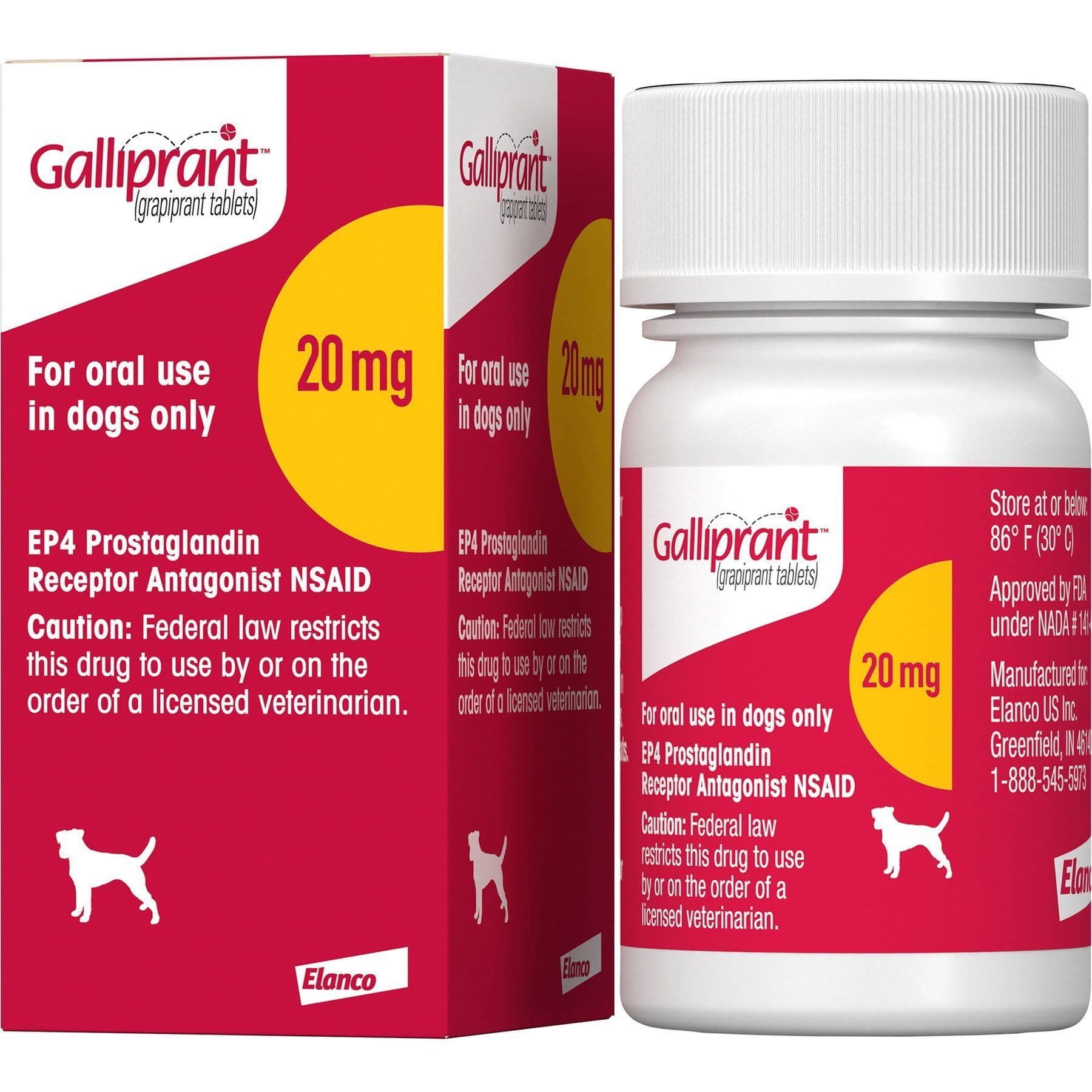
Galliprant (grapiprant tablets) 20 mg, 30 tablets. Prescription required; your veterinarian decides the strength and dose for your dog.
Petful may earn a commission when you click through to Chewy, at no extra cost to you.
Record the Change for Your Veterinary Appointment
A written observation note can help you describe what changed without trying to diagnose it. The 2022 AAHA guidance on chronic pain assessment recognizes the value of owner observations and home videos. Your note is a practical conversation aid, not a pain score or a replacement for the examination.
Record these details in plain language:
- Timing: When did you first notice the change? Was it sudden or gradual?
- Task and surface: Was your dog approaching a bed, couch, stairway, or car? What was under their paws?
- Other movements: What happened during normal walking, rising, sitting, and toileting?
- Other changes: Note appetite, energy, sleep, a witnessed injury, or any medicines already given.
- Previous pattern: Explain what your dog usually did before this change.
For example: “On Tuesday she stopped before the sofa twice. The rug had not moved. She walked across the room, but getting up after a nap looked slower.” That provides a timeline and context without assuming which joint, muscle, or nerve is involved.
- Do not make your dog jump for a video. If your dog is already walking comfortably, a short clip of normal walking on a level surface may help your veterinarian. Do not delay urgent care to collect footage.
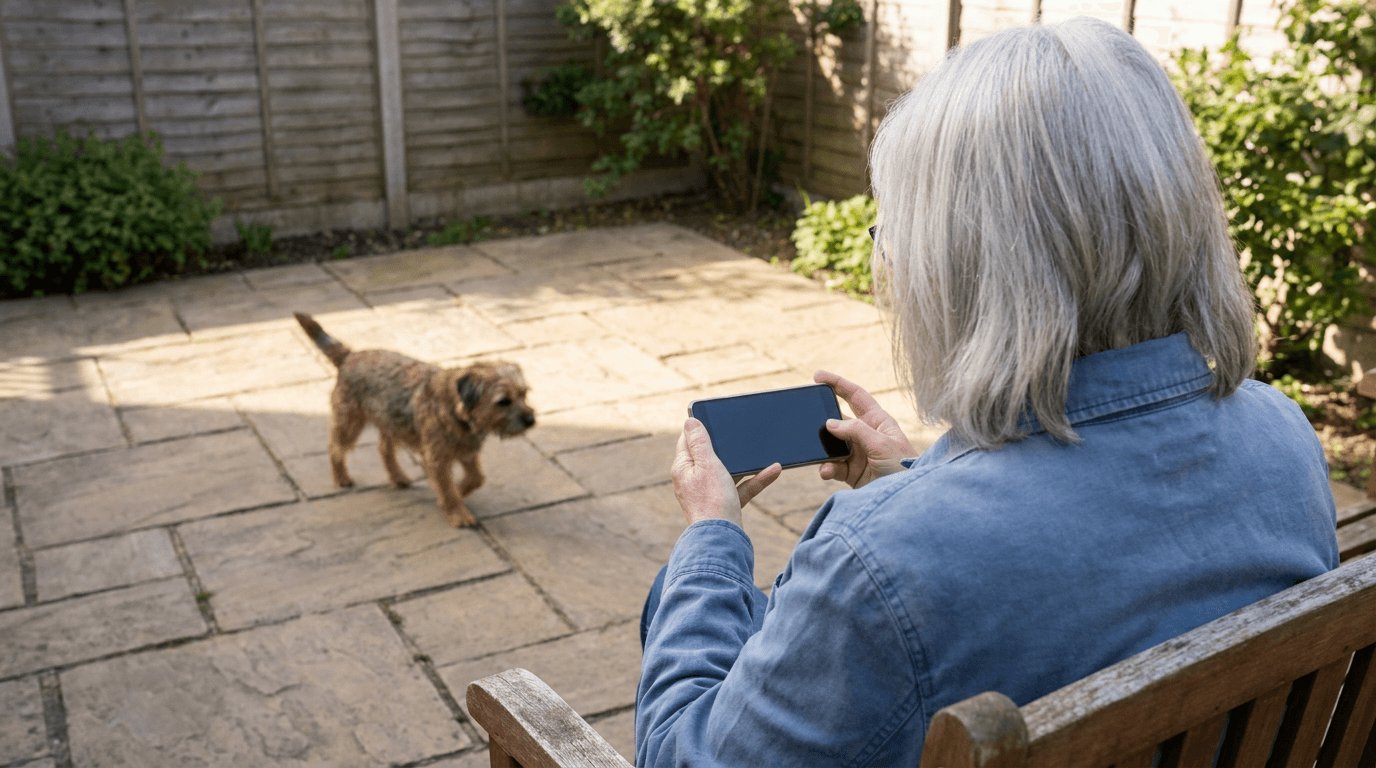
Bring a medication list, including supplements and anything given for pain. Tell the veterinarian about leftover prescriptions or human medicines, even if you gave only one dose. The FDA advises consulting a veterinarian before giving a pet a pain reliever; medicines in a household cabinet are not interchangeable with a dog's prescription.
After the Diagnosis, Plan for Comfortable Movement
Your veterinarian will recommend the next steps based on the cause of the change, the examination, and any tests that are needed. An OA management plan may include weight management, appropriate exercise, changes around the home, and prescription pain control. The AAHA guidelines describe these approaches as parts of an individualized plan.
If your dog is diagnosed with osteoarthritis, ask your veterinarian whether Galliprant® (grapiprant tablets) is appropriate. Galliprant controls pain and inflammation associated with osteoarthritis in dogs. Your veterinarian can discuss your dog's health history, other medications, and monitoring. See the Important Safety Information below and the full prescribing information.
Galliprant's role in the treatment plan
A once-a-day, flavored, chewable tablet, Galliprant could fit into your dog's daily routine.
Galliprant features a unique mode of action, targeting the EP4 receptor, effectively addressing inflammation and pain.
- Monitoring is recommended if used long-term. As a class, NSAIDs may be associated with gastrointestinal, kidney and liver side effects. See the Important Safety Information below.
At follow-up, return to the activities that matter in your dog's day. Is getting up easier? Are they comfortable reaching the door and their resting place? Are the changes you first noticed improving, persisting, or worsening? Those observations help the veterinary team assess the plan without making a successful jump the only measure of progress.
- Ask which activities are appropriate now, and which should wait until your dog is reassessed. Include stairs, car entry, play, and the usual walking route in that discussion.
- Confirm when the veterinary team wants an update and which changes should prompt an earlier call. Keep those instructions somewhere everyone caring for your dog can find them.
- Check that you understand the medication instructions and any monitoring appointments before leaving. If something is unclear later, contact the clinic rather than guessing.
Frequently Asked Questions
The first signs of intervertebral disc disease, or IVDD, in dogs may include spinal pain, reluctance to move, or a change in posture before more obvious weakness appears. Signs vary, and a dog who avoids jumping may have another condition entirely. The American College of Veterinary Surgeons describes a range of possible neurologic signs. A veterinary examination is needed; do not use a symptom list as a home diagnostic test.
A dog who is shaking and not jumping up should be assessed in context. Shaking can have several explanations, including pain or distress. Contact your veterinarian and report when it began, whether your dog is walking normally, and any change in appetite, alertness, or breathing. If your dog cannot stand or walk or seems severely unwell, seek urgent veterinary care instead of waiting to see whether the shaking passes.
Jumping up and jumping down are different tasks, and willingness to do one does not show that either is comfortable or safe. A dog may still attempt a familiar movement despite a problem. Avoid repeated tests, prevent unsupervised jumps, and tell your veterinarian about the difference you noticed. Describe the height and surface involved without encouraging another attempt to demonstrate the pattern.
Indication:
Galliprant controls pain and inflammation associated with osteoarthritis in dogs.
Important Safety Information
For use in dogs only. Keep this and all medications out of reach of children and pets to prevent accidental ingestion or overdose. Galliprant is a non-COX inhibiting NSAID. As a class, NSAIDs may be associated with gastrointestinal, kidney and liver side effects. Evaluation for pre-existing conditions and regular monitoring are recommended. Do not use in dogs that have a hypersensitivity to grapiprant. Concomitant use of Galliprant with other NSAIDs or corticosteroids should be avoided. Concurrent use with other anti-inflammatory drugs or protein-bound drugs including cardiac, anticonvulsant and behavioral medications has not been studied. The safe use of Galliprant has not been evaluated in dogs younger than 9 months of age and less than 8 lbs., dogs used for breeding, pregnant or nursing dogs, or dogs with cardiac disease. Side effects associated with Galliprant may include diarrhea, soft mucoid stools, vomiting, and decreased appetite. Contact your veterinarian immediately if you think your dog may have a medical problem or side effect while on Galliprant. Visit http://elancolabels.com/us/galliprant for full prescribing information.
Approved brand reference
Elanco Galliprant Pet Owner Brochure, PM-US-25-0717(2), supplied 2026 approved version, pages 2–3. Brand indication and Important Safety Information follow this supplied document. Other clinical sources are linked where discussed.
BVMS, MRCVS
Dr. Pippa Elliott, BVMS, MRCVS, is a veterinarian with nearly 30 years of experience in companion animal practice. Dr. Elliott earned her Bachelor of Veterinary Medicine and Surgery from the University of Glasgow. She was also designated a Member of the Royal College of Veterinary Surgeons. Married with 2 grown-up kids, Dr. Elliott has a naughty Puggle named Poggle, 3 cats and a bearded dragon.
Sign up for expert-backed reviews and safety alerts all in one place.
A Final Word (Disclaimer)
At Petful, our review integrity is paramount; we never exchange special treatment in our reviews for monetary or material rewards.
Nonetheless, when our readers click through to online merchants (including Chewy or Amazon), we receive a referral commission. This supports the running of our free blog, and we appreciate your backing.