Dog Head Tilt: Causes, Symptoms, and Treatment
It might not be as serious as you think.

BVMS, MRCVS

This pet health content was written by a veterinarian, Dr. Pippa Elliott, BVMS, MRCVS. It was last reviewed December 6, 2024

Sign up for expert-backed reviews and safety alerts all in one place.
Why Does a Dog Develop a Head Tilt?
When your dog suddenly develops a head tilt, it’s natural to worry about the worst. Questions like, Has he had a stroke? Could it be a brain tumor? or Is he going to die? may flood your mind.
While the signs can be alarming—especially if your dog staggers drunkenly to greet you—the cause isn’t always as dire as it seems. Common issues like strokes or brain tumors can lead to a dog head tilt, but a condition called “old dog vestibular syndrome” is actually far more common and often has a better prognosis.
Instead of jumping to conclusions, let’s explore some of the potential causes of a dog head tilt.
- Strokes: Learn more about the symptoms of a stroke in dogs to identify if this could be the issue.
- Brain Tumors: While less common, they remain a possibility that requires veterinary attention.
- Vestibular Syndrome: Often mistaken for something more severe, this condition is common in older dogs and typically improves with time and supportive care.
 Sponsored
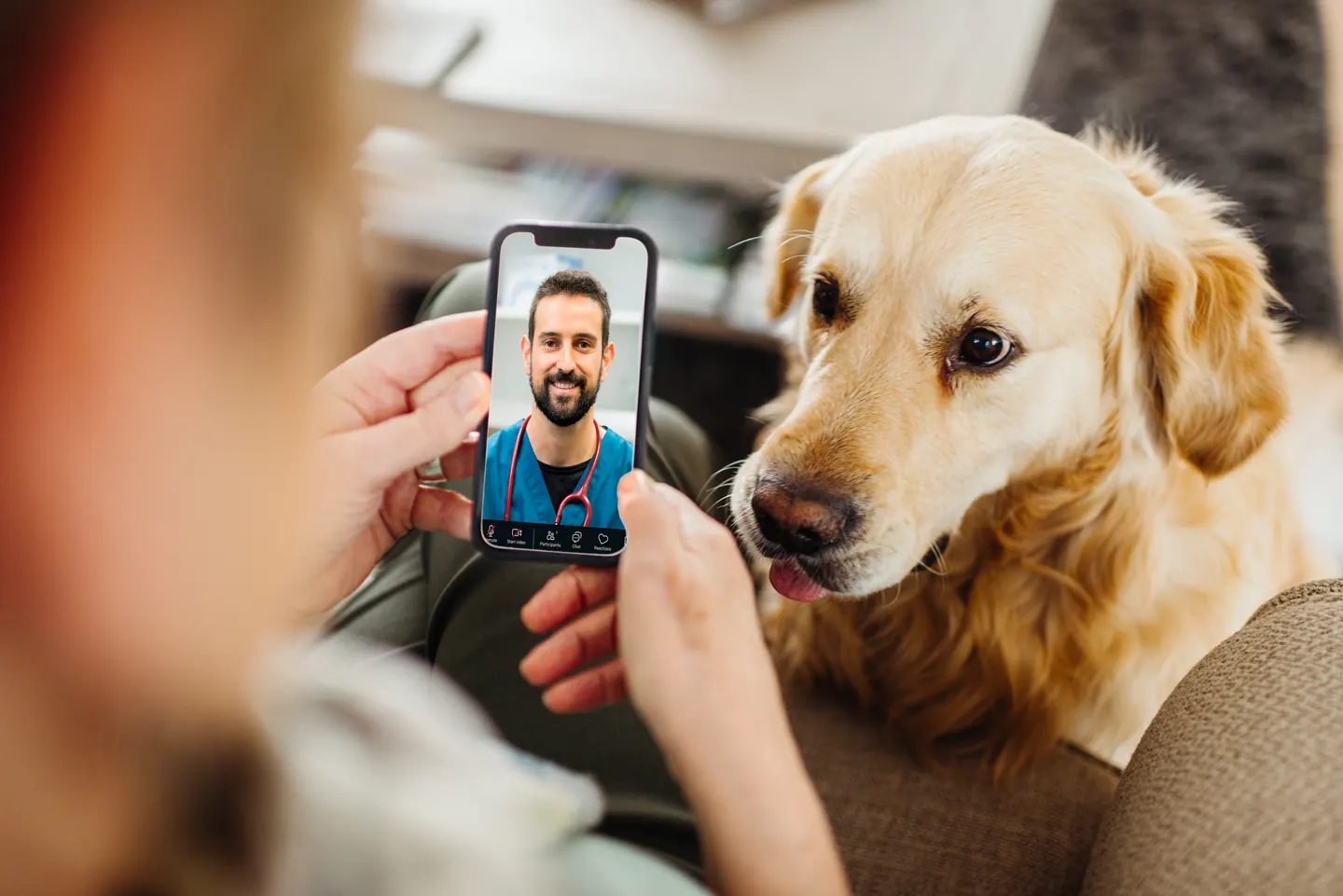
Have a health question about your dog?
Talk to a licensed vet at Dutch over video or message, including nights and weekends.
Use code Pets60
Plans start at $12/month · covers up to 5 pets
- Licensed vets in most states
- Rx for 150+ conditions
- 4.7 on Trustpilot
What Causes a Dog Head Tilt?
A dog head tilt is not a diagnosis but rather a symptom of an underlying issue. The cause can often be traced to one of three main areas: the ear, the balance organ, or the brain.
Ear Problems
The ear is a common source of head tilt in dogs. Issues in the ear canal or surrounding structures may include:
- Ear Infections: A sore ear could indicate an infection. Lift your dog’s ear flap and check for a foul smell or discharge.
- Foxtail Stuck in the Ear Canal: Foreign objects like foxtails can irritate the ear. Learn more about how foxtails affect dogs.
- Reactions to Ear Drops: Certain ear medications may cause irritation or discomfort.
- Ear Polyps: These fleshy growths within the ear chamber can lead to balance issues.
Balance Organ Problems
The balance organ, located in the inner ear, provides critical information about orientation and movement. Disruptions here can lead to a dog head tilt:
- Severe Inner Ear Infections: These can occur if an ear infection spreads inward.
- Drug Side Effects: Certain medications may inadvertently damage the balance organ.
- Vestibular Disease: This sudden-onset condition, often seen in older dogs, has no known cause but typically resolves with supportive care. Learn more about old dog vestibular disease.
Brain-Related Causes
Although less common, the brain can also be the source of a dog head tilt. Potential causes include:
- Strokes: Blood clots in the brain can disrupt balance.
- Tumors: These are rare but serious conditions requiring immediate attention.
- Trauma: Head injuries can impair balance and coordination.
- Infections: Conditions like meningitis may affect the brain. Learn more about meningitis in dogs.

What to Do If Your Dog Has a Head Tilt
If you notice your dog has a head tilt, don’t panic. Stay calm and observe your dog’s behavior closely. Make a note of any symptoms and, if possible, video record your dog to help the veterinarian understand what’s happening.
Signs to Watch For
Look beyond the head tilt for additional symptoms that could indicate the underlying issue: Staggering as if drunk Walking in circles Vomiting: Learn more about vomiting in dogs.
- Loss of Appetite: Check out tips on helping a pet that won’t eat.
- Eyes flicking side to side (or up and down)
- A confused mental state
 Sponsored
Vet care that's always there
Unlimited video calls and messaging with licensed vets for less than a typical vet visit. One membership covers up to five pets.
Use code Pets60
Plans start at $12/month · covers up to 5 pets
- Licensed vets in most states
- Rx for 150+ conditions
- 4.7 on Trustpilot
Immediate Steps to Take
- Ensure your dog is in a safe place where they can’t fall or injure themselves, such as near stairs.
- If your dog has difficulty getting up, provide a soft bed and place a bowl of water within easy reach.
- Call your veterinarian. For balance issues or vomiting, seek an urgent appointment. If you suspect an ear infection, a same-day visit will suffice.
- As a precaution, avoid feeding your dog in case sedation is required for tests.
Veterinary Assessment
The veterinarian will observe your dog’s movements, check coordination, and assess awareness of their surroundings. A thorough examination will determine whether the issue is linked to the ear, balance organ, or brain.
Diagnosis and Action Plan
Based on the physical exam, the vet will devise a plan of action, which may include:
- Sedation to examine the ear canal for infections or foreign objects.
- Imaging tests like X-rays or MRIs to evaluate the brain or inner ear.
For additional insights into this condition, read about head tilt in dogs.
Watch this courageous dog pull through a bout of old dog vestibular syndrome:
Outlook for a Dog Head Tilt
The outlook for a dog head tilt depends on the underlying cause, but there is often hope for recovery, especially with prompt veterinary care.
Ear Infections
The prognosis for ear infections is excellent. Once the appropriate antibiotics are administered, most dogs return to normal. Learn more about effective treatments for dog ear infections.
Vestibular Syndrome in Older Dogs
In older dogs, the most common cause of a sudden head tilt is “old dog vestibular syndrome.” This condition resembles severe vertigo in humans, causing: Nausea Loss of balance A tilted head
The good news is that vestibular syndrome often resolves on its own within 1–2 weeks. Treatment focuses on managing nausea to encourage eating and providing nursing care to prevent pressure sores. Some dogs may recover with a slight permanent head tilt but can otherwise lead a normal life.
Serious Conditions
While less common, conditions such as strokes or brain tumors can cause a dog head tilt. These are more serious and may require intensive treatment. However, these causes are rare, so it’s important to seek a veterinarian’s opinion before assuming the worst.
By addressing the underlying issue quickly, there’s a good chance your dog will be on the road to recovery soon.
Frequently Asked Questions (FAQ)
A sudden head tilt in your dog may indicate issues like an ear infection, vestibular syndrome, or a neurological problem.
Yes, some smart dogs may tilt their head to better understand or focus on sounds or visual cues.
A head tilt in dogs often signals an underlying issue with the ear, balance organ, or brain.
Yes, dogs often tilt their heads when curious or trying to understand something unusual.
BVMS, MRCVS
Dr. Pippa Elliott, BVMS, MRCVS, is a veterinarian with nearly 30 years of experience in companion animal practice. Dr. Elliott earned her Bachelor of Veterinary Medicine and Surgery from the University of Glasgow. She was also designated a Member of the Royal College of Veterinary Surgeons. Married with 2 grown-up kids, Dr. Elliott has a naughty Puggle named Poggle, 3 cats and a bearded dragon.
Sign up for expert-backed reviews and safety alerts all in one place.