Bordetella Vaccine for Dogs: Kennel Cough Protection
A veterinarian's guide to the Bordetella (kennel cough) vaccine for dogs: what it protects against, oral vs intranasal vs injectable, who needs it, the booster schedule, cost, and side effects.

BVMS, MRCVS
Petful is reader supported. As an affiliate of platforms like Amazon and Chewy, we may earn a commission when you buy through links on this page. There is no extra cost to you.
The bordetella vaccine for dogs protects against *Bordetella bronchiseptica*, the bacterium most often behind kennel cough, a highly contagious respiratory infection that spreads wherever dogs gather. Veterinary guidelines classify it as a non-core, lifestyle vaccine: your dog needs it if they board, attend daycare, visit the groomer, take training classes, or spend time at dog parks. Most of those facilities will not let your dog through the door without proof of a Bordetella shot given in the last 6 to 12 months.
This vet-written guide explains exactly what the vaccine covers, how the oral, intranasal, and injectable versions differ, who genuinely needs it, how often to booster, what it costs, and which side effects are normal. The goal is a clear, printable answer you can act on before your next boarding stay or grooming appointment.
Petful may earn a commission when you click through to Chewy, at no extra cost to you.
- 1The Bordetella vaccine guards against kennel cough, the most common contagious respiratory infection in dogs.
- 2It comes in three forms (oral, intranasal, and injectable), and most boarding, daycare, and grooming facilities require proof within the past 6 to 12 months.
- 3Bordetella is a non-core "lifestyle" vaccine: dogs with social exposure need it, and protection lasts roughly 6 to 12 months.

Sign up for expert-backed reviews and safety alerts all in one place.
What the Bordetella Vaccine Protects Against
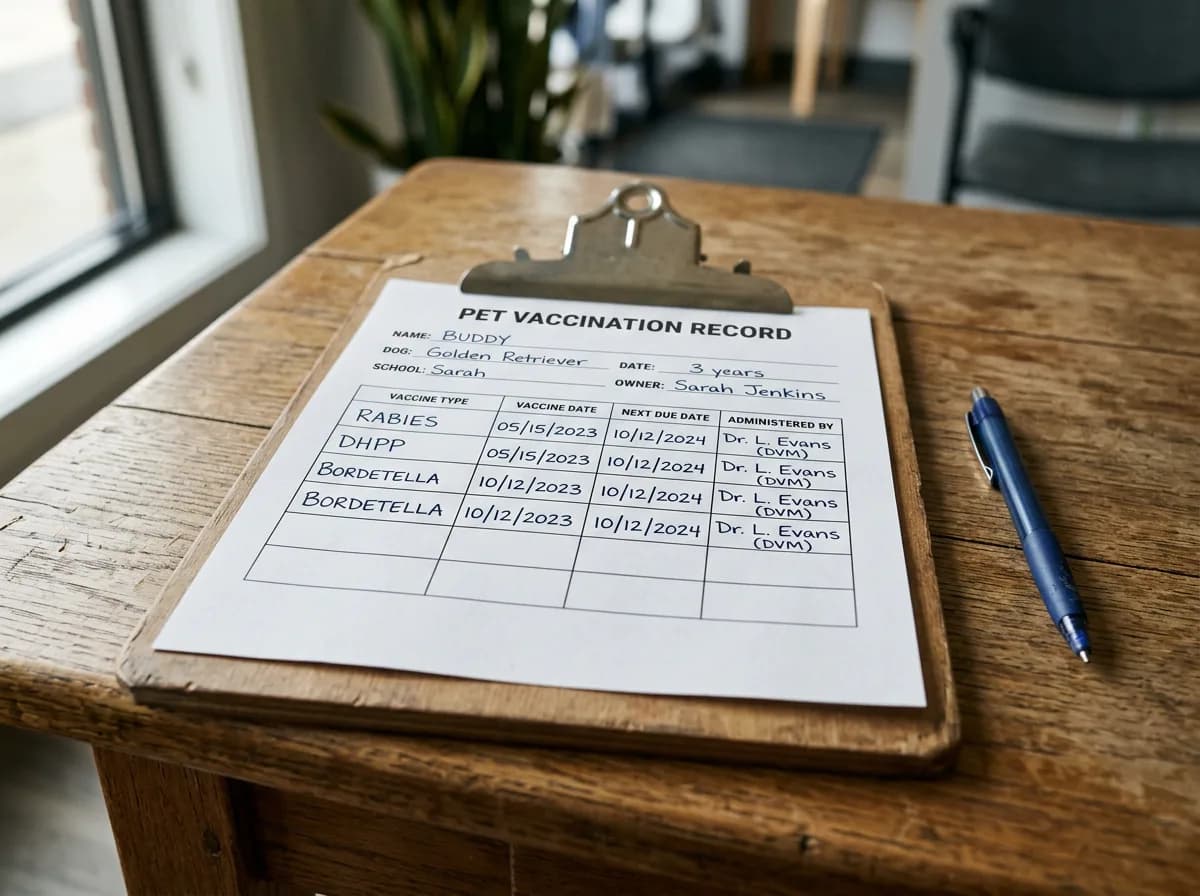
Kennel cough is not a single germ. Veterinarians call it canine infectious respiratory disease complex (CIRDC), and *Bordetella bronchiseptica* is its most common bacterial cause. The Bordetella vaccine targets that bacterium, and many versions also cover canine parainfluenza virus, a frequent co-conspirator. When a dog inhales these pathogens, the lining of the windpipe and lower airways becomes inflamed, producing the hallmark dry, honking cough that can last one to three weeks.
Bordetella spreads through the air, on shared water bowls, and on toys, so it thrives anywhere dogs mix. That makes it very different from the core vaccines every dog needs regardless of lifestyle. Core protection covers distemper, the viruses bundled in the DHPP/DHLPP combination shot, leptospirosis, and rabies, which is required by law almost everywhere. Bordetella sits in the non-core, lifestyle tier alongside shots like the Lyme vaccine: recommended based on where your dog goes and what they do. For the full picture of how the pieces fit together, see our pet vaccination overview and the complete puppy vaccination schedule.
Most kennel cough is mild and self-limiting in an otherwise healthy adult dog. The vaccine matters because the disease is miserable, spreads fast, and can turn serious in puppies, senior dogs, and animals with other health problems, according to the American Veterinary Medical Association (avma.org).
Who Needs the Bordetella Vaccine? Is It Really Necessary?
Yes, the Bordetella vaccine is necessary for the large majority of dogs, because most dogs come into contact with other dogs at some point. The American Animal Hospital Association (aaha.org) recommends it for any dog with even occasional social exposure. Your dog is a clear candidate if they:

A durable rubber dog toy that can be stuffed with treats and selected by the manufacturer's size guide; supervise use and retire it when damaged.
Petful may earn a commission when you click through to Chewy, at no extra cost to you.
- Stay at a boarding kennel or use a pet sitter's home with other dogs
- Attend doggy daycare, group training, or puppy socialization classes
- Visit a grooming salon
- Go to dog parks, dog beaches, or off-leash trails
- Attend shows, sporting events, or trials
- Live in a multi-dog household or a shelter/rescue environment
The practical reality is that the choice is often made for you: boarding, daycare, and grooming businesses require proof of a current Bordetella vaccine as a condition of service, both to protect their other clients and to limit their own liability.
Can I Skip the Bordetella Vaccine?
You can reasonably skip it only if your dog is genuinely low-exposure: a solo pet who never boards, never visits the groomer, and does not socialize with dogs outside the household. Talk it through with your veterinarian, who will weigh your dog's lifestyle, age, and health. Keep in mind that plans change. A single unplanned boarding stay for a family emergency can leave you scrambling, because the vaccine needs to be given before exposure, not the morning you drop off.

Petful may earn a commission when you click through to Chewy, at no extra cost to you.
- Vaccinated dogs are not protected instantly. Schedule the Bordetella vaccine at least 5 to 7 days before a boarding stay, daycare start date, or grooming appointment so immunity has time to develop and the paperwork is on file.
Oral vs. Intranasal vs. Injectable: The Three Bordetella Vaccines
The Bordetella vaccine comes in three delivery forms, and they are not interchangeable. Your veterinarian chooses based on your dog's age, temperament, and how quickly protection is needed.
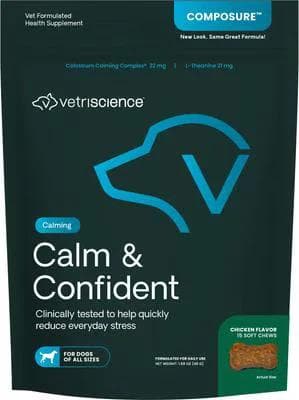
Clinically tested vet-formulated chews with a colostrum calming complex, L-theanine, and thiamine to quickly ease everyday stress, thunderstorms, and anxiety.
Petful may earn a commission when you click through to Chewy, at no extra cost to you.
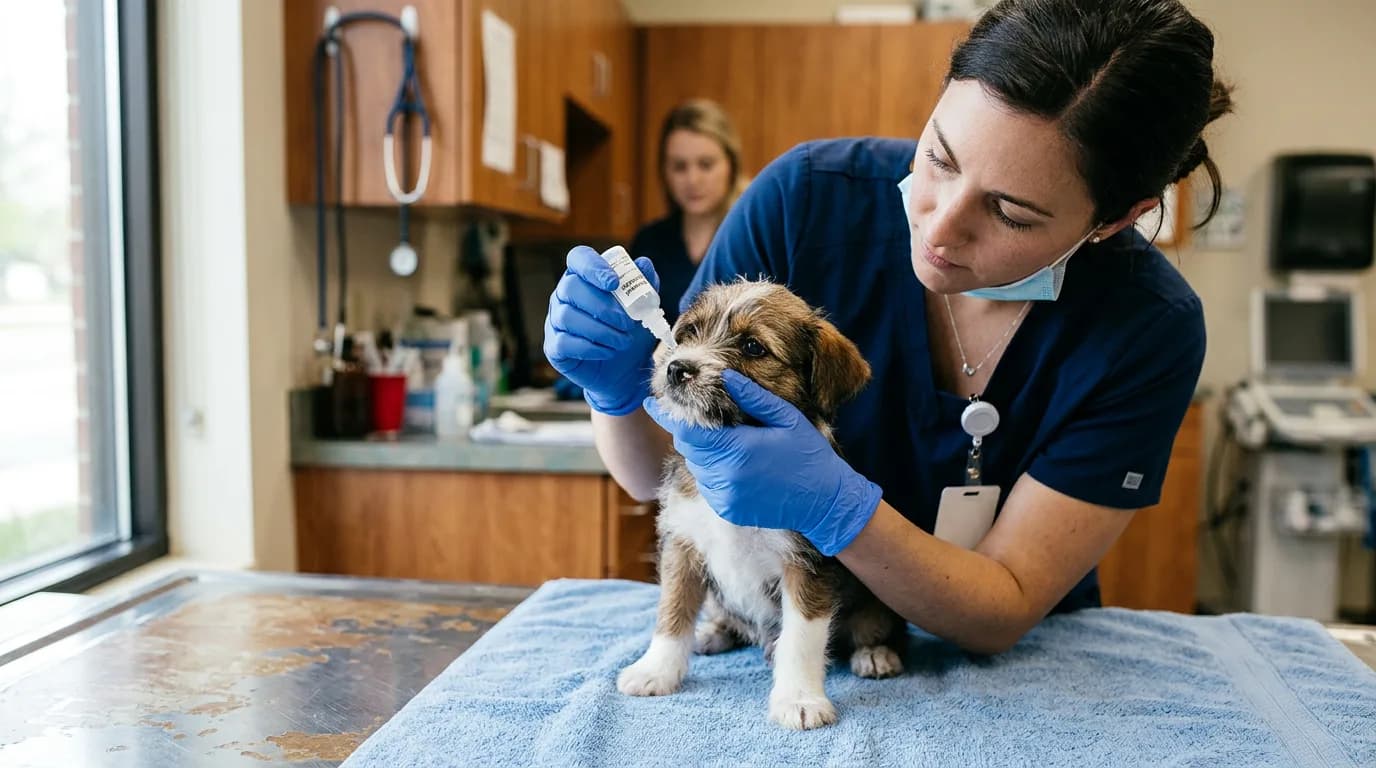
- Intranasal (nose drops): Squirted into the nostrils, this mucosal vaccine builds immunity right where infection starts, in the lining of the airways. A single dose protects previously unvaccinated dogs of any age, and immunity can develop within about 48 to 72 hours, per AAHA (aaha.org). It is the fastest option before boarding.
- Oral (in the mouth): Given as a liquid into the cheek pouch, this is another mucosal single-dose option, well suited to dogs that squirm away from nose drops. It is typically used in dogs 7 to 8 weeks and older.
- Injectable (under the skin): A killed vaccine given as a shot. Unlike the mucosal forms, previously unvaccinated dogs need two doses 2 to 4 weeks apart for the initial series, and full protection lags behind the mucosal options. It is a good fit for dogs that will not tolerate the nose or mouth routes.
| Vaccine Form | Earliest Age | Initial Series | Onset of Immunity | Booster Frequency |
|---|---|---|---|---|
| Intranasal (nose drops) | 3–4 weeks | 1 dose | ~48–72 hours | Every 6–12 months |
| Oral (mouth) | 7–8 weeks | 1 dose | ~72 hours | Every 12 months |
| Injectable (under the skin) | 6–8 weeks | 2 doses, 2–4 weeks apart | ~1 week after 2nd dose | Every 12 months |
Bordetella Vaccine Schedule: How Often Do Dogs Need Bordetella Shots?
Most dogs need a Bordetella booster once every 12 months, and high-exposure dogs (frequent boarders, daycare regulars, show dogs) are often boostered every 6 months, according to AAHA (aaha.org). Puppies can start the intranasal or oral form as early as 3 to 8 weeks depending on the product, while the injectable series usually begins around 6 to 8 weeks with a second dose 2 to 4 weeks later.
Timing to the exposure matters as much as the calendar. Because immunity takes several days to build and many facilities want the vaccine given at least a week in advance, schedule it well before a trip rather than the day before. If your dog's paperwork lapses, most facilities treat an expired Bordetella vaccine the same as no vaccine at all, so keep a note of the exact date it was given and when the next one is due.
What Happens If Your Dog Doesn't Get the Bordetella Vaccine?
Two things happen if your dog skips the Bordetella vaccine. First, they are more likely to catch and spread kennel cough when they are around other dogs, and while most cases are mild, the cough is exhausting and highly contagious. Second, they will almost certainly be turned away from boarding kennels, daycare, and many grooming salons, because current proof is a condition of entry.
For most healthy adult dogs, an unvaccinated bout of kennel cough means one to three weeks of a dry, honking cough, sometimes with a runny nose or low energy, that resolves with rest and, when needed, medication from your vet. The bigger concern is vulnerable dogs. In young puppies, senior dogs, and animals with heart or airway disease or weakened immune systems, kennel cough can progress to pneumonia, which is serious and occasionally life-threatening. The vaccine does not guarantee your dog never coughs, but it makes infection less likely and typically milder.
Bordetella Vaccine Side Effects: What Is Normal and What Is Not
The Bordetella vaccine has a strong safety record, and reactions are usually mild and short-lived. With the intranasal and oral forms, some dogs sneeze, cough, or have a little clear nasal discharge for a few days as the local immune response ramps up. With the injectable form, you may notice mild soreness or a small firm lump at the injection site, plus a day of lower energy or reduced appetite. These self-resolve within 24 to 72 hours.
- Serious reactions are rare, but contact your veterinarian promptly if your dog develops facial swelling, hives, repeated vomiting or diarrhea, difficulty breathing, collapse, or a cough that worsens or lasts beyond a few days. These can signal an allergic reaction or a genuine infection that needs treatment.
Proof, Paperwork, and Boarding Requirements
Before you travel, confirm exactly what your facility asks for. Requirements vary, but the common thread is a dated vaccination certificate from a licensed veterinarian showing the Bordetella shot is current, usually within the past 6 to 12 months, alongside rabies and often the DHPP combination. Grooming salons tend to be the most relaxed and boarding kennels the strictest.
Service dogs are held to the same medical standards as any other dog. The Americans with Disabilities Act (ada.gov) protects a service dog's access rights, but it does not exempt the dog from local vaccination laws or a facility's health requirements, so keep a service dog's Bordetella and rabies records current too. If you are new to the category, our guide to the types of service dogs explains the working roles these dogs fill.
| Facility | Bordetella Proof Needed | Also Commonly Required |
|---|---|---|
| Boarding kennel | Within last 6–12 months | Rabies, DHPP |
| Doggy daycare | Within last 6–12 months | Rabies, DHPP, sometimes canine flu |
| Grooming salon | Within last 12 months | Rabies |
Start a single record of your dog’s health paperwork from the very first visit. A digital pet profile like MyPetID keeps vaccination dates, deworming, the microchip number, and vet records in one place, so you always have proof of what your puppy has had and what is due next, whether it is for boarding, travel, grooming, or a new vet.
How Much Does the Bordetella Vaccine Cost?
The Bordetella vaccine is one of the more affordable shots your dog will get. At a full-service veterinary clinic, expect roughly $19 to $45 for the vaccine, though an office visit or exam fee can add to the total on a first visit. Low-cost vaccine clinics and shelters often provide it for less, and big-box pet store clinics offer walk-in service with same-day paperwork. Costs vary by region and by whether the vaccine is bundled with a wellness exam.
| Setting | Typical Price Range | Notes |
|---|---|---|
| Full-service vet clinic | $19–$45 | May be added to an exam or office fee |
| Low-cost or shot clinic | $10–$30 | Vaccine only, no exam |
| Big-box pet store clinic | $20–$35 | Walk-in, records provided same day |
Weighed against the price of treating pneumonia, or the cost of a canceled trip when a kennel turns your dog away at check-in, the vaccine is inexpensive insurance for any dog with a social life.
Where Can You Get the Bordetella Vaccine for Your Dog?
You can get your dog's Bordetella vaccine in more places than a regular veterinary office. The four most common options are:
- Your primary veterinarian. The most widely accepted choice, and the one that automatically produces the vet-signed record most boarders and groomers require.
- Low-cost or nonprofit vaccine clinics. Many county shelters, Humane Society chapters, and mobile clinics offer it for a fraction of a full office visit.
- Pet-store clinics. Petco (through its Vetco clinics) and PetSmart (through in-store Banfield locations) run walk-in vaccine days that include Bordetella.
- Farm and feed stores. Retailers such as Tractor Supply sell intranasal and injectable Bordetella vaccine over the counter in states that allow it, for owners who give it themselves.
If you are vaccinating so your dog can board, attend daycare, or be groomed, confirm what the facility accepts before you choose. Most require the shot to be given and documented by a licensed veterinarian, so an owner-administered dose from a feed store often will not satisfy their proof requirement. If you do buy it to administer at home, keep the vaccine refrigerated and use it before its expiration date.
Do Senior and Older Dogs Still Need the Bordetella Vaccine?
Yes, a healthy senior dog can still receive the Bordetella vaccine, and age by itself is not a reason to skip it. Bordetella is a lifestyle (non-core) vaccine, so the real question at any age is exposure, not the number on the birthday chart. An older dog who boards, visits the groomer, goes to daycare, or socializes with other dogs faces the same kennel-cough risk as a younger one and benefits from the same protection.
The vaccine is considered safe for healthy older dogs, with the same mild, short-lived reactions seen in younger adults. Two situations are worth a conversation with your veterinarian first:
- A truly homebound senior. With no grooming, boarding, or dog-to-dog contact, an older dog has little to gain and can reasonably go without it.
- A dog on steroids or other immune-suppressing medication, or one with a serious ongoing illness, may do better with the injectable (killed) form than with the intranasal or oral live versions.
Your vet can weigh your senior dog's health against its lifestyle and confirm which product, if any, is the right fit.
There is no single trade name. Common brands include Bronchi-Shield, Nobivac, Recombitek, and Vanguard, and your clinic may simply list it as "Bordetella" or the "kennel cough vaccine" on the record. It earns that nickname because Bordetella bronchiseptica is a leading cause of kennel cough.
Not exactly. Many intranasal products bundle Bordetella with canine parainfluenza, and sometimes adenovirus type 2, because parainfluenza is another kennel-cough contributor. A combination dose covers more of the illness in one step, but the added parainfluenza is not required for Bordetella protection on its own.
For most dogs, yes. Any dog that boards, attends daycare, visits the groomer, takes classes, or goes to dog parks should be vaccinated, and those facilities typically require it. A truly solo dog with no dog-to-dog contact may be able to skip it after a conversation with the veterinarian.
Most dogs need a booster every 12 months, and high-exposure dogs such as frequent boarders and show dogs are often boostered every 6 months. Puppies start the intranasal or oral form as early as 3 to 8 weeks, while the injectable version needs two initial doses 2 to 4 weeks apart.
Only if your dog genuinely never encounters other dogs and never boards, visits a groomer, or uses daycare. Because plans change and the vaccine must be given before exposure, most veterinarians recommend keeping it current so an unexpected boarding stay is not a problem.
Your dog is more likely to catch and spread kennel cough, and will usually be refused entry at boarding kennels, daycare, and many groomers. In healthy adults the illness is typically mild, but in puppies, seniors, and dogs with other conditions it can progress to pneumonia.
BVMS, MRCVS
Dr. Pippa Elliott, BVMS, MRCVS, is a veterinarian with nearly 30 years of experience in companion animal practice. Dr. Elliott earned her Bachelor of Veterinary Medicine and Surgery from the University of Glasgow. She was also designated a Member of the Royal College of Veterinary Surgeons. Married with 2 grown-up kids, Dr. Elliott has a naughty Puggle named Poggle, 3 cats and a bearded dragon.
Sign up for expert-backed reviews and safety alerts all in one place.