Kangaroos as Pets: Legal, Ethical, and What They Really Need
Thinking about kangaroos as pets after seeing one on a celebrity's farm? Here is the honest breakdown: which US states allow them, what a pet kangaroo costs, what they eat, why welfare advocates oppose private ownership, and kinder alternatives.
Petful is reader supported. As an affiliate of platforms like Amazon and Chewy, we may earn a commission when you buy through links on this page. There is no extra cost to you.
When country star Luke Bryan gave his wife two baby kangaroos for Christmas for the family's Brett's Barn rescue project in Tennessee, the internet did what the internet does: thousands of people immediately wondered whether they could get one too. It is an understandable reaction. Joeys are adorable, the boxing-roo reputation feels cartoonish rather than real, and a quick search turns up breeders in Texas happily advertising bottle-raised babies for a few thousand dollars.
Here is the harder truth. Keeping kangaroos as pets is a legal patchwork, a serious safety gamble, and, according to nearly every macropod welfare expert, an ethical mistake. PETA publicly criticized the Bryan gift for exactly this reason. This guide walks through what the law actually says state by state, how much a pet kangaroo really costs, what a kangaroo eats and genuinely needs to be healthy, how dangerous a mature one can be, and the alternatives that let you love these animals without harming them.
- 1Owning a kangaroo is illegal in Australia and banned outright in most US states; a commonly cited figure is that roughly 13 states permit it, several only with a permit or license.
- 2Even where legal, animal-welfare groups and macropod specialists strongly advise against keeping kangaroos as pets.
- 3A bottle-raised joey runs about $2,000 to $5,000, but permits, fencing, feed, and exotic-vet care push the true lifetime cost far higher.
- 4A single adult kangaroo needs at least an acre of grazing, 6-foot fencing, a specialized browse-and-pellet diet, and the company of other macropods.
- 5Mature males can be dangerously aggressive: a red kangaroo is widely estimated to deliver around 759 pounds of force in one kick.
- 6Better options: visit or sponsor an accredited sanctuary, or book a licensed, supervised macropod encounter.

Sign up for expert-backed reviews and safety alerts all in one place.
Can you have a pet kangaroo? Are kangaroos legal as pets in the US?
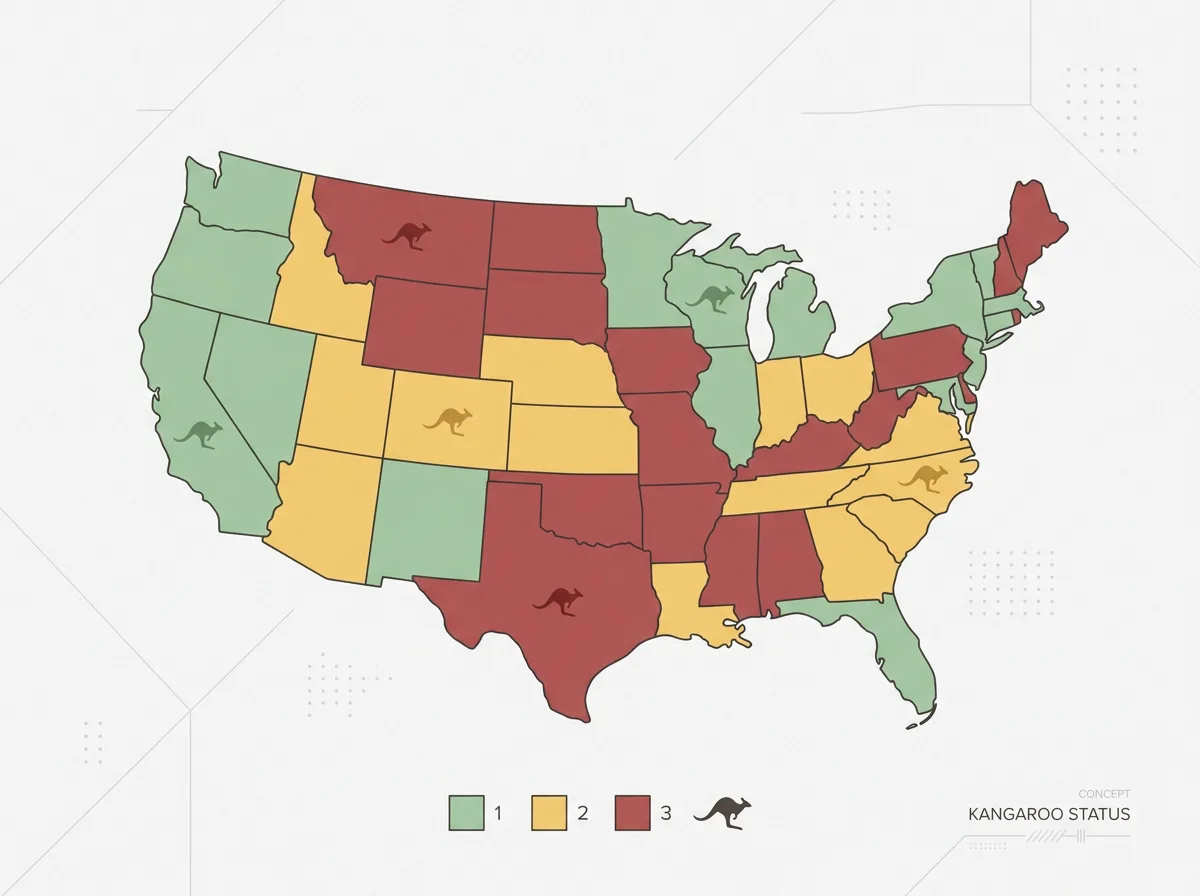
Yes, you can have a pet kangaroo in a minority of US states, but only some allow it and several require an exotic-animal permit. A figure of roughly 13 states is widely cited in news coverage as permitting private kangaroo ownership, though the rules vary by state, county, and even city. In Australia, where kangaroos are native wildlife, keeping one as a pet is illegal nationwide without a wildlife carer license. So whether kangaroos are legal as pets depends entirely on where you live and what paperwork you are willing to chase.

Compare coverage choices for your pet, then request a quote directly on Lemonade.
- Check a price for your pet
- Review available coverage choices
- See the terms before you decide
Eligibility, waiting periods, limits and exclusions apply.
Petful may earn a commission when you click through to Lemonade, at no extra cost to you.
States generally fall into three buckets. Some, like Texas, allow private ownership with relatively light statewide regulation. Others permit it only with a restricted-species or captive-wildlife permit. Many ban it completely. Because county and municipal codes can override a permissive state law, a kangaroo that is legal at the state level can still be illegal on your specific street.
| State | Status | What is typically required |
|---|---|---|
| Texas | Allowed | No statewide exotic permit for kangaroos; check county and city codes |
| Florida | Allowed with permit | Captive-wildlife permit through FWC (macropods are handled as Class III); facility standards apply |
| Some states (e.g. parts of the Midwest) | Allowed with permit | State wildlife breeder, exhibitor, or possession paperwork; often USDA licensing if breeding |
| Some states with light rules | Allowed | Few state restrictions, but local ordinances frequently apply |
| California | Banned | Listed as a restricted species; no private-pet permits issued |
| New York | Banned | Macropods (kangaroos, wallabies) prohibited as pets under state law |
- Exotic-animal laws change often and local ordinances can be stricter than state law. Always confirm current rules with your state wildlife agency (for example, Texas Parks and Wildlife or the Florida Fish and Wildlife Conservation Commission) and your county animal-control office before assuming a kangaroo is legal where you live.
There is no single national registry of states where kangaroos are legal, which is why you see the same rough count repeated rather than an official list. If you are weighing any unusual animal, it is worth reading our broader guidance on doing your homework before buying an exotic pet (https://www.petful.com/pet-health/buying-an-exotic-pets/). The legal questions around kangaroos are some of the thorniest in the exotic world.
How much does a pet kangaroo cost, and are kangaroos for sale as pets?
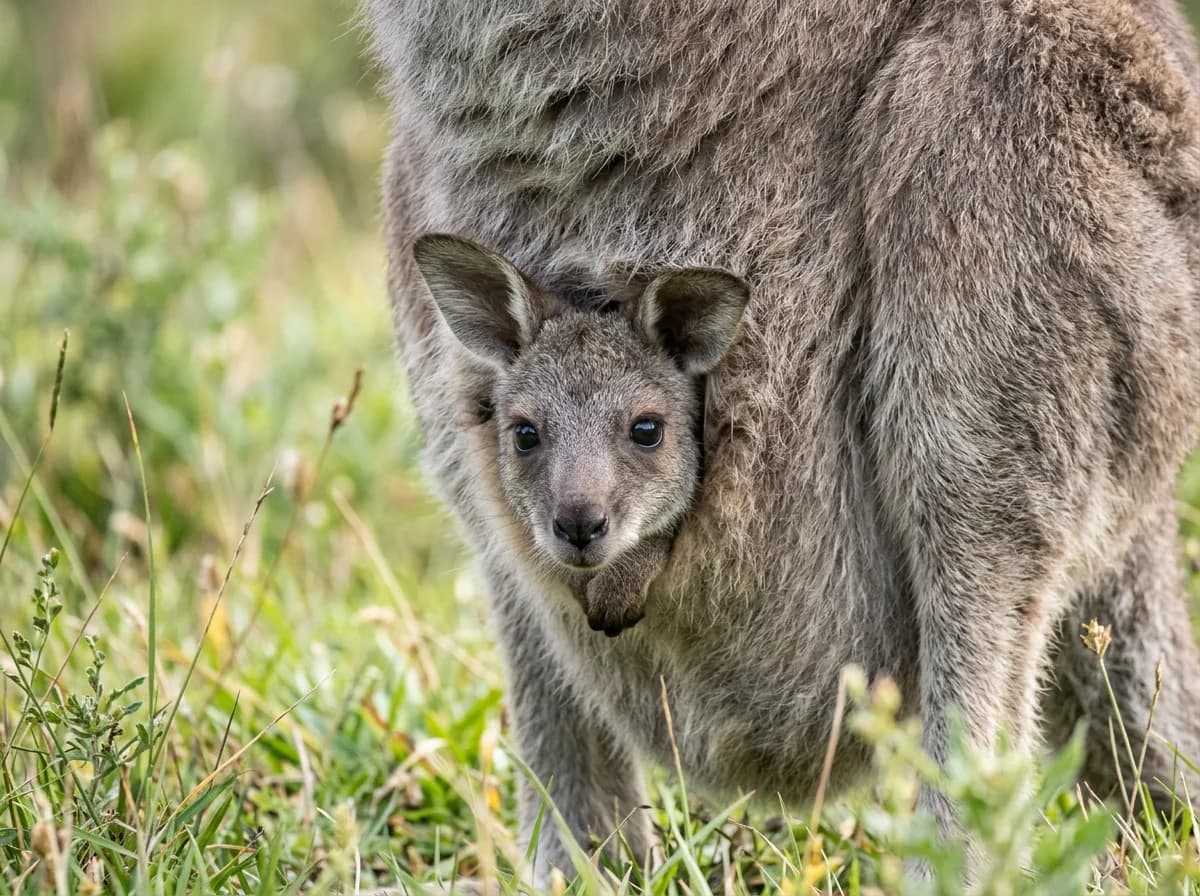
A bottle-raised joey from a US breeder typically costs about $2,000 to $5,000 or more, with one Texas ranch openly listing male red-kangaroo babies around $3,400 and females around $4,900. That price is only the entry ticket. Permits, predator-proof fencing, a dedicated shelter, specialized feed, and exotic-veterinary care push the true lifetime cost far higher, and exotic vets who will even see a kangaroo are scarce.
A separate cost most buyers overlook is the permit itself. Searches for how much a kangaroo permit costs are common, but there is no flat answer: fees depend on the state and the permit class. Florida's captive-wildlife (Class III) route, for example, carries its own application and facility-inspection requirements, and some states price exotic possession or restricted-species permits into the hundreds of dollars on top of build-out costs.

Petful may earn a commission when you click through to Chewy, at no extra cost to you.
Most US sales involve red kangaroos or smaller wallabies, often advertised by ranches in Texas and Oklahoma. The marketing leans hard on the cuddly-joey image. What it rarely shows is the 6-foot adult that arrives a couple of years later with a very different temperament, or that a red kangaroo can live up to about 20 years in captivity, making this a two-decade commitment, not a novelty purchase.
Why do welfare advocates oppose keeping kangaroos as pets?
Animal-welfare organizations and macropod specialists are nearly unanimous: kangaroos are not domesticated, cannot be reliably house-trained, and suffer in captivity. Groups such as PETA and dedicated kangaroo-protection alliances argue that private ownership almost always fails the animal, because the things a kangaroo needs are precisely the things a backyard cannot provide.
Kangaroos are highly social, free-ranging grazers that live in groups called mobs. Isolate one in a suburban yard and you get a stressed, lonely animal. Stress in macropods is not a minor welfare footnote either: it can trigger capture myopathy, an often-fatal muscle condition brought on by fear and over-exertion. The same temperament that makes a wild kangaroo thrive makes a captive pet kangaroo miserable.
- Dogs and cats are domesticated: thousands of years of breeding shaped them to live alongside us. A hand-raised kangaroo is merely tamed. The wild instincts are intact, which is why a docile joey can turn into an unpredictable adult.
This is the same core lesson that applies across the exotic world. Even animals marketed as beginner-friendly come with real trade-offs, as our look at whether sugar gliders make good pets (https://www.petful.com/other-pets/sugar-gliders-good-pets/) explains. With kangaroos, the gap between cute and cruel is simply much wider.
Are kangaroos dangerous? Can a kangaroo kill you with a kick?
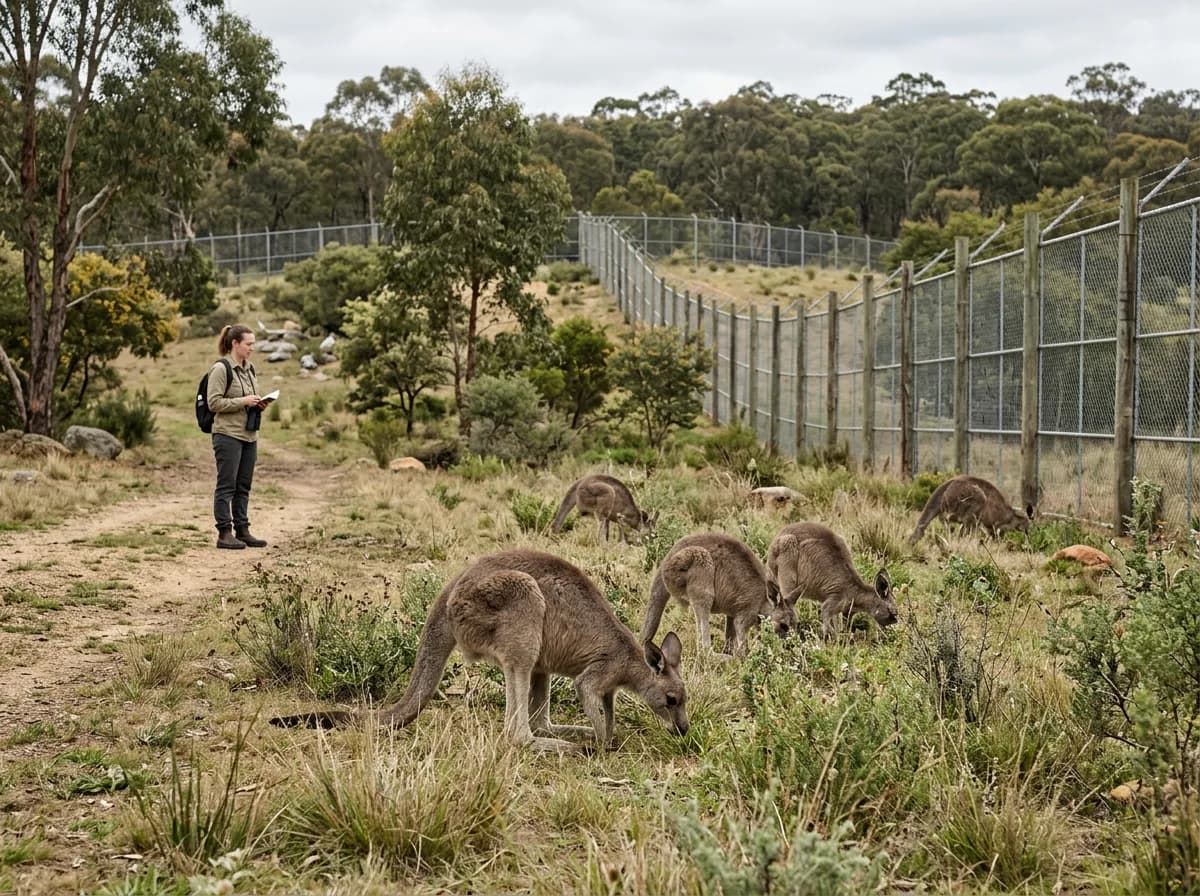
Mature kangaroos, especially intact males, can be genuinely dangerous, and a serious kick can absolutely injure or in rare cases kill a person. A red kangaroo is widely estimated to deliver about 759 pounds of force in a single kick, enough to break bones, rupture organs, or send a grown adult to the hospital. They defend themselves with powerful hind legs and sharp claws, and they can also lean back on their tail to box with their forelegs.
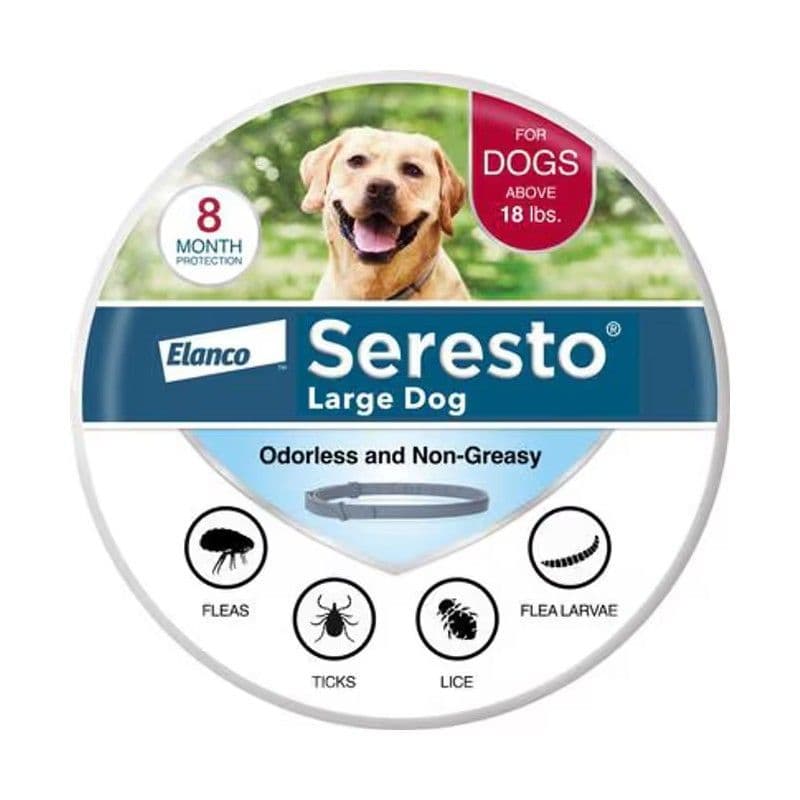
Odorless, non-greasy 8-month flea and tick collar for dogs over 18 lbs that kills and repels fleas and ticks and also kills lice and flea larvae.
Petful may earn a commission when you click through to Chewy, at no extra cost to you.
Fatal attacks are extremely rare. The most commonly cited human death was a 1936 case in Australia, and deaths since are almost unheard of, so kangaroos kill far fewer people than dogs, cattle, or horses do. But serious, well-documented injuries to owners and handlers are common, which is the realistic risk to plan around. Searches like pet kangaroo kills owner spike after viral incidents, yet the everyday danger is a hospital-grade kick, not a fatality.
- If a kangaroo squares up to you, do not turn your back or try to wrestle it. Back away slowly, keep something solid (a fence, a vehicle) between you and the animal, and protect your abdomen. Never let children play unsupervised near an adult kangaroo, and seek medical care for any kick or scratch wound.
Kangaroos can also be a lethal threat to dogs. A cornered kangaroo will sometimes lead a pursuing dog into water and use its forepaws to hold the dog under, and on land a defensive kick can be fatal to a pet. That is one more reason a backyard roo is a poor fit for a household with other animals.
Females and juveniles tend to be calmer, which is why breeders love selling joeys. But hormones change everything. As males reach sexual maturity they become territorial and may treat their human as a rival to spar with. By then you are committed to a large, strong, instinct-driven animal for a lifespan that can reach 20 years or more.
What do kangaroos eat as pets? Diet, space, and social needs
Even setting aside law and ethics, the practical care bar is brutal. Kangaroos are emphatically not house pets: they do not walk on leashes, ride in cars, or do tricks, and they cannot be reliably toilet-trained (joeys may tolerate diapers for a while, but adults grow out of it). Meeting their needs means recreating a slice of the outback, starting with a diet you cannot buy off a pet-store shelf.
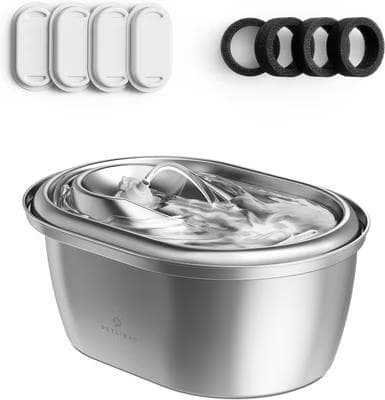
304 food-grade stainless steel pet water fountain, 101 oz. The circulating, filtered water encourages cats to drink more, which supports urinary tract and kidney health.
Petful may earn a commission when you click through to Chewy, at no extra cost to you.
What do kangaroos eat as pets?
Kangaroos are specialized grazers and browsers, so a healthy captive diet combines fresh pasture grass, grass hay, a quality macropod or herbivore pellet, and natural browse such as willow or other safe tree trimmings. Joeys need a species-specific milk replacer on a strict schedule, never cow's milk. The wrong diet causes serious problems: lumpy jaw, a painful bacterial infection of the jawbone, is strongly linked to soft, inappropriate feed and poor husbandry, and it can be fatal.
- There is no bag of 'kangaroo chow' at the pet store that covers everything. Owners must special-order macropod-formulated pellets and source fresh browse year-round, and find an exotic vet who understands macropod nutrition before problems start.
Space and fencing
Minimum enclosure standards experts cite
- At least one acre of grassy grazing space per animal, more for a small mob (some breeders cite a 50-by-50-foot minimum pen per roo as an absolute floor, not a comfortable home).
- Perimeter fencing 6 feet tall to contain their jumping, with mesh small enough that legs cannot get caught.
- Fencing pegged or buried at the base so a startled roo cannot push under it.
- A predator-proof, draft-free shelter with soft bedding, plus supplemental heat in cold climates.
- Locking gates and a secondary containment buffer, because escaped pet kangaroos are a recurring problem in states like Texas.
Social structure
A lone kangaroo is a deprived kangaroo. In the wild they live in mobs and spend their days grazing and interacting. Responsible facilities keep them in compatible groups, never as solitary backyard novelties. They also need careful management around other animals: kangaroos can sometimes coexist with familiar dogs under supervision but should be kept well away from cats, whose feces can transmit toxoplasmosis, a parasite that is dangerous and sometimes fatal to macropods because they did not evolve alongside cats and mount little immune defense.
All of this is why even seasoned exotic keepers tread carefully. Exotic species are notoriously hard to treat when something goes wrong, as one exotic-pet vet explains in our piece on why exotic pets are so difficult to care for (https://www.petful.com/pet-health/exotic-pet-vet-care/), and on how a simple vet visit can stress an exotic animal (https://www.petful.com/pet-health/stress-exotic-pets/).
Happy kangaroo vs. stressed kangaroo: reading the signs
Because stress can be life-threatening for a macropod, anyone around kangaroos should know the difference between a relaxed animal and one in distress. These cues matter at sanctuaries and encounters too, not just in ownership situations.
| Relaxed kangaroo | Stressed kangaroo |
|---|---|
| Grazing calmly, lying down to rest | Pacing the fence line, refusing to settle |
| Soft, loose body posture | Tense, braced posture or repeated thumping of hind feet |
| Steady, normal breathing | Rapid breathing, panting, drooling |
| Curious, gentle approach | Cornered, lunging, or boxing with forelegs |
| Eating and drinking normally | Off feed, hiding, trembling (possible capture myopathy) |
- Trembling, collapse, refusal to eat, or sudden weakness after handling can signal capture myopathy, a medical emergency in kangaroos. Contact an exotic veterinarian immediately rather than waiting to see if it passes.
Ethical alternatives to keeping kangaroos as pets
The good news: you can build a real relationship with these animals without taking one home. Welfare experts point to a few options that are kinder, safer, and often more rewarding than ownership.
Better ways to connect with kangaroos
- Visit or volunteer at an accredited wildlife sanctuary or rescue that rehabilitates orphaned and injured macropods.
- Sponsor or symbolically adopt a kangaroo through a reputable conservation organization, funding its care without owning it.
- Book a licensed, supervised macropod encounter where trained staff manage the animal's welfare and safety.
- Support habitat conservation in Australia, where keeping the species wild and protected does the most good.
- If you want a hands-on companion animal, choose a species genuinely suited to captivity from our roundup of cute exotic pets that are not high-risk (https://www.petful.com/other-pets/cute-exotic-pets/).
Kangaroos are extraordinary animals. The kindest way to honor that is to let them be what they are: wild, social, free-ranging creatures that belong in the outback or in expert care, not in a backyard. Admire the photos, skip the purchase, and put your money toward the sanctuaries doing the work.
Frequently asked questions about kangaroos as pets
Yes, in some states. Kangaroo ownership is legal in a minority of US states (a figure of roughly 13 is widely cited), several of which require an exotic-animal or restricted-species permit, while many states ban it entirely. County and city ordinances can be stricter than state law, so you must verify the rules for your exact location with your state wildlife agency before acquiring one.
You can have a pet kangaroo only in the minority of states that permit it, with roughly 13 states commonly cited as allowing private ownership, often with a permit. Texas is the best-known permissive state, while California, New York, and many others ban it. There is no official national list, so confirm both your state law and local ordinances before assuming kangaroos are legal as pets where you live.
A bottle-raised joey from a US breeder usually costs about $2,000 to $5,000, with some Texas ranches listing males around $3,400 and females around $4,900. That is only the start: permits, predator-proof fencing, shelter, specialized macropod feed, and hard-to-find exotic-vet care make the real lifetime cost far higher across a lifespan that can reach 20 years.
A captive kangaroo eats fresh pasture grass, grass hay, a species-specific macropod or herbivore pellet, and natural browse such as willow trimmings; joeys need a special milk replacer, never cow's milk. There is no all-in-one pet-store food, and a soft or wrong diet is linked to lumpy jaw, a serious and sometimes fatal jaw infection in macropods.
No. Kangaroos are not house pets. They cannot be reliably toilet-trained, do not walk on leashes or ride in cars, and need at least an acre of outdoor grazing space with 6-foot fencing. Welfare experts and macropod specialists advise against keeping them as pets because captivity causes chronic stress that can become life-threatening.
It is possible but very rare. A red kangaroo is widely estimated to kick with around 759 pounds of force, which can break bones or cause severe internal injury, and a defensive kick has killed in extremely isolated cases. Far more common are serious, non-fatal injuries to owners and handlers, so the realistic danger to plan around is a hospital-grade kick rather than death.
Hand-raised joeys can be calm and curious with people, but kangaroos are tamed, not domesticated, so their wild instincts remain intact. Females and juveniles are generally docile, while mature males often become territorial and aggressive, treating their handler as a sparring rival once they reach sexual maturity.
Some habituated kangaroos tolerate gentle contact from familiar caregivers, but they are not naturally cuddly and most do not enjoy sustained petting. Forcing handling can stress them, and because stress can trigger the often-fatal condition capture myopathy, even friendly-seeming kangaroos should be approached calmly and on their terms.
Stay calm and do not turn your back or try to wrestle it. Back away slowly, keep a solid barrier such as a fence or vehicle between you and the animal, and protect your abdomen, since a red kangaroo is estimated to kick with around 759 pounds of force. Seek medical care for any kick or scratch wound.
Kangaroos raised by people can form an attachment to a primary caregiver, but it is not the reciprocal, trainable bond you get with a domesticated dog. The relationship stays fragile and instinct-driven, and it can break down sharply once a male matures and becomes territorial.
Kangaroos instinctively treat dogs like their natural predators, dingoes. A threatened kangaroo may lead a chasing dog into water to hold it under, or deliver a powerful kick with its hind legs. Keep dogs leashed and at a distance whenever kangaroos are around.
It varies widely by state. Where private ownership is legal, permit or license fees commonly run from around $30 to a few hundred dollars per year, plus enclosure inspections, and that is on top of the animal's purchase price and lifetime care costs.
Yes, but it is extremely rare. The only widely documented modern fatality was a 77-year-old man in Western Australia in 2022. Kicks and scratches that cause serious injury are far more common than deaths, which is one reason welfare experts discourage keeping kangaroos as pets.
Related on Petful

Tamar Love Grande, a writer, editor and animal lover, has fostered and found homes for more than 200 Dachshunds over the past few years. She lives in Los Angeles with her husband and pets.
Sign up for expert-backed reviews and safety alerts all in one place.