How to Become a Pet Sitter: A Realistic Look at the Job
Wondering how to become a pet sitter? Here are tips and advice on how to get into pet sitting, what to expect on the job, and some pet sitting requirements.

Petful is reader supported. As an affiliate of platforms like Amazon and Chewy, we may earn a commission when you buy through links on this page. There is no extra cost to you.
So you want to learn how to become a pet sitter. Congratulations.
I am a professional pet sitter and dog walker. On most days, I care for multiple pets within a 24-hour period.
Pet sitting can be deeply rewarding. There is nothing quite like walking into a home and being greeted by an animal who is genuinely happy to see you.
That said, the job is not always easy. Pet sitting involves real responsibility, long days, and situations you may not expect.
In this article, I share honest insights from my own experience. You will learn what to expect, what can be challenging, and whether becoming a pet sitter is the right path for you.
- 1Learning how to become a pet sitter means understanding the realities of the job. Pet sitting is rewarding, but it involves long days, unpredictability, and real responsibility.
- 2Pet sitting includes more than feeding and walking. Clients may request extra tasks, overnight stays, and schedule changes that require flexibility.
- 3Preparation and organization are essential. Notes, backup equipment, clear policies, and good communication help prevent problems.
- 4Not every client is a good fit. Knowing when to set boundaries or walk away protects both you and the pets.
- 5The rewards often outweigh the challenges. Building trust with animals and their families makes the work deeply fulfilling.


Sign up for expert-backed reviews and safety alerts all in one place.
How to Become a Pet Sitter: What I Wish I Had Known First
In a typical day, I juggle multiple home visits to feed, walk, and care for different animals.
Learning how to become a pet sitter means understanding that no two days look the same. The workload can be demanding, but becoming a pet sitter was one of the best professional decisions I have ever made.
When I first started, though, I was not fully prepared for everything the job involved. With more experience, I realized there were several things I wish I had known from the beginning.
Here are five lessons that would have helped me early on when learning how to become a pet sitter.
1. Pet Visits May Take Longer Than Expected
In the initial meeting with the client, I cover how long each visit with a pet is expected to take. Each typical visit lasts from 20–30 minutes, possibly 45 for the pets who need monitoring, medication or care for special needs.
But I often get calls, texts or notes left requesting additional tasks such as: Vacuuming the entire house.
- Walking a set distance (e.g., "Please make sure Trixie walks at least 4 miles"). This makes a 30-minute visit impossible.
- Washing dishes in the sink (not mine).
- Bathing (something I will do this on an overnight job, but not on a 30-minute visit).
- Cooking meals for the pet.
Most pet sitters love what they do and are happy to help if you ask them to complete additional tasks. However, be realistic about time frames, and if you think those extras might take more time, book a double visit.

2. Last-Minute Requests Are Part of the Job
I get a lot of last-minute calls and schedule changes, so I always encourage clients to plan ahead. This helps keep pets calm and routines stable.
From my experience, last-minute requests usually fall into a few categories:
- Sudden schedule changes due to work, traffic, or travel delays
- Unexpected emergencies such as illness, accidents, or family issues
- Poor planning that leaves pets without care during busy times
In The Pet Sitter’s Handbook, author Geri Laverie recommends charging a late booking fee when possible. She explains that a small fee helps set boundaries while still allowing flexibility when you can accommodate the request.
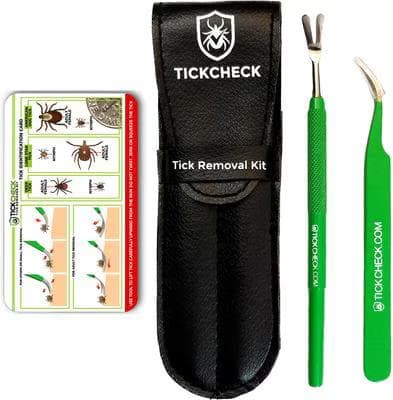
A vet-style tick removal kit with fine-tip tools that grip the tick right at the skin for a clean, straight pull, plus a tick ID card. Easy to keep in your dog-walking bag.
Petful may earn a commission when you click through to Chewy, at no extra cost to you.
This has not been a major issue for me yet, but it is something many people learning how to become a pet sitter should think about early.
When emergencies truly arise, I am always ready to help. Still, advance scheduling benefits everyone, especially the pets. For clients traveling during peak times, it helps to plan pet care well in advance, such as during holidays and other busy seasons. Learn more about arranging for pet care during the holidays here.
Clear policies and realistic expectations make last-minute requests easier to manage.
3. Late-Night Calls Are Part of the Job
If you want to know how to become a pet sitter, understand that your phone will ring at night.
Most people handle pet care planning after work hours. In my experience: Around 70% of calls come in after 7 p.m Calls often continue until 10 p.m Evening availability helps you book more clients
This timing makes sense and becomes normal quickly.
4. Some Clients Forget to Pay
Payment issues happen more often than new sitters expect.
I have ended relationships with clients who repeatedly forgot to pay.
That decision is never easy, especially when you bond with their pets. Keep these realities in mind: Pet sitting is paid work, not a favor Consistent nonpayment is unsustainable Clear payment policies protect your business
Respecting your time is part of being a professional pet sitter. This pet sitter loves her job:
5. People Want Their Dog Walked Off Leash
Many clients ask if their dog can be walked off leash. My answer is always no.
When you learn how to become a pet sitter, you quickly realize that leash rules exist for safety, not convenience.
I keep every dog leashed for several important reasons:
- Dogs respond differently to sitters than they do to their owners
- A distracted dog can bolt after wildlife in seconds
- Traffic and unfamiliar environments increase risk
- Local leash laws must be followed at all times
A dog may listen perfectly to their owner, but that does not guarantee recall with a sitter. Even a well trained dog can panic or chase when startled.
I also follow local leash laws and expect clients to respect them. Breaking the law puts both the dog and the sitter at risk.
If clients want guidance, I share basic expectations around safe walking and responsible leash behavior, including proper off leash etiquette when it is legally allowed. Learn more about Off-Leash Etiquette here
I love what I do, but clear boundaries keep pets safe and relationships professional.

Common Challenges to Expect When You Become a Pet Sitter
If you are learning how to become a pet sitter, it is important to understand the challenges that come with the job.
Pet sitting is rewarding, but it also requires patience, flexibility, and preparation.
Below are five common challenges many professionals face once they become a pet sitter, along with tips to help you handle them confidently.
Knowing what to expect early can make a big difference.
1. Scooping the Poop Is Part of the Job
Cleaning up after pets is nonnegotiable, even if the client is lax about it.
If you are learning how to become a pet sitter, assume pet waste cleanup is always part of the job. Learn more about Dog Poop Etiquette here. Why this matters: Neighbors notice when droppings are left behind. It reflects poorly on you and the client. Complaints can cost you future work.
- It signals professionalism and respect for the community.
- Helpful tools make this easier:
- Waste bags
- Handheld scoopers
- Portable containers for longer walks
Petful has even shared why responsible pet sitters should always scoop the poop, no excuses.
Doing the small things right helps build trust and long term clients.
2. Have a Medical Kit Ready at All Times
When learning how to become a pet sitter, safety preparation matters more than most people expect.
Any pet can bite or scratch, including animals described as friendly or gentle. Being prepared is part of doing the job responsibly. Carry a portable medical kit that includes: Antibacterial cream, such as Neosporin Adhesive bandages in multiple sizes Gauze pads Pain relievers like Advil or Tylenol Hand sanitizer
Even calm pets may react defensively when they feel scared, stressed, or cornered. Sudden exposure to a new person can trigger unexpected behavior.
Pet sitters should always assume that any animal is capable of biting or scratching, regardless of past history. Petful explains this risk clearly in its guide on why any dog can bite, which is worth reviewing before taking on new clients.
Preparation helps protect you, the pet, and the client.

3. Home Away From Home
Many pet sitters, myself included, offer overnight stays as part of their services. This means caring for pets while staying in clients’ homes.
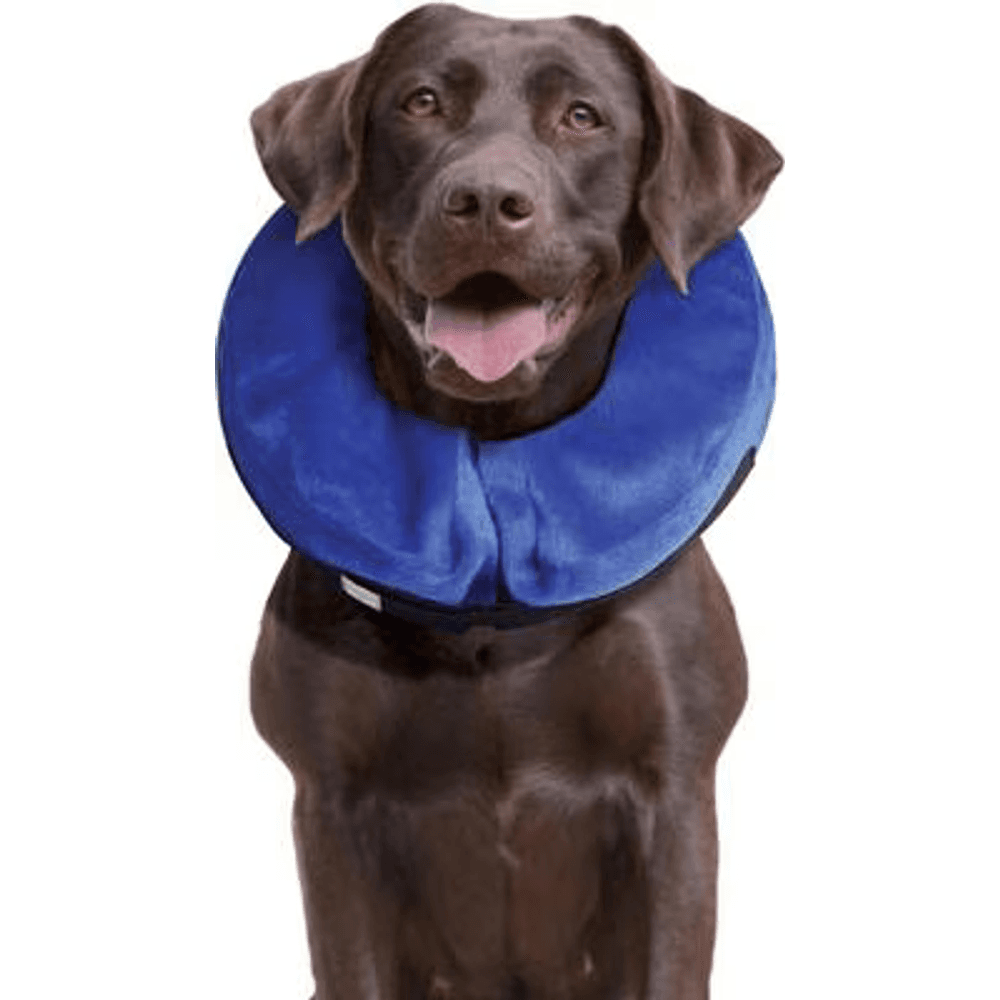
A soft, inflatable donut-style recovery collar that keeps many pets from licking or biting at a healing surgical incision or hot spot while still letting them eat, drink, and sleep in comfort.
Petful may earn a commission when you click through to Chewy, at no extra cost to you.
This adjustment can be harder than expected when learning how to become a pet sitter. Your normal routine rarely applies.
To make overnight jobs easier, preparation is key. Keep a calendar or scheduling app updated daily
- Bring a familiar blanket or pillow to sleep better
- Review pet care notes before bedtime
- Set alarms for early morning potty needs
Every home and pet is different, so flexibility matters. A little planning helps overnight stays feel more manageable and professional.
Speaking of preparation, good notes make all the difference.
4. Take Notes on Every Pet
Pets have very different routines, limits, and triggers. Clear notes help you provide consistent, personalized care.
Great pet sitters come prepared to provide the best care, but it’s impossible to remember everything about every client without a cheat sheet on hand.
Here are just a few of the individualized needs of some of my clients:
- Dog #1: Needs to be walked every 4 hours or she may have an accident. She is also blind — I need to be attentive to ensure she doesn't get injured.
- Dog #2: Extreme anxiety when his humans are away, which manifests in constant barking and occasional accidents. I have to be aware of his body language and respond accordingly.
- Dog #3: Depression when her humans are away, which translates to refusing to eat. She needs comfort, affection and play. She also needs me to sit with her at mealtimes and encourage her to eat.
Before reporting to a job, I review my notes on each client so I'm prepared to give them the best care.
5. Respect Clients' Privacy
Your clients not only trust you with their beloved pets, but also they are allowing you into their home. Respect their privacy: Stay out of rooms that you don’t need to be in. Don’t go through their medicine cabinets.
- Most important, do not post pictures of their pets, their possessions or their homes on social media without permission.
Protect your clients' privacy and maintain their security as vigilantly as you would your own.
Being a great pet sitter requires dedication, but it is also arguably the best job on earth. You can provide love to so many pets and feel that glow when you know those pets love you back.
Just yesterday I finished an overnight visit, and when I saw my charge’s little face peering out the window sadly as I pulled away.

Part 3: Disasters in Pet Sitting and How to Avoid Them
Being a pet sitter is a tremendous responsibility.
You’re entrusted with the care of other peoples’ beloved pets, and -- in many cases -- with access to their home and possessions as well. A successful pet sitter is meticulous, caring, patient and responsible.
The best thing I've ever done was become a pet sitter. I can't imagine any other career as fulfilling and fun as the one I have.
But we pet sitters are human, which means that, despite the best attention to detail, calamities are going to happen. Pets don’t always react the way we want or need them to in any given situation. Illness, anxiety, excitement, equipment failure and more can lead to disaster.
Here are 3 personal stories to show you just what I mean:
1. Leash Problems
Walking a dog who pulls is not a fun experience for the dog or for the dog walker.
Dogs who pull too hard often choke themselves in the effort to move farther and faster -- while the person behind them tries to keep from being yanked off their feet. As you can imagine, this put tremendous pressure on the equipment (harnesses and leashes).
I have some dogs just like this. And the inevitable did occur – the dog was pulling so hard that he managed to snap his leash.
This is a very dangerous situation. The dog is now free to run wherever he wants, including into traffic or smack into other dogs who may react aggressively. So what do you do?
- The first thing is to not panic. Whatever you are feeling is going to be in your voice. If you’re calling to a dog in fear or anger, they’re going to react to that by running away.
- Don’t chase aggressively -- this can scare a dog or make them think you’re playing a game.
- Speak calmly, and if you’re smart, you’ll carry some treats with you. Most dogs have some sort of food motivation, and if you’re calm and happy-seeming, you can get their attention and wave the cookie. Because you don’t appear angry or threatening, the dog is usually happy to return to your side for the cookie.
- With my client’s dog, this was the case.
- He bounced right over once I said the magic word.
Of course, I had to hang on to his collar all the way home, but the important thing was he was safe. The client invested in a stronger leash, a harness and promised to leash train their dog.

Compare coverage choices for your pet, then request a quote directly on Lemonade.
- Check a price for your pet
- Review available coverage choices
- See the terms before you decide
Eligibility, waiting periods, limits and exclusions apply.
Petful may earn a commission when you click through to Lemonade, at no extra cost to you.
As for me, I now carry a backup leash wherever I go.

2. Catastrophe on the Roof
This story is from a friend of mine; we’ll call him "Brian."
Brian agreed to watch a woman’s 3 cats while she was away.
It was a pretty standard deal: feed, water, scoop litter and playtime. What the client failed to mention was that she had a window with no screen open upstairs.
Pet sitters don’t -- or shouldn’t -- tour people’s homes unnecessarily. We’re not there to invade your privacy. We’re there to take care of your animals.
So Brian didn’t realize that there was an open window until he arrived at the house the next morning -- and found one of the cats peering down at him from the roof, meowing loudly.
Naturally, Brian went upstairs to try and coax the cat back inside. And that’s when he realized that somehow the cat had managed to get his tail stuck and couldn’t get loose.
Climbing out onto the roof was not an option, so cue the call to the local fire department, who showed up in the big red ladder truck to lend a hand -- which, of course, instigated the curiosity of the neighbors, who gathered in full force to watch the drama play out. The cat was rescued safely and checked over by his veterinarian as a precaution, but he was fine.
Needless to say, Brian did not hand out his card in that neighborhood.
3. When a Dog Bites
One thing that people don’t always realize is that their dogs aren’t going to behave the same way for a pet sitter as they do for their them.
I can’t tell you the number of times I’ve heard “She definitely doesn’t bite!” during an initial meeting -- then 2 days later, when I attempt to attach a leash, I have to to play “dodge the teeth.”
In this particular incident, a meeting involving a friendly Lab named Lucy and her humans went very well, and I didn’t anticipate too many problems walking her. However, when I arrived the following day and attempted to attach the leash, Lucy wasn’t having it. And she let me know in the clearest way possible -- with her teeth.
So here I am, bleeding, with a dog that still needs to be walked lest she ends up toileting in the house. How to fix this disaster?
First, with bandages and a calm demeanor. Lucy is not a vicious dog -- she’s anxious. I made the mistake of not reading her body language quickly enough to determine that she’d need some coaxing.
Once bandaged, I sat down and simply talked to Lucy, while offering a cookie or two.
It took some time, but eventually she allowed me to leash her, and we went for a walk.
Learning From Mistakes
In every disaster, there is an opportunity to learn something. From these 3 disasters, we have 3 important takeaways:
- Backup equipment is a must. You don’t have to spend top dollar on it, but have a leash and/or harness ready in case the pet’s equipment fails. If you have a dog who pulls significantly, you may even want to walk them with both leashes attached.
- Ask people about any and all routines involving the home. I always ask what their security routine is regarding windows and doors. Use your eyes when you arrive and depart, and look for any problem areas.
- Never assume any pet will not bite or scratch because they didn’t when their humans were around. Any pet is capable of inflicting injury, given the right circumstances. Budget extra time for the first few visits so you can take your time getting to know the pet’s body language and comfort zones.
Pet sitting is the best job in the world, but like any job, it has its low points.
Stay calm when they happen, be honest about them and learn to laugh about them -- some are simply unavoidable.

Part 4: How Should Pet Sitters Handle Difficult Clients?
Pet sitters are generally good-hearted people who love animals and want to help their clients out.
Unfortunately, sometimes this means they get taken advantage of.
With that in mind, here are 4 types of clients that you're better off steering clear of when you become a pet sitter:

Petful may earn a commission when you click through to Chewy, at no extra cost to you.
1. The Incommunicado
When things go well on a visit, it’s great. But if there is one guarantee in pet sitting, it’s that things don’t always go well.
Sometimes you need to get a hold of your pet’s people either while you are in their home or before you report to the job.
People who continually avoid your calls -- and don’t respond to your texts -- can’t be relied upon to direct you in the event of an emergency.
Now, this doesn’t mean that since Barbara didn’t return your call that one time you should drop her as a client. People get busy at work or are away from their phones sometimes.
This refers to the client you continually can’t reach, regardless of whether you call, text, leave notes, send smoke signals etc.
2. The Clam
These are the clients who want you to start a new job with a new pet or pets without any initial meeting, discussion or sharing of information.
They basically toss the key to their house under a rock and run out the door, leaving you wondering if you’re sitting for a dog, cat, iguana or some fish.
They don’t give you information about medication, veterinarian on record or aggression.
But this client will hold you responsible if something goes wrong.
3. The Peeping Tom
Most homeowners have security of some kind, and this includes cameras both in and outside their homes. This is expected and normal.
What is not expected -- and certainly not acceptable -- is for cameras to be in an area of the home where the pet sitter may be unknowingly exploited.
A colleague recently told me about a client who had positioned their home cameras on the floor, angled up, in the bathroom and in the bedroom she was assigned to sleep in. She did not discover these cameras until 3 days into her 7-day overnight job.
Clearly, this was not accidental on the part of the client, who had plenty of time to tell the pet sitter where their cameras were located and that the video of her undressed was recorded.
Pet sitters, if this happens to you, it is unacceptable.
This is a complete violation, and you should report it to your local police department immediately and refuse to complete the job.
4. The Liar
“Liar” is not a pretty term, but it’s hard to gloss over a person who is outright dishonest about a pet’s problems.
People usually do this because they’re desperate for a sitter.
So when the pet sitter asks about aggression or past history of incidents, the client will tell them that their pet is not aggressive and has had no history of causing injury -- even if the pet has.
This can be downright dangerous for the pet sitter.
A dog with food aggression is no joke, and some breeds are capable of causing incredible damage. A pet sitter who is not informed about food aggression can be attacked when feeding the animal.
If a dog is aggressive to other animals, a pet sitter can be caught unaware when the animal lunges at another pet. Learn why this pet sitter loves her job:
What to Do
Pet sitters, if you have clients who display any or all of these traits, you need to let them go immediately. Call them and arrange a meeting if possible.
If not, simply have a phone conversation to discuss the following:
- State clearly that you can no longer sit for them and if you are scheduled for any upcoming jobs, be sure the client understands that you will not be completing them.
- Explain why you have come to this decision. Use examples: “The past 3 times I have fed Fluffy, he has lunged at me, and last time he bit me on the arm.”
- Be polite but firm. The client will probably be upset, but remember: They weren’t worried about upsetting you when they left you with no information, used their security equipment dishonestly, withheld the truth or refused to return your calls. Reiterate that you are sorry but refuse to be drawn into an argument. When ending the call or meeting, do so as courteously as possible.
Whenever you have a situation that makes you uncomfortable -- but you aren’t sure if the client is actually going too far -- documentation is your best friend.
Keep a notebook handy and jot down anything that makes you nervous or insecure about the job.
Accept the fact that a client you let go of is going to be unhappy, so be prepared for negative feedback. Having documentation allows you to provide clear and detailed examples -- and defense, if you need it.
Happily, most clients are amazing people who have allowed me to be a part of their extended families, and it's been a real privilege. But there’s always that one.

Part 5: A Day in the Life of a Pet Sitter
A pet sitter’s day is filled with fun, hard work and sometimes the unexpected.
My schedule varies somewhat daily, but here's a look at a typical day in my pet sitter life:
6 a.m. -- Manny
Manny is an easygoing, quite fluffy cat whose humans have taken a quick trip out of state.
At 6 a.m., I’m walking in the door to spend a little time with him. I’ll clean his litter boxes and feed him as well as provide some love.
As I walk in, I feel something squish under my foot.
Oh, a hairball. Well, par for the course. Manny looks on in satisfaction as I commence wiping up his offering of love.
After spending some quality (hairball-free) time with Manny, I’m off to the next pet.
7 a.m. -- Garfield
Garfield is a big, loveable and well-trained dog who lives in the next town over. He needs his breakfast and a jaunt around the block for elimination purposes. At 7 a.m., we’re off on our walk.
Garfield sets a good pace and does his business in short order. I scoop the poop for the first time of the day, and it’s back home for breakfast.
After breakfast and a playful tumble, I head out, now sporting a trendy layer of Garfield hair on my pants. (Regular grooming, people. It’s strongly encouraged.)

8 a.m. -- Jack and Jill
Jack and Jill are 2 small elderly dogs who take a slow ramble around the block every morning and afternoon. Jack is 16 and Jill is 15 (and blind to boot).
Jack loves his walks, but because of his advanced age, it is difficult for him to move very fast. This is a very slow walk, which frustrates Jill -- she would like to go much faster.
Being blind, Jill also has the tendency to bobble all over the road, tangling leashes and causing general mayhem.
By the end of the walk, I have Jack shuffling along slowly as I turn around and around, allowing Jill to run in circles around us at the end of her leash. That way, Jack’s not going too fast, and Jill’s not bouncing around at the end of the leash in frustration -- problem solved.
The neighbors find this hilarious — but, hey, both the dogs are happy.
9 a.m. -- Fiona and Cooper
Fiona is a massive, longhaired German Shepherd, and Cooper is a mid-sized terrier.
Fiona is (thank goodness) exceptionally well-trained on the leash, and Cooper is ... well, he’s working on it.
We leave the house and Cooper issues a long, loud and excited series of barks to let everyone know he’s here. It works, and now dogs from 6 neighboring houses are all barking out their windows. I hope everyone was up already.
10 a.m. -- Luna
Luna is a 14-year-old Whippet mix and one of the best-trained dogs I have ever seen.
She’s in terrific shape other than a touch of vertigo brought on by age. We set a nice, brisk pace and head out.
She does enjoy exploring all manner of uneven ground, which means I must watch carefully and brace her so she doesn’t tip over. Sometimes Luna and I hop in the car and head down to the beach to do our walks there -- it’s one of our favorite activities. Best job ever!

11 a.m. -- Break
It’s a wise idea for any pet sitter to try and build breaks into their day.
This gives you extra time in case there are any issues with pets that wreak havoc on the schedule. This is also a handy time to run to the bank, the post office or complete any daily errands.
I also eat a quick sandwich -- there’s a full slate this afternoon, and unless I enjoy Milk Bones (I don’t), I probably won’t get another chance to eat for hours.
12 p.m. -- Callie
Callie is a young, energetic hound. She loves exploring the world with her nose — scent is her life.
On our walks, we take plenty of time to stop and let her soak in the scents around her. She’s sweet and incredibly smart but has the unfortunate tendency to eat random things that she finds. Such things include: Pine cones Certain leaves Acorns Rotten discarded food
- Shells, dead crabs, live crabs and bird poop at the beach
- Yeah, I watch her like a hawk.
1 p.m. -- Bailey
Bailey is a Corgi with a weak bladder, so it’s important that I make it to him on time.
When I arrive, he dances about in excitement as I sweat to get the leash on and get him outside before he has an accident brought on by joy. We barely make it, but I notice that he’s peed a little on my shoe. Oh, well -- that's the life of a pet sitter. Check out these tips from this pet sitter:
2 p.m. -- Jack and Jill
These two get walked twice a day, so it’s back to a stately, circle-turning pace.
It’s a beautiful day out, though, so it’s still a nice walk, even if I get a little dizzy.
3 p.m. -- Break
During this break, it’s time to check emails, return calls and look at the next day’s schedule.
Any calls I’ve taken during the day regarding schedule changes need to be entered and any new client meetings scheduled.
I sneak a look at my FitBit and crow at crushing the competition.
4 p.m. -- Manny
It’s full circle back to Manny and our evening visit.
We have a repeat of the morning, but he hasn’t left a hairball trap at the door this time.
After Manny, it’s time to head home. But it’s been a pretty great day, all in all, full of dogs and cats and no serious problems.
I get home, open the door, start to head in and, oh … my cat has coughed up a hairball.
In general, pet sitting can be a rewarding experience. Before you start, consider if pet sitting is a good job for you and is something you really want to do, as being a pet sitter can be more than just walking dogs. Hopefully these tips and insights have given you a better understanding of what pet sitters do so you have an idea of what to expect.
Frequently Asked Questions (FAQ)
Pet sitting is a great job and can be very rewarding, especially for those who love spending time with pets. The connections you can make with pets and their owners alike can be an exciting experience that can enrich your life.
Payment for pet sitters can vary depending not only on experience and location, but on the details of the duties which can vary between each job and pet household depending on their needs! Thus, if you're wondering how to become a dog sitter and interested in the pay, researching the average pay for your area is a good start.
It can vary! If you’re looking for a dog walker job or how to become a pet sitter, it is important to know that these jobs come with a lot of responsibility. Thus, it’s likely a good idea for beginner pet sitters to be of an age where you are mature enough to handle the important tasks that come with the job, and that age can vary.

Melissa Smith has been researching and writing about pet behaviors for several years. Her work has been recognized with Certificates of Excellence from both the Dog Writers Association of America and the Cat Writers’ Association. A longtime animal lover, Melissa is a professional pet sitter on Cape Cod through her company, Fresh Start Services.
Sign up for expert-backed reviews and safety alerts all in one place.