Why Some Dogs Thrive on Fresh Dog Food
Discover why dog food digestibility matters and how fresh dog food made with whole ingredients supports better absorption and gut health.

When pet parents start researching dog food digestibility, they're often trying to solve a puzzle: why does one diet seem to work better than another? Digestibility is one of the most important yet overlooked aspects of canine nutrition. In simple terms, digestibility relates to how much of the food your dog eats can actually be absorbed and used by their body, rather than just passing through as waste.
If you've ever noticed that your dog has more energy, firmer stools, or less gas after switching to a new food, you've witnessed the effects of improved digestibility firsthand. Many pet parents who transition to fresh dog food report those exact results within days or weeks. High-quality, fresh-food diets, such as those offered by The Farmer's Dog, are successful because they use whole ingredients and gentle cooking methods. Understanding what digestibility means and why it matters can help you make more informed decisions about what you put in your dog's bowl. There is more on this in Petful’s guide to JustFoodForDogs copycat recipes.
In this article, we’ll explain fresh dog food benefits, why digestibility is important to all dogs, and how processing affects how your dog digests fresh dog food.

Sign up for expert-backed reviews and safety alerts all in one place.
Dog Food Digestibility: An Introduction
Dog food digestibility refers to the percentage of nutrients that your dog's body can absorb and utilize from their food. Here’s an easy way to understand it: if your dog eats 100 grams of food with 85% digestibility, their body can use about 85 grams worth of nutrients. The remaining 15 grams passes through their body as waste.
The higher the digestibility, the more nutritional value your dog gets from each bite. No more wasted nutrients, so your dog’s body has more fuel to support their energy, immune function, muscle maintenance, and overall vitality. On the flip side, poor digestibility leads to larger stools, increased gas production, and lower nutrient availability, even if the food label seems impressive.
Researchers study and measure "apparent digestibility" through feeding trials to ensure your dog is fed the very best formula of fresh dog food. In the trials, dogs are fed a specific diet, and their stool output is analyzed to determine how much of each nutrient was absorbed versus excreted. While this sounds clinical, the results have real-world implications for your dog's daily needs and long-term health. The Farmer's Dog food is highly digestible, so your dog can absorb the nutrients they need.
Start Your Dog's Fresh Food Journey with The Farmer's DogWhat Digestibility Really Means
Bottom line: When we discuss dog food digestibility, we’re really talking about how much of your dog’s food their body can actually absorb and use, not just how much they eat. The higher the digestibility, the more nutritional value your dog gets from every meal. The lower it is, the more it ends up in your poop bag.
When a food is highly digestible, nutrients like protein and fat are absorbed earlier and more efficiently during digestion. That means the gut works less and fewer byproducts are left behind to ferment, which is why highly digestible diets often result in less gas and more predictable stools. Pet parents will applaud less stink from poor-quality food!
Digestibility explains why two dogs can react very differently to foods that look similar on paper. It also explains why improvements in digestion often show up quickly, even before changes in coat or energy are noticeable.
Understanding Digestibility Scores
Dog foods are sometimes evaluated using dry matter digestibility (DMD) scores, which take a closer look at how well a dog can absorb nutrients like protein, fat, and carbohydrates from their food. These scores show how much of your dog’s meal is actually used by the body versus how much passes through as waste.
Generally speaking, high-quality, highly digestible diets score around 80% to 90% or higher. Some fresh dog foods may even exceed 90% digestibility, meaning dogs can absorb most of the nutrients they eat. On the other end of the spectrum, heavily processed or lower-quality diets may fall into the 70% range or below, which is not good.
With time, you can imagine how poor digestibility affects your dog’s body. When food is less digestible, dogs often need to eat more to meet their nutritional needs, which can lead to bigger stools, more potty breaks, and increased digestive strain.
High-quality fresh dog foods with higher moisture and minimal processing tend to score better because their ingredients remain closer to their natural form. Fresh dog food brands like The Farmer’s Dog follow this approach, using whole-muscle meats, fresh vegetables, and gentle cooking methods.
Bioavailability: Why It Matters
Today’s dedicated pet parents demand an understanding of what’s in their dog’s food and if it serves their pup best. While digestibility measures how much of a food is absorbed, bioavailability describes how effectively the body can use those absorbed nutrients at the cellular level. So while your dog may digest their food without any problems, if nutrients aren’t delivered in forms the body can efficiently metabolize (break down), the benefits are reduced.
High bioavailability allows amino acids, fatty acids, vitamins, and minerals to be readily transported and utilized for key biological processes. This is why diets with superior bioavailability tend to improve coat quality, stabilize energy levels, support lean muscle maintenance, and result in consistent stool formation. These outcomes reflect more efficient nutrient uptake rather than increased calorie intake.
Fresh dog food diets frequently demonstrate higher bioavailability because they rely on whole, minimally processed ingredients. Proteins sourced from intact muscle meats are generally more bioavailable than those derived from rendered meals or by-products, which can undergo repeated heat exposure during processing. Similarly, vegetables that are gently cooked at lower temperatures tend to retain nutrient integrity better than ingredients subjected to high-heat extrusion.
Fresh food brands such as The Farmer’s Dog formulate complete and balanced recipes using whole meats, fresh vegetables, and gentle cooking techniques, supporting nutrient stability and absorption. As a result, the benefits of fresh dog food extend beyond improved digestibility to more efficient nutrient utilization, helping dogs get maximum benefit from every meal. The science of fresh dog food is really cool, isn’t it?
Join The Farmer's Dog PackHow Processing Affects Digestibility
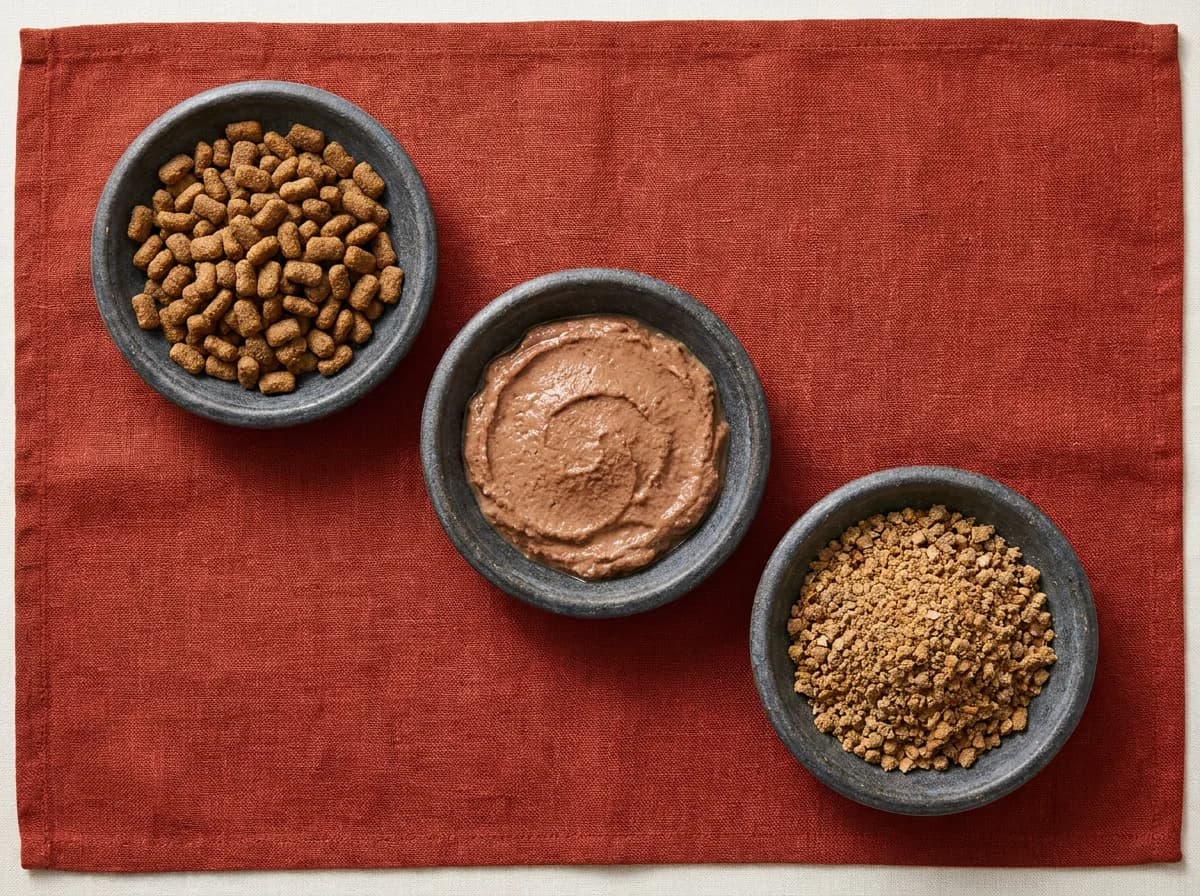
If you are a pet parent feeding kibble, it is essential to understand that dry dog food undergoes an extrusion process, which means it is heated multiple times. This makes the proteins less digestible, which we know is not ideal for your dog’s body. For more, see Petful’s guide to is kibble bad for dogs.
Wet dog foods are also often easier to digest than kibble thanks to their higher moisture content, which supports stomach and intestinal function. Freeze-dried and air-dried foods fall somewhere in between the median, as they retain more nutrients than extruded kibble but usually need proper rehydration to support proper digestion. There is more on this in Petful’s guide to freeze-dried dog food vs kibble.
Fresh dog food uses a gentler approach. Ingredients are lightly cooked at lower temperatures, which helps preserve the natural structure of the proteins, fats, and nutrients. This method supports food safety while minimizing nutrient loss, allowing dogs to break down food more efficiently during digestion. It’s a pretty remarkable result when dogs are fed the right fresh dog food: better digestibility + better bioavailability + ideal processing = happier, healthier dogs.
With this in mind, like people, every dog responds differently. What works for one dog may not work for another. Many dogs do well on a range of different diets. Still, dogs with sensitive stomachs, frequent gas, loose stools, or chronic digestive issues often show noticeable improvements when fed less processed, more digestible foods. For these dogs, reduced processing generally means better nutrient absorption, improved stool quality, and greater overall comfort.

Stool Quality: What It Tells You
Poop matters, especially when it comes to quality. Your dog's stool quality provides one of the most transparent windows into their digestive health and how well they're absorbing nutrients from their food. If your dog has ell-formed, smaller stools, this typically indicates that your pup is absorbing more nutrients and producing less waste. This is a sign of good digestibility.
On the other hand, very large or more frequent stools may suggest that your dog isn't absorbing nutrients efficiently. When food passes through the digestive system without being fully broken down, it results in more waste. This generally occurs with diets that contain high levels of indigestible fillers or low-quality ingredients. This is a sign of poor digestibility.
Other things to watch for in your dog’s overall stool quality are excess gas, mucus in the stool, or chronically soft or inconsistent poop. These symptoms may indicate that your dog's digestive system is struggling to process their current diet. Many pet parents report a reduction in stool volume and improved consistency within days to weeks of switching to diets like The Farmer's Dog. This is a sign of improved nutrient absorption.
Pro Tip: Snap photos of your dog’s stool over the course of the diet switch so you can monitor it and show your veterinarian if needed.
Why Fresh Dog Food Often Scores Higher
Fresh dog food tends to check multiple digestibility boxes: Whole muscle meats instead of rendered meals Gently cooked ingredients Higher moisture content
Brands like The Farmer’s Dog make their meals with these principles in mind. Dogs fed their type of fresh food may show improvements in digestion, energy, and coat quality relatively quickly. For dogs with mild gastric issues or inconsistent stools, higher digestibility can make a noticeable difference.
Which Dogs Benefit Most From High-Digestibility Diets?
We’ve been stressing that no two dogs are alike, and that applies to highly digestible diets as well.
While any dog can benefit from better digestion, high-digestibility diets are especially helpful for: Dogs with sensitive stomachs
- Picky eaters who start showing interest in a tasty food that looks, tastes, and smells good
- Senior dogs who absorb nutrients less efficiently due to aging
- Dogs recovering from gastric upset or surgery
- Puppies need reliable nutrient absorption, as they have rapidly developing bodies and require reliable nutrient availability to support proper growth
- Dogs with gas or inconsistent stools
When to See a Veterinarian
Although a high-quality fresh dog food like The Farmer’s Dog may improve digestibility, some symptoms require veterinary attention. Talk to your veterinarian if your dog experiences persistent diarrhea or vomiting lasting more than 24 hours, sudden changes in stool color (particularly black, tarry stools or bright red blood), severe gas accompanied by bloating or visible discomfort, or ongoing weight loss despite consuming a normal amount of food.
Your veterinarian may recommend diagnostic testing to rule out underlying conditions or may suggest prescription diets formulated for specific gastrointestinal issues. Never hesitate to consult your vet when you're concerned about your dog's digestive health.
Start Your Dog On The Farmer's DogFinal Thoughts on Fresh Dog Food Digestibility
We all want our dogs to feel good every single day. When foods are highly digestible, dogs absorb nutrients more efficiently, resulting in smaller, firmer stools, consistent energy levels, and improved overall comfort, leading to happier, healthier dogs.
Fresh, gently cooked diets like The Farmer's Dog typically offer superior digestibility compared to heavily processed options because they use whole ingredients and preserve nutrient integrity through minimal processing.
The next time you are considering whether your dog’s food is ideal, look beyond the ingredient label. Your dog's stool quality, energy consistency, and digestive comfort provide the most reliable indicators of whether their diet is genuinely working for them.
FAQs
Most high-quality dog foods score above 80% digestibility, meaning dogs absorb most of the nutrients they eat. Many fresh dog food diets reach 90% or higher, which supports more efficient nutrient use and less waste.
Some symptoms of poor digestibility include large stools, frequent bowel movements, gassiness, or consistently soft stools. A dull coat or low energy may also appear. If these symptoms last more than a week, consider a more digestible food or talk to your veterinarian.
For many dogs, fresh foods use whole ingredients, gentle cooking, and higher moisture, which helps support easier digestion and better nutrient absorption. Many pet parents notice improvements in their dog’s stool within a few days to a few weeks.
Yes, often they can. Highly digestible diets use simpler ingredients and gentler processing, which can reduce digestive stress. Dogs with gas or loose stools frequently improve when digestion becomes easier.
Stool quality often improves within 1 to 2 weeks. Energy changes may appear in 2 to 3 weeks, while coat and skin improvements usually take 3 to 6 weeks. Each dog is different, and transitioning slowly is key.
A Final Word (Disclaimer)
At Petful, our review integrity is paramount; we never exchange special treatment in our reviews for monetary or material rewards.
Nonetheless, when our readers click through to online merchants (including Chewy or Amazon), we receive a referral commission. This supports the running of our free blog, and we appreciate your backing.
For additional information, kindly refer to our Disclaimer and Discourse Section.
Feature Photo by Karsten Winegeart on Unsplash

Carol Bryant is the founder FidoseofReality.com and SmartDogCopy.com. A pet product expert, Carol is the Past President of the Dog Writers Association of America (DWAA) and winner of Best Dog Blog. A dog lover of the highest order is how Gayle King introduced Carol when she appeared with her Cocker Spaniel on Oprah Radio’s Gayle King Show to dish dogs. She helps pet, animal, and lifestyle brands achieve copywriting and content marketing success using well-trained words that work and is well-known in the pet industry.
Sign up for expert-backed reviews and safety alerts all in one place.