Can Dogs Eat Pecans? No, Vet's Emergency Steps
No, dogs should not eat pecans. The combination of juglone, aflatoxin-prone mold, intestinal-blockage risk, and high fat makes pecans one of the most concerning tree nuts for dogs. Here is the vet-emergency response by amount.


Veterinarian · BVMS, MRCVS
Petful is reader supported. As an affiliate of platforms like Amazon and Chewy, we may earn a commission when you buy through links on this page. There is no extra cost to you.
- 1No, dogs should not eat pecans. The combination of juglone (a natural toxin in walnut-family trees), aflatoxin-prone mold on stored nuts, intestinal-blockage risk, and high fat makes pecans one of the most concerning tree nuts.
- 2A single pecan rarely causes an acute emergency in a large dog, but the risk scales fast with body size. Two or three pecans in a small dog warrants a vet call.
- 3Pecan pie is a separate emergency because it combines pecans with chocolate (in many recipes), sugar, butter, and sometimes raisins or rum extract.
- 4The "my dog ate a few pecans" scenario depends on weight: use the rule of thumb that any nut at more than 1 nut per 10 pounds of body weight is a vet call.
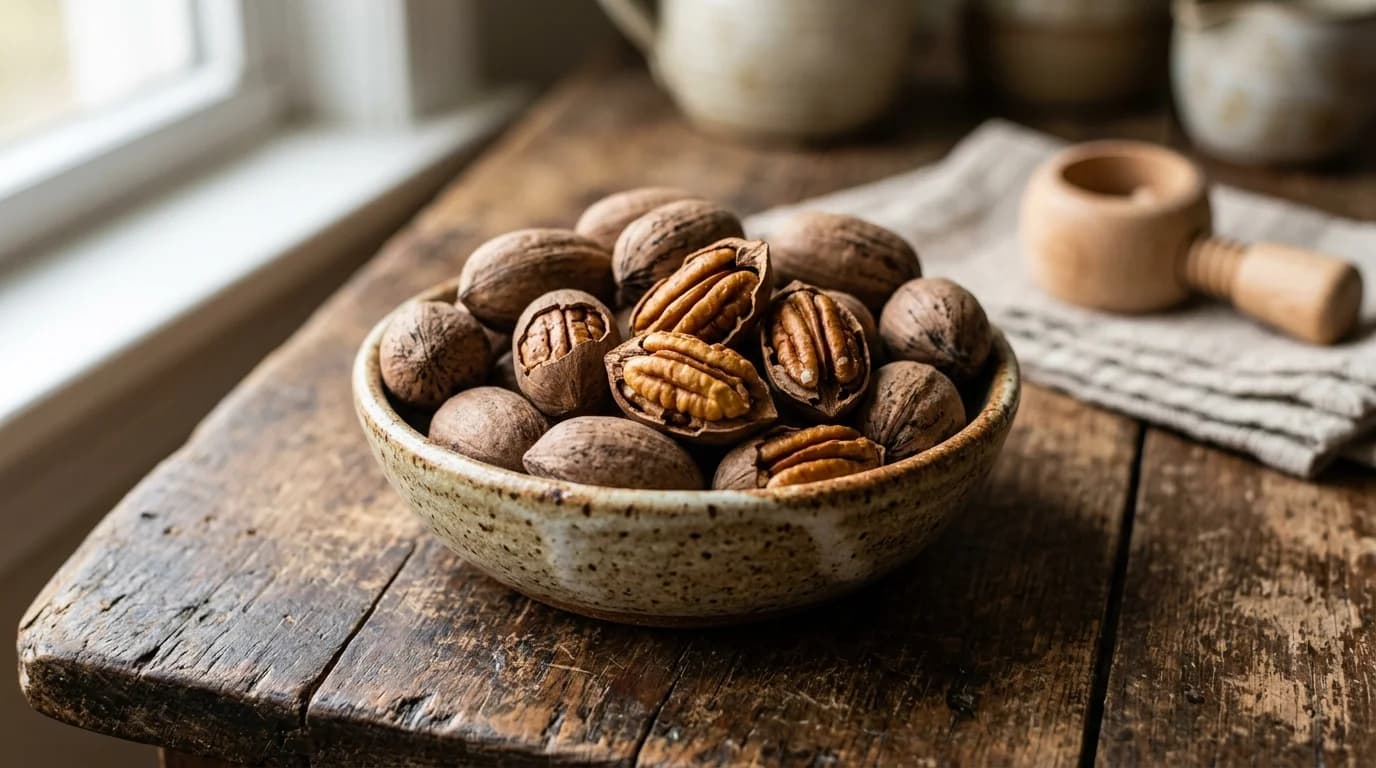
Can dogs eat pecans? No, pecans are not safe for dogs. The American Kennel Club and PetMD both classify pecans on the "do not feed" list. The reasons stack: pecans (like walnuts and hickory nuts) come from a tree family that produces juglone, a natural compound that can cause GI upset and (rarely) more serious neurological signs at high doses. Stored pecans are particularly prone to aflatoxin mold contamination, a fungal toxin that can cause acute liver damage. The high fat content (about 72%) makes pecans a real pancreatitis trigger, especially in small breeds. And the size and shape of a pecan make it a choking and intestinal-blockage risk for small dogs. A single pecan rarely causes acute toxicity in a large dog, but two or three pecans in a small dog warrants a vet call. Pecan pie compounds the risk with chocolate, sugar, and butter. The rule of thumb: any pecan ingestion above 1 nut per 10 pounds of body weight is a vet call.

Sign up for expert-backed reviews and safety alerts all in one place.
Are Pecans Bad for Dogs?
Yes, pecans are bad for dogs and should never be fed deliberately.
Pecans sit on the "do not feed" list for a stack of reasons, not a single acute toxin. Unlike macadamia nuts (which contain an unidentified compound that causes weakness and tremors in even small amounts), pecans are technically not "highly toxic." But they reliably cause problems in dogs that eat them, and the risk profile is bad enough that vets consistently recommend keeping them off the menu.
The biggest concerns are stacked: juglone (a natural plant compound that irritates the GI tract), aflatoxin mold (the same fungal toxin found in moldy peanuts and corn, especially common on stored or fallen pecans), high fat (pancreatitis trigger), and physical size (choking and blockage risk).
- Pecans are on the "skip" list for dogs. The simple math: 1 pecan per 10 pounds of body weight is the upper limit for "monitor at home," and any more is a vet call. A single pecan eaten by a 50-pound dog is rarely an emergency; the same pecan eaten by a 10-pound dog is.
Why Are Pecans Risky for Dogs?
Four problems stacked in one nut:
Daily dental chew that cleans teeth, freshens breath, and is accepted by the Veterinary Oral Health Council. Sized for dogs 25 to 50 lbs.
Petful may earn a commission when you click through to Chewy, at no extra cost to you.
• Juglone: a natural compound produced by walnut-family trees (including pecan and walnut trees) as part of their plant chemistry. Juglone is concentrated in the green hull and bark, but small amounts remain in the kernel. Juglone causes GI irritation and, in larger doses, can affect the nervous system.
• Aflatoxin mold (Aspergillus): pecans, walnuts, and peanuts are particularly susceptible to mold contamination if stored in warm humid conditions or left to fall to the ground. Aflatoxin is a potent fungal toxin that can cause acute liver damage and (rarely) tumor formation with chronic exposure.
• Fat content: pecans are about 72% fat by weight, one of the highest of any tree nut. A handful of pecans can deliver enough fat to trigger pancreatitis in a small or susceptible dog.
• Choking and intestinal-blockage hazard: a whole pecan (especially in the shell) is the wrong size for small dogs and can cause partial blockage. The shell is sharp and can damage the GI lining.
My Dog Ate 2 Pecans, What Should I Do?
The answer depends on your dog's weight. Here is the practical guidance:
| Dog weight | 1 pecan | 2-3 pecans | 5-10 pecans | Whole handful or more |
|---|---|---|---|---|
| Under 10 lb (toy) | Call vet, monitor | Vet visit recommended | EMERGENCY | EMERGENCY |
| 10-20 lb (small) | Monitor 24 hr | Call vet, monitor | Vet visit | EMERGENCY |
| 20-50 lb (medium) | Monitor at home | Monitor 24 hr | Call vet, monitor 48 hr | Vet visit |
| 50-90 lb (large) | Monitor at home | Monitor at home | Monitor 24-48 hr | Call vet, monitor 48 hr |
| Over 90 lb (giant) | Monitor at home | Monitor at home | Monitor 24 hr | Monitor 48 hr, call vet if symptoms |
Can Dogs Eat Pecan Pie or Pecan-Flavored Foods?
No, pecan pie is a layered emergency.
Pecan pie is one of the most dangerous "holiday" foods for dogs because it combines multiple risks in one slice: pecans, refined sugar, butter, corn syrup (or in some recipes, chocolate or rum extract), and sometimes raisins as garnish. The fat load alone can trigger pancreatitis. The chocolate version is a separate poisoning risk. The raisin-garnished version is a kidney-failure emergency.
If your dog ate pecan pie, identify the exact ingredients (photograph the recipe or package), note the amount eaten, and call your vet or ASPCA Animal Poison Control immediately. Time-to-treatment is the biggest outcome factor for any holiday-food emergency.
- Thanksgiving and Christmas are statistically the highest-volume dog ER weekends of the year, and pecan-based desserts are a leading culprit alongside chocolate and raisin baked goods. Keep pecan pie, pecan-praline ice cream, and pecan-studded baked goods firmly out of reach during the holiday season.
Can Dogs Eat Pecans From the Ground Under a Pecan Tree?
No, this is one of the most dangerous pecan scenarios.
Pecans that have fallen to the ground are particularly prone to aflatoxin mold growth, especially in warm humid weather. The mold often is not visible to the naked eye but is highly toxic. Dogs that scavenge fallen pecans from the yard are at higher risk of aflatoxin exposure than dogs that get into a sealed bag of pecans. If you have a pecan tree, sweep up fallen nuts daily and keep your dog away from the tree base during nut-fall season.
Can Dogs Eat Pecan Ice Cream or Pecan-Flavored Treats?
No, skip these too. Pecan ice cream combines pecan risks with dairy (often a digestive irritant), sugar (calorie overload), and sometimes xylitol in "sugar-free" or "diet" versions. Pecan-flavored coffee drinks, pecan praline candy, and pecan-studded granola or trail mix often include raisins, chocolate, or xylitol alongside the pecans. The pattern: anything with "pecan" in the name should be assumed off-limits.
What Other Tree Nuts Are Dangerous for Dogs?

Case of six 6.2-oz pouches at $27.98 ($0.76/oz). New Autoship orders save 35%, dropping the first delivery to $18.19.
Petful may earn a commission when you click through to Chewy, at no extra cost to you.
Pecans are part of a broader "tree nut" risk category for dogs. Here is how the most common nuts compare:
| Nut | Safe for dogs? | Primary concern |
|---|---|---|
| Macadamia | HIGHLY TOXIC | Unknown toxin causes tremors, weakness, hyperthermia even at small doses |
| Walnuts | NO | Juglone, aflatoxin mold, high fat, often packaged with raisins |
| Pecans | NO | Juglone, aflatoxin mold, high fat, intestinal blockage |
| Hickory nuts | NO | Same juglone family as pecans and walnuts |
| Cashews | Yes, plain unsalted in tiny amounts | Mainly fat-related pancreatitis risk |
| Peanuts | Yes, plain unsalted in moderation | Aflatoxin risk if moldy; otherwise fine |
| Almonds | Yes, plain unsalted in tiny amounts | High fat; raw bitter almonds contain cyanogenic compounds |
| Hazelnuts | Generally OK plain | High fat; can be a choking hazard whole |
| Pistachios | Yes, plain unsalted in tiny amounts | High fat; aflatoxin risk on moldy shells |
How Do I Spot Symptoms of Pecan Poisoning?
Symptoms usually appear within hours to a day. The most common signs are:
1. Vomiting and diarrhea (within 6 to 12 hours, from juglone irritation and fat load).
2. Lethargy and refusal to eat (within 12 to 24 hours).
3. Hunched posture and abdominal pain (early pancreatitis, 12 to 48 hours).
4. Jaundice (yellowing of gums and skin, 24 to 72 hours, if aflatoxin liver damage occurs).
5. Tremors or weakness (rare, only with juglone exposure at high doses or aflatoxin toxicity).
What If My Dog Ate a Lot of Pecans?
Step 1: Estimate the amount and the dog's weight. Use the rule of thumb (1 pecan per 10 lb body weight) to assess urgency.
Petful may earn a commission when you click through to Chewy, at no extra cost to you.
Step 2: Identify the pecan source. Were they fresh from a sealed bag, fallen from a tree, or part of a baked good with other ingredients?
Step 3: Watch for symptoms over the next 24 to 72 hours. The biggest concerns are pancreatitis (12 to 48 hours after the binge) and aflatoxin liver damage (24 to 72 hours).
Step 4: Offer plenty of fresh water and skip the next meal if your dog seems uncomfortable.
- Your dog is small or toy size and ate any pecans, ate pecans from the ground under a tree (aflatoxin risk), ate pecan pie or any pecan-baked good (multiple risks), is showing repeated vomiting, hunched posture, or refusing food, or develops yellowing gums or weakness in the days after. ASPCA Animal Poison Control: 888-426-4435.
Safer Treats Than Pecans
For a safer high-value training treat, skip the pecans and reach for plain pumpkin seeds (ground), a few plain cashews, plain cooked black beans, or a small handful of blueberries. All deliver nutritional value with none of the juglone, aflatoxin, or pancreatitis risks of pecans.
Can Puppies Eat Pecans?
No, puppies should never have pecans. The juglone, fat, and potential aflatoxin exposure are all more dangerous in young dogs with developing digestive systems and smaller body mass. A puppy that gets into a pecan should go straight to the vet for monitoring.
Frequently Asked Questions About Dogs and Pecans
A single pecan eaten by a healthy adult medium or large dog is rarely an emergency, but it should still be monitored. Small dogs (under 20 lb) should be seen by a vet even for one pecan.
Risk scales with dog weight. A 50-pound dog eating 2 pecans should be monitored at home for 24 hours. A 10-pound dog eating 2 pecans should be seen by a vet.
The shells are not chemically toxic, but they are sharp, hard, and a real choking or GI-blockage hazard. Always store unshelled pecans out of reach.
No, pecan butter concentrates the fat and any juglone or mold risk. It is also often mixed with sugar or honey, which adds calorie load. Skip pecan butter entirely.
Yes, pecan pie is one of the most dangerous holiday foods for dogs. It combines pecan risks with sugar, butter, and sometimes chocolate or raisins. Treat any pecan pie ingestion as a vet call.
No. Pecan ice cream combines pecan risks with dairy, sugar, and sometimes xylitol in sugar-free versions. Skip all pecan-flavored desserts.
Aflatoxin is a fungal toxin produced by Aspergillus mold that grows on stored or fallen pecans, walnuts, and peanuts. It can cause acute liver damage in dogs. Stored, fallen, or visibly moldy pecans are the highest-risk source.
- A single pecan eaten by a large healthy adult dog is rarely an acute emergency
- Pecans are not on the "highly toxic" list like macadamia nuts
- Most healthy adult dogs recover from a small pecan ingestion with monitoring
- Easy to identify and avoid because pecans have a distinctive shape and shell
- Combination of juglone, aflatoxin mold risk, high fat, and choking hazard
- Pecan pie is a layered emergency (chocolate, sugar, butter, possible raisins)
- Fallen pecans under a tree are particularly prone to aflatoxin contamination
- No nutritional payoff that dogs cannot get from safer plant or protein sources
2 to 6 hours: drooling, vomiting, possible diarrhea from juglone irritation. 6 to 12 hours: continued vomiting, lethargy, refusal to eat. 12 to 48 hours: hunched posture, abdominal pain (early pancreatitis from fat load), persistent vomiting. 24 to 72 hours: yellowing of gums or skin, weakness, dark urine (potential aflatoxin liver damage). 48 to 72 hours: tremors or seizures (rare, only with significant juglone exposure or aflatoxin toxicity). Small dogs and dogs with pancreatitis history need same-day vet attention.
The most useful rule of thumb for any nut ingestion: 1 nut per 10 pounds of body weight is the upper limit for "monitor at home." A 50-pound dog can usually handle 1-5 pecans without an emergency, though it is never a treat to encourage. A 10-pound dog eating 2 pecans is a vet call. A whole handful in any small dog is a vet visit. Pecan pie, pecan-baked goods, and fallen-tree pecans should always be vet calls regardless of size because of compounding risks.
Any pecan ingestion in a small or toy breed. Pecan pie or pecan-baked goods at any dog size. Pecans eaten off the ground under a tree (aflatoxin risk). More than 1 pecan per 10 pounds of body weight. Any vomiting, hunched posture, or yellowing gums after exposure. All of these are vet calls, not at-home monitor.
More Dog-Food Safety Reads on Petful
Safer treat options from our dog-food cluster: can dogs eat cashews, can dogs eat pumpkin seeds, can dogs eat papaya, and can dogs eat blackberries. If your dog ate pecan pie, fallen-tree pecans, or any pecan-baked good with chocolate or raisins, our emergency-response walkthrough on what to do if your dog ate a grape lays out the same triage steps and vet-call thresholds.
Pecans are a firm "skip" for dogs. Not because they are acutely poisonous like macadamia nuts, but because the combination of juglone, aflatoxin mold risk, high fat, and choking hazard adds up to real harm. The simple math: 1 pecan per 10 pounds of body weight is the upper monitor-at-home threshold. Anything more, any pecan-baked good, or any fallen-tree pecan ingestion is a vet call. Stick to plain pumpkin seeds, a few cashews, or a handful of blueberries for the same training-treat satisfaction with none of the risk.
Veterinarian · BVMS, MRCVS
Dr. Pippa Elliott, BVMS, MRCVS, is a veterinarian with nearly 30 years of experience in companion animal practice. Dr. Elliott earned her Bachelor of Veterinary Medicine and Surgery from the University of Glasgow. She was also designated a Member of the Royal College of Veterinary Surgeons. Married with 2 grown-up kids, Dr. Elliott has a naughty Puggle named Poggle, 3 cats and a bearded dragon.
Sign up for expert-backed reviews and safety alerts all in one place.