Can Dogs Eat Peanuts? Everything You Need To Know.
Can dogs eat peanuts? Yes, in strict moderation, as long as they are plain, unsalted, unflavored, and shelled. Learn safe serving sizes by dog weight, which peanut types to avoid, and the real health risks every owner should know first.

Veterinarian · BVMS, MRCVS
Petful is reader supported. As an affiliate of platforms like Amazon and Chewy, we may earn a commission when you buy through links on this page. There is no extra cost to you.
- 1Peanuts are not toxic to dogs, but they must be plain, unsalted, unflavored, and shelled to be safe.
- 2Serve only as an occasional treat, kept within the 10 percent of daily calories rule, because peanuts are very high in fat.
- 3Always check peanut butter labels for xylitol (also listed as birch sugar or sugar alcohol), which is highly toxic and can cause a rapid, dangerous drop in blood sugar.
- 4Skip salted, honey-roasted, flavored, candied, and commercially boiled peanuts, plus all macadamia nuts, which are genuinely toxic.
- 5Remove shells every time, since they are a choking and intestinal blockage hazard, especially for small dogs.
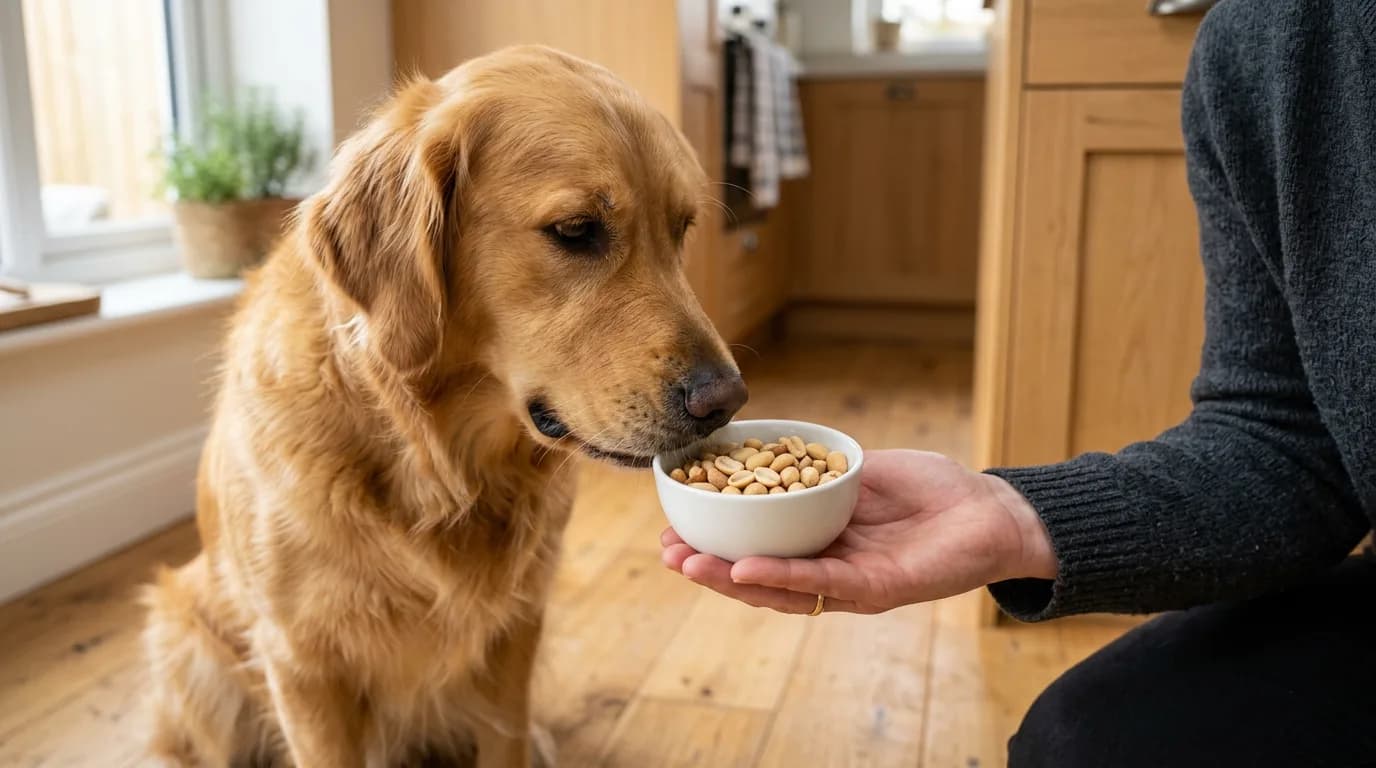
Can dogs eat peanuts? Yes, dogs can eat peanuts in strict moderation, but only plain, unsalted, unflavored, dry-roasted or raw peanuts with the shells removed. According to the American Kennel Club (AKC) and PetMD, peanuts are not toxic to dogs, yet salt, xylitol, and high fat make most flavored or seasoned peanuts unsafe.

Sign up for expert-backed reviews and safety alerts all in one place.
Are peanuts safe for dogs?
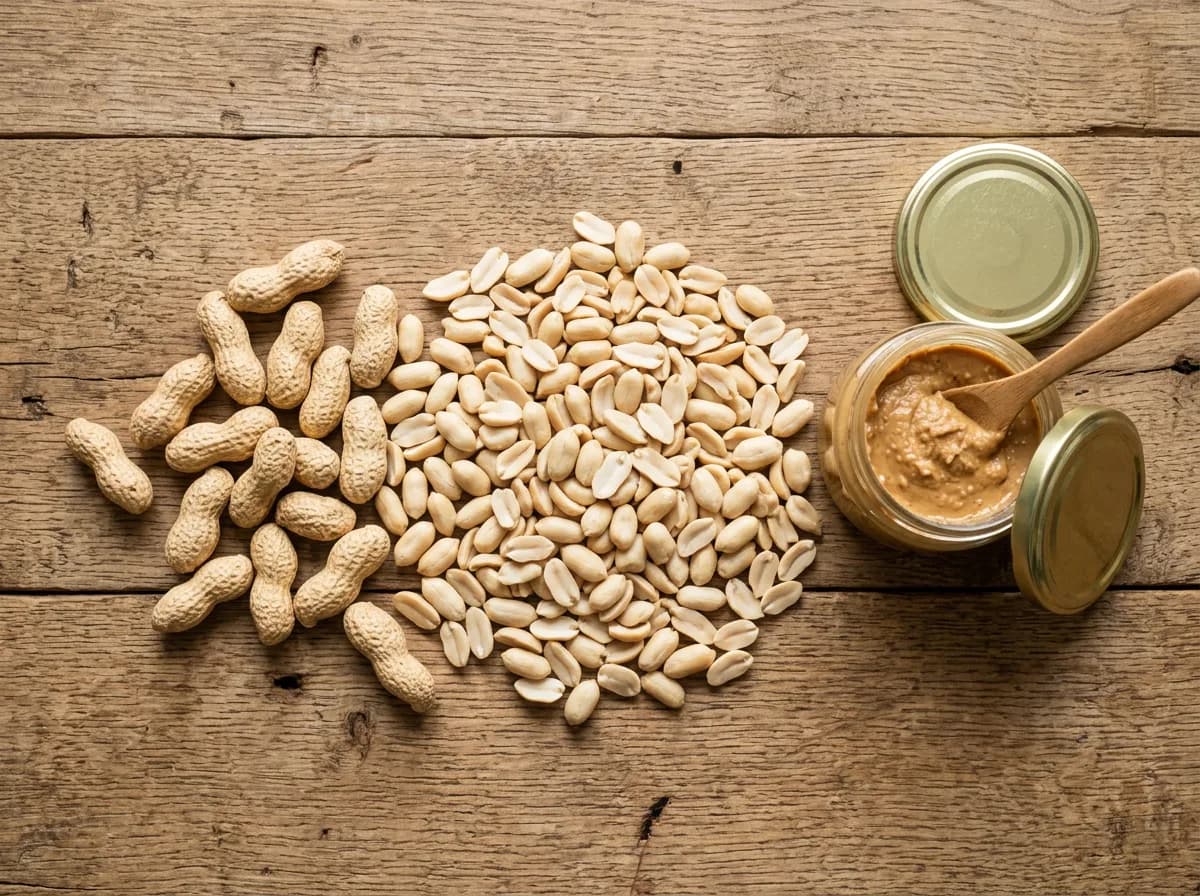
Peanuts are safe for most dogs when they are plain, unsalted, unflavored, and removed from the shell. The American Kennel Club and PetMD agree that peanuts are not toxic to dogs the way some other nuts are, which is why a few plain peanuts make a reasonable occasional treat. The catch is in how peanuts are usually sold and prepared. The salt, oils, sugars, and seasonings added to most store-bought peanuts are exactly what turns a harmless legume into a problem.
Technically, peanuts are not even true nuts. They are legumes, in the same family as beans and lentils, which is part of why dogs tolerate them better than tree nuts like macadamias. They do contain protein, healthy fats, vitamin B, vitamin E, and niacin. Those nutrients are nice extras, but your dog already gets everything it needs from a complete, balanced diet, so peanuts should never replace real food. If you are weighing peanuts against other snack options, our guide to the best vegetables for dogs covers lower-fat treats that deliver fiber and vitamins without the calorie load. Petful’s guide to can dogs eat cashews has the full breakdown.
Are peanuts good for dogs? In small amounts, plain peanuts are not harmful and offer modest nutrition, but they are not a health food for dogs. Their biggest drawback is fat. A diet too rich in fatty treats can lead to weight gain and, in some cases, serious illness, which is why portion control matters more than any single nutrient peanuts provide.
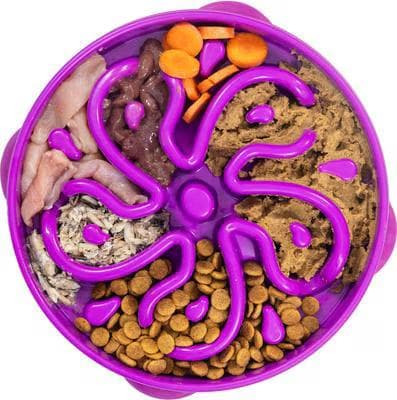
A maze-pattern slow-feeder bowl that makes fast eaters work for each bite, reducing the gulping and swallowed air that trigger regurgitation and vomiting. Holds up to 4 cups.
Petful may earn a commission when you click through to Chewy, at no extra cost to you.
Are peanuts bad for dogs? The real risks
Plain peanuts are not bad for dogs in tiny amounts, but several real risks turn peanuts dangerous fast. The biggest concerns are high fat, added salt, xylitol in peanut butter, choking on shells, and rare allergic reactions. Because these risks involve your dog's health and safety, it is worth understanding each one before you hand over a single peanut.
- Never give your dog peanut butter that contains xylitol (often labeled birch sugar or sugar alcohol). Xylitol is highly toxic to dogs and can cause a rapid, dangerous drop in blood sugar, and at higher doses it can lead to liver damage or failure. Salted or heavily salted peanuts can cause salt poisoning (excessive thirst, vomiting, diarrhea, and tremors). The high fat in peanuts can trigger pancreatitis, a painful and potentially life-threatening condition. Shells and whole peanuts are choking and intestinal blockage hazards, especially for small dogs. If you suspect xylitol ingestion or salt poisoning, contact your veterinarian or an animal poison control line immediately.
The fat issue deserves extra attention. Peanuts are calorie-dense and rich in fat, and a sudden fatty treat can inflame the pancreas. This is more likely in overweight dogs and breeds already prone to the condition. If your dog has had digestive trouble before, read up on pancreatitis in dogs so you can recognize the warning signs early. Overfeeding peanuts can also contribute to obesity over time, and our advice on managing an overweight dog explains why treat calories add up faster than most owners expect.
Salt is the other everyday trap. Most peanuts sold for people are salted, and dogs are far smaller than we are, so the sodium load hits harder. A few salted peanuts will not poison a large dog, but routine salty snacking is a genuine risk and easy to avoid by buying plain, unsalted peanuts instead.
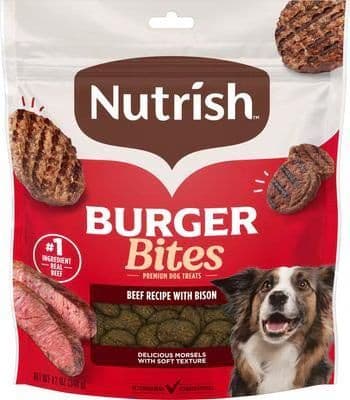
Soft, real-beef burger bites with bison, grain-free and sized for occasional training-treat sharing.
Petful may earn a commission when you click through to Chewy, at no extra cost to you.
How many peanuts can dogs eat? Serving size by weight
How many peanuts can dogs eat depends on your dog's size, and the answer is always fewer than you think. Peanuts are a treat, not a meal, so they should stay within the 10 percent of daily calories rule that veterinarians recommend for all treats. The chart below is general guidance for healthy adult dogs eating plain, unsalted, shelled peanuts. Dogs with health conditions, a history of pancreatitis, or a tendency toward weight gain should eat fewer or none, so check with your veterinarian first.
Start with a single peanut the first time to make sure your dog tolerates it, then keep portions small and occasional. If you are building a broader treat plan, our overview of how to choose the best dog food puts treats in the context of a complete daily diet so peanuts stay an extra, not a habit.
- Introduce peanuts with just one plain, shelled peanut and wait 24 hours. Watch for itching, hives, vomiting, diarrhea, facial swelling, or any trouble breathing. True peanut allergies in dogs are rare, but starting small lets you catch a reaction before it becomes a bigger problem.
| Dog size | Approx. weight | Safe plain peanuts (occasional) | Notes |
|---|---|---|---|
| Extra small | 2 to 20 lbs | 1 to 2 peanuts | Crush to reduce choking risk; watch closely |
| Small | 21 to 30 lbs | 2 to 3 peanuts | Shelled and unsalted only |
| Medium | 31 to 50 lbs | 3 to 5 peanuts | Keep within the 10 percent treat rule |
| Large | 51 to 90 lbs | Small handful | Stop if any stomach upset appears |
| Giant | 91 lbs and up | Small handful | Still high in fat; do not overdo it |
Can dogs eat peanut butter?
Dogs can eat peanut butter, but only the plain, unsalted, xylitol-free kind, and only in small amounts. Peanut butter is a favorite for stuffing toys and hiding pills, and most dogs love it. The single most important step is reading the label every time, because the sweetener xylitol is deadly to dogs even in tiny doses.
Xylitol shows up in many sugar-free and some natural peanut butters, and it may be listed as birch sugar or sugar alcohol rather than xylitol. If you see any of those terms, do not give that product to your dog. A safe peanut butter has a short ingredient list: peanuts, and maybe a little salt, with no added sugar, no xylitol, and no chocolate. To understand just how fast this sweetener acts, read our breakdown of xylitol poisoning in dogs, which walks through the timeline from ingestion to symptoms.
Because peanut butter is calorie-dense, treat it like peanuts themselves: a small smear, not spoonfuls, and counted against your dog's daily treat allowance. The best peanut butter for dogs is simply the plainest one on the shelf with no risky add-ins.
Can dogs eat peanuts in the shell or shells?
No, dogs should not eat peanut shells or peanuts in the shell. Peanut shells are fibrous, hard to digest, and a real choking and intestinal blockage hazard, especially for small dogs and fast eaters. Always crack peanuts open and discard the shell before sharing.
Whole, unshelled peanuts also tempt dogs to gulp rather than chew, which raises the choking risk further. If your dog swallows a shell, watch for gagging, repeated vomiting, loss of appetite, or straining, and call your veterinarian if any of those appear. A single accidental shell rarely causes a true obstruction, but the risk is high enough that shells should never be a regular part of the routine.
Can dogs eat boiled peanuts?
Dogs can eat plain boiled peanuts in moderation, but the boiled peanuts sold commercially are usually heavily salted and should be avoided. Boiling itself does not make peanuts dangerous, so a few unsalted, home-boiled peanuts with no seasoning are generally fine as an occasional treat.
The problem is that classic Southern-style boiled peanuts are brined in large amounts of salt, which pushes them into salt-poisoning territory for dogs. There is also a smaller concern worth knowing: raw and improperly stored peanuts can sometimes carry aflatoxin, a mold-produced toxin, so buy human-grade peanuts and avoid any that look moldy or smell off. The practical takeaway is to favor plain, unsalted, dry-roasted peanuts and to skip the salty boiled peanuts from the store or roadside stand.
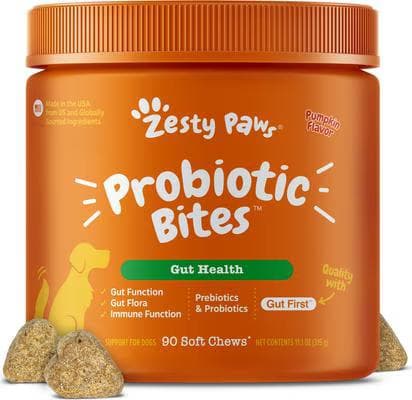
Pumpkin-flavored probiotic soft chews that support healthy gut flora and digestion in dogs.
Petful may earn a commission when you click through to Chewy, at no extra cost to you.
What about roasted, salted, honey-roasted, and flavored peanuts?
The safest peanut for a dog is plain and unseasoned, so most flavored varieties are a no. Here is a quick rundown of the common types people ask about, since each one ranks as its own question online.
Can dogs eat roasted or dry-roasted peanuts?
Yes, plain dry-roasted, unsalted peanuts are one of the safer choices for dogs, and both the AKC and PetMD list dry-roasted (or raw), unsalted peanuts as the only peanuts safe for dogs. Just confirm there is no added salt, oil, or flavoring on the label.
Can dogs eat salted peanuts?
No, salted peanuts are not a good idea. The sodium adds up quickly in a smaller body and can cause excessive thirst, vomiting, diarrhea, and in severe cases tremors. If your dog grabs a few salted peanuts, make sure fresh water is available and watch for symptoms, but do not make salted peanuts a treat.
Can dogs eat honey-roasted peanuts?
No, honey-roasted peanuts should be avoided. They combine added sugar with salt and sometimes other coatings, none of which a dog needs, and the extra sugar offers no benefit while adding empty calories.
Can dogs eat raw, unsalted, or whole peanuts?
Plain raw and unsalted peanuts are not toxic, and unsalted is exactly what you want. Raw peanuts are listed as safe alongside dry-roasted ones, though raw and improperly stored peanuts carry a slightly higher chance of aflatoxin, so stick to fresh, human-grade peanuts. Whole peanuts are fine nutritionally as long as they are shelled, but watch small dogs for choking and consider crushing them.
What about Japanese, circus, and packing peanuts?
Japanese-style peanuts are coated in a flavored, often salty or sweet shell, so skip them. Circus peanuts are marshmallow candy, not real peanuts, and are pure sugar, so they are not appropriate for dogs. And packing peanuts are not food at all: the styrofoam kind is a choking and obstruction risk, while the biodegradable starch kind is non-toxic but still should not be eaten. If your dog swallows styrofoam packing peanuts, call your veterinarian.
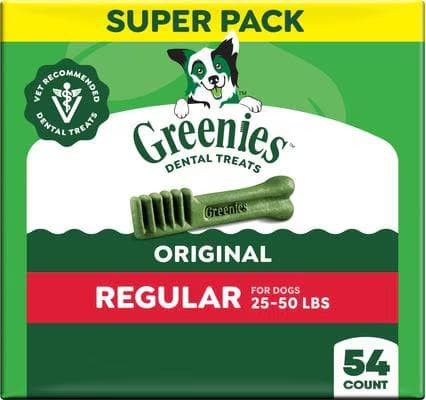
Daily dental chew that cleans teeth, freshens breath, and is accepted by the Veterinary Oral Health Council. Sized for dogs 25 to 50 lbs.
Petful may earn a commission when you click through to Chewy, at no extra cost to you.
My dog ate too many peanuts. What should I do?
If your dog ate a lot of peanuts, do not panic, but do watch closely and act based on what kind of peanuts they were. A handful of plain, unsalted, shelled peanuts will most likely cause nothing worse than mild stomach upset. The bigger concerns are salted peanuts, anything containing xylitol, or so much fat that it could spark pancreatitis.
Watch for vomiting, diarrhea, lethargy, loss of appetite, a hunched or painful belly, excessive thirst, or tremors. Any of those, especially the abdominal pain that can signal pancreatitis, warrants a call to your veterinarian. Our guide to vomiting and diarrhea in dogs can help you judge how serious the upset is, and if you suspect xylitol or another toxin, treat it as urgent and review our notes on pet poison emergencies while you contact your vet or a poison control hotline.
- Call your veterinarian or an animal poison control line immediately if your dog ate peanut butter or peanuts that may contain xylitol, ate a large quantity of salted or boiled peanuts, or shows signs of pancreatitis such as repeated vomiting, a painful abdomen, weakness, or refusal to eat. Fast action saves lives in xylitol and salt-toxicity cases.
What nuts can dogs eat and which nuts should they avoid?
Peanuts are among the safer options, but many true nuts are not. The most toxic nut for dogs is the macadamia nut, which can cause weakness, vomiting, tremors, and a dangerous rise in body temperature even in small amounts. Other nuts are not always acutely toxic but bring their own problems, from obstruction risk to mold-related toxins, so the safest rule is to keep dogs away from tree nuts in general.
Cashews are a common follow-up question. Plain, unsalted, roasted cashews are generally tolerated in very small amounts, but they are high in fat and often sold salted, so they are best limited or skipped. Almonds are not toxic but are hard for dogs to digest and a choking risk, while pecans and walnuts (especially black walnuts and any moldy nuts) can carry mycotoxins and should be avoided. For a broader look at risky kitchen items, see our roundup of foods that can harm your pet.
The safe-versus-avoid summary below makes it easy to scan, but when in doubt, leave the nut out and reach for a vet-approved dog treat instead.
Do peanuts cause allergies in dogs?
True peanut allergies in dogs are rare, with very few confirmed cases reported, so peanuts are far less likely to trigger an allergy in dogs than in people. That said, any new food can cause a reaction in an individual dog, so it is worth introducing peanuts slowly and watching for signs.
Symptoms of a food reaction can include itching, red or irritated skin, hives, vomiting, diarrhea, and, in severe but rare cases, facial swelling or difficulty breathing. If you notice swelling or breathing trouble, treat it as an emergency. For ongoing skin or stomach issues that flare with certain foods, our guide to dog food allergies explains how vets identify and manage true food allergies versus simple sensitivities.
Which dogs should avoid peanuts entirely?
Some dogs should skip peanuts altogether. Dogs with a history of pancreatitis, dogs that are overweight, and dogs on low-fat or prescription diets should not have peanuts because of the fat content. Puppies, very small breeds, and fast, gulping eaters face a higher choking risk from whole peanuts and shells.
Breed comes up often too. There is no peanut rule unique to German Shepherds, French Bulldogs, or any other breed, but flat-faced (brachycephalic) breeds like Frenchies can be more prone to choking, so crush peanuts or skip them for those dogs. As always, dogs with diabetes, kidney disease, or other chronic conditions should only have peanuts with a veterinarian's okay. When you are unsure whether a food fits your dog's needs, your vet is the right call, and a quick look at our notes on worst dog food ingredients can help you spot other additives worth avoiding in everyday treats.
How to safely prepare peanuts for your dog
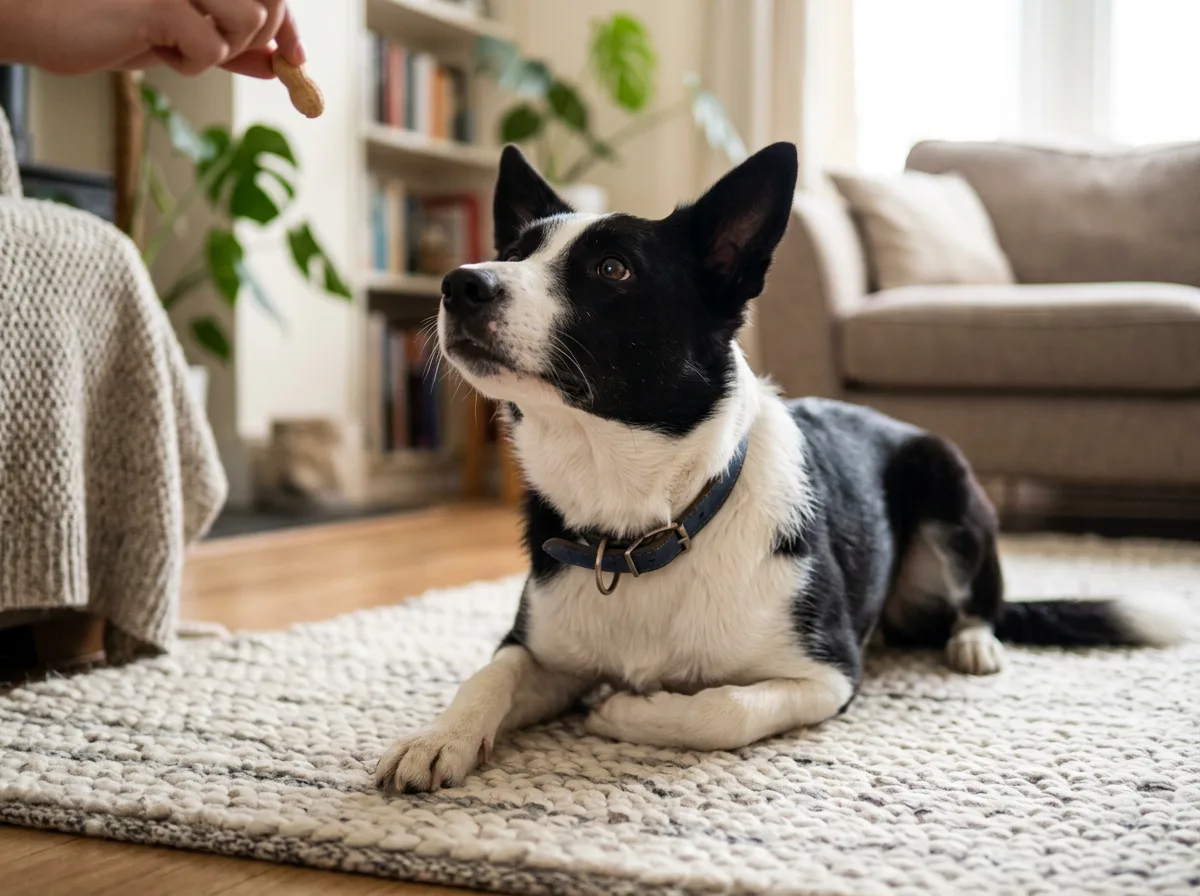
Preparing peanuts safely comes down to a few simple rules. Choose plain, unsalted, unflavored peanuts, ideally dry-roasted. Remove every shell. Crush or chop them for small dogs to lower the choking risk. Serve a small amount as an occasional treat, never as a meal replacement, and always keep peanuts within your dog's daily treat allowance.
You can press a little plain peanut butter into a hollow toy for slow, enriching snacking, or sprinkle a few crushed plain peanuts over your dog's regular food for a flavor boost. Avoid anything chocolate-coated, candied, salted, or seasoned, and avoid mixing peanuts with other rich foods on the same day. Keeping treats simple is the easiest way to let your dog enjoy peanuts without the risks that send dogs to the vet.
Frequently Asked Questions
No, peanuts are not toxic to dogs. According to the AKC and PetMD, plain, unsalted, shelled peanuts are safe in moderation. The danger comes from added salt, sugar, seasonings, xylitol in some peanut butters, the shells, and the high fat content, which can cause pancreatitis if dogs eat too much.
The macadamia nut is the most toxic nut for dogs. Even small amounts can cause weakness, vomiting, tremors, and a rise in body temperature. If your dog eats macadamia nuts, call your veterinarian right away. Black walnuts and moldy nuts are also dangerous and should always be kept away from dogs.
It is best not to give peanut butter every day. Because it is high in fat and calories, daily peanut butter can lead to weight gain and raise the risk of pancreatitis. Use it as an occasional treat in small amounts, always check the label for xylitol, and keep all treats within 10 percent of your dog's daily calories.
No, dogs should not eat salted peanuts. The added sodium can cause excessive thirst, vomiting, diarrhea, and in severe cases tremors or salt poisoning. If your dog eats a few salted peanuts, provide fresh water and watch for symptoms, but always choose plain, unsalted peanuts as a treat instead.
If your dog ate a few plain, shelled peanuts, watch for mild stomach upset and they will likely be fine. Call your veterinarian right away if the peanuts were salted, contained xylitol, or were eaten in large amounts, or if your dog shows vomiting, a painful belly, weakness, tremors, or refuses to eat.
Small dogs can eat peanuts in tiny amounts, but extra caution is needed. Whole peanuts and shells are a real choking and blockage hazard for small breeds, so always remove the shell and crush the peanut first. Limit small dogs to one or two plain, unsalted peanuts and watch them while they eat.

Carol Bryant is the founder FidoseofReality.com and SmartDogCopy.com. A pet product expert, Carol is the Past President of the Dog Writers Association of America (DWAA) and winner of Best Dog Blog. A dog lover of the highest order is how Gayle King introduced Carol when she appeared with her Cocker Spaniel on Oprah Radio’s Gayle King Show to dish dogs. She helps pet, animal, and lifestyle brands achieve copywriting and content marketing success using well-trained words that work and is well-known in the pet industry.
Veterinarian · BVMS, MRCVS
Dr. Pippa Elliott, BVMS, MRCVS, is a veterinarian with nearly 30 years of experience in companion animal practice. Dr. Elliott earned her Bachelor of Veterinary Medicine and Surgery from the University of Glasgow. She was also designated a Member of the Royal College of Veterinary Surgeons. Married with 2 grown-up kids, Dr. Elliott has a naughty Puggle named Poggle, 3 cats and a bearded dragon.
Sign up for expert-backed reviews and safety alerts all in one place.