Can Dogs Eat Nectarines? A Comprehensive Guide
Can dogs eat nectarines? Yes, the fresh, pitted flesh in small amounts is fine for most dogs and adds vitamins A and C, potassium, and fiber. The pit, the sugar, and canned nectarines are the real risks. Here is the vet-backed safety breakdown.

Veterinarian · BVMS, MRCVS

Petful is reader supported. As an affiliate of platforms like Amazon and Chewy, we may earn a commission when you buy through links on this page. There is no extra cost to you.
- 1Yes, dogs can eat nectarines in moderation, but the pit must always be removed.
- 2Packed with vitamins and fiber, nectarines can support digestion and overall health but have high sugar content.
- 3Too much can lead to weight gain or digestive issues, so serve small, pit-free pieces as an occasional treat.

Sign up for expert-backed reviews and safety alerts all in one place.
Can Dogs Eat Nectarines? The Short Answer
Can dogs eat nectarines? Yes, dogs can eat fresh, ripe nectarine flesh in small amounts as an occasional treat, and it adds vitamins A and C, potassium, and fiber. Always remove the pit first, because it is a choking and intestinal-blockage hazard and contains trace cyanide (ASPCA). Skip canned nectarines and keep portions small to limit sugar.
Nectarines, with their sweet, juicy flavor, are a popular snack among humans, especially during the summer months. However, given the delicious taste of nectarines, pet owners often wonder if they can share this treat with their canine friends and ask: can dogs eat nectarines? This article delves into the safety of offering dogs nectarines, overviewing the benefits, potential risks, and general recommended serving sizes.
Are Nectarines Good or Bad for Dogs?
While nectarines are safe for dogs in moderation, there are several factors to consider before feeding them to your pet:
- Pit and Seed Hazard: The pit of a nectarine can be a choking hazard and, if ingested, can lead to intestinal blockage. Additionally, nectarine pits contain trace amounts of cyanide, a toxic substance. It’s very important to remove the pit before offering nectarine to your dog.
- Sugar Content: Nectarines have a high sugar content. Excess sugar can lead to obesity or weight gain, and dental problems in dogs. Thus, it is important to ensure you only feed nectarines in moderation, especially for dogs with diabetes or weight issues.
- Pesticides and Chemicals: Fruits, including nectarines, are often treated with pesticides and other chemicals. To minimize exposure, thoroughly wash the fruit before giving it to your dog or choose organic.
How Much Nectarine Can a Dog Eat by Size?
To ensure the safe consumption of nectarines for dogs of various sizes, here is a general guidelines on how much nectarine they can likely eat based on their weight:
- Extra Small (Under 10 lbs): For extra small dogs, a few small bites or pieces, not exceeding 1/4 of a teaspoon, are sufficient.
- Small (10-25 lbs): Small dogs can have about half of a teaspoon of chopped nectarine. It’s important to monitor their reaction to the fruit, as even small amounts can be high in sugar for smaller dogs.
- Medium (25-60 lbs): Medium-sized dogs can consume one teaspoon of chopped nectarine. Given their larger size, they can handle a bit more fruit, but moderation is key to avoid adverse effects.
- Large (60-100 lbs): Large dogs can have about 2 to 3 teaspoons of nectarine as a treat.
- Giant (100+ lbs): Giant dogs can eat up to one tablespoon of nectarine in moderation.
In all cases, it's crucial to remove the pit and ensure the nectarine is cut into manageable pieces to prevent choking. Also, observe your dog for any signs of digestive distress or allergic reactions after consuming nectarines, especially if it's their first time eating it. Always consult with a veterinarian before introducing new foods into your dog's diet to ensure it's safe for their specific health needs and dietary restrictions.

Soft, real-beef burger bites with bison, grain-free and sized for occasional training-treat sharing.
Petful may earn a commission when you click through to Chewy, at no extra cost to you.
Nutritional Benefits of Nectarines for Dogs
Nectarines are packed with essential vitamins and minerals that are beneficial for dogs, such as dietary fiber and antioxidants, but also:
- Vitamin A: Vitamin A is crucial for maintaining good vision, skin health, and coat condition.,
- Vitamin C: Vitamin C acts as an antioxidant, reducing inflammation and helping with cell repair.
- Potassium: Potassium helps to regulate fluid balance, muscle function, and nerves.
How to Safely Prepare Nectarines for Your Dog
To safely incorporate nectarines into your dog’s diet, follow these tips:
- Wash Thoroughly: Clean the nectarine under running water to remove any pesticides or dirt.
- Remove the Pit: Ensure the pit is completely removed to prevent choking or internal blockage, and to help remove the risk of cyanide poisoning.
- Serve in Moderation: Give your dog small pieces of nectarine as an occasional treat, not as a regular part of their diet. Make sure you chop it into manageable, bite-sized pieces for your dog to help prevent choking.
- Monitor for Allergies: Introduce nectarines slowly and watch for any signs of allergic reactions, such as itching, swelling, or gastrointestinal upset.

Signs Your Dog Is Allergic to Nectarines
Dogs, like humans, can have allergic reactions to a variety of foods, including nectarines. Here are some possible allergic reactions that dogs might experience after eating nectarines:
- Skin Irritations: Allergic dogs might develop rashes, redness, or hives on their skin. They may also show signs of excessive itching or licking in one spot.
- Gastrointestinal Issues: Nectarine allergies can cause stomach upset in dogs, leading to symptoms like vomiting, diarrhea, or abdominal pain.
- Respiratory Problems: Though less common, some dogs might experience respiratory issues, such as coughing, wheezing, or difficulty breathing, which indicates a more severe allergic reaction.
- Ear Infections: Allergic reactions in dogs can sometimes manifest as ear infections, with symptoms including ear redness, discharge, odor, or frequent head shaking.
- Facial Swelling: Dogs with a severe allergy to nectarines might exhibit swelling around the face, including the lips, eyelids, or ears. This can be a sign of anaphylaxis, a severe allergic reaction that requires immediate veterinary attention.
- Lethargy or Behavioral Changes: In some cases, dogs might show signs of lethargy, weakness, or other behavioral changes if they are experiencing an allergic reaction to nectarines.
If a dog shows any signs of an allergic reaction after eating nectarines or any new food, it's important to consult a veterinarian immediately. Identifying and managing food allergies early can help prevent more serious health issues and ensure the well-being of the dog.
In sum, dogs can eat nectarines in moderation as a treat. These fruits offer nutritional benefits but also come with risks like choking hazards and high sugar content. Always prepare nectarines safely by washing and removing the pit, and feed them in appropriate amounts to avoid any health issues. Consult with a veterinarian before introducing new foods into your dog’s diet, ensuring that treats like nectarines are both safe and enjoyable for your furry friend.
Frequently Asked Questions (FAQ)
| Dog Size | Weight | Safe Nectarine Amount (Occasional Treat) |
|---|---|---|
| Extra small | Under 10 lbs | A few small bites, no more than 1/4 teaspoon of chopped flesh |
| Small | 10 to 25 lbs | About 1/2 teaspoon of chopped, pitted flesh |
| Medium | 25 to 60 lbs | About 1 teaspoon of chopped, pitted flesh |
| Large | 60 to 100 lbs | About 2 to 3 teaspoons of chopped, pitted flesh |
| Giant | Over 100 lbs | Up to 1 tablespoon of chopped, pitted flesh |
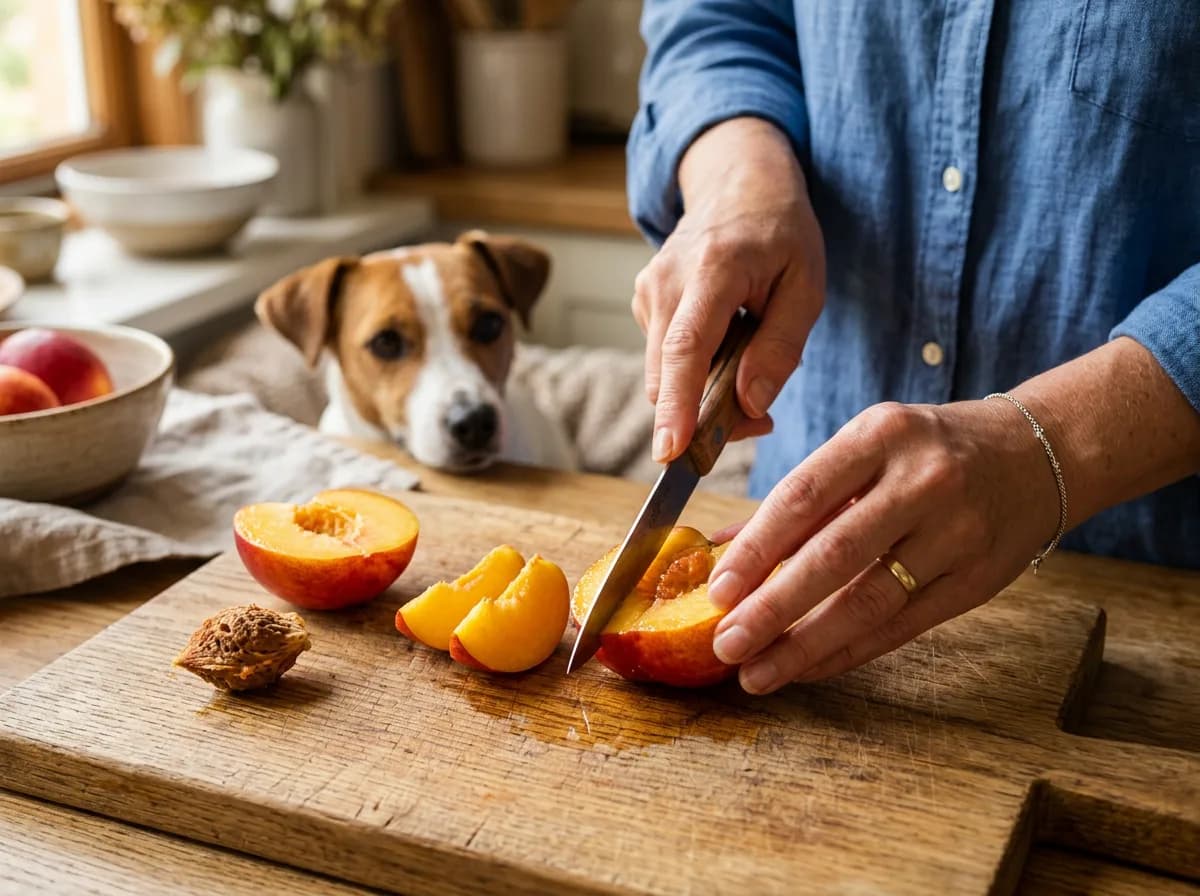
Can Dogs Eat Nectarine Skin?
Yes, dogs can eat nectarine skin. The skin of a ripe nectarine is not toxic, and it actually holds extra fiber and antioxidants, so there is no need to peel the fruit before sharing a piece.
The catch is washing and size. Skin can carry pesticide residue, dirt, or wax, so rinse the nectarine well under running water first, or choose organic. The skin is also slightly tougher to chew, so cut the fruit into small, bite-sized pieces, especially for small dogs and puppies, to keep it from becoming a choking risk.
If your dog has a sensitive stomach, start with peeled flesh and watch for any loose stool before offering skin-on pieces.
- Always rinse nectarines under running water before slicing, even if you plan to peel them. Washing removes most surface pesticide residue and dirt that can upset a dog's stomach.

Pumpkin-flavored probiotic soft chews that support healthy gut flora and digestion in dogs.
Petful may earn a commission when you click through to Chewy, at no extra cost to you.
Can Dogs Eat White and Yellow Nectarines?
Yes, dogs can eat both white and yellow nectarines. The color difference is about flavor and acidity, not safety: white nectarines are a little sweeter and less tangy, while yellow nectarines are slightly more acidic, but both are fine for dogs in the same small amounts.
Whichever color you have, the rules are identical. Pick a ripe, fresh nectarine, wash it, remove the pit, and cut the flesh into small pieces. Avoid any nectarine that is moldy, fermented, or rotting, regardless of color.
Because white nectarines tend to taste sweeter, do not let that tempt you into bigger portions. The sugar load matters more than the color, so keep servings to the size guidance below.
Can Dogs Eat Nectarines and Peaches Together?
Yes, dogs can eat both nectarines and peaches, and the safety rules are nearly identical because they are closely related stone fruits. In each case the fresh, ripe flesh is fine in small amounts, while the pit must always be removed first.
Peach and nectarine pits both contain amygdalin, a compound that can release small amounts of cyanide, and both are firm enough to cause choking or an intestinal blockage if swallowed. Never let your dog gnaw on a whole peach or nectarine.
If you want to share a fruit medley, stick to a few small, pitted, washed pieces of each and skip canned or syrup-packed versions entirely.
Can Dogs Eat Nectarines and Plums?
Nectarines and plums are both stone fruits, and both have the same golden rule: the flesh is okay in moderation, but the pit is the hazard. A small amount of fresh, pitted, washed plum or nectarine flesh is fine for most dogs.
Plums deserve extra caution. The plum pit, along with the leaves and stems of the plum tree, contains more concentrated cyanogenic compounds, so a chewed plum pit is riskier than a swallowed-whole one. As with nectarines, remove the pit completely and never offer the whole fruit.
Keep portions small for both fruits because of their sugar content, and introduce them one at a time so you can spot any digestive upset.
- The pits of nectarines, peaches, plums, and cherries all contain cyanogenic compounds and are choking and blockage hazards. Remove and discard the pit every single time, and keep the whole fruit out of your dog's reach.
What to Do if Your Dog Ate a Nectarine Pit
If your dog swallowed a single nectarine pit whole, it is usually not a cyanide emergency, because an intact pit typically passes without releasing much of the compound. The bigger and more immediate worry, especially in a small dog or a puppy, is choking or an intestinal blockage.
Watch your dog closely for the next day or two for vomiting, loss of appetite, drooling, straining or constipation, lethargy, or belly pain. Any of those can signal that the pit is stuck and needs a veterinarian right away.
Treat it as urgent if your dog chewed or crushed the pit, swallowed several, or is a small breed where even one pit can obstruct the gut. Call your veterinarian or the ASPCA Animal Poison Control Center at 888-426-4435 right away, and do not wait for symptoms if a large amount was eaten or the pit was crushed.
- Repeated vomiting, retching without bringing anything up, a swollen or painful belly, or trouble breathing after swallowing a pit is a medical emergency. Go to the nearest emergency vet now; an intestinal blockage can be life-threatening.

Multiple ridges and valleys slow eating, reduce gas and bloating, and turn mealtime into a fun puzzle. Non-skid base, dishwasher safe, 4-cup capacity.
Petful may earn a commission when you click through to Chewy, at no extra cost to you.
Can Puppies and French Bulldogs Eat Nectarines?
Puppies can have a tiny taste of fresh, pitted nectarine, but go slowly and keep it rare. Their smaller airways and developing digestive systems make even a small pit a more serious choking and blockage risk, and their stomachs are more easily upset by sugar. A growing puppy gets everything it needs from a complete puppy food, so treat nectarine as an occasional novelty, not a staple.
French bulldogs and other flat-faced (brachycephalic) breeds need extra care. Their short airways make choking a bigger danger, so cut nectarine into very small, soft pieces and never offer a whole or large chunk. The same goes for pugs, bulldogs, and Boston terriers.
Whatever the breed or age, introduce nectarine in a small amount the first time and check with your veterinarian if your dog has diabetes, a sensitive stomach, or is overweight.

Related Petful Guides
Yes, dogs can eat nectarine skin. The skin is not toxic and adds a little extra fiber and antioxidants, so there is no need to peel the fruit. Just wash the nectarine well under running water first to remove pesticide residue and dirt, and cut it into small, bite-sized pieces so the skin does not become a choking hazard for small dogs.
Yes, dogs can eat both nectarines and peaches in moderation, since they are closely related stone fruits with the same rules. Offer only fresh, ripe, washed flesh in small amounts, and always remove the pit first. Both pits contain amygdalin, which can release small amounts of cyanide, and are firm enough to cause choking or a blockage if swallowed.
A single nectarine pit swallowed whole is usually not a poisoning emergency, but it can cause choking or an intestinal blockage, especially in small dogs. Watch for vomiting, loss of appetite, drooling, straining, or belly pain over the next day or two. If your dog chewed the pit, swallowed several, or shows any of those signs, call your vet or ASPCA Animal Poison Control (888-426-4435) right away.
Puppies can have a tiny taste of fresh, pitted nectarine, but keep it rare. Their smaller airways make a pit a more serious choking risk and their stomachs are more sensitive to sugar. A complete puppy food provides everything a growing puppy needs, so treat nectarine as an occasional novelty and introduce it slowly while watching for any digestive upset.
The fleshy part of a fresh nectarine is not toxic and is safe for dogs in small amounts. The pit is the dangerous part: it can cause choking or a blockage and contains trace cyanide. Nectarines also become bad for dogs when fed in large amounts because of the sugar, or when they are canned in syrup. Stick to small servings of fresh, pitted flesh.
No, dogs should not eat canned nectarines. Canned and jarred nectarines are usually packed in heavy syrup with added sugar and sometimes artificial preservatives, which can upset a dog's stomach and add empty calories. If you want to share nectarine, use fresh, ripe, pitted flesh in a small amount instead of any canned or preserved version.
Easy Dog-Safe Nectarine Treat Recipes
Here are some simple nectarine recipes for dogs that can be a healthy and delicious treat:
Nectarine Pops
Ingredients: 1 ripe nectarine, pitted and chopped
- 1 cup plain, unsweetened yogurt (ensure its xylitol free)
- Instructions:
- Blend the nectarine and yogurt until smooth.
- Pour the mixture into ice cube trays or silicone molds shaped like bones or paws.
- Freeze until solid, then serve a small amount as a cool treat.
Nectarine Rice Delight
Ingredients: 1/4 ripe nectarine, pitted and chopped 1/2 cup cooked brown rice Instructions: Combine the nectarine and rice in a bowl.
- Serve a little bit as a sweet and nutritious side dish.
When preparing these recipes, make sure to remove the nectarine pit and use ingredients that are safe for dogs. Always introduce new foods to your dog's diet gradually and in moderation to monitor for any adverse reactions.
Curious about what other foods dogs can eat? Check out these related articles below: Can Dogs Eat Bananas? Can Dogs Eat Tangerines? Can Dogs Eat Honeydew? Can Dogs Eat Grapes? Can Dogs Eat Apples? Can Dogs Eat Lemons?

Carol Bryant is the founder FidoseofReality.com and SmartDogCopy.com. A pet product expert, Carol is the Past President of the Dog Writers Association of America (DWAA) and winner of Best Dog Blog. A dog lover of the highest order is how Gayle King introduced Carol when she appeared with her Cocker Spaniel on Oprah Radio’s Gayle King Show to dish dogs. She helps pet, animal, and lifestyle brands achieve copywriting and content marketing success using well-trained words that work and is well-known in the pet industry.
Veterinarian · BVMS, MRCVS
Dr. Pippa Elliott, BVMS, MRCVS, is a veterinarian with nearly 30 years of experience in companion animal practice. Dr. Elliott earned her Bachelor of Veterinary Medicine and Surgery from the University of Glasgow. She was also designated a Member of the Royal College of Veterinary Surgeons. Married with 2 grown-up kids, Dr. Elliott has a naughty Puggle named Poggle, 3 cats and a bearded dragon.
Sign up for expert-backed reviews and safety alerts all in one place.