Can Dogs Eat Cherries? Everything You Need To Know.
Can dogs eat cherries? Only the fresh, pitted flesh, and only in small amounts. The pits, stems, and leaves contain cyanide compounds, and dried, canned, and maraschino cherries should be skipped entirely. Here is the full safety breakdown.

Veterinarian · BVMS, MRCVS

Petful is reader supported. As an affiliate of platforms like Amazon and Chewy, we may earn a commission when you buy through links on this page. There is no extra cost to you.
- 1The flesh of cherries can be eaten in moderation, but the pits, stems, and leaves are toxic and should always be avoided.
- 2While the flesh itself is non-toxic, cherries should only be given in small amounts and with extreme caution, always pitted and cut into small pieces.
- 3Processed cherries, like maraschino or dried varieties, should be avoided entirely due to added sugars and preservatives that can harm your dog’s health.

Sign up for expert-backed reviews and safety alerts all in one place.
Can Dogs Eat Cherries? The Short Answer
Can dogs eat cherries? Only the fresh, pitted flesh, and only one or two as a rare treat. The pits, stems, and leaves contain cyanogenic compounds that release cyanide, and the pit is also a choking and intestinal-blockage risk (ASPCA Animal Poison Control). Skip dried, canned, and maraschino cherries entirely. Many vets say the prep is not worth the small benefit.
Can dogs eat cherries? Yes, dogs can eat the flesh of cherries in moderation, but it's crucial to remove the pits, stems, and leaves, which contain cyanide and can be toxic to dogs if ingested in large quantities. The pits also pose a choking hazard and can cause intestinal blockages. Processed cherries with added sugars or chemicals should be avoided, as they can cause upset stomach and other health issues. Always introduce cherries in small amounts to monitor for any allergic reactions and consult your veterinarian if your dog has specific health concerns or if you notice any signs of distress after they consume cherries.
Are Cherries Safe for Dogs, or Are They Toxic?
Cherries, in small quantities and with certain precautions, can be safe for dogs, but there are important considerations to keep in mind:
- Remove Pits, Stems, and Leaves: The flesh of the cherry is safe for dogs, but the pits, stems, and leaves contain cyanide, which is toxic to dogs in large quantities. The pits also pose a choking hazard and can cause intestinal blockages.
- Serve in Moderation: Only a small number of cherries should be given to a dog. Overconsumption can lead to gastrointestinal upset due to the fruit's fiber and sugar content.
- Watch for Allergic Reactions: Some dogs may be allergic to cherries. Introduce them slowly and watch for any adverse reactions like itching or gastrointestinal upset.
- Avoid Processed Cherries: Maraschino cherries and cherries in syrup or other preservatives should be avoided, as they contain added sugars and chemicals that are not healthy for dogs.
If your dog accidentally consumes cherry pits, stems, or leaves, watch for signs of cyanide poisoning, such as difficulty breathing, red gums, and dilated pupils, and seek veterinary care immediately. For any concerns or if your dog has specific health conditions, consult your veterinarian before feeding them cherries.

Soft, real-beef burger bites with bison, grain-free and sized for occasional training-treat sharing.
Petful may earn a commission when you click through to Chewy, at no extra cost to you.
How Many Cherries Can a Dog Eat by Size?
The amount of cherries a dog can safely consume depends largely on their size, but it's important to remember that cherries should only be given in moderation, regardless of the dog's size. Here's a general guideline:
- Extra Small Dogs (under 10 lbs): One cherry at a time, with the pits removed, can be a safe treat.
- Small Dogs (10-25 lbs): One or two cherries at a time, with the pits removed can be a safe treat.
- Medium Dogs (25-60 lbs): Three to four cherries at a time, with the pits removed can be a safe treat.
- Large Dogs (60-100 lbs): Four to five cherries at a time, with the pits removed can be a safe treat.
- Giant Dogs (over 100 lbs): Five to six cherries at a time, with the pits removed can be a safe treat.
Remember, these amounts are based on the assumption that the cherries are given as a rare treat, not a regular part of the dog's diet. Additionally, it's essential to monitor your dog after they eat cherries (or any new food) to ensure they don't have an adverse reaction. If you have any concerns about feeding cherries to your dog, especially if they have existing health conditions, it's best to consult your veterinarian.
Are Cherries Good for Dogs? Nutrition and Benefits
Cherries can offer some nutritional benefits for dogs, but these benefits are relatively small due to the limited quantity that dogs can safely consume. Here are the key nutrients found in cherries that can be beneficial:
- Vitamin C: This antioxidant can help support the immune system, although dogs generally produce enough vitamin C on their own.
- Vitamin A: Important for vision, immune function, and skin health.
- Fiber: Helps with digestive health, although cherries should be given in moderation to avoid stomach upset.
- Antioxidants: Cherries contain antioxidants like anthocyanins and melatonin, which can help reduce inflammation and support overall health.
- Low Calorie: Cherries are relatively low in calories, making them a nice treat option for weight management, provided they are given in small quantities.
However, it's important to balance these benefits with the risks. The pits, stems, and leaves of cherries contain cyanide, which can cause cyanide poisoning, and the pits can also pose a hazard of choking or cause a block in the dog's digestive tract. Given these risks, cherries should only be fed in moderation and with caution. They are not a necessary part of a dog's diet and should be viewed more as an occasional treat rather than a regular dietary item. For dogs with specific health conditions or dietary needs, it's always best to consult with a veterinarian before introducing new foods
How to Safely Prepare Cherries for Your Dog
Preparing cherries for dogs requires careful steps to ensure they are safe for consumption:
- Wash Thoroughly: Start by washing the cherries to remove any pesticides or chemicals on the skin.
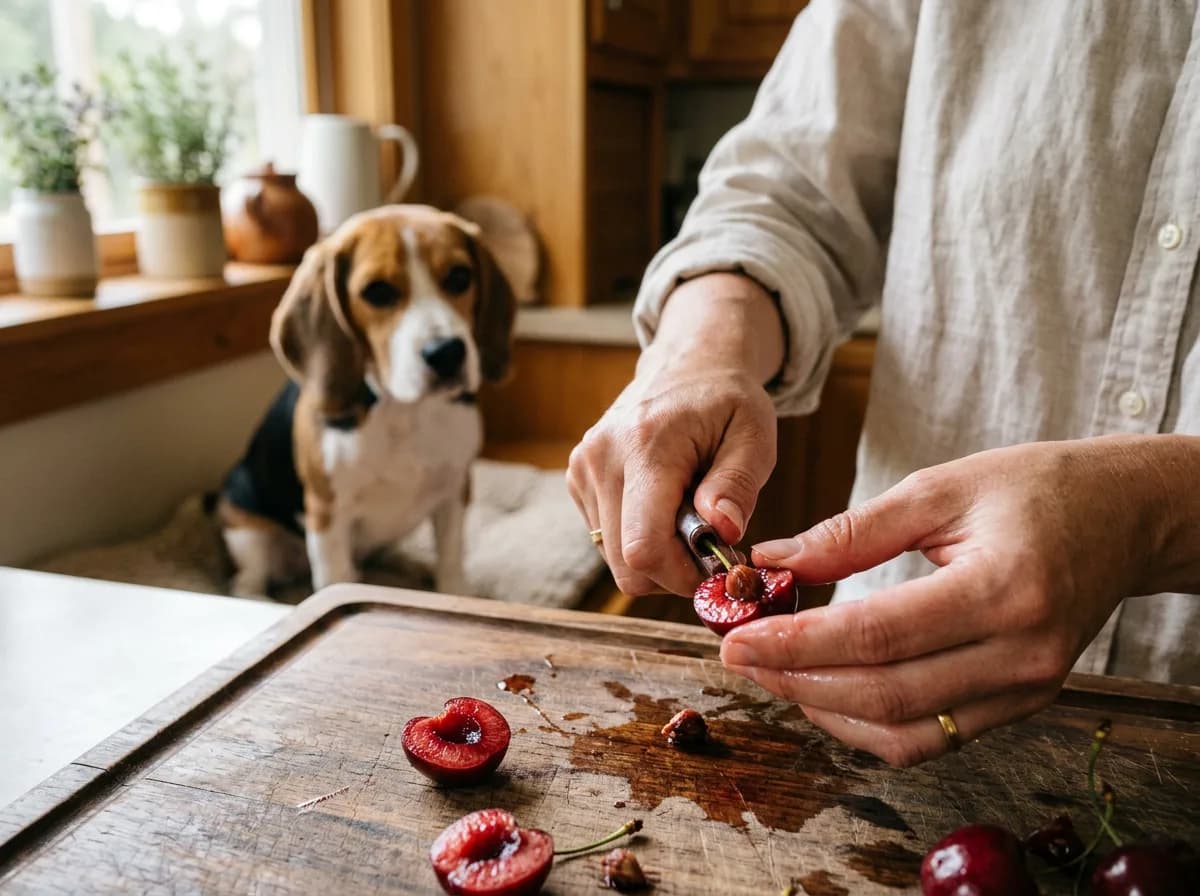
- Remove Pits, Stems, and Leaves: This is the most crucial step. Carefully remove the pits, as they contain cyanide and can also be a choking hazard or cause intestinal blockages. Also, remove stems and leaves, which contain cyanide as well.
- Cut into Smaller Pieces: For smaller dogs, or to ensure safer eating, cut the pitted cherries into smaller pieces to prevent choking.
- Moderation: Only offer a few pieces of cherry to your dog. The exact amount depends on the size of your dog, but it should be a very small portion of their overall diet.
- Monitor Your Dog: After giving your dog cherries for the first time, keep an eye on them for any signs of gastrointestinal upset or allergic reactions.
- Avoid Processed Cherries: Do not give your dog cherries that have been processed with added sugars or chemicals.
Remember, while cherries can be a nice treat, they are not essential for a dog's diet and should be given as an occasional treat only. If your dog has specific health issues or dietary restrictions, consult your vet before introducing new foods like cherries.
Signs Your Dog Is Allergic to Cherries
If a dog is allergic to cherries, you might notice the following symptoms after they consume the fruit:
- Gastrointestinal Issues: This can include vomiting, diarrhea, or a decrease in appetite.
- Itching and Skin Irritations: Allergic reactions often manifest as itching, which may lead to excessive scratching, licking, or biting at the skin. This can result in redness, sores, or hot spots.
- Swelling: You may notice swelling around the mouth, face, or throat, which can be a sign of a more serious allergic reaction.
- Breathing Difficulties: In severe cases, an allergic reaction can cause difficulty in breathing, which is a medical emergency.
- General Discomfort or Lethargy: The dog may show signs of discomfort or unusual lethargy.
If you suspect your dog is having an allergic reaction to cherries, it's important to stop feeding them the fruit immediately and consult your veterinarian, especially if the symptoms are severe. In the case of swelling or breathing difficulties, seek emergency veterinary care, as these could be signs of anaphylaxis, a potentially life-threatening condition.

Pumpkin-flavored probiotic soft chews that support healthy gut flora and digestion in dogs.
Petful may earn a commission when you click through to Chewy, at no extra cost to you.
Frequently Asked Questions (FAQ)
| Cherry Form | Safe? | Why / What to Watch |
|---|---|---|
| Fresh flesh, pitted and washed | Yes, in small amounts | Remove pit, stem, and leaves; serve 1-2 as a rare treat |
| Whole cherry with pit | No | Pit is a choking and intestinal-blockage risk and contains cyanide compounds |
| Cherry pits, stems, leaves | No | Cyanogenic compounds release cyanide when chewed or crushed |
| Dried cherries | No | Concentrated sugar, possible added sugar or raisins, can hide pit fragments |
| Maraschino / canned in syrup | No | Heavy added sugar, dyes, and preservatives; no benefit |
| Frozen, pitted, unsweetened | Yes, in small amounts | Fine if pitted before freezing; cut down for small dogs to avoid choking |
| Wild or ground cherries | No | Wild cherry foliage and fruit and nightshade ground cherries can be toxic |
Can Dogs Eat Dried Cherries?
No, dogs should not eat dried cherries. Drying concentrates the natural sugar, so a small handful packs far more sugar than the same number of fresh cherries, which can trigger stomach upset and, over time, contribute to weight gain.
Many commercial dried cherries also carry added sugar, syrups, or preservatives, and some bagged dried fruit mixes include raisins, which are genuinely toxic to dogs. Dried cherries can also still contain pit fragments.
If your dog grabs one or two plain dried cherries off the floor, it is not an emergency, but dried cherries are not a treat to offer on purpose. Reach for a few pieces of fresh, pitted cherry flesh instead.
- Check the label before assuming a dried fruit is just cherries. Many dried-fruit mixes contain raisins or currants, which can cause acute kidney failure in dogs even in small amounts.
Can Dogs Eat Maraschino, Canned, or Cherry-Flavored Foods?
No. Maraschino cherries are soaked in heavy sugar syrup and often dyed and flavored, so they deliver a sugar load with zero benefit. Canned and jarred cherries in syrup have the same problem.
Cherry-flavored human foods (cherry yogurt, cherry cake, cherry pie filling, cherry soda) are not real cherries at all. They can hide large amounts of sugar and, in some sugar-free products, xylitol, an artificial sweetener that is highly toxic to dogs.
Stick to plain, fresh, pitted cherry flesh if you want to share. Skip anything processed, sweetened, or flavored.
- Always scan for xylitol (sometimes listed as birch sugar) on sugar-free yogurts, candies, and baked goods. Xylitol can cause a rapid, life-threatening drop in blood sugar in dogs. Call your vet or ASPCA Animal Poison Control (888-426-4435) right away if your dog eats any.
Can Dogs Eat Frozen, Bing, Rainier, Black, or Wild Cherries?
The cherry type matters less than how it is prepared. Sweet supermarket varieties like Bing, Rainier, dark sweet, and tart cherries are all fine in the same sense: a little fresh, pitted, washed flesh is acceptable, while the pit, stem, and leaves never are.
Frozen cherries are okay only if they were pitted before freezing and contain no added sugar. A frozen pitted cherry can even be a cooling summer treat for a larger dog, though cut it down for small dogs to avoid choking.
Wild cherries and ground cherries are a different story. Wild cherry trees (and their unripe fruit, twigs, and leaves) are a known source of cyanide, and ground cherries are part of the nightshade family with toxic unripe fruit and foliage. Keep dogs away from both.
- Wild cherry, chokecherry, and black cherry trees are a real yard hazard. The wilted leaves, twigs, and pits carry the most cyanide. If your dog chews branches or fallen fruit, call your vet.

Multiple ridges and valleys slow eating, reduce gas and bloating, and turn mealtime into a fun puzzle. Non-skid base, dishwasher safe, 4-cup capacity.
Petful may earn a commission when you click through to Chewy, at no extra cost to you.
What to Do if Your Dog Ate Cherry Pits or Too Many Cherries
One swallowed pit from a single cherry is usually not a poisoning emergency, because intact pits often pass through without releasing much cyanide. The bigger worry with one pit, especially in a small dog, is choking or an intestinal blockage.
Watch for vomiting, loss of appetite, constipation or straining, lethargy, or belly pain over the next day or two. Those can signal a blockage and need a vet right away.
If your dog crunched multiple pits, ate a whole bag of cherries, or chewed cherry stems and leaves, treat it as urgent. Signs of cyanide poisoning include bright red gums, drooling, dilated pupils, panting or labored breathing, and weakness. Call your vet or ASPCA Animal Poison Control (888-426-4435) immediately, and do not wait for symptoms if a large amount was eaten.
- Bright red gums, labored breathing, dilated pupils, or collapse after eating cherries is a medical emergency. Go to the nearest emergency vet now; cyanide toxicity moves fast.
Can Puppies Eat Cherries?
It is best to skip cherries for puppies. Their smaller airways and digestive tracts make even a single pit a more serious choking and blockage risk, and their stomachs are more easily upset by sugar.
If you want to introduce fruit to a puppy, start with safer, lower-risk options like a few blueberries or a small piece of banana, and check with your vet first. A growing puppy gets everything it needs from a complete puppy food.
Safer Fruits to Feed Instead of Cherries
Because a cherry has to be washed, pitted, and rationed to be safe, many owners decide the effort is not worth it. Plenty of fruits give the same sweet, antioxidant-rich treat with far less fuss and no toxic pit to manage.
Good low-risk picks include blueberries, strawberries, and seeded, cored apple slices, all of which can be served with minimal prep. As with any treat, keep fruit to about 10 percent of your dog's daily calories and introduce new foods one at a time.
Related Petful Guides
Yes, a dog can eat a small amount of fresh cherry flesh once the pit, stem, and leaves are removed. The pit is the main hazard because it can cause choking or an intestinal blockage and contains cyanide compounds. Even pitted, keep it to one or two cherries as an occasional treat because of the sugar.
One whole cherry is rarely a poisoning emergency, since a single intact pit usually passes without releasing much cyanide. The bigger risk, especially in a small dog, is choking or a blockage. Watch for vomiting, constipation, lack of appetite, or belly pain for a day or two, and call your vet if any appear.
Dried cherries are bad for dogs and should be avoided. Drying concentrates the sugar, and many products add more sugar, syrups, or preservatives. Bagged dried-fruit mixes may also contain raisins, which are toxic to dogs, so dried cherries are not a safe substitute for fresh, pitted ones.
There is no exact safe number, because toxicity depends on the dog's size and whether the pits are chewed. A single swallowed-whole pit is usually low risk, while several crushed pits can release enough cyanide to be dangerous. If your dog crunched multiple pits, call your vet or ASPCA Animal Poison Control (888-426-4435) right away.
No. Maraschino cherries are soaked in sugar syrup and often dyed and flavored, delivering a heavy sugar load with no nutritional benefit. The same goes for canned cherries in syrup and cherry-flavored human foods. Offer plain, fresh, pitted cherry flesh instead if you want to share.
Frozen cherries are fine in small amounts only if they were pitted before freezing and have no added sugar. A frozen pitted cherry can be a cooling summer treat for a bigger dog, but cut it into smaller pieces for small dogs to prevent choking. Avoid frozen cherries packed in sweetened syrup.
The fleshy part of a cherry is not toxic, but the pits, stems, and leaves are. They contain cyanogenic compounds that release cyanide when chewed, and the pit can also cause a blockage. Because the safe part is small and the risky parts are dangerous, many veterinarians suggest skipping cherries altogether.
It is best not to give puppies cherries. Their smaller airways and digestive tracts make a pit a more serious choking and blockage risk, and their stomachs are more sensitive to sugar. If you want to add fruit, start with a few blueberries or a small piece of banana and ask your vet first.
Easy, Vet-Smart Cherry Treat Recipes for Dogs
When introducing cherries to your dog's diet, it's essential to do so in a safe and appealing way. Remember to always remove the pits, stems, and leaves, and serve cherries in moderation. Here are a few simple healthy treat ideas:
- Cherry Oat CookiesPreheat the oven to 350°F (175°C).Combine rolled oats, a small amount of mashed pitted cherries, and a touch of honey or applesauce for sweetness.Form small cookies and place them on a baking sheet.
- Cherry Frozen TreatsBlend pitted fresh cherries into a smooth puree.Mix the puree with plain yogurt or a dog-safe peanut butter.Pour the mixture into ice cube trays or a silicone mold.
- Cherry-Stuffed KongsMash a few pitted cherries.Mix the mashed cherries with your dog's favorite wet food or plain cottage cheese.Stuff this mixture into a Kong or similar food-dispensing toy.
Always introduce new treats in small quantities and observe your dog for any adverse reactions. If your dog has specific dietary restrictions or health issues, consult your vet before offering cherry-based treats. Remember, these treats should only be a small part of your dog's overall diet.
Curious about what other foods dogs can eat? Check out these related articles below: Can Dogs Eat Avocado? Can Dogs Eat Applesauce? Can Dogs Eat Papaya? Can Dogs Eat Blackberries? Can Dogs Eat Blueberries? Can Dogs Eat Nectarines?

Carol Bryant is the founder FidoseofReality.com and SmartDogCopy.com. A pet product expert, Carol is the Past President of the Dog Writers Association of America (DWAA) and winner of Best Dog Blog. A dog lover of the highest order is how Gayle King introduced Carol when she appeared with her Cocker Spaniel on Oprah Radio’s Gayle King Show to dish dogs. She helps pet, animal, and lifestyle brands achieve copywriting and content marketing success using well-trained words that work and is well-known in the pet industry.
Veterinarian · BVMS, MRCVS
Dr. Pippa Elliott, BVMS, MRCVS, is a veterinarian with nearly 30 years of experience in companion animal practice. Dr. Elliott earned her Bachelor of Veterinary Medicine and Surgery from the University of Glasgow. She was also designated a Member of the Royal College of Veterinary Surgeons. Married with 2 grown-up kids, Dr. Elliott has a naughty Puggle named Poggle, 3 cats and a bearded dragon.
Sign up for expert-backed reviews and safety alerts all in one place.