Neapolitan Mastiff Puppies Breed Profile: Essential Facts
As one of the biggest dog breeds in the world, Neapolitan Mastiffs are affectionate, calm and loving — but they're not recommended for first-timers.

- AKC Group: Working
- Weight: 150 lbs. (male)110 lbs. (female)
- Height: 26–31 in. (male)24–29 in. (female)
- Life Span: 8–10 years

Sign up for expert-backed reviews and safety alerts all in one place.
Key Characteristics of Neapolitan Mastiff Puppies
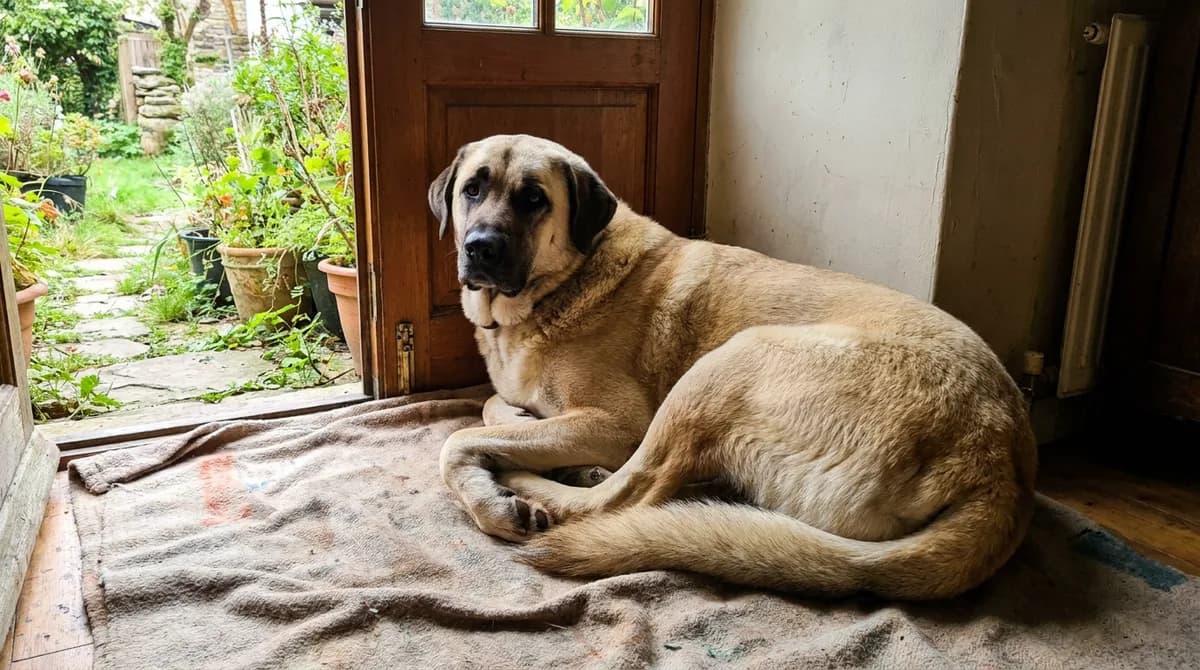
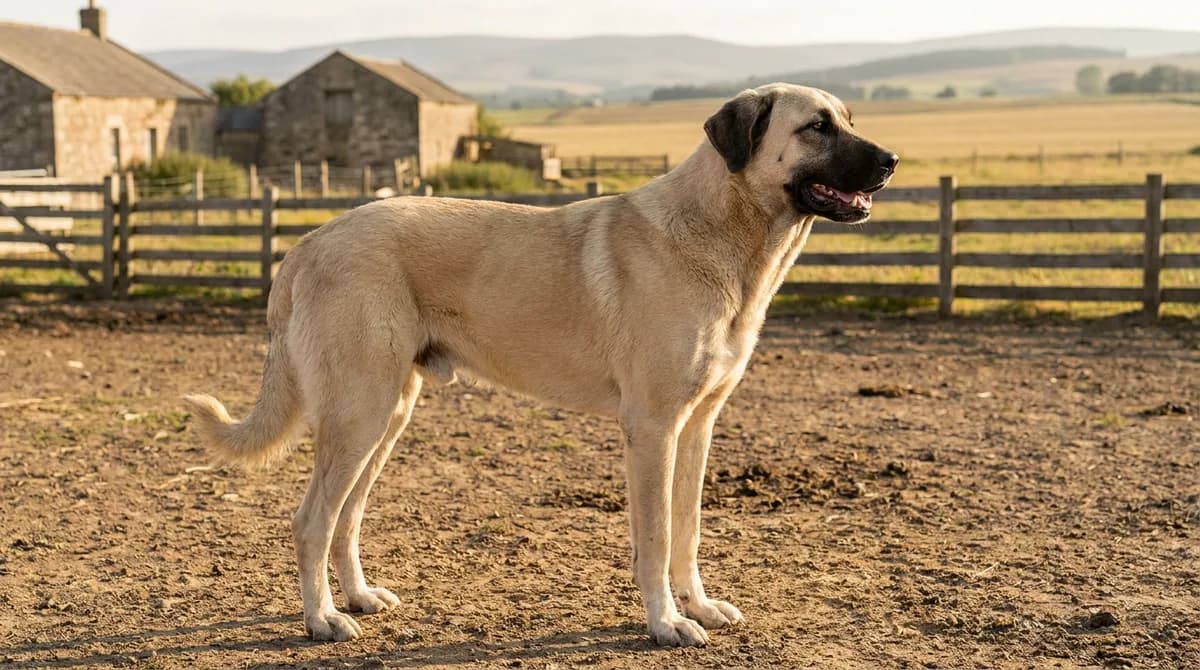
Neapolitan Mastiff puppies are among the biggest dog breeds in the world, easily recognized by their distinctive facial wrinkles and skin folds. These powerful dogs have rectangular-shaped bodies and large, round feet, which contribute to their robust and commanding presence.
- At birth, their eyes are blue but darken to amber or brown as they mature.
- Their short, dense coat can come in various colors, including black, blue, mahogany, and tawny, often with brindle markings.
- These puppies also carry their tails up and over their backs, adding to their striking appearance.
Neapolitan Mastiff puppies are indeed one of the biggest dog breeds in the world, making them a remarkable choice for those seeking a strong and imposing companion.
Where Neapolitan Mastiff Puppies Came From
- One theory suggests that Alexander the Great brought mastiffs to Greece around 300 B.C. The Romans discovered the dogs when they later conquered Greece and took some of the dogs to cross with other large dogs. They used them for protection and entertainment, usually making them fight against people and other animals for sport.
- Another theory asserts that the mastiffs arrived in Britain in 500 B.C. and later spread throughout Europe.
Both theories agree, though, that the ancestor of the Neapolitan Mastiff was the Roman Molossus.
The first exhibition of the mastiffs was in 1946 in Italy. The breed standard was written in 1948 and edited in 1971, and the American Kennel Club (AKC) recognized the breed in 2004.

How Friendly Are Neapolitan Mastiffs?
Despite their intimidating appearance, Neapolitan Mastiff puppies are affectionate, calm, and loving dogs that are naturally protective. While they don’t bark excessively, they can be wary and protective around strangers. Early training and socialization are crucial, starting at around 4 months old, to ensure they grow into well-behaved adults. Imagine trying to teach a large, 150-pound adult Mastiff to learn commands—it’s much easier to instill good behavior when they are still young.
- Properly introducing your Neapolitan Mastiff puppy to other pets is essential to prevent aggression or destructive behavior.
- According to Carol Paulsen, author of Neapolitan Mastiff: A Comprehensive Owner's Guide, this breed is not suitable for first-time dog caretakers, as they require an experienced handler familiar with dominant dogs. They are also not recommended for homes with young children.
- Neapolitan Mastiffs should never be kept as outside-only dogs. They need human companionship, discipline, and attention to thrive.
Neapolitan Mastiff puppies may have an intimidating appearance, but with proper care and training, they can be loyal and gentle companions. Just remember, they don’t bark excessively, and they should never be left as outside-only dogs.
Socialization Tips for Neapolitan Mastiff Puppies
Socializing Neapolitan Mastiff puppies is crucial to ensure they grow up to be well-adjusted and confident dogs. Early socialization helps these naturally protective puppies become more comfortable around strangers and new environments. Begin introducing your Neapolitan Mastiff puppy to different people, pets, and situations as early as possible, ideally before they reach 14 weeks of age.
- Exposure to New Environments: Regularly take your Neapolitan Mastiff puppy to different places, such as parks or pet-friendly stores, to expose them to various sights and sounds.
- Interaction with Other Dogs: Allow your Neapolitan Mastiff puppy to interact with other well-behaved dogs in a controlled setting to develop good canine social skills.
- Positive Reinforcement: Use treats and praise to reward your Neapolitan Mastiff puppy during socialization sessions, reinforcing good behavior and confidence.
Proper socialization will help Neapolitan Mastiff puppies become balanced adults, reducing the likelihood of fear-based aggression or excessive wariness of strangers.
Are Neapolitan Mastiff Puppies the Right Dog for You?
Exercise Needs of Neapolitan Mastiff Puppies
LOW: Neapolitan Mastiff puppies have relatively low exercise needs. A daily walk is usually sufficient to keep them healthy and happy.
- Gentle Activities: Incorporate gentle activities and playtime that won’t overly strain their bodies.
- Monitor Exercise: When your Neapolitan Mastiff is young, it's important to watch their exercise levels closely.
- Avoid Overexertion: Ensure they don’t tire out excessively, as overexertion can be harmful while their fast-growing bones and joints are still developing.
Grooming Needs of Neapolitan Mastiff Puppies
MEDIUM: Neapolitan Mastiff puppies shed an average amount, and their short coat can be kept clean with a simple weekly brushing. Bathing is only necessary when they get particularly dirty.
- Drooling: Be warned—this breed drools, so keep small towels or cloths on hand. If drooling isn’t something you want to deal with, you might want to consider another breed like Newfoundlands or Great Danes, which also tend to drool.
- Nail Care: Their nails grow quickly, so be sure to trim your dog’s nails every 2 weeks or as needed.
- Ear Cleaning: Neapolitan Mastiff puppies are prone to ear wax buildup and debris, which can lead to infections. Make ear cleaning a part of your grooming routine when trimming their nails, using proper ear cleaning techniques.
- Dental Care: Brush your dog’s teeth more frequently to maintain good dental hygiene. Here’s a guide on how to perform dog dental care at home.
Health Problems in Neapolitan Mastiff Puppies
MEDIUM: Neapolitan Mastiff puppies are susceptible to several health problems, which include:
- Bloat: This is a serious and potentially life-threatening condition. Learn more about bloat in dogs.
- Hip Dysplasia: A common issue in large breeds, where the hip joint doesn’t develop properly.
- Elbow Dysplasia: Similar to hip dysplasia but affecting the elbows. Learn more about elbow dysplasia.
- Eye Problems (Cherry Eye): Neapolitan Mastiff puppies can be prone to eye issues like cherry eye. For more details, visit cherry eye.
- Overheating: This breed can overheat easily due to their large size and short muzzle, so it’s important to monitor them in hot weather.
- Heart Problems: Heart conditions are also a concern. Learn about managing heart problems in dogs.
- High Pain Tolerance: Neapolitan Mastiff puppies have a high pain tolerance, which can sometimes mask underlying health issues.
It’s essential to talk with your veterinarian about starting your Neapolitan Mastiff puppy on a large-breed dog food to support their growth and health. For more information, see our related article, "Yes, Large-Breed Dogs Really Do Need Special Food. Here’s Why."
Watch this hilarious video of Neapolitan Mastiff pups playing hide-and-seek:
Proper Diet and Nutrition for Neapolitan Mastiff Puppies
Feeding Neapolitan Mastiff puppies the right diet is essential for their growth and overall health. As a large breed, Neapolitan Mastiff puppies have specific nutritional needs that differ from smaller dogs.
- Large-Breed Puppy Food: Start your Neapolitan Mastiff puppy on a specially formulated large-breed puppy food. This type of food is designed to support their rapid growth while preventing issues such as joint problems or obesity.
- Balanced Nutrition: Ensure that your Neapolitan Mastiff puppy’s diet includes the right balance of proteins, fats, and carbohydrates to support their energy levels and development.
- Avoid Overfeeding: Be mindful of portion sizes to prevent overfeeding, as Neapolitan Mastiff puppies are prone to weight gain, which can put extra strain on their growing joints.
- Regular Feeding Schedule: Establish a consistent feeding schedule for your Neapolitan Mastiff puppy to regulate their metabolism and prevent overeating.
Discuss with your veterinarian the best feeding plan for your Neapolitan Mastiff puppy to ensure they receive all the essential nutrients needed for a healthy lif
Where to Adopt a Neapolitan Mastiff Puppy
Finding purebred Neapolitan Mastiff puppies in the United States can be challenging, with more mixed breeds available. To help you in your search:
- Check with Breed Clubs: Start by contacting the closest breed club for information on available puppies.
- Use Online Resources: Try Petful's free online search page to locate adoptable Neapolitan Mastiffs.
- If you decide to go through a breeder:
- Ask for Health Clearances: Ensure the breeder is reputable by asking for health clearances on the puppy’s parents, including hip, elbow, eye, and heart clearances.
- Visit the Breeder’s Location: It’s crucial to visit the breeder’s location to verify that the dogs are well cared for and not living in puppy mill conditions.
Related Dog Breed Profiles You May Like
- Groenendael Breed Profile: Essential Facts
- Havanese Breed Profile: Essential Facts
- Ibizan Hound Breed Profile: Essential Facts
- Keeshond Breed Profile: Essential Facts
- Kerry Blue Terrier Breed Profile: Essential Facts
Frequently Asked Questions (FAQ)
Yes, Neapolitan Mastiffs can be good family dogs for experienced owners. They are loyal, protective, and affectionate but require early socialization, consistent training, and space due to their large size.
Neapolitan Mastiffs can have litters ranging from 6 to 12 puppies on average.
A Neapolitan Mastiff puppy typically costs between $2,500 and $5,000, depending on the breeder, pedigree, and location.
No, the Cane Corso and Neapolitan Mastiff are different breeds. The Cane Corso is more agile and athletic, bred for guarding and hunting, while the Neapolitan Mastiff is larger, more wrinkled, and known for its protective but laid-back nature.
References
- “Neapolitan Mastiff.” American Kennel Club. https://www.akc.org/dog-breeds/neapolitan-mastiff/
- “Mastini Della Forte – Neapolitan Mastiff.” Mastini Della Forte. http://www.mastinidellaforte.com/
- “Neapolitan Mastiff Club of America.” Neapolitan.org. https://www.neapolitan.org/

Kristine Lacoste has been researching dog and cat breeds for nearly a decade and has observed the animals up close at dog shows in both the United States and the United Kingdom. She is the author of the book One Unforgettable Journey, which was named as a finalist for a Maxwell Award from the Dog Writers Association of America, and was host of a weekly pet news segment on the National K-9 Academy Radio Show. In addition, she was the New Orleans coordinator for Dogs on Deployment, a nonprofit that helps military members and their pets, for 3 years. Kristine has researched and written about pet behaviors and care for many years. She holds a bachelor’s degree in psychology, another bachelor’s degree in English and a Master of Business Administration degree.
Sign up for expert-backed reviews and safety alerts all in one place.