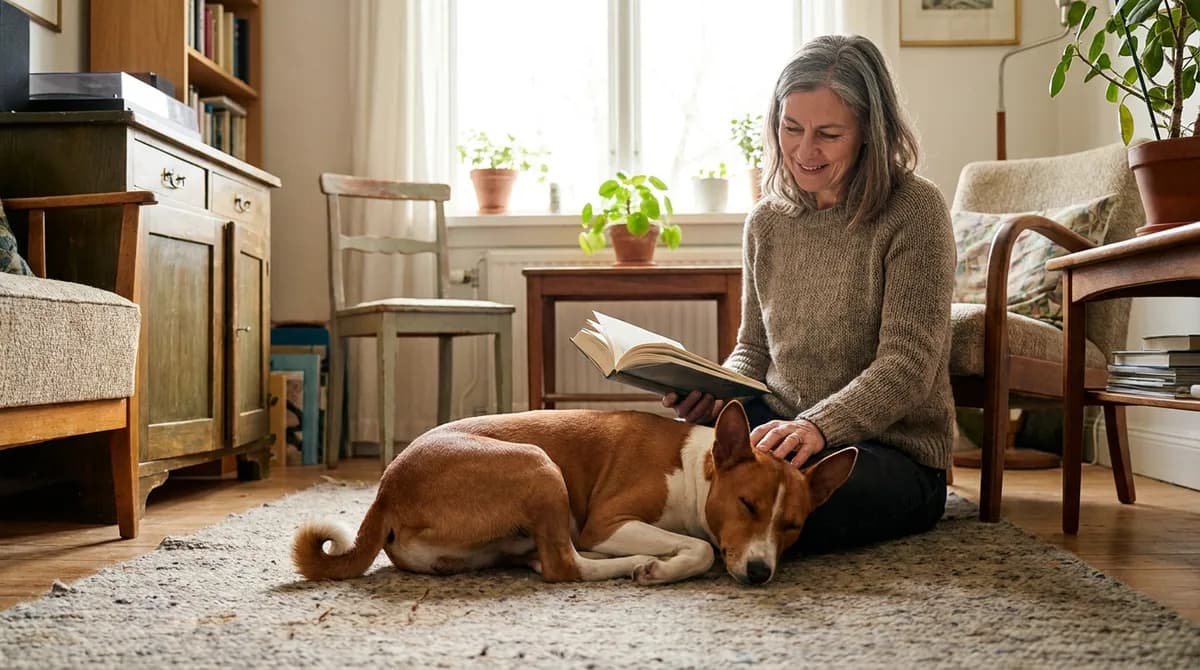
Mudi: Temperament, Barking, Exercise and Family Fit
Meet the Mudi, a Hungarian herding dog. Learn about barking, exercise, training, coat care and health records, then assess the individual dog against your household needs.
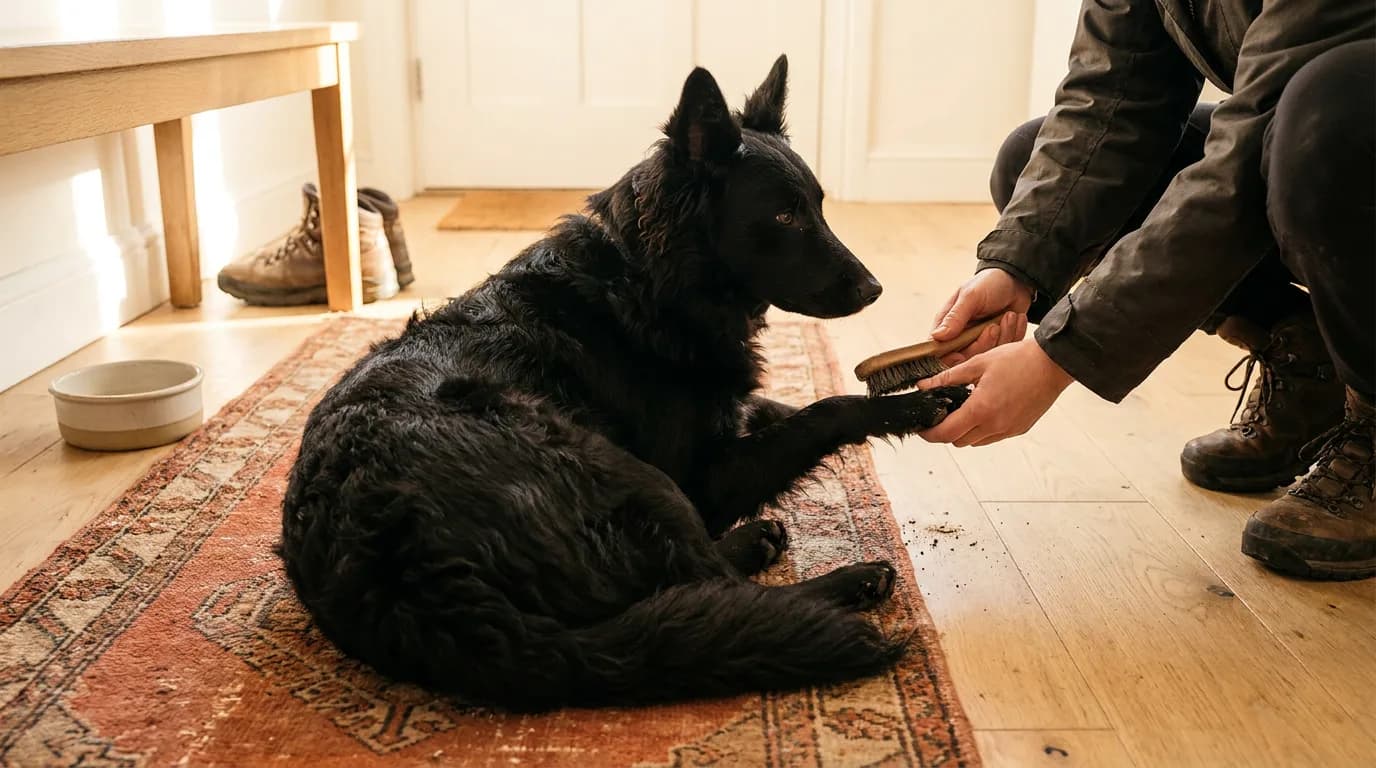
Include quiet handling and recovery time in an active dog’s routine.
Petful is reader supported. As an affiliate of platforms like Amazon and Chewy, we may earn a commission when you buy through links on this page. There is no extra cost to you.
The Mudi dog is a Hungarian herding breed with an alert mind, a wavy-to-curly coat and a strong interest in what is happening around it. That combination can delight someone who enjoys training and shared activity. It can also challenge a household that expects a naturally quiet dog to entertain itself all day.
Before choosing a Mudi, look past the unusual appearance and ask three practical questions: Can you provide regular activity and daily enrichment? Can you manage alert barking without relying on punishment? And can you teach calm home skills as deliberately as you teach games? The individual dog's history and temperament matter alongside the breed description.

Sign up for expert-backed reviews and safety alerts all in one place.
What Is a Mudi?
The Mudi is a distinct Hungarian herding dog, not a designer cross or a small version of another herding breed. The United Kennel Club breed standard describes a medium-sized working dog with upright ears, a wedge-shaped head, shorter hair on the face and front of the legs, and a longer wavy or curly body coat. A breed standard describes the desired breed characteristics; it does not promise the exact behavior of every dog.
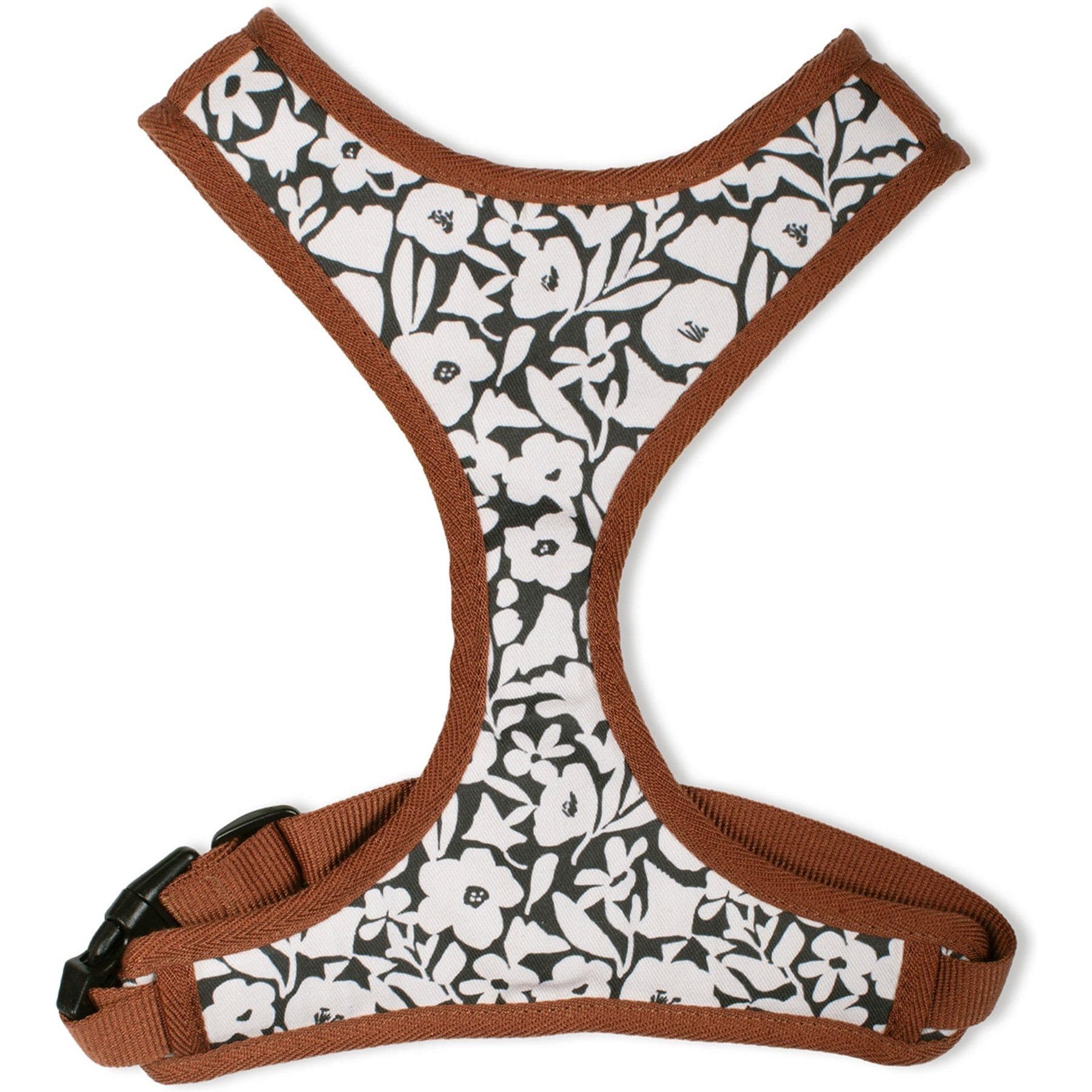
Equipment is another decision that depends on the individual rather than the breed name. Walking equipment should support comfortable practice. The Pet Shop by Fringe Studio harness here is a Medium for a 17–22-inch chest girth. Measure your dog and check the product's instructions before choosing it. Adjustability is useful, but it does not make one size appropriate for every puppy or adult Mudi.
This is cool
Petful may earn a commission when you click through to Chewy, at no extra cost to you.
The AKC recognized the Mudi in 2022, announcing it alongside the Russian Toy. Recognition made the Mudi eligible in the AKC Herding Group; it did not mean this Hungarian farm dog had just been created.
Mudi puppies need gradual introductions to everyday experiences:
- Comfortable handling.
- Ordinary household sounds.
- Predictable routines and opportunities to rest.
A Mudi puppy's appearance does not establish its future personality. Ask what experiences the litter has had and how the breeder matches individuals to homes.
How to pronounce Mudi
The name is pronounced approximately MOO-dee. Our guide to unusual dog-breed names includes that pronunciation. The breed's relative unfamiliarity can make photographs confusing, so use documented identity and knowledgeable breed sources rather than trying to identify every curly-coated dog by appearance alone.

A Hungarian herding dog needs household routines that accommodate alert barking. Daily enrichment, thoughtful training and opportunities to rest all matter; attractive coat patterns do not answer those questions.
| Everyday decision | A promising fit | A reason to investigate further |
|---|---|---|
| Alert barking | You can manage triggers and reward calm responses | You need a reliably silent dog in a noise-sensitive home |
| Daily enrichment | You enjoy training, sniffing games and shared activity | You expect a yard to supply all stimulation |
| Visitors and busy surroundings | You can introduce situations gradually and respect the dog’s comfort | You need instant sociability in every setting |
| Rest and alone time | You can build calm routines and gradual independence | Your plan relies on exhausting the dog before a long absence |
| Children and other animals | You can assess the individual and supervise interactions | You expect a breed label to guarantee compatibility |
Temperament, Barking and Household Fit
The Mudi Club of America's FAQ emphasizes variation between individuals and discusses the breed's tendency to bark. Think of alertness as a trait you will live with, not a fault to fix after the dog arrives. Sounds outside, people approaching and exciting movement may all become events that deserve a response from the dog's perspective.
Ask for concrete observations of this Mudi's personality:
- How does the dog recover after a surprise or a visitor arriving?
- Can it disengage from a moving distraction and settle?
- What experience has it had with children, cats and ordinary home noises?
Individual observations are more useful than a blanket description such as “great family breed.”
For a dog comfortable with food enrichment, a supervised activity can be part of a calm household routine. A KONG Classic food toy is one enrichment option. The linked offer is Large, so choose it only when the manufacturer's guidance and your dog's chewing style make it appropriate. Supervise use and count its food toward daily intake. A toy supplements interaction and learning; it cannot provide every outlet a working dog needs.

A durable rubber dog toy that can be stuffed with treats and selected by the manufacturer's size guide; supervise use and retire it when damaged.
Petful may earn a commission when you click through to Chewy, at no extra cost to you.
Alert barking and settling
In a noise-sensitive home, identify what you can control. A resting area away from a busy window, predictable visitor routines and rewarded quiet behavior can make practice easier. A dog rehearsing barking at passersby for hours is not getting the same learning opportunities as a dog whose environment helps it settle. WebVet’s guide to unexplained barking explains additional triggers and changes to investigate. If barking changes suddenly or is accompanied by distress, consult your veterinarian rather than assuming it is simply the breed.
Children need guidance about a dog's space, food, rest and signals of discomfort. Supervise interactions and provide a way for the dog to retreat. The same principle applies to other pets: assess the individual's history, introduce carefully and manage the environment. Neither herding ancestry nor a friendly first meeting guarantees every later interaction will be safe or comfortable.
Exercise, Training and an Off Switch
Mudi training works best as a routine you can sustain. A Mudi needs useful activity, but “more exercise” is not a complete training plan. Pair physical outlets with skills the dog needs at home: coming when called, walking without constant tension, relaxing on a mat and accepting brief handling. Choose activity appropriate to the dog's age, health and current fitness rather than copying another owner's demanding sport routine.
Handling practice belongs alongside active skills, including learning to accept coat care comfortably. An aumuca slicker brush is an option to consider for suitable coat areas. Introduce it gently and do not repeatedly work over irritated skin. If the dog resists grooming, check the tool, technique and possible discomfort rather than assuming it needs firmer handling. A groomer can demonstrate a comfortable approach for your particular dog's coat.

Petful may earn a commission when you click through to Chewy, at no extra cost to you.
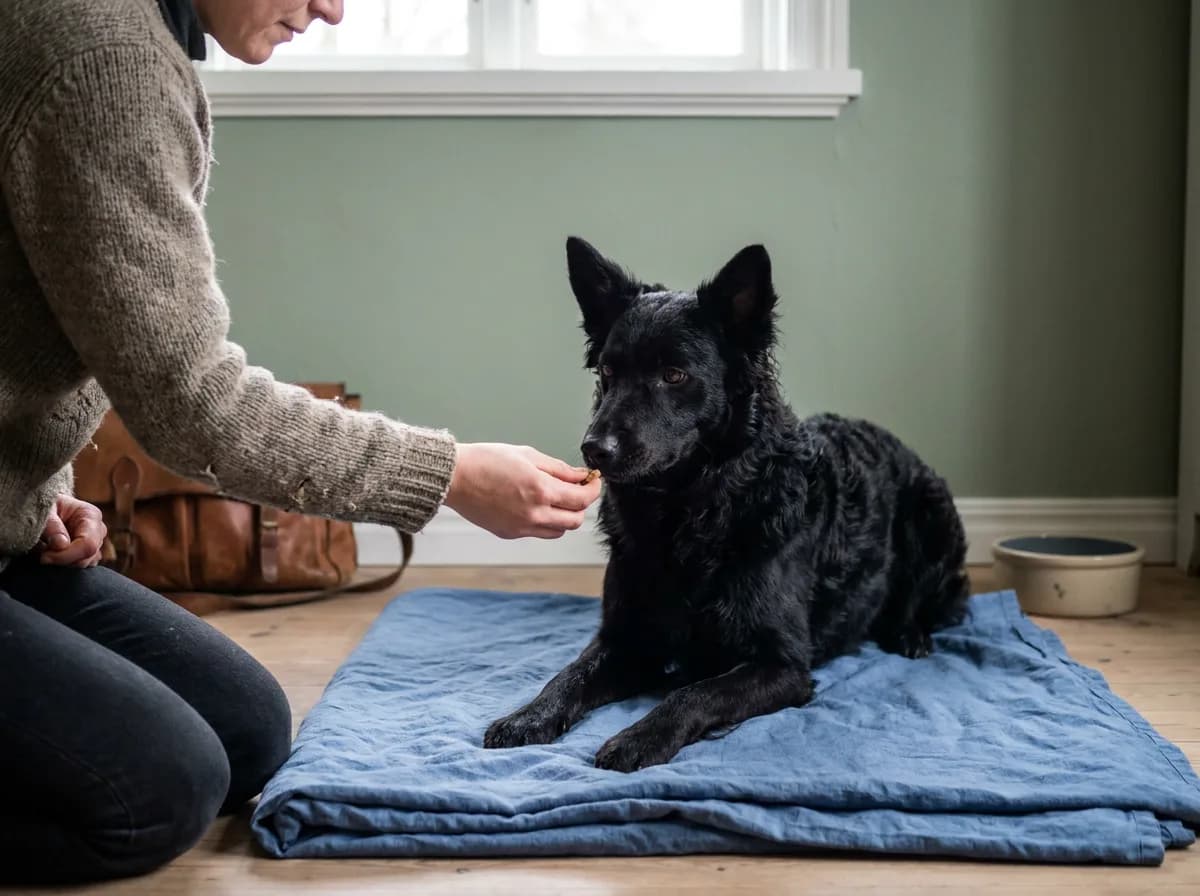
A workday routine needs both activity and recovery:
- Morning: an appropriate walk and a brief, achievable training task.
- Daytime: comfortable rest, toilet opportunities and care suited to the dog's needs.
- Later: shared activity or enrichment followed by an opportunity to settle.
Mudi agility practice, when appropriate to the dog, is one possible outlet rather than a requirement. Build a day with variety. A sniffing walk, a short training session, supervised play and quiet time offer different experiences. Add difficulty gradually, and watch how your dog recovers afterward. A dog becoming increasingly frantic does not necessarily need a harder workout; it may need help with arousal, clearer routines or an assessment of discomfort or anxiety.
The American Veterinary Society of Animal Behavior recommends reward-based training. Reward the response you want and arrange manageable practice rather than punishing the dog for noticing its surroundings. WebVet's dog-training schedule can help organize short sessions around real household skills.
Practicing rest and independence
Teach being alone gradually, too. Frantic vocalizing, escape attempts or other signs of distress need a different response from ordinary attention-seeking or an unpracticed routine. WebVet's separation-anxiety guide explains that distinction. Seek veterinary and qualified behavior support when needed rather than escalating confinement or punishment.
Coat Care and Shedding
The Mudi's coat is generally less elaborate to maintain than its curls might suggest, but it still sheds and needs inspection. The breed club describes roughly weekly brushing as a useful general routine. Adjust to your dog's coat, outdoor activities and comfort; remove debris gently and notice any irritation or tangles rather than assuming every dog needs identical grooming.
Include nails, ears and teeth in routine care discussions. A Virbac dual-ended toothbrush may suit a gradual brushing routine when its size is appropriate. Ask your veterinarian about toothpaste and technique, especially if the mouth appears painful. Brushing equipment supports care; it does not replace examination or treatment.
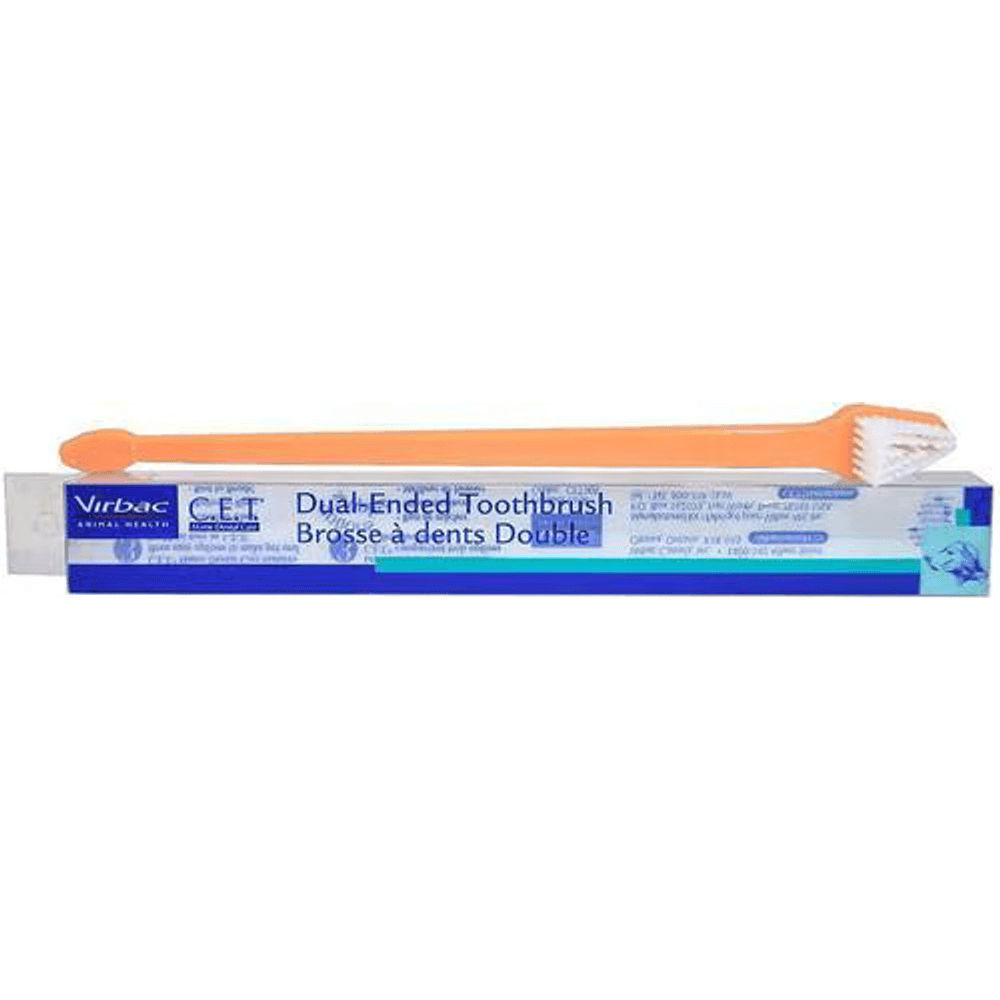
A dual-ended toothbrush with a large and a small head to fit different mouth sizes and reach the back molars where plaque hides. Soft bristles angled for the gumline.
Petful may earn a commission when you click through to Chewy, at no extra cost to you.
A curly coat is not proof of being hypoallergenic. If allergies are part of your decision, discuss them with an appropriate health professional and evaluate real exposure before making a commitment. Do not buy a Mudi because a listing equates curls or modest shedding with a guarantee that nobody will react.
Health Screening, Feeding and Lifespan
Ask for actual health information instead of accepting “healthy breed” as the entire answer. The AKC's Mudi profile directs prospective owners toward breed-club screening and lists eye and cardiac examinations among its recommendations. Confirm the current recommendations with the breed club and request the relevant parent results, dates and identities.
- Screening records should identify the parent, the test, its date and its result. Parent identity matters: a general health assurance is not a substitute for the actual records.
An available DNA test does not by itself establish how common a disease is in the breed or prove that a tested dog has received all appropriate screening. The UC Davis Veterinary Genetics Laboratory Mudi page is a primary resource for the tests it offers. Ask the breeder and your veterinarian how a specific result should be interpreted in the dog's wider health history.
The breed club gives a general lifespan of around 12–14 years. That is a planning reference, not an individual prognosis. Ask about longevity and known health issues in the dog's family, then maintain preventive care and follow up on changes in mobility, appetite, behavior or comfort. A broad lifespan estimate cannot explain a particular symptom.
Feed for life stage, body condition and individual needs. Use the food's information and veterinary advice rather than a fixed “Mudi cups per day” rule. Training rewards and food inside a stuffable toy count toward intake. If weight changes unexpectedly, review the whole picture with your veterinarian rather than simply adding exercise.
Mudi Size, Colors and Related Breeds
Registry height ranges help interpret Mudi size. The Mudi is medium-sized, but published standards are not identical across registries. For example, the UKC standard gives ideal shoulder heights of 15.5–19 inches for males and 14.5–18 inches for females, and assesses weight through body condition rather than a single numerical target. Identify the source when comparing ranges; do not combine several standards into a fictional universal rule.
Black, white, brown, ash or gray, yellow or fawn, and merle patterns appear in breed discussions. Terminology and acceptable show colors must be checked against the relevant registry. Check the UKC standard’s color and pigment descriptions against the registry relevant to your question; a single photograph is not a complete color reference. Color is not a shortcut to evaluating health, temperament or breeder quality.
The Mudi, Pumi and Puli are distinct breeds, even though all have Hungarian herding associations. A Mudi versus Border Collie comparison also needs more than a contest over intelligence. Compare the particular dog's sociability, alertness, activity, coat care and ability to rest in your home. Breed histories provide context, while meetings and individual records make the decision more concrete.
Comparing related working dogs
A Croatian Sheepdog versus Mudi comparison can be confusing because both may have a wavy or curly coat. The UKC Croatian Sheepdog standard specifies black with limited white markings and a 16–20-inch height range, while the Mudi standard allows broader color variation. For Mudi versus Australian Shepherd, the UKC Australian Shepherd standard gives preferred heights of 20–23 inches for males and 18–21 for females. These structural distinctions do not guarantee which individual will be calmer or easier to train.
For Mudi agility, build skills gradually and keep the individual dog’s comfort and fitness central. Our guide to athletic and agility breeds explains why sporting potential and household fit are separate questions. A Mudi's versatility can be appealing without obligating you to enter competitions. Suitable everyday outlets and humane teaching matter whether you pursue a sport or enjoy life as companions.
Mudi Price and Finding a Dog
If you are looking for Mudi puppies in the USA, start with breed-club contacts and verify the breeder or organization. A listing claiming Mudi puppies are available is a lead to check, not proof of identity or a good match. Ask about Mudi rescue and adult adoption opportunities as well as buying a puppy. Availability changes, and an adult may provide more observable household history. Our Mudi dog price guide includes a dated breeder example and a method for planning acquisition and continuing expenses. A higher asking price or a rare coat does not replace screening records, thoughtful matching or clear written terms.
Before collection, prepare a simple setup rather than buying everything immediately. Recheck a harness's measurements, choose a coat tool for the actual coat and plan a gradual toothbrushing routine. Leave room to adapt as you learn about the dog's comfort, preferences and established skills.
Frequently Asked Questions
No. The Mudi is a distinct Hungarian breed with its own history and registry standards. Both breeds may appeal to people interested in training or herding sports, but that does not make one a smaller version of the other. Compare the individual dogs' activity, sensitivity and household behavior rather than assuming similar work means identical personalities.
Not reliably. Appropriate activity supports welfare, but barking can also relate to triggers, reinforced behavior, frustration, fear or distress. Identify what happens before and after the barking, make practice manageable and reward useful alternative responses. Seek professional support for persistent distress or sudden changes instead of relying on increasingly exhausting workouts.
Not necessarily. A companion home can provide suitable outlets through training, sniffing, play and other appropriate activities. The important question is whether that individual dog's needs are met, including rest skills and comfortable home routines. Owning livestock alone would not guarantee a suitable life either; the daily care and handling still matter.
A Mudi can suit an active, thoughtful family that accommodates alert barking, provides training and supervises interactions. It is not an automatic match for every household. Ask about the individual dog's history with children and other animals, consider your noise tolerance and schedule, and make sure the dog has opportunities to rest undisturbed.
The Mudi remains an uncommon breed, and finding an appropriate dog may take time. Public breed descriptions sometimes repeat population estimates without establishing a current complete census, so a precise worldwide total would be misleading here. Use breed-club contacts to investigate actual availability and suitable placements rather than treating a rarity number as a buying deadline.

Coreen Saito is a pet writer and longtime shelter volunteer with more than a decade in animal rescue. She covers cat behavior, breed care, and the small, ordinary science of sharing a life with companion animals, with a particular focus on honest takes about the products and decisions that actually matter. At home in Arizona, she's outranked by Mac (a dog with the loudest opinion in the house), Rebel (a cat who governs by quiet authority), and Meri (an orange tabby who runs the late shift and the laundry basket). She writes about all three, plus the rescues that keep coming through her life, at LifeWithMinty.com.
Sign up for expert-backed reviews and safety alerts all in one place.