Tornjak Breed Profile: Essential Facts
Tornjaks are friendly, affectionate dogs that are also rare, so you may have to search high and low to adopt one.

- AKC Group: Foundation Stock Service (Working group)
- Weight: 61-100 lbs.
- Height: 23-27 in.
- Life Span: 14 years

Sign up for expert-backed reviews and safety alerts all in one place.
Key Characteristics of Tornjaks
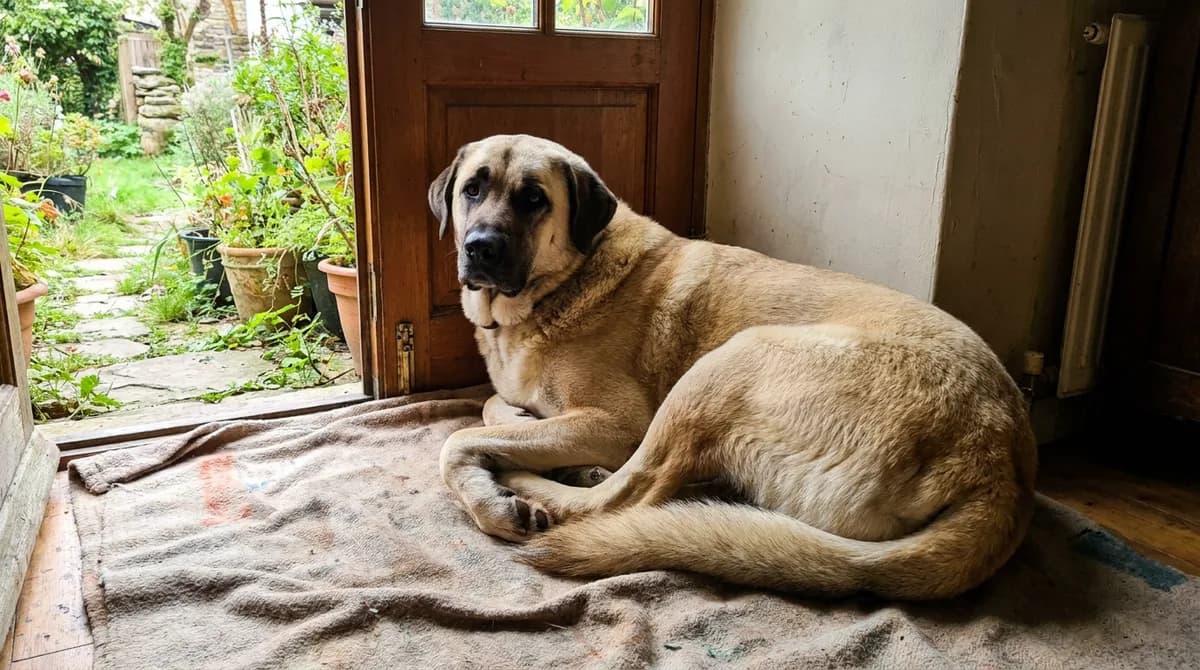
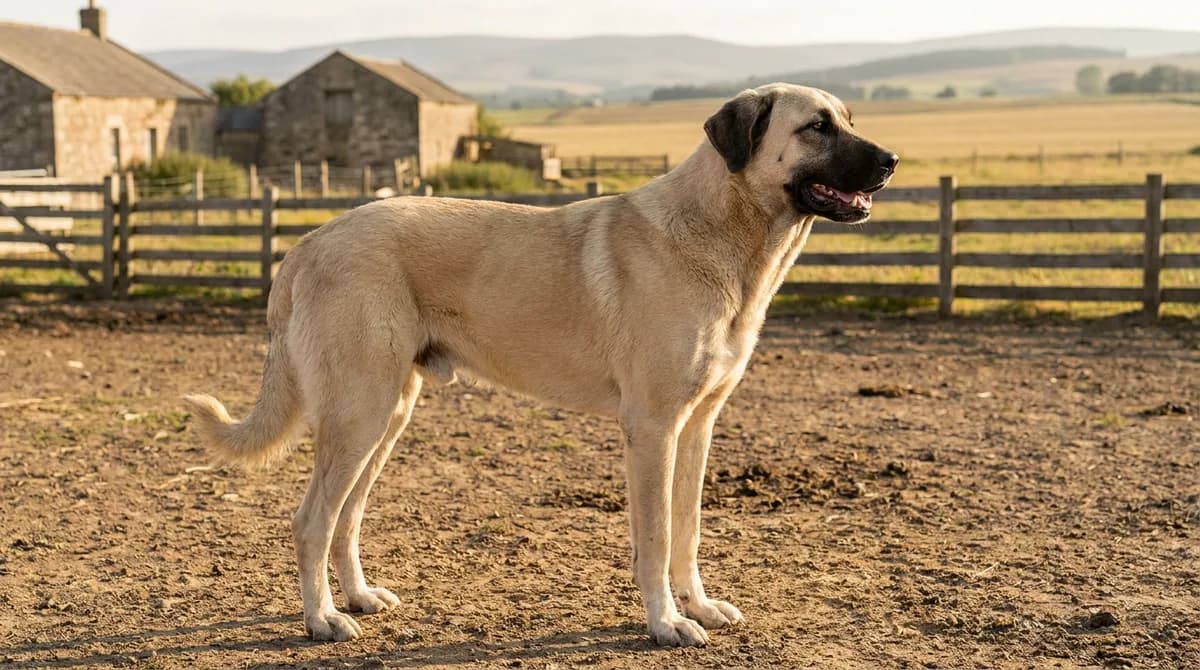
The Tornjak is a large, strong dog with a well-proportioned, square-shaped body.
The nose is large and dark, and the dark eyes are almond-shaped. The triangular ears are set high; they fold down and hang by the face.
The dog's double coat features long, straight, thick hair on the topcoat, and long, thick, woolly hair on the undercoat.
Coat color is parti-colored, and white is typically the dominant color, though solid swaths of black and tan may also appear.
Where Tornjaks Came From
This dog hails from Bosnia and Herzegovina. Actual written records of this breed date to the year 1067, making them very rare dogs.
The breed is thought to have descended from the Tibetan Mastiff and was at one point called the Kanis Montanus (translates to mountain dog). Tornjaks today are said to be unchanged from the original dogs.
The American Kennel Club added the breed to its registry in May 2012 under the Foundation Stock Service.

How Friendly Are Tornjaks?
When inside the home, Tornjaks are friendly and affectionate with their family members. They bark minimally indoors, but if they notice something new or different outside, expect a lot of barking.
Know that these dogs can be aggressive with people, animals and other dogs who are considered a threat to their property or family members.
They are smart dogs who learn quickly and can be trained, but they may be a little stubborn -- these dogs are independent thinkers and are used to assessing a situation to make their own judgments.
They need a strong leader willing to train them and remain in command.
Is This the Right Dog for You?
Exercise Needs
HIGH: This breed needs daily exercise in the form of brisks walks, running and play. Ideally, they'd love a large, secure yard or land where they can run and roam.
Tornjaks need a lot of space indoors, so we don't recommend getting one if you live in an apartment.
Grooming Needs
HIGH: Brush your Tornjak several times a week and more often on outdoor or working Tornjak dogs to prevent the long coat from matting.
Check the coat for insects or debris when coming back from outdoor activities; also check the paws or ears. Bathing your Tornjak as needed.
And don't forget to trim the nails, clean the ears and brush the teeth.
This video shows the playful nature of the Tornjak:
Health Problems
LOW: There are no notable genetic disorders common for the Tornjak.
Hip dysplasia has been seen in some Tornjaks, but it's not common.
How to Adopt a Tornjak
Tornjaks are still considered a rare breed and are recorded in the AKC's Foundation Stock Service. The breed will remain listed there until more dogs are present and registered in the U.S.
Finding a Tornjak will be difficult. If you contact a breeder, meet the dog parents first and look for signs that might indicate the breeder isn't taking proper care of the dogs.
Related Dog Breed Profiles You May Like
- Welsh Springer Spaniel Breed Profile: Essential Facts
- West Highland White Terrier Breed Profile: Essential Facts
- Xoloitzcuintli Breed Profile: Essential Facts
- Bull Terrier Breed Profile: Essential Facts
- Cairn Terrier Breed Profile: Essential Facts
Frequently Asked Questions (FAQ)
Yes, Tornjaks make excellent family dogs. They are loyal, protective, and affectionate with their families but require early socialization and space to thrive.
No, Tornjaks are not naturally aggressive but are strong-willed and protective. They can be wary of strangers and territorial, making proper training and socialization essential.
Yes, Tornjaks shed moderately year-round and more heavily during seasonal coat changes. Regular brushing helps manage shedding.
Tornjak is pronounced "TOR-nyak", with a soft "ny" sound similar to "canyon."
References
- "Tornjak." American Kennel Club (AKC). https://www.akc.org/dog-breeds/tornjak/.
- "Tornjak." Federation Cynologique International. http://www.fci.be/Nomenclature/Standards/355g02-en.pdf.

Kristine Lacoste has been researching dog and cat breeds for nearly a decade and has observed the animals up close at dog shows in both the United States and the United Kingdom. She is the author of the book One Unforgettable Journey, which was named as a finalist for a Maxwell Award from the Dog Writers Association of America, and was host of a weekly pet news segment on the National K-9 Academy Radio Show. In addition, she was the New Orleans coordinator for Dogs on Deployment, a nonprofit that helps military members and their pets, for 3 years. Kristine has researched and written about pet behaviors and care for many years. She holds a bachelor’s degree in psychology, another bachelor’s degree in English and a Master of Business Administration degree.
Sign up for expert-backed reviews and safety alerts all in one place.