Chinese Shar-Pei Breed Profile: Essential Facts
Discover the fascinating history, care tips, and unique traits of the Chinese Shar-Pei, a devoted, wrinkled companion with a rich heritage and loyal temperament.
- AKC Group: Non-Sporting
- Weight: 40-60 lbs.
- Height: 18–20 in.
- Life Span: 9-11 years

Sign up for expert-backed reviews and safety alerts all in one place.
Key Characteristics of the Chinese Shar-Pei
The Chinese Shar-Pei is an unmistakable breed with unique features that set it apart:
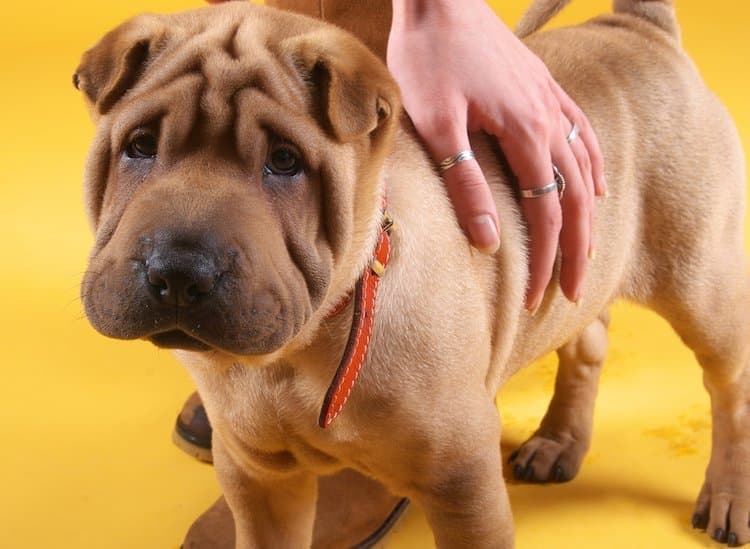
- Distinctive Appearance: This breed is known for its wrinkled head and body, paired with a darkened nose and muzzle. These features make the Shar-Pei instantly recognizable.
- Coat Characteristics: The name "Shar-Pei" translates to “sand skin” or “sandpaper coat,” referring to its rough, short coat. Their coats come in solid colors or sable shades.
- Blue-Black Tongue: One of their most fascinating traits is their blue-black tongue, a rare feature also found in Chow Chows.
- Wrinkle Evolution: Shar-Pei puppies boast abundant wrinkles, which reduce as they grow, leaving adults with a more streamlined appearance.
These signature attributes have made the Chinese Shar-Pei a favorite for those seeking a one-of-a-kind companion.
Looking for more breed insights? Visit our comprehensive breed directory to discover detailed profiles of various dog breeds.
The Origins of the Chinese Shar-Pei
The Chinese Shar-Pei is an ancient breed with a history that traces back thousands of years:
- Historical Evidence: While exact details remain uncertain, there is evidence of the breed's existence as far back as 200 B.C.
- Possible Ancestry: Some theories suggest that the Chinese Shar-Pei shares lineage with the Chow Chow, given their similar physical traits, including the distinctive blue-black tongue.
- Challenges in China: During the rise of the People’s Republic of China, dogs were nearly eradicated. However, a few Shar-Peis survived in areas such as Hong Kong and Taiwan.
- Recognition and Revival:
The Shar-Pei's resilience and unique features have helped it thrive and remain cherished by dog enthusiasts worldwide.

How Friendly Is a Chinese Shar-Pei?
The Chinese Shar-Pei is a devoted and intelligent breed with a temperament that thrives under proper care and training:
- Cautious but Loyal: These dogs can be wary of strangers, but they are not inherently unfriendly. Once bonded, they are deeply loyal to their human companions.
- Socialization Is Key: When socialized properly from an early age, Shar-Peis get along well with children and other animals, making them wonderful family pets.
- Training Needs:
- Unique Quirks:
The Chinese Shar-Pei’s unique personality makes them a rewarding companion for owners who invest in proper training and socialization.
Is the Chinese Shar-Pei the Right Dog for You?
Exercise Needs of the Chinese Shar-Pei
HIGH: The Chinese Shar-Pei is an active breed that requires regular physical activity to stay healthy and happy: Daily Exercise: Weather Sensitivity: Apartment Living:
Meeting the exercise needs of a Chinese Shar-Pei ensures they remain well-adjusted, content, and free from unnecessary stress.
Grooming Needs of the Chinese Shar-Pei
MEDIUM: The Chinese Shar-Pei is a low-maintenance breed when it comes to grooming, but regular care is essential to keep them healthy and comfortable: Coat Care: Essential Grooming Practices:
Maintaining a simple grooming routine ensures the Chinese Shar-Pei stays comfortable, healthy, and looking their best.
Common Health Problems in the Chinese Shar-Pei
LOW: While the Chinese Shar-Pei is generally a healthy breed, they are predisposed to a few health concerns due to their unique genetics and physical traits: Skin Problems: Kidney Failure: Tumors:
Proactively managing these potential health problems and scheduling routine vet visits can help ensure your Chinese Shar-Pei leads a long and happy life.
More Stats About Shar-Peis
| Friendliness | ★★☆☆☆ |
| Ease of Training | ★★★☆☆ |
| Barking/Howling | ★★★★★ |
| Shedding | ★★★★★ |
| Tolerate Being Alone | ★★★★☆ |
| Very Good With Kids | ★★☆☆☆ |
Learn more about these ancient and amazing dogs in this video:
How to Adopt a Chinese Shar-Pei
Adopting a Chinese Shar-Pei can be a rewarding experience, but it’s essential to make informed choices: Adoption Options: Avoiding Unscrupulous Breeders:
By choosing adoption or working with responsible breeders, you can provide a loving home to a Chinese Shar-Pei while supporting ethical pet ownership practices.
If you're curious about other charming breeds like the Shar-Pei, explore our detailed Pug puppies breed profile to learn more.
Related Dog Breed Profiles You May Like
- Chow Chow Breed Profile: Essential Facts
- Mastiff Breed Profile: Essential Facts
- Newfoundland Puppies Breed Profile: Essential Tips
- Basset Hound Breed Profile: Essential Facts
- Doberman Pinscher Breed Profile: Essential Facts
Frequently Asked Questions (FAQ)
Chinese Shar-Pei are not inherently aggressive but can be aloof or reserved with strangers, requiring proper socialization to develop a friendly temperament.
Yes, Chinese Shar-Pei shed moderately, with increased shedding during seasonal molting periods.
The cost of a Chinese Shar-Pei puppy typically ranges from $1,000 to $3,000, depending on the breeder, location, and lineage.
No, Chinese Shar-Pei are not hypoallergenic, as their shedding and dander can trigger allergies in sensitive individuals.
Yes, Chinese Shar-Pei are loyal, intelligent, and devoted companions, making them good pets for owners who provide proper training and care.
References
- "Chinese Shar-Pei." American Kennel Club. https://www.akc.org/dog-breeds/chinese-shar-pei/.
- "Breed Standard." Shar-Pei Club of Canada. http://www.peiclub.com/SPCC-NEW/breedstandard.html.
- "History of the Chinese Shar-Pei." Chinese Shar-Pei Club of America. April 8, 2019. https://cspca.com/history/.
- "Caring for Your Shar Pei." Shar Pei Club of Great Britain. 2018. https://www.spcgb.org/caring-for-your-shar-pei.
- Vidt, Jeff, DVM. "Most Common Health Issues." Chinese Shar-Pei Club of America. April 9, 2019. https://cspca.com/most-common-heath-issues/.

Kristine Lacoste has been researching dog and cat breeds for nearly a decade and has observed the animals up close at dog shows in both the United States and the United Kingdom. She is the author of the book One Unforgettable Journey, which was named as a finalist for a Maxwell Award from the Dog Writers Association of America, and was host of a weekly pet news segment on the National K-9 Academy Radio Show. In addition, she was the New Orleans coordinator for Dogs on Deployment, a nonprofit that helps military members and their pets, for 3 years. Kristine has researched and written about pet behaviors and care for many years. She holds a bachelor’s degree in psychology, another bachelor’s degree in English and a Master of Business Administration degree.
Sign up for expert-backed reviews and safety alerts all in one place.