How to Get a Cat to Like You (Even If It Hates You)
Wondering how to get a cat to like you without pushing them away? These trust-building tips show how to read cat body language, use slow blinks, play, food, treats, and gentle routines to help a shy or cautious cat feel safe with you.

Petful is reader supported. As an affiliate of platforms like Amazon and Chewy, we may earn a commission when you buy through links on this page. There is no extra cost to you.
This article was originally published in 2012 and is regularly updated. It was last refreshed on July 7, 2026.
Wondering how to get a cat to like you? The safest answer is to let the cat control the pace. Cats build trust through predictable routines, calm body language, play, food, and touch that they have clearly invited. Some cats become lap cats, some prefer to sit nearby, and some need weeks or months before they seek affection, but the same consent-based steps help most cats feel safe around you.
Petful may earn a commission if you click on our links and make a purchase. This comes at no extra cost to you and helps us continue providing trusted pet product reviews.
- 1The fastest way to earn a cat's trust is to slow down, soften your body language, and let the cat choose when to approach.
- 2Use food, play, slow blinking, and predictable routines to create good associations, but do not chase, grab, stare at, or punish a reluctant cat.
- 3If you want more cuddles, build safety first. Affection follows trust, not pressure.

Sign up for expert-backed reviews and safety alerts all in one place.
14 Ways to Get a Cat to Like You

A tall cat tree gives a cautious cat vertical territory, scratching space, and a safe perch for watching you without feeling cornered.
Petful may earn a commission when you click through to Chewy, at no extra cost to you.
- Pet for 2 or 3 seconds, then stop. If your cat leans in, nudges your hand, or stays relaxed, you can continue. If they look away, walk off, or tense up, the kindest move is to stop.
A cat who is not ready may crouch, hide, flatten the ears, whip the tail, freeze, growl, hiss, or stare with wide pupils. Those signs do not mean the cat is mean. They mean the cat needs more distance. Backing off when you see those signals is one of the clearest ways to show a cat that you can be trusted.
A cat who likes you will usually look loose rather than stiff. Their ears are neutral or forward, their tail is relaxed or gently upright, and they may blink slowly, sniff your hand, rub their cheek on you, or settle nearby. Those are invitations to stay calm and keep doing what you are doing.
Read Cat Body Language Before You Reach Out
Give your cat a ritual to look forward to.
Cats enjoy certain rituals just as we do. They appreciate the little understated gestures. A quiet greeting at the same time each morning, a predictable play session in the evening, or a treat after nail trims can all become signs that you are safe and consistent.
Massage your cat only if they ask for touch.
Massage can release stress for people, and some cats enjoy a gentle version too. The key is consent. Watch for soft eyes, a loose body, purring, or leaning into your hand. Stop if the tail flicks, the skin twitches, the ears flatten, or the cat turns away.
- Do be gentle and use the palms of your hands, not your fingertips.
- Don’t use massage oils or lotions.
Maryjean Ballner, a licensed massage therapist in New York, has been doing massages for cats for years. “Pet an animal, and you’ve made a friend for a day,” she says. “Massage an animal, and you’ve made a friend for life.”
Skip human massage oils, lotions, and deep pressure. Use slow strokes over areas your cat already likes, such as the cheeks, chin, shoulders, or back. A grooming glove can help some cats relax, but your hand and a careful eye on their body language are usually enough.
Have a daily play session.
Cat toys give you a chance to really interact with your pet. Some cats have strong retrieving instincts, and throwing a small ball or a crumpled wad of paper sends them springing across the room like cheetahs.
If possible, set aside 10 to 30 minutes in the evening for play. Keep the session short enough that your cat still wants more, then end with a small meal or treat. That hunt, catch, eat rhythm feels natural to many cats and makes you part of a routine they enjoy.
Give your cat the gift of music.
Some cats relax around quiet music, while others prefer a silent room. Try it only as a low-pressure enrichment idea, not as a substitute for safe space, play, and patient handling.
Producer Joshua Leeds and pianist Lisa Spector created a music series called Through a Cat’s Ear. The music is “designed to reduce stress in a chaotic or unsettling environment” and “provide sensory excitement for your indoor cat.”
Watch this pair of curious cuties react to music designed for kitties:
How to Get a Cat to Like You, Especially a Shy One
Bonding with a new or shy cat takes time. Your job is to make the room, your routine, and your own body language feel predictable enough that the cat can choose to come closer.
For a cat who seems to hate you, the first goal is not affection. The first goal is safety. Let them watch you from a distance, keep meals predictable, and leave the room before they feel pressured. Small neutral moments are progress.
The 3-3-3 rule for cats is a simple decompression guide: about 3 days to hide, rest, and observe; about 3 weeks to learn your routine; and about 3 months to feel truly at home. It is not a guarantee or a deadline, but it is a helpful reminder that trust takes time.
Use the 3-3-3 rule for cats as a patience guide.
Make Your New Cat Feel Safe
Give them an area where they can be alone and feel safe. A small quiet room with food, water, a litter box, bedding, scratching options, and hiding spots helps a cautious cat decompress before they have to navigate the whole house.
- If you have an extra room, set it up for them with everything they will need: a litter box, food, water, toys, and bedding, and make sure that your other pets can’t get into this room.
- If you don’t have an extra room, simply set up a small area somewhere. Let your cat spend the first day or so in here, making sure to check in regularly to help start the bonding process.
Give them plenty of space.
After the first day or so, when your cat starts to feel more comfortable, you can let them explore more of your home, but always allow access to their safe room. You do not want your cat to feel overwhelmed, so interact in short calm sessions and let them make the first move.
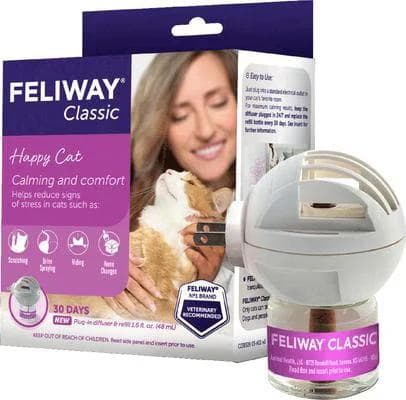
For a stressed or newly adopted cat, a calming pheromone diffuser can support the quiet room routine while they settle in.
Petful may earn a commission when you click through to Chewy, at no extra cost to you.

Play with them
As soon as your cat seems comfortable, try gentle interactive play. Wand toys are especially useful because they let the cat chase, pounce, and succeed while keeping your hands out of the game. That can be a safer bridge for a cat who is not ready for petting.
Pet them where cats usually prefer touch.
Once your new cat gets comfortable with your touch, start with the areas most cats prefer: the cheeks, chin, base of the ears, and sometimes the shoulders. Avoid the belly, paws, and tail unless your cat clearly invites it. Pet for a few seconds, pause, and see whether the cat leans back in or moves away.
To say I love you in cat language, try a slow blink. Look at your cat with relaxed eyes, close your eyes slowly, then open them softly. If your cat blinks back, looks away peacefully, or stays nearby, that is a good sign.
To say hi in cat language, turn your body slightly sideways, soften your eyes, and offer one relaxed finger at nose height. Let the cat decide whether to sniff or rub. Reaching over the head or walking straight toward a nervous cat can feel threatening.
Use slow blinks and calm cat-language greetings.
Feeding time is bonding time
Another great way to bond with your new cat is through feeding. Pick a certain time of day for feeding and stick to it, because your cat will quickly learn the schedule. While feeding your cat, talk softly and keep touch brief so meals stay calm.

How to Make a Cat More Affectionate or Cuddly
If your real question is how to get your cat to cuddle with you, start by lowering the pressure. A cat may never become a constant companion by your side like a dog would, but many cats become more affectionate when they can choose the timing, the distance, and the type of contact.
Until your cat is comfortable and happy, bonding will remain an issue. Cuddling is a sign of trust, not a trick you can force.
One way to encourage affection from your cat is to make sure they have what they need to be healthy, happy, and comfortable: a clean litter box, fresh drinking water, high-quality food, daily play, places to scratch, and places to rest without being bothered.
While cats often prefer to choose their own sleeping place, buy a cat bed or have soft bedding available for yours to sleep on. Then try rubbing the bedding on you so that it picks up some of your scent.
The idea is your cat will start associating their safe resting area with your smell.
"The cat's world is dominated by odors using marking scents, and in this manner, you will become an accepted part of their scent territory," says Jasmine Kinnear, a cat behavior consultant, in her book Every Cat Has a Story. Kinnear says this works especially well with a skittish kitten.
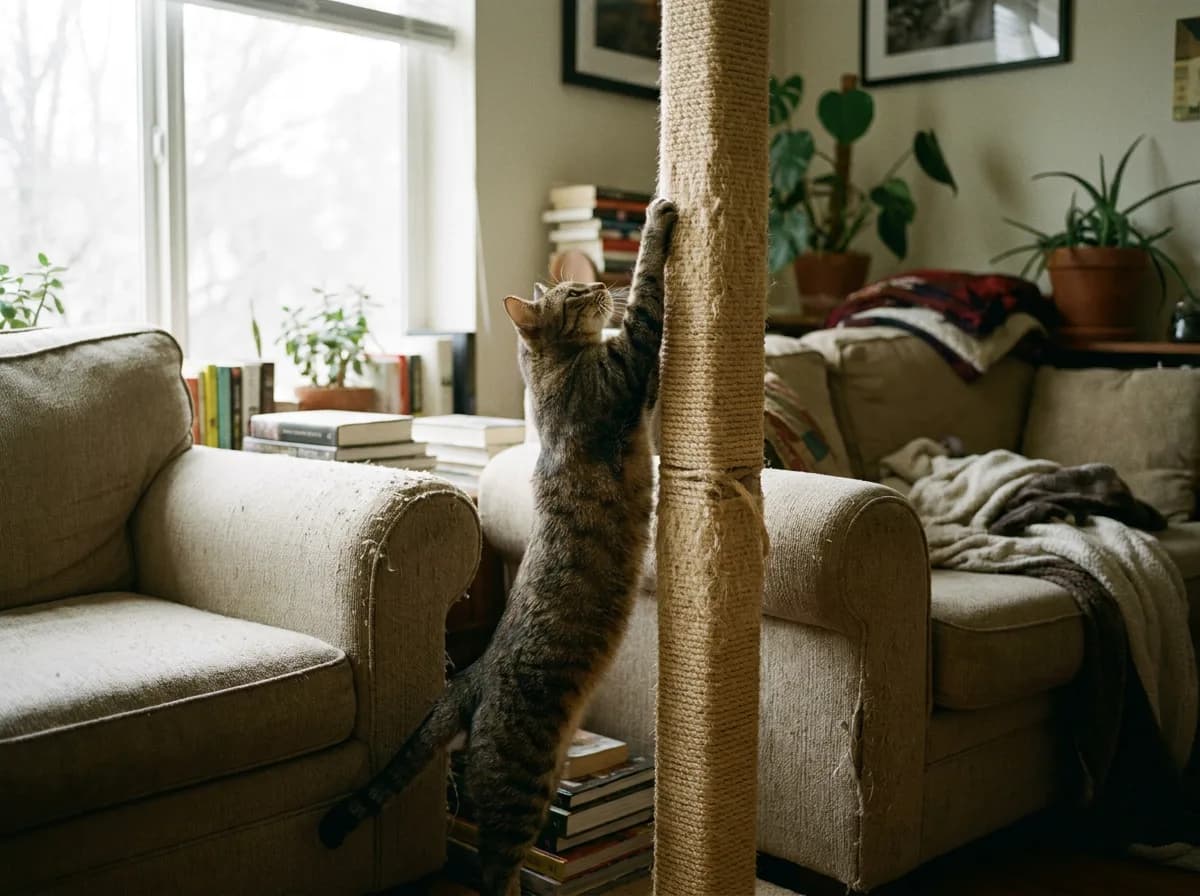
Finally, a scratching post will provide a place for your cat to scratch - which will make them happy and prevent scratching on the furniture.
Once all of these basic needs have been met, and you've provided a calm, safe environment, your cat will become more relaxed and open to bonding with you.
Personality matters too. Some cats are affectionate but not cuddly. They may sleep at your feet, follow you around, trill when you enter the room, or sit just out of reach. Those are still signs of attachment.
If you want your cat to snuggle, make your lap or the couch an easy option rather than a trap. Sit with a blanket, keep your hands still, and reward your cat for choosing to be close. If they leave, let them leave. That freedom is often what makes them come back.
Model Affection Using Your Voice and Touch
When you get up in the morning, greet your cat in a calm voice if they are visible. If your cat is hiding, do not disturb them. They will likely emerge when they are ready to eat, play, or investigate. Gentle consistency matters more than big displays of affection.

Bonding With Your Cat Through Food
Your cat will be happy when you are feeding them, so meals can become a quiet trust-building moment.
- Put the food in your cat's bowl, then stay nearby without crowding them. If they choose to brush against you or stay relaxed, you can offer one or two gentle strokes.
- Repeat this calmly with meals and treats. Over time, your cat may begin to associate your presence and your touch with good things.

A lickable treat can turn short visits, handling practice, and calm greetings into a positive shared routine.
Petful may earn a commission when you click through to Chewy, at no extra cost to you.
Lickable treats can be useful because they keep the reward slow and interactive. Hold the treat steady, let your cat come to it, and stop before the cat becomes grabby or overstimulated.
Bonding With Your Cat Through Toys
If your cat is resistant when you try to pick them up, try playing with them instead: Dangle a wand toy for them to tug on.
- If they seem comfortable with you while you’re sitting on the floor, place them in your lap while you move the toy.
- Once your cat gets used to you being around while they are playing, you will have more chances to sit close, reward them, and test whether they want gentle contact.
Sure, this may not be as satisfying as being able to hug and cuddle your cat like a puppy, but it is still real physical bonding. As cat behavior consultant Pam Johnson-Bennett explains, cats show affection in many ways. Sitting near you, following you from room to room, blinking slowly, or choosing the same couch can all be social behavior.

A wand toy lets you bond through play while keeping hands out of the game, which is especially helpful for cats who are not ready for petting.
Petful may earn a commission when you click through to Chewy, at no extra cost to you.
Your Secret Weapon for a More Affectionate Cat: Treats and Catnip!
When your cat comes out of hiding and near you, reward them with a treat. The idea, again, is to help your cat associate you with positive feelings. They may even begin to seek you out because your presence predicts something pleasant.
Another idea is catnip or silvervine. Many cats respond with more rolling, rubbing, play, or social behavior. Not every cat reacts, and some cats get too excited, so keep sessions short and use it as enrichment rather than a bribe.

Do You Know How to Pet Your Cat?
We should also point out that you should not pet a cat like you would a dog. You probably already know this. Cats are particular about where and how they like to be touched. Try the cheeks, chin, and shoulders first, then watch the cat's response. If they lean away, turn their head sharply, swish the tail, or stop purring, give them a break.
The video below offers some interesting "cat hacks" from Lifehacker on getting a cat to like you more:
- If you remember one thing, remember this: fear is the enemy. A cat who feels safe can learn to enjoy you. A cat who feels trapped will focus on escape.
Punishment also damages trust. Yelling, spraying water, or trying to dominate a cat may stop a behavior in the moment, but it teaches the cat that people are unpredictable. Redirect unwanted behavior with scratching posts, play, food puzzles, safe resting spots, and a calmer routine.
The things that annoy cats most are usually the things that remove choice: chasing, cornering, picking them up without invitation, staring directly, petting too hard, touching the belly, making sudden loud noises, or ignoring a tail flick or flattened ears.
What Annoys Cats When You Want Them to Like You
Final Thoughts on How to Get a Cat to Like You
You might feel rejected if your cat does not want to cuddle with you. But some cats, maybe even most of them, do not show affection in that way. The win is not forcing a lap cat. The win is becoming a person your cat trusts enough to relax around.
Frequently Asked Questions (FAQ)
Start by making yourself predictable and safe. Sit nearby, keep your voice soft, avoid staring, and let the cat choose when to come closer. Add positive routines with play, food, treats, and gentle petting only when the cat is leaning in or staying relaxed.
Treat a cat that seems to hate you as a cat that feels unsafe. Give it escape routes, do not corner or grab it, and reward tiny steps like looking at you, sniffing your hand, or sitting in the same room. Progress may take days, weeks, or longer.
Give a shy cat a quiet room, a hiding place, a reliable meal routine, and short low-pressure visits. Sit sideways, blink slowly, and let the cat approach. If the cat hides, hisses, or freezes, end the interaction calmly and try again later.
Offer food, water, and shelter from a respectful distance, then let the stray cat set the pace. Do not chase, trap by hand, or force contact. If the cat may be feral, sick, injured, or unowned, contact a local rescue or TNR group for safe next steps.
The 3-3-3 rule is a decompression guide for newly adopted cats: about 3 days to hide and recover, about 3 weeks to learn the routine, and about 3 months to feel truly at home. It is not a strict deadline, but it helps people stay patient.
To say hi in cat language, turn slightly sideways, soften your eyes, slow blink, and offer one relaxed finger at the cat's nose height. Then wait. If the cat sniffs, rubs, or stays nearby, you can keep the greeting going.
A slow blink is the clearest human version of I love you in cat language. Pair it with a calm voice, gentle cheek or chin scratches if invited, and the most important message of all: respecting the cat's choice to stay or leave.
Most cats are annoyed by forced handling, chasing, loud voices, direct staring, rough petting, belly rubbing without consent, dirty litter boxes, and sudden changes in routine. The biggest enemy of trust is fear, not stubbornness.
References
- Williams, Julia. "Rituals Can Strengthen the Bond With Your Cat." Canidae. Jan. 30, 2015. https://www.canidae.com/blog/2015/01/rituals-can-strengthen-the-bond-with-your-cat/.
- Kinnear, Jasmine. Every Cat Has a Story: True Stories Exploring the Spiritual Connection of Felines With Their Beloved Owners. CCB Publishing. 2007. 143. https://books.google.com/books?id=URDXHWOy3XQC&pg=PA143#v=onepage&q&f=false.
- Johnson-Bennett, Pam. Think Like a Cat: How to Raise a Well-Adjusted Cat - Not a Sour Puss. Penguin. 2011. https://books.google.com/books?id=I_oU6Ib9nt8C.
- Johnson-Bennett, Pam. "Cat Myth: Cats are Aloof and Independent." Cat Behavior Associates. https://www.catbehaviorassociates.com/cat-myth-cats-are-aloof-and-independent/.
- "The Effects of Catnip on Your Cat." Hill's Pet Nutrition. June 13, 2019. https://www.hillspet.com/cat-care/nutrition-feeding/catnip-for-cats.
- Becker, Mary, DVM. "5 Ways to Turn Your Kitty Into a Lap Cat." Vetstreet. April 6, 2015. http://www.vetstreet.com/dr-marty-becker/5-ways-to-turn-your-kitty-into-a-lap-cat.
- Fox, Michael W., BVetMed, MRCVS, PhD, DSc. "Can a Cat Who Is Not Affectionate, but Very Active and Inquisitive, Be Made to Be More Affectionate?" Washington Post. June 20, 2000. https://www.washingtonpost.com/wp-adv/liveonline/viewpoint/petcity/petcity620.htm.

Coreen Saito is a pet writer and longtime shelter volunteer with more than a decade in animal rescue. She covers cat behavior, breed care, and the small, ordinary science of sharing a life with companion animals, with a particular focus on honest takes about the products and decisions that actually matter. At home in Arizona, she's outranked by Mac (a dog with the loudest opinion in the house), Rebel (a cat who governs by quiet authority), and Meri (an orange tabby who runs the late shift and the laundry basket). She writes about all three, plus the rescues that keep coming through her life, at LifeWithMinty.com.
Sign up for expert-backed reviews and safety alerts all in one place.