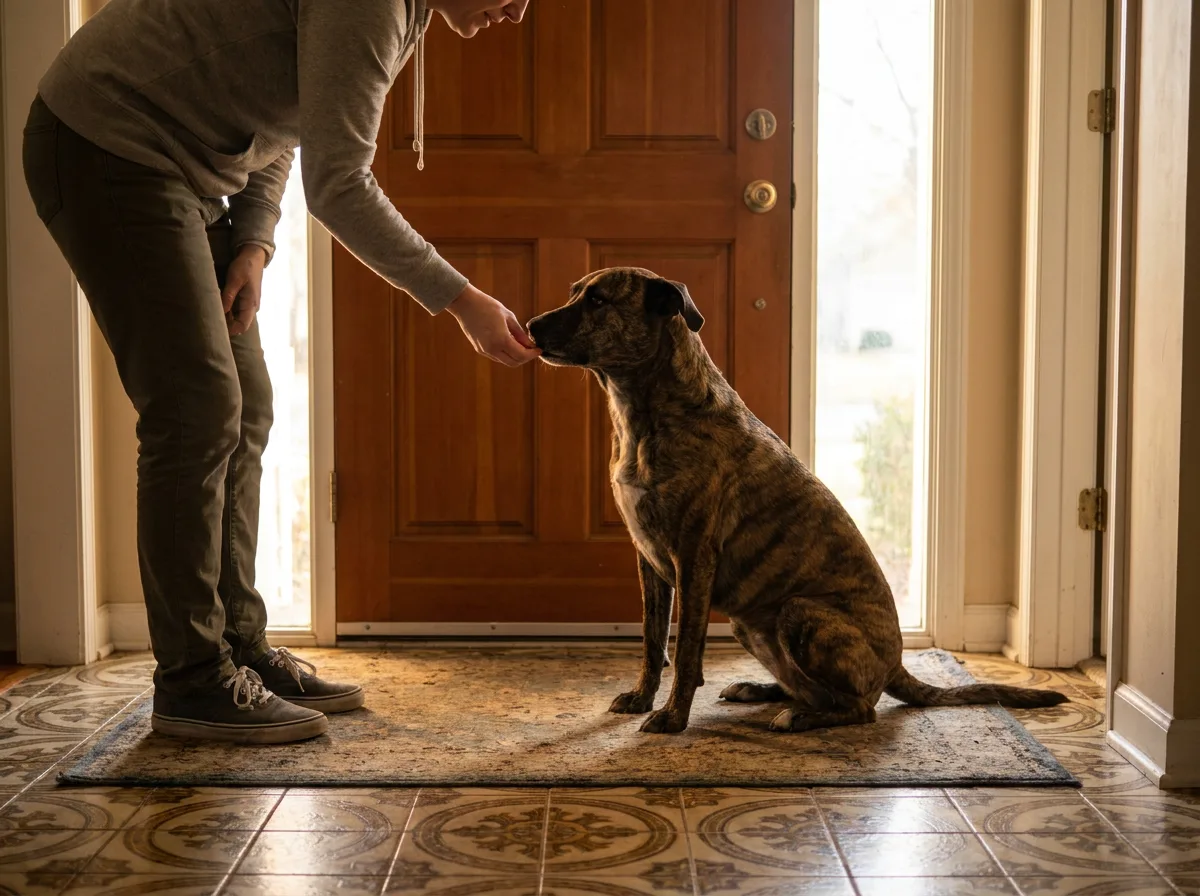
Cat Zoomies: Why Cats Sprint, Night Zoomies and When to Worry
Cat zoomies are usually normal bursts of energy, but night sprints, post-poop dashes and sudden behavior changes can point to stress, fleas or medical issues.
Petful is reader supported. As an affiliate of platforms like Amazon and Chewy, we may earn a commission when you buy through links on this page. There is no extra cost to you.
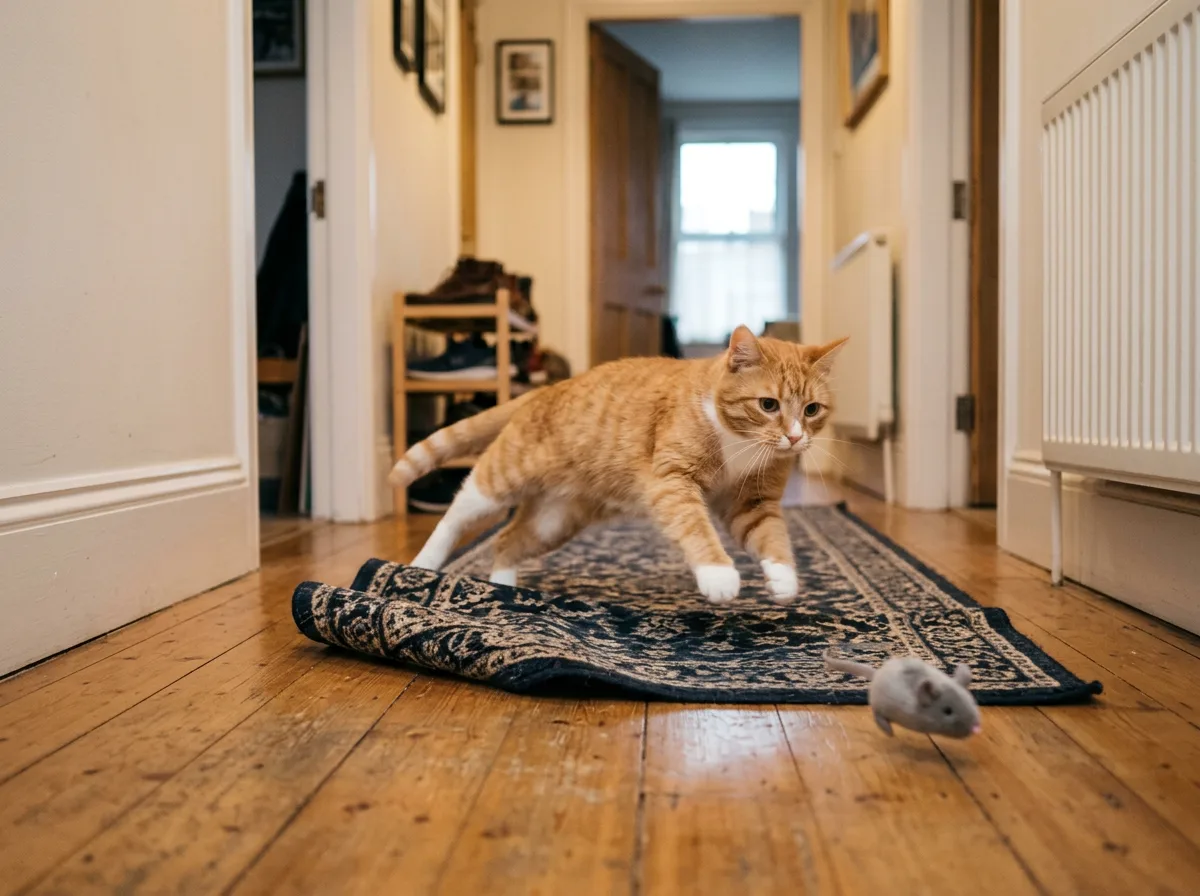
Cat zoomies are those sudden bursts when a calm cat launches down the hallway, pounces around furniture or tears through the house after using the litter box. Most cat zoomies are normal energy release, but timing, age, stress and medical signs tell you whether to laugh, redirect or call your veterinarian.
This refresh adds night zoomies, post-poop zoomies, immediate calming steps, enrichment ideas, flea checks and red flags so you can tell playful bursts from a problem.
- 1Most cat zoomies are normal and often come from pent-up energy or hunting instincts.
- 2Night zoomies usually improve with predictable play, feeding and rest routines.
- 3Post-poop zoomies can be normal, but pain, diarrhea or litter box avoidance is a vet clue.
- 4Sudden new zoomies in an older cat deserve a closer look for pain, fleas, thyroid disease or stress.
This article was originally published in 2011 and is regularly updated. It was last reviewed for accuracy and updated on November 1, 2024

Sign up for expert-backed reviews and safety alerts all in one place.
What Are Cat Zoomies?
If you have a cat, you’ve likely witnessed this: everything is calm, then suddenly, your cat bolts into the room, scuffles, and dashes out as if there’s a free catnip giveaway. Common questions cat owners ask include: Is there another animal lurking? Could my cat need to burn off some energy? Is there a ghost in the house?

A lickable treat can help create calm reward moments after play.
Petful may earn a commission when you click through to Chewy, at no extra cost to you.
No need to worry; your cat is perfectly fine - and likely isn’t seeing ghosts! There are several reasons why cats experience these “zoomies,” which we’ll dive into in this article.
Why Does My Cat Get Cat Zoomies?
Pent-Up Energy
One common reason behind cat zoomies is pent-up energy. While cats often spend significant time resting and watching the world go by, they still have a natural need to burn off energy.
- Zooming around the house is a natural way for cats to release excess energy.
- This behavior is particularly common among indoor cats, who may rest a lot but still have instinctive needs for activity.
Cat researcher Mikel Delgado from the University of California Davis explains that cats “tend to be more active when we’re more active.” For many, this stored-up energy builds throughout the day, especially if their owners are out. When you return, your cat may suddenly unleash their energy, especially after a day of extended cat lounging habits.
Younger cats often display zoomies more frequently, but even senior cats can surprise you with bursts of activity!
This video shows a hilarious compilation of cats racing around their houses like crazy:
Intruders Inside and Out
Another animal’s scent could be a reason behind your cat’s zoomies. If there are other animals nearby, whether inside the house or outside a window, it might trigger your cat’s instinctive territorial behavior.

A puree treat can pair with training and stress-reduction routines.
Petful may earn a commission when you click through to Chewy, at no extra cost to you.
- Cats consider both the interior and exterior of your home as their territory, and spotting another animal in that space can feel like an intrusion.
- You may notice your cat racing from window to window and meowing loudly with surprising volume.
Chasing Prey
Sometimes, your cat’s sudden energy bursts may stem from prey instincts. Cats have a natural drive to hunt and may respond strongly to the scent of potential prey.
- Mice, common in both rural and urban areas, emit distinct odors that cats are highly attuned to, leading your cat to go into “hunting mode.”
- This can cause your cat to zoom around, actively searching. If you’re “lucky,” they may even share their catch with you.
If zoomies related to prey-seeking are frequent, it could indicate a pest issue. Hiring a pest control service may be a good idea, especially if mice make you squeamish.

Pesky Little Fleas
Your cat’s zoomies might be due to an unpleasant culprit: fleas. Flea bites are sharp and painful, and a few bites can quickly become a constant nuisance.
- Flea infestations can develop rapidly, even in indoor-only cats. So, if you notice any signs, it’s essential to treat fleas promptly.

Silvervine chew sticks give some cats a safe outlet for biting and batting.
Petful may earn a commission when you click through to Chewy, at no extra cost to you.
- According to the Cornell Feline Health Center, fleas make cats “terribly uncomfortable” and can lead to ongoing pain from bites and scratching in severe cases.
If your cat seems agitated or itchy, consider fleas as a potential cause and address it quickly for their comfort.
Other Possible Reasons for Cat Zoomies
If none of the above explanations fit your cat’s behavior and you’re concerned, consulting your veterinarian is a good step. Several medical conditions can lead to overactive behavior.
- Hyperthyroidism: Common in older cats, this condition may cause restlessness and increased energy. According to Petful’s guide on cat health problems, hyperthyroidism often results in minimal sleep and a strong appetite.
- Hyperesthesia Syndrome: This mysterious disorder causes unique symptoms, such as rippling or rolling of the skin along your cat’s spine. Other signs include excessive grooming, allergy-like symptoms, licking, biting, scratching, and racing around the house.
While hyperesthesia syndrome isn’t fully understood, it may relate to OCD or seizure disorders. Your veterinarian can help determine if this condition could explain your cat’s zoomies.
References
- Paoletta, Rae. "Why Your Cat Runs Around at Night Like a Maniac, According to Science." Inverse. Dec. 19, 2017. https://www.inverse.com/article/39459-why-does-my-cat-run-around-at-night-according-to-science.
- Becker, Marty, DVM, and Gina Spadafori. MeowWOW!: Curiously Compelling Facts, True Tales, and Trivia Even Your Cat Won't Know. Health Communications, Inc. 2007. 16–17.

Crunchy dental treats can be used sparingly as a post-play reward.
Petful may earn a commission when you click through to Chewy, at no extra cost to you.
- Sung, Wailani, MS, PhD, DVM, DACVB. "Help! My Indoor Cat Is Being Tormented by an Outdoor Cat." Vetstreet. Nov 4, 2015. http://www.vetstreet.com/our-pet-experts/help-my-indoor-cat-is-being-tormented-by-an-outdoor-cat.
- Bradshaw, John. Cat Sense: How the New Feline Science Can Make You a Better Friend to Your Pet. Basic Books. 2013. 116.
- Cornell Feline Health Center. "Fleas: A Source of Torment for Your Cat." Cornell University College of Veterinary Medicine. https://www.vet.cornell.edu/departments-centers-and-institutes/cornell-feline-health-center/health-information/feline-health-topics/fleas-source-torment-your-cat.
- Chan, Christina. "5 Ways to Calm Down a Crazy Cat." PetMD. https://www.petmd.com/cat/behavior/5-ways-calm-down-crazy-cat.
- Cornell Feline Health Center. "Hyperesthesia Syndrome." Cornell University College of Veterinary Medicine. https://www2.vet.cornell.edu/departments-centers-and-institutes/cornell-feline-health-center/health-information/feline-health-topics/hyperesthesia-syndrome.
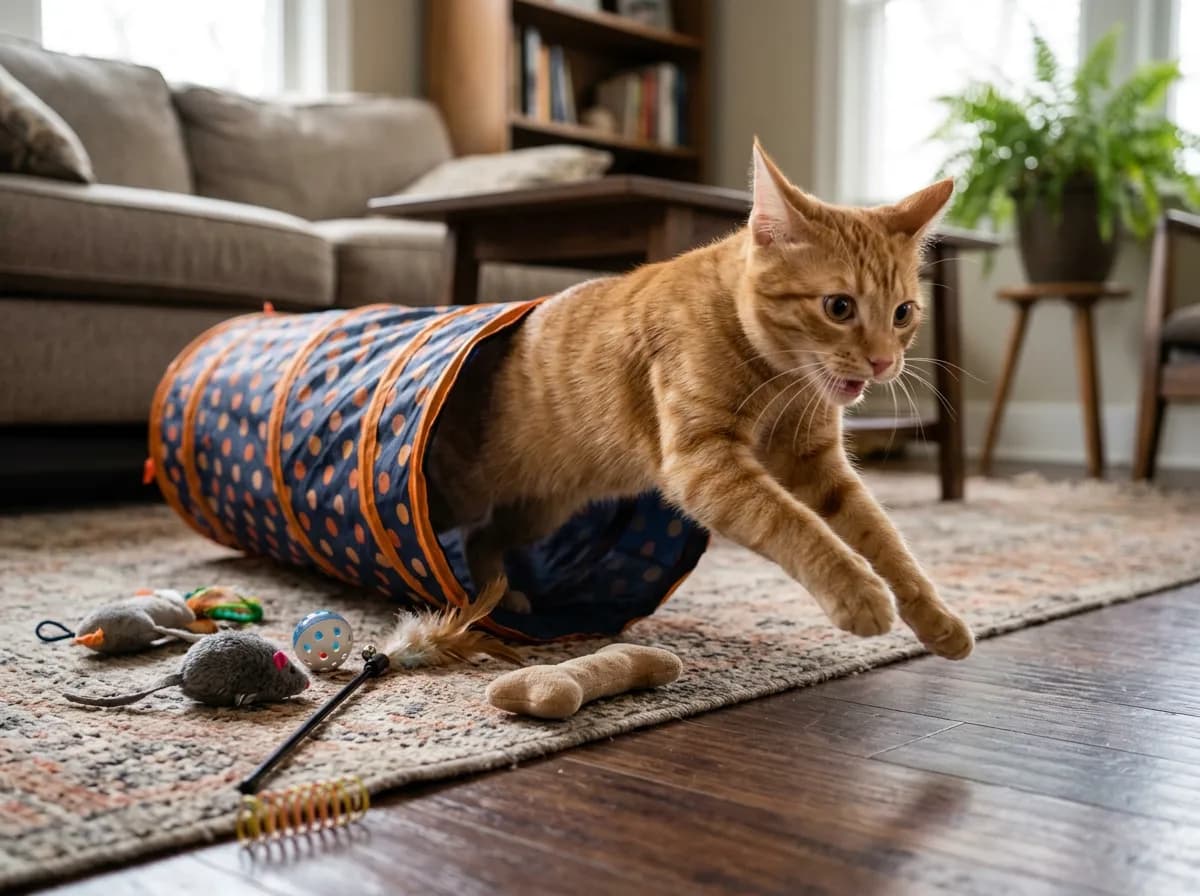
Cat zoomies at night
Night zoomies happen because cats are naturally crepuscular, meaning they are often active around dawn and dusk. Indoor cats may also sleep through the day and unload energy when the home finally gets quiet. A short play routine before your bedtime can help shift that energy earlier.
The best routine is predictable: play hard enough for your cat to chase and catch, offer dinner or a small snack, dim the room and stop rewarding hallway sprints with attention. It may take a week or two for the pattern to settle, especially in young cats.
Use chase, pounce and catch games, then end with food or a small reward. A lickable cat treat can help close the routine after play so your cat is not left revved up.
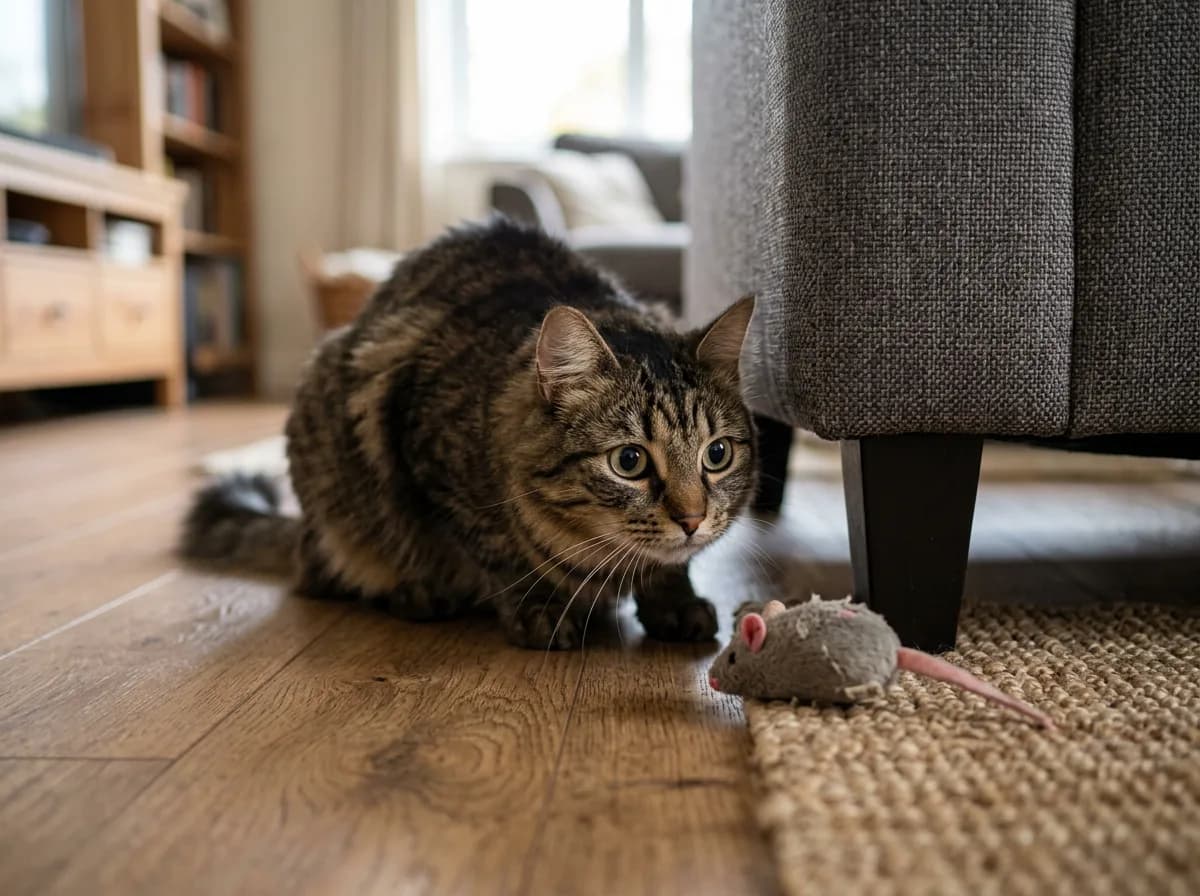
Cat zoomies after pooping
Some cats dash after pooping because of relief, excitement, a lightened feeling or a habit that simply became part of the routine. That can be normal. Call your veterinarian if the dash comes with straining, crying, blood, diarrhea, constipation, litter box avoidance or sudden changes in stool.
For cats who need calmer handling around the litter box or grooming, a soft reward such as Feliway Happy Snack puree treats can make routine care feel less confrontational.
How to stop cat zoomies immediately
Do not chase, yell or grab your cat mid-burst. Instead, clear breakables, redirect with a wand or toss toy, dim the environment, and give your cat a safe route away from people. After the burst, add more scheduled play earlier in the day. The goal is not to punish energy, but to move it into safer channels.
Some cats like safe chew-and-bat outlets. Silvervine chew sticks may help cats who want to bite or wrestle toys after a sprint.
When zoomies are a vet clue
A sudden increase in frantic running can be connected to fleas, pain, hyperthyroidism, cognitive changes, urinary discomfort, stress or a new animal outside the home. Watch for hiding, weight loss, appetite changes, overgrooming, vocalizing, litter box changes or aggression. Those signs move the issue from cute behavior to a medical or stress check.
If your cat responds well to food rewards, small crunchy treats such as Greenies Feline dental treats can be part of a post-play routine, but treats should not replace exercise or a vet visit when symptoms change.
Do kittens, adults and senior cats zoom differently?
Kittens and young cats often have dramatic zoomies because play, coordination and hunting practice are all developing at once. Adult cats may zoom when the home routine leaves too much unused energy. Senior cats can still have playful bursts, but new frantic running in an older cat deserves more attention because pain, thyroid disease, blood pressure changes or cognitive shifts may be involved.
A simple routine helps every age group: morning play, food or puzzle work, quiet daytime rest, evening interactive play and a predictable bedtime wind-down. The routine does not need to be complicated. It just needs to happen before your cat invents a 2 a.m. hallway workout.
How long do cat zoomies last?
Most cat zoomies last a few seconds to a few minutes. A longer burst is not automatically dangerous if your cat recovers quickly, breathes normally and returns to normal behavior. Worry more when the episode looks frantic, repeats constantly, includes pain signs or appears suddenly in a cat who was previously quiet.
Are cat zoomies normal or a sign something is wrong?
Most cat zoomies are normal. A healthy cat may sprint after a nap, after using the litter box, before a meal or during evening play because the body is built for short bursts of stalking, chasing and pouncing. Normal zoomies are brief, loose and playful. The cat recovers quickly, breathes normally, grooms, eats and returns to ordinary behavior.
Worry more when the pattern changes suddenly. New frantic running in an older cat, constant agitation, weight loss, increased appetite, crying in the litter box, overgrooming, skin rippling, hiding, aggression, diarrhea, constipation, blood in urine or stool, or nonstop night vocalizing should move the question from behavior management to a veterinary check.
The simplest way to tell the difference is to look at the whole cat, not only the sprint. A playful cat looks coordinated and recovers. A cat in pain or distress often looks unable to settle, repeats the behavior, avoids touch or shows another symptom at the same time.
Why cats get zoomies at night
Night zoomies are common because cats are often most active around dawn and dusk, and many indoor cats nap while the household is busy. When the home gets quiet, stored energy finally has room to explode. If people laugh, chase, feed or talk to the cat during the burst, the schedule can become self-reinforcing.
Move the big hunt earlier. Use a wand toy, chase game or toss toy for 10 to 15 minutes before bed, then let the cat catch the toy and follow with a small meal or treat. Petful's ideas for ways to exercise a cat can help if your current routine is too passive. That hunt-catch-eat pattern is more satisfying than random stimulation. Keep the room dim afterward and avoid rewarding 2 a.m. hallway laps with attention.
If the zoomies happen every night, add daytime enrichment instead of only reacting at bedtime. Window perches, puzzle feeders, safe climbing routes, short play breaks and a better indoor cat play area can help indoor cats spend energy throughout the day.
Why cats get zoomies after pooping
Post-poop zoomies can be normal. Some cats seem relieved after a bowel movement, some sprint away from the smell, and some learned that the litter box exit is followed by a playful burst. A short dash after a normal stool is usually not a problem.
The same behavior can also be a clue when it comes with litter box symptoms. Call your veterinarian if your cat strains, cries, visits the box repeatedly, produces little or no urine, has diarrhea, has constipation, passes blood, licks the rear excessively or starts avoiding the box. Petful has separate guidance on cats who refuse to use the litter box and signs of a cat urinary tract problem. Urinary trouble in cats can become urgent quickly, especially for male cats.
Do not punish a cat for racing out of the box. Clean the box regularly, use enough boxes for the household, keep exits clear and observe what the stool or urine actually looks like. The zoomies are less important than the pattern around them.
How to reduce cat zoomies without punishing your cat
The goal is to redirect energy, not suppress it. Schedule two or three short play sessions, especially before meals and bedtime. Make play feel like a hunt: stalk, chase, pounce, catch and finish. Rotate toys so they stay interesting, and put string toys away when you cannot supervise.
Make the sprint route safer. Move breakables, secure cords, keep floors clear and give your cat legal places to climb, scratch and pounce. If the zoomies happen around another cat, dog or outdoor animal, block the trigger with window film, curtains, feeding separation or more vertical space.
Avoid chasing, yelling, spraying water or grabbing the cat mid-burst. Those reactions can add fear or turn the episode into a more exciting game. Calmly redirect with a toy, then reward settling after the energy drops.
Cat zoomies by age: kittens, adults and seniors
Kittens often have the biggest zoomies because play, coordination and hunting skills are developing at the same time. They need safe outlets, but they also need sleep. Over-tired kittens may get wild, mouthy or clumsy, so short play followed by food and rest often works better than trying to wear them out endlessly.
Adult cats usually zoom because the day did not include enough active hunting-style play, or because a specific trigger appeared: a bird outside, a new smell, a loud sound, another cat or the litter box routine. Adult zoomies are easier to manage when the household schedule is predictable.
Senior cats can still have joyful bursts, but new or intense zoomies in an older cat deserve more attention. Hyperthyroidism, pain, high blood pressure, cognitive changes, arthritis, fleas and skin discomfort can all change activity patterns. A vet visit is the safer move when age and sudden behavior change overlap.
When to call the veterinarian about zoomies
Call your veterinarian if zoomies come with weight loss, increased appetite, vomiting, diarrhea, constipation, urinary changes, excessive thirst, skin twitching, overgrooming, fleas, limping, confusion, hiding, aggression or vocalizing as if in pain. These signs do not mean the zoomies caused the problem; they mean the sprint may be the visible part of a larger issue.
A short video can help your veterinarian. Record the episode, the recovery and any litter box or skin signs. Also note when it happens, how long it lasts, what happened right before it and whether food, play or touch changes the pattern.
Do zoomies mean cats are happy? They can, especially when the cat looks loose, playful and relaxed afterward. But happiness is not the only explanation. The better question is whether the zoomies fit your cat's normal pattern. A healthy young cat with predictable evening sprints is different from a senior cat who suddenly races, cries and cannot settle.
Frequently Asked Questions
Often, yes. Zoomies can mean a cat feels playful, relieved or energized. They can also happen from stress, fleas or discomfort, so look at the whole pattern and any new symptoms.
Cats get zoomies from pent-up energy, hunting instincts, excitement, post-litter-box relief, stress triggers or sometimes medical discomfort. Indoor cats with little play often show the biggest bursts.
If your cat is safe and the behavior is familiar, you can let the burst pass. If zoomies are new, frantic, destructive or paired with appetite, weight, skin or litter box changes, schedule a vet check.
Post-poop zoomies may come from relief, stimulation or habit. They are usually normal unless your cat strains, cries, has diarrhea, avoids the box or shows signs of pain.

Coreen Saito is a pet writer and longtime shelter volunteer with more than a decade in animal rescue. She covers cat behavior, breed care, and the small, ordinary science of sharing a life with companion animals, with a particular focus on honest takes about the products and decisions that actually matter. At home in Arizona, she's outranked by Mac (a dog with the loudest opinion in the house), Rebel (a cat who governs by quiet authority), and Meri (an orange tabby who runs the late shift and the laundry basket). She writes about all three, plus the rescues that keep coming through her life, at LifeWithMinty.com.
Sign up for expert-backed reviews and safety alerts all in one place.