Pretty Litter Review: Does the Color-Changing Cat Litter Really Work?
We tested Pretty Litter, the color-changing crystal cat litter, in a real two-cat household. Here is our honest verdict on what each color means, the pros and cons, and whether it is worth it.
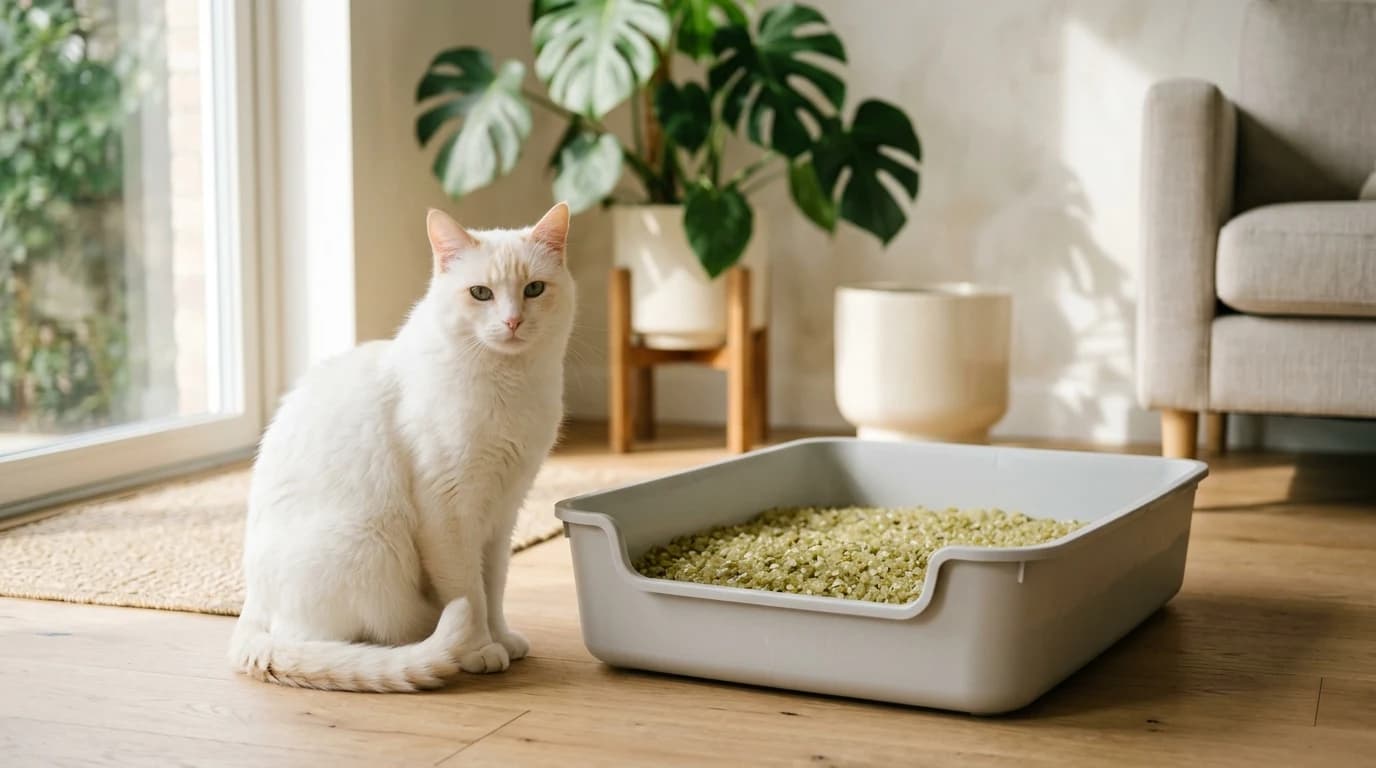
Healthy urine pH shows up as yellow to olive green on color-changing litter.
Petful is reader supported. As an affiliate of platforms like Amazon and Chewy, we may earn a commission when you buy through links on this page. There is no extra cost to you.
Cats are masters at hiding pain. That instinct keeps them alive in the wild and frustrates pet parents at home, because by the time symptoms show, the issue is often advanced. The litter box is one of the few places your cat leaves clues behind, and Pretty Litter wants to turn those clues into a color-coded health alert. In this Pretty Litter review, we tested the color-changing cat litter ourselves, broke down what each shade actually means, and looked at whether the health-monitoring claims hold up in a real home with real cats.
Petful may earn a commission if you click on our links and make a purchase. This comes at no extra cost to you and helps us continue providing trusted pet product reviews.
- 1PrettyLitter is a silica gel cat litter that changes color based on the pH of your cat's urine.
- 2Yellow to olive green is normal. Red flags blood in urine, blue flags alkaline urine (often a urinary tract infection), and orange flags overly acidic urine.
- 3The color-changing tech is a monitoring aid, not a diagnostic tool. A color shift is a reason to call your vet, not a replacement for one.
- 4It works best in single-cat homes, where one cat's urine reliably hits the crystals; multi-cat households lose the per-cat reading clarity.
- 5Subscription pricing runs higher than buying clay litter off the shelf, but lightweight handling, low dust, and a monthly delivery cadence balance the cost for many owners.

Sign up for expert-backed reviews and safety alerts all in one place.
What Is Pretty Litter?
Pretty Litter is a silica gel cat litter built around color-changing technology that responds to the pH of your cat's urine. The original formula is a non-clumping crystal that traps odor and absorbs moisture in place, and the brand has since added a clumping option for owners who prefer that workflow. The crystals are amorphous silica gel, which is generally considered safer than crystalline silica because it does not produce the same respirable dust. Each bag is unscented by default (cats almost always prefer it that way), with an optional lotus flower scent for owners who want a touch of fragrance.
The brand sells primarily through a monthly subscription, though you can also find Pretty Litter at retailers like Chewy. For a single-cat home, the recommended use is two inches of litter at the start of the month, scoop solids daily, stir to redistribute moisture, and swap the whole bag out every four weeks. The crystals trap odor and absorb moisture in place, which is why daily liquid scooping is not required the way it is with clumping clay.
How Does Pretty Litter Work?
The color-changing tech is essentially a pH test built into the litter. Healthy cat urine sits in a mildly acidic to neutral range, generally between 6.0 and 6.5. When urine soaks into a Pretty Litter crystal, indicator chemistry in the crystal reacts to the pH and shifts color. The packaging includes a color chart so you can match what you see in the box to a possible health signal.
It is important to be clear about what the test is and is not. Pretty Litter does not diagnose disease. It flags a change worth investigating. A blue or red reading is a prompt to call your veterinarian, who can then run actual urinalysis, blood work, or imaging if needed.
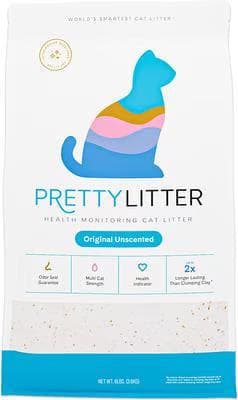
Color-changing crystal litter that flags pH shifts in your cat's urine, an early warning sign of urinary issues.
Petful may earn a commission when you click through to Chewy, at no extra cost to you.
Pretty Litter Color Chart: What Each Color Means
The Pretty Litter color chart on the back of the bag breaks down five color zones, each tied to a possible urine pH range and a list of conditions worth ruling out with your vet. Here is a plain-English version of what each shade signals.
- Yellow to olive green: a normal, slightly acidic urine pH. This is what you want to see most days.
- Dark green to blue: alkaline urine, which can be associated with a urinary tract infection, struvite crystals, or certain dietary issues.
- Orange: more acidic urine than expected, sometimes linked to metabolic acidosis or kidney tubular issues.
- Red: a visible blood reading, which can indicate kidney stones, bladder inflammation, clotting problems, or trauma.
- White or unchanged crystals: the litter has not been used yet, or the urine missed the crystals (common in shallow pours).
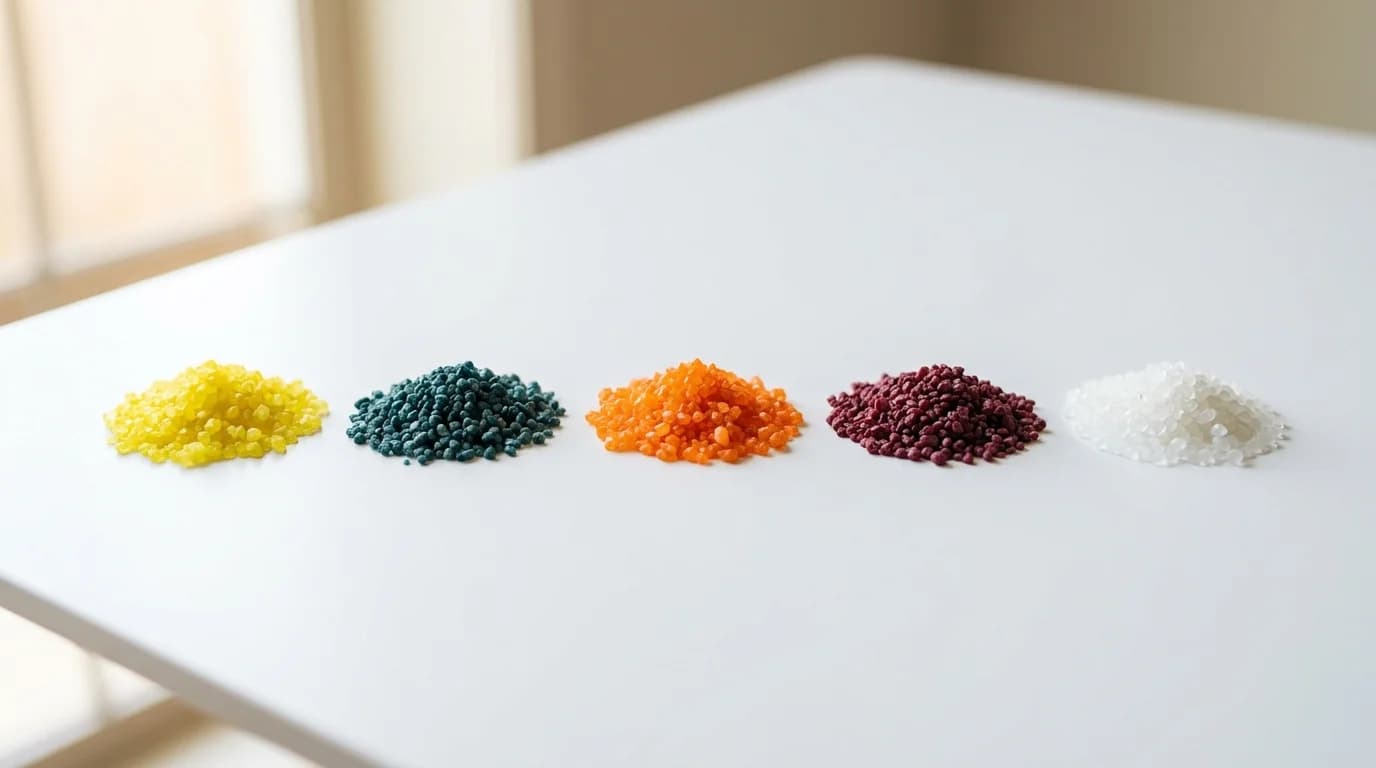
If the litter shifts to red, blue, or persistent orange, screenshot the box and call your veterinarian. The color reading is one data point. Your vet will pair it with appetite, water intake, litter box behavior, and bloodwork to figure out what is actually going on.
If your cat is straining, going outside the box, or producing very small amounts of urine alongside a color shift, that combination warrants an urgent call. Petful covers the warning signs in detail in our guide to urinary tract infections in cats.
Pretty Litter Pros and Cons
Every cat litter is a tradeoff. Here is the honest breakdown of the Pretty Litter pros and cons we observed during testing and that come up consistently in long-term owner reviews. We will keep updating this Pretty Litter review as our reviewer's long-term findings evolve.
- Color-changing health monitor flags urinary changes early, especially valuable for senior cats or cats with a history of urinary issues.
- Lightweight bag is easy to lift, store, and pour. Owners with mobility issues notice the difference immediately.
- Strong odor control because the silica absorbs moisture in place rather than relying on clumping to trap it.
- Low-dust, low-tracking compared with most clumping clay options, though not zero.
- Subscription model removes the run-out-of-litter scramble and keeps fresh bags arriving on schedule.
- Monthly subscription pricing is higher upfront than buying a bag of clay litter on a store run, though you are paying for the color-changing health-monitoring tech that cheaper substrates do not offer.
- Multi-cat households lose much of the health-monitoring benefit because you cannot tell which cat triggered a color change.
- Automatic litter boxes need a quick setup change: check the waste tray for color shifts after each sift, or extend the cycle timing so crystals stay visible long enough to read.
- Some cats reject the silica texture, especially seniors set in their ways.
Our Real-World Pretty Litter Test
Our reviewer tested Pretty Litter in a two-cat household with three litter boxes. Newt is a 14-year-old black cat with a sensitive personality, and Ripley is an 8-year-old tortoiseshell who treats every new object as a personal toy. Both cats have healthy litter box habits going in, which gave us a clean baseline to read against.
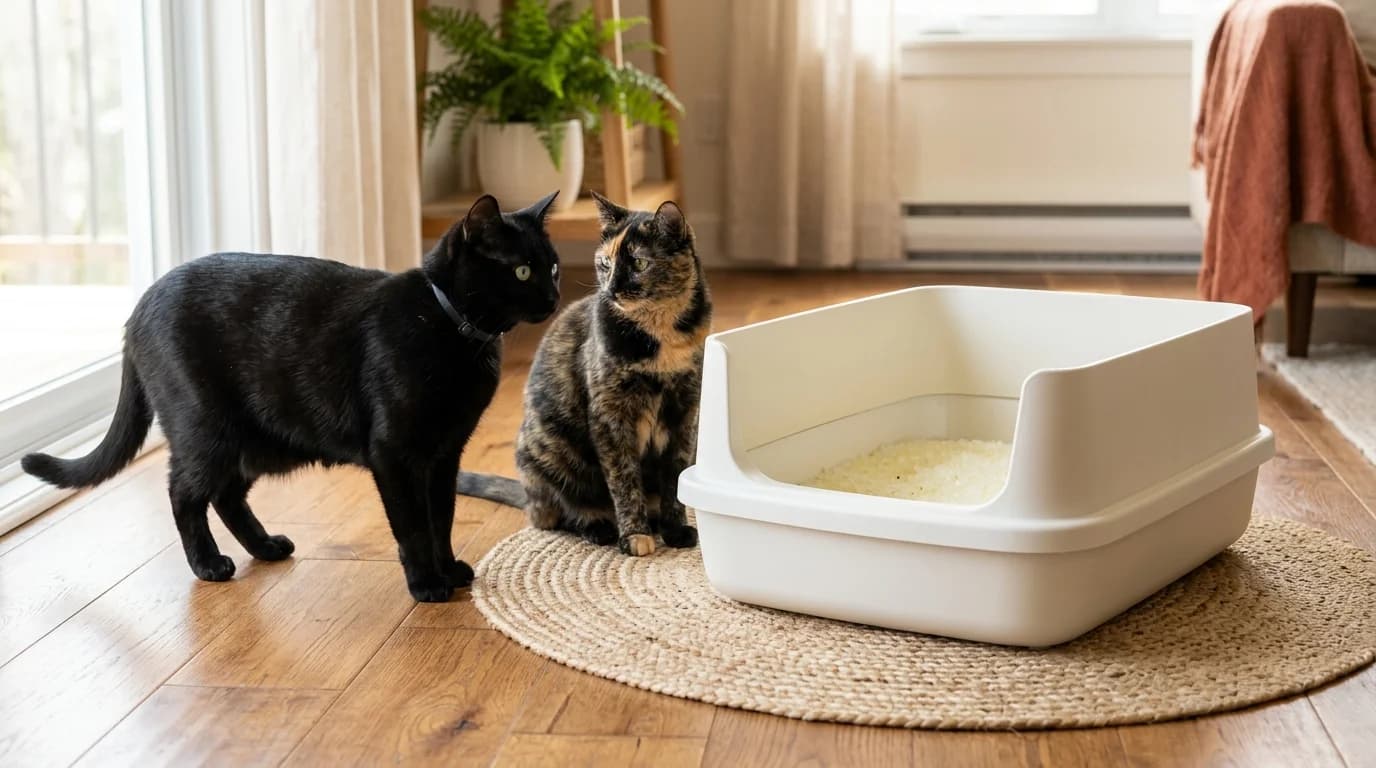
We swapped one of the three boxes to Pretty Litter and left the other two in their usual clumping grass litter. Most products recommend a slow transition between litter types, but blending grass clumping litter with silica crystals does not really work, so we offered the new litter as a parallel option and watched what the cats picked.
Ripley walked in immediately. The first reading was a healthy yellow, which was a relief, and the box stirred easily after scooping. Newt was more cautious. As an older cat with a strong substrate preference, she watched the new box for almost a week before testing it. We eventually saw her use it intermittently, but Ripley did the heavy lifting.
Tracking was minimal and dust was effectively zero on pour and on stir. The odor control held through the four-week window with one cat using the box consistently. We suspect with two cats fully committed, we would shorten the cycle to three weeks. The biggest surprise was simply how little daily work it took. Scoop solids, stir, walk away.
The Pretty Litter formula our reviewer ran through a four-week test in a two-cat household.
Petful may earn a commission when you click through to Chewy, at no extra cost to you.
Pretty Litter vs. Traditional Cat Litter
If you are deciding whether to switch, here is how Pretty Litter stacks up against the most common cat litter formats by the metrics that actually matter day to day.
| Format | Health Monitoring | Odor Control | Replacement Cycle | Approx. Monthly Cost (single cat) |
|---|---|---|---|---|
| Pretty Litter (silica, color-changing) | Yes (color-changing) | Excellent | Once a month | ~$22 to $27 |
| Clumping clay | No | Good to very good | Scoop daily, refill weekly | ~$10 to $15 |
| Natural clumping (corn, wheat, walnut) | No | Very good | Scoop daily, refill weekly | ~$15 to $30 |
| Standard silica gel (non-color-changing) | No | Excellent | Once a month | ~$12 to $20 |
| Tofu litter | No | Good | Scoop daily, refill weekly | ~$8 to $12 |
If health monitoring is not your top priority, our best cat litter for odor control roundup compares clumping options head to head, and our guide to eco-friendly cat litter walks through plant-based and biodegradable alternatives if sustainability matters more than health flags.
Has Pretty Litter Been Recalled?
Pet parents who research a brand carefully often check for recalls before buying, and Pretty Litter is no exception. As of publication, Pretty Litter has not been subject to a formal recall through the FDA or major retailer recall databases. There have been online complaints over the years tied to dust sensitivity in specific cats, and any product that goes into a litter box deserves a watchful eye, but the brand does not carry an active recall record at the time of this review.
- Pet product recalls move quickly. Before ordering, search the FDA Animal & Veterinary recall database and the brand's own announcements page for the latest status. We update this article as new information becomes available.
Is Pretty Litter Worth It?
Whether Pretty Litter is worth it comes down to two questions. First, do you live in a single-cat household where one cat's urine will reliably hit the crystals? Second, do you value early-warning health monitoring enough to pay a monthly subscription premium over buying clay litter off the shelf? If the answer to both is yes, the value is real and the convenience is genuine.
If you live in a multi-cat home or shop strictly by price, the value drops sharply. The color-changing tech is the entire premium you are paying for, and any setup that obscures which cat went where neutralizes that benefit. Automatic litter boxes are still workable if you check the waste tray for color shifts or extend the sift cycle so crystals stay visible long enough to read.
Who Should Use Pretty Litter (and Who Shouldn't)?
Pretty Litter tends to be a strong fit for these households:
- Single-cat homes where every reading reliably belongs to one cat.
- Owners of senior cats or cats with a urinary, kidney, or diabetes history who want an early-warning signal between vet visits.
- First-time cat owners who appreciate a built-in second opinion on what is normal.
- Busy households that benefit from monthly subscription delivery instead of weekly grocery store runs.
It is usually not the right pick for these situations:
- Multi-cat households where you cannot reliably tie a color reading to a specific cat.
- Households on a tight budget where clay or natural clumping litter does the basics well enough.
- Cats with strong substrate preferences who refuse the silica texture.
Ready to try Pretty Litter? The 8-pound bag covers a single-cat home for about a month.
Petful may earn a commission when you click through to Chewy, at no extra cost to you.
Tips for Switching to Pretty Litter
- Cats are creatures of habit and sudden litter changes are a leading cause of out-of-box accidents. Start by placing Pretty Litter in a separate box next to your current litter for one to two weeks. Once your cat is using both confidently, retire the old litter.
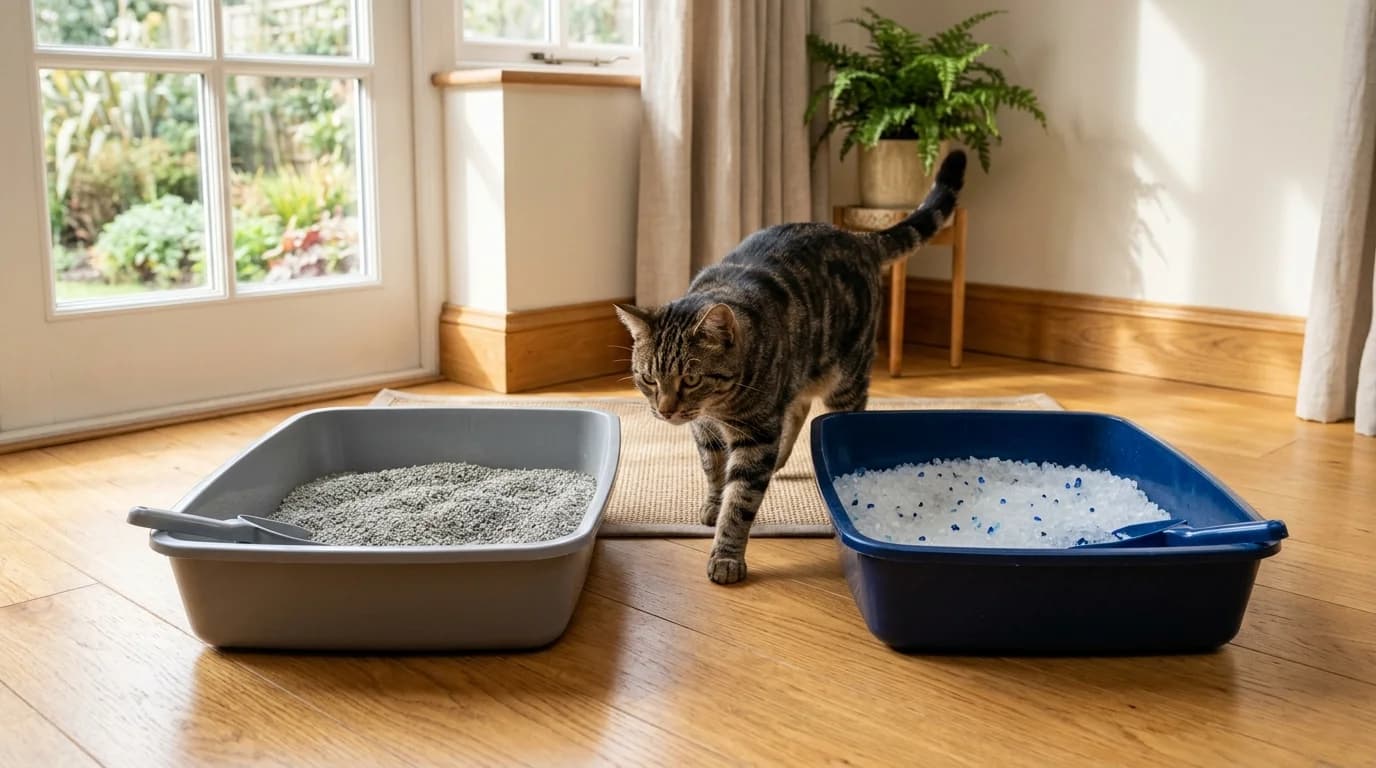
If your cat is hesitant, scoop a small amount of soiled litter from the existing box into the new PrettyLitter tray for the first day or two. The familiar scent communicates: this is also your bathroom. Keep the new box in the same general area your cat already trusts, and resist the urge to deep-clean the area while they adjust.
Final Verdict on Our Pretty Litter Review
Pretty Litter delivers on its core promise. It is a clean, low-odor, lightweight cat litter that quietly turns the litter box into a basic health-monitoring tool. For single-cat households, owners of senior or medically watched cats, and first-time cat parents who want guardrails, the color-changing technology is genuinely useful. It will not replace your veterinarian, but it can make you a faster, more attentive advocate for your cat between visits.
For multi-cat homes, the math is different. When you cannot tie a color reading to a specific cat, the central feature gets muted, and a strong clumping clay or natural option will get you most of the way there for less. Automatic litter box households can still make Pretty Litter work with a quick setup tweak (read the waste tray, or extend the sift cycle so crystals stay visible). As always, your cat is the final reviewer, and any switch should happen on their schedule, not yours.
Frequently Asked Questions
The main downsides are a higher monthly subscription cost than buying clay litter off the shelf (you are paying for the color-changing tech), reduced usefulness in multi-cat households where you cannot link a reading to a single cat, and some tracking out of the box. A handful of cats also reject the silica texture, though cats are notoriously picky about any new substrate, so that is less specific to Pretty Litter than to litter changes in general. Automatic litter boxes still work if you check the waste tray or extend the sift cycle so crystals stay visible.
For single-cat homes that care about odor control, lightweight handling, and basic health monitoring, Pretty Litter genuinely delivers what the brand advertises. It controls smell well, the color-changing pH indicator works as described, and the once-a-month replacement is convenient. The brand is clear that the color reading is a monitoring aid, not a replacement for veterinary care, and always recommends following up with a vet on any color change.
Pretty Litter is recognized by many veterinarians as a useful early-warning signal for at-risk cats, especially seniors and cats with urinary or kidney histories, and the brand is actively expanding into vet clinics nationwide. The litter is a monitoring aid, not a diagnostic tool, and any color change should prompt a vet visit rather than self-treatment at home.
Avoid heavily scented litters that mask odor without addressing it, ultra-fine dust formulas that can irritate cat and human respiratory systems, and any litter your cat actively refuses to use. A litter your cat will not use is worse than any branding or formulation issue, because it leads to out-of-box accidents and stress for the whole household.

Maggie Marton writes about dogs, cats, kids, and more on her amazing blog, OhMyDogBlog. She is a digital media pro, author, pet lifestyle expert, mama, reader, dog-obsessed cat lady, pit bull advocate, eco-friendly and cancer thriver.
Sign up for expert-backed reviews and safety alerts all in one place.
A Final Word (Disclaimer)
At Petful, our review integrity is paramount; we never exchange special treatment in our reviews for monetary or material rewards.
Nonetheless, when our readers click through to online merchants (including Chewy or Amazon), we receive a referral commission. This supports the running of our free blog, and we appreciate your backing.