Liver Failure in Dogs: Signs, Stages, and How Diet Supports Care
Liver failure in dogs can be acute or chronic. Learn the signs, causes and stages, how vets diagnose and treat it, and how a vet-directed diet can help support care.

BVMS, MRCVS
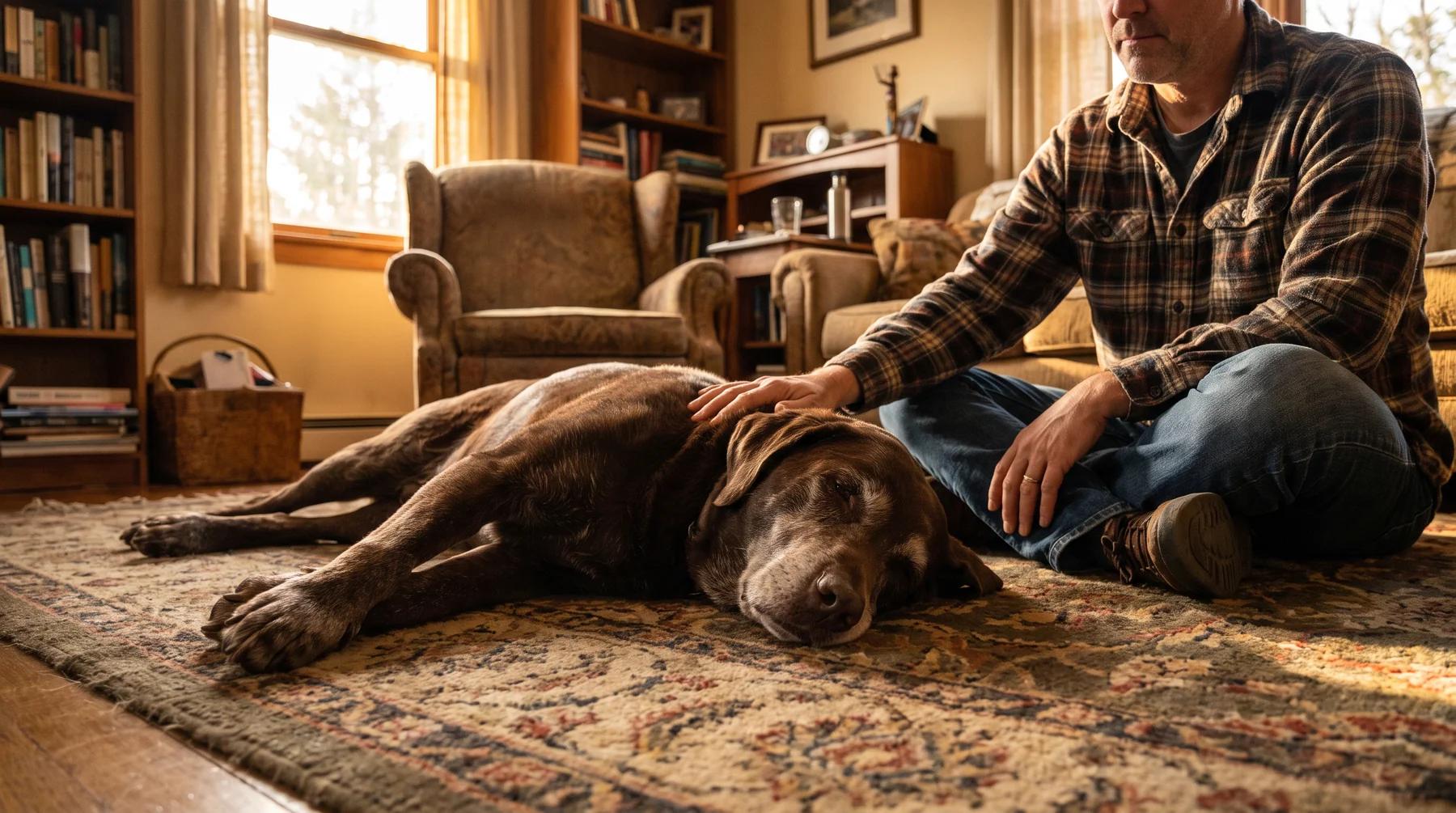
Liver failure often shows first as a quiet, tired dog who rests more than usual at home.
Petful is reader supported. As an affiliate of platforms like Amazon and Chewy, we may earn a commission when you buy through links on this page. There is no extra cost to you.
Sponsored by JustFoodForDogs. This article draws on published veterinary and nutrition sources. Petful may earn a commission through links in this article.
Liver failure in dogs means the liver can no longer keep up with its work: clearing toxins, making clotting proteins and albumin, storing energy and producing bile. It can be acute or chronic, and because the liver has a large reserve, signs often show up only after the organ loses most of its function. That is why a dog can seem fine for months and then become ill quickly.
This guide walks through the signs, causes and stages of liver failure in dogs, how veterinarians diagnose and treat it, and how a veterinarian may use a hepatic diet such as JustFoodForDogs Hepatic Support Low Fat as part of the care plan. Use it to prepare for your vet visit, not to replace one.

Sign up for expert-backed reviews and safety alerts all in one place.
What is liver failure in dogs?
- 1Liver failure in dogs is acute or chronic, and signs often appear only after the liver has lost most of its function.
- 2Emergency signs include confusion, seizures, bleeding, collapse and yellow gums or eyes; any of these means a same-day vet visit.
- 3Diagnosis relies on bloodwork, a bile acids test, ultrasound and sometimes a liver biopsy.
- 4Outlook depends on the cause, the stage and the response to treatment, and some dogs recover well.
- 5A vet-directed diet with controlled copper and high-quality protein can help support care alongside medical treatment.
In short, liver failure in dogs is the point at which the liver loses most of its function and can no longer support the body. It can be acute or chronic: acute failure strikes a previously healthy liver within days, while chronic failure builds over months or years.
The liver sits at the front of the abdomen, tucked just behind the diaphragm and under the last ribs. In dogs it spans both sides of the body, with most of its mass a little toward the right side, and it has several lobes. The spleen lies nearby on the left side, along the outer curve of the stomach. In practical terms, the liver fills the space just behind the rib cage.
The liver handles hundreds of jobs, and what happens when a dog's liver fails follows from which ones slip:
- It filters ammonia and drugs from the blood, so failure lets ammonia reach the brain and cause confusion.
- It makes clotting factors, so bleeding becomes harder to stop.
- It makes albumin, so fluid can leak into the belly.
- It clears bilirubin, so the gums and eyes turn yellow.
- It stores sugar and processes nutrients, so weight and energy drop.
Dogs in liver failure are not all at the same point. Some have a failing liver after a single poisoning, while others have years of slow inflammation behind them. The effects a dog shows, from weight loss to behavior changes, reflect which jobs the liver can no longer do. While the reserve holds, liver disease often causes only mild signs; they become obvious once most function is gone. How a dog fares after liver damage depends on how much healthy tissue remains, because the liver can regrow lost tissue when the damage stops early enough.
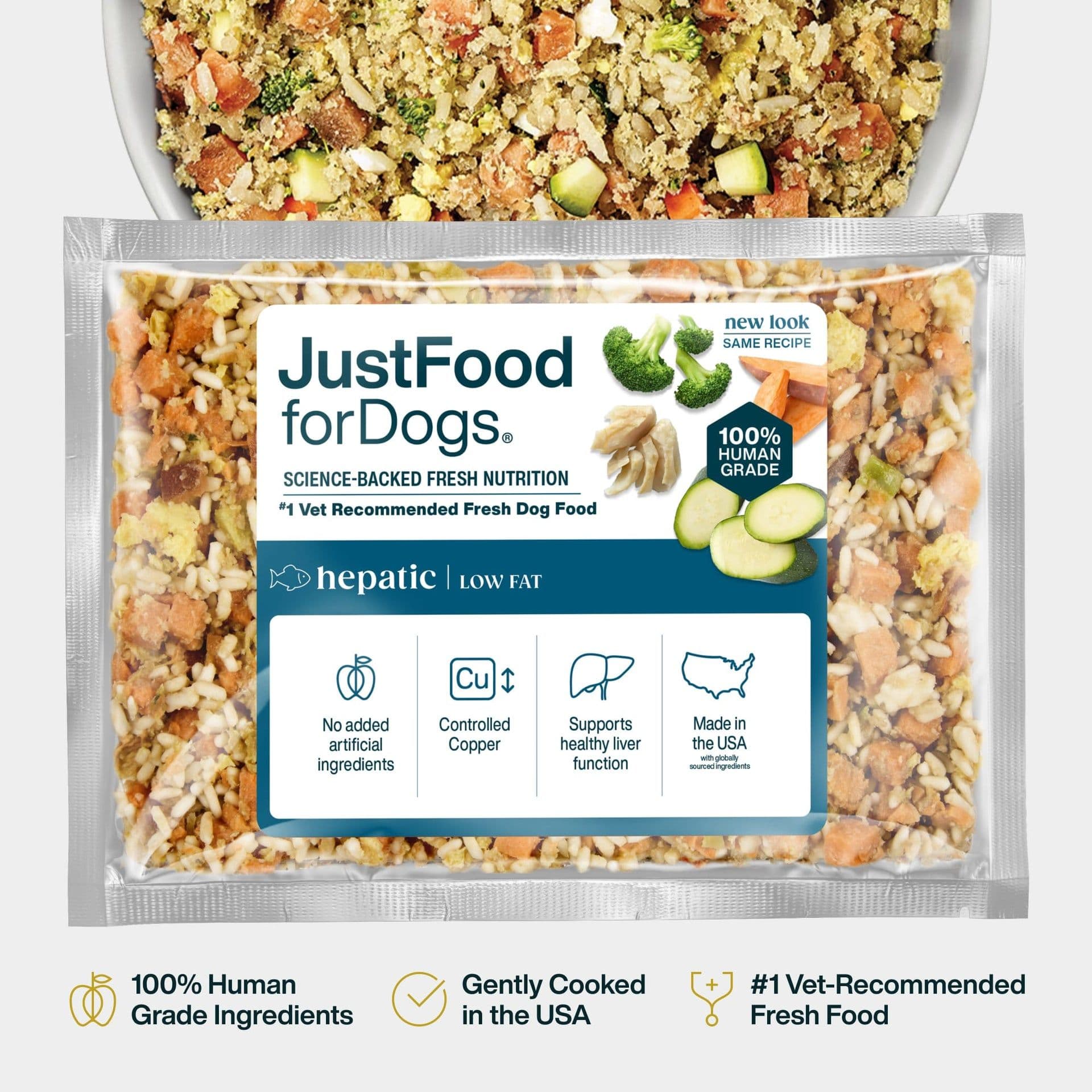
When a veterinarian finds liver disease, JustFoodForDogs Hepatic Support Low Fat is a fresh, vet-formulated option made with carefully controlled protein, calories, phosphorus and copper. It is intended for intermittent or supplemental feeding under vet supervision.
Petful may earn a commission when you click through to JustFoodForDogs, at no extra cost to you.
Acute vs. chronic liver failure in dogs
Veterinarians separate liver failure into two broad patterns, because the urgency, causes and outlook differ.
- Acute liver failure develops over hours to days in a dog that had a healthy liver. Sudden failure is usually caused by a toxin, a severe infection, heat stroke or a reaction to a drug.
- Chronic liver failure develops over months to years as ongoing damage, usually chronic hepatitis, replaces healthy tissue with scar tissue.
Signs of acute liver failure in dogs come on fast: vomiting, refusal to eat, weakness, yellow gums, bruising or bleeding, and confusion or seizures as ammonia builds up. At first it can look like a bad stomach bug, which is why a known exposure to xylitol, mushrooms, moldy food or medications matters so much. Acute failure is always an emergency.
The most common cause of acute liver failure is a toxin. Typical culprits include:
- Xylitol, the toxic mushroom Amanita, sago palm and blue-green algae
- Aflatoxin from moldy grain or contaminated food
- Acetaminophen and some prescription drugs
- Leptospirosis infection and severe heat stroke
Older dogs face the same causes, though an older dog may have less liver reserve to begin with.
Treatment for acute liver failure centers on hospital care: IV fluids with sugar and electrolytes, vitamin K for clotting, medicines against vomiting, and antidotes such as N-acetylcysteine for some toxins, as described in the Merck Veterinary Manual. That care buys time for the liver to regenerate, and dogs that pull through can regain good liver function.
Chronic liver failure is quieter. Thirst, weight loss and a dull appetite may be the only clues for a long time, and the diagnosis often follows routine bloodwork. Because the process is slow, there is time to plan long-term care, including medication, monitoring and a diet a veterinarian selects for the dog's specific liver condition.
For dogs with chronic liver disease, a veterinarian may recommend a hepatic diet as part of long-term care. Hepatic Support Low Fat pairs whole-food ingredients with controlled copper and is intended for intermittent or supplemental feeding under vet supervision.
Petful may earn a commission when you click through to JustFoodForDogs, at no extra cost to you.
Signs and symptoms of liver failure in dogs
The signs range from vague to dramatic. Early signs of liver failure in dogs are easy to miss because they overlap with many other illnesses. For a broader list of the first signs of liver disease and how the vet confirms them, see our sister site's guide to symptoms of liver disease in dogs.
Early symptoms often include:
- Tiredness, less interest in walks and play
- Poor or picky appetite and gradual weight loss
- Vomiting or diarrhea that comes and goes
- Drinking and urinating more than usual
Do dogs with liver disease drink a lot of water? Many do. Veterinarians call increased thirst and urination PU/PD (polyuria and polydipsia), and liver disease is one of its causes. In these dogs the extra urine can also lead to house-training accidents or incontinence, especially at night.
As liver function drops further, the signs become more specific:
- Jaundice: yellow eye whites, yellow-tinged gums and yellow skin on the belly or inner ears. Jaundice is one of the clearest liver signs; our guide to jaundice in dogs covers its other causes.
- Ascites: a swollen, fluid-filled belly, sometimes with faster breathing.
- Hepatic encephalopathy: confusion, head pressing, circling, apparent blindness and seizures caused by ammonia reaching the brain. This is how liver failure can cause seizures.
- Bleeding: nose bleeds, bruising, or blood in vomit or stool, because the liver makes clotting factors. A nosebleed in a dog with liver disease is a warning that clotting is failing.
- Stool and urine changes: stool may be pale gray or clay colored when bile does not reach the gut, or black and tarry when there is bleeding in the gut. Urine may turn dark orange.
What does liver failure look like in dogs at home? Often a quiet dog who eats less, drinks more, looks a little yellow and seems confused or wobbly. Coughing is not a typical liver sign. A cough in a dog with liver disease usually points to the heart or airways, though a belly full of fluid can make breathing labored.
Liver failure in older dogs can be harder to spot because owners expect some slowing down with age. Senior dogs show the same signs listed above, and any of them deserves a vet visit rather than a wait-and-see approach.
Owners also need a simple decision rule for liver signs. Some signs mean a same-day visit, because they show the liver is no longer clearing toxins or making clotting factors. Others are real but slower, and a scheduled visit within a few days is reasonable. The box below sorts them.
- Same-day emergency signs: confusion, circling or head pressing, seizures, bleeding or bruising, collapse, a rapidly swelling belly, yellow gums or eyes, or repeated vomiting with refusal to eat.
- Book a prompt appointment within a few days for increased thirst, gradual weight loss, a picky appetite or mild on-and-off vomiting or diarrhea.
What causes liver failure in dogs?
Most liver damage in dogs traces back to one of the groups below, though in many cases of chronic hepatitis no single cause is found:
- Toxins: xylitol, the sugar substitute in some gum, candy and peanut butter (see our xylitol poisoning timeline); aflatoxin, a mold toxin found in contaminated grain; toxic mushrooms; sago palm; blue-green algae; and acetaminophen.
- Infections: leptospirosis in dogs is a bacterial infection that can damage the liver and kidneys at once. Canine adenovirus type 1 causes infectious canine hepatitis.
- Drug reactions: some medications, including certain anti-inflammatories, anticonvulsants and antibiotics, can injure the liver in individual dogs.
- Chronic hepatitis: ongoing inflammation that slowly scars the liver, sometimes immune-related and often without a clear cause.
- Copper storage disease: some breeds cannot clear copper normally, so it builds up in the liver and causes inflammation.
- Other causes: heat stroke, liver cancer, congenital liver shunts and severe trauma.
Grapes and raisins are dangerous, but they mainly injure the kidneys rather than the liver. Mold is different: aflatoxin from moldy corn or contaminated food is a known cause of acute liver failure. Severe heat stroke also injures liver cells along with other organs.
Routine vaccines are not a recognized cause of liver failure. In fact, core vaccination protects against infectious canine hepatitis, and the leptospirosis vaccine lowers the risk of a liver-damaging infection.
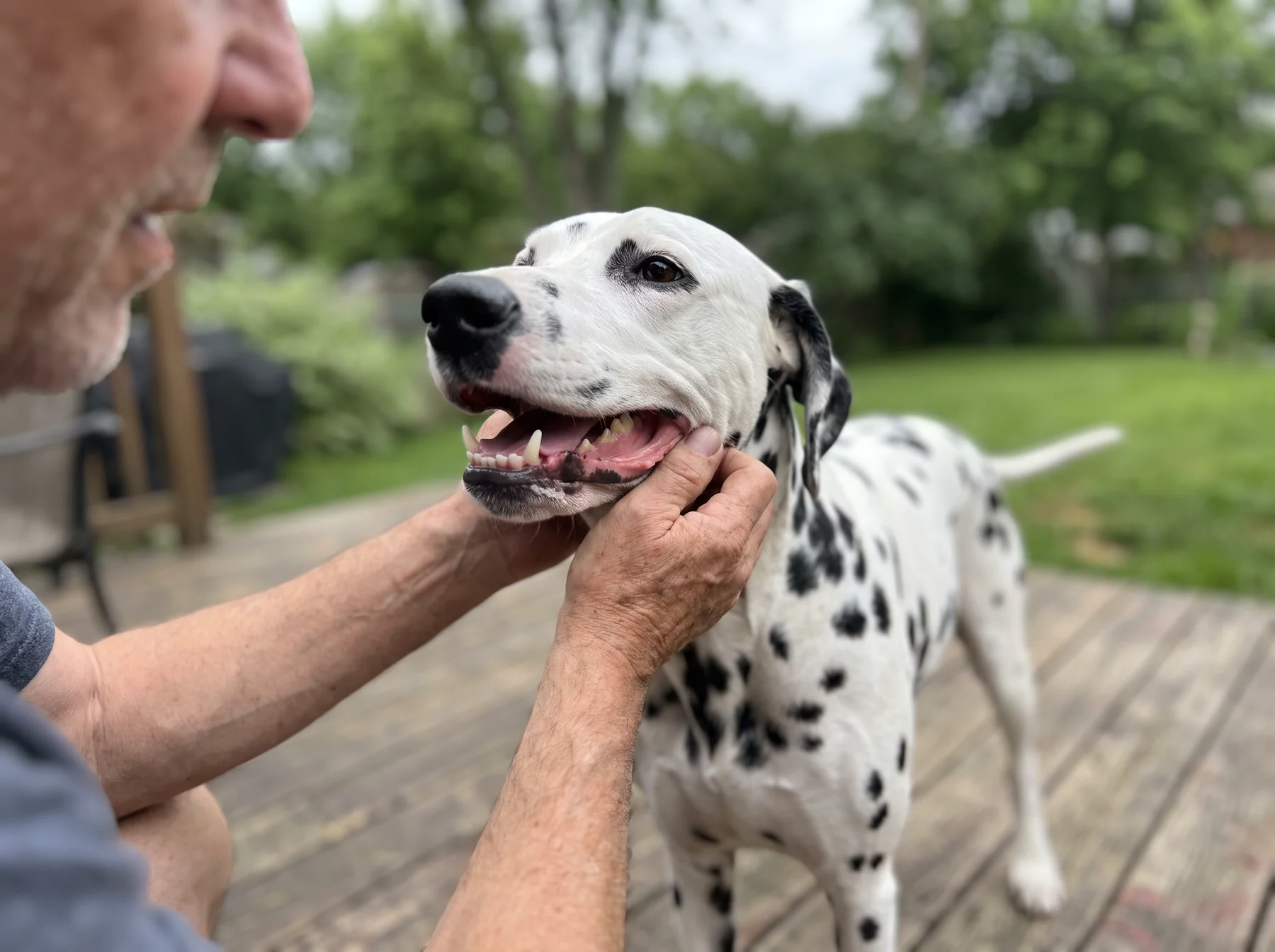
Breed matters too, because some liver disease is inherited. The ACVIM consensus statement names Bedlington Terriers, Dalmatians, Labrador Retrievers, Doberman Pinschers and West Highland White Terriers as predisposed to copper-associated hepatitis, with chronic hepatitis also reported in Cocker Spaniels and English Springer Spaniels. Small breeds such as Yorkshire Terriers and Maltese are more likely to have congenital shunts. Inherited copper buildup often causes signs in middle age, while shunts usually cause signs in puppies and young dogs.
When a veterinarian confirms copper buildup, lifelong copper control in the diet is part of care. Hepatic Support Low Fat is formulated with carefully controlled copper and is intended for intermittent or supplemental feeding under vet supervision.
Petful may earn a commission when you click through to JustFoodForDogs, at no extra cost to you.
Liver failure in diabetic dogs is uncommon, but diabetes and Cushing's disease can change liver cells and raise enzymes, so these dogs need regular monitoring. In older dogs, liver problems often come from a mix of chronic hepatitis, medications taken for years and liver tumors.
A few habits lower the risk of liver failure:
- Keep xylitol products, medications, mushrooms and sago palms out of reach
- Store kibble dry and discard any food that smells moldy
- Keep leptospirosis and core vaccines current
- Ask for periodic bloodwork when your dog takes long-term medication
- Schedule routine senior bloodwork, which can catch rising enzymes before signs appear
Stages of liver failure in dogs
There is no single official staging system, but veterinarians and the ACVIM consensus describe liver disease as a progression from inflammation to scarring to failure. The table below lays out the stages of liver failure side by side with what owners see at home, what the vet checks at each stage and the feeding focus at each stage.
- Early liver damage: inflammation or injury with few or no signs. This first stage is usually found on routine bloodwork.
- Chronic liver disease: ongoing inflammation with fibrosis. Signs are mild and intermittent.
- Decompensated liver failure: the liver can no longer cope. Jaundice, ascites or hepatic encephalopathy appear.
- End stage liver failure: cirrhosis, severe scarring and organ failure, with weakness, bleeding and neurologic signs.
| Stage | What owners see at home | What the vet usually checks | Feeding focus at each stage |
|---|---|---|---|
| Early liver damage | Often nothing; maybe mild thirst or a picky appetite | Chemistry panel with ALT and ALP, repeat tests | A complete diet the dog eats well; vet reviews copper if a storage breed |
| Chronic liver disease | Weight loss, on-and-off vomiting, more drinking and urinating | Bile acids test, ultrasound, liver biopsy and copper level | Vet-selected hepatic diet with high-quality protein and controlled copper |
| Decompensated liver failure | Yellow gums or eyes, swollen belly, confusion after meals | Clotting tests, ammonia, albumin, hospital monitoring | Small frequent meals; protein and sodium adjusted by the vet |
| End stage liver failure | Weakness, bleeding, seizures, refusal to eat | Comfort and quality-of-life assessment | Whatever the dog will eat comfortably, guided by the vet |
How fast does liver failure progress in dogs? It depends on the cause: the timeline runs from days with a toxin to years with chronic hepatitis. After xylitol, liver injury unfolds over days; the Merck Veterinary Manual notes that signs of liver injury may not appear until 24 to 48 hours or more after ingestion. Advanced liver disease from chronic hepatitis, by contrast, may take years to develop.
What are the final stages of liver failure in dogs? At end stage, signs include deepening jaundice, a large fluid-filled belly, confusion, seizures, bleeding and near-complete refusal to eat. Older dogs move through the same stages, sometimes faster because they often carry other illnesses.
How vets diagnose liver failure in dogs
Diagnosing liver disease in dogs is a step-by-step process. Testing usually starts with a blood chemistry panel. ALT and ALP are liver enzymes; high values show liver cells are stressed or bile flow is slowed, but they do not measure how well the liver works. If enzymes are the only finding, our sister site's guide to elevated liver enzymes in dogs explains what can raise them.
The next tests look at how well the liver works:
- Bile acids test: blood samples before and after a meal show how well the liver clears bile acids
- Albumin, glucose, cholesterol and urea: low values suggest the liver cannot make what the body needs
- Bilirubin and urinalysis: show jaundice and bilirubin in urine
- Clotting tests: check whether the liver is making enough clotting factors
- Ammonia: supports a diagnosis of hepatic encephalopathy
- Abdominal ultrasound: shows liver size, texture, masses, shunts and fluid
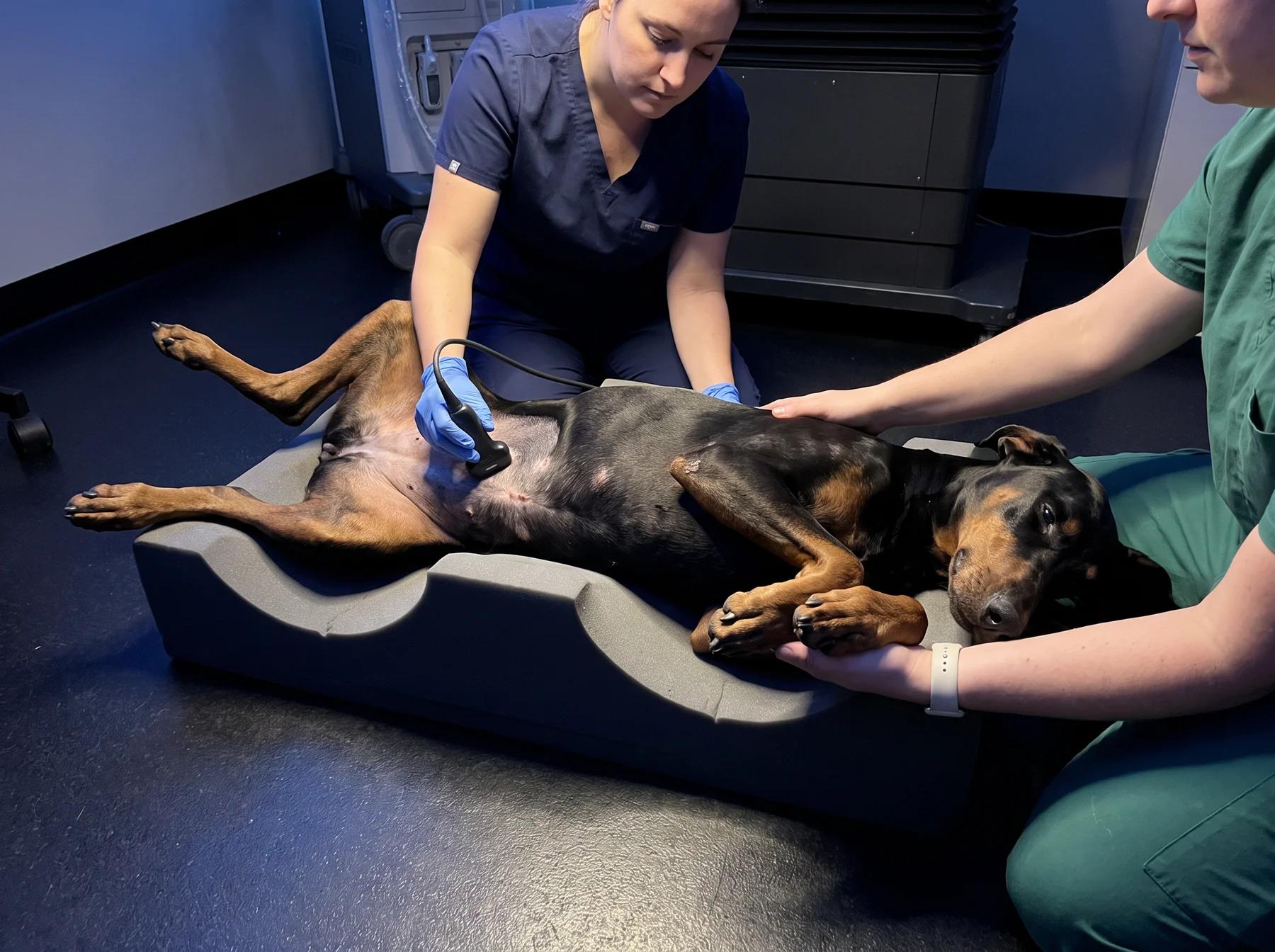
A liver biopsy is often needed to name the exact disease and measure copper. The main risk of a biopsy is bleeding, which is why vets run clotting tests and a platelet count first. The ACVIM consensus reports bleeding complications in roughly 1 to 3 percent of dogs in published studies; other complications, such as anesthesia reactions, are uncommon. Our guide to liver biopsy in dogs explains the procedure options.
Once the tests name the problem, the vet can match the plan to it, including the feeding focus for the dog's stage of disease.
Once testing confirms chronic liver disease, a veterinarian may recommend a hepatic diet. Hepatic Support Low Fat lists copper between 1.2 and 1.65 mg/kg on its label and is intended for intermittent or supplemental feeding under vet supervision.
Petful may earn a commission when you click through to JustFoodForDogs, at no extra cost to you.
Treatment for liver failure in dogs
Treatment depends on the cause, and the aim is to stop further damage while the liver recovers. Most plans combine several of these treatment options:
- Hospital support: IV fluids, dextrose for low blood sugar, potassium and anti-nausea medication
- Clotting support: vitamin K and, if needed, plasma transfusion
- Hepatic encephalopathy care: lactulose and certain antibiotics to lower ammonia
- Antidotes: N-acetylcysteine for some toxins such as acetaminophen
- Liver-protective medicines and supplements: ursodiol, SAMe, vitamin E and milk thistle, chosen by the vet
- Cause-specific medicine: antibiotics for leptospirosis, copper-binding drugs and zinc for copper storage disease, and steroids for chronic hepatitis once a biopsy confirms inflammation and rules out infection
- Fluid control: diuretics such as spironolactone for ascites
- Surgery: for shunts or a single liver tumor
Is liver disease in dogs treatable? Often, yes, and it can sometimes be cured when the cause is removed or treated before scarring sets in. When the cause is removed early, as with a toxin or an infection that responds to treatment, many dogs recover a large share of their function because the liver can regrow healthy tissue. Scarring itself cannot be reversed, but treatment can slow progression and keep many dogs comfortable for months to years.
Choose any liver supplement with your veterinarian, because doses, quality and drug interactions matter. Steroids are used only for specific diagnoses, such as biopsy-confirmed chronic hepatitis, and can make some conditions worse.
Nutrition is part of treatment from the first day. A dog who does not eat loses muscle, and muscle helps the body handle ammonia, so vets work hard to keep calories coming in. For chronic disease, the vet may recommend a hepatic diet such as Hepatic Support Low Fat, alongside medication and recheck bloodwork.
How diet supports dogs with liver failure
The veterinarian chooses the diet to fit the dog's diagnosis. The Merck Veterinary Manual notes that liver disease alone does not mean protein must be restricted; restriction is reserved mainly for dogs with hepatic encephalopathy or shunts. For dogs with chronic liver disease, the current approach focuses on these points:
- High-quality, highly digestible protein in an amount the vet sets, so the dog keeps muscle without overloading the liver
- Controlled copper levels, which the ACVIM consensus advises as lifelong in dogs with copper-associated hepatitis
- Sodium kept modest, with high-sodium foods avoided when ascites is present
- Fat at a level the vet chooses; Merck notes most dogs with liver disease need no fat restriction, but dogs with blocked bile flow or gallbladder mucoceles may need less. Veterinarians also limit fat for dogs that have pancreatitis, which is when a vet may pick a lower-fat hepatic diet
- Antioxidants such as vitamin E, plus zinc and omega-3 fatty acids
- Small frequent meals to keep energy steady and avoid long fasts, which applies to any vet-approved food, including JustFoodForDogs Hepatic Support Low Fat
Feeding a dog with cirrhosis follows the same principles, often with closer attention to sodium and ammonia. For the day-to-day details, including which foods fit and which to avoid, see our sister site's guide on what to feed a dog with liver problems.
A real label example makes these hepatic diet nutrient targets easier to read, and JustFoodForDogs Hepatic Support Low Fat is one. JFFD says it is "formulated to support healthy liver function with carefully controlled levels of protein, calories, phosphorus, and copper." Its guaranteed analysis lists crude protein from 3.5 to 6.0 percent, crude fat from 1.0 to 3.0 percent and copper from 1.2 to 1.65 mg/kg, as label minimums and maximums on an as-fed basis. Ingredients include sweet potatoes, white rice, eggs, wild-caught Alaska Pacific cod and microalgae oil.
Unlike everyday foods that carry an AAFCO adequacy statement, the label states: "JustFoodForDogs Hepatic Support Low Fat is intended for intermittent or supplemental feeding under vet supervision." That is why your veterinarian decides whether and how Hepatic Support Low Fat fits your dog's plan. You can read more in our JustFoodForDogs Hepatic Support review or on our sister site's overview of vet-recommended diets for dogs with liver disease.
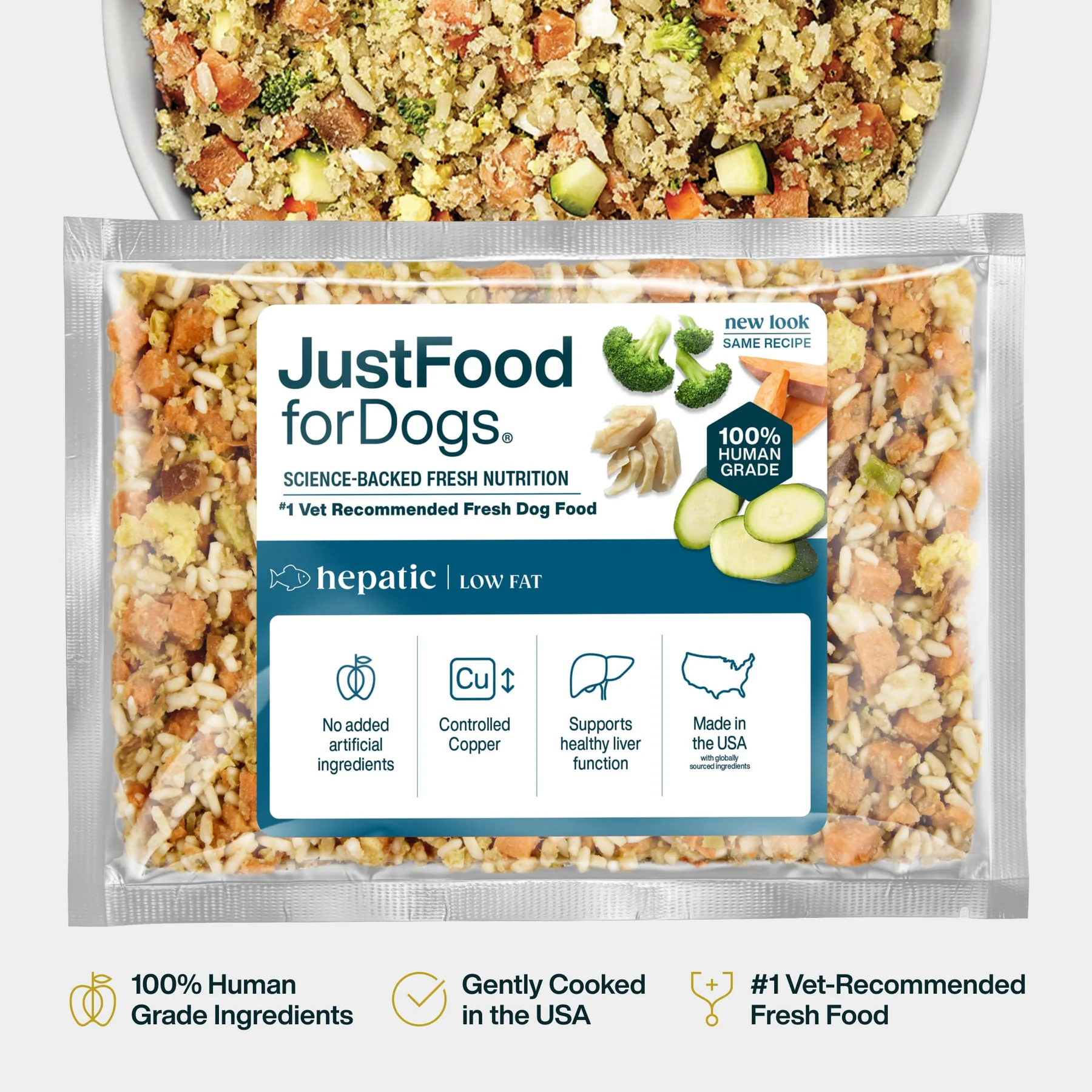
- Hepatic Support Low Fat is a veterinary-support diet; JFFD asks owners to check with their vet before ordering, and its label says it is intended for intermittent or supplemental feeding under vet supervision.
- Change food gradually and keep recheck bloodwork on schedule so your vet can adjust the plan.
Liver failure in dogs: life expectancy and prognosis
How long can a dog live with liver failure? It depends on the cause and the response to treatment. Dogs that survive acute liver failure from a toxin or infection may regain normal or near-normal liver function as the liver regenerates. Dogs with chronic hepatitis caught early can live for months to years with medication, diet and monitoring. Dogs diagnosed at end stage, with cirrhosis or a fluid-filled belly, may have only days to weeks.
Life expectancy is shorter when certain findings are present. The ACVIM consensus statement links these with shorter survival:
- High bilirubin
- Prolonged clotting times
- Ascites
- Extensive scarring on biopsy
The outlook is better when the dog is eating, the cause is identified and the enzymes improve on recheck.
How serious is liver failure in dogs? Very serious: it can be fatal, especially in acute toxic cases and at end stage. Liver disease is not always fatal, though. Many dogs with liver disease never progress to failure, and survival varies too widely by cause for a single survival rate to be useful. Your veterinarian can give the most accurate outlook based on your dog's tests.
To give your dog the best chance, keep recheck appointments, give medication exactly as prescribed, and feed the diet your veterinarian recommends. When that includes a hepatic diet such as Hepatic Support Low Fat, feeding it exactly as your vet directs helps your vet judge how the plan is working.
Is liver failure painful for dogs, and when is it time to say goodbye?
Liver disease itself is not usually described as sharply painful, but dogs can feel abdominal discomfort from an enlarged liver or a fluid-filled belly, nausea, and the distress of confusion. At end stage some dogs are in pain, and comfort care from your vet can include pain relief, anti-nausea medication and drainage of belly fluid to keep them comfortable.
Dogs that die of liver failure usually decline through a combination of hepatic encephalopathy, bleeding, low blood sugar and the body wasting from not eating. Signs that a dog is in its final days include:
- Refusing food and water for more than a day or two
- Deepening jaundice and a swollen belly
- Confusion, seizures or not recognizing family
- Bleeding that will not stop
- Inability to stand or get comfortable
When to euthanize a dog with liver failure is a personal decision made with your veterinarian. Many families use a quality-of-life scale that scores appetite, comfort, mobility and good days versus bad days. If bad days outnumber good ones, it may be time to talk about saying goodbye. Our guide to hospice versus euthanasia explains both paths.

When liver and kidney failure happen together
The liver and kidneys sometimes fail at the same time. The usual cause is a toxin or an infection that damages both organs, with leptospirosis as the classic example. Sudden failure of both can also follow heat stroke, some poisonings and severe infection throughout the body.
The signs overlap: thirst, vomiting, poor appetite and lethargy. Jaundice, ascites and confusion point to the liver, while very bad breath, mouth ulcers and very dilute urine point more to the kidneys. One blood panel can tell kidney and liver disease apart, and it can also show when both organs are affected.
Treating both at once is a careful balance. Fluids help the kidneys but can worsen ascites, and protein and phosphorus needs pull in different directions, so the veterinarian sets a combined plan. Many dogs need hospital care first. For long-term feeding, the vet weighs the liver diagnosis against kidney values, and a hepatic diet such as JustFoodForDogs Hepatic Support Low Fat, which keeps phosphorus controlled, may be one option the vet considers.
Questions readers ask about liver failure in dogs
Cholestasis means blocked bile flow, either inside the liver or in the bile ducts. Bile builds up, so bilirubin rises and you may see yellow gums or eyes, dark urine and pale stool. It is a finding rather than a final diagnosis, so your vet will look for the cause with bloodwork and ultrasound.
Liver disease is one condition often called a silent killer, because the liver has so much reserve that signs appear late. Routine senior bloodwork once or twice a year can show rising ALT or ALP long before a dog looks sick, which gives your vet time to act.
Yes. Liver tissue regrows after injury when enough healthy tissue remains, which is why many dogs recover from acute damage. Scarring cannot reverse, though, so the goal in chronic disease is to slow further damage.
Some dogs with advanced liver failure develop sweet musty breath, a sign veterinarians call fetor hepaticus. Other odor changes are not typical. If you notice this breath odor along with other signs, call your veterinarian promptly.
Often, yes, with planning. The vet adjusts anesthetic drug choice, because the liver clears many drugs, and runs clotting tests before surgery. Elevated liver enzymes alone do not rule out surgery when liver function tests are acceptable.
Liver failure itself is not contagious. Some causes are infectious, though: leptospirosis spreads in urine and can infect people and other dogs, and canine adenovirus spreads between unvaccinated dogs. Vaccination and good hygiene lower the risk.
BVMS, MRCVS
Dr. Pippa Elliott, BVMS, MRCVS, is a veterinarian with nearly 30 years of experience in companion animal practice. Dr. Elliott earned her Bachelor of Veterinary Medicine and Surgery from the University of Glasgow. She was also designated a Member of the Royal College of Veterinary Surgeons. Married with 2 grown-up kids, Dr. Elliott has a naughty Puggle named Poggle, 3 cats and a bearded dragon.
Sign up for expert-backed reviews and safety alerts all in one place.
A Final Word (Disclaimer)
At Petful, our review integrity is paramount; we never exchange special treatment in our reviews for monetary or material rewards.
Nonetheless, when our readers click through to online merchants (including Chewy or Amazon), we receive a referral commission. This supports the running of our free blog, and we appreciate your backing.