Is Kibble Bad for Dogs? What Veterinarians Actually Say About Dry Food
Kibble can provide appropriate nutrition, but the recipe and serving matter. Compare dry and fresh food through label evidence, your dog's response, and practical feeding choices.

BVMS, MRCVS
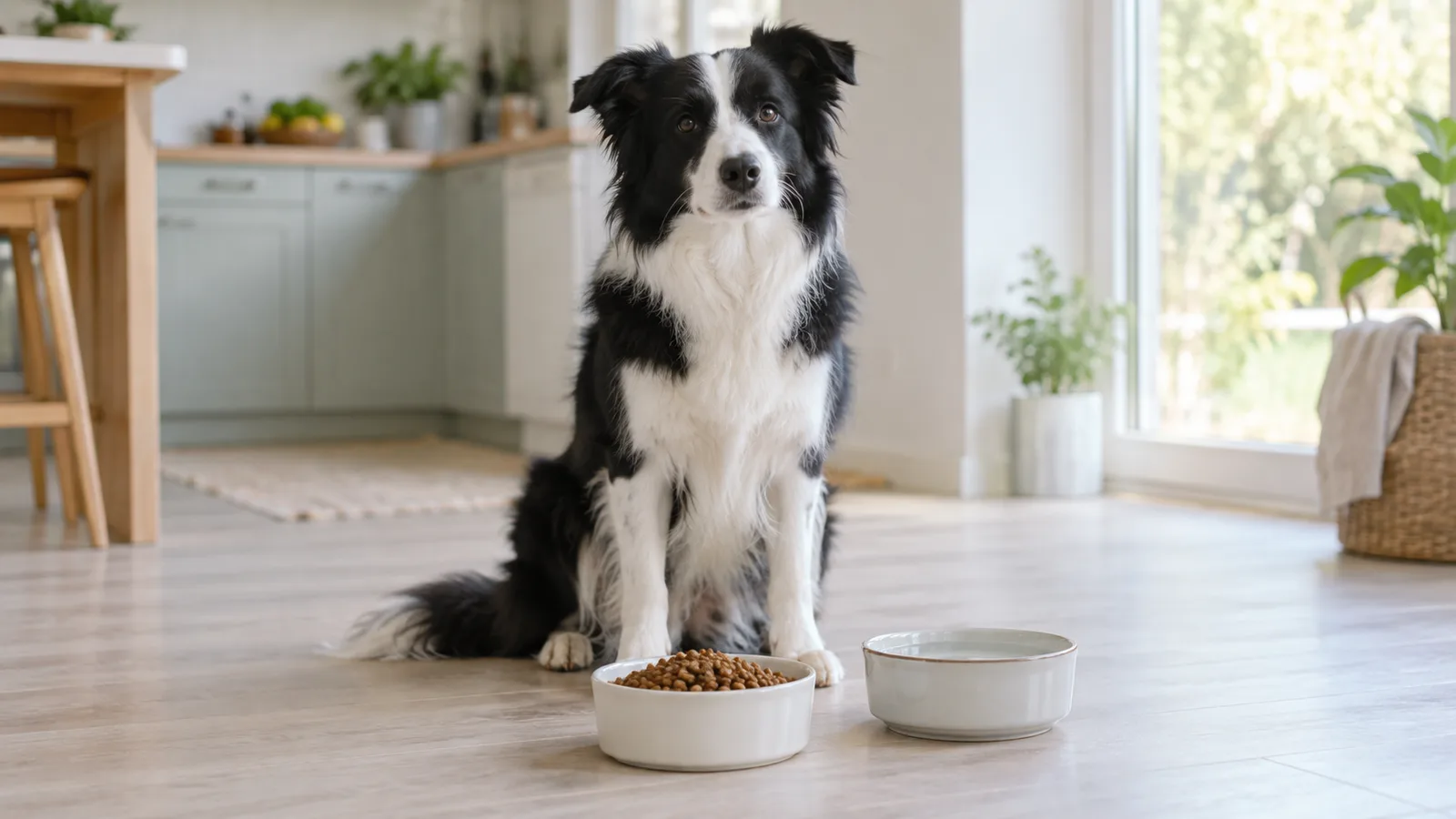
Illustrative scene; food portions shown are not feeding recommendations.
Petful is reader supported. As an affiliate of platforms like Amazon and Chewy, we may earn a commission when you buy through links on this page. There is no extra cost to you.
This article is sponsored by JustFoodForDogs. Petful maintains editorial control and may earn a commission from qualifying purchases, at no extra cost to you.
Is kibble bad for dogs? Not inherently. A complete dry diet that matches your dog's needs can provide appropriate everyday nutrition. Its suitability depends on the recipe, the manufacturer, the amount you feed, and the individual dog, rather than the fact that it comes in crunchy pieces.
That leaves plenty of room to choose fresh food for good reasons. You may prefer a moist meal, want a prepared cooked option, or find a particular recipe works better for your household. A useful comparison makes those benefits clear without turning every bag of dry food into a health scare.

Sign up for expert-backed reviews and safety alerts all in one place.
Is kibble bad for dogs, or can it be a healthy diet?
- 1A complete and balanced kibble can suit a dog's life stage and nutritional needs.
- 2Evaluate label evidence and individual response together.
- 3Fresh food is an option to assess by its recipe and practical benefits, not proof that dry food is harmful.
Kibble is a food format, not one standardized formulation. Two bags can differ substantially in calories, fat, fiber, ingredients, intended life stage, and manufacturer expertise. Asking whether all kibble is good or bad for dogs overlooks the distinctions that matter most at feeding time.
The question “Why is kibble bad for dogs?” also assumes a conclusion that the format alone cannot support. A particular food can be unsuitable for a particular dog. That does not mean every dry diet is unsuitable, any more than an unbalanced homemade meal makes every cooked food unbalanced.
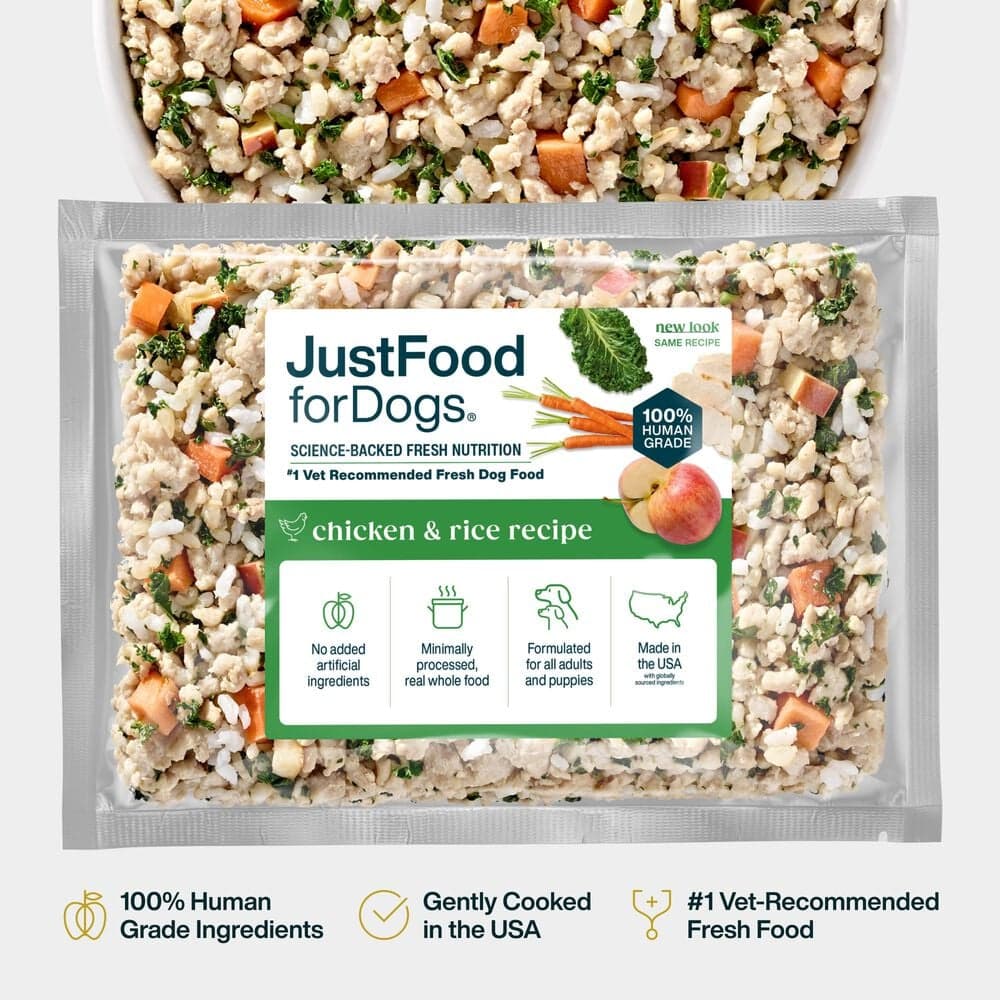
- #1 vet-recommended fresh food
- 10+ years of feeding trials & studies
- Recipes for all breeds, needs and life stages
Petful may earn a commission when you click through to JustFoodForDogs, at no extra cost to you.
Start with the actual concern
- Your dog has symptoms: Investigate the symptoms with your veterinarian before repeatedly switching foods.
- Your dog dislikes the current food: Assess freshness, serving amount, health, and recipe suitability, then consider a different texture or diet.
- You want to feed fresh: Compare complete recipes and plan portions, storage, and cost.
- You saw an alarming ingredient claim: Check the source and the evidence for the finished diet rather than judging a food from a social-media list.
For owners who want a cooked fresh alternative, JustFoodForDogs Fresh Frozen meals provide a starting point for recipe comparison. The decision can be based on what you want from the feeding routine; it does not require proving that your previous kibble was bad.
What processing changes and what it does not prove
Processing affects a food's texture, moisture, shelf life, and other characteristics. Conventional kibble is commonly made through extrusion, while fresh cooked meals remain moist and may be chilled or frozen. Both require a formulation that accounts for how ingredients and nutrients behave during manufacture.
The number of processing steps does not, by itself, tell you the final food's nutritional quality. “Less processed” is not a substitute for data on the finished recipe. Equally, the fact that a diet has been cooked or dried does not establish that essential nutrients are missing from the food as fed.
Ask questions that a manufacturer can answer
The WSAVA guide to selecting pet foods directs attention to formulation expertise, quality control, research, and usable nutrient information. Those questions apply to both fresh and dry foods.
- Who develops and checks the recipe?
- What testing applies to ingredients and the finished food?
- What nutritional adequacy statement appears on this exact product?
- Can the company provide a typical nutrient analysis and clear calorie information?
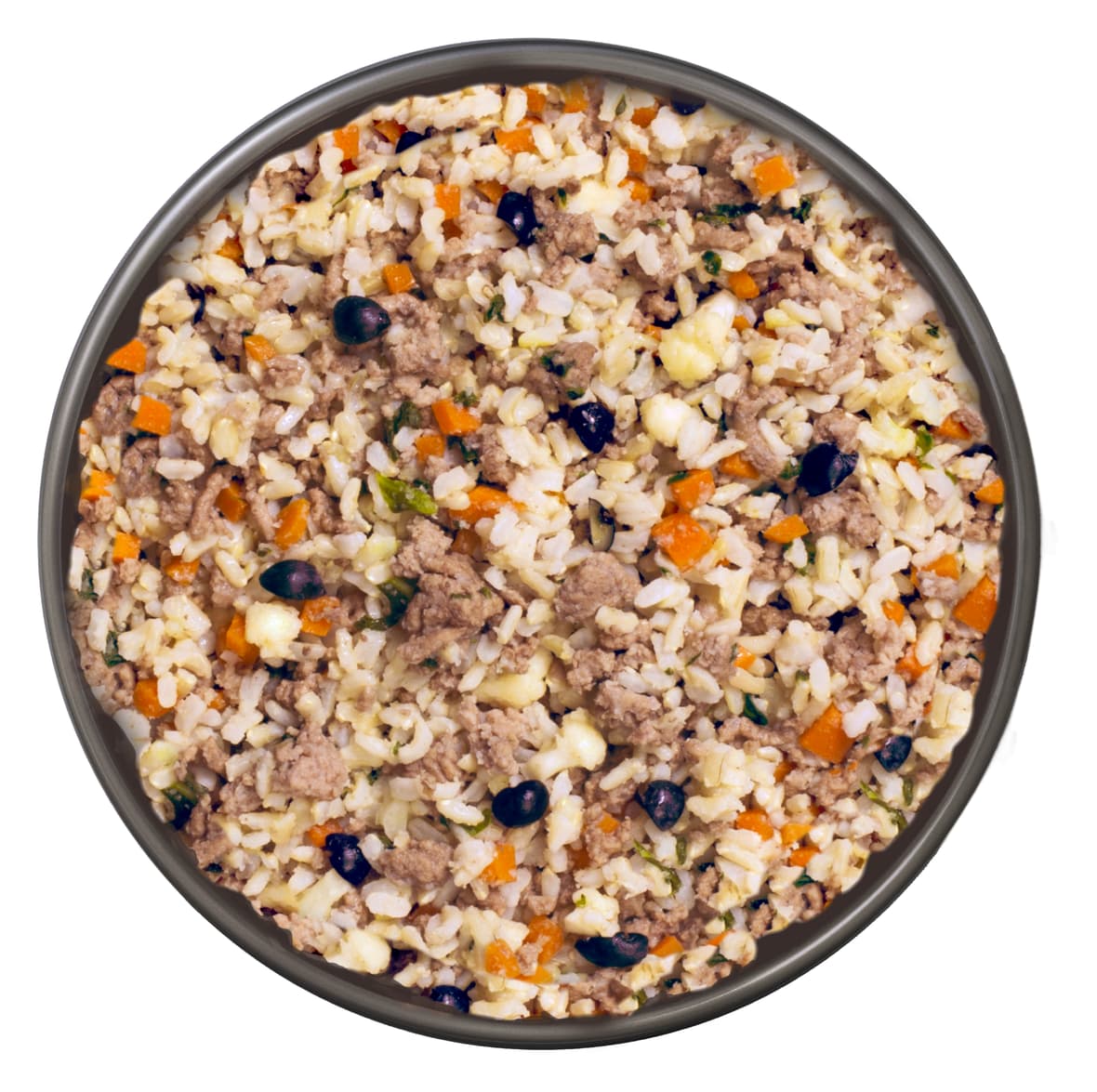
Fresh meals can make ingredients and texture easier to recognize. That may improve your experience of serving food, but you still need those answers. The same principle applies to human-grade dog food: sourcing and handling claims address a different question from whether a recipe meets a dog's complete nutritional needs.
- Chicken with rice and whole-food ingredients
- Fresh Frozen recipe
- View the recipe and feeding guide
Petful may earn a commission when you click through to JustFoodForDogs, at no extra cost to you.
How to judge the food in your dog's bowl
Use label evidence to establish what the food is intended to provide, then use individual response to assess how it is working. Neither step replaces the other. A dog enjoying a meal does not prove that it is balanced, and an appropriate label does not mean every dog will tolerate every recipe equally well.
Check the adequacy statement, the calorie density, and the intended life stage. A food intended only for intermittent or supplemental feeding should not quietly become the main diet. “AAFCO approved” is also the wrong test: AAFCO does not approve individual foods. The FDA's explanation of complete and balanced claims describes the relevant nutrient-profile and feeding-trial pathways.
| Check | What to look for | What it cannot tell you alone |
|---|---|---|
| Adequacy statement | Complete nutrition for the intended life stage | Whether every dog will tolerate the recipe |
| Calorie information | A measured daily serving | The dog's exact long-term energy requirement |
| Manufacturer answers | Formulation and quality-control details | A guarantee against every possible problem |
| Dog's response | Stable body condition and comfortable eating and digestion | Whether an untested homemade addition is balanced |
Is kibble bad for dogs' teeth?
Ordinary crunchy food should not be treated as a replacement for dental care. Some specially designed dental diets have evidence for particular plaque or tartar claims, but a crunchy texture alone is not the same evidence. The Veterinary Oral Health Council identifies brushing as the gold standard and maintains an accepted-products list for specific dental claims.
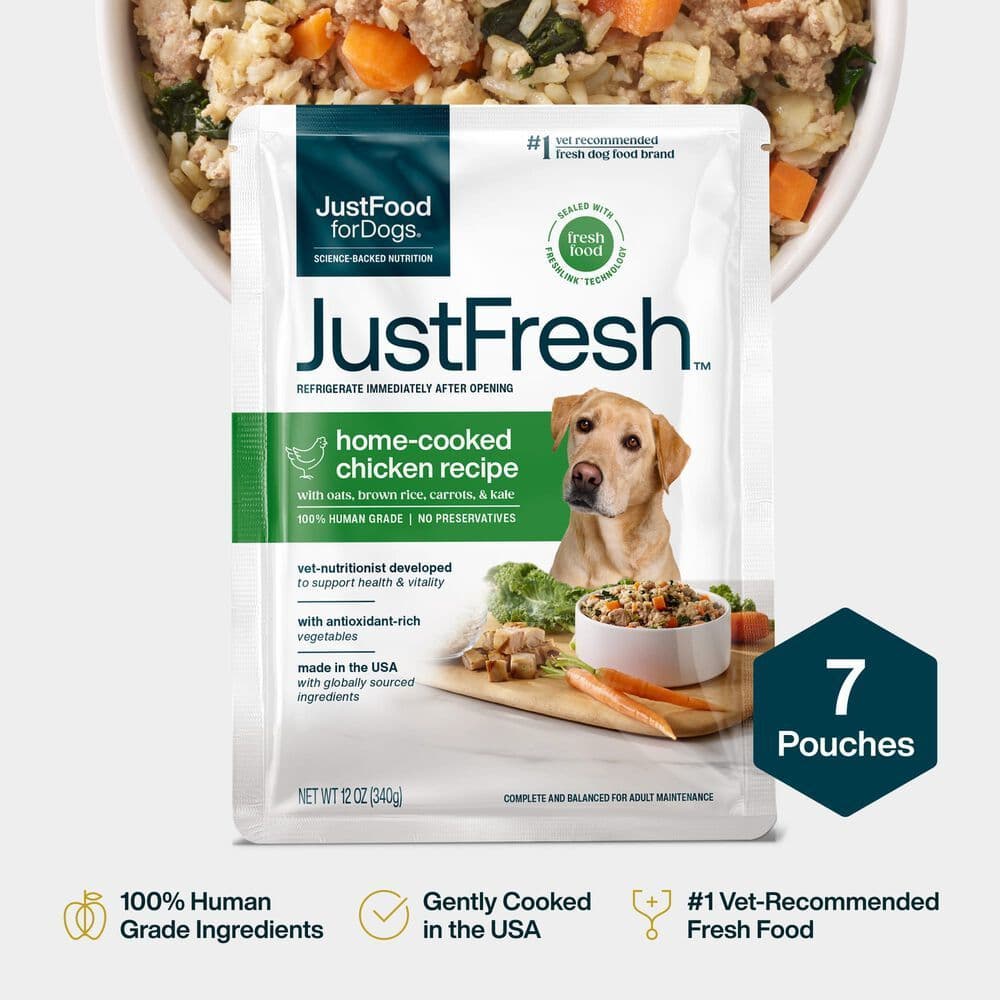
- Home-cooked chicken recipe
- Shelf-stable pouches before opening
- Fresh-food convenience without freezer space
Petful may earn a commission when you click through to JustFoodForDogs, at no extra cost to you.
If your dog starts dropping kibble, chewing on one side, or avoiding a food they previously ate comfortably, discuss the change with your veterinarian. Switching to a soft meal may make eating easier, but it does not diagnose or resolve the underlying problem.
Is grain-free kibble bad for dogs?
Grain-free is another feature to assess in the context of the whole diet. The FDA's work on non-hereditary dilated cardiomyopathy describes a complex problem with multiple possible factors and reports involving both grain-free and grain-containing diets. It does not support a simple rule that one grain claim guarantees safety or harm.
Bring the exact food name and label to your veterinarian if this concern is driving a change. Avoid making a grain decision solely from a product's price, a social-media warning, or the assumption that dogs cannot use grain ingredients.
Separate dental and nutrition decisions
If your concern is whether kibble is bad for dogs' teeth, examine the dental claim separately from the adequacy statement. A complete diet answers the nutrient question. It does not automatically establish that ordinary crunchy pieces clean teeth. Products with a specific dental function need evidence for that function, and a dog's dental-care plan still depends on its mouth and your veterinarian's advice.
The same discipline helps with grain-free kibble. “Grain-free” describes an ingredient choice, not a guarantee about the finished diet's suitability or heart health. Give your veterinarian the exact recipe when discussing concerns, and avoid making a medical conclusion from the absence of a single ingredient category. An individualized discussion can identify whether a diet change is actually indicated.
- Enter your dog’s weight and activity
- Compare fresh-food feeding options
- Use your vet’s calorie target for medical needs
Petful may earn a commission when you click through to JustFoodForDogs, at no extra cost to you.
What fresh food can add to the feeding routine
Cooked fresh food can offer a moist texture and an alternative to serving dry pieces. Prepared meals also remove the work of developing a home recipe and sourcing every component. Those are tangible reasons to consider fresh feeding, especially if you want a different serving experience without taking on batch cooking.
For a specific option, JustFoodForDogs Chicken & Rice is part of the Fresh Frozen range. Check the current label for suitability, calories, and handling. A chicken recipe is not appropriate merely because chicken sounds gentle, particularly when a dog has a diagnosed dietary restriction.
Choose the storage format you will actually use
- Fresh Frozen: Plan freezer space, thawing, and the time allowed for opened food.
- Shelf-stable cooked meals: Check unopened storage instructions and refrigeration requirements after opening.
- Mixed feeding: Make sure both the portion math and the leftover-food routine are manageable.
If freezer space is the sticking point, JustFoodForDogs JustFresh Chicken offers a shelf-stable cooked format to investigate. Shelf-stable refers to the unopened package under the stated conditions. Follow the product's directions after opening, and verify its life-stage statement rather than applying a Fresh Frozen recipe's claims to it.
Mixing fresh food with kibble by calories
You can combine suitable complete foods, but the bowl needs one total calorie budget. The main mistake is adding fresh food to an unchanged serving of kibble, then treating the extra food as nutritionally invisible because it looks wholesome.
For an illustrative 500-calorie daily allowance, allocating 100 calories to a complete fresh recipe leaves 400 calories for the complete dry diet. Convert each share into that food's stated serving units. These are example numbers to demonstrate replacement, not a recommendation for a dog of a particular size.

Three measurements make the plan clearer
- Write down the intended daily calories, with your veterinarian's guidance where needed.
- Record the calories per gram, ounce, cup, or package for each exact recipe.
- Calculate and measure each food's share, including treats and other extras in the daily total.
The JustFoodForDogs feeding calculator can help you start with the fresh portion. Review the result alongside your dog's current intake and condition instead of feeding two separate calculators' full daily allowances.
Distinguish a complete meal from a topper that is not intended to provide all essential nutrients. The latter needs to remain a limited addition unless your veterinarian has formulated the overall diet. Also get individual advice before combining foods with a therapeutic diet, because additions can interfere with the nutritional purpose of that diet.
When a food change needs your veterinarian
A food change is a feeding decision, not a diagnosis. If your dog has persistent digestive signs, unexplained weight loss, difficulty chewing, or a sustained change in appetite, find out why. Repeatedly trying new recipes can obscure the history your veterinarian needs.
Bring concrete information to the appointment. A photograph of the bag or pouch, the amount actually served, and a record of extras is more useful than saying only “kibble” or “fresh.” Include how the food is stored and when the symptoms started relative to any change.
A brief food history to take along
- Exact recipe name and life-stage statement.
- Daily amount, measuring method, treats, chews, and table food.
- Recent weight changes and appetite or stool observations.
- Supplements, medicines, and relevant medical history.
If your dog is doing well on a complete dry food, there is no need to manufacture a crisis to justify choosing fresh. Compare the options calmly and make a gradual, measured transition if you decide to change. A well-suited fresh meal can be worthwhile on its own merits.
Frequently asked questions
Yes, vets may recommend a suitable kibble for an individual dog after considering nutritional adequacy, health, body condition, and the household’s routine. That is a recommendation about a specific diet and patient, not every dry food on the shelf. Bring the exact recipe and serving amount to the discussion so the recommendation reflects what the dog will actually eat.
The healthiest food to feed your dog needs to provide complete nutrition for the dog’s life stage and individual requirements. Freshness, price, or a short ingredient list cannot establish that by itself. Look at the manufacturer's evidence, the dog's medical needs, and how the recipe performs in practice. Your veterinarian can help compare options when health concerns complicate the decision.
It is not inherently bad for a healthy dog to eat only an appropriate complete and balanced kibble as its main diet, with fresh water available. A complete diet does not require extra meat or vegetables to make it complete. If you want to add fresh food for texture or variety, choose an appropriate product and account for its calories. Get individual guidance when the dog needs a therapeutic diet.
There is no established blanket conclusion that dogs live longer without kibble simply because they switch food formats. A finding about digestibility or stool output does not establish a longer lifespan, and convincing comparisons would need suitable controlled trials and attention to other influences on health. Food choice should focus on appropriate nutrition and the dog's needs. Switching from kibble alone is not a demonstrated guarantee of additional years.
You do not have to add fresh food to make a suitable complete kibble nutritionally complete. If mixed feeding suits you, set a calorie budget and decide how much of it each complete food supplies. Use a gradual transition and monitor tolerance. The goal is a consistent routine with measured portions, not an increasingly elaborate bowl or an unplanned extra meal.
BVMS, MRCVS
Dr. Pippa Elliott, BVMS, MRCVS, is a veterinarian with nearly 30 years of experience in companion animal practice. Dr. Elliott earned her Bachelor of Veterinary Medicine and Surgery from the University of Glasgow. She was also designated a Member of the Royal College of Veterinary Surgeons. Married with 2 grown-up kids, Dr. Elliott has a naughty Puggle named Poggle, 3 cats and a bearded dragon.
Sign up for expert-backed reviews and safety alerts all in one place.

A Final Word (Disclaimer)
At Petful, our review integrity is paramount; we never exchange special treatment in our reviews for monetary or material rewards.
Nonetheless, when our readers click through to online merchants (including Chewy or Amazon), we receive a referral commission. This supports the running of our free blog, and we appreciate your backing.