Gently Cooked Dog Food: What It Is and How It Compares to Kibble and Raw
Gently cooked dog food combines a cooked meal with a soft, moist texture. Learn how it compares with kibble and raw, and what to check for nutrition, storage, and portions.
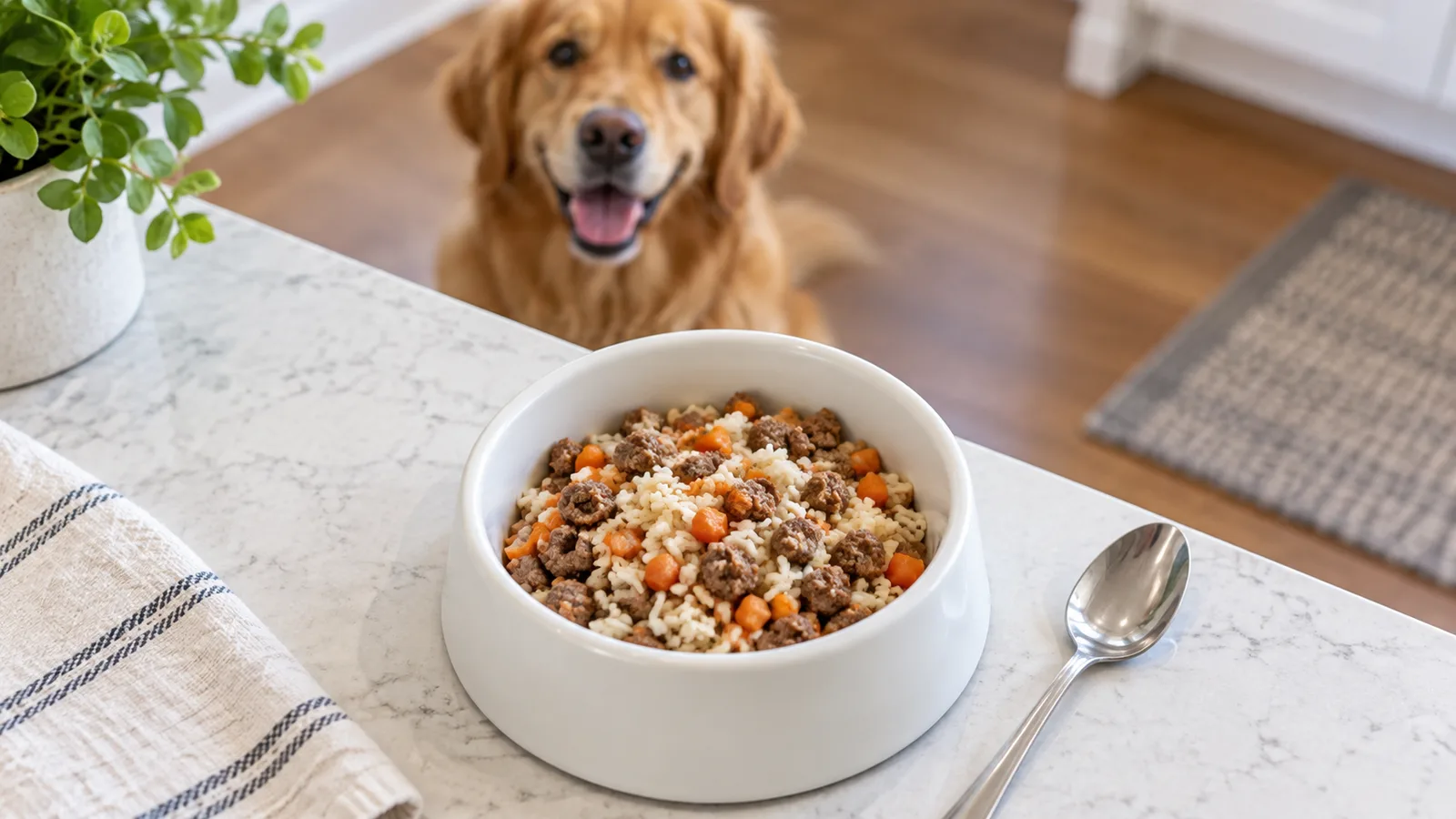
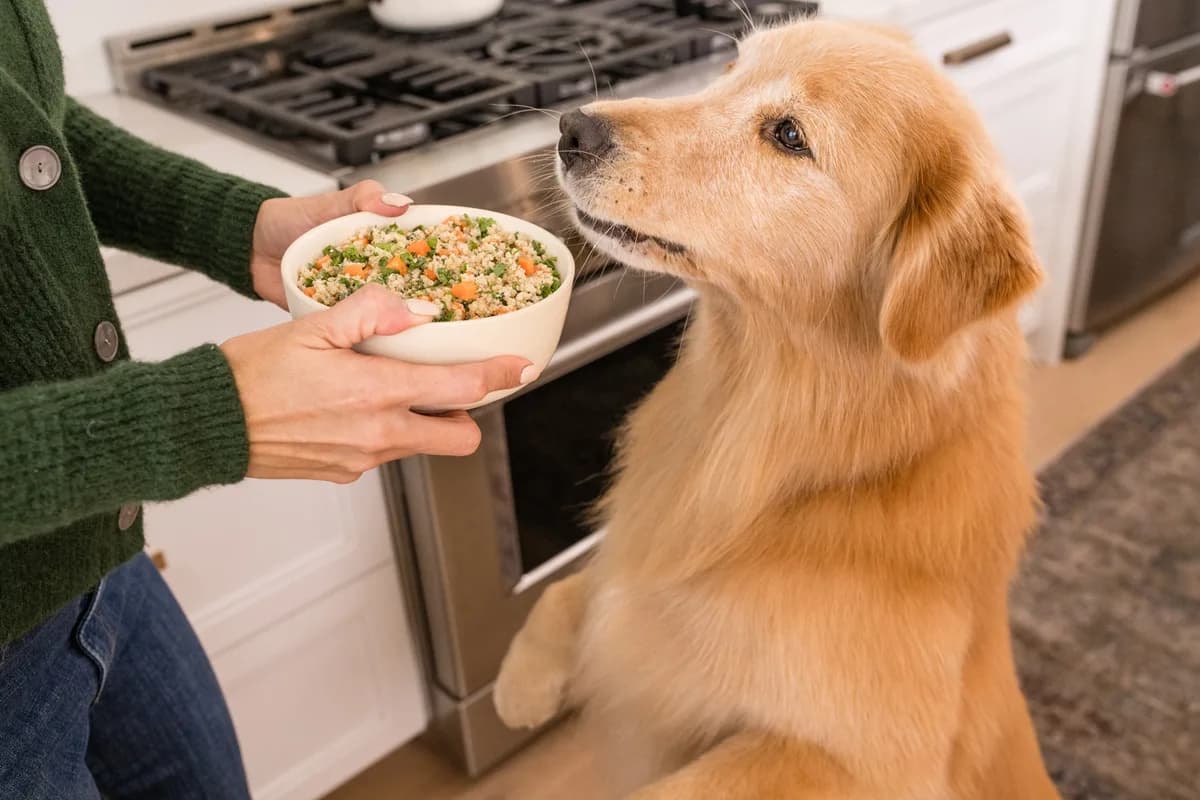
Illustrative scene; food portions shown are not feeding recommendations.
Petful is reader supported. As an affiliate of platforms like Amazon and Chewy, we may earn a commission when you buy through links on this page. There is no extra cost to you.
This article is sponsored by JustFoodForDogs. Petful maintains editorial control and may earn a commission from qualifying purchases, at no extra cost to you.
Gently cooked dog food is cooked food that usually retains a soft, moist texture, with ingredients you can often recognize in the bowl. It can be a practical way to feed fresh meals without serving raw meat. The important next question is whether the specific recipe provides complete nutrition for your dog.
The phrase describes an approach to preparation, not a nutritional score. To choose well, separate three things: how the food is cooked, how it is stored, and whether its nutritional adequacy statement matches your dog's life stage. Here is how those checks apply to kibble, raw diets, and fresh options such as JustFoodForDogs.

Sign up for expert-backed reviews and safety alerts all in one place.
What does gently cooked dog food mean?
- 1Gently cooked describes preparation; complete and balanced describes nutritional adequacy.
- 2Choose a recipe for your dog's life stage and check its calorie density.
- 3Cooking and freezing do different jobs: cooking addresses raw-food hazards, while freezing preserves food for storage.
Gently cooked fresh dog food generally uses a cooking process that leaves the meal moist rather than turning it into dry, crunchy pieces. A finished recipe may contain meat, vegetables, starches, oils, and a carefully measured vitamin and mineral blend. Seeing familiar ingredients can make a meal appealing, but appearance cannot show whether its calcium, trace minerals, and other essential nutrients are balanced.
When a company says “gently,” ask what that means for its own process. The word alone does not tell you the temperature, cooking time, food-safety validation, or nutrient content of the finished meal. There is no useful universal home-cooking temperature to infer from the phrase.
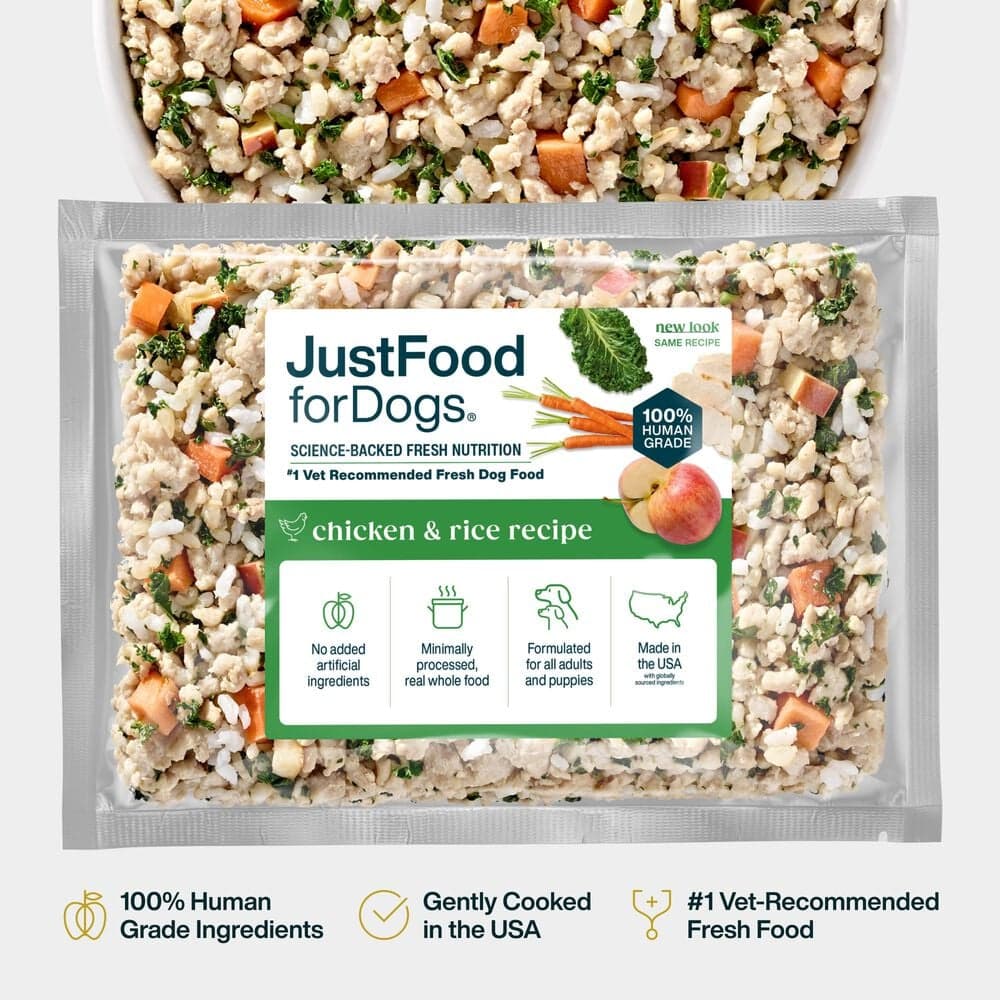
- #1 vet-recommended fresh food
- 10+ years of feeding trials & studies
- Recipes for all breeds, needs and life stages
Petful may earn a commission when you click through to JustFoodForDogs, at no extra cost to you.
Two questions that prevent most format confusion
- What is the cooking method? Was the meal cooked, or is the meat still raw? Ask about a validated process rather than judging by softness or color.
- What is the preservation method? Is the cooked meal refrigerated, frozen, dried, or packaged to remain shelf-stable unopened?
The cooking method and the preservation method answer separate questions. Gently cooked frozen dog food is cooked first and then frozen for storage. Raw frozen food is frozen without becoming cooked food. A shelf-stable cooked meal uses a different preservation system from a refrigerated fresh meal, even when both look soft in the bowl. Compare both parts of the process before deciding how to handle a new product.
Human grade gently cooked dog food adds a separate claim about ingredient and production standards. It does not replace the nutritional adequacy statement: the food still needs complete nutrition for the intended life stage. AAFCO’s label guidance can help you distinguish the product description from the statement that describes its intended nutritional use.
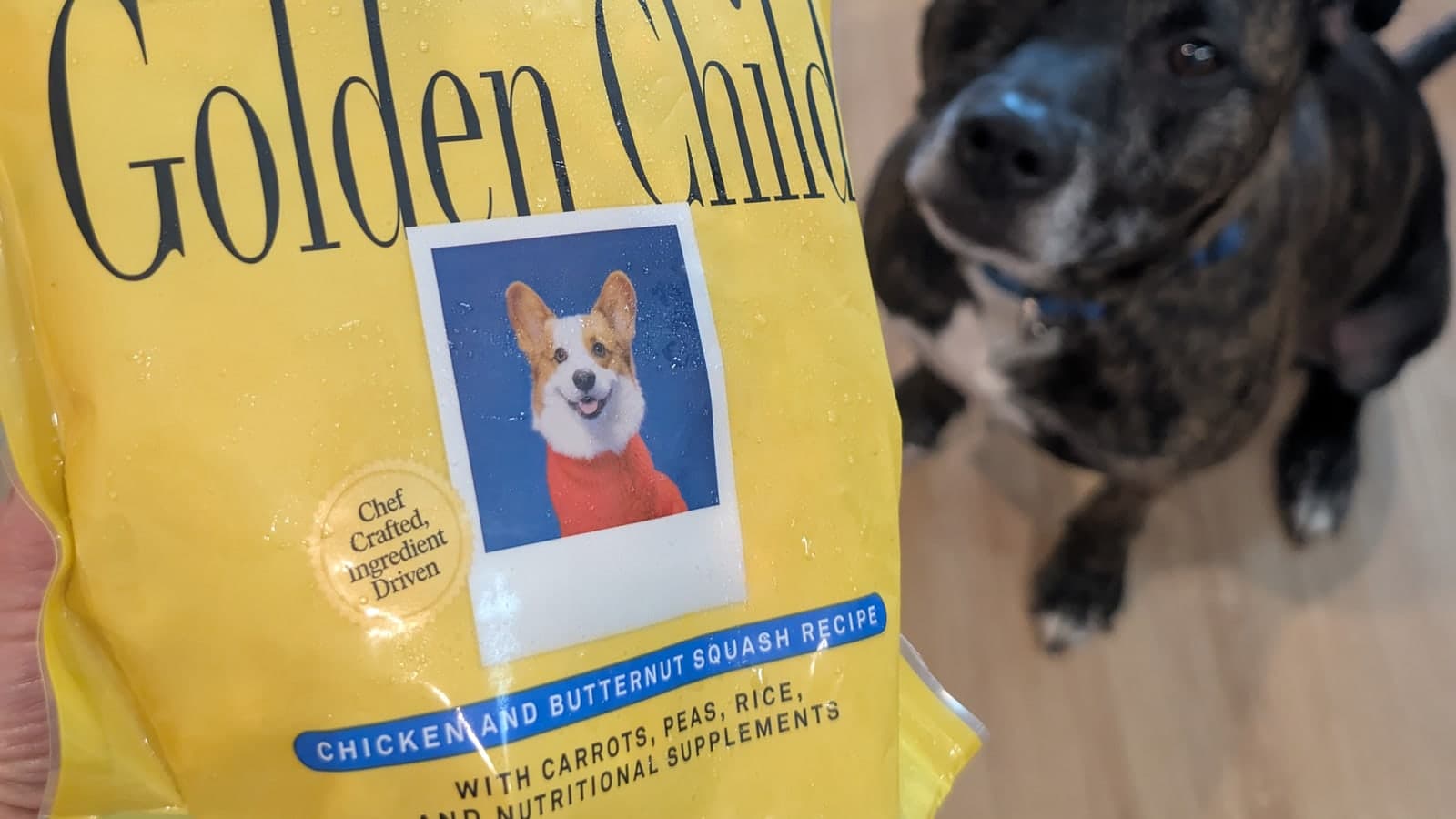
JustFoodForDogs' Fresh Frozen options are a useful example of the cooked-then-frozen category. Start with a daily-diet recipe suited to your dog, then build the thawing and portioning routine around that specific product.
Gently cooked, kibble, and raw: the practical differences
The most useful comparison is about everyday feeding decisions. Kibble offers dry storage and compact portions. Gently cooked food offers a moist texture and a cooking step. Raw food may also look fresh, but its food-safety considerations are different because uncooked animal ingredients can carry pathogens.
| Question | Gently cooked fresh | Conventional kibble | Raw |
|---|---|---|---|
| Preparation | Cooked, typically kept moist | Usually extruded or otherwise processed into dry pieces | Uncooked animal ingredients |
| Storage | Follow refrigerator or freezer directions | Cool, dry storage as directed | Refrigeration or freezing as directed |
| Serving | Measure using the recipe's calorie information | Measure using the recipe's calorie information | Measure using the recipe's calorie information |
| Nutrition check | Read the adequacy statement | Read the adequacy statement | Read the adequacy statement |
| Main planning task | Thawing, storage space, and leftovers | Accurate portions and keeping the bag fresh | Raw-food exposure as well as nutritional balance |
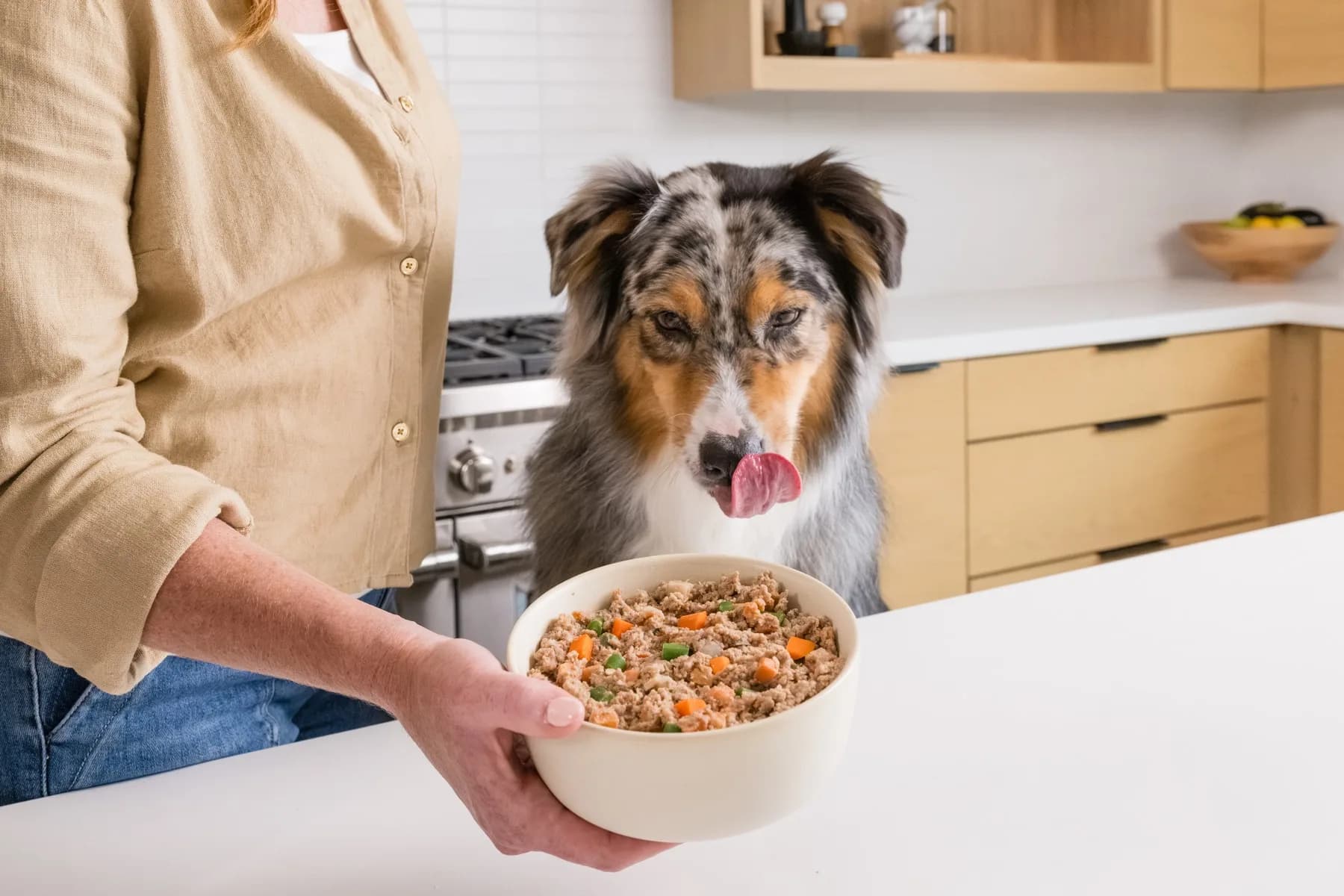
For gently cooked vs raw dog food, the cooking step is the central safety distinction. Cornell's evidence-based advice on raw foods explains that raw diets can expose both dogs and people to harmful bacteria. Freezing is not the same as cooking, and a dog that appears well can still spread organisms through its environment.
This matters in an ordinary household, not only at mealtime. Think about hands that handle the food, bowls washed near human dishes, and a dog licking someone afterward. A properly handled cooked diet offers a way to serve a fresh-style meal while avoiding the additional exposure associated with feeding uncooked animal ingredients.
- Chicken with rice and whole-food ingredients
- Fresh Frozen recipe
- View the recipe and feeding guide
Petful may earn a commission when you click through to JustFoodForDogs, at no extra cost to you.
Compare portions, not bowl volume
A moist meal often needs a different serving weight from a dry food to deliver the same energy. One cup of kibble and one cup of fresh food are not interchangeable portions. Likewise, a bigger-looking fresh serving is not necessarily more calories.
Use the calorie density printed for each recipe. If a food provides 400 calories per cup and another provides 40 calories per ounce, a hypothetical 200-calorie meal would be half a cup of the first or five ounces of the second. Those numbers illustrate the calculation; they are not feeding instructions for a particular dog or product.
Is gently cooked food good for dogs?
Yes, a complete gently cooked food can be an appropriate daily diet. Its usefulness depends on the finished recipe, the dog's needs, and how consistently the household can store and serve it. A soft texture, added dietary moisture, and a convenient prepared meal may all make fresh feeding attractive.
There is research on particular human-grade cooked diets. A University of Illinois study summary describes higher digestibility and lower fecal output for the tested human-grade foods compared with an extruded diet. That supports a specific finding about the diets studied. It does not establish that every cooked fresh food outperforms every kibble or that the format extends a dog's life.
Look for a useful change in your own dog
- Meal acceptance: Does your dog willingly eat an appropriate amount without constant additions?
- Digestive tolerance: Are stools and appetite comfortable after the transition?
- Weight and body condition: Is the serving keeping your dog at the intended condition?
- Practical consistency: Can you afford and store the food well enough to feed it reliably?
These observations are useful to discuss with your veterinarian. They are not substitutes for checking the recipe's nutritional adequacy. A dog can enjoy an unbalanced meal, and smaller stools alone do not establish better overall health.
For owners exploring prepared fresh meals, JustFoodForDogs Chicken & Rice is one Fresh Frozen option to assess against those needs. Read the current recipe label and feeding information rather than assuming that all chicken-based foods have the same nutrient profile.
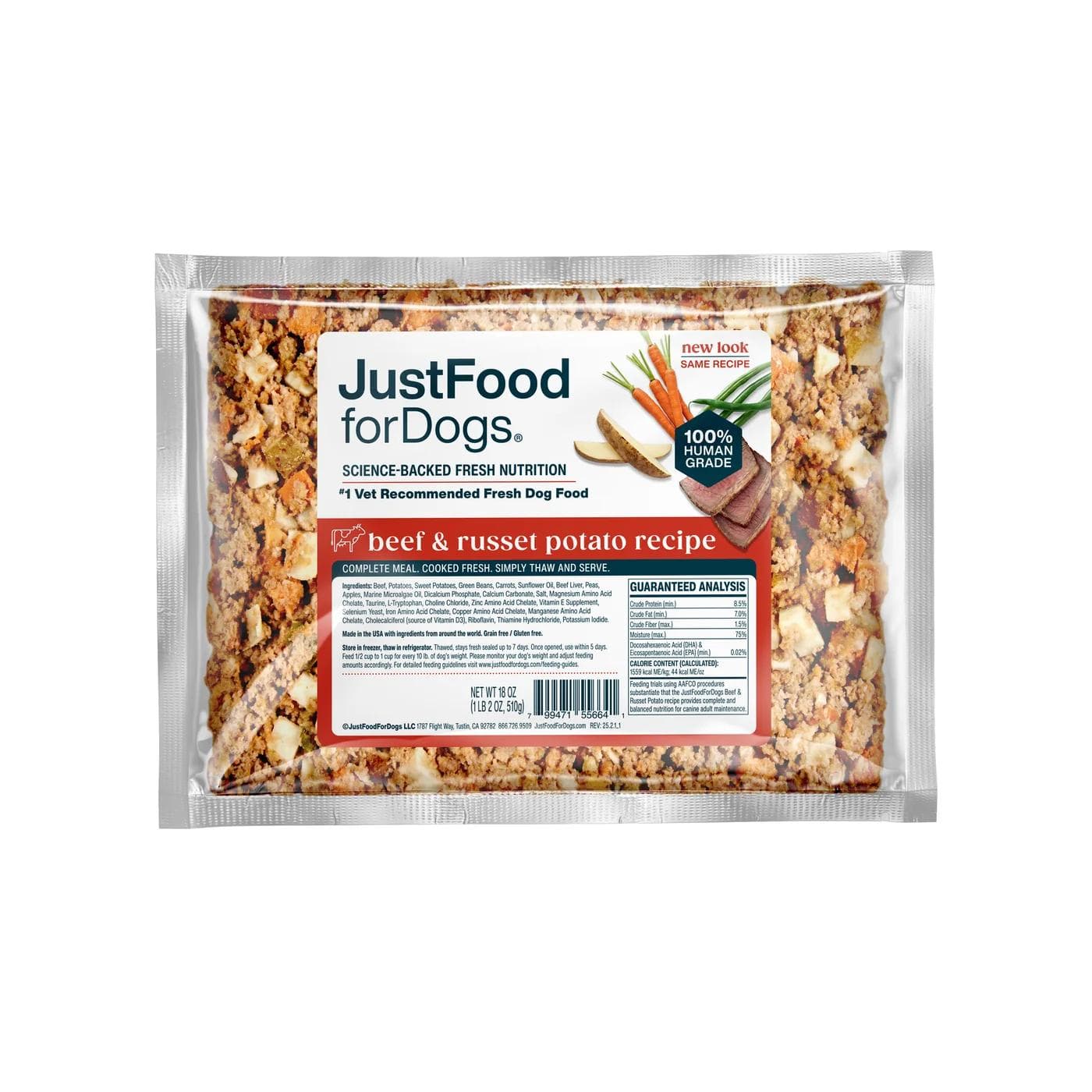
- Beef and russet potato recipe
- Gently cooked, then frozen
- View ingredients and feeding guidance
Petful may earn a commission when you click through to JustFoodForDogs, at no extra cost to you.
How to choose a complete gently cooked food
Start with the nutritional adequacy statement, then work outward to the manufacturer's expertise, quality controls, and feeding instructions. A pleasing ingredient list is useful context, but it is only one part of the decision.
The FDA explains complete and balanced pet food in terms of nutrient profiles or appropriate feeding trials. AAFCO establishes model nutritional standards; it does not approve individual dog foods. Check what the package actually says and which life stage it covers.
A five-part label and manufacturer check
- Match the life stage. Adult maintenance, growth, and all life stages are different claims. Large-breed puppy owners also need the applicable growth qualification.
- Identify the intended use. A daily diet and a complementary topper are not interchangeable, even if their ingredient lists look similar.
- Find the calorie information. You need calories per measured weight or serving to set portions and compare costs.
- Ask about formulation and testing. Who formulates the food, what are their qualifications, and what checks apply to the finished recipe?
- Read storage instructions before ordering. Make sure the delivery quantity fits your freezer and your dog's daily serving.
The WSAVA food-selection guide provides useful questions about manufacturer expertise and quality control. These are questions to investigate, not a shopping seal or a list of approved brands.
If you are comparing human grade gently cooked dog food, also separate ingredient and handling standards from nutritional adequacy. Human-grade language does not, by itself, tell you whether a food is complete for a puppy, adult dog, or dog needing a therapeutic diet. Our guide to human-grade dog food explains that labeling question in more detail.
JustFoodForDogs Beef & Russet Potato gives owners another Fresh Frozen recipe to consider. Choosing between it and a chicken recipe should turn on suitability and tolerance, not the idea that one meat is automatically best for every dog.
Choose a prepared recipe or a formulated home recipe
Gently cooked dog food recipes fall into two different practical choices. A prepared complete meal arrives with its ingredients already combined. A home-prepared recipe requires you to buy, weigh, cook, and supplement the ingredients according to its formulation. A list of appealing foods is not interchangeable with either option. Decide which preparation responsibility you actually want before comparing gently cooked dog food brands.
- Enter your dog’s weight and activity
- Compare fresh-food feeding options
- Use your vet’s calorie target for medical needs
Petful may earn a commission when you click through to JustFoodForDogs, at no extra cost to you.
For a prepared meal, keep the package label and feeding directions together. For a formulated home recipe, keep the full written instructions, the specified supplement, and the contact details for the professional who formulated it. These records make it easier to identify what changed if a supplier substitutes an ingredient or your dog needs a different calorie allowance.
Read product claims as separate questions
An owner may encounter several claims on one package: cooked, fresh, human grade, frozen, complete and balanced, or suitable for growth. Each describes a different part of the product. Ask which statement answers the decision you are making. Storage claims explain handling; the adequacy statement explains intended nutritional use; neither establishes that the food will solve a particular medical problem.
For example, a complete adult meal may be a useful everyday choice for a healthy adult dog but still be the wrong purchase for a growing puppy. The food has not become lower quality simply because it does not fit that puppy. Reading the intended use avoids turning a specific suitability question into a sweeping judgment about a whole brand.
If a front-label claim and the detailed instructions seem inconsistent, ask the manufacturer before buying. Useful questions name the exact recipe and package rather than asking whether all fresh food is healthy. This is also why a familiar product name should not substitute for rereading the label when a company updates a recipe.
Storage, portions, and the switch to fresh food
Fresh feeding works best when thawing and measuring become part of a predictable routine. Before the first delivery, decide where unopened packs will go, which pack will thaw next, and how you will keep track of opened food.
Follow the current package's refrigerator and freezer limits. An unopened frozen pack, an unopened thawed pack, and an opened pack may have different instructions. Do not apply one recipe's shelf life to every product sold by the brand, and do not use smell alone to decide whether improperly stored food is safe.
Set up the first week
- Make freezer space before delivery and check the food promptly when it arrives.
- Thaw according to the manufacturer's directions, with a plan for the next pack.
- Use clean utensils and wash bowls after meals.
- Mark when a pack was opened so everyone feeding the dog follows the same schedule.
- Measure the daily allowance before dividing it among meals.

Use the JustFoodForDogs feeding calculator as a starting point for the recipe and dog you enter. Then check weight, body condition, treats, and activity with your veterinarian. A calculator estimate needs adjustment when the dog's response shows that the initial portion is too large or too small.
When mixing fresh food with an existing diet, replace calories rather than adding a second meal on top. If the planned fresh portion supplies 100 calories, remove approximately 100 calories of the original complete diet. The right total depends on your dog; the replacement principle stays the same.
Introduce the new food gradually according to the manufacturer's and veterinarian's guidance. Slow down and seek advice if digestive upset develops. A dog on a therapeutic diet, a puppy with growth concerns, or a dog with persistent vomiting, diarrhea, or appetite loss needs an individualized plan rather than repeated food experiments.
Can you make gently cooked dog food at home?
You can prepare a cooked diet at home, but cooking a collection of wholesome ingredients does not automatically create a balanced recipe. The nutritional challenge is getting the entire formulation right over time, including nutrients that are not visible in the bowl.
Gently cooked dog food recipes intended for everyday feeding should come with qualified formulation and precise instructions. Work with a veterinarian who has appropriate nutrition expertise, or a board-certified veterinary nutritionist, especially for growth, disease management, or unusual dietary restrictions.
Follow the whole recipe
- Weigh ingredients in the specified raw or cooked state.
- Use the exact supplement and amount called for by the formulation.
- Follow its cooking, cooling, portioning, and storage instructions.
- Ask before substituting meats, removing an oil, or skipping a mineral supplement.
Prepared Fresh Frozen meals can make this process simpler for owners who want cooked food without shopping, batch cooking, and measuring every recipe component themselves. That convenience is a meaningful reason to choose a commercial fresh diet. It does not require portraying carefully formulated kibble as harmful or claiming that every homemade meal is unsafe.
Choose the preparation and storage routine you can sustain, then verify the exact recipe. A complete gently cooked diet can be a good fit when its nutrition, portions, and everyday handling all work for your dog.
Frequently asked questions
To gently cook dog food, follow the exact cooking instructions in a balanced recipe formulated for the dog’s needs. “Gently” is not permission to undercook meat or use an arbitrary low temperature. A suitable recipe must account for ingredient weights, supplements, safe preparation, and storage. If you want a prepared option, choose a complete cooked meal and follow its serving directions instead of altering the formulation yourself.
The best gently cooked dog food is a complete recipe suited to your dog’s life stage, nutritional needs, tolerance, and household routine. Ask about formulation expertise and quality control, then compare calories and storage requirements. JustFoodForDogs Fresh Frozen is one option to evaluate through those checks. No single meat, ingredient list, or food format establishes the best diet for every individual dog.
An ingredient your veterinarian has identified as unsuitable for your dog is one to stay away from; there is no universal blacklist of ordinary dog-food ingredients that identifies a healthy whole diet. An individual allergy or a veterinary restriction may make a particular ingredient unsuitable for your dog. That is different from deciding that a familiar grain or a named nutrient is inherently harmful. Review the finished recipe and your dog's history with your veterinarian instead of selecting food through fear-based ingredient rules.
Semi-moist or soft dry dog food offers a texture between crunchy kibble and very wet meals. The description does not tell you whether the product is a complete daily diet or a treat. Read its intended-use statement and calories. If your dog suddenly struggles with crunchy food, have the underlying problem assessed rather than relying only on a softer texture.
The healthiest food to give your dog is an appropriate complete and balanced diet that supports the individual dog’s needs. “Healthiest” cannot be determined from freshness alone. A well-suited cooked fresh recipe can be a useful choice, while other dogs do well on another complete format. Medical conditions or growth concerns make your veterinarian's individualized guidance especially important.

Coreen Saito is a pet writer and longtime shelter volunteer with more than a decade in animal rescue. She covers cat behavior, breed care, and the small, ordinary science of sharing a life with companion animals, with a particular focus on honest takes about the products and decisions that actually matter. At home in Arizona, she's outranked by Mac (a dog with the loudest opinion in the house), Rebel (a cat who governs by quiet authority), and Meri (an orange tabby who runs the late shift and the laundry basket). She writes about all three, plus the rescues that keep coming through her life, at LifeWithMinty.com.
Sign up for expert-backed reviews and safety alerts all in one place.

A Final Word (Disclaimer)
At Petful, our review integrity is paramount; we never exchange special treatment in our reviews for monetary or material rewards.
Nonetheless, when our readers click through to online merchants (including Chewy or Amazon), we receive a referral commission. This supports the running of our free blog, and we appreciate your backing.