Dog Lethargy: How Activity and Rest Trends Can Reveal a Meaningful Change
Dog lethargy is more than an extra nap. Learn how to compare activity and rest with your dog’s normal pattern and recognize changes that need veterinary care.

BVMS, MRCVS

A change from a dog’s normal energy and response can be more useful than one quiet afternoon.
Petful is reader supported. As an affiliate of platforms like Amazon and Chewy, we may earn a commission when you buy through links on this page. There is no extra cost to you.
Sponsored by Maven Pet.
Dog lethargy means more than taking an extra nap. A lethargic dog is unusually low in energy, less interested in normal activities, harder to engage, or slower to respond. Maven Pet can help families see whether activity and rest have shifted from their dog's established routine, but no tracker can determine why the change happened.
A single quiet afternoon may follow a busy morning, hot weather, or a disrupted schedule. A sustained decline, a sudden dramatic change, or lethargy paired with vomiting, breathing trouble, pain, weakness, or collapse deserves veterinary attention. The safest approach is to use trend data as context, not as permission to wait.
For a practical look at the monitoring service behind these trends, see Petful's Maven Pet Smart Collar review.

A collar-mounted sensor and app for activity, rest, sleep, respiratory rate, heart-rate trends, itch behaviors, and more.
- Builds a personalized baseline over time
- Tracks trends between veterinary visits
- Generates a month-long shareable report
Health monitoring for dogs and cats
Petful may earn a commission when you click through to Maven Pet, at no extra cost to you.

Sign up for expert-backed reviews and safety alerts all in one place.
What dog lethargy looks like
Sleep and lethargy are not the same thing. A sleeping dog should usually wake and respond normally when there is a familiar sound, a meal, a walk, or an invitation to play. A lethargic dog may wake but remain dull, reluctant to move, or uninterested in things that normally matter.
Watch for changes such as:
- Staying in bed when the household becomes active
- Turning down a usual walk, game, or greeting
- Moving slowly or stopping sooner than expected
- Sleeping more while also seeming less refreshed
- Taking longer to settle or repeatedly changing position
- Showing less enthusiasm for food, treats, or attention
- Lagging behind on a familiar route
- Appearing weak, unsteady, painful, or mentally dull
Age, breed, weather, and routine all influence activity. That is why a personal baseline is more useful than comparing your dog with another dog or a generic daily exercise target.
How does a dog show lethargy? The most useful clues are lost interest and reduced responsiveness, not sleep alone. A lethargic dog may stay down for a meal or greeting, move with less purpose, stop early on a familiar route, or wake but remain unusually dull. Weakness, pain, breathing difficulty, and confusion can look similar to an owner, which is why the full set of signs matters more than the label.
Petful's guide to how long dogs sleep explains how age, health, and activity affect normal rest. The concern is not a specific number of sleeping hours. It is a meaningful change in the whole dog.
How to decide whether a change is meaningful
- Compare your dog with their own normal. Record how quickly the change began, what activities disappeared, how rest changed, and which other signs appeared.
How to decide whether a change is meaningful starts with your dog's usual activity and rest, then asks what changed, how quickly it changed, and which other signs appeared. A meaningful change and red flags matter more than a single low activity total. Work through the four questions below without making your dog exercise or waiting on concerning symptoms just to collect more data.
1. How fast did it happen?
A sudden major drop is more concerning than a gradual change after a known busy day. Sudden weakness, collapse, severe pain, or altered responsiveness requires urgent care.
Why does my dog suddenly have no energy? Heat, strenuous activity, poor sleep, or a disrupted routine may have an obvious and temporary effect, but sudden low energy can also accompany pain, illness, toxin exposure, breathing trouble, or another problem that needs care. Do not diagnose the cause from the activity graph. Record the onset, recent context, responsiveness, breathing, movement, appetite, drinking, and bathroom habits, then call according to the severity of the dog in front of you.
2. How far is it from normal?
Missing one play session is different from refusing every walk and meal. Consider your dog's usual enthusiasm, pace, rest pattern, and recovery.
A collar-mounted sensor and app for activity, rest, sleep, respiratory rate, heart-rate trends, itch behaviors, and more.
- Builds a personalized baseline over time
- Tracks trends between veterinary visits
- Generates a month-long shareable report
Health monitoring for dogs and cats
Petful may earn a commission when you click through to Maven Pet, at no extra cost to you.
3. How long has it lasted?
Brief tiredness that resolves fully may be reasonable to monitor in an otherwise healthy adult. Persistent or worsening lethargy should be discussed with a veterinarian, especially in puppies, seniors, and dogs with chronic disease.
4. What else is happening?
Vomiting, diarrhea, appetite loss, coughing, fast or difficult breathing, pale gums, a swollen abdomen, pain, excessive thirst, abnormal urination, fever, or neurologic changes can alter the urgency.
A baseline-to-change activity and rest comparison
A baseline-to-change activity and rest comparison separates a familiar quiet day from a change worth reporting. Many results define lethargy and list causes, but this comparison helps a reader compare activity, rest, appetite, and drinking against that individual dog's baseline. Use your dog's usual activity and rest, not a breed average or another dog's routine. Record the meaningful change and red flags alongside it without assigning a diagnosis.
| Observation | Usual activity and rest | Meaningful change to record | Red flags that change the urgency |
|---|---|---|---|
| Response and engagement | Wakes, greets, eats, or responds to familiar cues | Harder to engage, less interested, slower to respond | Difficult to wake, collapse, severe confusion |
| Movement | Normal gait, pace, stairs, and recovery | Slower pace, early stops, stiffness, trembling, reluctance | Cannot stand, marked weakness, severe pain, poor coordination |
| Rest | Settles and wakes refreshed for normal activities | More rest, disrupted sleep, repeated position changes | Distress, inability to settle, breathing difficulty at rest |
| Food and water | Familiar appetite and drinking pattern | Eats or drinks differently, or takes longer than usual | Repeated vomiting, inability to keep water down, swollen abdomen |
| Breathing and gums | Comfortable breathing and normal gum color | New cough, faster breathing, reduced exercise tolerance | Labored breathing or pale, white, gray, or blue gums |
If your dog is lethargic but eating and drinking, the preserved appetite is useful context, not proof that everything is fine. Look at response, movement, breathing, pain, urination, stool, and the direction of the trend. A dog not eating and lethargic has two important changes to report, but an eating dog can still need care when energy remains unusually low, the change persists, or another concerning sign appears.
Petful's guide to the most common dog health problems covers the broader symptom and condition questions that can sit behind low energy. This article stays focused on recognizing and reporting a change from the individual baseline.
How Maven Pet tracks activity and rest trends
The Maven Pet dog activity tracker follows movement and rest, compares weekly and monthly patterns, and highlights lows or highs relative to the dog's own baseline. That can help families replace a vague feeling that “something seems off” with a clearer timeline.
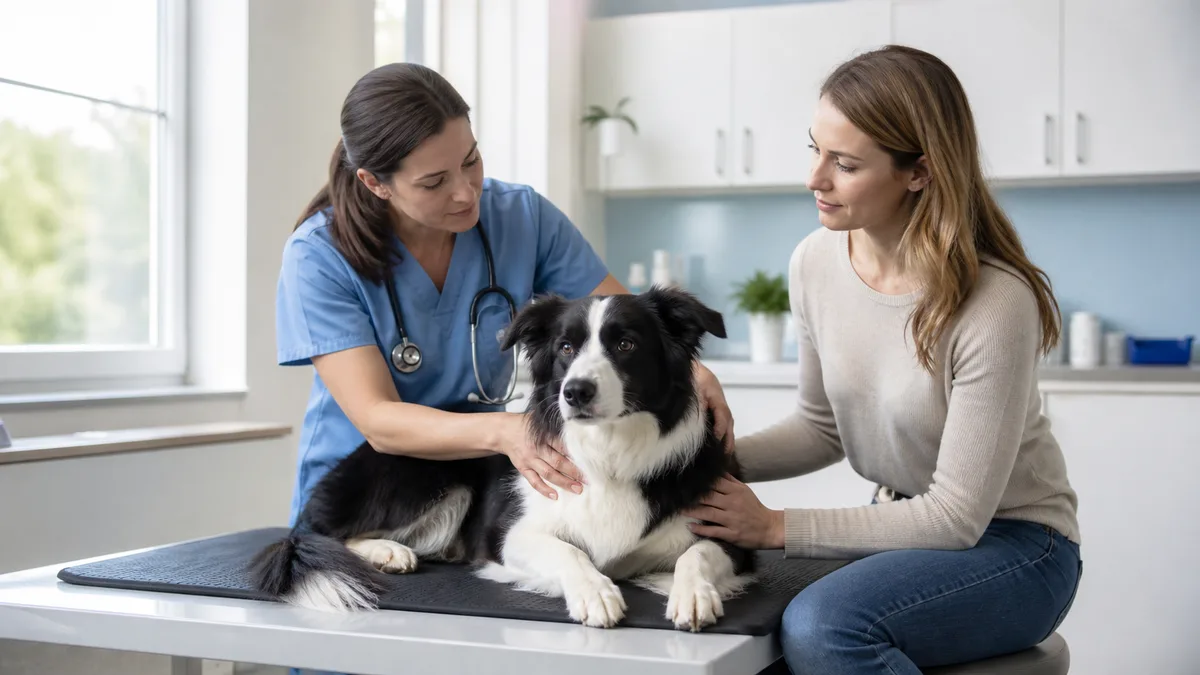
For example, a trend might show that active periods became shorter over several days, a dog stopped reaching a typical afternoon activity level, or rest increased after a medication or routine change. Owners can add notes about heat, travel, exercise, appetite, pain, and other observations before sharing the summary with the veterinary team.
The tracker does not know whether a change is caused by pain, infection, heart disease, a digestive problem, medication, stress, or something else. It also cannot assess gum color, hydration, abdominal pain, body temperature, or mental status. Those limitations are important when deciding whether to call.
Maven Pet's senior dog care guide describes activity, rest, breathing, heart rate, and drinking as trends worth watching as dogs age. These signals are most useful when interpreted together and discussed with a veterinarian.
A collar-mounted sensor and app for activity, rest, sleep, respiratory rate, heart-rate trends, itch behaviors, and more.
- Builds a personalized baseline over time
- Tracks trends between veterinary visits
- Generates a month-long shareable report
Health monitoring for dogs and cats
Petful may earn a commission when you click through to Maven Pet, at no extra cost to you.
What Maven Pet research can support
Maven Pet's research library includes an exploratory case series of five dogs with diagnosed osteoarthritis. Across nine clinical events, activity deviations aligned with eight events, and one activity decline appeared before the owner recognized a problem.
That small study supports the limited conclusion that continuous activity data may help provide context around clinical events in dogs already being followed for osteoarthritis. It was Maven Pet-funded and included Maven Pet veterinarians. It does not validate the device as a general detector of dog lethargy, and it cannot tell an owner what disease is present.
There is no published Maven Pet study that establishes a universal activity threshold for lethargy across all dogs. The honest use of the data is comparison with the individual dog's baseline, followed by veterinary evaluation when the pattern or accompanying signs are concerning.
A practical activity and rest check
If your dog is quiet but alert, breathing comfortably, and not showing an emergency sign, gather a few focused observations before calling your veterinarian.

Response
Does your dog recognize you, respond to their name, and show interest in something normally motivating? A dog who is difficult to wake, confused, or minimally responsive needs urgent care.
Movement
Can your dog stand, walk, and use all four limbs normally? Note stiffness, limping, trembling, reluctance to move, or an unsteady gait. Do not force exercise as a test.
Breathing and gums
Watch breathing while your dog rests. Labored breathing, open-mouth breathing without heat or exercise, or pale, white, gray, or blue gums are emergency signs.
Food, water, and bathroom habits
Record appetite, drinking, urination, bowel movements, vomiting, and diarrhea. These details can narrow the veterinary team's questions, even though they cannot diagnose the cause at home.
Recent context
List new medications, possible toxin or foreign-object exposure, travel, boarding, strenuous activity, heat, injury, and changes in routine. Tell the clinic about known heart, kidney, endocrine, neurologic, or orthopedic disease.
Petful's article on senior dog health offers a broader checklist for gradual changes in older dogs. A new symptom should still be assessed on its own merits rather than dismissed as aging.
A collar-mounted sensor and app for activity, rest, sleep, respiratory rate, heart-rate trends, itch behaviors, and more.
- Builds a personalized baseline over time
- Tracks trends between veterinary visits
- Generates a month-long shareable report
Health monitoring for dogs and cats
Petful may earn a commission when you click through to Maven Pet, at no extra cost to you.
One dog parent's experience
In a July 2026 Trustpilot review, a reviewer named Marc described using Maven Pet with a dog who has chronic health issues. He valued having information that helped him recognize when his dog had reached a comfortable activity limit or experienced too much strain. His account is anecdotal and does not establish a medical threshold, but it shows how a personal trend can support more attentive day-to-day care.
When dog lethargy is an emergency
Go to an emergency veterinary hospital or call for immediate instructions if lethargy occurs with:
- Collapse, inability to stand, or extreme weakness
- Difficulty breathing or blue, gray, white, or very pale gums
- A swollen or painful abdomen, especially with unsuccessful retching
- Suspected poisoning, medication exposure, or swallowed object
- Seizures, severe disorientation, or loss of consciousness
- Uncontrolled bleeding or major trauma
- Severe or constant pain
- Repeated vomiting with weakness or inability to keep water down
- Heatstroke signs, including heavy panting, distress, weakness, or collapse
Petful's guide to true dog emergencies explains why some combinations of signs cannot safely wait.
Call your regular veterinarian promptly for lethargy that persists, worsens, keeps returning, or comes with appetite loss, coughing, vomiting, diarrhea, increased thirst, weight change, limping, or altered behavior. Puppies, frail seniors, and dogs with chronic conditions warrant a lower threshold for calling.
How to share a useful trend with your veterinarian
Give the clinic a short summary:
- When the change began and whether it was sudden or gradual
- The activities your dog stopped or shortened
- Changes in sleep, restlessness, pace, or recovery
- Appetite, water, urination, stool, and vomiting notes
- Medications, supplements, and recent exposures
- A weekly activity and rest graph, if available
- Short videos of movement or behavior, if safe to capture
Avoid interpreting one graph as a diagnosis. The veterinarian may recommend an examination, blood or urine testing, imaging, or other tests based on the history and physical findings.
Frequently asked questions
A tired dog usually wakes, responds to familiar cues, and returns to normal after adequate rest. Lethargy involves an unusual reduction in energy, engagement, or responsiveness that does not fit the dog's recent activity or routine. Compare appetite, movement, breathing, bathroom habits, and interest in normal activities. When the change is sudden, persistent, worsening, or paired with another sign, call your veterinarian.
It can show that activity or rest differs from the dog's baseline and help place the change on a timeline. It cannot identify the cause, examine the dog, or rule out illness when the graph appears normal. Trackers do not assess gum color, hydration, abdominal pain, body temperature, or mental status. Make care decisions from the whole dog and veterinary guidance, not one data point.
There is no safe universal waiting period. Timing depends on the severity and speed of change, accompanying signs, age, and medical history. Extreme or sudden lethargy, breathing difficulty, collapse, severe pain, or altered responsiveness is urgent. For a quiet but alert dog without red flags, call the regular veterinarian for guidance if the change persists, worsens, or repeatedly returns.
No. Forced exercise may worsen pain, heat illness, heart or breathing problems, weakness, or an injury. Offer only a calm opportunity to stand and take a few natural steps when your dog is comfortable and safe. Do not use a walk, stairs, play, or food as a stress test. Call the veterinary team when normal movement is reduced or concerning signs appear.
A normal-looking graph does not overrule concerning symptoms. Trackers capture selected movement and rest patterns, not every brief episode and not a physical examination. A dog may still have pain, breathing difficulty, vomiting, abnormal gums, or another problem while the daily total looks familiar. Record what you observe and call based on the dog in front of you.
Why does my dog suddenly have no energy? An obvious hot day, strenuous outing, or disrupted routine may explain temporary tiredness, but a sudden major drop in energy can also accompany pain, illness, toxin exposure, or breathing trouble. Record when it began and what changed in response, movement, breathing, appetite, drinking, and elimination. Seek urgent care for collapse, severe weakness, abnormal gums, difficulty breathing, severe pain, or altered awareness.
A dog may stay in bed when the household becomes active, ignore a usual greeting or walk, move slowly, stop early, or wake without normal interest and responsiveness. Lethargy is a change from that dog's usual activity and rest, not a fixed number of sleep hours. Note related pain, weakness, breathing, appetite, drinking, bathroom, and behavior changes for the veterinarian.
Sources
BVMS, MRCVS
Dr. Pippa Elliott, BVMS, MRCVS, is a veterinarian with nearly 30 years of experience in companion animal practice. Dr. Elliott earned her Bachelor of Veterinary Medicine and Surgery from the University of Glasgow. She was also designated a Member of the Royal College of Veterinary Surgeons. Married with 2 grown-up kids, Dr. Elliott has a naughty Puggle named Poggle, 3 cats and a bearded dragon.
Sign up for expert-backed reviews and safety alerts all in one place.


A Final Word (Disclaimer)
At Petful, our review integrity is paramount; we never exchange special treatment in our reviews for monetary or material rewards.
Nonetheless, when our readers click through to online merchants (including Chewy or Amazon), we receive a referral commission. This supports the running of our free blog, and we appreciate your backing.