Cat Poop Smells Really Bad: Common Causes and When to Worry
Find out whether an odor change comes from fresh stool, the litter box, or your cat's coat. Learn which accompanying symptoms matter and how testing, diet, and digestive support fit.

BVMS, MRCVS
Petful is reader supported. As an affiliate of platforms like Amazon and Chewy, we may earn a commission when you buy through links on this page. There is no extra cost to you.
Sponsored by Animal Biome. This article contains affiliate links. Petful may earn a commission if you purchase through these links.
When cat poop smells really bad, locate the source before choosing a solution. The odor may come from fresh stool, residue in the litter box, or material caught in your cat's coat. Feces naturally smell, but a new persistent change with illness deserves veterinary attention.
When cat poop smells really bad, a stronger fragrance or a new litter may not address the reason. Note what changed in the stool and your cat's routine before choosing a digestive supplement, changing food, or treating the problem as household odor alone.

Sign up for expert-backed reviews and safety alerts all in one place.
When Cat Poop Smells Really Bad, Check the Source
Fresh stool has an odor even in a healthy cat. Compare it with your own cat's usual pattern. A new persistent change deserves closer attention, especially with other symptoms such as loose stool or reduced appetite. Record stool consistency and appetite alongside the smell rather than expecting healthy poop to be odorless.
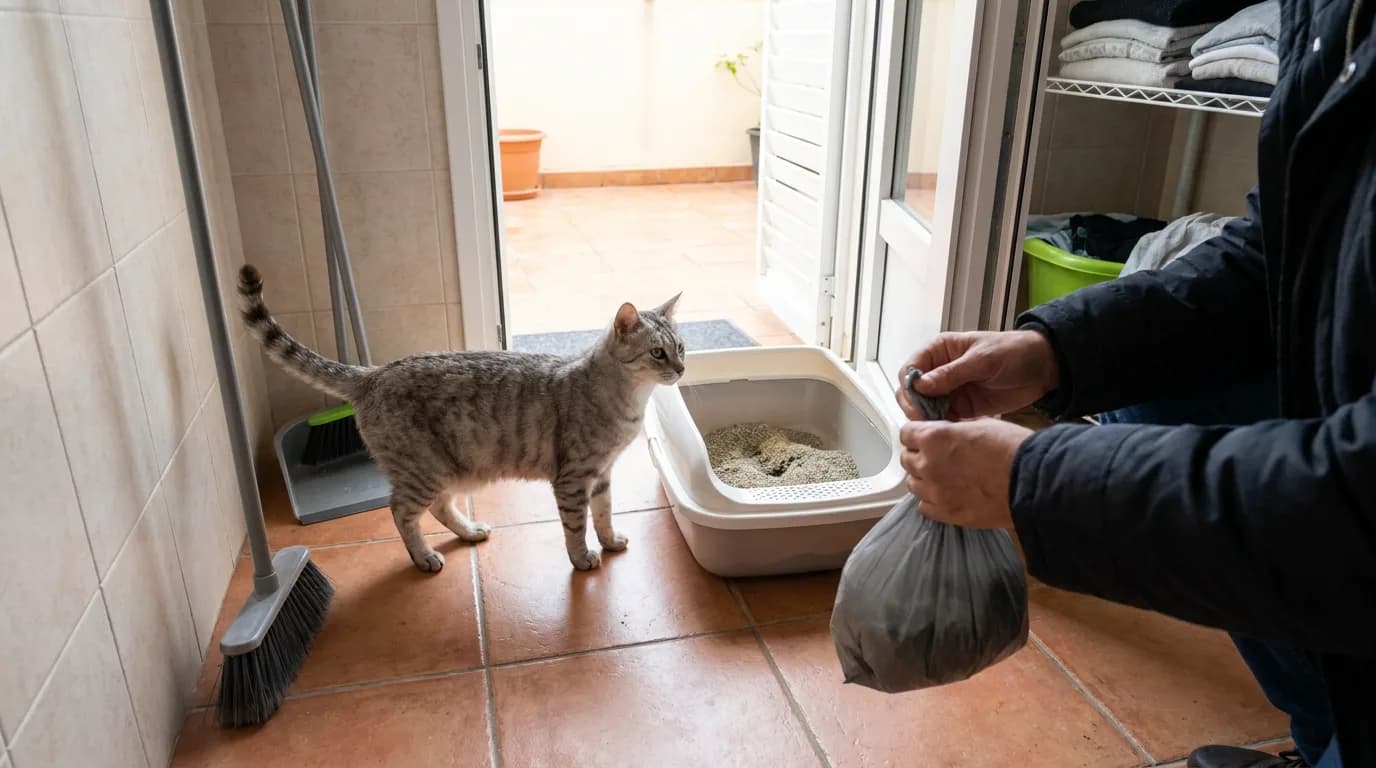
Cat poop may smell bad all over the house because fresh fecal odor spreads beyond the box or waste and residue remain after the bowel movement. Scoop the stool, then check whether the odor remains around the empty box. If it follows the cat into another room, look for material on the fur around the rear. This separates the location of the smell from the question of whether digestion has changed.
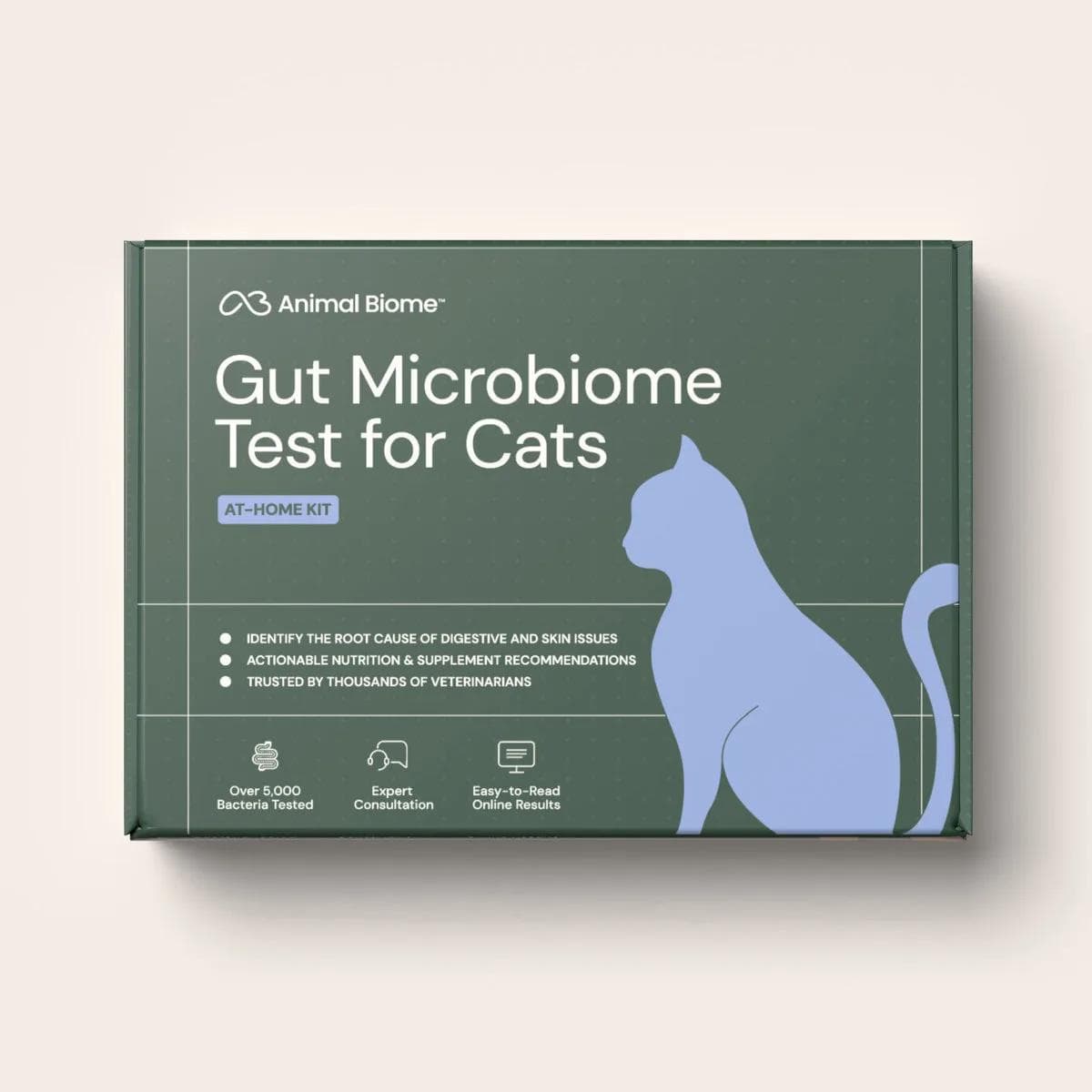
Bacterial microbiome profiling for an informed ongoing support discussion; not a parasite diagnostic test.
Petful may earn a commission when you click through to Animal Biome, at no extra cost to you.
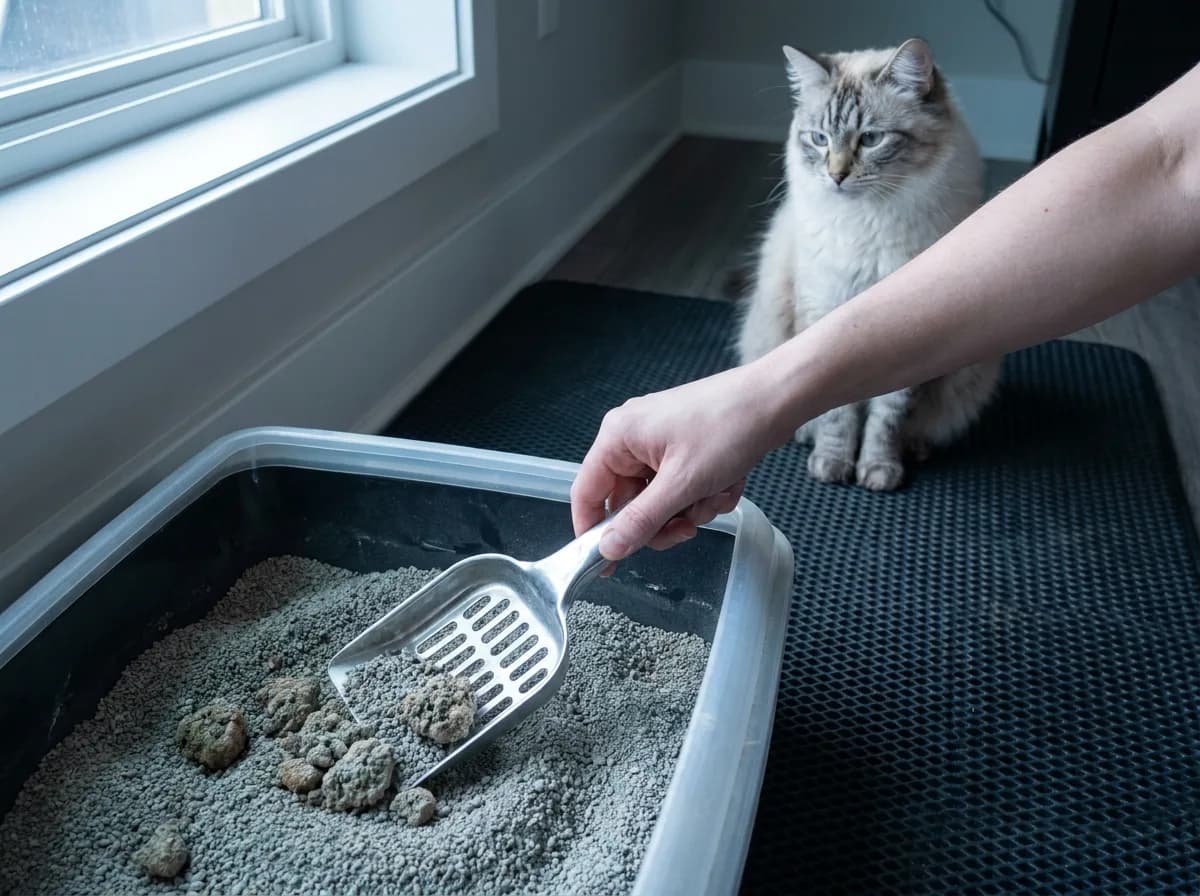
A cat's bum or butt smelling like poop may reflect soiled fur rather than unusually smelly fresh stool. Cats who struggle to groom need the reason assessed, especially if this is new. Odor with scooting, licking, swelling, or discomfort around the rear can also warrant an examination for problems such as anal gland disease.
| Odor source | Useful observations |
|---|---|
| Fresh stool | Compare stool consistency and appetite with your cat's usual pattern. |
| Retained box odor | Check the empty litter box to see whether litter box cleaning and waste removal resolve the remaining odor. |
| Odor on the cat | Inspect fur around the rear and note any new diet or medication, soft stool, or grooming difficulty. |
For ongoing digestive questions, the Animal Biome Gut Microbiome Test for Cats can describe bacterial composition. That information serves a different purpose from finding which part of the room or cat is carrying the smell.
Why your cat's stool may suddenly smell stronger
A sudden change is more useful than how dramatically you describe the odor. Even if the poop seems extraordinarily stinky, smell alone cannot distinguish a dietary change from parasites or another digestive problem. A male cat's stool is not automatically explained by sex; the same history and accompanying signs still matter.
Possible contributors include:
- A new food, treat, or abrupt change in feeding.
- Medication or supplement changes.
- Parasites or other intestinal infections.
- Digestive illness affecting how food is processed or absorbed.
- Loose stool that is harder to remove from the box or coat.
Cornell's feline diarrhea guidance notes that abnormal stool can be unusually foul-smelling and may have several causes. That makes odor a useful observation, but not a stand-alone diagnosis.
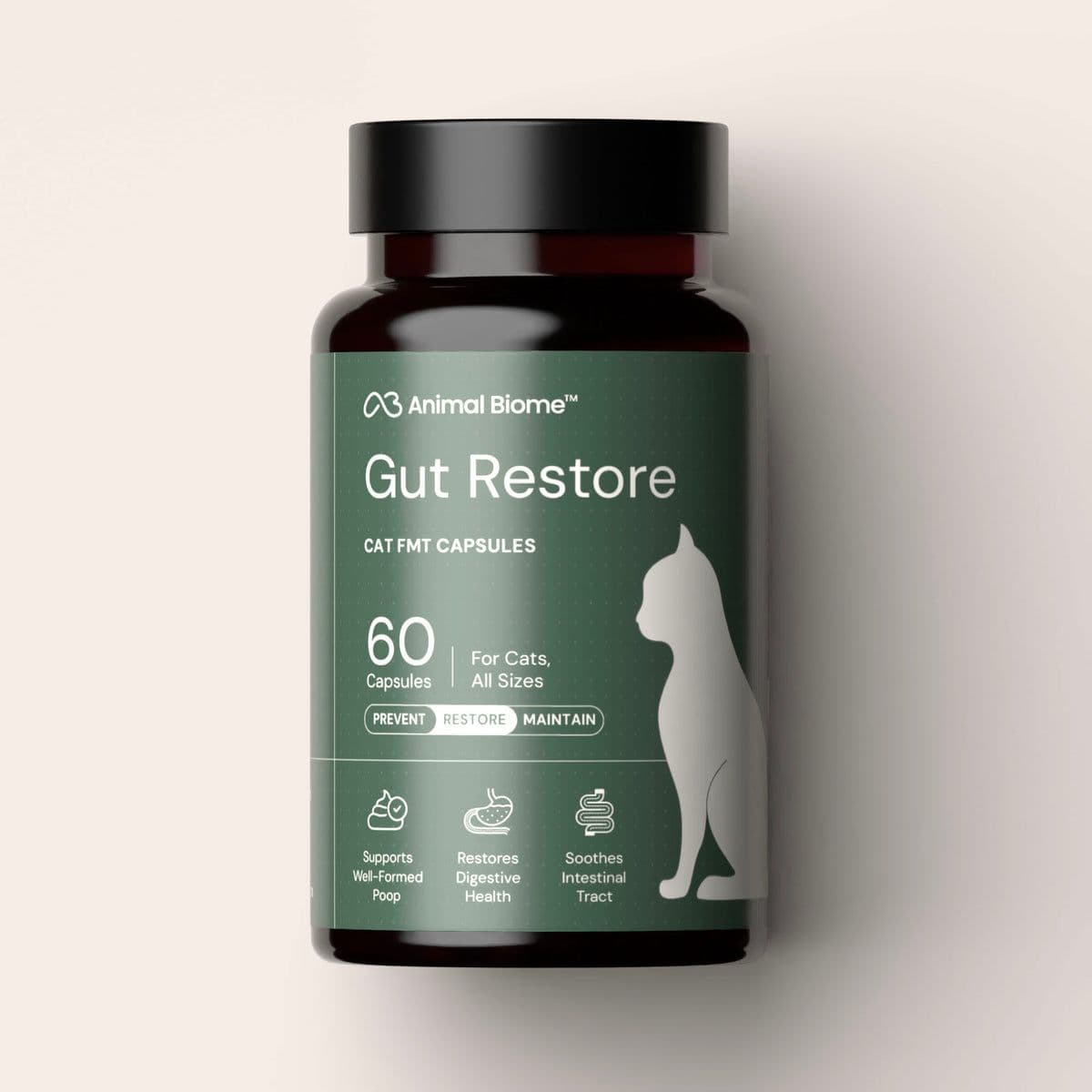
Species-specific microbial restoration for an appropriate veterinary-guided plan.
Petful may earn a commission when you click through to Animal Biome, at no extra cost to you.
When a microbiome support plan is appropriate, Animal Biome Gut Restore for Cats supplies cat-specific microbes from screened donor fecal material. Its role is microbial restoration, rather than covering up odor.
Record the sequence of changes:
- When you first noticed the stronger smell.
- Any medicine or new treat introduced beforehand, including food used to hide a pill.
- Whether the stool became soft before the smell changed.
Do not assume a powerful smell identifies coccidia, Giardia, or any other pathogen. Those possibilities require an appropriate clinical assessment and testing. Equally, a cat with a parasite does not have to produce a smell you recognize.
How food changes can affect stool odor
Diet affects what reaches the intestine and what is left in the stool. A change in food can therefore coincide with a change in odor, consistency, or frequency. The helpful question is what changed for this cat, not whether one ingredient has a bad reputation online.
Keep the old and new food labels, including the exact formulas. “Chicken food” may describe several products with different compositions. Treats, table scraps, flavored supplements, and food used for medication also belong in the history.
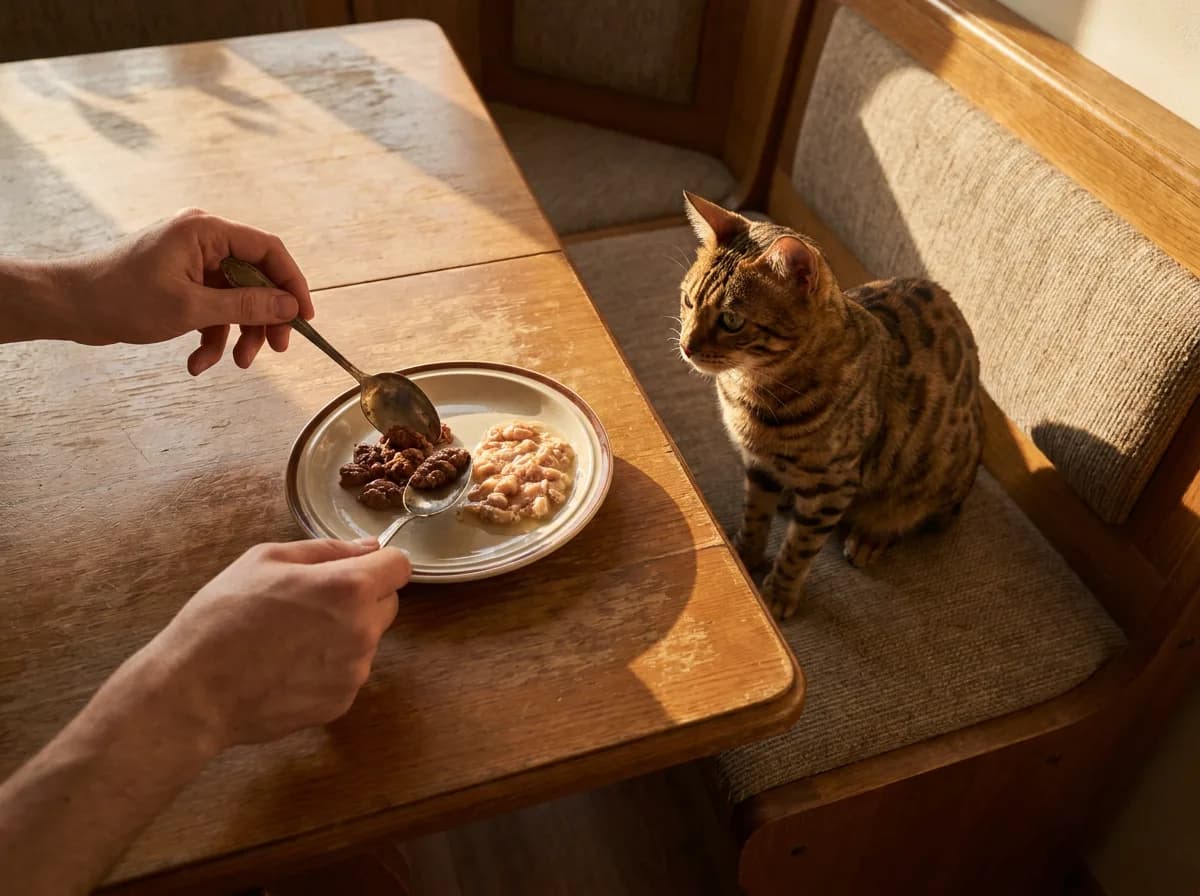
A cheap food is not automatically the cause of smelly stool, and odor does not establish that fillers or excessive protein are responsible. Replace ingredient blame with a food and symptom history: record the exact formula, what changed, and when the smell or consistency changed. Cats need an appropriate, complete diet, so let those observations guide a feeding discussion instead of cutting protein on your own.
If a food change is recommended, make the transition according to the feeding plan. Gradual changes often make the response easier to assess, but a veterinarian may give different instructions for a specific medical reason.
A useful food history includes:
- The exact diet and how long your cat has eaten it.
- Any recent formula, flavor, or portion change.
- Treats and extras given by every household member.
- When stool odor or consistency first changed.
- Whether your cat is eating normally and maintaining weight.
For a cat whose digestive support plan includes a meal-mixed supplement, Animal Biome S. boulardii + FOS Powder provides a yeast probiotic and prebiotic fiber. Introduce it according to the product directions and your veterinarian's advice, with its start date recorded alongside food changes.
A new product should answer a clear need. Adding food, fiber, and several supplements together can make it difficult to identify what helped, what had no effect, or what coincided with worsening stool.
When odor comes with blood, soft stool, or weight loss
Be worried about unusually bad-smelling cat poop when the odor is a persistent new change or comes with blood in the stool, repeated soft stools, vomiting, poor appetite, or weight loss. Those associated signs warrant a veterinary discussion even if the odor itself seems manageable. Odor strength alone does not measure how ill a cat is.
Contact your veterinarian when an odor change persists or accompanies other symptoms. Seek prompt advice for illness, and urgent assessment for a cat who is markedly weak, painful, or unable to keep water down. Do not wait for the smell to reach a particular intensity.
- Blood in stool, black tarry stool, repeated loose stools, vomiting, weight loss, or poor appetite makes an odor change more important to assess. Describe those findings to the clinic rather than relying on odor strength alone.
Record stool consistency and weight
Soft and smelly poop gives your veterinarian more information than odor by itself. Note whether the stool is slightly softer than usual, unformed, or watery, and how often it appears. A photograph can document consistency without requiring anyone else to judge the smell.
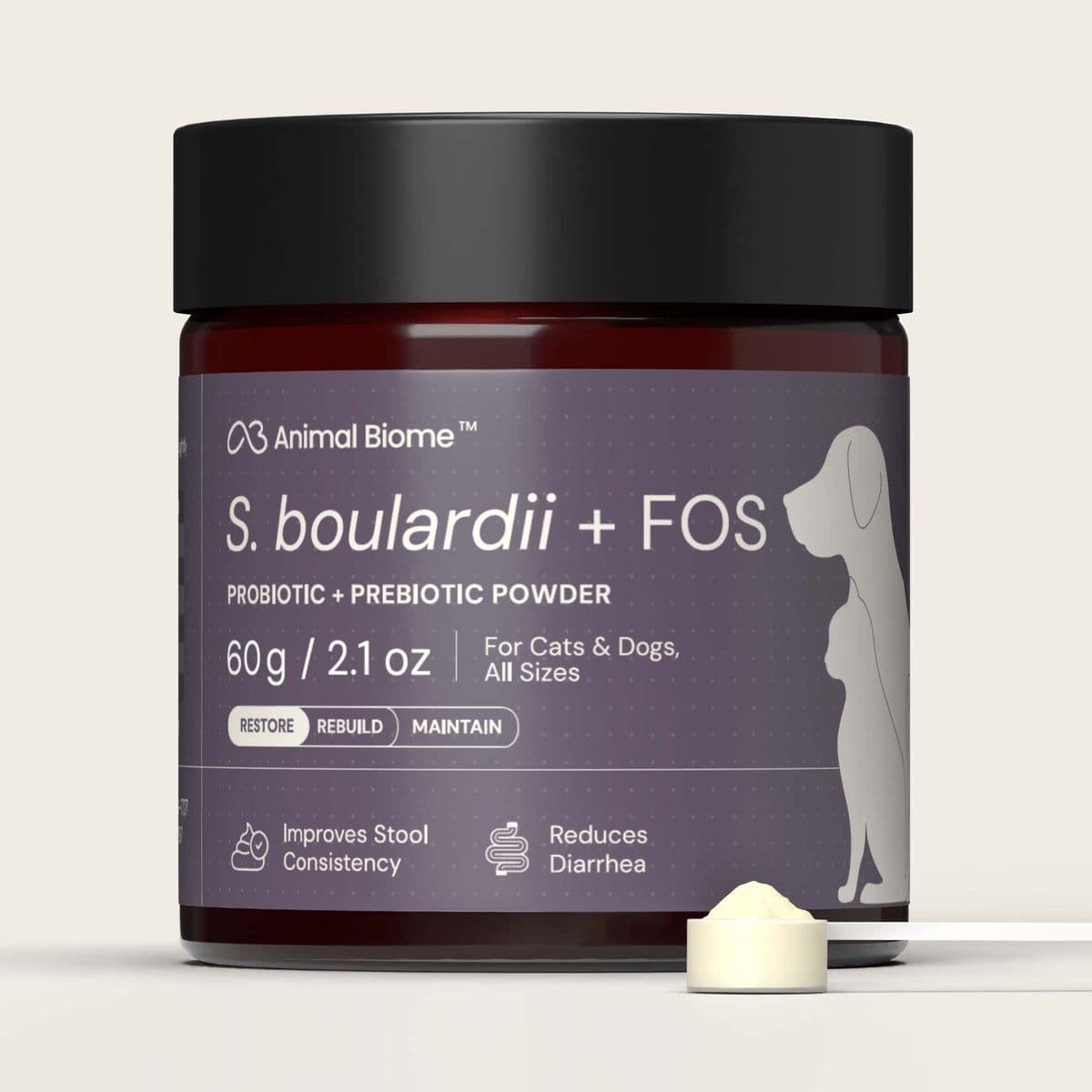
A yeast probiotic plus prebiotic fiber for product-specific digestive support.
Petful may earn a commission when you click through to Animal Biome, at no extra cost to you.
Weight changes also deserve consideration. A cat who still asks for food may nevertheless be losing weight. Report any apparent change in body condition rather than assuming a good appetite rules out digestive illness.
For repeated loose stools, our guide to persistent diarrhea in cats explains why a broader investigation may be needed.
What your vet may check for persistent odor changes
Your veterinarian will usually begin with the history and an examination. The goal is to connect the odor change with stool consistency, appetite, weight, hydration, and any other findings. Smell cannot replace that assessment.
Depending on the pattern, the investigation may include:
- Fecal testing for suspected parasites.
- Review of food, medicines, and supplements.
- Blood tests when wider illness is a concern.
- Additional digestive testing or imaging when indicated.
The Companion Animal Parasite Council describes laboratory methods used to identify Giardia and explains why detection can be challenging. A sample can therefore be useful even when no worms are visible. Our guide to intestinal parasites in cats provides further background.
Problems with digestion or absorption, including malabsorption, may be considered when the overall pattern supports them. Neither a particular odor nor a microbiome result can diagnose an enzyme deficiency or food allergy on its own.
A bacterial microbiome profile can add a different layer of information. Animal Biome's feline test describes the bacteria present and their relative abundance. Share its report with your veterinarian alongside the clinical results, rather than treating it as a substitute for parasite testing.
Prepare the history for your visit
- When the odor changed relative to a new food, medication, or supplement.
- Whether stool is formed or loose and whether appetite or weight changed.
- Which cat produced the sample if several share the box.
Keep that dated food and medication history with your other health records, including MyPetID.ai if you use it. Record what your cat actually receives, not just the products originally prescribed.
For an established maintenance plan, Animal Biome Gut Maintain for Cats offers daily microbiome support for cats whose digestive signs are relatively well controlled.
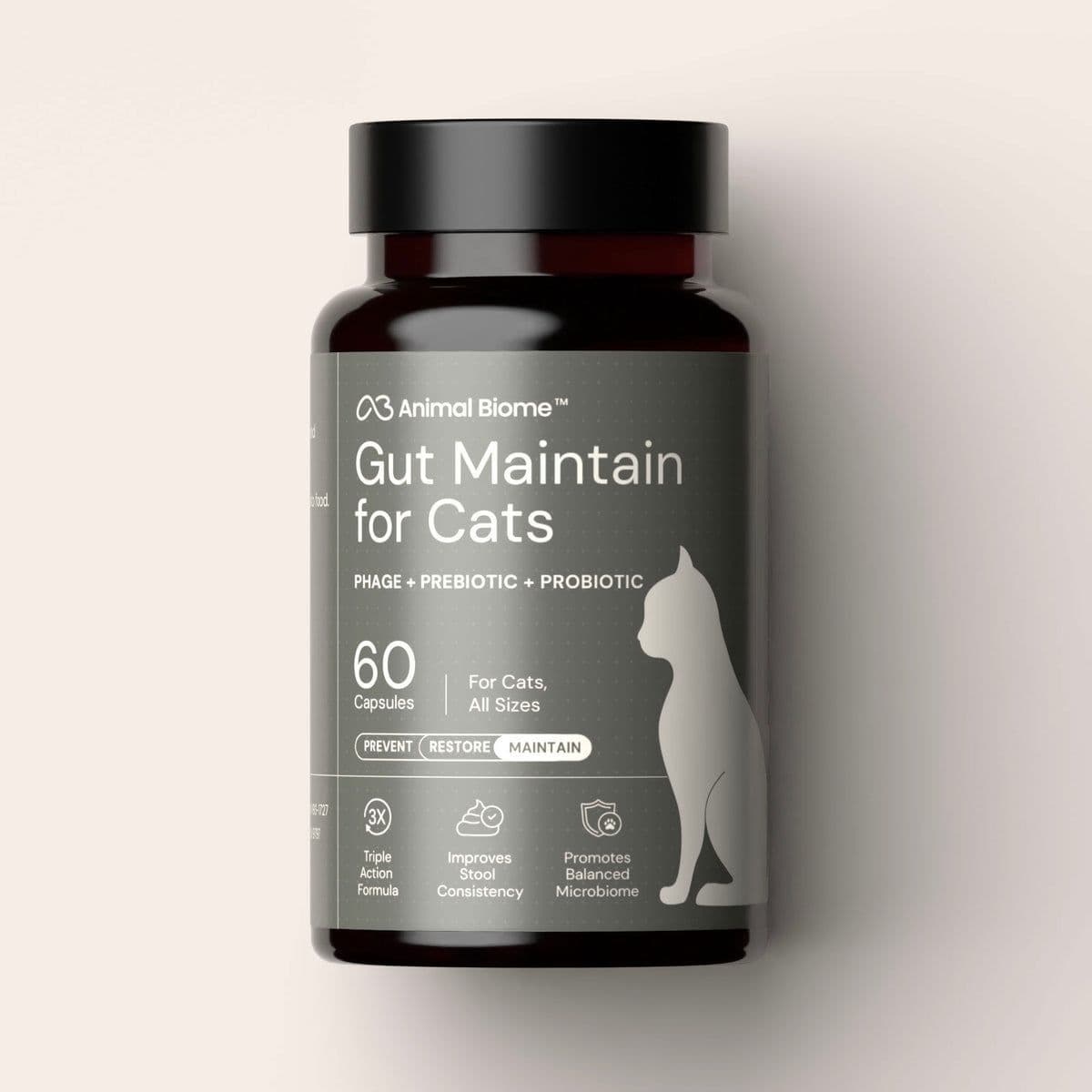
Daily microbiome maintenance after the immediate concern is addressed.
Petful may earn a commission when you click through to Animal Biome, at no extra cost to you.
Support digestion and keep the litter box manageable
What you can give a cat for stinky poop depends on what is causing the change. Appropriate food and treatment of any diagnosed problem come first. A digestive supplement may fit the plan, but no product should be chosen simply because the odor is embarrassing.
When considering probiotics for smelly cat poop, compare the identified organism, added ingredients, and intended use. For example, S. boulardii + FOS Powder supplies yeast and prebiotic fiber; a microbiome test supplies information. Agree on a digestive goal with your veterinarian, then track stool consistency and appetite alongside odor. A less smelly room alone cannot establish that an underlying problem has resolved.
Keep the different Animal Biome options in perspective:
- The Gut Microbiome Test provides information about bacterial composition.
- S. boulardii + FOS Powder combines the research-backed CNCM I-3799 yeast strain with prebiotic fiber.
- Gut Maintain combines a yeast probiotic, prebiotic, and phage blend for an ongoing routine.
- Gut Restore for Cats supplies a community of screened cat-specific microbes.
These products have different roles, and every cat does not need all of them. Discuss the aim of support and how you will judge the response. Follow the selected label, including whether a capsule may be opened: Gut Restore capsules are given whole, while Gut Maintain has different administration directions.
- 1Make one change at a time when practical so the response is interpretable.
- 2Record any new diet or medication alongside stool changes.
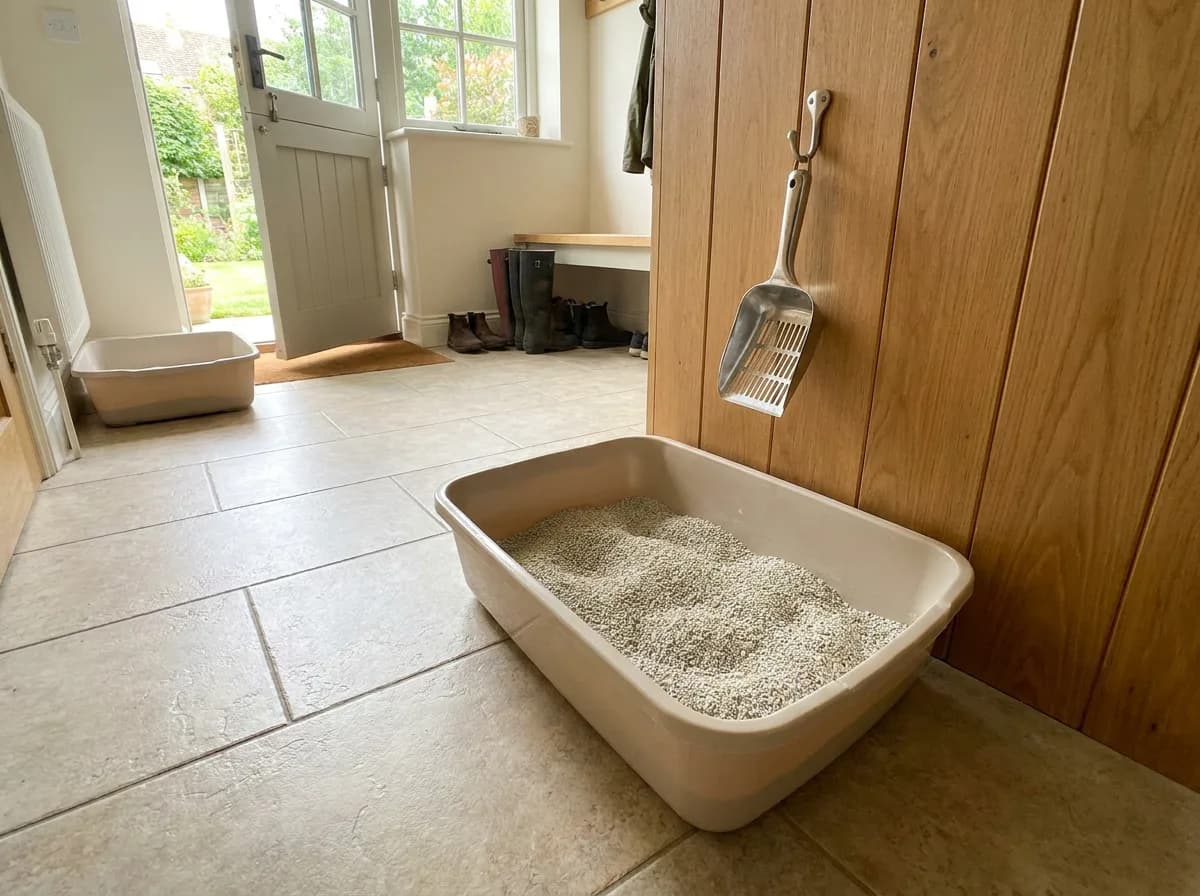
- 3Use daily scooping to reduce retained waste and keep observations clear.
Address the cause before adding products
To stop your cat's poop from smelling bad throughout the room, begin with waste removal and source checking. If fresh stool itself has changed, address the digestive cause with your veterinarian rather than covering the smell. Daily scooping, appropriate litter box cleaning, and attention to soiled fur serve different purposes.
Use a simple sequence:
- Remove the bowel movement and note whether the smell largely clears.
- Check the empty box and surrounding area for retained waste or residue, then clean according to the manufacturer's directions.
- Check whether odor remains on the cat's coat and whether soft stool or grooming difficulty explains it.
- Keep a record if each fresh bowel movement still smells unusually strong after the box is clean.
Avoid relying on perfume to make the problem harder to notice. Keep the setup comfortable and accessible for your cat. A strongly scented change that makes the box less appealing creates a different problem without explaining the stool.
Continue watching stool consistency and appetite after the room smells better. Cleaning can solve retained odor, while the cat may still need assessment for an underlying change. Conversely, normal stool and a comfortable cat do not mean an old, residue-coated box will clean itself.
Choosing litter for household odor
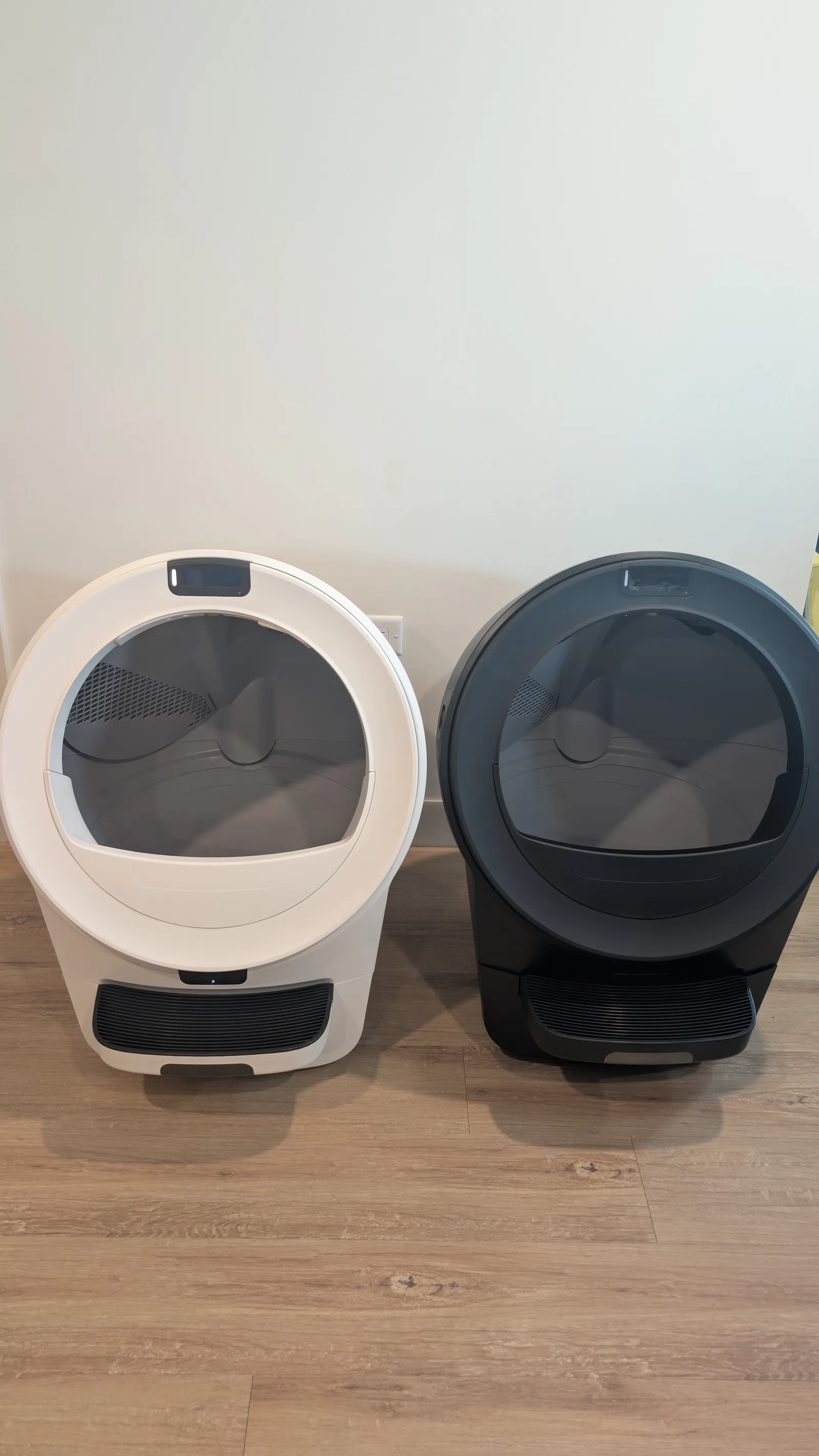
If cat poop stinks up the house after the health questions have been assessed, review the litter and cleaning routine. The best choice is one your cat reliably uses and you can keep clean. Consider how the litter manages waste, how easily it scoops, and whether the setup suits the cat. Household odor control and your cat's health need separate attention when fresh stool remains abnormal.
Prompt removal of feces and appropriate cleaning are the foundation of odor control. A different litter may help manage retained smells, but it cannot diagnose a health problem or treat the reason fresh stool suddenly changed.
Our guide to the best litter for poop odor control compares the product-selection side of the decision. Use it to choose cat litter for stinky poop and lingering smells, while keeping any continuing digestive concern on its own track.
- If you change litter, preserve a familiar option while checking whether your cat accepts the new one.
- Record the change so a new box preference can be distinguished from a change in bowel habits.
- Keep the food routine steady unless a medical plan requires a simultaneous change.
Questions about strong-smelling cat poop
There is no dependable smell that identifies coccidia. Smell cannot identify the parasite or distinguish it from other causes of abnormal stool. Fecal testing and the cat's history are needed to investigate it. Report consistency, frequency, blood, appetite, and exposure details rather than trying to match a particular odor.
Room odor depends on how quickly you remove the stool, ventilation, retained residue, and the litter setup. A continuing change in the cat's bowel movements follows a different course. Persistent odor after cleaning warrants checking the box and coat; repeatedly abnormal fresh stool deserves a veterinary discussion rather than a fixed waiting period.
Baking soda is used in some formulated cat litters, but that does not make an arbitrary amount of loose household powder safe to add. Follow the directions for your specific litter or a product labeled for litter-box use. The American College of Veterinary Pharmacists warns that swallowing a large amount can harm pets. Keep the box of powder out of reach, and ask your veterinarian before adding anything if your cat eats litter. For cleaning the empty tray, the ASPCA recommends baking soda or unscented soap followed by thorough rinsing; that is separate from leaving loose powder in the litter.
Formed stool describes consistency, not every aspect of digestion. A new persistent change in odor can still be relevant, especially with food changes, weight loss, or other symptoms. Compare it with your cat's baseline and report the pattern rather than assuming that a normal shape settles the question.
When practical, make one change at a time so you can interpret the response. Keep a stool record and note the start date of any new product. If your veterinarian recommends several changes together for a medical reason, follow that plan and record them clearly rather than delaying necessary treatment.
BVMS, MRCVS
Dr. Pippa Elliott, BVMS, MRCVS, is a veterinarian with nearly 30 years of experience in companion animal practice. Dr. Elliott earned her Bachelor of Veterinary Medicine and Surgery from the University of Glasgow. She was also designated a Member of the Royal College of Veterinary Surgeons. Married with 2 grown-up kids, Dr. Elliott has a naughty Puggle named Poggle, 3 cats and a bearded dragon.
Sign up for expert-backed reviews and safety alerts all in one place.
A Final Word (Disclaimer)
At Petful, our review integrity is paramount; we never exchange special treatment in our reviews for monetary or material rewards.
Nonetheless, when our readers click through to online merchants (including Chewy or Amazon), we receive a referral commission. This supports the running of our free blog, and we appreciate your backing.